


Enter your VAT number here and click Verify:
Your details have been verified. VAT number registered to:
,
.
Your order will now be zero rated for VAT purposes. We reserve the right to verify these details after your order request has been made and reinstate VAT if required.
Your VAT details were not recognised or were invalid. Your VAT number must be matched to your Billing Country as specified above. This is currently specified as . You do not need to enter the country code part of your VAT number as this has already been selected in your billing address details above.
The VAT number checking service is currently offline. Please supply your VAT details within the comments or special instructions field below and we will apply a VAT discount after placing your order request.
OE Match

OE Match for Porsche
OE Match is a specialist replacement-parts brand developed around Porsche applications, covering routine maintenance, mechanical repairs, restoration and difficult-to-source components for classic and modern models. Design911 selects brands for quality and Porsche fitment, with knowledgeable specialists available to help owners and workshops choose suitable parts.
The OE Match story
OE Match is focused on preserving Porsche vehicles by returning hard-to-find and no-longer-available components to the market. Its purpose is to keep Porsche vehicles maintained, repaired, restored and usable for the future, particularly where original components have become expensive, difficult to source or discontinued.
Supplied catalogue information records over 8000 individual part numbers, more than 11,800 OE cross-references and over 100 new products in engineering, while the wider product programme contains more than 9,000 variants; these figures describe different measures of the range. Continuing development involves researching the parts owners and workshops genuinely need, working with specialist manufacturers, reviewing engineering specifications, assessing samples, testing and approving components before release. From small seals, clips and brackets to major mechanical components, the aim is to prevent a difficult-to-source item from holding up an entire repair or restoration: preserving Porsche, one part at a time.
Why choose OE Match for your Porsche
OE Match is a quality aftermarket and OE-equivalent replacement option developed specifically around Porsche applications rather than adapted from a general aftermarket range. Original references, vehicle fitment information, dimensions, materials and component specifications are used to identify suitable replacements for routine service, age-related wear, larger mechanical repairs and restoration work.
Its research, development and quality-control processes assess material and manufacturing quality, dimensions and specification, OE-reference compatibility, vehicle application, fit and function, supplier samples, product consistency, packaging and presentation. Where appropriate, physical inspection and fitment evaluation form part of final approval, and products must meet the programme's requirements before entering the catalogue.
Coverage includes the Porsche 356, 911, 912, 914, 924, 944 and 928, alongside the 964, 993, Boxster 986, 996, Cayenne, Cayman and 997. This gives owners, enthusiasts, independent specialists and professional workshops a Porsche-focused replacement option alongside Genuine Porsche parts. OE Match is intended to provide correctly specified, OE-equivalent replacements with sensible running costs rather than simply serving as a lower-cost alternative. Design911 selects the brands it carries for quality and fitment and can advise customers on suitable options for maintenance, restoration or upgrades.
- A replacement-parts programme developed specifically around Porsche applications.
- More than 9,000 product variants within the wider programme.
- Original Porsche part-number cross-references wherever applicable.
- Dedicated research, development, sample evaluation and quality-control processes.
- Classic and modern Porsche coverage for maintenance, repairs and restoration.
- Development focused on difficult-to-source and discontinued applications.
Categories we stock from this brand
Design911 stocks OE Match across an extensive range of Porsche mechanical, electrical, body, interior and maintenance categories. Original Porsche references help identify replacements where part numbers have been superseded or several versions exist. Always check the model, production year, engine, transmission, side or position, connector type where relevant and individual product notes. Incorrect application, mismatched versions, reused seals or hardware and worn supporting components can cause noise, premature wear, leaks, fitment problems or repeat failures. Safety-critical specifications and installation should be checked by a competent technician.
Engine components
OE Match engine coverage supports maintenance, repair and rebuilding work, ranging from small retaining hardware and brackets to components associated with the cylinder heads, crankcase, valve train and supporting engine systems.
- Confirm the engine type, capacity, production year and original reference.
- Inspect associated seals, fasteners and supporting components during engine work.
- Check whether components require specialist measuring, machining or installation procedures.
Engine seals and gaskets
Replacement seals and gaskets help address oil, coolant, air and vacuum leaks throughout classic and modern Porsche engines. The range supports individual repairs as well as more extensive engine resealing and rebuilding projects.
- Identify the source of a leak before replacing components.
- Check mating surfaces, housings and fasteners for wear or damage.
- Use the correct gasket or seal version for the engine and production year.
Cooling systems and radiators
OE Match cooling-system coverage includes components used to circulate coolant, control temperature and transfer heat away from the engine. These parts support repairs involving radiators, pipework, hoses, fittings and related cooling hardware.
- Investigate coolant loss, overheating, staining and damaged hoses promptly.
- Check pressure caps, clips, seals and connecting pipes during cooling-system work.
- Bleed and refill the system using the correct model-specific procedure.
Oil system components
Oil-system parts support engine lubrication, oil circulation, filtration and leak repair. Coverage can assist with routine servicing as well as work on oil lines, fittings, housings, seals and associated hardware.
- Confirm thread sizes, connection types and component position.
- Inspect flexible lines and seals for age-related hardening or leakage.
- Verify the required oil specification and system capacity separately.
Transmission and drivetrain
OE Match transmission and drivetrain parts support manual and automatic gearbox repairs, clutch operation, gear selection and the transfer of power to the driven wheels.
- Match parts to the exact gearbox or transmission code where specified.
- Check splines, bearings, seals, joints and supporting hardware for related wear.
- Diagnose noise, vibration or difficult gear selection before ordering components.
Engine and gearbox mounts
Replacement mounts help support the powertrain, maintain alignment and control unwanted engine and transmission movement. Worn mounts may contribute to vibration, knocking, drivetrain shunt or unsettled gear changes.
- Inspect mounts for cracking, collapse, separation and oil contamination.
- Check mounting bolts, washers, brackets and surrounding hardware.
- Consider replacing paired mounts together where required by the application.
Suspension and steering
OE Match suspension hardware and steering components support repairs intended to restore accurate wheel control, alignment and predictable steering response. Coverage includes wear-related items used around suspension joints, mounting points and steering assemblies.
- Investigate play, knocking, uneven tyre wear and unstable handling.
- Check left- and right-hand applications and axle position carefully.
- Arrange wheel alignment after replacing components that affect geometry.
Braking components
OE Match braking components form part of its Porsche-specific replacement programme. Brake work may address wear, restore stopping performance or prepare a car for fast-road or track use, but the specification of each component must suit the intended application.
- Symptoms prompting inspection include vibration, longer stopping distances, squealing, pulling to one side, warning lights and visible disc or pad wear.
- Confirm whether the selected component is an OE-equivalent replacement or a performance upgrade.
- Check whether new fitting kits, seals, hardware and pad wear sensors are required.
Electrical and ignition
Electrical and ignition coverage supports Porsche repairs involving starting, charging, ignition and engine-management faults. Correct diagnosis is particularly important because wiring, supply voltage, earth connections and other supporting components can produce similar symptoms.
- Typical symptoms include intermittent no-start, misfires, rough idle, poor charging, warning lights and heat-soak failures.
- Check the original reference, engine, production year and connector type.
- Test power supplies, earths and wiring before replacing electrical components.
Sensors and switches
OE Match sensors and switches provide replacement options for systems that monitor or control engine operation, temperature, pressure, position, lighting and driver warnings.
- Similar-looking sensors may have different calibrations, connectors or applications.
- Use fault codes as a diagnostic guide rather than proof that a sensor has failed.
- Inspect connectors for corrosion, damaged terminals and degraded wiring.
Heating and air conditioning
Heating, ventilation and air-conditioning components support cabin temperature control, airflow and demisting. The range covers replacement needs involving blower assemblies, controls, ducts, valves, fittings and related hardware.
- Check whether parts differ between left- and right-hand-drive vehicles.
- Confirm connector, housing and production-year variations.
- Refrigerant-system work should be completed by an appropriately qualified technician.
Exhaust components
OE Match exhaust coverage supports repairs to worn, corroded or leaking parts of the exhaust system, together with associated brackets, clamps, seals and fittings.
- Inspect joints, flanges, fixings and heat shields when replacing exhaust parts.
- Check emissions equipment and sensor positions for the specific model.
- Corroded fasteners may require additional hardware during installation.
Rubber seals and hoses
Rubber components are important throughout a Porsche for sealing fluids, air, weather and noise. OE Match coverage assists with replacing hardened, split, swollen, leaking or missing hoses, boots, grommets and sealing profiles.
- Match the shape, dimensions, connection points and intended fluid or system.
- Inspect adjoining clips, pipes and sealing surfaces.
- Age-related rubber deterioration can affect several nearby components at once.
Exterior trim and body components
Exterior and body coverage supports accident repair, cosmetic refurbishment and restoration. It includes replacement needs involving trim, lamps, brackets, fixings, seals and other model-specific body fittings.
- Confirm body style, side, position, colour and finish where applicable.
- Check whether clips, seals or mounting hardware are supplied separately.
- Compare the original component and reference before installation.
Interior components
OE Match interior products support the repair and restoration of cabin fittings that may have worn, faded, broken or become difficult to source with age.
- Check colour, finish, side and model-year variations.
- Inspect clips, brackets and fixing points before fitting replacement trim.
- Some interior components may differ according to body style or equipment specification.
Service and maintenance parts
OE Match service components support scheduled upkeep across Porsche generations, helping owners and workshops maintain reliability, efficiency and system protection while addressing everyday wear.
- Hard starting, rough idle, poor fuel economy and warning lights can accompany clogged filters or worn ignition components.
- Select service items against the exact Porsche model, engine, production year and required specification.
- Review related seals, hardware and other maintenance items when planning a larger service.
Restoration hardware
Restoration hardware covers the small but essential fasteners, brackets, clips, fittings and retaining components needed to complete repairs accurately and securely.
- Record the position and orientation of original hardware during dismantling.
- Check thread, length, finish, quantity and model application.
- Replacing damaged or heavily corroded hardware can prevent delays during reassembly.
Difficult-to-source and discontinued applications
A central purpose of the OE Match programme is identifying gaps where original Porsche parts have become difficult to obtain or are no longer available. Reintroduced components can help prevent one missing seal, clip, bracket or mechanical part from delaying an otherwise complete repair or restoration.
- Use OE cross-references and dimensions to verify the intended application.
- Check whether the original number has been superseded.
- Review product-specific fitment notes where several component versions exist.
Brake Pad Wear Sensors
OE Match brake pad wear sensors provide replacement options for Porsche brake servicing. Sensors may need renewal when pads are replaced or when a worn or damaged sensor causes a brake wear warning.
- Warning messages with new pads, damaged sensor cables and broken clips warrant inspection.
- Match the OE reference, caliper application, model year, connector and sensor position.
- Check the quantity required and whether sensors are included with the selected brake parts.
Engine Electrical
OE Match engine electrical parts cover starting, charging, ignition, sensor and switch applications. They support repairs involving intermittent no-start, misfires, rough idle, stalling, battery drain, poor charging, warning lights, inconsistent readings and heat-related failures.
- Similar-looking components may have different electrical or vehicle applications.
- Repeat faults can indicate a mismatched component or a worn supporting item.
- Battery condition, earth straps, connectors and voltage drop should be checked during diagnosis.
Service Parts
OE Match service parts cover everyday maintenance requirements intended to protect the engine, gearbox and other major systems. Routine replacement can address natural wear caused by heat, friction, fluid degradation and environmental exposure.
- Match filters, ignition parts, belts and fluids to the exact vehicle specification.
- Many symptoms overlap, so establishing a sound service baseline can assist diagnosis.
- Keep a service record to support future maintenance and fault finding.
Service Kits
OE Match service kits group key maintenance components to simplify servicing and establish a known baseline. They are particularly useful when catching up on overdue maintenance or assessing sluggish running, inconsistent idle, poor economy and reduced performance.
- Match each kit to the exact Porsche model, engine and production year.
- Contents vary, so review the included components rather than assuming every service item is supplied.
- Add any required while-you-are-there items, such as spark plugs, belts, fluids, seals or hardware.
Explore the range
Browse the OE Match Porsche range at Design911, then narrow your selection by model and category and cross-check the original part references and fitment notes. Whether you are planning routine maintenance, a workshop repair or a complete restoration, Design911's Porsche specialists can help identify suitable components within a programme focused on fitment, quality and long-term vehicle preservation.


- Porsche Boxster S 986 3.2L 1999-02
- Porsche Boxster S 986 3.2L 2003-04
- Porsche Boxster 987 S 3.2/3.4L 2005-08/08
- Porsche 996 C2 3.4L 1997-08/01
- Porsche 996 C4 3.4L 1997-08/01
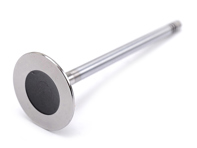
The OE Match Engine Cylinder Head Exhaust Valve is a precision replacement valvetrain component designed to control the release of burnt combustion gases from the engine cylinder.
Fits:
- Porsche Boxster S 986 3.2L 1999-02
- Porsche Boxster S 986 3.2L 2003-04
- Porsche Boxster 987 S 3.2/3.4L 2005-08/08
- Porsche 996 C2 3.4L 1997-08/01
- Porsche 996 C4 3.4L 1997-08/01
Diagram Ref No 9
Located within the cylinder head, the exhaust valve opens at the correct point in the engine cycle to allow combustion gases to leave the cylinder and enter the exhaust system. It then closes firmly against the valve seat to seal the combustion chamber during the compression and power strokes.
Because exhaust valves are directly exposed to extremely hot combustion gases, they operate under demanding thermal and mechanical conditions. Correct valve condition and seating are therefore essential for maintaining cylinder compression, efficient combustion and reliable engine performance.
This OE Match replacement provides an OE-style solution for engine repair, cylinder-head refurbishment or complete engine rebuilding.
What This Product Does:
- Controls the flow of exhaust gases out of the combustion chamber.
- Opens to allow burnt gases to enter the exhaust system.
- Closes against the valve seat to seal the cylinder.
- Helps maintain correct cylinder compression.
- Supports efficient combustion and engine performance.
- Works with the camshaft, lifters, valve spring, valve guide and valve seat.
- Helps maintain consistent engine power and smooth running.
- Provides the correct sealing surface between the valve and cylinder head.
- Replaces a burnt, bent, worn or damaged original exhaust valve.
The valve face must form an accurate seal against the valve seat every time the valve closes. Even relatively minor damage to the valve face or stem can affect cylinder sealing and engine performance.
Symptoms Of Wear Or Failure:
A worn, burnt or damaged exhaust valve may cause:
- Engine misfires.
- Rough or unstable idle.
- Loss of engine power.
- Poor acceleration.
- Reduced compression in the affected cylinder.
- High cylinder leak-down readings.
- Air leakage heard through the exhaust during a leak-down test.
- Difficulty starting the engine.
- Increased fuel consumption.
- Engine management warning light.
- Misfire-related fault codes.
- Irregular exhaust note.
- Ticking or tapping noises from the cylinder head.
- Burnt, pitted or eroded valve face.
- Bent or excessively worn valve stem.
- Excessive carbon deposits.
- Visible overheating or discolouration of the valve.
A damaged exhaust valve can prevent the cylinder from sealing correctly, allowing compression and hot combustion gases to escape into the exhaust port.
Why Replacement Matters:
Exhaust valves operate in one of the hottest areas of the engine. Every combustion cycle exposes the valve head and seating surface to intense heat while the valve repeatedly opens and closes at high speed.
Over time, an exhaust valve can suffer from:
- Valve-face erosion.
- Pitting or burning.
- Carbon build-up.
- Stem wear.
- Mechanical distortion.
- Overheating.
- Poor seating caused by valve-guide or valve-seat wear.
Once the valve can no longer seal correctly, compression in the affected cylinder can fall. This can lead to misfires, reduced power, rough running and increased fuel consumption.
Replacing a damaged exhaust valve helps restore:
- Correct combustion-chamber sealing.
- Cylinder compression.
- Smooth engine operation.
- Reliable exhaust-gas control.
- Consistent engine performance.
- Correct valvetrain operation.
Related reference numbers
Related, superseded, cross reference or alternative numbers for comparison.
99610524700
The product you are viewing cross references to these numbers


- Porsche 958 Cayenne V6 3.6L Petrol (300Hp) 2010-17
- Porsche 958 Cayenne V6 3.0L Diesel (245Hp) 2010-17
- Porsche 958 Cayenne S V6 3.0L Hybrid (380Hp) 2010-17
- Porsche 958 Cayenne S V8 4.8L Petrol (400Hp) 2010-17
- Porsche 958 Cayenne S V8 4.2L Diesel (382Hp) 2010-17
- Porsche 958 Cayenne GTS V8 4.8L Petrol (400Hp) 2010-17
- Porsche 958 Cayenne Turbo V8 4.8L Petrol (500Hp) 2010-17
- Porsche 958 Cayenne Turbo S V8 4.8L Petrol (550Hp) 2010-17
Rear Brake Pad Spring Clip Kit
OE Match rear brake pad spring clip kit for
Porsche 958 Cayenne models with 3.0L to 4.8L engines, including diesel
applications, from June 2010
Fits:
- Porsche 958 Cayenne V6 3.6L Petrol (300Hp) 2010-17
- Porsche 958 Cayenne V6 3.0L Diesel (245Hp) 2010-17
- Porsche 958 Cayenne S V6 3.0L Hybrid (380Hp) 2010-17
- Porsche 958 Cayenne S V8 4.8L Petrol (400Hp) 2010-17
- Porsche 958 Cayenne S V8 4.2L Diesel (382Hp) 2010-17
- Porsche 958 Cayenne GTS V8 4.8L Petrol (400Hp) 2010-17
- Porsche 958 Cayenne Turbo V8 4.8L Petrol (500Hp) 2010-17
- Porsche 958 Cayenne Turbo S V8 4.8L Petrol (550Hp) 2010-17
Diagram ref no 12
The spring clip forms part of the rear brake caliper assembly and helps retain and stabilise the brake pads in their correct position. Maintaining the correct spring tension helps prevent unnecessary pad movement and associated brake noise while allowing the braking system to operate as intended.
What Does the Brake Pad Spring Clip Do?
The spring clip applies tension to the brake pads within the caliper assembly, helping keep them correctly located when the brakes are released and during normal driving.
This reduces unwanted movement of the pads and forms an important part of the brake pad retaining hardware.
Why Does It Fail?
Brake pad spring clips operate in a demanding environment and are continually exposed to heat, water, road salt, brake dust and temperature changes.
Over time they can deteriorate because of:
- Corrosion
- Loss of spring tension
- Heat cycling
- Physical distortion
- Damage during previous brake servicing
- Heavy contamination
- General age-related deterioration
A corroded or distorted spring should not simply be reused because it may no longer retain the brake pads as intended.
When Should It Be Replaced?
Replacement should be considered if the spring
clip is:
- Heavily corroded
- Bent or distorted
- Cracked or damaged
- Missing from the caliper
- No longer providing adequate spring tension
The clips should always be inspected when replacing the rear brake pads or carrying out caliper maintenance.
Checks During Replacement
When servicing the rear brakes, also inspect:
- Rear brake pads
- Brake discs
- Brake pad wear sensors
- Caliper pistons and dust seals
- Caliper mounting hardware
- Brake pad retaining components
- Opposite-side spring clip
Any brake hardware showing significant corrosion, distortion or damage should be replaced rather than reused.
Porsche 958 Cayenne Brake Pad Springs, Clips & Caliper Hardware
Brake pad springs and retaining hardware are small but important components within the Porsche Cayenne braking system. They help correctly locate the brake pads within the caliper and reduce unwanted movement as the brakes are applied and released.
Because these components operate close to the brake disc and caliper, they are exposed to considerable heat as well as water, road salt and brake dust. Corrosion or loss of spring tension can make replacement necessary during routine brake servicing.
OE Match provides a replacement rear brake pad spring clip kit for applicable Porsche 958 Cayenne 3.0L to 4.8L models, including diesel variants, from June 2010 onwards.
Related reference numbers
Related, superseded, cross reference or alternative numbers for comparison.
7PP615269
The product you are viewing cross references to these numbers


- Porsche 95B.1 Macan Petrol 2.0L (237Bhp) 2014-18
- Porsche 95B.1 Macan S Petrol 3.0L V6 (340Bhp) 2014-18
- Porsche 95B.1 Macan S Diesel 3.0L V6 (258Bhp) 2014-18
- Porsche 95B.1 Macan GTS Petrol 3.0L V6 (360Bhp) 2014-18
- Porsche 95B.1 Macan Turbo 3.6L V6 (400Bhp) 2014-18
- Porsche 95B.2 Macan Petrol 2.0L (245Bhp) 2019-21
- Porsche 95B.2 Macan S Petrol 3.0L V6 (354Bhp) 2019-21
- Porsche 95B.2 Macan GTS Petrol 2.9L V6 (380Bhp) 2019-21
- Porsche 95B.2 Macan Turbo 2.9L V6 (440Bhp) 2019-21
Rear Shock Absorber Top Mounting
OE Match rear shock absorber top mounting for Porsche 95B Macan models
equipped with standard suspension. Suitable for either the left or right-hand
side.
Fits:
For cars with Suspension/dampers, standard (I1BA)
- Porsche 95B.1 Macan Petrol 2.0L (237Bhp) 2014-18
- Porsche 95B.1 Macan S Petrol 3.0L V6 (340Bhp) 2014-18
- Porsche 95B.1 Macan S Diesel 3.0L V6 (258Bhp) 2014-18
- Porsche 95B.1 Macan GTS Petrol 3.0L V6 (360Bhp) 2014-18
- Porsche 95B.1 Macan Turbo 3.6L V6 (400Bhp) 2014-18
- Porsche 95B.2 Macan Petrol 2.0L (245Bhp) 2019-21
- Porsche 95B.2 Macan S Petrol 3.0L V6 (354Bhp) 2019-21
- Porsche 95B.2 Macan GTS Petrol 2.9L V6 (380Bhp) 2019-21
- Porsche 95B.2 Macan Turbo 2.9L V6 (440Bhp) 2019-21
Diagram ref no 8
The top mount secures the upper section of the rear shock absorber to the vehicle while helping isolate road vibration and noise from the body. A worn mounting can introduce unwanted movement, knocking noises and vibration into the rear suspension.
What Does the Shock Absorber Top Mount Do?
The top mounting provides the connection between the upper end of the shock absorber and the vehicle body.
As well as securely locating the damper, it helps isolate
vibration and road noise that would otherwise be transmitted through the
suspension into the vehicle. This contributes to a smoother, quieter ride while
allowing the shock absorber to operate correctly.
Why Does It Fail?
Shock absorber mountings are subjected to constant suspension movement, vibration and road impacts. Their rubber and bonded components can gradually deteriorate with age and mileage.
Common causes of wear include:
- Age-related rubber deterioration
- High mileage
- Repeated suspension movement
- Potholes and heavy road impacts
- Contamination from road dirt and moisture
- Worn or damaged shock absorbers
- General deterioration of the suspension mounting
As the mounting wears, it may no longer hold and isolate the shock absorber as effectively as intended.
When Should It Be Replaced?
A worn rear shock absorber top mounting can produce symptoms
such as:
- Knocking or clunking from the rear suspension
- Increased vibration
- Additional road noise entering the cabin
- Reduced ride refinement
- Excessive movement around the shock absorber mounting
- Visible cracking or deterioration of the mounting
The top mounts should also be inspected whenever the rear
shock absorbers are replaced. Design911 recommends renewing worn mounts when
installing new dampers to avoid compromised suspension performance or premature
wear.
Checks During Replacement
When replacing the rear top mount, also inspect:
- Rear shock absorber
- Opposite shock absorber top mount
- Bump stops
- Shock absorber dust boots
- Upper and lower spring seats
- Coil springs
- Mounting bolts and hardware
- Other rear suspension bushes and joints
Replacing top mounts in pairs can help maintain consistent suspension behaviour across the rear axle.
Porsche Macan Rear Shock Absorber Top Mounts & Suspension Components
Rear shock absorber top mounts are an important part of the Porsche Macan suspension system. They secure the dampers to the vehicle while helping isolate vibration, road noise and harshness before it reaches the body structure.
As the mounting material deteriorates, increased movement can result in knocking noises, vibration and reduced ride refinement. Checking the top mounts is therefore recommended whenever the rear shock absorbers are removed or replaced.
OE Match provides a replacement rear shock absorber top mounting for applicable Porsche Macan models equipped with standard 1BA suspension. The same mounting can be used on either the left or right-hand side.
Related reference numbers
Related, superseded, cross reference or alternative numbers for comparison.
8K0513353E
The product you are viewing cross references to these numbers


- Porsche 95B.1 Macan Petrol 2.0L (237Bhp) 2014-18
- Porsche 95B.1 Macan S Petrol 3.0L V6 (340Bhp) 2014-18
- Porsche 95B.1 Macan S Diesel 3.0L V6 (258Bhp) 2014-18
- Porsche 95B.1 Macan GTS Petrol 3.0L V6 (360Bhp) 2014-18
- Porsche 95B.1 Macan Turbo 3.6L V6 (400Bhp) 2014-18
- Porsche 95B.2 Macan Petrol 2.0L (245Bhp) 2019-21
- Porsche 95B.2 Macan S Petrol 3.0L V6 (354Bhp) 2019-21
- Porsche 95B.2 Macan GTS Petrol 2.9L V6 (380Bhp) 2019-21
- Porsche 95B.2 Macan Turbo 2.9L V6 (440Bhp) 2019-21
- Porsche 95B.3 Macan Petrol 2.0L (265Bhp) 2022>>
- Porsche 95B.3 Macan T Petrol 2.0L (265Bhp) 2022>>
- Porsche 95B.3 Macan S Petrol 2.9L V6 (380Bhp) 2022>>
- Porsche 95B.3 Macan GTS Petrol 2.9L V6 (440Bhp) 2022>>
Rear Suspension Track Rod – fits left or right hand side
OE Match rear suspension track rod for Porsche 95B Macan
models from 2014 onwards. The same track rod is suitable for either the left or
right-hand side of the rear suspension and provides a direct replacement for a
worn, damaged or corroded original component.
Fits:
- Porsche 95B.1 Macan Petrol 2.0L (237Bhp) 2014-18
- Porsche 95B.1 Macan S Petrol 3.0L V6 (340Bhp) 2014-18
- Porsche 95B.1 Macan S Diesel 3.0L V6 (258Bhp) 2014-18
- Porsche 95B.1 Macan GTS Petrol 3.0L V6 (360Bhp) 2014-18
- Porsche 95B.1 Macan Turbo 3.6L V6 (400Bhp) 2014-18
- Porsche 95B.2 Macan Petrol 2.0L (245Bhp) 2019-21
- Porsche 95B.2 Macan S Petrol 3.0L V6 (354Bhp) 2019-21
- Porsche 95B.2 Macan GTS Petrol 2.9L V6 (380Bhp) 2019-21
- Porsche 95B.2 Macan Turbo 2.9L V6 (440Bhp) 2019-21
- Porsche 95B.3 Macan Petrol 2.0L (265Bhp) 2022>>
- Porsche 95B.3 Macan T Petrol 2.0L (265Bhp) 2022>>
- Porsche 95B.3 Macan S Petrol 2.9L V6 (380Bhp) 2022>>
- Porsche 95B.3 Macan GTS Petrol 2.9L V6 (440Bhp) 2022>>
Diagram ref no 11
The rear track rod, also known as a rear toe link or track control arm, forms part of the Macan's multi-link rear suspension. It helps locate the rear wheel and maintain the correct toe alignment as the suspension moves, contributing to stable handling, predictable cornering and even tyre wear.
What Does the Rear Track Rod Do?
The rear track rod helps control the position and toe angle of the rear wheel relative to the chassis. Maintaining the correct rear toe setting is important for straight-line stability, predictable cornering and consistent tyre contact with the road.
As suspension loads change during acceleration, braking and cornering, the track rod and its bushes help prevent unwanted movement that could alter the rear wheel alignment.
Why Does It Fail?
The track rod and its mounting bushes are continually
subjected to suspension movement, road impacts and changing loads. Over time,
wear can develop through:
- Deteriorated or softened suspension bushes
- High mileage
- Pothole or kerb impacts
- Corrosion
- Accident damage
- Age-related deterioration
- Repeated heavy suspension loading
Worn bushes can allow the rear wheel geometry to shift under load, affecting handling and tyre wear.
When Should It Be Replaced?
Possible symptoms of a worn rear track rod or its bushes
include:
- Knocking or clunking from the rear suspension
- Rear-end instability
- Uneven rear tyre wear
- Difficulty maintaining correct wheel alignment
- Excessive suspension movement
- Changes in handling during acceleration or braking
- Visible damage or deterioration of the arm or bushes
Similar symptoms can be caused by other suspension components, so the complete rear suspension should be inspected before replacement.
Checks During Replacement
When replacing the rear track rod, also inspect:
- Track rod bushes
- Opposite rear track rod
- Upper and lower rear control arms
- Rear wheel bearings
- Anti-roll bar links and bushes
- Dampers and suspension mounts
- Associated mounting bolts and fasteners
Rear wheel alignment should be checked after replacement to ensure the suspension geometry and toe settings are correctly adjusted.
Porsche 95B Macan Rear Track Rods & Suspension Control Arms
The Porsche Macan uses a multi-link rear suspension system designed to control wheel movement and maintain accurate geometry as the vehicle accelerates, brakes and corners. Rear track rods play an important role in maintaining the correct rear wheel toe setting.
Wear in the track rod or its bushes can introduce unwanted movement into the suspension. This may result in unstable handling, knocking noises, alignment problems and uneven tyre wear. Renewing worn components helps restore accurate rear suspension geometry and predictable handling.
Related reference numbers
Related, superseded, cross reference or alternative numbers for comparison.
PAB501529B
The product you are viewing cross references to these numbers


- Porsche 958 Cayenne V6 3.6L Petrol (300Hp) 2010-17
- Porsche 958 Cayenne V6 3.0L Diesel (245Hp) 2010-17
- Porsche 958 Cayenne S V6 3.0L Hybrid (380Hp) 2010-17
- Porsche 958 Cayenne S V8 4.8L Petrol (400Hp) 2010-17
- Porsche 958 Cayenne S V8 4.2L Diesel (382Hp) 2010-17
Front Lower Wishbone / Control Arm
OE Match front lower wishbone/control arm for selected
Porsche 958 Cayenne models from 2011 to 2014. Left and right-hand versions
are available separately, providing a direct replacement for a worn or damaged
original suspension arm.
Fits:
- Porsche 958 Cayenne V6 3.6L Petrol (300Hp) 2010-14
- Porsche 958 Cayenne V6 3.0L Diesel (245Hp) 2010-14
- Porsche 958 Cayenne S V6 3.0L Hybrid (380Hp) 2010-14
- Porsche 958 Cayenne S V8 4.8L Petrol (400Hp) 2010-14
- Porsche 958 Cayenne S V8 4.2L Diesel (382Hp) 2010-14
Diagram ref. 5
The lower wishbone is a key part of the Cayenne's front suspension, connecting the wheel carrier to the chassis/subframe and controlling wheel movement as the suspension travels. It helps maintain correct suspension geometry during cornering, braking and driving over uneven road surfaces.
What Does the Front Lower Wishbone Do?
The lower wishbone, also known as a control arm or track control arm, locates the front wheel relative to the vehicle's chassis while allowing the suspension to move vertically.
It helps control wheel alignment and suspension geometry while transferring braking, cornering and road forces through the suspension. Correct operation is important for stable steering, consistent tyre contact and predictable handling.
Why Does It Fail?
The control arm itself is a substantial component, but its bushes and associated joints are subjected to continual movement and considerable loads.
Wear can result from:
Deteriorated suspension bushes Wear in associated joints High mileage Potholes and heavy road impacts Corrosion Accident or kerb damage Repeated heavy suspension loads Age-related deteriorationAs wear increases, unwanted movement can develop within the suspension, affecting steering accuracy and wheel alignment.
When Should It Be Replaced?
Typical symptoms of a worn front control arm or its associated components can include:
Knocking or clunking over bumps Vague or imprecise steering Vehicle pulling to one side Steering vibration Uneven or accelerated tyre wear Poor wheel alignment Excessive suspension movement Visible damage to the arm or bushesSimilar symptoms can be caused by other steering and suspension components, so the complete front suspension should be inspected before replacement.
Checks During Replacement
When replacing the lower wishbone, also inspect:
Opposite front lower wishbone Suspension bushes Ball joints Upper control arms Anti-roll bar links and bushes Steering track rods Wheel bearings Dampers and suspension mounts Mounting bolts and fastenersA four-wheel alignment should be checked after control arm replacement to ensure the suspension geometry is correctly set.
NOTE: This wishbone is not compatible with GTS or Turbo models. These models require a different part number.Related reference numbers
Related, superseded, cross reference or alternative numbers for comparison.
95834105
The product you are viewing cross references to these numbers


- Porsche 356A 1955-59
- Porsche 356B 1959-63
- Porsche 356C 1963-65
Engine Cylinder Head Exhaust Valve
sold each – 4 required per car
OE Match engine cylinder head exhaust valve for selected
Porsche 356 1600 engines. This valve is suitable for engine repairs, cylinder
head refurbishment and complete engine rebuilds.
Fits:
- 356 Cabriolet/Speedster, A 1600 616/1
- 356 Cabriolet/Speedster, A 1600 S 616.15
- 356 Cabriolet/Speedster, B 1600 Super 75 616.15
- 356 Cabriolet/Speedster, C 1600 616.15
- 356 Coupe, A 1600 Super 616.15
- 356 Coupe, B 1600 Super 75 616.15
- 356 Coupe, C 1600 616.15
Diagram ref no 11
The exhaust valve controls the flow of burnt combustion gases from the cylinder into the exhaust system. Because it operates directly in the combustion chamber, it is subjected to extremely high temperatures and repeated mechanical loading every time the engine runs.
What Does the Exhaust Valve Do?
During the engine's exhaust stroke, the exhaust valve opens to allow burnt gases to leave the combustion chamber. It then closes against the valve seat to seal the cylinder for the next combustion cycle.
Correct sealing is essential for maintaining cylinder compression, efficient combustion and smooth engine performance.
Why Do Exhaust Valves Fail?
Exhaust valves operate in a particularly demanding environment because hot combustion gases pass directly across the valve head and seat.
Over time, deterioration can result from:
- Valve face or seat wear
- Excessive heat
- Burning or pitting of the valve face
- Carbon deposits
- Valve stem or guide wear
- Incorrect valve clearances
- Poor valve seating
- Corrosion during long periods of storage
A valve that no longer seals correctly can cause loss of compression and poor engine performance.
When Should It Be Replaced?
Replacement should be considered if inspection identifies a burnt, cracked, bent, excessively worn or badly pitted valve.
Possible symptoms of valve or cylinder head problems
include:
- Low cylinder compression
- Misfiring or uneven running
- Reduced engine performance
- Poor combustion
- Excessive valve train noise
- Failed compression or leak-down testing
The condition of the exhaust valves should always be assessed during a cylinder head overhaul or major engine rebuild.
Checks During Replacement
When replacing an exhaust valve, also inspect:
- Exhaust valve seat
- Valve guide
- Valve spring
- Valve collets and retainers
- Rocker arm and adjuster
- Cylinder head condition
- Remaining inlet and exhaust valves
Valve guide clearance and valve seat condition should be checked carefully before fitting a new valve.
Related reference numbers
Related, superseded, cross reference or alternative numbers for comparison.
61610540550
The product you are viewing cross references to these numbers


- Porsche 911 1968-1973 2.2L / 2.4L / 2.7L RS LWB (F)
- Porsche 911 1974-1977 2.7L / 1976-77 3.0 Carrera
This is a high-quality replacement exhaust valve manufactured to OEM specifications, used in air-cooled 911 engines.
Sold individually, 6 required per vehicle
Fits:
Porsche 911 T / E / S 2.2ltr - 1970 to 1971
Porsche 911 T / E / S 2.4ltr - 1972 to 1973
Porsche 911 / S 2.7ltr - 1974 to 1977
Porsche 911 2.7 Carrera - 1974 to 1976
Diagram Ref No 10.
The exhaust valve plays a critical role in controlling the flow of burned gases from the combustion chamber into the exhaust system. It opens and closes with precise timing, maintaining proper engine breathing, power output, and efficiency. This OE Match valve is engineered to withstand high temperatures and pressures, ensuring consistent sealing and smooth exhaust flow under demanding conditions.
Over time, exhaust valves endure extreme heat and wear that can cause pitting, burning, or warping. A worn valve can lead to compression loss, reduced performance, increased emissions, or even engine damage. Replacing it with an OE Match exhaust valve restores proper sealing, maintains cylinder compression, and ensures smooth, efficient engine operation.
Related reference numbers
Related, superseded, cross reference or alternative numbers for comparison.
91110541550
The product you are viewing cross references to these numbers


- Porsche 911 1965-1968 2.0L / 912 SWB (F)
- Porsche 911 1968-1973 2.2L / 2.4L / 2.7L RS LWB (F)
Front Seat Rail Support
OE Match front seat rail support for early
Porsche 911 models. This replacement component is ideal for
restoring an original seat installation where the existing support has become
corroded, damaged or weakened.
Fits:
- Porsche 911 1965-1968 2.0L / 912 SWB (F)
- Porsche 911 1968-1973 2.2L / 2.4L / 2.7L RS LWB (F)
Diagram ref no 11
The support forms part of the front seat mounting arrangement, providing the structure required to correctly locate and support the seat rail assembly.
Two supports are required per vehicle and they are sold individually.
What Does the Front Seat Rail Support Do?
The front seat rail support provides a secure mounting point for the seat rail assembly, helping correctly position and support the front seat within the vehicle.
A sound mounting structure is particularly important because the seat assembly is subjected to repeated loads whenever the vehicle is driven, as well as when the seat is adjusted or occupied.
Why Does It Fail?
On an early Porsche 911, age and corrosion are the main reasons for seat rail support replacement. These cars are now several decades old, and moisture trapped around the floor and seat mounting areas can cause deterioration of the original metalwork.
Replacement may be required because of:
- Corrosion or rust
- Cracked or weakened metal
- Damaged mounting points
- Previous poor-quality repairs
- Accident or floor pan damage
- Distortion around the seat mounting area
- Damage discovered during restoration
Corrosion is a recognised problem with these components; Design911 also offers a later stainless-steel alternative specifically intended to address the corrosion associated with the original carbon-steel design.
When Should It Be Replaced?
The support should be replaced if it is structurally weakened, heavily corroded, distorted or no longer provides a secure mounting point for the seat rail.
It should also be carefully inspected when
carrying out:
- Floor pan restoration
- Front seat refurbishment
- Seat rail replacement
- Interior restoration
- Welding repairs around the seat mounting area
Any corrosion around the surrounding floor structure should be repaired before installing the replacement support.
Checks During Replacement
When replacing the seat rail support, also
inspect:
- Seat rails and runners
- Surrounding floor pan
- Seat mounting points
- Mounting hardware
- Seat adjustment mechanism
- Opposite seat rail support
- Nearby metalwork for hidden corrosion
Correct seat positioning and alignment should be confirmed before completing any permanent restoration or welding work.
Related reference numbers
Related, superseded, cross reference or alternative numbers for comparison.
90152101600
The product you are viewing cross references to these numbers


- Porsche 996 C4 3.4L 1997-08/01
- Porsche 996 C4 3.6L 09/01-2005
- Porsche 996 C4S 3.6L 09/01-2005
- Porsche 996 TURBO 2000-05
The OE Match Front Drop Link is a replacement suspension component designed to connect the front anti-roll bar to the suspension assembly on Porsche 996 models.
Fits Left And Right Side.
Sold Each.
- Porsche 996 C4 1997 - 2005
- Porsche 996 C4S 2000 - 2005
- Porsche 996 TURBO 2000 - 2005
Diagram Ref No 5
The drop link transfers suspension movement into the anti-roll bar, allowing the bar to resist excessive body roll when cornering. By linking the anti-roll bar to the suspension on each side of the vehicle, it helps maintain stability, steering response and predictable handling during changes of direction.
Drop links incorporate articulated joints that must move freely while remaining tight and secure. With age and mileage, these joints can develop play or become damaged, resulting in knocking noises and reduced effectiveness of the anti-roll bar system.
What This Product Does:
- Connects the front suspension to the anti-roll bar.
- Transfers suspension movement into the anti-roll bar.
- Helps reduce excessive body roll during cornering.
- Supports stable and predictable handling.
- Helps maintain consistent steering response.
- Allows the suspension and anti-roll bar to move through their intended range.
- Helps keep the vehicle balanced during changes of direction.
- Replaces a worn, loose or damaged original drop link.
- Helps eliminate suspension knocking caused by worn drop-link joints.
The front anti-roll bar and drop links work together to manage the difference in suspension movement between the left and right sides of the vehicle, helping the car remain composed through corners.
Symptoms Of Wear Or Failure:
- Common signs of a worn front drop link include:
- Knocking or clunking noises from the front suspension.
- Rattling over rough or uneven roads.
- Noise when travelling over speed bumps.
- Clicking or knocking when the suspension moves.
- Excessive play in the drop-link joints.
- Torn or damaged joint boots.
- Corrosion around the ball joints.
- Loose or damaged mounting hardware.
- Less precise suspension response.
- Increased movement or reduced stability during cornering.
- A front-end rattle that is most noticeable at lower speeds.
- Play detected during suspension inspection or MOT preparation.
A worn drop link often produces a distinctive knocking sound as the joint develops clearance and moves under suspension load.
Why Replacement Matters:
Although relatively small, the drop link is an important part of the anti-roll bar system. A worn joint can introduce unwanted movement between the suspension and anti-roll bar, reducing the system's ability to respond accurately to suspension movement.
Replacing worn drop links helps:
- Restore a secure connection to the anti-roll bar.
- Eliminate suspension knocks and rattles caused by joint play.
- Restore more consistent anti-roll bar operation.
- Maintain predictable cornering behaviour.
- Support accurate steering response.
- Reduce unwanted suspension movement.
- Maintain the intended handling characteristics of the vehicle.
If a drop link becomes severely worn or breaks completely, the anti-roll bar will no longer operate correctly through that mounting point.
Related reference numbers
Related, superseded, cross reference or alternative numbers for comparison.
99634307305
The product you are viewing cross references to these numbers


- Porsche 996 C2 3.4L 1997-08/01
- Porsche 996 C4 3.4L 1997-08/01
- Porsche 996 C2 3.6L 09/01-2005
- Porsche 996 C4 3.6L 09/01-2005
- Porsche 996 C4S 3.6L 09/01-2005
- Porsche 996 TURBO 2000-05
The OE Match Rear Gearbox Mount is a replacement transmission mounting component designed for the extension housing of Porsche 996 manual gearboxes.
Fits:- Porsche 996 C2 3.4L 1997-08/01
- Porsche 996 C4 3.4L 1997-08/01
- Porsche 996 C2 3.6L 09/01-2005
- Porsche 996 C4 3.6L 09/01-2005
- Porsche 996 C4S 3.6L 09/01-2005
- Porsche 996 TURBO 2000-05
The gearbox mount supports and locates the transmission within the vehicle while using its rubber-isolated construction to absorb vibration and driveline movement. It allows a controlled amount of movement while preventing the gearbox from shifting excessively under acceleration, braking, gear changes and changing engine loads.
A healthy gearbox mount is important for maintaining correct drivetrain alignment and preventing unwanted movement from being transmitted into the chassis. As the original rubber deteriorates with age, heat and repeated loading, the mount can soften, crack or separate, allowing excessive gearbox movement.
What This Product Does:
- Supports and locates the gearbox within the vehicle.
- Connects the transmission extension housing to its mounting structure.
- Controls excessive transmission movement under load.
- Absorbs vibration generated by the engine and drivetrain.
- Helps isolate drivetrain vibration from the vehicle body.
- Maintains more consistent drivetrain alignment.
- Reduces movement during acceleration and deceleration.
- Helps maintain a more precise feel during gear changes.
- Reduces stress on surrounding drivetrain components and mountings.
- Replaces an original mount that has softened, cracked or deteriorated.
The rubber section of the mount is designed to provide a balance between securely supporting the gearbox and isolating normal drivetrain vibration from the chassis.
Symptoms Of Wear Or Failure:
A deteriorated gearbox mount can allow the transmission to move more than intended. Possible symptoms include:
- Clunking or knocking during acceleration or deceleration.
- Excessive drivetrain movement when applying or releasing the throttle.
- Increased vibration through the cabin.
- Vibration through the gear lever.
- Movement of the gear lever as engine load changes.
- Harshness when pulling away.
- Increased noise during gear changes.
- A noticeable thump when changing gear.
- Reduced precision or consistency when shifting.
- Drivetrain vibration at certain engine speeds.
- Contact or rattling from nearby exhaust or drivetrain components.
- Visible cracking or splitting of the rubber mount.
- Rubber separating from the metal mounting sections.
- Sagging or distortion of the mount.
- Excessive gearbox movement when inspected.
These symptoms can also be caused by engine mounts, transmission components, suspension parts or other drivetrain issues, so the mounting system should be properly inspected before replacement.
Why Replacement Matters:
Gearbox mounts operate continuously under the weight and movement of the transmission while also dealing with torque reactions from the engine and drivetrain.
Over time, repeated loading, heat and ageing can cause the rubber element to harden, soften, crack or separate. Once the mount can no longer control gearbox movement effectively, the transmission may move excessively when engine torque is applied.
This can result in increased vibration, knocking noises and a less precise drivetrain feel.
Replacing a worn gearbox mount helps:
- Restore controlled gearbox movement.
- Reduce knocks and clunks from the drivetrain.
- Reduce unwanted vibration.
- Improve drivetrain stability.
- Maintain more consistent gearbox alignment.
- Improve gear-change feel.
- Reduce unnecessary movement of the gear lever.
- Protect surrounding mountings and drivetrain components.
- Restore the refinement expected from the vehicle.
Related reference numbers
Related, superseded, cross reference or alternative numbers for comparison.
99637505505
The product you are viewing cross references to these numbers


- Porsche 911 1965-1968 2.0L / 912 SWB (F)
- Porsche 911 1968-1973 2.2L / 2.4L / 2.7L RS LWB (F)
- Porsche 911 1974-1977 2.7L / 1976-77 3.0 Carrera
- Porsche 911 1978-1983 3.0L / SC
The OE Match Door Window with Window Lifter Rail is a replacement clear side window glass assembly for classic Porsche 911 Coupe models. Supplied with the window lifter rail already associated with the glass, it provides an effective replacement for original door glass that has become scratched, damaged, broken or affected by problems around the window lifting mechanism.
Fits:- Porsche 911 1968 2.0L / 912 SWB (F)
- Porsche 911 1968-1973 2.2L / 2.4L / 2.7L RS LWB (F)
- Porsche 911 1974-1977 2.7L / 1976-77 3.0 Carrera
- Porsche 911 1978-1983 3.0L / SC
POSTING GLASS & WINDSCREENS
Although we take great care in packaging glass, we cannot offer insurance to cover breakage.
Therefore, we advise customers that they purchase glass by mail order at their own risk.
Diagram Ref No 7 And 9
The window forms an important part of the door assembly, providing visibility, weather protection and security while moving vertically within the door as the window regulator is operated. The attached lifter rail provides the connection and support required for the regulator mechanism to raise and lower the glass in a controlled and correctly aligned manner.
Designed as an OE-style replacement, this assembly is particularly suitable for restoration work, accident repair or refurbishment of ageing door and window mechanisms.
What This Product Does:
- Provides the main movable side window glass within the door.
- Maintains clear visibility through the side of the vehicle.
- Helps protect the cabin from wind, rain and road debris when closed.
- Works with the window regulator to raise and lower the glass.
- Uses the lifter rail to support and control the movement of the window.
- Helps keep the glass correctly positioned within the door frame and guides.
- Allows smooth and controlled window operation.
- Restores the appearance of damaged or heavily scratched original glass.
- Provides a replacement solution where the original glass or lifter rail is no longer serviceable.
- Helps maintain the original appearance of a classic Porsche during restoration.
Correct alignment between the glass, lifter rail, regulator and window guides is important for smooth operation. If any of these components become damaged or distorted, the window can tilt, bind or become difficult to operate.
Symptoms Of Wear Or Failure:
Door glass itself has few moving parts, but decades of use, contamination, incorrect adjustment and deterioration of the lifting mechanism can cause a range of problems.
Common signs that replacement may be required include:
- Cracked or broken window glass.
- Chips around the edges of the glass.
- Heavy scratches that affect appearance or visibility.
- Permanent marks or surface damage.
- Glass becoming loose within the lifter rail.
- Corrosion or deterioration of the window lifter rail.
- Window rattling inside the door.
- Glass tilting forwards or backwards while being raised.
- Window becoming difficult to raise or lower.
- Binding or sticking during operation.
- Window failing to close squarely against the seals.
- Excessive movement or play in the glass.
- Grinding, scraping or unusual noises when operating the window.
- Water or wind entering due to poor glass alignment.
- Window regulator struggling because the glass is no longer correctly supported.
- Previous accident damage to the glass or door mechanism.
A damaged or distorted lifter rail can prevent the regulator from supporting the glass evenly, causing the window to move at an angle rather than travelling smoothly through its guides.
Why Replacement Matters:
A correctly functioning door window is important for visibility, weather protection, vehicle security and everyday usability.
If the glass is badly scratched or damaged, visibility through the side window can be reduced. Cracked, chipped or weakened glass may also deteriorate further and eventually require urgent replacement.
Problems with the lifter rail can be equally important. The rail transfers movement from the window regulator to the glass. If it becomes loose, bent or corroded, the window may tilt or jam while being operated.
Continued operation with a damaged rail or misaligned glass can place additional strain on:
- The window regulator.
- Regulator arms and rollers.
- Window channels and guides.
- Door seals.
- Window winding mechanism or electric window motor, where fitted.
- The glass itself.
Replacing the complete glass and rail assembly restores a sound mounting point for the regulator and helps the window travel smoothly through its intended path.
Related reference numbers
Related, superseded, cross reference or alternative numbers for comparison.
90154201
The product you are viewing cross references to these numbers


- Porsche 911 1965-1968 2.0L / 912 SWB (F)
- Porsche 911 1968-1973 2.2L / 2.4L / 2.7L RS LWB (F)
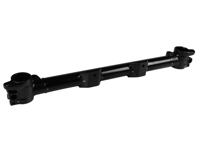
The OE Match Auxiliary Support Cross Tube is a replacement structural component for the front suspension of early Porsche 911 models. Mounted across the front underside of the vehicle, the cross tube forms an important part of the suspension support structure, helping locate and securely support associated suspension components.
Fits:- Porsche 911 2.0L 01/63-07/68
Diagram Ref No 1
A sound cross tube is essential for maintaining the correct position of suspension mounting points and preserving accurate front suspension geometry. This directly contributes to predictable steering, wheel alignment, handling and overall chassis stability.
The OE Match replacement is suitable for restoring an early Porsche where the original cross tube has become corroded, damaged, distorted or otherwise unsuitable for continued use.
What This Product Does:
- Forms part of the structural support for the front suspension.
- Provides secure mounting and location for associated suspension components.
- Helps maintain correct front suspension geometry.
- Supports accurate wheel alignment.
- Adds structural rigidity across the front suspension assembly.
- Helps maintain stable and predictable steering behaviour.
- Transfers suspension and road loads through the mounting structure.
- Replaces an original cross tube that has suffered corrosion, accident damage or distortion.
- Provides an important structural foundation during restoration of an early Porsche 911.
Because suspension geometry depends on accurately located mounting points, the condition and shape of the cross tube are important to the way the car steers, brakes and responds to changes in road surface.
Symptoms Of Wear Or Failure:
Unlike a rubber bush or ball joint, the cross tube does not normally wear through regular movement. Problems are more commonly caused by corrosion, impact damage, fatigue or previous poor-quality repairs.
Signs that the cross tube may need attention include:
- Visible corrosion or heavy rust.
- Rust perforation or significant metal loss.
- Cracks around mounting points or stressed areas.
- Bent, twisted or distorted sections.
- Damage caused by an accident or underbody impact.
- Suspension mounting points no longer correctly positioned.
- Difficulty achieving correct wheel alignment.
- Vehicle pulling or wandering despite alignment adjustment.
- Uneven tyre wear associated with incorrect suspension geometry.
- Inconsistent steering response.
- Unusual suspension noises where mounting points have become damaged or weakened.
- Evidence of previous welding or poorly executed structural repairs.
- Excessive deterioration discovered during vehicle restoration or inspection.
On classic Porsche 911 models, age-related corrosion and previous accident damage are particularly important considerations because these vehicles are now several decades old.
Why Replacement Matters:
The auxiliary support cross tube is more than a simple bracket. It forms part of the structure that determines where key front suspension components are positioned.
If the cross tube becomes badly corroded, bent or damaged, the suspension mounting points may no longer remain in their intended positions. This can alter suspension geometry and make accurate wheel alignment difficult or impossible.
A compromised cross tube may contribute to:
- Poor wheel alignment.
- Uneven tyre wear.
- Reduced steering precision.
- Vehicle wandering or pulling.
- Unpredictable handling.
- Incorrect suspension component positioning.
- Increased stress on surrounding suspension and chassis components.
- Reduced structural integrity of the front suspension assembly.
Replacing a damaged cross tube restores a sound structural mounting point and allows the suspension to be correctly positioned and aligned again. This is particularly important during restoration, accident repair or comprehensive suspension refurbishment.
Related reference numbers
Related, superseded, cross reference or alternative numbers for comparison.
90134101302
The product you are viewing cross references to these numbers


- Porsche 356C 1963-65
The OE Match Brake Line Kit is a complete 8-piece rigid hydraulic brake pipe set for selected Porsche 356 C 1.6 models with a single-circuit braking system.
SET OF 8.
- Porsche 356 C 1.6 01/63-12/65 (LHD Cars)
Designed for left-hand-drive vehicles, the kit replaces the ageing steel brake pipes that carry hydraulic brake fluid between the master cylinder and the wheel braking components.
The set also includes two steel caliper bridge pipes, making it a comprehensive replacement package for the rigid brake pipework used on the 356 C braking system. Selected sections incorporate close-fitting vinyl protection to help reduce damage from stones, debris and road contamination.
What This Product Does:
The rigid brake lines carry pressurised brake fluid through the braking system.
When the driver presses the brake pedal:
- The master cylinder creates hydraulic pressure
- Brake fluid is forced through the rigid lines
- Pressure is transmitted to the wheel braking components
- The brakes apply and slow the vehicle
The brake lines therefore form the fixed hydraulic network connecting the master cylinder with the front and rear braking assemblies.
Their primary functions include:
- Carrying brake fluid under pressure
- Transferring hydraulic braking force
- Maintaining a sealed braking circuit
- Connecting the master cylinder to the wheel brakes
- Supporting consistent brake operation
- Providing rigid connections between flexible hose sections and calipers
Symptoms Of Wear Or Failure:
Common signs that rigid brake pipes may require replacement include:
- Surface corrosion
- Heavy rust
- Deep pitting
- Flaking metal
- Brake-fluid leakage
- Wet unions
- Falling fluid level
- Soft brake pedal
- Spongy pedal feel
- Increased pedal travel
- Pedal sinking under pressure
- Reduced braking performance
- Damaged or crushed lines
- Kinked pipework
- Corroded fittings
- Pipes rubbing against the chassis
- Fluid collecting beneath the vehicle
Any visible brake-fluid leak should be treated as a significant braking-system fault.
Why Replacement Matters:
Brake lines are safety-critical components.
Continued use of severely corroded or damaged pipes can result in:
- Brake-fluid loss
- Reduced hydraulic pressure
- Excessive pedal travel
- Longer stopping distances
- Sudden line rupture
- Severe loss of braking performance
The risk is especially important on a single-circuit system, where a major leak can affect the braking system as a whole.
Replacing deteriorated pipes restores the integrity of the hydraulic circuit.
Related reference numbers
Related, superseded, cross reference or alternative numbers for comparison.
1661501210
The product you are viewing cross references to these numbers


- Porsche 356B 1959-63
The OE Match Brake Line Kit is a complete 8-piece rigid hydraulic brake pipe set for selected Porsche 356 B T6 1.6 models with a single-circuit braking system.
SET OF 8.
Fits:
- Porsche 356 B T6 1.6 08/62-12/63 (LHD Cars)
Designed for left-hand-drive vehicles, the kit replaces the ageing rigid brake pipes that carry pressurised brake fluid from the master cylinder through the vehicle to the wheel braking components.
The pipes are supplied requiring final bending and shaping during installation, allowing them to follow the original factory routing once correctly formed.
What This Product Does:The rigid brake pipes form the fixed hydraulic network of the braking system.
When the brake pedal is pressed, the master cylinder generates hydraulic pressure. The brake lines transmit this pressure to the braking components at the wheels.
Their functions include:
- Carrying brake fluid under pressure
- Transferring braking force from the master cylinder
- Connecting the different sections of the hydraulic brake system
- Maintaining a sealed hydraulic circuit
- Supporting consistent brake operation at each wheel
- Providing a rigid connection between flexible brake hose sections and other brake components
Without sound and leak-free brake lines, the hydraulic braking system cannot operate correctly.
Symptoms Of Wear Or Failure:
Signs that rigid brake pipes may require replacement include:
- Visible rust or corrosion
- Deep pitting
- Flaking metal
- Brake fluid around pipework
- Wet unions or connections
- Falling brake-fluid level
- Soft or spongy brake pedal
- Pedal travelling farther than normal
- Pedal slowly sinking under pressure
- Reduced braking performance
- Damaged or crushed pipe sections
- Kinked brake lines
- Corroded union fittings
- Pipes rubbing against the chassis or suspension
- Damaged protective surfaces
- Visible fluid beneath the vehicle
Any hydraulic brake-fluid leak should be treated as a serious fault.
Why Replacement Matters:
Brake pipes are safety-critical components.
Continued use of badly corroded or damaged lines can lead to:
- Sudden pipe rupture
- Brake-fluid loss
- Reduced hydraulic pressure
- Excessive pedal travel
- Increased stopping distance
- Severe loss of braking performance
This risk is especially important on a single-circuit brake system, where one major hydraulic failure can affect the system as a whole.
Replacing deteriorated pipes restores the integrity of the hydraulic circuit.
Related reference numbers
Related, superseded, cross reference or alternative numbers for comparison.
1661501110
The product you are viewing cross references to these numbers


- Porsche 356B 1959-63
The OE Match Brake Line Kit is a complete 8-piece rigid brake pipe set for selected Porsche 356 B T5 1.6 models with a single-circuit braking system.
SET OF 8.
Fits:
- Porsche 356 B T5 1.6 01/59-07/62 (LHD Cars)
Designed for left-hand-drive vehicles, the kit replaces the ageing steel hydraulic brake pipes that carry brake fluid between the master cylinder and the wheel braking components.
The pipes are supplied in a form that requires bending and moulding into the correct vehicle-specific shape during installation. They are therefore intended to follow the original Porsche routing once formed and fitted correctly.
What This Product Does:
The rigid brake lines carry pressurised brake fluid through the vehicle's hydraulic braking system.
When the driver presses the brake pedal, the master cylinder creates hydraulic pressure. The brake lines transfer this pressure to the braking components at the wheels.
Their primary functions are to:
- Carry brake fluid under hydraulic pressure
- Transfer braking force from the master cylinder
- Connect the main sections of the braking system
- Maintain a sealed hydraulic circuit
- Allow the wheel brakes to operate simultaneously
- Preserve reliable brake pedal response
Without sound, leak-free brake lines, hydraulic pressure cannot be transmitted correctly through the system.
Symptoms Of Wear Or Failure:
Possible signs of deteriorating brake lines include:
- Visible surface corrosion
- Heavy rust
- Pitting
- Wet brake pipes
- Brake fluid around unions
- Brake fluid loss
- Soft brake pedal
- Spongy pedal feel
- Pedal gradually sinking
- Increased pedal travel
- Reduced braking performance
- Brake warning symptoms following fluid loss
- Fluid collecting under the vehicle
- Corroded pipe unions
- Crushed or kinked brake pipes
- Damaged protective surfaces
- Pipes rubbing against the body or suspension
Any visible brake-fluid leakage should be treated as a serious braking-system fault.
Why Replacement Matters:
Brake pipes are safety-critical hydraulic components.
Continuing to use heavily corroded or leaking lines can result in:
- Loss of brake fluid
- Reduced hydraulic pressure
- Longer stopping distances
- Poor pedal response
- Sudden brake-line rupture
- Severe loss of braking performance
The risk is especially important on a single-circuit system, where one significant leak can affect the braking system as a whole.
Replacing ageing pipes restores the integrity of the hydraulic circuit and provides a sound foundation for correct brake operation.
Related reference numbers
Related, superseded, cross reference or alternative numbers for comparison.
1661501010
The product you are viewing cross references to these numbers


- Porsche 911 1968-1973 2.2L / 2.4L / 2.7L RS LWB (F)
- Porsche 911 1974-1977 2.7L / 1976-77 3.0 Carrera
- Porsche 911 1978-1983 3.0L / SC
- Porsche 911 1984-1986 3.2L
- Porsche 911 1987-1989 3.2L G50
The OE Match Handbrake Cable is a replacement mechanical parking-brake cable for selected classic Porsche 911 SC and Carrera models from 08/1977 to 07/1989.
Length: 1413 mm
- Porsche 911 SC/Carrera 2.7-3.2 08/77-07/89
Diagram Ref No 45
Measuring approximately 1413 mm in length, the cable connects the handbrake mechanism to the rear parking-brake assembly, transmitting the driver's pull on the handbrake lever to the brake shoes at the rear wheels.
Two parking-brake cables are normally used on the vehicle, one operating each rear wheel, so replacement in pairs is often advisable where both original cables are of similar age.
What This Product Does:
The handbrake cable mechanically transfers movement from the handbrake lever to the rear parking-brake mechanism.
When the handbrake lever is pulled:
- Tension is applied to the cable
- The cable pulls the parking-brake operating mechanism
- The rear parking-brake shoes expand
- The shoes grip the internal braking surface
- The rear wheels are mechanically held
When the lever is released, the cables and brake return springs allow the parking brake to disengage.
The cable therefore provides the physical connection between the driver's handbrake lever and the rear parking brakes.
Symptoms Of Wear Or Failure:
Common symptoms of a worn or damaged handbrake cable include:
- Handbrake lever travelling unusually high
- Vehicle not holding securely when parked
- Handbrake requiring frequent adjustment
- One rear wheel holding more strongly than the other
- Parking brake dragging after release
- Handbrake lever feeling unusually stiff
- Cable movement feeling rough or notchy
- Rear brake sticking
- Grinding or scraping from the rear brake
- Excessive heat from one rear wheel
- Visible cable corrosion
- Split or damaged outer cable sheath
- Frayed inner cable
- Damaged rubber protection boots
- Cable seized inside its outer casing
A worn cable can sometimes still move but may no longer transfer the correct amount of force to the parking brake.
Why Replacement Matters:
A defective handbrake cable can compromise the vehicle's ability to remain stationary when parked.
This is particularly important when parking:
- On hills
- On uneven ground
- During servicing
- Where reliable mechanical restraint is required
Replacement restores the mechanical link between the handbrake lever and rear parking brakes.
A correctly operating cable helps provide:
- Reliable parking-brake engagement
- Proper release
- Balanced braking between rear wheels
- Predictable handbrake lever travel
- Reduced risk of brake drag
Related reference numbers
Related, superseded, cross reference or alternative numbers for comparison.
91142455104
The product you are viewing cross references to these numbers