


Enter your VAT number here and click Verify:
Your details have been verified. VAT number registered to:
,
.
Your order will now be zero rated for VAT purposes. We reserve the right to verify these details after your order request has been made and reinstate VAT if required.
Your VAT details were not recognised or were invalid. Your VAT number must be matched to your Billing Country as specified above. This is currently specified as . You do not need to enter the country code part of your VAT number as this has already been selected in your billing address details above.
The VAT number checking service is currently offline. Please supply your VAT details within the comments or special instructions field below and we will apply a VAT discount after placing your order request.

OE Match

OE Match for Porsche
OE Match is a specialist replacement-parts brand developed around Porsche applications, covering routine maintenance, mechanical repairs, restoration and difficult-to-source components for classic and modern models. Design911 selects brands for quality and Porsche fitment, with knowledgeable specialists available to help owners and workshops choose suitable parts.
The OE Match story
OE Match is focused on preserving Porsche vehicles by returning hard-to-find and no-longer-available components to the market. Its purpose is to keep Porsche vehicles maintained, repaired, restored and usable for the future, particularly where original components have become expensive, difficult to source or discontinued.
Supplied catalogue information records over 8000 individual part numbers, more than 11,800 OE cross-references and over 100 new products in engineering, while the wider product programme contains more than 9,000 variants; these figures describe different measures of the range. Continuing development involves researching the parts owners and workshops genuinely need, working with specialist manufacturers, reviewing engineering specifications, assessing samples, testing and approving components before release. From small seals, clips and brackets to major mechanical components, the aim is to prevent a difficult-to-source item from holding up an entire repair or restoration: preserving Porsche, one part at a time.
Why choose OE Match for your Porsche
OE Match is a quality aftermarket and OE-equivalent replacement option developed specifically around Porsche applications rather than adapted from a general aftermarket range. Original references, vehicle fitment information, dimensions, materials and component specifications are used to identify suitable replacements for routine service, age-related wear, larger mechanical repairs and restoration work.
Its research, development and quality-control processes assess material and manufacturing quality, dimensions and specification, OE-reference compatibility, vehicle application, fit and function, supplier samples, product consistency, packaging and presentation. Where appropriate, physical inspection and fitment evaluation form part of final approval, and products must meet the programme's requirements before entering the catalogue.
Coverage includes the Porsche 356, 911, 912, 914, 924, 944 and 928, alongside the 964, 993, Boxster 986, 996, Cayenne, Cayman and 997. This gives owners, enthusiasts, independent specialists and professional workshops a Porsche-focused replacement option alongside Genuine Porsche parts. OE Match is intended to provide correctly specified, OE-equivalent replacements with sensible running costs rather than simply serving as a lower-cost alternative. Design911 selects the brands it carries for quality and fitment and can advise customers on suitable options for maintenance, restoration or upgrades.
- A replacement-parts programme developed specifically around Porsche applications.
- More than 9,000 product variants within the wider programme.
- Original Porsche part-number cross-references wherever applicable.
- Dedicated research, development, sample evaluation and quality-control processes.
- Classic and modern Porsche coverage for maintenance, repairs and restoration.
- Development focused on difficult-to-source and discontinued applications.
Categories we stock from this brand
Design911 stocks OE Match across an extensive range of Porsche mechanical, electrical, body, interior and maintenance categories. Original Porsche references help identify replacements where part numbers have been superseded or several versions exist. Always check the model, production year, engine, transmission, side or position, connector type where relevant and individual product notes. Incorrect application, mismatched versions, reused seals or hardware and worn supporting components can cause noise, premature wear, leaks, fitment problems or repeat failures. Safety-critical specifications and installation should be checked by a competent technician.
Engine components
OE Match engine coverage supports maintenance, repair and rebuilding work, ranging from small retaining hardware and brackets to components associated with the cylinder heads, crankcase, valve train and supporting engine systems.
- Confirm the engine type, capacity, production year and original reference.
- Inspect associated seals, fasteners and supporting components during engine work.
- Check whether components require specialist measuring, machining or installation procedures.
Engine seals and gaskets
Replacement seals and gaskets help address oil, coolant, air and vacuum leaks throughout classic and modern Porsche engines. The range supports individual repairs as well as more extensive engine resealing and rebuilding projects.
- Identify the source of a leak before replacing components.
- Check mating surfaces, housings and fasteners for wear or damage.
- Use the correct gasket or seal version for the engine and production year.
Cooling systems and radiators
OE Match cooling-system coverage includes components used to circulate coolant, control temperature and transfer heat away from the engine. These parts support repairs involving radiators, pipework, hoses, fittings and related cooling hardware.
- Investigate coolant loss, overheating, staining and damaged hoses promptly.
- Check pressure caps, clips, seals and connecting pipes during cooling-system work.
- Bleed and refill the system using the correct model-specific procedure.
Oil system components
Oil-system parts support engine lubrication, oil circulation, filtration and leak repair. Coverage can assist with routine servicing as well as work on oil lines, fittings, housings, seals and associated hardware.
- Confirm thread sizes, connection types and component position.
- Inspect flexible lines and seals for age-related hardening or leakage.
- Verify the required oil specification and system capacity separately.
Transmission and drivetrain
OE Match transmission and drivetrain parts support manual and automatic gearbox repairs, clutch operation, gear selection and the transfer of power to the driven wheels.
- Match parts to the exact gearbox or transmission code where specified.
- Check splines, bearings, seals, joints and supporting hardware for related wear.
- Diagnose noise, vibration or difficult gear selection before ordering components.
Engine and gearbox mounts
Replacement mounts help support the powertrain, maintain alignment and control unwanted engine and transmission movement. Worn mounts may contribute to vibration, knocking, drivetrain shunt or unsettled gear changes.
- Inspect mounts for cracking, collapse, separation and oil contamination.
- Check mounting bolts, washers, brackets and surrounding hardware.
- Consider replacing paired mounts together where required by the application.
Suspension and steering
OE Match suspension hardware and steering components support repairs intended to restore accurate wheel control, alignment and predictable steering response. Coverage includes wear-related items used around suspension joints, mounting points and steering assemblies.
- Investigate play, knocking, uneven tyre wear and unstable handling.
- Check left- and right-hand applications and axle position carefully.
- Arrange wheel alignment after replacing components that affect geometry.
Braking components
OE Match braking components form part of its Porsche-specific replacement programme. Brake work may address wear, restore stopping performance or prepare a car for fast-road or track use, but the specification of each component must suit the intended application.
- Symptoms prompting inspection include vibration, longer stopping distances, squealing, pulling to one side, warning lights and visible disc or pad wear.
- Confirm whether the selected component is an OE-equivalent replacement or a performance upgrade.
- Check whether new fitting kits, seals, hardware and pad wear sensors are required.
Electrical and ignition
Electrical and ignition coverage supports Porsche repairs involving starting, charging, ignition and engine-management faults. Correct diagnosis is particularly important because wiring, supply voltage, earth connections and other supporting components can produce similar symptoms.
- Typical symptoms include intermittent no-start, misfires, rough idle, poor charging, warning lights and heat-soak failures.
- Check the original reference, engine, production year and connector type.
- Test power supplies, earths and wiring before replacing electrical components.
Sensors and switches
OE Match sensors and switches provide replacement options for systems that monitor or control engine operation, temperature, pressure, position, lighting and driver warnings.
- Similar-looking sensors may have different calibrations, connectors or applications.
- Use fault codes as a diagnostic guide rather than proof that a sensor has failed.
- Inspect connectors for corrosion, damaged terminals and degraded wiring.
Heating and air conditioning
Heating, ventilation and air-conditioning components support cabin temperature control, airflow and demisting. The range covers replacement needs involving blower assemblies, controls, ducts, valves, fittings and related hardware.
- Check whether parts differ between left- and right-hand-drive vehicles.
- Confirm connector, housing and production-year variations.
- Refrigerant-system work should be completed by an appropriately qualified technician.
Exhaust components
OE Match exhaust coverage supports repairs to worn, corroded or leaking parts of the exhaust system, together with associated brackets, clamps, seals and fittings.
- Inspect joints, flanges, fixings and heat shields when replacing exhaust parts.
- Check emissions equipment and sensor positions for the specific model.
- Corroded fasteners may require additional hardware during installation.
Rubber seals and hoses
Rubber components are important throughout a Porsche for sealing fluids, air, weather and noise. OE Match coverage assists with replacing hardened, split, swollen, leaking or missing hoses, boots, grommets and sealing profiles.
- Match the shape, dimensions, connection points and intended fluid or system.
- Inspect adjoining clips, pipes and sealing surfaces.
- Age-related rubber deterioration can affect several nearby components at once.
Exterior trim and body components
Exterior and body coverage supports accident repair, cosmetic refurbishment and restoration. It includes replacement needs involving trim, lamps, brackets, fixings, seals and other model-specific body fittings.
- Confirm body style, side, position, colour and finish where applicable.
- Check whether clips, seals or mounting hardware are supplied separately.
- Compare the original component and reference before installation.
Interior components
OE Match interior products support the repair and restoration of cabin fittings that may have worn, faded, broken or become difficult to source with age.
- Check colour, finish, side and model-year variations.
- Inspect clips, brackets and fixing points before fitting replacement trim.
- Some interior components may differ according to body style or equipment specification.
Service and maintenance parts
OE Match service components support scheduled upkeep across Porsche generations, helping owners and workshops maintain reliability, efficiency and system protection while addressing everyday wear.
- Hard starting, rough idle, poor fuel economy and warning lights can accompany clogged filters or worn ignition components.
- Select service items against the exact Porsche model, engine, production year and required specification.
- Review related seals, hardware and other maintenance items when planning a larger service.
Restoration hardware
Restoration hardware covers the small but essential fasteners, brackets, clips, fittings and retaining components needed to complete repairs accurately and securely.
- Record the position and orientation of original hardware during dismantling.
- Check thread, length, finish, quantity and model application.
- Replacing damaged or heavily corroded hardware can prevent delays during reassembly.
Difficult-to-source and discontinued applications
A central purpose of the OE Match programme is identifying gaps where original Porsche parts have become difficult to obtain or are no longer available. Reintroduced components can help prevent one missing seal, clip, bracket or mechanical part from delaying an otherwise complete repair or restoration.
- Use OE cross-references and dimensions to verify the intended application.
- Check whether the original number has been superseded.
- Review product-specific fitment notes where several component versions exist.
Brake Pad Wear Sensors
OE Match brake pad wear sensors provide replacement options for Porsche brake servicing. Sensors may need renewal when pads are replaced or when a worn or damaged sensor causes a brake wear warning.
- Warning messages with new pads, damaged sensor cables and broken clips warrant inspection.
- Match the OE reference, caliper application, model year, connector and sensor position.
- Check the quantity required and whether sensors are included with the selected brake parts.
Engine Electrical
OE Match engine electrical parts cover starting, charging, ignition, sensor and switch applications. They support repairs involving intermittent no-start, misfires, rough idle, stalling, battery drain, poor charging, warning lights, inconsistent readings and heat-related failures.
- Similar-looking components may have different electrical or vehicle applications.
- Repeat faults can indicate a mismatched component or a worn supporting item.
- Battery condition, earth straps, connectors and voltage drop should be checked during diagnosis.
Service Parts
OE Match service parts cover everyday maintenance requirements intended to protect the engine, gearbox and other major systems. Routine replacement can address natural wear caused by heat, friction, fluid degradation and environmental exposure.
- Match filters, ignition parts, belts and fluids to the exact vehicle specification.
- Many symptoms overlap, so establishing a sound service baseline can assist diagnosis.
- Keep a service record to support future maintenance and fault finding.
Service Kits
OE Match service kits group key maintenance components to simplify servicing and establish a known baseline. They are particularly useful when catching up on overdue maintenance or assessing sluggish running, inconsistent idle, poor economy and reduced performance.
- Match each kit to the exact Porsche model, engine and production year.
- Contents vary, so review the included components rather than assuming every service item is supplied.
- Add any required while-you-are-there items, such as spark plugs, belts, fluids, seals or hardware.
Explore the range
Browse the OE Match Porsche range at Design911, then narrow your selection by model and category and cross-check the original part references and fitment notes. Whether you are planning routine maintenance, a workshop repair or a complete restoration, Design911's Porsche specialists can help identify suitable components within a programme focused on fitment, quality and long-term vehicle preservation.


- Porsche 356B 1959-63
- Porsche 356C 1963-65
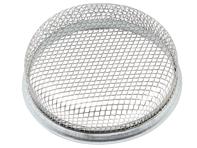
The OE Match Ventilation Strainer is a replacement screen filter for the fresh-air and cabin ventilation system of Porsche 356 B and Porsche 356 C models.
Fits:- Porsche 356 B/C 1.6L 01/59-12/65
Diagram Ref No 22
Located at the passenger-compartment ventilation flap box, the strainer helps prevent larger debris, dirt and contaminants from entering the ventilation ducting while still allowing fresh air to pass through the system. It forms part of the original Porsche 356 ventilation arrangement and works alongside the flap control boxes, ducts and fresh-air inlet components.
Unlike a modern pollen or cabin filter, this component is primarily a screen-type strainer designed to stop larger particles and debris rather than provide fine filtration.
What This Product Does:
- Screens incoming ventilation air before it passes through the cabin airflow system.
- Helps prevent leaves, dirt and larger debris from entering the ventilation ducts.
- Helps keep the ventilation flap boxes and ducting cleaner.
- Allows fresh air to pass through while providing basic debris filtration.
- Helps maintain unobstructed ventilation airflow.
- Protects downstream ventilation components from contamination.
- Supports correct operation of the original Porsche 356 fresh-air system.
- Replaces a damaged, corroded, clogged or missing original strainer.
- Helps restore the original ventilation arrangement during vehicle restoration.
Parts diagrams place the strainer directly alongside the left and right ventilation flap control boxes, confirming its role within the Porsche 356 fresh-air distribution system.
Symptoms Of Wear Or Failure:
Possible signs that the strainer requires cleaning or replacement include:
- Reduced fresh-air flow through the cabin vents.
- Uneven airflow from the ventilation system.
- Visible accumulation of dirt, leaves or debris on the screen.
- Screen becoming heavily clogged.
- Torn or damaged mesh.
- Corrosion or deterioration of the strainer.
- Strainer becoming loose inside the ventilation housing.
- Rattling from the ventilation flap-box area.
- Debris entering the ventilation ducts or cabin.
- Missing sections of the screen.
- Distortion preventing the strainer from fitting correctly.
- A missing strainer discovered during restoration or ventilation-system servicing.
Reduced airflow can also be caused by blocked ducts, incorrectly adjusted ventilation flaps or damaged hoses, so the complete fresh-air system should be inspected where necessary.
Why Replacement Matters:
The ventilation strainer helps keep unwanted debris out of the fresh-air distribution system.
If the screen becomes clogged, airflow through the ventilation system can be restricted. If it becomes torn or is missing completely, leaves and other debris can enter the flap boxes and ducting.
Replacing a damaged or heavily contaminated strainer helps:
- Restore unrestricted fresh-air flow.
- Reduce debris entering ventilation ducts.
- Keep flap mechanisms cleaner.
- Prevent larger contaminants reaching the passenger compartment.
- Reduce the chance of debris causing rattles or obstruction.
- Restore the original ventilation-system configuration.
- Improve the quality of a detailed Porsche 356 restoration.
Related reference numbers
Related, superseded, cross reference or alternative numbers for comparison.
64457267306
The product you are viewing cross references to these numbers


- Porsche 356B 1959-63
- Porsche 356C 1963-65
The OE Match 6V Fuel Gauge Meter is a replacement fuel-level instrument for Porsche 356 B and Porsche 356 C 1.6L models equipped with the original 6-volt electrical system.
- Porsche 356 B/C 1.6L 01/1959-12/1965
The fuel gauge works with the sender unit inside the fuel tank to provide the driver with a visual indication of the amount of fuel remaining. As the fuel level rises or falls, the tank sender changes the electrical signal sent to the dashboard gauge, causing the needle to move accordingly.
A correctly functioning fuel gauge is particularly important on a classic Porsche, providing the driver with a reliable indication of fuel level and helping prevent unexpected fuel starvation.
What This Product Does:
- Displays the approximate amount of fuel remaining in the tank.
- Works with the fuel tank sender unit.
- Converts the sender's electrical signal into a visible needle position.
- Helps the driver determine when refuelling is required.
- Provides correct operation with the vehicle's 6V electrical system.
- Restores reliable dashboard fuel-level indication.
- Replaces an inaccurate, intermittent or non-functioning original gauge.
- Helps maintain the original appearance and functionality of the Porsche 356 dashboard.
- Provides a suitable replacement during instrument or vehicle restoration.
The gauge is only one part of the fuel-level system. Correct readings also depend on the condition of the tank sender, wiring, electrical connections and earth points.
Symptoms Of Wear Or Failure:
Possible symptoms include:
- Gauge permanently reading empty.
- Gauge permanently reading full.
- Needle failing to move when the ignition is switched on.
- Fuel reading significantly higher than the actual tank level.
- Fuel reading significantly lower than the actual tank level.
- Needle moving erratically.
- Fuel reading changing suddenly while driving.
- Gauge working intermittently.
- Needle sticking at certain positions.
- Slow or inconsistent needle movement.
- Gauge responding when the dashboard or instrument is tapped.
- Loose or corroded electrical connections.
- Internal deterioration of the gauge mechanism.
- Incorrect reading despite a correctly functioning fuel sender.
These symptoms do not always mean the dashboard gauge itself has failed. A defective tank sender, poor earth connection, damaged wiring or incorrect system voltage can produce similar problems.
Why Replacement Matters:
A reliable fuel gauge makes a classic Porsche considerably easier and more practical to use.
If the gauge provides an incorrect reading, the driver may have little indication of how much fuel actually remains in the tank. A gauge that reads higher than the true level can potentially result in the vehicle unexpectedly running out of fuel.
Replacing a defective gauge helps restore:
- Reliable fuel-level information.
- Greater confidence when driving longer distances.
- Correct dashboard functionality.
- Proper operation with the fuel sender.
- Factory-style instrument appearance.
- Easier planning of fuel stops.
Related reference numbers
Related, superseded, cross reference or alternative numbers for comparison.
64420180102
The product you are viewing cross references to these numbers


- Porsche 356 1950-55
- Porsche 356A 1955-59
The OE Match 6V Fuel Gauge Meter is a replacement fuel-level instrument for classic Porsche 356 and 356A models equipped with a 6-volt electrical system.
Fits:- Porsche 356 /A 1.1-1.6 01/1950-12/1961
Mounted within the dashboard instrumentation, the gauge works with the fuel tank sender to indicate the approximate quantity of fuel remaining in the tank. As the fuel level changes, the sender varies the electrical signal supplied to the gauge, causing the needle to move between empty and full.
A correctly functioning fuel gauge is important for everyday usability, particularly on a classic vehicle where relying solely on mileage between refuelling stops can be inconvenient and potentially leave the vehicle stranded.
What This Product Does:
- Displays the approximate amount of fuel remaining in the tank.
- Works with the fuel-level sender installed in the fuel tank.
- Converts the sender's electrical signal into a visible gauge reading.
- Helps the driver judge when refuelling is required.
- Provides a factory-style dashboard fuel indication.
- Supports correct operation of the original 6V electrical system.
- Replaces a gauge that has become inaccurate, intermittent or completely inoperative.
- Helps restore original dashboard functionality during vehicle restoration.
The gauge forms one part of the fuel-level monitoring system. Accurate operation also depends on the condition of the fuel sender, wiring, earth connections and electrical supply.
Symptoms Of Wear Or Failure:
Possible symptoms include:
- Gauge permanently showing empty.
- Gauge permanently showing full.
- Needle failing to move after the ignition is switched on.
- Fuel level reading significantly higher or lower than the actual quantity.
- Needle moving erratically.
- Gauge reading changing suddenly while driving.
- Intermittent operation.
- Gauge working only after tapping the dashboard.
- Slow or sticking needle movement.
- Incorrect reading despite a known-good fuel sender.
- Internal corrosion or deterioration.
- Loose or damaged electrical terminals.
- Gauge illumination or surrounding instrument issues discovered during restoration.
Not every incorrect fuel reading is caused by the gauge itself. Sender wear, poor earth connections, damaged wiring or voltage problems can produce similar symptoms.
Why Replacement Matters:
A reliable fuel-level indication makes a classic Porsche significantly easier and safer to use.
A faulty gauge can give the driver misleading information about the amount of fuel remaining. If the gauge reads higher than the true fuel level, the vehicle may unexpectedly run out of fuel.
Replacing a defective gauge helps restore:
- Reliable fuel-level indication.
- Greater confidence when driving longer distances.
- Correct dashboard functionality.
- Factory-style appearance.
- Easier fuel-management planning.
- Accurate integration with a correctly functioning fuel sender.
Related reference numbers
Related, superseded, cross reference or alternative numbers for comparison.
64420180101
The product you are viewing cross references to these numbers


- Porsche 356B 1959-63
- Porsche 356C 1963-65
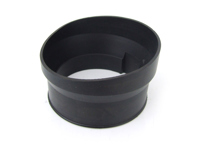
The OE Match Fuel Filler Neck Sleeve is a replacement rubber collar for the fuel filler assembly of late Porsche 356 B T6 and Porsche 356 C models.
Fits:- Porsche 356 B T6 / 356 C 1.6 08/62-12/65
Diagram Ref No 13
Positioned around the fuel filler neck, the sleeve helps provide a neat, protected interface between the filler neck and the surrounding body and fuel-tank installation. Its flexible construction cushions the filler neck, closes the surrounding gap and helps protect adjacent components from contact, dirt and moisture.
On a classic Porsche, the original rubber component may have been exposed to decades of fuel vapour, temperature changes, moisture and ageing. Over time, the material can become hard, cracked, shrunken or brittle, making replacement worthwhile during fuel-system refurbishment or restoration.
What This Product Does:
- Fits around the fuel filler neck.
- Provides a protective collar between the filler neck and surrounding structure.
- Helps close the gap around the filler-neck installation.
- Cushions the filler neck against contact with adjacent components.
- Helps reduce unwanted movement and vibration around the filler area.
- Helps limit dirt and moisture entering the surrounding filler-neck area.
- Provides a clean, factory-style finish to the fuel filler installation.
- Replaces an original sleeve that has hardened, cracked, split or deteriorated.
- Supports accurate restoration of the Porsche 356 fuel-filler assembly.
The component is commonly catalogued as a rubber filler neck collar, confirming its role around the filler-neck assembly rather than as the main fuel cap seal itself.
Symptoms Of Wear Or Failure:
Because this is a rubber protective and sealing component rather than a mechanical moving part, deterioration is normally visible.
Common signs include:
- Cracks in the rubber.
- Splitting around the circumference.
- Rubber becoming hard or brittle.
- Shrinkage with age.
- Sleeve becoming loose around the filler neck.
- Missing sections of rubber.
- Distortion or deformation.
- Surface deterioration caused by age or fuel exposure.
- Sleeve no longer sitting correctly around the filler neck.
- Excessive movement around the filler-neck opening.
- Dirt or moisture collecting around the filler installation.
- Chafing or contact between the filler neck and surrounding components.
- An untidy or incomplete appearance during restoration.
If fuel odour or liquid fuel leakage is present, the filler cap seal, neck, tank connections and surrounding fuel-system components should also be inspected, as the sleeve itself is not the primary fuel cap sealing component.
Why Replacement Matters:
Rubber components naturally deteriorate with age, particularly when exposed to fuel vapour, temperature changes and environmental contamination.
As the original sleeve hardens or shrinks, it may no longer fit closely around the filler neck. This can reduce its ability to cushion and protect the installation and may allow dirt and moisture to collect in the surrounding area.
Replacing a deteriorated sleeve helps:
- Restore correct fit around the filler neck.
- Protect the filler neck from unwanted contact and chafing.
- Reduce movement and vibration.
- Keep the surrounding area cleaner.
- Limit moisture and debris entering gaps around the filler assembly.
- Restore the original appearance of the fuel filler installation.
- Complete a proper fuel-tank or body restoration.
Related reference numbers
Related, superseded, cross reference or alternative numbers for comparison.
64420117700
The product you are viewing cross references to these numbers


- Porsche 911 1965-1968 2.0L / 912 SWB (F)
- Porsche 356 1950-55
- Porsche 356A 1955-59
- Porsche 356B 1959-63
- Porsche 356C 1963-65
The OE Match Engine Oil Drain Plug is a replacement service component for classic Porsche 356 and Porsche 912 engine lubrication systems.
Fits:- Porsche 912 1965-69
- Porsche 356 1950-59 1300 / 1500 / 1600 (not GS or GT)
- Porsche 356 1960-65 1600 SC
Diagram Ref No 27
Installed at the engine oil drain point, the plug securely closes the drain opening after an oil change, allowing the engine to retain its required oil supply during operation. Although simple in design, the drain plug is essential for maintaining a leak-free lubrication system.
Repeated removal during servicing, incorrect tightening, damaged threads or age-related deterioration can prevent an old drain plug from sealing correctly. Replacing a worn or damaged plug helps prevent oil leaks and maintains reliable engine lubrication.
What This Product Does:
- Seals the engine oil drain opening.
- Allows engine oil to be removed during routine servicing.
- Prevents oil from escaping once the lubrication system has been refilled.
- Helps maintain the correct engine oil quantity.
- Supports reliable engine lubrication.
- Provides a secure serviceable closure for the oil drain point.
- Replaces a rounded, damaged, worn or leaking original drain plug.
- Helps restore a clean, leak-free sump or crankcase connection.
The drain plug is removed whenever the engine oil is drained and then reinstalled once servicing is complete. Because it is repeatedly tightened and loosened throughout the vehicle's life, the plug and its sealing area should be inspected during every oil change.
Symptoms Of Wear Or Failure:
Possible signs of a damaged or poorly sealing drain plug include:
- Engine oil dripping from the drain-plug area.
- Oil spots underneath the vehicle after parking.
- Wetness or oil residue around the plug.
- Gradual reduction in engine oil level.
- Plug difficult to remove during servicing.
- Rounded or damaged hex head.
- Damaged or worn plug threads.
- Plug failing to tighten securely.
- Oil continuing to seep after installation.
- Visible corrosion or physical damage.
- Damage caused by previous overtightening.
- A sealing surface that is scored or distorted.
- Repeated leakage despite replacement of the sealing washer.
A leak around the drain point should be properly inspected, as damage to the mating threads or sealing surface can also cause oil loss.
Why Replacement Matters:
The drain plug prevents the engine's oil supply from escaping through the service drain opening.
If the plug does not seal properly, even a small leak can gradually reduce the engine oil level. Continued oil loss can eventually compromise lubrication and increase wear on expensive internal engine components.
Replacing a damaged drain plug helps:
- Prevent engine oil loss.
- Maintain the correct oil level.
- Keep the underside of the engine cleaner.
- Reduce the risk of oil reaching hot components.
- Restore secure sealing after an oil change.
- Support reliable engine lubrication.
- Make future servicing easier where the original plug head or threads are damaged.
Related reference numbers
Related, superseded, cross reference or alternative numbers for comparison.
PCG00113300
The product you are viewing cross references to these numbers


- Porsche 911 1974-1977 2.7L / 1976-77 3.0 Carrera
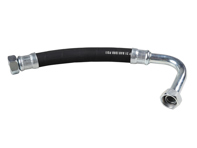
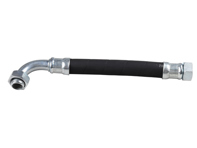
The OE Match Oil Pipe Tank to Engine is a replacement lubrication-system component designed for classic Porsche 911 models equipped with the dry-sump engine oil system.
Fits:- Porsche 911 1975-77
Diagram Ref No 20
The pipe forms part of the oil circuit between the vehicle's external oil reservoir and the engine, providing a secure route for engine oil to circulate through the lubrication system. Maintaining an unrestricted and leak-free oil supply is essential for protecting bearings, valvetrain components and other internal engine parts.
On an air-cooled Porsche 911, engine oil also makes an important contribution to temperature control. A leaking, crushed, corroded or otherwise damaged oil pipe can therefore affect both lubrication and effective heat management.
What This Product Does:
- Carries engine oil between the external oil tank and the engine.
- Forms an important part of the Porsche dry-sump lubrication system.
- Helps maintain a reliable supply of oil to the engine.
- Supports lubrication of bearings and other internal moving components.
- Contributes to engine cooling through effective oil circulation.
- Maintains a secure and sealed oil-system connection.
- Provides an unrestricted route for oil flow.
- Replaces an original pipe that has become corroded, leaking, crushed or damaged.
- Helps restore lubrication-system integrity during engine repair or vehicle restoration.
The dry-sump lubrication system relies on external pipework to move oil between the engine and separate oil reservoir, making the condition of these lines important to reliable engine operation.
Symptoms Of Wear Or Failure:
Possible signs of deterioration include:
- Visible engine oil leaking underneath the vehicle.
- Oil seepage around the pipe or threaded connections.
- Wet or oily deposits along the pipe.
- Gradual reduction in engine oil level.
- Oil spots appearing where the vehicle is parked.
- Burning-oil smell.
- Smoke if leaked oil reaches hot engine or exhaust components.
- Visible corrosion or rust on the pipe.
- Crushed, kinked or flattened sections.
- Damaged or seized fittings.
- Cracks around connections or mounting points.
- Oil contamination across surrounding chassis components.
- Evidence of previous temporary or poor-quality repairs.
- Reduced oil circulation if the pipe becomes internally restricted.
A pipe does not have to be visibly leaking to be defective. Crushing or deformation can reduce the internal cross-section and interfere with oil flow.
Why Replacement Matters:
The engine depends on a continuous supply of clean engine oil for lubrication and cooling.
If an external oil line begins to leak, the available oil quantity can gradually fall. Severe oil loss can eventually compromise lubrication and increase the risk of damage to expensive internal engine components.
Components that depend on reliable oil circulation include:
- Crankshaft bearings.
- Connecting-rod bearings.
- Camshafts and valvetrain components.
- Pistons and cylinders.
- Intermediate-shaft components.
- Other lubricated internal engine parts.
Replacing a deteriorated pipe helps restore a sealed and dependable oil circuit.
Related reference numbers
Related, superseded, cross reference or alternative numbers for comparison.
91110774210
The product you are viewing cross references to these numbers


- Porsche 911 1968-1973 2.2L / 2.4L / 2.7L RS LWB (F)
- Porsche 911 1974-1977 2.7L / 1976-77 3.0 Carrera
The OE Match Oil Pipe Tank to Engine is a replacement oil line for the dry-sump lubrication system used on classic Porsche 911 models.
Fits:- Porsche 911 2.7-3.0 08/1973-07/1974
Diagram Ref No 20
This first section forms part of the oil supply route between the external oil tank and the engine, allowing engine oil to circulate correctly through the lubrication system. Maintaining a secure, unrestricted oil path is essential for supplying internal engine components with the oil required for lubrication and cooling.
On an air-cooled Porsche 911, engine oil performs an especially important role because it contributes not only to lubrication but also to temperature control. A damaged, leaking or restricted oil pipe can therefore affect oil level, lubrication reliability and engine protection.
What This Product Does:
- Transfers engine oil from the external oil tank toward the engine.
- Forms part of the Porsche 911 dry-sump lubrication system.
- Helps maintain a dependable supply of oil to the engine.
- Supports lubrication of internal engine components.
- Contributes to engine cooling through continuous oil circulation.
- Helps maintain correct oil-system operation.
- Provides a secure connection between sections of the lubrication system.
- Replaces a leaking, corroded, crushed or damaged original oil pipe.
- Helps restore the integrity of the engine lubrication system during restoration or repair.
The Porsche 911 dry-sump system relies on external oil lines as part of its normal circulation path, making the condition of these pipes important to reliable engine operation.
Symptoms Of Wear Or Failure:
Possible symptoms of a deteriorated oil pipe include:
- Visible engine oil leaks beneath the vehicle.
- Oil seepage around the pipe or its fittings.
- Wet or oily deposits along the pipe.
- Gradual reduction in engine oil level.
- Burning-oil smell if leaked oil reaches hot components.
- Oil smoke caused by external leakage onto heated surfaces.
- Corrosion or rust on the metal pipe.
- Crushed, kinked or distorted pipe sections.
- Damaged or seized fittings.
- Cracks or damage around connections.
- Oil contamination across the underside of the vehicle.
- Reduced oil flow if the pipe has become internally restricted.
- Oil-pressure warning or irregular pressure in severe cases.
Oil loss from a damaged external pipe may initially appear minor, but it can become more serious as corrosion or cracking progresses.
Why Replacement Matters:
The engine depends on a continuous and reliable supply of oil for lubrication.
A leaking oil pipe can gradually lower the quantity of oil available to the engine. If the oil level becomes too low, internal components may no longer receive adequate lubrication.
This can increase wear to components such as:
- Crankshaft bearings.
- Camshaft and valvetrain components.
- Pistons and cylinders.
- Intermediate-shaft components.
- Other lubricated internal engine parts.
Replacing a leaking or damaged pipe helps restore a sealed oil circuit and reduces the risk of lubrication loss.
Related reference numbers
Related, superseded, cross reference or alternative numbers for comparison.
91110772800
The product you are viewing cross references to these numbers


- Porsche 914 (1970-1976)
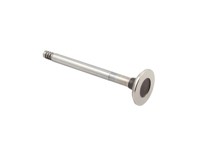
The OE Match Engine Cylinder Head Exhaust Valve is a precision replacement valvetrain component for the Porsche 914-4 1.7L air-cooled engine.
Fits:- Porsche 914-4 1.7L
Diagram Ref No 17
Located in the cylinder head, the exhaust valve controls the release of burnt combustion gases from the cylinder. During the exhaust stroke, it opens to allow gases to pass into the exhaust system before closing securely against the valve seat for the next engine cycle.
Because exhaust valves operate directly in the path of extremely hot combustion gases, they experience significant thermal and mechanical stress. Correct valve condition, alignment and seating are essential for maintaining cylinder compression, efficient combustion and reliable engine performance.
What This Product Does:
- Controls the release of burnt gases from the combustion chamber.
- Opens during the exhaust stroke to allow gases to leave the cylinder.
- Closes against the valve seat to seal the combustion chamber.
- Helps maintain correct cylinder compression.
- Supports efficient engine breathing and combustion.
- Helps maintain smooth and consistent engine performance.
- Transfers heat from the valve into the valve seat and cylinder head when closed.
- Works with the valve guide, valve seat, spring and associated valvetrain components.
- Replaces a burnt, bent, pitted or excessively worn exhaust valve.
- Helps restore correct cylinder-head operation during an engine rebuild.
The valve must move freely within its guide and contact the valve seat evenly around its circumference. Wear or damage that prevents complete seating can allow compression and hot gases to escape.
Symptoms Of Wear Or Failure:
Possible symptoms include:
- Low or uneven cylinder compression.
- Engine misfires.
- Rough or unstable idle.
- Loss of engine power.
- Poor acceleration.
- Difficult starting.
- Increased fuel consumption.
- Irregular exhaust note.
- Ticking or tapping noises from the valvetrain.
- Poor compression-test results.
- Leakage through the exhaust during a cylinder leak-down test.
- Burnt or pitted valve face.
- Erosion around the seating surface.
- Bent or damaged valve stem.
- Excessive valve-stem wear.
- Heavy carbon deposits.
- Failure of the valve to seal correctly against its seat.
A leaking exhaust valve allows combustion pressure to escape into the exhaust port rather than remaining within the cylinder, reducing compression and engine efficiency.
Why Replacement Matters:
Exhaust valves operate under some of the highest temperatures found inside an air-cooled engine.
Every combustion cycle exposes the valve head and seating surface to hot gases while the valve repeatedly opens and closes at high speed. Over time, the valve may suffer from:
- Valve-face erosion.
- Burning or pitting.
- Carbon accumulation.
- Valve-stem wear.
- Mechanical distortion.
- Heat-related material deterioration.
- Wear caused by excessive valve-guide clearance.
- Damage caused by poor valve seating.
Once the valve can no longer seal correctly, cylinder compression can fall and engine performance can deteriorate.
Replacing a worn or damaged exhaust valve helps restore:
- Correct combustion-chamber sealing.
- Cylinder compression.
- Smooth engine operation.
- Consistent power delivery.
- Efficient exhaust flow.
- Correct valvetrain operation.
- Reliable cylinder-head performance.
When Replacement Should Be Considered:
Replacement may be necessary when:
- The valve face is burnt or badly eroded.
- The seating surface is heavily pitted.
- The valve stem is bent.
- Valve-stem wear exceeds specification.
- Compression is significantly reduced in the affected cylinder.
- Leak-down testing confirms leakage through the exhaust valve.
- The valve has suffered overheating.
- Excessive valve-guide clearance has damaged the valve.
- Cylinder-head inspection determines that the valve cannot be safely reused.
- A cylinder-head or complete engine rebuild is being carried out.
Related reference numbers
Related, superseded, cross reference or alternative numbers for comparison.
022109612D
The product you are viewing cross references to these numbers


- Porsche 996 TURBO 2000-05
- Porsche 996 GT2 2001-05
- Porsche 997 MK1 TURBO 2007-09
- Porsche 997 MK1 GT2 2007-09
- Porsche 997 MKII GT2 RS 2011-13
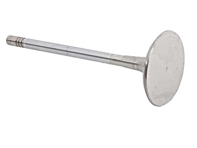
The OE Match exhaust valve is a precision engine component used in the cylinder heads of Porsche 911 Turbo and GT2 models. It is responsible for controlling the release of exhaust gases from the combustion chamber during the engine’s exhaust cycle.
Sold individually, 12 exhaust valves required per engine (one per cylinder).
Fits:
Porsche 996 Turbo / GT2 2001 - 2005
Porsche 997.1 Turbo / GT2 3.6L 2007 - 2009
Porsche 997.2 GT2 RS 3.6L 2011
Diagram ref no 3.
The exhaust valve is a key element of the engine valve train system. It sits inside the cylinder head and works with the camshaft, valve springs and lifters to regulate the flow of gases in and out of the engine.
This OE Match version follows the original Porsche design, providing the correct stem diameter, valve head geometry and sealing surface required for proper installation and reliable performance.
During engine operation, the exhaust valve opens to allow burnt gases to exit the combustion chamber and enter the exhaust manifold. It then closes to seal the cylinder during the compression and power strokes.
Properly functioning exhaust valves are essential for maintaining engine compression, combustion efficiency and turbocharger performance.
Function
• Exhaust Gas Control: Releases combustion gases from the cylinder
• Combustion Sealing: Closes to maintain compression during the power cycle
• Engine Performance: Supports efficient airflow and combustion
• Valve Train Operation: Works with camshaft, lifters and valve springs
Exhaust valves operate under extremely high heat and mechanical stress. Over time they can develop wear, carbon buildup, or valve face damage, which may lead to compression loss, reduced engine performance or valve train noise. Replacing worn valves during engine servicing helps maintain proper sealing, stable combustion and reliable turbocharged performance.
Consider replacing the exhaust valve when:
• Performing a cylinder head rebuild
• Engine compression is low or uneven
• Valves show burning, pitting or wear
• During major engine overhaul or restoration
Related reference numbers
Related, superseded, cross reference or alternative numbers for comparison.
99610511372
The product you are viewing cross references to these numbers


- Porsche 996 TURBO 2000-05
- Porsche 996 GT2 2001-05
- Porsche 997 MK1 TURBO 2007-09
- Porsche 997 MK1 GT2 2007-09
- Porsche 997 MKII GT2 RS 2011-13
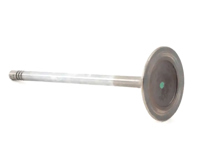
The OE Match Engine Cylinder Head Inlet Valve is a precision replacement valvetrain component designed for selected Porsche 996 Turbo, 996 GT2, 997 Turbo, 997 GT2 and GT2 RS 3.6L engines.
Fits:- Porsche 996 Turbo/GT2 2001-05
- Porsche 997.1 Turbo / GT2 3.6L 2007-09
- Porsche 997.2 GT2 RS 3.6L 2011
Diagram Ref No 2
The inlet valve controls the flow of the intake charge into the combustion chamber. During the intake stroke, it opens to allow the cylinder to fill before closing securely against the valve seat for the compression and combustion phases.
Correct valve condition, alignment and seating are essential for maintaining cylinder compression, efficient airflow and consistent engine performance. This is particularly important in high-performance turbocharged engines, where reliable cylinder sealing and airflow are critical under increased boost pressure and engine load.
What This Product Does:
- Controls the intake of air into the combustion chamber.
- Opens during the intake stroke to allow efficient cylinder filling.
- Closes against the valve seat to seal the combustion chamber.
- Helps maintain correct cylinder compression.
- Supports efficient combustion and engine breathing.
- Helps maintain throttle response and engine performance.
- Works with the valve guide, valve seat, valve spring and associated valvetrain components.
- Helps maintain reliable operation in high-performance turbocharged engines.
- Replaces an inlet valve that has become bent, pitted, burnt or excessively worn.
- Helps restore correct cylinder-head operation during engine repair or rebuilding.
For correct operation, the valve must move smoothly within its guide and form an even seal against the valve seat. Wear or damage that prevents complete seating can allow compression to escape and reduce engine efficiency.
Symptoms Of Wear Or Failure:
Possible symptoms include:
- Low or uneven cylinder compression.
- Engine misfires.
- Rough or unstable idle.
- Reduced engine power.
- Poor acceleration or throttle response.
- Difficulty starting.
- Increased fuel consumption.
- Uneven engine running.
- Check engine or engine-management warning light.
- Misfire-related fault codes.
- Ticking or abnormal valvetrain noise.
- Poor compression-test results.
- Leakage through the intake tract during a cylinder leak-down test.
- Pitting or erosion of the valve face.
- Carbon deposits around the valve.
- Bent or damaged valve stem.
- Excessive valve-stem wear.
- Failure of the valve to seal correctly against its seat.
A leaking inlet valve can allow cylinder pressure to escape back into the intake system rather than remaining within the combustion chamber.
Why Replacement Matters:
The inlet valve performs two essential functions: allowing the cylinder to fill efficiently and sealing the combustion chamber when closed.
During engine operation, the valve is exposed to continuous opening and closing cycles, high temperatures, combustion deposits and significant mechanical loading. In turbocharged engines, reliable valve sealing becomes particularly important because the engine operates under substantial cylinder pressures.
Over time, an inlet valve may suffer from:
- Valve-face pitting or erosion.
- Carbon build-up.
- Valve-stem wear.
- Mechanical distortion.
- Damage caused by poor seating.
- Wear associated with excessive valve-guide clearance.
- Damage caused by valve-to-piston contact.
A worn or damaged valve can lead to compression loss, misfires and reduced engine output.
Replacing a defective inlet valve helps restore:
- Correct cylinder sealing.
- Strong compression.
- Efficient intake airflow.
- Smooth engine operation.
- Consistent power delivery.
- Reliable turbocharged engine performance.
- Correct valvetrain operation.
Related reference numbers
Related, superseded, cross reference or alternative numbers for comparison.
99610511172
The product you are viewing cross references to these numbers


- Porsche 955 Cayenne S 4.5L V8 2003-06
- Porsche 955 Cayenne Turbo 4.5L 2003-06
- Porsche 955 Cayenne Turbo S 4.5L 2006>>
The OE Match Engine Cylinder Head Inlet Valve is a precision replacement valvetrain component for Porsche Cayenne 955 4.5L V8 engines. It controls the flow of intake air and fuel into the combustion chamber and provides an essential seal against the valve seat when closed.
Fits:- Porsche 955 Cayenne S 4.5L 2003-06
- Porsche 955 Cayenne Turbo 4.5L 2003-06
Diagram Ref No 3
During the intake stroke, the valve opens to allow the cylinder to fill with the intake charge. It then closes securely against the valve seat so the combustion chamber can build and retain the compression required for efficient combustion.
Correct inlet valve condition, alignment and seating are essential for effective cylinder filling, consistent compression, smooth engine operation and dependable performance.
What This Product Does:
- Controls the flow of intake air and fuel into the combustion chamber.
- Opens during the intake stroke to allow efficient cylinder filling.
- Closes against the valve seat to seal the combustion chamber.
- Helps maintain correct cylinder compression.
- Supports efficient combustion and engine performance.
- Helps maintain smooth idle and consistent power delivery.
- Contributes to responsive acceleration and throttle response.
- Works with the valve guide, valve seat, valve spring and associated valvetrain components.
- Replaces an inlet valve that has become bent, pitted, burnt or excessively worn.
- Helps restore correct cylinder-head operation during engine repair or rebuilding.
For correct operation, the valve must travel smoothly within its guide and make even contact with the valve seat. Wear, deposits or mechanical damage that prevent complete seating can allow compression to escape.
Symptoms Of Wear Or Failure:
Possible symptoms include:
- Reduced engine power.
- Rough or unstable idle.
- Engine misfires.
- Poor acceleration or throttle response.
- Low or uneven cylinder compression.
- Difficult starting.
- Increased fuel consumption.
- Uneven engine operation.
- Engine management warning light.
- Misfire-related fault codes.
- Ticking or abnormal valvetrain noise.
- Poor compression-test results.
- Leakage through the intake system during a cylinder leak-down test.
- Pitting or erosion of the valve face.
- Carbon build-up around the valve.
- Bent or damaged valve stem.
- Excessive valve-stem wear.
- Failure of the valve to seal correctly against its seat.
A leaking inlet valve can allow cylinder pressure to escape back into the intake tract instead of remaining within the combustion chamber, reducing compression and combustion efficiency.
Why Replacement Matters:
The inlet valve performs two important jobs: allowing the cylinder to fill efficiently and sealing the combustion chamber when closed.
During normal engine operation, the valve is subjected to continuous opening and closing cycles, high temperatures, combustion deposits and mechanical loads. Over time, the valve face, stem or seating surface can deteriorate.
A worn or damaged inlet valve may cause:
- Loss of cylinder compression.
- Reduced engine power.
- Rough running and misfires.
- Poor throttle response.
- Increased fuel consumption.
- Uneven performance between cylinders.
- Accelerated wear of the valve seat and guide.
Replacing a defective inlet valve helps restore correct intake flow, cylinder sealing and compression.
Related reference numbers
Related, superseded, cross reference or alternative numbers for comparison.
94810531102
The product you are viewing cross references to these numbers


- Porsche 993 (911) C2 1994-97
- Porsche 993 (911) C4 1994-97
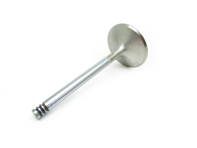
The OE Match Engine Cylinder Head Inlet Valve is a precision replacement valvetrain component for Porsche 911 (993) 3.6L Varioram engines. It controls the flow of the intake charge into the combustion chamber and provides an essential seal against the valve seat when closed.
Fits:
- Porsche 993 C2 / C4 3.6L 1996-98
M64.22
M64.23
M64.24
Diagram Ref No 9
During the intake stroke, the valve opens to allow the cylinder to fill with air and fuel. It then closes firmly against the valve seat, sealing the combustion chamber so the engine can build and retain the compression required for efficient combustion.
Correct inlet valve condition, alignment and seating are essential for efficient cylinder filling, strong compression, smooth engine operation and consistent performance.
What This Product Does:
- Controls the intake of air and fuel into the combustion chamber.
- Opens during the intake stroke to allow efficient cylinder filling.
- Closes against the valve seat to seal the combustion chamber.
- Helps maintain correct cylinder compression.
- Supports efficient combustion and engine performance.
- Helps maintain responsive throttle operation and power delivery.
- Works with the valve guide, valve seat, valve spring and associated valvetrain components.
- Replaces an inlet valve that has become bent, pitted, burnt or excessively worn.
- Helps restore correct cylinder-head operation during engine rebuilding or refurbishment.
For correct operation, the valve must move smoothly within its guide and contact the valve seat evenly around its circumference. Wear or damage that prevents complete seating can allow compression to escape.
Symptoms Of Wear Or Failure:
Possible symptoms include:
- Low or uneven cylinder compression.
- Rough or unstable idle.
- Engine misfires.
- Reduced engine power.
- Poor acceleration or throttle response.
- Difficult starting.
- Increased fuel consumption.
- Uneven engine operation.
- Ticking or abnormal valvetrain noise.
- Poor compression-test results.
- Leakage through the intake system during a cylinder leak-down test.
- Pitting or erosion of the valve face.
- Carbon build-up around the valve.
- Bent or damaged valve stem.
- Excessive valve-stem wear.
- Failure of the valve to seal correctly against its seat.
A leaking inlet valve can allow cylinder pressure to escape back into the intake tract, reducing compression and combustion efficiency.
Why Replacement Matters:
The inlet valve performs two critical functions: allowing the cylinder to fill efficiently and sealing the combustion chamber when closed.
Over time, repeated valve movement, combustion temperatures, carbon deposits and mechanical wear can cause the valve face or stem to deteriorate. A valve may also become bent or damaged through mechanical contact or other internal engine problems.
A worn or damaged inlet valve can result in:
- Loss of cylinder compression.
- Reduced engine power.
- Rough running and misfires.
- Poor throttle response.
- Increased fuel consumption.
- Uneven performance between cylinders.
- Accelerated valve-seat wear.
Replacing a defective inlet valve helps restore the correct combustion-chamber seal, intake flow and cylinder compression.
Related reference numbers
Related, superseded, cross reference or alternative numbers for comparison.
99310540502
The product you are viewing cross references to these numbers


- Porsche 993 (911) TURBO 1994-96
- Porsche 993 (911) TURBO S 1994-97
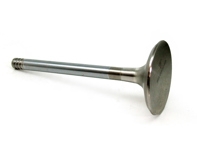
The OE Match Engine Cylinder Head Exhaust Valve is a precision replacement valvetrain component for the Porsche 911 (993) Turbo 3.6L. It controls the release of burnt combustion gases from the cylinder and forms an essential seal against the valve seat when closed.
Fits:- Porsche 993 Turbo 3.6L 1995-98 (M64.60)
Diagram Ref No 10
During the exhaust stroke, the valve opens to allow combustion gases to leave the cylinder and pass into the exhaust system. It then closes firmly against the valve seat, sealing the combustion chamber for the next compression and combustion cycle.
Because exhaust valves operate directly in the path of extremely hot combustion gases, they are subjected to significant heat, pressure and mechanical loading. Correct valve condition, alignment and seating are therefore essential for maintaining cylinder compression, efficient combustion and reliable engine performance.
What This Product Does:
- Controls the release of exhaust gases from the combustion chamber.
- Opens during the exhaust stroke to allow burnt gases to exit the cylinder.
- Closes against the valve seat to maintain combustion-chamber sealing.
- Helps maintain correct cylinder compression.
- Supports efficient combustion and engine performance.
- Helps maintain smooth and consistent power delivery.
- Works with the valve guide, valve seat, valve spring and associated valvetrain components.
- Withstands the high temperatures found on the exhaust side of the cylinder head.
- Replaces a burnt, bent, pitted or excessively worn original valve.
- Helps restore correct cylinder-head operation during an engine rebuild.
For correct operation, the exhaust valve must move smoothly within the valve guide and contact the valve seat evenly around its circumference. Any wear or damage that prevents complete seating can allow compression and hot combustion gases to escape.
Symptoms Of Wear Or Failure:
Possible symptoms include:
- Low or uneven cylinder compression.
- Engine misfires.
- Rough or unstable idle.
- Loss of engine power.
- Poor acceleration or throttle response.
- Difficult starting.
- Increased fuel consumption.
- Irregular exhaust note.
- Engine warning light or misfire fault codes.
- Ticking or abnormal valvetrain noise.
- Poor compression-test results.
- Leakage through the exhaust during a cylinder leak-down test.
- Pitting or erosion of the valve face.
- Burnt or damaged valve seating surface.
- Bent or damaged valve stem.
- Excessive valve-stem wear.
- Heavy carbon deposits.
- Failure of the valve to seal correctly against its seat.
A leaking exhaust valve allows combustion pressure to escape into the exhaust port rather than remaining within the cylinder, reducing compression and overall engine efficiency.
Why Replacement Matters:
The exhaust valve operates in one of the most thermally demanding areas of the engine. Every combustion cycle exposes the valve head and seating surface to extremely hot gases while the valve repeatedly opens and closes at high speed.
Over time, an exhaust valve may suffer from:
- Valve-face erosion.
- Burning or pitting.
- Carbon deposits.
- Valve-stem wear.
- Mechanical distortion.
- Overheating.
- Damage caused by poor valve seating.
- Wear associated with excessive valve-guide clearance.
Once the valve can no longer seal correctly, cylinder compression may fall and engine performance can deteriorate.
Replacing a defective exhaust valve helps restore:
- Correct combustion-chamber sealing.
- Cylinder compression.
- Smooth engine operation.
- Consistent power delivery.
- Efficient exhaust-gas control.
- Correct valvetrain operation.
- Long-term cylinder-head reliability.
Related reference numbers
Related, superseded, cross reference or alternative numbers for comparison.
99310541952
The product you are viewing cross references to these numbers


- Porsche 993 (911) RS 1994-97
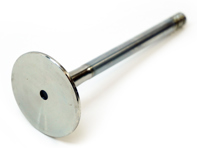
The OE Match Engine Cylinder Head Exhaust Valve is a precision replacement valvetrain component for the Porsche 911 (993) 3.8 Carrera RS. It controls the release of burnt combustion gases from the cylinder and provides an essential seal against the valve seat when closed.
Fits:- Porsche 911 (993) 3.8 Carrera RS 1995-96 (M64.20)
Diagram Ref No 10
During the exhaust stroke, the valve opens to allow combustion gases to leave the cylinder and flow into the exhaust system. It then closes firmly against the valve seat, helping the combustion chamber retain the compression required during the following engine cycle.
Because exhaust valves are directly exposed to extremely hot combustion gases, they operate under demanding thermal and mechanical conditions. Correct valve condition, alignment and seating are therefore essential for maintaining compression, efficient combustion and reliable engine performance.
What This Product Does:
- Controls the release of exhaust gases from the combustion chamber.
- Opens during the exhaust stroke to allow burnt gases to leave the cylinder.
- Closes against the valve seat to maintain combustion-chamber sealing.
- Helps maintain correct cylinder compression.
- Supports efficient combustion and engine performance.
- Helps maintain consistent power delivery and smooth engine operation.
- Works with the valve guide, valve seat, valve spring and associated valvetrain components.
- Replaces an exhaust valve that has become burnt, bent, pitted or excessively worn.
- Helps restore correct cylinder-head operation during an engine rebuild.
For correct operation, the valve must move smoothly within its guide and contact the valve seat evenly around its circumference. Wear or damage that prevents complete seating can allow compression and hot combustion gases to escape.
Symptoms Of Wear Or Failure:
Possible symptoms include:
- Low or uneven cylinder compression.
- Engine misfires.
- Rough or unstable idle.
- Loss of engine power.
- Poor acceleration or throttle response.
- Difficult starting.
- Increased fuel consumption.
- Irregular exhaust note.
- Ticking or abnormal valvetrain noise.
- Poor compression-test results.
- Leakage through the exhaust during a cylinder leak-down test.
- Pitting or erosion of the valve face.
- Burnt or damaged valve seating surface.
- Bent or damaged valve stem.
- Excessive valve-stem wear.
- Heavy carbon deposits.
- Failure of the valve to seal correctly against its seat.
A leaking exhaust valve allows combustion pressure to escape into the exhaust port rather than remaining within the cylinder, reducing compression and engine efficiency.
Why Replacement Matters:
The exhaust valve operates in one of the most thermally demanding areas of the engine. Every combustion cycle exposes the valve head and seating surface to extremely hot exhaust gases while the valve repeatedly opens and closes at high speed.
Over time, the valve can suffer from:
- Valve-face erosion.
- Burning or pitting.
- Carbon build-up.
- Valve-stem wear.
- Mechanical distortion.
- Overheating.
- Damage caused by incorrect valve seating.
- Wear associated with excessive valve-guide clearance.
Once the valve can no longer seal correctly, cylinder compression may fall and engine performance can deteriorate.
Replacing a defective exhaust valve helps restore:
- Correct combustion-chamber sealing.
- Cylinder compression.
- Smooth engine operation.
- Consistent power delivery.
- Efficient exhaust-gas control.
- Correct valvetrain operation.
- Long-term cylinder-head reliability.
Related reference numbers
Related, superseded, cross reference or alternative numbers for comparison.
99310541943
The product you are viewing cross references to these numbers


- Porsche 993 (911) RS 1994-97
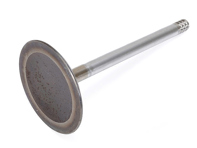
The OE Match Engine Cylinder Head Inlet Valve is a precision replacement valvetrain component for the Porsche 911 (993) 3.8 Carrera RS. It controls the flow of intake air and fuel into the combustion chamber and provides an essential sealing surface when the valve closes against its seat.
Fits:- Porsche 911 (993) 3.8 Carrera RS 1995-96 (M64.20)
Valve type: Inlet valve;
Valve head diameter: 51,50 mm;
Valve stem diameter: 8,00 mm;
Total length: 111,10 mm;
Valve seat angle: 45°;
Groove type: 3 groove;
Diagram Ref No 9
During the intake stroke, the valve opens to allow the cylinder to fill. It then closes against the valve seat so the combustion chamber can build and retain the compression required for efficient combustion.
Correct inlet valve condition, alignment and seating are essential for strong cylinder filling, consistent compression, smooth engine operation and reliable performance.
What This Product Does:
- Controls the intake of air and fuel into the combustion chamber.
- Opens during the intake stroke to allow the cylinder to fill.
- Closes against the valve seat to seal the combustion chamber.
- Helps maintain correct cylinder compression.
- Supports efficient airflow and combustion.
- Helps maintain strong throttle response and engine performance.
- Works with the valve guide, valve seat, spring and associated valvetrain components.
- Replaces an inlet valve that has become bent, burnt, pitted or excessively worn.
- Helps restore correct cylinder-head operation during an engine rebuild.
The valve must move smoothly within the valve guide and seat evenly around its circumference. Damage or wear that prevents complete seating can allow compression to escape and reduce engine efficiency.
Symptoms Of Wear Or Failure:
- Possible symptoms include:
- Low or uneven cylinder compression.
- Engine misfires.
- Rough or unstable idle.
- Reduced engine power.
- Poor acceleration or throttle response.
- Difficult starting.
- Increased fuel consumption.
- Uneven engine running.
- Ticking or abnormal valvetrain noise.
- Poor compression-test results.
- Leakage through the intake system during a leak-down test.
- Pitting or erosion of the valve face.
- Heavy carbon deposits around the valve.
- Bent or damaged valve stem.
- Excessive valve-stem wear.
- Failure of the valve to seal correctly against its seat.
A leaking inlet valve can allow compression pressure to escape back into the intake tract rather than remaining within the combustion chamber.
Why Replacement Matters:
The inlet valve plays a direct role in both filling and sealing the cylinder. If the valve becomes worn, bent, damaged or unable to seat correctly, combustion efficiency and cylinder compression can be affected.
Poor valve sealing can result in:
- Reduced engine power.
- Rough running and misfires.
- Poor starting.
- Uneven cylinder performance.
- Reduced combustion efficiency.
- Increased fuel consumption.
- Further wear to the valve and valve seat.
Replacing a defective inlet valve helps restore correct airflow, compression and combustion-chamber sealing.
Related reference numbers
Related, superseded, cross reference or alternative numbers for comparison.
99310540942
The product you are viewing cross references to these numbers


- Porsche 356B 1959-63
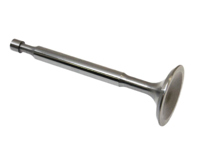
The OE Match Engine Cylinder Head Inlet Valve is a precision replacement valvetrain component for the Porsche 356 B 1600 Super 90. It controls the entry of the air and fuel mixture into the combustion chamber and provides an essential sealing surface when the valve closes against its seat.
Fits:- Porsche 356 B 1600 Super 90
Diagram Ref No 11
During the intake stroke, the valve opens to allow the combustion mixture to enter the cylinder. It then closes firmly against the valve seat so the cylinder can build and retain the compression required for efficient combustion.
Because the inlet valve operates continuously whenever the engine is running, correct valve condition, alignment and seating are essential for smooth running, good compression and consistent engine performance.
What This Product Does:
- Controls the flow of the air and fuel mixture into the combustion chamber.
- Opens during the intake stroke to allow the cylinder to fill.
- Closes against the valve seat to seal the combustion chamber.
- Helps maintain correct cylinder compression.
- Supports efficient combustion and engine performance.
- Helps maintain smooth idle and consistent power delivery.
- Works with the valve guide, valve seat, spring and associated valvetrain components.
- Replaces an inlet valve that has become burnt, bent, pitted or excessively worn.
- Helps restore correct cylinder-head operation during an engine rebuild.
For correct operation, the valve must move smoothly within its guide and contact the valve seat evenly around its circumference. Any damage that prevents full seating can allow compression to escape.
Symptoms Of Wear Or Failure:
Possible symptoms include:
- Low or uneven cylinder compression.
- Rough or unstable idle.
- Engine misfires.
- Loss of engine power.
- Poor acceleration or throttle response.
- Difficult starting.
- Increased fuel consumption.
- Uneven engine running.
- Ticking or abnormal valvetrain noise.
- Poor results during a compression test.
- Leakage through the intake system during a leak-down test.
- Pitting or erosion of the valve face.
- Carbon deposits around the valve seating area.
- Bent or damaged valve stem.
- Excessive valve-stem wear.
- Inability of the valve to seal correctly against its seat.
Low compression, rough running and poor sealing during compression or leak-down testing are recognised signs of inlet-valve problems.
Why Replacement Matters:
The inlet valve plays a direct role in both filling and sealing the cylinder. If the valve becomes worn, bent, burnt or damaged, it may no longer sit correctly against the valve seat.
Poor sealing allows compression to escape from the combustion chamber, potentially causing:
- Reduced engine power.
- Rough running and misfires.
- Poor starting.
- Uneven cylinder performance.
- Reduced combustion efficiency.
- Increased fuel consumption.
- Further wear to the valve and valve seat.
Replacing a defective valve helps restore the correct combustion-chamber seal, cylinder compression and intake flow.
Related reference numbers
Related, superseded, cross reference or alternative numbers for comparison.
61610540100
The product you are viewing cross references to these numbers