


Enter your VAT number here and click Verify:
Your details have been verified. VAT number registered to:
,
.
Your order will now be zero rated for VAT purposes. We reserve the right to verify these details after your order request has been made and reinstate VAT if required.
Your VAT details were not recognised or were invalid. Your VAT number must be matched to your Billing Country as specified above. This is currently specified as . You do not need to enter the country code part of your VAT number as this has already been selected in your billing address details above.
The VAT number checking service is currently offline. Please supply your VAT details within the comments or special instructions field below and we will apply a VAT discount after placing your order request.
OE Match

OE Match for Porsche
OE Match is a specialist replacement-parts brand developed around Porsche applications, covering routine maintenance, mechanical repairs, restoration and difficult-to-source components for classic and modern models. Design911 selects brands for quality and Porsche fitment, with knowledgeable specialists available to help owners and workshops choose suitable parts.
The OE Match story
OE Match is focused on preserving Porsche vehicles by returning hard-to-find and no-longer-available components to the market. Its purpose is to keep Porsche vehicles maintained, repaired, restored and usable for the future, particularly where original components have become expensive, difficult to source or discontinued.
Supplied catalogue information records over 8000 individual part numbers, more than 11,800 OE cross-references and over 100 new products in engineering, while the wider product programme contains more than 9,000 variants; these figures describe different measures of the range. Continuing development involves researching the parts owners and workshops genuinely need, working with specialist manufacturers, reviewing engineering specifications, assessing samples, testing and approving components before release. From small seals, clips and brackets to major mechanical components, the aim is to prevent a difficult-to-source item from holding up an entire repair or restoration: preserving Porsche, one part at a time.
Why choose OE Match for your Porsche
OE Match is a quality aftermarket and OE-equivalent replacement option developed specifically around Porsche applications rather than adapted from a general aftermarket range. Original references, vehicle fitment information, dimensions, materials and component specifications are used to identify suitable replacements for routine service, age-related wear, larger mechanical repairs and restoration work.
Its research, development and quality-control processes assess material and manufacturing quality, dimensions and specification, OE-reference compatibility, vehicle application, fit and function, supplier samples, product consistency, packaging and presentation. Where appropriate, physical inspection and fitment evaluation form part of final approval, and products must meet the programme's requirements before entering the catalogue.
Coverage includes the Porsche 356, 911, 912, 914, 924, 944 and 928, alongside the 964, 993, Boxster 986, 996, Cayenne, Cayman and 997. This gives owners, enthusiasts, independent specialists and professional workshops a Porsche-focused replacement option alongside Genuine Porsche parts. OE Match is intended to provide correctly specified, OE-equivalent replacements with sensible running costs rather than simply serving as a lower-cost alternative. Design911 selects the brands it carries for quality and fitment and can advise customers on suitable options for maintenance, restoration or upgrades.
- A replacement-parts programme developed specifically around Porsche applications.
- More than 9,000 product variants within the wider programme.
- Original Porsche part-number cross-references wherever applicable.
- Dedicated research, development, sample evaluation and quality-control processes.
- Classic and modern Porsche coverage for maintenance, repairs and restoration.
- Development focused on difficult-to-source and discontinued applications.
Categories we stock from this brand
Design911 stocks OE Match across an extensive range of Porsche mechanical, electrical, body, interior and maintenance categories. Original Porsche references help identify replacements where part numbers have been superseded or several versions exist. Always check the model, production year, engine, transmission, side or position, connector type where relevant and individual product notes. Incorrect application, mismatched versions, reused seals or hardware and worn supporting components can cause noise, premature wear, leaks, fitment problems or repeat failures. Safety-critical specifications and installation should be checked by a competent technician.
Engine components
OE Match engine coverage supports maintenance, repair and rebuilding work, ranging from small retaining hardware and brackets to components associated with the cylinder heads, crankcase, valve train and supporting engine systems.
- Confirm the engine type, capacity, production year and original reference.
- Inspect associated seals, fasteners and supporting components during engine work.
- Check whether components require specialist measuring, machining or installation procedures.
Engine seals and gaskets
Replacement seals and gaskets help address oil, coolant, air and vacuum leaks throughout classic and modern Porsche engines. The range supports individual repairs as well as more extensive engine resealing and rebuilding projects.
- Identify the source of a leak before replacing components.
- Check mating surfaces, housings and fasteners for wear or damage.
- Use the correct gasket or seal version for the engine and production year.
Cooling systems and radiators
OE Match cooling-system coverage includes components used to circulate coolant, control temperature and transfer heat away from the engine. These parts support repairs involving radiators, pipework, hoses, fittings and related cooling hardware.
- Investigate coolant loss, overheating, staining and damaged hoses promptly.
- Check pressure caps, clips, seals and connecting pipes during cooling-system work.
- Bleed and refill the system using the correct model-specific procedure.
Oil system components
Oil-system parts support engine lubrication, oil circulation, filtration and leak repair. Coverage can assist with routine servicing as well as work on oil lines, fittings, housings, seals and associated hardware.
- Confirm thread sizes, connection types and component position.
- Inspect flexible lines and seals for age-related hardening or leakage.
- Verify the required oil specification and system capacity separately.
Transmission and drivetrain
OE Match transmission and drivetrain parts support manual and automatic gearbox repairs, clutch operation, gear selection and the transfer of power to the driven wheels.
- Match parts to the exact gearbox or transmission code where specified.
- Check splines, bearings, seals, joints and supporting hardware for related wear.
- Diagnose noise, vibration or difficult gear selection before ordering components.
Engine and gearbox mounts
Replacement mounts help support the powertrain, maintain alignment and control unwanted engine and transmission movement. Worn mounts may contribute to vibration, knocking, drivetrain shunt or unsettled gear changes.
- Inspect mounts for cracking, collapse, separation and oil contamination.
- Check mounting bolts, washers, brackets and surrounding hardware.
- Consider replacing paired mounts together where required by the application.
Suspension and steering
OE Match suspension hardware and steering components support repairs intended to restore accurate wheel control, alignment and predictable steering response. Coverage includes wear-related items used around suspension joints, mounting points and steering assemblies.
- Investigate play, knocking, uneven tyre wear and unstable handling.
- Check left- and right-hand applications and axle position carefully.
- Arrange wheel alignment after replacing components that affect geometry.
Braking components
OE Match braking components form part of its Porsche-specific replacement programme. Brake work may address wear, restore stopping performance or prepare a car for fast-road or track use, but the specification of each component must suit the intended application.
- Symptoms prompting inspection include vibration, longer stopping distances, squealing, pulling to one side, warning lights and visible disc or pad wear.
- Confirm whether the selected component is an OE-equivalent replacement or a performance upgrade.
- Check whether new fitting kits, seals, hardware and pad wear sensors are required.
Electrical and ignition
Electrical and ignition coverage supports Porsche repairs involving starting, charging, ignition and engine-management faults. Correct diagnosis is particularly important because wiring, supply voltage, earth connections and other supporting components can produce similar symptoms.
- Typical symptoms include intermittent no-start, misfires, rough idle, poor charging, warning lights and heat-soak failures.
- Check the original reference, engine, production year and connector type.
- Test power supplies, earths and wiring before replacing electrical components.
Sensors and switches
OE Match sensors and switches provide replacement options for systems that monitor or control engine operation, temperature, pressure, position, lighting and driver warnings.
- Similar-looking sensors may have different calibrations, connectors or applications.
- Use fault codes as a diagnostic guide rather than proof that a sensor has failed.
- Inspect connectors for corrosion, damaged terminals and degraded wiring.
Heating and air conditioning
Heating, ventilation and air-conditioning components support cabin temperature control, airflow and demisting. The range covers replacement needs involving blower assemblies, controls, ducts, valves, fittings and related hardware.
- Check whether parts differ between left- and right-hand-drive vehicles.
- Confirm connector, housing and production-year variations.
- Refrigerant-system work should be completed by an appropriately qualified technician.
Exhaust components
OE Match exhaust coverage supports repairs to worn, corroded or leaking parts of the exhaust system, together with associated brackets, clamps, seals and fittings.
- Inspect joints, flanges, fixings and heat shields when replacing exhaust parts.
- Check emissions equipment and sensor positions for the specific model.
- Corroded fasteners may require additional hardware during installation.
Rubber seals and hoses
Rubber components are important throughout a Porsche for sealing fluids, air, weather and noise. OE Match coverage assists with replacing hardened, split, swollen, leaking or missing hoses, boots, grommets and sealing profiles.
- Match the shape, dimensions, connection points and intended fluid or system.
- Inspect adjoining clips, pipes and sealing surfaces.
- Age-related rubber deterioration can affect several nearby components at once.
Exterior trim and body components
Exterior and body coverage supports accident repair, cosmetic refurbishment and restoration. It includes replacement needs involving trim, lamps, brackets, fixings, seals and other model-specific body fittings.
- Confirm body style, side, position, colour and finish where applicable.
- Check whether clips, seals or mounting hardware are supplied separately.
- Compare the original component and reference before installation.
Interior components
OE Match interior products support the repair and restoration of cabin fittings that may have worn, faded, broken or become difficult to source with age.
- Check colour, finish, side and model-year variations.
- Inspect clips, brackets and fixing points before fitting replacement trim.
- Some interior components may differ according to body style or equipment specification.
Service and maintenance parts
OE Match service components support scheduled upkeep across Porsche generations, helping owners and workshops maintain reliability, efficiency and system protection while addressing everyday wear.
- Hard starting, rough idle, poor fuel economy and warning lights can accompany clogged filters or worn ignition components.
- Select service items against the exact Porsche model, engine, production year and required specification.
- Review related seals, hardware and other maintenance items when planning a larger service.
Restoration hardware
Restoration hardware covers the small but essential fasteners, brackets, clips, fittings and retaining components needed to complete repairs accurately and securely.
- Record the position and orientation of original hardware during dismantling.
- Check thread, length, finish, quantity and model application.
- Replacing damaged or heavily corroded hardware can prevent delays during reassembly.
Difficult-to-source and discontinued applications
A central purpose of the OE Match programme is identifying gaps where original Porsche parts have become difficult to obtain or are no longer available. Reintroduced components can help prevent one missing seal, clip, bracket or mechanical part from delaying an otherwise complete repair or restoration.
- Use OE cross-references and dimensions to verify the intended application.
- Check whether the original number has been superseded.
- Review product-specific fitment notes where several component versions exist.
Brake Pad Wear Sensors
OE Match brake pad wear sensors provide replacement options for Porsche brake servicing. Sensors may need renewal when pads are replaced or when a worn or damaged sensor causes a brake wear warning.
- Warning messages with new pads, damaged sensor cables and broken clips warrant inspection.
- Match the OE reference, caliper application, model year, connector and sensor position.
- Check the quantity required and whether sensors are included with the selected brake parts.
Engine Electrical
OE Match engine electrical parts cover starting, charging, ignition, sensor and switch applications. They support repairs involving intermittent no-start, misfires, rough idle, stalling, battery drain, poor charging, warning lights, inconsistent readings and heat-related failures.
- Similar-looking components may have different electrical or vehicle applications.
- Repeat faults can indicate a mismatched component or a worn supporting item.
- Battery condition, earth straps, connectors and voltage drop should be checked during diagnosis.
Service Parts
OE Match service parts cover everyday maintenance requirements intended to protect the engine, gearbox and other major systems. Routine replacement can address natural wear caused by heat, friction, fluid degradation and environmental exposure.
- Match filters, ignition parts, belts and fluids to the exact vehicle specification.
- Many symptoms overlap, so establishing a sound service baseline can assist diagnosis.
- Keep a service record to support future maintenance and fault finding.
Service Kits
OE Match service kits group key maintenance components to simplify servicing and establish a known baseline. They are particularly useful when catching up on overdue maintenance or assessing sluggish running, inconsistent idle, poor economy and reduced performance.
- Match each kit to the exact Porsche model, engine and production year.
- Contents vary, so review the included components rather than assuming every service item is supplied.
- Add any required while-you-are-there items, such as spark plugs, belts, fluids, seals or hardware.
Explore the range
Browse the OE Match Porsche range at Design911, then narrow your selection by model and category and cross-check the original part references and fitment notes. Whether you are planning routine maintenance, a workshop repair or a complete restoration, Design911's Porsche specialists can help identify suitable components within a programme focused on fitment, quality and long-term vehicle preservation.


- Porsche 356 1950-55
Headlamp Seal
The OE Match Headlamp Seal is a replacement sealing
component designed for the headlamp assembly on Porsche 356 Pre-A models.
Fits:
- Porsche 356 1950-55
Diagram ref no 4
Fitted around the headlamp mounting area, this seal helps prevent water and dirt entering the assembly while protecting the surrounding bodywork. Ideal for classic Porsche restoration and routine lighting maintenance.
What Does It Do?
The seal creates a protective barrier between the headlamp assembly and surrounding bodywork, helping prevent moisture ingress, corrosion and unwanted vibration.
Why Does It Fail?
Common causes include:
- Rubber hardening with age
- Cracking and deterioration
- Exposure to sunlight and weather
- Compression and loss of elasticity
- Damage during headlamp removal
When Should It Be Replaced?
Replace the seal if it becomes cracked, brittle, flattened or no longer provides an effective seal.
Replacement is also recommended when removing or restoring the headlamp assembly.
Confirm compatibility with the original headlamp assembly before ordering.
Installation Notes
Clean the headlamp mounting surfaces and remove any old sealing material before fitting. Position the new seal correctly and ensure the headlamp assembly is securely installed without pinching or distorting the rubber.
Porsche 356 Pre-A Headlamp Seals & Classic Lighting Parts
Maintaining effective headlamp seals is important for protecting the lighting assemblies and surrounding bodywork on early Porsche 356 models.
Related reference numbers
Related, superseded, cross reference or alternative numbers for comparison.
35662112
The product you are viewing cross references to these numbers


- Porsche 356 1950-55
Rear Light Base Gasket
Sold each
The OE Match Rear Light Base Gasket is a replacement sealing
component designed for the rear light assembly on compatible Porsche 356
models.
Fits:
- Porsche 356 1950-55
Diagram ref no 16
Fitted between the rear light base and vehicle bodywork, this gasket helps prevent water and dirt entering the assembly while protecting the surrounding paintwork.
What Does It Do?
The gasket creates a protective seal between the rear light mounting base and bodywork, helping prevent moisture ingress, corrosion and unwanted movement.
Why Does It Fail?
Common causes include:
- Rubber hardening with age
- Cracking and deterioration
- Prolonged exposure to weather
- Compression and loss of elasticity
- Damage during rear light removal
When Should It Be Replaced?
Replace the gasket if it becomes cracked, flattened, brittle or no longer provides an effective seal.
Replacement is also recommended when removing or restoring the rear light assembly.
Check the existing rear light design and part number before ordering.
Installation Notes
Clean the mounting surfaces and remove any old gasket material before fitting. Position the new gasket correctly and tighten the rear light fixings evenly to avoid distortion.
Porsche 356 Rear Light Gaskets & Classic Lighting Seals
Maintaining effective rear light seals is essential for protecting the lighting assemblies and surrounding bodywork on classic Porsche 356 models.
The OE Match Rear Light Base Gasket provides a replacement for worn or damaged seals, helping maintain a secure, weather-resistant fit.
Related reference numbers
Related, superseded, cross reference or alternative numbers for comparison.
35662223
The product you are viewing cross references to these numbers

- Porsche 356 1950-55
- Porsche 356A 1955-59
- Porsche 356B 1959-63
Hubcap Clamping Spring
Sold each
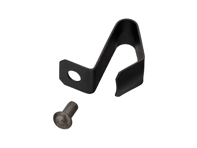
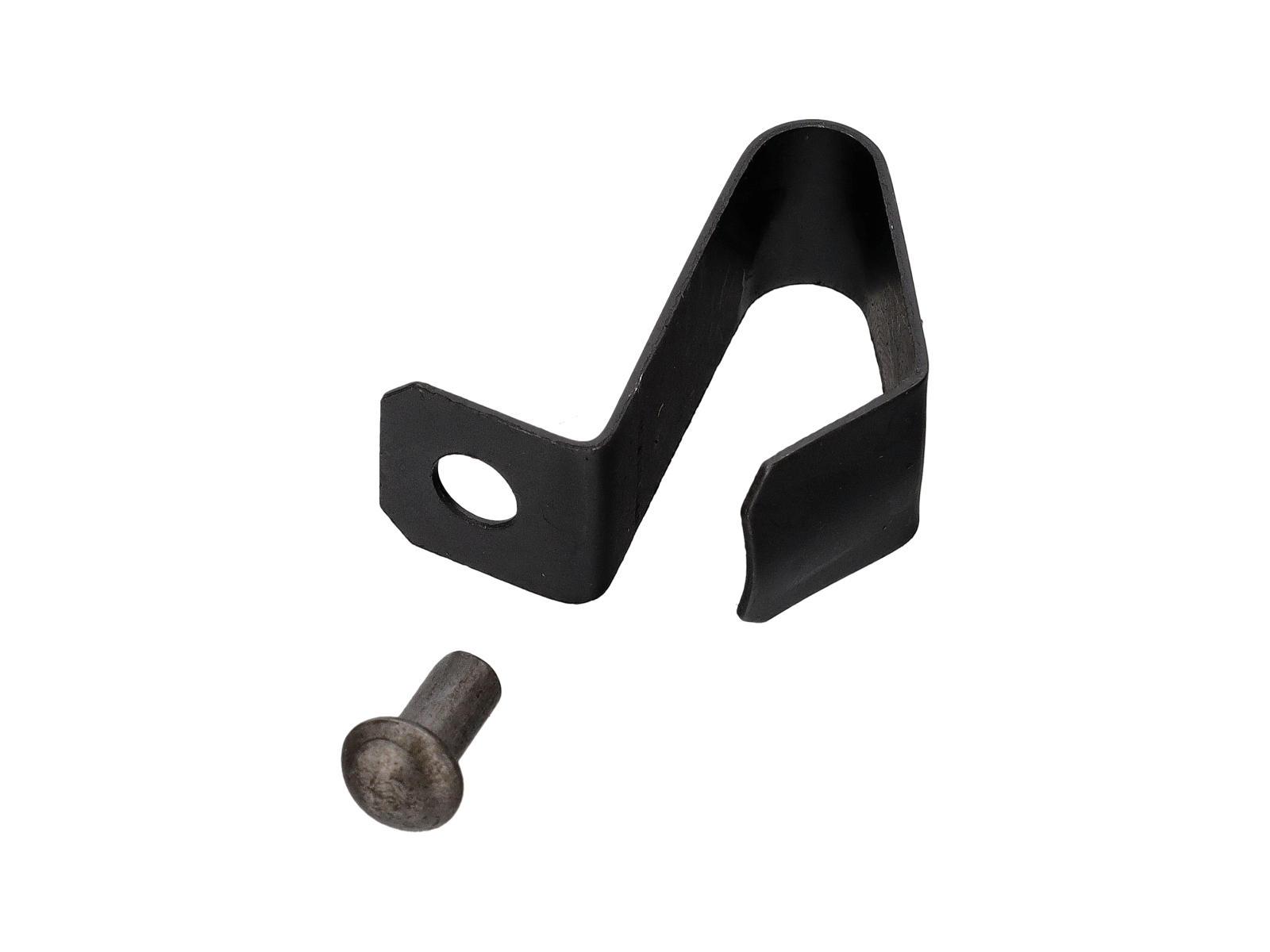
The OE Match Hubcap Clamping Spring is a replacement
retaining component designed to secure the wheel hubcap on compatible Porsche
356 models.
Fits:
- Porsche 356 1950-55
- Porsche 356A 1955-59
- Porsche 356B 1959-63
Diagram ref no 7
This spring helps hold the hubcap firmly in position, preventing unwanted movement or rattling during driving. Ideal for classic Porsche restoration and routine wheel maintenance.
What Does It Do?
The clamping spring applies retaining pressure to keep the hubcap securely attached to the wheel, helping prevent rattling or accidental detachment.
Why Does It Fail?
Common causes include:
- Corrosion and rust
- Loss of spring tension
- Metal fatigue
- Damage during hubcap removal
- Age-related deterioration
When Should It Be Replaced?
Replace the spring if it is bent, corroded, broken or no longer holds the hubcap securely.
Inspect the retaining springs whenever removing hubcaps or restoring the wheels.
Check the wheel and hubcap configuration before ordering.
Installation Notes
Inspect the wheel mounting points and existing retaining springs before installation. Fit the spring securely and check that the hubcap engages correctly.
Replace any additional damaged springs to ensure even retention.
Porsche 356 Hubcap Retaining Springs & Wheel Trim
Parts
Maintaining the original wheel appearance is an important part of Porsche 356 restoration.
The OE Match Hubcap Clamping Spring provides a replacement for worn or damaged retaining springs, helping keep the hubcap securely fitted.
Related reference numbers
Related, superseded, cross reference or alternative numbers for comparison.
35668119
The product you are viewing cross references to these numbers


- Porsche 911 1965-1968 2.0L / 912 SWB (F)
- Porsche 911 1968-1973 2.2L / 2.4L / 2.7L RS LWB (F)
- Porsche 911 1974-1977 2.7L / 1976-77 3.0 Carrera
- Porsche 911 1978-1983 3.0L / SC
- Porsche 911 1984-1986 3.2L
- Porsche 911 1987-1989 3.2L G50
- Porsche 911 1975-1977 3.0L Turbo (930)
- Porsche 911 1978-1989 3.3L Turbo (930)
This bellow (also referred to as a steering boot or gaiter) is a direct replacement for Porsche part number 90134739302, manufactured to original specifications for precise fitment and durability. It is installed on the steering rack assembly, covering the upper shaft area and forming part of the steering system’s protective sealing.
Sold individually, Typically 2 required per vehicle.
Fits:
Porsche 911 1965 - 1989
Porsche 930 3.0L / 3.3L 1975 - 1989
Diagram ref no 22
The bellow protects the steering rack shaft and internal components from contaminants such as dirt, water, and road debris. It also helps retain lubrication within the steering system.
A properly functioning boot ensures smooth steering operation and prevents premature wear of internal steering components.
Function
• Protects steering rack shaft from dirt and moisture
• Retains grease and lubrication within the system
• Allows flexible movement during steering operation
• Prevents premature wear of steering components
Over time, steering rack bellows can crack, split, or deteriorate due to age and exposure to heat and road conditions. A damaged bellow allows contaminants into the steering system, which can lead to wear, stiffness, or failure of internal components. Replacing worn bellows helps maintain smooth steering operation and protects the steering rack from costly damage.
When to replace:
• Cracked, split, or perished rubber boot
• Grease leakage around steering rack
• Steering stiffness or unusual noise
• During steering rack service or rebuild
• Preventative maintenance on ageing vehicles
Related reference numbers
Related, superseded, cross reference or alternative numbers for comparison.
90134739302
The product you are viewing cross references to these numbers


- Porsche 356 1950-55
Radio Surround Trim
The OE Match Radio Surround Trim is a replacement dashboard
finishing component designed for the Porsche 356 Pre-A.
Fits:
- Porsche 356 Pre-A 1951-1954
Diagram ref no 6
This trim frame surrounds the radio installation area, providing a neat, original-style appearance. Ideal for classic Porsche restorations, it helps maintain the period-correct look of the early 356 dashboard.
What Does It Do?
The radio surround provides a finishing frame around the dashboard radio opening, helping conceal exposed edges and create a tidy, factory-style appearance.
Why Does It Deteriorate?
Common causes include:
- Age-related wear and damage
- Scratches or surface deterioration
- Damage during radio removal
- Incorrectly fitted replacement radios
- Missing or previously modified trim
When Should It Be Replaced?
Replace the surround if the original is damaged, missing or no longer fits correctly. It is also an ideal replacement during dashboard restoration or period-correct radio installation.
Installation Notes
Inspect the dashboard opening and radio mounting arrangement before fitting. Ensure the trim is correctly positioned without damaging the surrounding dashboard finish.
Porsche 356 Pre-A Radio Surrounds & Dashboard Trim
The OE Match Radio Surround Trim is designed for owners restoring the original appearance of their Porsche 356 Pre-A interior.
Related reference numbers
Related, superseded, cross reference or alternative numbers for comparison.
35670421
The product you are viewing cross references to these numbers


- Porsche 911 1965-1968 2.0L / 912 SWB (F)
- Porsche 911 1968-1973 2.2L / 2.4L / 2.7L RS LWB (F)
- Porsche 914 (1970-1976)
Oil Tank to Oil Filter Seal
The OE Match Oil Tank to Oil Filter Seal is a
replacement sealing component designed for applicable classic Porsche 911 and
914 oil system assemblies.
Fits:
- Porsche 911 1965-1968 2.0L / 912 SWB (F)
- Porsche 911 1968-1973 2.2L / 2.4L / 2.7L RS LWB (F)
- Porsche 914-6 (1970-1976)
Diagram ref no 46
It provides a secure seal between mating components, helping prevent oil leakage and maintain the integrity of the engine lubrication system.
What Does It Do?
The seal prevents engine oil escaping from the connection between the oil tank and oil filter assembly, maintaining an oil-tight joint.
Why Does It Fail?
Common causes include:
- Rubber deterioration with age
- Hardening from heat exposure
- Compression and loss of elasticity
- Damage during servicing
- Incorrect installation
When Should It Be Replaced?
Replace the seal if oil leakage is visible around the connection, the seal has hardened or become damaged, or the associated components are dismantled for servicing.
Installation Notes
Clean the mating surfaces and inspect them for damage before fitting. Ensure the seal is correctly seated and check for leaks after reassembly.
Porsche 911 & 914 Oil Tank Seals and Lubrication System Parts
Maintaining effective oil system seals is essential for preventing leaks on classic Porsche engines.
This OE Match oil tank to oil filter seal provides a replacement for worn or damaged sealing components on compatible Porsche 911 and 914 applications.
Design911 supplies classic Porsche oil system seals, gaskets, filters and lubrication components for maintenance and restoration.
Related reference numbers
Related, superseded, cross reference or alternative numbers for comparison.
90110729100
The product you are viewing cross references to these numbers


- Porsche Boxster 986 2.5L 1997-99
- Porsche Boxster 986 2.7L 1999-02
- Porsche Boxster S 986 3.2L 1999-02
- Porsche Boxster 986 2.7L 2003-04
- Porsche Boxster S 986 3.2L 2003-04
- Porsche Boxster 987 2.7L 2005-08/08
- Porsche Boxster 987 S 3.2/3.4L 2005-08/08
- Porsche Boxster 987 MKII 2.9L 2009-12
- Porsche Boxster S 987 MKII 3.4L 2009-12
- Porsche 911 1965-1968 2.0L / 912 SWB (F)
- Porsche 911 1968-1973 2.2L / 2.4L / 2.7L RS LWB (F)
- Porsche 911 1974-1977 2.7L / 1976-77 3.0 Carrera
- Porsche 911 1978-1983 3.0L / SC
- Porsche 911 1984-1986 3.2L
- Porsche 911 1987-1989 3.2L G50
- Porsche 911 1975-1977 3.0L Turbo (930)
- Porsche 911 1978-1989 3.3L Turbo (930)
- Porsche 964 (911) C2 1989-93
- Porsche 964 (911) C4 1989-93
- Porsche 964 (911) RS 3.6L 1991-93
- Porsche 964 (911) RS 3.8L 1991-93
- Porsche 964 (911) TURBO 3.3L 1991-93
- Porsche 964 (911) TURBO 3.6L 1991-93
- Porsche 993 (911) C2 1994-97
- Porsche 993 (911) C4 1994-97
- Porsche 993 (911) RS 1994-97
- Porsche 993 (911) C2S 1994-97
- Porsche 993 (911) C4S 1994-97
- Porsche 993 (911) TURBO 1994-96
- Porsche 993 (911) GT2 1994-97
- Porsche 993 (911) TURBO S 1994-97
- Porsche 996 C2 3.4L 1997-08/01
- Porsche 996 C4 3.4L 1997-08/01
- Porsche 996 C2 3.6L 09/01-2005
- Porsche 996 C4 3.6L 09/01-2005
- Porsche 996 C4S 3.6L 09/01-2005
- Porsche 996 TURBO 2000-05
- Porsche 996 GT2 2001-05
- Porsche 996 GT3 MKI 1999-02
- Porsche 996 GT3 MKII 2003>>
- Porsche 996 GT3 RS 2003-04
- Porsche 997 MK1 Carrera 2 3.6L 2005-08
- Porsche 997 MK1 Carrera 2S 3.8L 2005-08
- Porsche 997 MK1 Carrera 4 3.6L 2005-08
- Porsche 997 MK1 Carrera 4S 3.8L 2005-08
- Porsche 997 MK1 TURBO 2007-09
- Porsche 997 MK1 GT3 / GT3 RS 2007-09
- Porsche 997 MKII Carrera C2 3.6L 2009-12
- Porsche 997 MKII Carrera C4 3.6L 2009-12
- Porsche 997 MKII Carrera C2S 3.8L 2009-12
- Porsche 997 MKII Carrera C4S 3.8L 2009-12
- Porsche 997 MKII GT3 / GT3 RS 2010-11
- Porsche 997 MKII Turbo 2010-13
- Porsche 997 MKII GT2 RS 2011-13
- Porsche 991.1 Carrera C2 3.4L (350 Bhp) 2012-16
- Porsche 991.1 Carrera C2S / GTS 3.8L (400/430 Bhp) 2012-16
- Porsche 991.1 Carrera C4 3.4L (350 Bhp) 2012-16
- Porsche 991.1 Carrera C4S / GTS 3.8L (400/430 Bhp) 2012-16
- Porsche Cayman 2.7L 987C 2006-08
- Porsche Cayman S 3.4L 987C 2005-08
- Porsche Cayman 2.9L 987C MKII 2009-12
- Porsche Cayman S / R 3.4L 987C MKII 2009-12
- Porsche 955 Cayenne 3.2L V6 2003-06
- Porsche 955 Cayenne S 4.5L V8 2003-06
- Porsche 955 Cayenne Turbo 4.5L 2003-06
- Porsche 955 Cayenne Turbo S 4.5L 2006>>
- Porsche 957 Cayenne 3.0L Diesel 2007-10
- Porsche 957 Cayenne 3.6L 2007-10
- Porsche 957 Cayenne S / GTS 4.8L 2007-10
- Porsche 957 Cayenne Turbo / Turbo S 4.8L 2007-10
- Porsche 958 Cayenne V6 3.6L Petrol (300Hp) 2010-17
- Porsche 958 Cayenne V6 3.0L Diesel (245Hp) 2010-17
- Porsche 958 Cayenne S V6 3.0L Hybrid (380Hp) 2010-17
- Porsche 958 Cayenne S V8 4.8L Petrol (400Hp) 2010-17
- Porsche 958 Cayenne S V8 4.2L Diesel (382Hp) 2010-17
- Porsche 958 Cayenne GTS V8 4.8L Petrol (400Hp) 2010-17
- Porsche 958 Cayenne Turbo V8 4.8L Petrol (500Hp) 2010-17
- Porsche 958 Cayenne Turbo S V8 4.8L Petrol (550Hp) 2010-17
- Porsche 970.1 Panamera V6 3.6L 2WD 2009-13
- Porsche 970.1 Panamera 4 V6 3.6L 4WD 2009-13
- Porsche 970.1 Panamera S V8 4.8L 2009-13
- Porsche 970.1 Panamera 4S V8 4.8L 2009-13
- Porsche 970.1 Panamera GTS V8 4.8L 2011-13
- Porsche 970.1 Panamera Turbo V8 4.8L 2009-13
- Porsche 970.1 Panamera Turbo S V8 4.8L 2009-13
- Porsche 970.1 Panamera Diesel V6 3.0L 2011-13
- Porsche 970.1 Panamera S Hybrid V6 3.0L 2011-13
- Porsche 970.2 Panamera V6 3.6L 2WD (310Hp) 2014-16
- Porsche 970.2 Panamera 4 V6 3.6L 4WD (310Hp) 2014-16
- Porsche 970.2 Panamera S V6 Turbo 3.0L 2WD (420Hp) 2014-16
- Porsche 970.2 Panamera S V6 Turbo 3.0L 2WD Executive 2014-16
- Porsche 970.2 Panamera 4S V6 Turbo 3.0L 4WD (420Hp) 2014-16
- Porsche 970.2 Panamera 4S V6 Turbo 3.0L 4WD Executive 2014-16
- Porsche 970.2 Panamera GTS V8 4.8L 4WD (440Hp) 2014-16
- Porsche 970.2 Panamera Turbo V8 4.8L (520Hp) 2014-16
- Porsche 970.2 Panamera Turbo V8 Executive 2014-16
- Porsche 970.2 Panamera Turbo S V8 4.8L 2014-16
- Porsche 970.2 Panamera Diesel V6 3.0L (250Hp) 2014-16
- Porsche 970.2 Panamera S E-Hybrid V6 3.0L (416Hp) 2014-16
- Porsche 924 2.0L 1976-79
- Porsche 924 2.0L 1980-85
- Porsche 924 Turbo 2.0L 1979-81
- Porsche 924 Turbo 2.0L 1982-84
- Porsche 924 Carrera GT 2.0L 1981
- Porsche 924 Carrera GTS 2.0L 1982
- Porsche 924S 2.5L 1986-87
- Porsche 924S 2.5L 1988
- Porsche 944 2.5L 8V 1982-87
- Porsche 944 2.7L 8V 1988-89
- Porsche 944S 2.5L 16V 1987-88
- Porsche 944S2 3.0L 16V 1989-91
- Porsche 944 Turbo 2.5L 8V 1985-88
- Porsche 944 Turbo 2.5L 8V 1989-91
- Porsche 944 Turbo S 2.5L 8V 1988
- Porsche 968 3.0L 1992-94
- Porsche 968 Sport 3.0L 1994-95
- Porsche 968 CS 3.0L 1993-95
- Porsche 968 Turbo S 3.0L 1993-94
- Porsche 928 4.5L 1978-82
- Porsche 928S 4.7L 1981-83
- Porsche 928S2 4.7L 1984-86
- Porsche 928S4 5.0L 1987-92
- Porsche 928GT 5.0L 1989-91
- Porsche 928GTS 5.4L 1992-95
- Porsche 356A 1955-59
- Porsche 356B 1959-63
- Porsche 356C 1963-65
This gasket sits between the badge and the bonnet surface, ensuring a snug fit, helping protect the paint beneath the badge from moisture, and enhancing proper badge alignment and appearance.
Fits:
All Porsche bonnet badges (except 356 type)
*** Bonnet badge not included. Available separately.
• Position on Vehicle: Under the bonnet/hood badge - the gasket component between the badge (crest emblem) and the bonnet skin surface.
• Function: Provides a cushioned, moisture-resistant interface for the badge; prevents paint damage, seal degradation, badge wobble and water ingress under the emblem; maintains correct spacing and alignment of the badge in the vicinity of bonnet surface.
Although small and often overlooked, the badge backing gasket plays an important role in the appearance and longevity of your vehicle’s front emblem. If it fails or goes missing, you may experience:
• Uneven badge fitment, bulging, or misalignment
• Corrosion or paint damage beneath the badge due to trapped moisture
• Audible rattles or wear around the badge area
• Compromised original-finish appearance and diminished restoration integrity.
Replacing this gasket restores alignment, improves fit and finish, protects underlying paint and ensures full restoration authenticity.
When to replace:
• The existing gasket is cracked, hardened, flattened or missing
• You’re replacing the bonnet badge or have removed it for paint-work or restoration
• Badge fitment appears uneven or “loose”
• Preparation for resale, show or restoration and you want every detail correct
Related reference numbers
Related, superseded, cross reference or alternative numbers for comparison.
7L5853611B
The product you are viewing cross references to these numbers


- Porsche 924 Turbo 2.0L 1979-81
- Porsche 924 Turbo 2.0L 1982-84
The OE MATCH Front Bumper Ventilation Grille is a replacement exterior component designed for the front bumper and apron assembly of the classic Porsche 924 Turbo.
Fits:- Porsche 924 Turbo 2.0L 1978-1986
Diagram Ref No 25
This ventilation grille restores the original-style appearance and protective function of the front bumper openings, helping maintain airflow through the front apron while reducing the entry of larger road debris.
The Porsche 924 Turbo, also known as the Type 931, features a distinctive front-end design incorporating ventilation openings that form part of the vehicle's exterior styling and airflow arrangement.
These openings help provide a passage for air to move through the front bodywork towards the components and spaces behind the bumper.
The original ventilation grilles are exposed to stones, road debris, moisture, weathering and accidental impacts. After decades of use, they may become cracked, discoloured, distorted or missing entirely.
The OE MATCH replacement grille provides a practical alternative to an original Porsche component, allowing owners to repair damaged front apron grilles while maintaining the classic appearance of their vehicle.
Designed around the corresponding factory component reference 477853381, this grille is intended for the original-style bumper ventilation arrangement.
Its open grille construction allows air to pass through the front apron while providing a physical barrier against larger objects.
The component is especially suitable for Porsche 924 Turbo restoration projects, accident repairs and cosmetic refurbishment.
It can be used to replace an individual damaged grille rather than requiring replacement of the complete front apron or a full set of grilles.
What This Product Does:
The front bumper ventilation grille performs both functional and cosmetic roles.
Its main functions include:
- Allows Airflow Through the Front Apron: Maintains the intended ventilation openings in the bumper assembly.
- Provides a Protective Barrier: Helps prevent larger stones, leaves and road debris from passing directly through the opening.
- Maintains Original-Style Appearance: Restores the characteristic front-end design of the Porsche 924 Turbo.
- Protects Components Behind the Bumper: Reduces direct exposure to larger debris, although it cannot prevent all contamination or impact damage.
- Supports the Front Airflow Arrangement: Preserves the intended open grille configuration rather than leaving a damaged or obstructed opening.
- Completes the Bumper Assembly: Replaces missing or broken grille sections.
- Supports Classic Porsche Restoration: Helps return the front apron to an original-style condition.
- Provides Individual Replacement: Allows only the damaged grille to be changed.
Symptoms Of Wear Or Failure:
Front bumper ventilation grilles are relatively simple components, but they can deteriorate through age, weather exposure and physical damage.
Common symptoms include:
- Visible fractures.
- Broken or missing slats.
- Cracks around the mounting points.
- Pieces of the grille becoming loose.
- An uneven or incomplete appearance.
- An exposed front apron opening.
- Missing grille sections.
- Visible components or bodywork behind the bumper.
- Incomplete front-end appearance.
- Loose grille fitment.
- Movement when touched.
- Rattling or vibration.
- Misalignment with adjacent grilles.
- Broken retaining points.
Why Replacement Matters:
Replacing a damaged or missing grille helps restore the appearance, airflow opening and protective function of the original front apron.
Although the grille is not a mechanical service component, it is an important detail in the design and condition of a classic Porsche 924 Turbo.
- Restores Original Styling: Maintains the distinctive appearance of the Porsche 924 Turbo front bumper.
- Replaces Damaged Grille Sections: Removes cracked, broken or missing trim.
- Maintains Ventilation Openings: Preserves the intended airflow passage through the front apron.
- Helps Protect Behind the Bumper: Provides a barrier against larger road debris.
- Improves Exterior Appearance: Refreshes weathered or visibly damaged front-end trim.
- Supports Secure Fitment: Replaces grilles with broken or deteriorated mounting points.
- Ideal for Classic Restoration: Helps preserve the vehicle's original-style appearance.
- Suitable for Accident Repairs: Provides an individual replacement for damage caused by minor impacts.
- OE MATCH Alternative: Offers an aftermarket replacement corresponding to the original Porsche reference.
- Individual Supply: Allows replacement of one grille without purchasing a complete set.
Related reference numbers
Related, superseded, cross reference or alternative numbers for comparison.
477853381
The product you are viewing cross references to these numbers


- Porsche 356 1950-55
- Porsche 356A 1955-59
- Porsche 356B 1959-63
- Porsche 356C 1963-65
The OE MATCH Windshield Wiper Gearbox is a replacement component designed to restore reliable operation of the windscreen wiper system on selected Porsche 356 models manufactured between 1950 and 1963.
Fits:
- Porsche 356 1950-63
Diagram Ref No 19
Reproduced using original design templates, this wiper gearbox provides a replacement for worn, damaged or seized components within the classic Porsche 356 windscreen wiper mechanism.
The windscreen wiper system is an essential part of vehicle safety, allowing the driver to maintain visibility during rain, spray and adverse weather conditions.
Although the wiper motor generates the movement required to operate the system, the gearbox and connected linkage components are responsible for transferring that movement to the wiper arm mechanism.
On classic Porsche vehicles, decades of use, exposure to moisture and deterioration of internal mechanical components can affect the performance of the original wiper gearbox.
Over time, the gearbox may develop stiffness, excessive play, worn gear surfaces or damage to its internal drive components.
These problems can result in slow, irregular or incomplete wiper movement, making it difficult to clear the windscreen effectively.
The OE MATCH replacement gearbox is intended to restore the mechanical operation of the original-style wiper system without requiring the vehicle to be converted to a modern alternative.
This is particularly important for classic Porsche 356 owners who want to preserve the original appearance and operation of their vehicle during restoration or maintenance.
The gearbox is manufactured using original templates to reproduce the corresponding component's design and intended installation arrangement.
It is suitable for owners restoring the original windscreen wiper mechanism, repairing a defective gearbox or replacing a damaged component during a comprehensive vehicle refurbishment.
What This Product Does:
The windshield wiper gearbox forms part of the mechanical drive system that enables the wiper arms to sweep across the windscreen.
Its primary functions include:
- Transmits Wiper Drive Movement: Transfers movement through the windscreen wiper mechanism.
- Supports Wiper Arm Operation: Helps provide the mechanical action needed to move the wiper arms.
- Controls Mechanical Movement: Works with the connected linkage to maintain the intended wiping motion.
- Maintains Smooth Wiper Operation: Helps the mechanism operate without excessive resistance or mechanical play.
- Supports Consistent Windscreen Clearing: Contributes to reliable movement of the wiper blades during wet weather.
- Maintains Original-Style Functionality: Preserves the classic Porsche 356 windscreen wiper arrangement.
- Provides a Replacement for Worn Components: Allows a damaged gearbox to be replaced without changing the entire wiper system.
- Supports Classic Porsche Restoration: Helps return the wiper mechanism to its intended mechanical condition.
Symptoms Of Wear Or Failure:
The original windscreen wiper gearbox on a classic Porsche 356 may have experienced many years of mechanical use and exposure to changing environmental conditions.
Common symptoms of deterioration include:
- The wiper motor can be heard operating, but the wiper arm does not move.
- One wiper arm fails to operate correctly.
- The wipers stop moving unexpectedly.
- The mechanism cannot complete its normal sweep.
- Wipers move more slowly than normal.
- Wiper arms hesitate during operation.
- Movement becomes uneven.
- The mechanism appears to struggle under load.
- Wipers occasionally stop partway across the windscreen.
- Clicking from the wiper mechanism.
- Grinding during operation.
- Metallic rattling.
- Knocking as the wipers change direction.
- Noise that increases with mechanical load.
Why Replacement Matters:
Replacing a defective windscreen wiper gearbox is important for maintaining reliable wiper operation and safe driving visibility.
Although the gearbox is a relatively small component, its mechanical condition directly affects the function of the wiper system.
- Restores Wiper Operation: Helps return the original wiper mechanism to proper working condition.
- Improves Driving Visibility: Supports effective windscreen clearing during rain and road spray.
- Reduces Mechanical Resistance: Replaces worn or damaged components that may restrict wiper movement.
- Helps Eliminate Unusual Noises: Can correct grinding, clicking or rattling caused by gearbox failure.
- Supports Consistent Wiper Movement: Helps maintain the intended sweep of the wiper arms.
- Protects Associated Components: Reduces the risk of additional mechanical stress caused by a seized gearbox.
- Preserves Original Vehicle Design: Retains the classic Porsche 356 wiper system configuration.
- Suitable for Restoration Projects: Provides an original-style replacement for ageing mechanical components.
- Avoids Unnecessary System Conversion: Allows the existing wiper arrangement to be retained where compatible.
- OE MATCH Replacement: Provides a practical alternative to the original Porsche gearbox.
Related reference numbers
Related, superseded, cross reference or alternative numbers for comparison.
64462802500
The product you are viewing cross references to these numbers


- Porsche Boxster 986 2.7L 2003-04
- Porsche Boxster S 986 3.2L 2003-04
- Porsche 996 C2 3.4L 1997-08/01
- Porsche 996 C4 3.4L 1997-08/01
- Porsche 996 C2 3.6L 09/01-2005
- Porsche 996 C4 3.6L 09/01-2005
- Porsche 996 C4S 3.6L 09/01-2005
- Porsche 996 TURBO 2000-05
- Porsche 996 GT3 MKII 2003>>
- Porsche 996 GT3 RS 2003-04
- Porsche Carrera GT 2003-06
The OE MATCH Ignition Starter Switch is an original equipment-style replacement electrical component designed for selected Porsche Boxster (986), Porsche 911 (996) and Porsche Carrera GT models.
Fits:- Porsche 986 Boxster 2004>>
- Porsche 996 2004>>
- Porsche 996 Turbo 2004>>
- Porsche 996 GT3 2004>>
- Porsche Carrera GT 2004>
Diagram Ref No 22
Installed as part of the ignition lock assembly, this switch converts the mechanical movement of the ignition key into the electrical switching actions required to activate the vehicle's ignition circuits and initiate engine starting.
The ignition starter switch is an essential part of the vehicle's electrical system. When the driver turns the key, the switch operates the appropriate electrical contacts to supply power to the relevant ignition and accessory circuits and send the starting signal to the starter control system.
A properly functioning ignition switch ensures that the vehicle's electrical systems respond correctly to the selected key position and that the starter motor can be engaged when the driver attempts to start the engine.
The OE MATCH 4B0905849/1 is designed to replace the corresponding original switch, restoring the intended electrical connections and operation without modifying the factory wiring arrangement.
Over time, ignition starter switches can deteriorate due to repeated key operation, electrical contact wear, heat and ageing of internal components.
The electrical contacts may become worn, contaminated or unreliable, resulting in intermittent starting problems, failure of certain electrical accessories or unexpected interruptions to ignition-controlled circuits.
A defective ignition starter switch can cause the engine to fail to crank even when the battery and starter motor are functioning correctly. In some cases, electrical systems may operate inconsistently or lose power when the ignition key is moved between positions.
Replacing a faulty switch with the OE MATCH Ignition Starter Switch 4B0905849/1 helps restore reliable electrical contact, consistent ignition operation and dependable engine starting.
What This Product Does:
The ignition starter switch is the electrical switching component operated by the vehicle's ignition lock mechanism.
Its primary functions include:
- Activates the Ignition Circuits: Supplies electrical power to the appropriate vehicle systems when the ignition is switched on.
- Initiates Engine Starting: Sends the electrical starting signal to the starter control circuit when the key is turned to the start position.
- Controls Accessory Power: Switches the relevant accessory circuits according to the ignition key position.
- Supports Dashboard Electrical Operation: Helps provide the ignition-switched power required by associated instruments and vehicle systems.
- Maintains Correct Key-Position Switching: Ensures the corresponding electrical circuits are activated or deactivated as the key moves between positions.
- Works with the Ignition Lock Assembly: Converts mechanical key movement into electrical switching actions.
- Supports Reliable Engine Starting: Provides the electrical connection needed to initiate the starting sequence.
- Maintains Electrical Circuit Control: Helps distribute power to the appropriate ignition-controlled systems.
- Supports Normal Engine Operation: Maintains electrical supply to relevant ignition-switched circuits while the vehicle is running.
- Preserves Original Equipment Functionality: Restores the factory electrical ignition-switch arrangement.
Symptoms Of Wear Or Failure:
The ignition starter switch is operated every time the vehicle is started or switched off.
Repeated use, electrical loading and age-related deterioration can cause internal contacts or mechanical interfaces to wear.
Common symptoms of a failing ignition starter switch include:
- Engine Fails to Crank: Turning the ignition key to the start position produces no starter motor response.
- Intermittent Starting Problems: The engine starts normally on some occasions but fails to crank on others.
- Key Turns but Nothing Happens: The ignition key moves through its normal positions, but the expected electrical response is absent.
- Repeated Attempts Needed to Start: The driver may need to turn the key several times before the starter circuit responds.
- Loss of Accessory Power: Certain ignition-controlled accessories may fail to operate correctly.
- Intermittent Dashboard Power: Instrument panel warning lights or displays may behave inconsistently when the ignition is switched on.
- Electrical Systems Operating Erratically: Ignition-switched components may turn off unexpectedly or operate intermittently.
- Engine Cutting Out: A severe loss of ignition-switched electrical power may contribute to unexpected engine shutdown.
- Starter Not Engaging Consistently: Worn start-position contacts may interrupt the signal required to operate the starter system.
- Electrical Functions Remaining Active: A switch that fails to change state correctly may leave certain circuits powered when they should be off.
- Unusual Resistance During Key Operation: Damage within the switch or its mechanical drive may affect the feel of the ignition mechanism.
- Intermittent Contact When the Key Is Moved: Electrical systems may briefly activate or deactivate when the key position changes slightly.
- Heat-Damaged Electrical Connections: Overheating or high resistance may cause discolouration or damage around the connector.
- Complete Ignition Switch Failure: The switch may stop supplying power to the expected ignition circuits.
Why Replacement Matters:
Replacing a worn or defective ignition starter switch is important for restoring dependable engine starting and reliable operation of the vehicle's ignition-controlled electrical systems.
- Restores Reliable Engine Starting: Helps correct starting problems caused by defective internal switch contacts.
- Improves Electrical Contact: Replaces worn or unreliable electrical switching components.
- Reduces Intermittent Starting Faults: Helps eliminate inconsistent starter engagement where the switch is responsible.
- Maintains Ignition Circuit Power: Supports continuous power delivery to the relevant ignition-switched systems.
- Restores Accessory Circuit Operation: Helps correct electrical faults caused by defective accessory-position contacts.
- Improves Electrical Reliability: Maintains the intended switching sequence between ignition key positions.
- Reduces the Risk of Unexpected No-Start Conditions: Replaces a deteriorating component before it fails completely.
- Supports Dependable Vehicle Operation: Helps prevent interruptions to ignition-controlled circuits.
- Maintains Factory Wiring Compatibility: Designed for the corresponding original Porsche electrical connection arrangement.
- Original Equipment-Style Fitment: Provides a replacement for the specified factory ignition switch.
- Supports Effective Fault Repair: Allows a diagnosed electrical ignition switch failure to be repaired without replacing unrelated components.
- Ideal for Preventative Maintenance: Suitable when the original switch shows clear evidence of wear or intermittent operation.
- Cost-Effective Replacement: May resolve starting or electrical problems without requiring replacement of the entire ignition lock assembly.
- Supports Porsche Electrical System Maintenance: Helps preserve reliable operation of an important vehicle control system.
The ignition starter switch is a relatively small electrical component, but its operation is essential for normal vehicle use.
A worn switch may initially produce occasional starting difficulties or intermittent accessory faults. As the electrical contacts continue to deteriorate, the problem may become more frequent.
Eventually, the vehicle may fail to crank or certain ignition-switched systems may stop functioning correctly.
Where the switch is responsible for an interruption to ignition power, continued deterioration may also affect the vehicle while it is running.
Replacing a confirmed defective switch with the OE MATCH 4B0905849/1 helps restore the correct electrical switching functions and reduce the likelihood of further ignition-related problems.
Related reference numbers
Related, superseded, cross reference or alternative numbers for comparison.
4B0905849
The product you are viewing cross references to these numbers


- Porsche 356B 1959-63
- Porsche 356C 1963-65
The OE MATCH Outer Door Handle Gasket – SMALL is a replacement sealing component designed for the exterior door handles of classic Porsche 356B and Porsche 356C models manufactured between 1960 and 1965.
Fits Left And Right Side.
- Porsche 356B 1960-63
- Porsche 356C 1964-65
Diagram Ref No 12
Designed to match the original equipment fitment, this small door handle gasket provides a protective seal between the front mounting section of the exterior door handle and the painted door panel.
The Porsche 356 features distinctive chrome exterior door handles that form an important part of the vehicle's classic appearance. Each handle uses two separate mounting gaskets, a large gasket and a small gasket, to provide the correct protective interface between the metal handle assembly and the bodywork.
The small gasket is fitted at the front section of the exterior door handle, helping cushion the contact area, reduce moisture and dirt ingress, and maintain a neat factory-style finish.
Without the correct gasket, the metal door handle mounting surface may come into direct contact with the painted door panel, potentially causing scratches, abrasion and damage to the protective paint finish.
The gasket also helps limit the accumulation of moisture and contaminants around the handle mounting area, reducing conditions that can contribute to corrosion.
Over time, original door handle gaskets can deteriorate due to prolonged exposure to sunlight, rain, temperature changes, cleaning chemicals and natural ageing. The material may harden, shrink, flatten, crack or split, reducing its ability to provide effective cushioning and protection.
A damaged or missing gasket can leave visible gaps between the door handle and bodywork, allow dirt and moisture to collect around the mounting points, and expose the paintwork to unnecessary wear.
Replacing a deteriorated gasket with the OE MATCH Small Outer Door Handle Gasket 64453163200/1 helps restore the correct mounting interface, protect the surrounding bodywork and maintain the original appearance of the exterior door handle assembly.
Suitable for installation on either the left-hand or right-hand door, this component is ideal for Porsche 356 maintenance, door handle refurbishment, exterior trim repairs, paintwork restoration and complete classic Porsche restoration projects.
What This Product Does:
The small outer door handle gasket is a protective sealing component positioned between the front section of the exterior door handle and the painted body panel.
Its primary functions include:
- Protects the Door Paintwork: Creates a protective layer between the metal door handle mounting surface and the painted door panel.
- Reduces Metal-to-Paint Contact: Helps prevent direct rubbing, scratching and abrasion around the handle mounting area.
- Helps Prevent Moisture Ingress: Limits the passage of rainwater and moisture behind the front section of the handle.
- Reduces Dirt Accumulation: Helps prevent dust, road grime and other contaminants from collecting beneath the mounting surface.
- Provides a Cushioning Layer: Maintains the intended protective interface between the handle and bodywork.
- Supports Correct Door Handle Fitment: Helps the exterior handle sit correctly against the door panel.
- Protects Against Corrosion: Reduces moisture exposure around the handle mounting area.
- Maintains the Original Exterior Appearance: Provides the correct small gasket profile for a neat factory-style finish.
- Supports Long-Term Bodywork Preservation: Helps protect vulnerable painted surfaces around the handle mounting points.
- Complements the Large Door Handle Gasket: Works alongside the separate large gasket to protect the corresponding door handle mounting areas.
- Maintains Original Equipment Configuration: Preserves the factory-style exterior handle arrangement used on Porsche 356B and 356C models.
Symptoms Of Wear Or Failure:
The outer door handle gasket is exposed to sunlight, moisture, temperature changes and repeated environmental contamination throughout its service life.
Over time, the original gasket material can lose flexibility and deteriorate.
Common symptoms of a worn or failing small outer door handle gasket include:
- Cracked Gasket Material: Visible cracking around the gasket edges or mounting points.
- Hardened or Brittle Material: Ageing causes the gasket to lose flexibility and become more susceptible to damage.
- Flattened or Compressed Gasket: The original material may no longer provide an effective cushioning layer.
- Shrunken Gasket: The seal may retract from the handle edges, leaving visible gaps.
- Torn or Split Sections: The gasket may separate due to prolonged deterioration or damage during handle removal.
- Visible Gaps Around the Handle: Poor contact between the gasket and mounting surfaces may reduce its protective effectiveness.
- Uneven or Distorted Appearance: The gasket may become misshapen or displaced beneath the handle.
- Moisture Accumulation: Water may collect around the mounting area where the seal has deteriorated.
- Dirt Behind the Door Handle: Dust and road grime may accumulate beneath the handle where the gasket is damaged.
- Paintwork Scratches or Abrasion: Direct contact between the handle and painted bodywork may cause surface damage.
- Corrosion Around Mounting Points: Moisture exposure may contribute to rust formation where the paint finish has been compromised.
- Discoloured or Weathered Material: Prolonged exposure to the elements may cause visible deterioration.
- Missing Gasket: The seal may have been omitted during previous door handle repairs or restoration work.
- Damage Following Handle Removal: An old gasket may tear, stretch or lose its original shape during dismantling.
Why Replacement Matters:
Replacing a worn or damaged small outer door handle gasket is important for protecting the bodywork, maintaining correct handle fitment and preserving the original appearance of a classic Porsche 356.
- Restores Paintwork Protection: Replaces worn material that separates the door handle from the painted panel.
- Helps Prevent Scratches and Abrasion: Reduces direct contact between metal mounting surfaces and bodywork.
- Reduces Moisture Ingress: Helps limit water entering behind the front section of the door handle.
- Supports Corrosion Prevention: Reduces conditions that may contribute to rust around the mounting area.
- Protects Door Handle Mounting Points: Helps maintain a clean and properly cushioned mounting interface.
- Maintains Correct Handle Seating: Provides the intended gasket layer beneath the handle assembly.
- Restores Original Exterior Appearance: Improves the finish around the chrome door handle.
- Maintains Factory-Style Fitment: Designed to match the corresponding Porsche 356 small gasket arrangement.
- Suitable for Both Doors: Can be used on either the left-hand or right-hand exterior door handle.
- Complements the Large Gasket: Allows both protective seals to be renewed during door handle refurbishment.
- Recommended During Door Handle Replacement: Provides a fresh sealing surface when fitting restored or replacement handles.
- Ideal Following Repainting: Helps protect newly refinished paintwork during reassembly.
- Supports Classic Porsche Restoration: Maintains the correct original-style exterior trim details.
- Cost-Effective Preventative Maintenance: Replacing an inexpensive gasket may help prevent paint damage and localised corrosion repairs.
Although the small door handle gasket is a relatively minor component, it provides important protection in an area where metal trim is mounted directly against painted bodywork.
On classic Porsche 356 vehicles, the condition of the paintwork and exterior trim contributes significantly to the vehicle's appearance and preservation.
A deteriorated or missing gasket may allow the handle mounting surface to rub against the door panel. Over time, this contact can damage the paint, particularly if the handle is subjected to repeated use or vibration.
Once the protective paint finish has been damaged, moisture can reach exposed metal and increase the likelihood of corrosion developing around the mounting area.
Replacing the worn gasket with the correct OE MATCH component restores the protective separation between the handle and bodywork and helps preserve the original exterior finish.
Related reference numbers
Related, superseded, cross reference or alternative numbers for comparison.
64453163200
The product you are viewing cross references to these numbers


- Porsche 356B 1959-63
- Porsche 356C 1963-65
The OE MATCH Outer Door Handle Gasket – LARGE is an original equipment-style replacement gasket designed for the exterior door handles of classic Porsche 356B and 356C models.
Fits: Left And Right Side
- Porsche 356B 1960-63
- Porsche 356C 1964-65
Diagram Ref No 11
Positioned between the outer door handle assembly and the painted door panel, this gasket helps protect the bodywork, reduce moisture and dirt ingress around the handle mounting area, and maintain the correct factory-style fit and finish.
The Porsche 356 is renowned for its timeless design, with carefully integrated exterior trim and chrome door handles forming an important part of its classic appearance. Small components such as door handle gaskets play an essential role in preserving this finish while protecting the surrounding bodywork.
The large outer door handle gasket provides a cushioning and sealing layer where the handle assembly meets the door. It helps prevent direct contact between the metal handle mounting surface and the painted body panel, reducing the risk of abrasion, vibration-related marking and damage to the paintwork.
It also helps limit the passage of water, dust and dirt into the area behind the handle, where accumulated moisture may contribute to corrosion around the mounting points.
Over time, original door handle gaskets can deteriorate due to exposure to sunlight, rain, temperature changes and natural ageing. The material may harden, flatten, crack, shrink or split, reducing its ability to provide a consistent protective interface.
A damaged gasket may leave visible gaps around the door handle, expose the paintwork to direct contact or allow moisture and contaminants to collect around the mounting area.
Replacing a worn or deteriorated gasket with the OE MATCH Large Outer Door Handle Gasket helps restore the original mounting arrangement, protect the surrounding bodywork and maintain the clean appearance expected of a classic Porsche.
Suitable for both left-hand and right-hand door handles, this replacement is ideal for routine maintenance, exterior trim refurbishment, bodywork repairs, door handle replacement and comprehensive Porsche 356 restoration projects.
What This Product Does:
The outer door handle gasket is a protective sealing component installed between the exterior door handle and the painted door panel.
Its primary functions include:
- Provides a Protective Barrier: Separates the outer door handle mounting surface from the vehicle's painted bodywork.
- Helps Protect Paintwork: Reduces direct metal-to-paint contact that may otherwise cause scratches, rubbing or surface damage.
- Helps Reduce Water Ingress: Limits the passage of rainwater and moisture behind the door handle mounting area.
- Reduces Dirt and Dust Ingress: Helps prevent debris from accumulating around the handle mounting points.
- Supports Correct Handle Fitment: Provides the intended interface between the exterior handle and door panel.
- Cushions the Mounting Surface: Helps accommodate minor surface contact and reduce localised rubbing.
- Helps Protect Against Corrosion: Reduces exposure of the covered mounting area to moisture and contamination.
- Maintains Original Exterior Appearance: Provides the correct gasket profile for a neat, factory-style finish.
- Supports Classic Porsche Restoration: Helps preserve the original door handle mounting arrangement.
- Protects the Door Handle Surround: Reduces unnecessary deterioration of the painted area immediately around the handle.
Symptoms Of Wear Or Failure:
Door handle gaskets are continuously exposed to environmental conditions, including sunlight, rain, washing chemicals, heat and cold.
After many years of service, the original gasket material may lose its flexibility and protective properties.
Common symptoms of a worn or failing outer door handle gasket include:
- Cracked Gasket Material: Visible cracks may develop around the edges or mounting points.
- Hardened or Brittle Material: Ageing may cause the gasket to lose flexibility and become susceptible to splitting.
- Flattened or Compressed Gasket: The material may no longer provide an even cushioning layer beneath the handle.
- Shrinking or Poor Coverage: The gasket may retract from the handle edges, leaving visible gaps.
- Torn or Split Sections: Damage may occur during door handle removal or through prolonged deterioration.
- Gasket Protruding Unevenly: The material may become displaced or distorted around the handle.
- Visible Gaps Around the Door Handle: Poor sealing contact may allow moisture and dirt to reach the mounting area.
- Water or Dirt Behind the Handle: Contamination may accumulate where the gasket is damaged or missing.
- Discolouration or Surface Deterioration: Age and environmental exposure may affect the gasket's appearance.
- Paintwork Rubbing or Scratching: Direct contact between the handle mounting surface and the door panel may damage the paint.
- Corrosion Around the Mounting Area: Rust may develop where moisture has been trapped around exposed metal.
- Loose or Poorly Seated Handle Appearance: A damaged or incorrectly fitted gasket may contribute to an uneven mounting appearance.
- Missing Gasket: Previous repairs or restoration work may have omitted the original seal.
- Damage Following Door Handle Removal: An old gasket may tear or lose its shape when the handle is removed.
Why Replacement Matters:
Replacing a deteriorated outer door handle gasket is important for protecting the paintwork, reducing moisture exposure and preserving the original appearance of a classic Porsche 356.
- Restores the Protective Interface: Replaces worn material between the door handle and painted body panel.
- Helps Prevent Paint Damage: Reduces direct contact that can cause scratches and abrasion.
- Reduces Water Ingress: Helps limit moisture entering behind the door handle.
- Supports Corrosion Prevention: Reduces the likelihood of moisture and dirt collecting around the mounting area.
- Maintains Correct Door Handle Seating: Provides the intended gasket layer beneath the handle assembly.
- Improves Exterior Appearance: Restores a neat and consistent finish around the chrome handle.
- Preserves Original Styling: Maintains the factory-style exterior trim arrangement.
- Suitable for Both Doors: The same large gasket design can be fitted to either the left or right side.
- Supports Bodywork Preservation: Helps protect vulnerable areas around the handle mounting points.
- Ideal During Door Handle Replacement: Allows an ageing gasket to be renewed when installing or refurbishing a handle.
- Recommended After Repainting: Helps protect fresh paintwork when refitting exterior door hardware.
- Original Equipment-Style Fitment: Designed to correspond with the specified Porsche 356 door handle arrangement.
- Cost-Effective Preventative Maintenance: Replacing an inexpensive gasket may help avoid paint damage and localised corrosion repairs.
- Suitable for Classic Porsche Restoration: Helps achieve a more complete and original-looking exterior finish.
Although the outer door handle gasket is a relatively small component, it plays a valuable role in protecting the surrounding bodywork.
On classic Porsche 356 models, corrosion prevention and preservation of the original exterior finish are especially important.
A worn or missing gasket can allow the metal handle mounting surface to contact the painted door panel directly. Over time, vibration, regular handle operation and movement between the components may damage the paint.
Once the protective paint finish is compromised, moisture may reach exposed metal and create conditions where corrosion can develop.
Replacing the gasket with the correct OE MATCH component helps restore the intended separation between the handle and door panel, reducing unnecessary wear and preserving the quality of the exterior finish.
Related reference numbers
Related, superseded, cross reference or alternative numbers for comparison.
64453163101
The product you are viewing cross references to these numbers


- Porsche 911 1978-1983 3.0L / SC
- Porsche 911 1984-1986 3.2L
- Porsche 993 (911) C2 1994-97
- Porsche 993 (911) C4 1994-97
- Porsche 993 (911) RS 1994-97
- Porsche 993 (911) C2S 1994-97
- Porsche 993 (911) C4S 1994-97
The OE MATCH Oil Tank Cap – Bayonet Fitting Type is a replacement engine oil tank filler cap designed for selected air-cooled Porsche 911 and Porsche 993 models equipped with the corresponding dry-sump lubrication system.
Fits:Porsche 911 1978-86*
*fit oil tank 9111070061, 91110700620, 91110707203
Porsche 911 1970-98
Manufactured to match the original equipment fitting arrangement, this cap provides a secure closure for the external engine oil tank's filler opening, helping protect the lubrication system from dirt, dust, moisture and other environmental contaminants.
Unlike conventional engines that store most of their lubricating oil in a sump beneath the crankshaft, the air-cooled Porsche 911 uses a dry-sump lubrication system with a separate oil reservoir.
This external oil tank stores the engine oil and forms an important part of the circulation system that supplies lubrication to the engine's moving components.
The oil tank filler cap allows access to the reservoir when topping up engine oil or carrying out routine servicing.
Its bayonet-style fastening mechanism is designed to engage with the corresponding oil tank filler neck, providing a secure and convenient closure.
The correct fitting and condition of the oil tank cap are important for maintaining a clean, properly enclosed oil reservoir.
Over time, an original oil tank cap may deteriorate due to repeated removal, exposure to heat, oil residue, vibration and natural ageing. The sealing surface may become damaged, while the locking tabs or bayonet mechanism may become worn or distorted.
A loose, damaged or incorrectly fitting oil tank cap may allow oil mist or residue to escape around the filler neck and permit contaminants to enter the tank.
Replacing a deteriorated cap with the OE MATCH Oil Tank Cap 91110707204/1 helps restore secure closure of the oil filler opening, maintain the cleanliness of the lubrication system and preserve the original Porsche oil tank arrangement.
Ideal for routine servicing, oil tank refurbishment, engine bay restoration and classic Porsche maintenance.
What This Product Does:
The oil tank cap provides a removable closure for the engine oil reservoir's filler opening.
Its primary functions include:
- Closes the Oil Filler Opening: Provides a secure cover for the external engine oil tank.
- Helps Prevent Contamination: Reduces the entry of dust, dirt and debris during normal vehicle operation.
- Reduces Moisture Ingress: Helps prevent rainwater, splashes and other external moisture from entering through the filler opening.
- Provides Secure Bayonet Engagement: Uses the corresponding bayonet-style locking mechanism to retain the cap on the filler neck.
- Helps Contain Oil Mist: Reduces the escape of oil mist and minor oil residue around the filler opening.
- Maintains Oil Tank Cleanliness: Helps protect the oil stored within the dry-sump lubrication reservoir.
- Supports Routine Oil Servicing: Can be removed to allow engine oil to be added through the correct filler point.
- Maintains Original Equipment Fitment: Preserves the factory-style oil tank cap arrangement.
- Protects the Filler Neck: Covers the opening when oil is not being added.
- Supports Lubrication System Maintenance: Helps maintain a clean and properly closed oil reservoir.
Symptoms Of Wear Or Failure:
The oil tank filler cap is regularly removed during maintenance and is exposed to heat, engine oil and vibration.
Over time, the locking mechanism and sealing surfaces may deteriorate.
Common symptoms of a worn or failing oil tank cap include:
- Loose-Fitting Cap: The cap may not sit securely on the oil tank filler neck.
- Difficulty Locking the Cap: The bayonet tabs may no longer engage smoothly or correctly.
- Cap Not Remaining Secure: A damaged locking arrangement may allow the cap to loosen.
- Worn Bayonet Tabs: Repeated operation or incorrect installation may wear the retaining surfaces.
- Damaged Sealing Surface: The cap may no longer make proper contact with the filler neck.
- Hardened or Deteriorated Seal: Where a sealing element is fitted, ageing may cause it to become brittle, flattened or damaged.
- Oil Residue Around the Filler Neck: Oil mist or seepage may appear around a cap that is not closing correctly.
- Oil Smell in the Engine Compartment: Oil vapours escaping around the filler opening may produce a noticeable odour.
- Visible Cracks or Deformation: Physical damage may prevent the cap from fitting or locking correctly.
- Corrosion or Deterioration: Age-related damage may affect the cap's locking or contact surfaces.
- Missing Oil Tank Cap: The original cap may have been misplaced during servicing.
- Incorrect Replacement Cap: A cap with the wrong locking arrangement may not fit the oil tank correctly.
- Contamination Around the Filler Opening: Dirt and debris may accumulate where the filler neck is not adequately covered.
Why Replacement Matters:
Replacing a worn, damaged or missing oil tank cap is important for maintaining the cleanliness and correct closure of the dry-sump lubrication system.
- Restores Secure Oil Tank Closure: Replaces a loose or damaged cap with the correct bayonet-style fitting.
- Helps Prevent Dirt Ingress: Protects the oil reservoir against external contamination.
- Reduces Moisture Exposure: Helps prevent water and moisture entering through the filler opening.
- Maintains Oil Cleanliness: Supports the condition of the oil stored within the external reservoir.
- Reduces Oil Mist Escape: Helps contain oil mist and minor seepage at the filler neck where the cap is responsible.
- Supports Reliable Cap Retention: Provides the specified locking engagement for compatible oil tanks.
- Maintains Original Equipment Appearance: Restores the factory-style filler cap arrangement.
- Protects Lubrication System Components: Helps prevent foreign material entering the oil circuit through the filler neck.
- Improves Servicing Convenience: Provides a correctly fitting cap for routine oil top-ups.
- Supports Preventative Maintenance: Addresses wear before the cap becomes insecure or is lost.
- Original Equipment-Style Fitment: Designed to correspond with the specified Porsche bayonet filler arrangement.
- Suitable for Engine Bay Restoration: Helps maintain the original appearance of classic Porsche oil tank installations.
- Cost-Effective Replacement: A relatively simple component that helps protect an important lubrication system.
The external oil tank is a critical part of the dry-sump lubrication system used in air-cooled Porsche engines.
Keeping the oil reservoir properly closed helps prevent foreign material from entering the oil supply.
Dirt, water or other contamination introduced through an open or improperly covered filler neck can affect lubricant cleanliness and may contribute to unwanted wear if it circulates through the engine.
A damaged cap may also allow oil residue to accumulate around the filler opening, making the engine compartment harder to keep clean and potentially obscuring other leaks.
Although replacing the filler cap will not cure unrelated oil leaks or lubrication problems, fitting the correct cap restores an important protective feature of the oil tank.
Related reference numbers
Related, superseded, cross reference or alternative numbers for comparison.
91110707204
The product you are viewing cross references to these numbers


- Porsche 911 1965-1968 2.0L / 912 SWB (F)
- Porsche 911 1968-1973 2.2L / 2.4L / 2.7L RS LWB (F)
- Porsche 356B 1959-63
- Porsche 356C 1963-65
- Porsche 914 (1970-1976)
The OE MATCH Horn Contact Pin (Long Type), is a replacement electrical contact component designed to restore reliable horn operation on selected classic Porsche 911 and Porsche 914 models.
Fits:
Porsche 911 1965-73
Porsche 914 1970-76
Diagram Ref No 11
Manufactured to match the original equipment arrangement, this long-type horn contact pin forms part of the steering wheel horn activation mechanism. It helps establish the electrical connection required for the horn to sound when the driver presses the horn button or horn pad.
The horn is an essential vehicle safety feature, allowing the driver to provide an audible warning to other road users and pedestrians when necessary. For the horn to function correctly, the steering wheel contact assembly must maintain a dependable electrical connection while accommodating steering wheel rotation.
The horn contact pin provides an electrical contact point within this mechanism, allowing the horn activation circuit to operate when the horn button is pressed.
The long-type design is intended for the corresponding steering wheel and hub arrangement, where additional contact length is required to reach the mating contact surface. This helps maintain the correct relationship between the steering wheel horn mechanism and the associated electrical contact.
Over time, the original horn contact pin can deteriorate due to repeated operation, mechanical wear, corrosion, vibration or ageing of its insulating and supporting components.
A worn, damaged or incorrectly positioned contact pin may cause intermittent horn operation, complete horn failure or, in some circumstances, unwanted horn activation.
Replacing a defective original contact pin with the OE MATCH Horn Contact Pin 91434783201/1 helps restore the intended electrical connection, maintain dependable horn function and preserve the original steering wheel control arrangement.
Ideal for classic Porsche maintenance, horn electrical repairs, steering wheel refurbishment and original equipment restoration.
What This Product Does:
The horn contact pin is a small but important component within the steering wheel horn activation circuit.
Its primary functions include:
- Provides Electrical Contact: Establishes the necessary contact between the steering wheel horn mechanism and the corresponding electrical circuit.
- Supports Horn Button Operation: Helps activate the horn when the driver presses the horn button or pad.
- Maintains Reliable Electrical Continuity: Provides the intended conductive path within the horn contact assembly.
- Accommodates Steering Wheel Movement: Supports the horn electrical connection within a steering wheel assembly that rotates during driving.
- Maintains Correct Contact Position: Helps ensure the electrical contact reaches the appropriate mating surface.
- Provides Long-Type Fitment: Designed for steering wheel and hub configurations requiring the longer contact pin.
- Supports Consistent Horn Activation: Helps prevent interrupted contact caused by a worn or damaged original pin.
- Maintains the Original Horn Circuit Arrangement: Preserves the factory-style steering wheel horn activation system.
- Supports Road Safety: Helps maintain the driver's ability to sound an audible warning when required.
- Preserves Original Steering Wheel Functionality: Allows compatible original Porsche steering wheel components to operate as intended.
Symptoms Of Wear Or Failure:
The horn contact pin is exposed to repeated electrical contact, steering wheel movement and normal age-related deterioration.
Over time, the conductive contact surface or supporting components may become worn, corroded or damaged.
Common symptoms of a worn or failing horn contact pin include:
- Horn Not Working: Pressing the horn button produces no sound because the electrical contact is not being completed.
- Intermittent Horn Operation: The horn works occasionally but fails to respond consistently.
- Horn Works Only with Extra Pressure: The driver may need to press the horn button unusually firmly to achieve contact.
- Horn Works in Certain Steering Positions: Electrical contact may be inconsistent as the steering wheel rotates.
- Unwanted Horn Activation: A damaged or incorrectly positioned contact may contribute to the horn sounding without the button being pressed.
- Horn Sounds Continuously: An unintended electrical connection or short within the horn mechanism may cause continuous activation.
- Worn Contact Surface: Repeated use can cause wear or pitting at the electrical contact point.
- Corrosion or Oxidation: Moisture and ageing can affect electrical conductivity.
- Bent or Damaged Contact Pin: Mechanical damage may prevent the pin from aligning correctly with its mating surface.
- Poor Electrical Connection: Loose or damaged terminals may interrupt the horn circuit.
- Damaged Insulating Components: Deteriorated insulation may interfere with correct electrical operation or create an unintended connection.
- Incorrect Contact Length: A short-type pin fitted where a long-type component is required may fail to reach the contact surface.
- Faults Following Steering Wheel Removal: Incorrect reassembly, damaged contacts or displaced components may prevent normal horn operation.
- Visible Physical Deterioration: Inspection may reveal cracks, deformation, contamination or damaged contact surfaces.
Why Replacement Matters:
Replacing a worn, corroded or damaged horn contact pin is important for maintaining reliable operation of the vehicle's audible warning system.
Although the horn contact pin is a small electrical component, its condition can directly affect the reliability of the vehicle's horn.
A horn that operates intermittently may fail when the driver needs to alert another road user to a potential hazard. Equally, a horn that activates unexpectedly can distract the driver and create an inconvenience or safety concern.
The contact pin must maintain the correct electrical relationship with the surrounding horn button and contact components.
If the pin is worn, damaged or incorrectly positioned, that connection may become unreliable.
Replacing the defective pin with the OE MATCH long-type replacement helps restore the intended contact arrangement and dependable horn activation.
Related reference numbers
Related, superseded, cross reference or alternative numbers for comparison.
91434783201
The product you are viewing cross references to these numbers


- Porsche 356 1950-55
- Porsche 356A 1955-59
Front Wheel Hub Rubber Cap
The OE Match Front Wheel Hub Rubber Cap is a replacement
protective component for Porsche 356 models manufactured between 1950 and 1959.
Fits:
- Porsche 356 1950-55
- Porsche 356A 1955-59
Diagram ref no 51
Designed to fit the corresponding front wheel hub assembly, this rubber cap helps protect internal components from dirt, moisture and road contamination.
Over time, original rubber caps can harden, crack or become damaged, making replacement important during wheel bearing maintenance or classic Porsche restoration.
What Does It Do?
The rubber cap provides a protective covering for the corresponding front wheel hub opening, helping prevent contamination of the hub and bearing assembly.
Why Does It Fail?
Common causes include:
- Age-related rubber deterioration
- Cracking from temperature changes
- Exposure to dirt and moisture
- Damage during hub servicing
- Loss of flexibility over time
When Should It Be Replaced?
Replace the cap if it becomes cracked, brittle, distorted or missing.
Replacement is also recommended during front wheel bearing servicing or suspension restoration.
Checks & Diagnosis
Inspect the cap for splits, damage or poor fitment. Check the surrounding hub assembly for contamination, corrosion or signs of bearing wear.
Installation Notes
Clean the hub opening before fitting the replacement. Ensure the rubber cap is correctly seated and securely positioned.
Porsche 356 Front Wheel Hub Caps & Bearing Parts
The Porsche 356 front wheel hub assembly relies on correctly fitted protective components to help prevent dirt and moisture reaching sensitive areas.
This OE Match rubber cap provides a replacement for compatible Porsche 356 models from 1950 to 1959.
Design911 supplies Porsche 356 wheel hub components, bearings, seals and associated classic Porsche suspension parts.
Related reference numbers
Related, superseded, cross reference or alternative numbers for comparison.
35641427
The product you are viewing cross references to these numbers


- Porsche 356B 1959-63
- Porsche 356C 1963-65
Fuel Filler Neck Flange
The OE Match Fuel Filler Neck Flange is a replacement fuel
system component for compatible Porsche 356 models.
Fits:
- Porsche 356B 1959-63
- Porsche 356C 1963-65
Diagram ref no 7
Designed for the fuel filler neck assembly, this flange provides a mounting and connection point within the original fuel filling arrangement.
Over time, original components can become corroded, distorted or damaged, making replacement important during fuel system repairs or classic Porsche restoration.
What Does It Do?
The fuel filler neck flange forms part of the connection between the filler neck and its associated mounting components, helping maintain a secure and correctly positioned fuel filling assembly.
Why Does It Fail?
Common causes include:
- Corrosion and moisture exposure
- Age-related deterioration
- Damage during fuel tank removal
- Distortion from previous repairs
- General wear over time
When Should It Be Replaced?
Replace the flange if it becomes corroded, cracked, distorted or damaged.
Replacement is also recommended during fuel tank refurbishment or when restoring the original fuel filler assembly.
Checks & Diagnosis
Inspect the flange for corrosion, damage and loose mounting points. Check the surrounding filler neck, connections and seals for deterioration or signs of fuel leakage.
Installation Notes
Inspect the surrounding fuel filler components before installation. Ensure the flange is securely fitted and all associated seals and connections are in good condition.
Check for fuel leaks before returning the vehicle to service.
Porsche 356 Fuel Filler Necks & Fuel Tank Restoration Parts
The Porsche 356 fuel filling system relies on correctly fitted filler neck components to maintain secure connections and reliable operation.
This OE Match fuel filler neck flange provides a replacement for compatible Porsche 356 models, helping restore the original fuel filler arrangement.
Design911 supplies Porsche 356 fuel filler necks, fuel tank components, seals and associated classic Porsche restoration parts.
Related reference numbers
Related, superseded, cross reference or alternative numbers for comparison.
64420117300
The product you are viewing cross references to these numbers