




在此输入您的增值税号,然后单击验证:
您的详细信息已经过验证。增值税号注册至:
,
。
现在,您的订单的增值税税率为零。我们保留在您提出订单请求后验证这些详细信息的权利,并在需要时恢复增值税。
您的增值税详细信息无法识别或无效。您的增值税号必须与上面指定的帐单国家/地区相匹配。当前指定为 。您无需输入增值税号的国家/地区代码部分,因为已在上面的帐单地址详细信息中选择了该部分。
增值税号查询服务目前已离线。请在下面的评论或特殊说明字段中提供您的增值税详细信息,我们将在您提出订单请求后应用增值税折扣。

燃油压力调节器
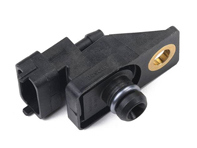

- Porsche 996 TURBO 2000-05
适用:
保时捷 996 Turbo 2001 - 2005 *M660
* 选项代码:660 - OBD 2
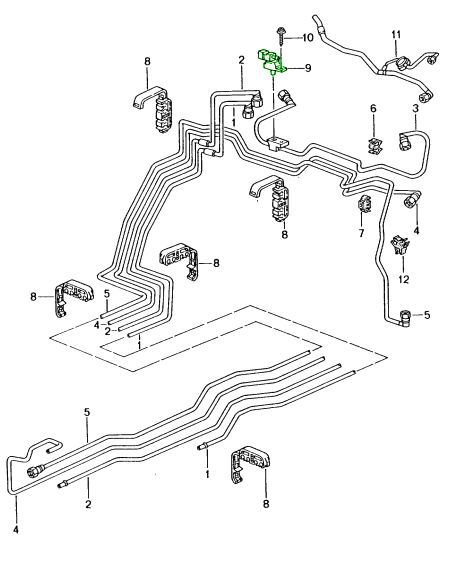
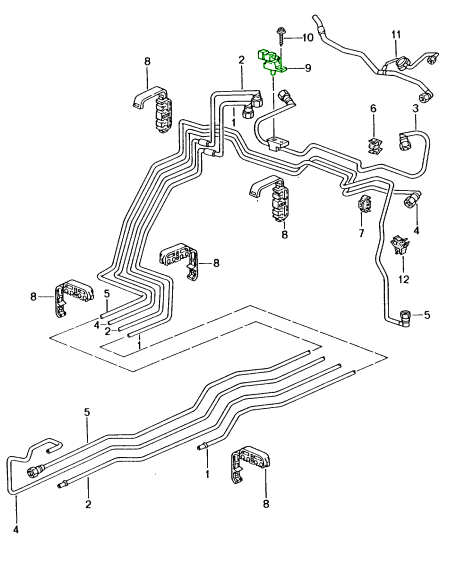
图示编号 9
相关参考编号
相关编号、被取代编号、交叉引用编号或替代编号,供比较之用。
99660620500
您正在查看的产品与这些编号存在交叉引用关系
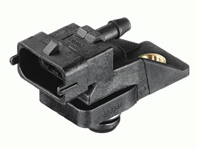

- Porsche 996 TURBO 2000-05
适用:
保时捷 996 Turbo 2001 - 2005 *M660
* 选项代码:660 - OBD 2
图示编号 9
相关参考编号
相关编号、被取代编号、交叉引用编号或替代编号,供比较之用。
99660620500
您正在查看的产品与这些编号存在交叉引用关系


- Porsche 996 TURBO 2000-05
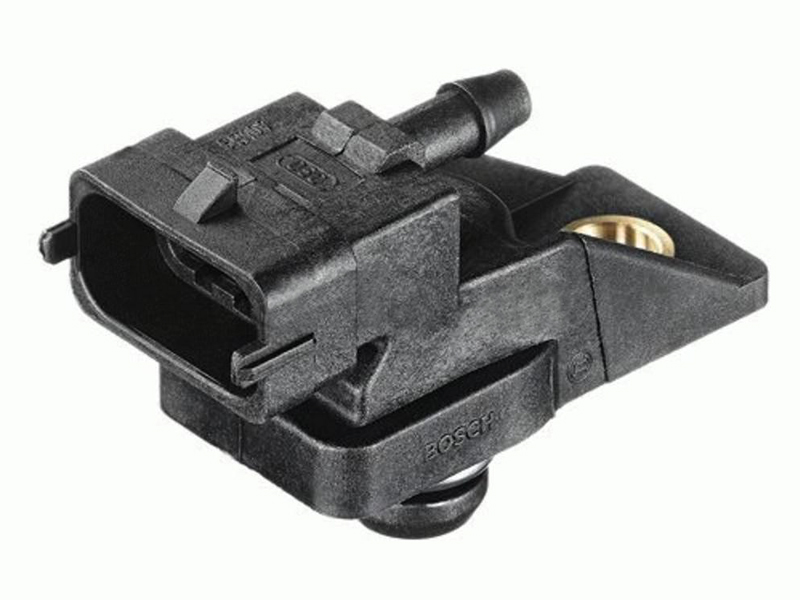
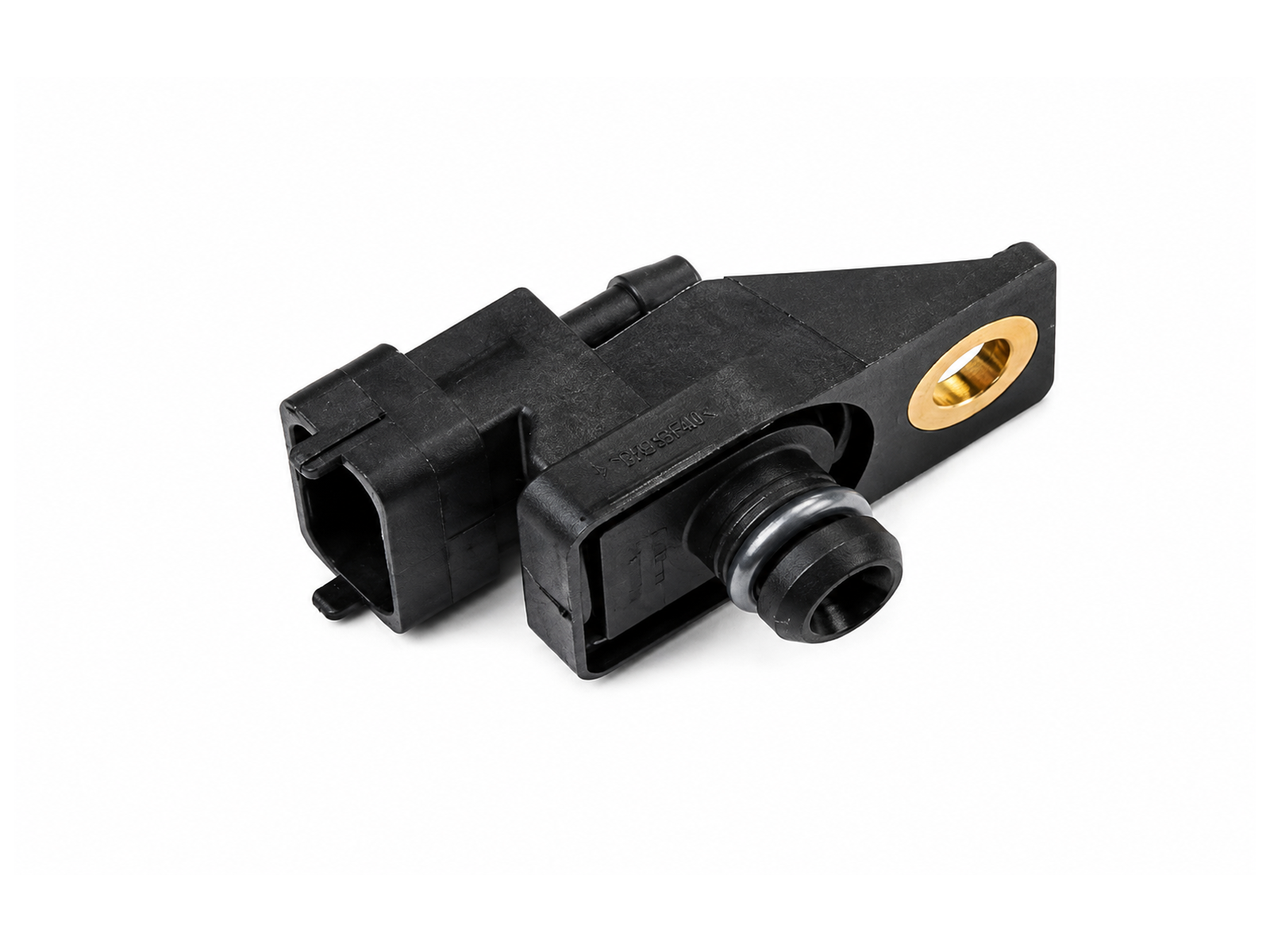
适用于 2001 年至 2005 年款保时捷 996 Turbo 车型的原厂配套燃油压力传感器。该替换传感器有助于监测燃油喷射系统内的燃油压力,从而支持精确的发动机管理、可靠的燃油输送和正确的运行性能。
适用:
保时捷 996 Turbo 2001 - 2005 *M660
* 选项代码:660 - OBD 2
图示编号 9
燃油压力传感器测量燃油压力并将信息发送至发动机控制系统。准确的燃油压力数据有助于ECU正确管理燃油供给,从而实现平稳运行、灵敏的油门响应、可靠的增压性能和高效的燃烧。
函数
•更换燃油压力传感器
•监测喷射系统内的燃油压力
•向发动机控制单元发送燃油压力数据
•支持正确的燃油供给和发动机管理
•有助于保持平稳的怠速和油门响应
•适用于燃油系统故障诊断和维修
•适用于保时捷 996 Turbo 燃油喷射系统的原厂配套替换件
为什么要更换这个部件?
燃油压力传感器可能因老化、高温、振动、燃油污染、电气故障或内部磨损而失效。故障的传感器可能导致启动困难、怠速不稳、加速迟滞、加速不良、增压响应不均匀、警告灯亮起、故障代码显示或燃油压力读数不准确。更换传感器有助于恢复准确的燃油压力监测和可靠的发动机性能。
何时更换此部件
•燃油压力传感器故障代码已出现
发动机故障指示灯亮起
•起步困难或不稳定
•怠速不稳或不稳定
•出现加速迟滞或油门响应不良的情况。
•燃油压力读数不正确或间歇性出现
•正在进行燃油系统保养或诊断维修。
它安装在车上的哪个位置
该传感器安装在保时捷 996 Turbo 车型的发动机燃油喷射/燃油压力监测系统中。
相关参考编号
相关编号、被取代编号、交叉引用编号或替代编号,供比较之用。
99660620500
您正在查看的产品与这些编号存在交叉引用关系

Fuel Pressure Regulators – Precise Fuel Delivery for Porsche Performance
Fuel pressure regulators are vital components in your Porsche’s fuel system, maintaining consistent fuel pressure to the injectors for optimal combustion and performance. Whether fitted to a classic air-cooled engine or a modern direct-injection model, a properly functioning regulator ensures smooth acceleration, efficient fuel use, and reliable engine response under all driving conditions.
At Design911, we offer a complete range of genuine and high-quality fuel pressure regulators for the transaxle models, 911, Boxster, Cayman, Cayenne, Macan, and Panamera models. Each regulator is designed for precision, durability, and responsiveness, helping your Porsche maintain stable fuel pressure and peak efficiency at all times.
What Do Fuel Pressure Regulators Do?
The fuel pressure regulator ensures the correct pressure is
maintained within the fuel rail, allowing the engine control system to deliver
the ideal air-fuel mixture. It:
- Regulates
fuel pressure according to engine demand.
- Prevents
over-pressurisation that could damage injectors.
- Maintains
consistent fuel flow for efficient combustion.
- Supports optimal power delivery and throttle response.
Without a properly functioning regulator, your engine may run too rich or too lean, leading to performance issues and increased fuel consumption.
Why Do Fuel Pressure Regulators Fail?
Over time, regulators can degrade due to fuel contamination,
heat, and wear. Common causes of failure include:
- Diaphragm
leaks causing loss of pressure control.
- Clogging
from dirt or debris in the fuel system.
- Corrosion
or seal wear from ethanol-blended fuels.
- Vacuum
line failure leading to incorrect pressure adjustment.
- Age-related fatigue affecting response accuracy.
Symptoms include hard starting, rough idling, fuel smell, poor acceleration, or excessive fuel consumption.
Why Replace a Faulty Fuel Pressure Regulator?
Replacing a worn or damaged regulator restores proper fuel delivery and engine balance, ensuring consistent performance and efficiency.
Benefits of replacement include:
- Improved throttle response and acceleration.
- Optimised fuel economy and emissions control.
- Prevention of injector damage or flooding.
- Reliable pressure regulation and long-lasting performance.
All regulators in our range are built from high-quality alloys and advanced diaphragms for superior heat resistance, responsiveness, and long-term durability — meeting Porsche’s precise engineering standards.
1. What does a fuel pressure regulator do in a Porsche?
The fuel pressure regulator maintains consistent pressure in
the fuel rail, ensuring your Porsche’s engine receives the correct amount of
fuel for efficient combustion. It balances performance, fuel economy, and
emissions by adjusting fuel flow according to driving conditions.
2. What are the symptoms of a bad fuel pressure
regulator?
Common signs include poor acceleration, black
smoke from the exhaust, fuel smell, rough idle, or engine
misfires. You may also notice reduced fuel efficiency or difficulty
starting the car.
3. How often should I replace my Porsche fuel pressure
regulator?
There’s no fixed interval, but regulators should generally
be inspected every 60,000–100,000 miles or whenever you notice
performance issues or fuel pressure irregularities. If the diaphragm is leaking
or the regulator is clogged, replacement is essential.
4. Can I drive my Porsche with a faulty fuel pressure
regulator?
It’s not recommended. A failing regulator can cause the
engine to run too rich or lean, potentially damaging spark plugs, injectors, or
catalytic converters. Replacing the regulator promptly prevents costly engine
repairs.