




Enter your VAT number here and click Verify:
Your details have been verified. VAT number registered to:
,
.
Your order will now be zero rated for VAT purposes. We reserve the right to verify these details after your order request has been made and reinstate VAT if required.
Your VAT details were not recognised or were invalid. Your VAT number must be matched to your Billing Country as specified above. This is currently specified as . You do not need to enter the country code part of your VAT number as this has already been selected in your billing address details above.
The VAT number checking service is currently offline. Please supply your VAT details within the comments or special instructions field below and we will apply a VAT discount after placing your order request.

Speed / Reference / Knock Sensors
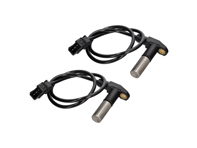
- Porsche 911 1984-1986 3.2L
- Porsche 911 1987-1989 3.2L G50
- Porsche 911 1978-1989 3.3L Turbo (930)
also known are Engine Crankshaft Position Sensor
The engine crankshaft position sensor (CPS) is a critical component that monitors the crankshaft’s position and rotational speed. It sends this data to the engine control unit (ECU), allowing precise control of fuel injection, ignition timing, and other key engine functions. Without accurate input from the CPS, the ECU cannot properly synchronize spark or fuel delivery—leading to poor performance or even a no-start condition.
Crankshaft sensors typically use magnetic or Hall-effect technology:
Magnetic sensors generate a signal with a coil and magnet as the crankshaft rotates.
Hall-effect sensors detect changes in the magnetic field using a semiconductor for highly accurate readings.
Depending on the engine design, the CPS is usually located near the crankshaft pulley, harmonic balancer, flywheel, or transmission. It reads notches or teeth on a tone wheel to create a signal the ECU can interpret.
Over time, heat, vibration, and contaminants (oil, dirt, or metal shavings) can cause the sensor to fail. When this happens, common symptoms include engine stalling, rough idling, misfires, or a no-start condition.
Fits:- Porsche 911 1984-1986 3.2L
- Porsche 911 1987-1989 3.2L G50
- Porsche 911 1978-1989 3.3L Turbo (930)
Common Symptoms of a Failing Crankshaft Position Sensor
· No Start Condition – If the ECU doesn’t receive a proper signal, the engine won’t start.
· Stalling When Warm – The sensor may fail when the engine reaches operating temperature, causing unexpected stalling.
· Erratic or Dead Tachometer – In some vehicles, a faulty CPS can cause the tachometer to behave irregularly.
· Check Engine Code P0335 – A failed internal circuit may trigger this code, though not always.
· Poor Performance at Certain RPMs – Timing issues can cause hesitation, especially at idle or higher RPMs.
· Multiple Cylinder Misfires – Unlike a single bad coil or injector, CPS failure can cause misfires across all cylinders.
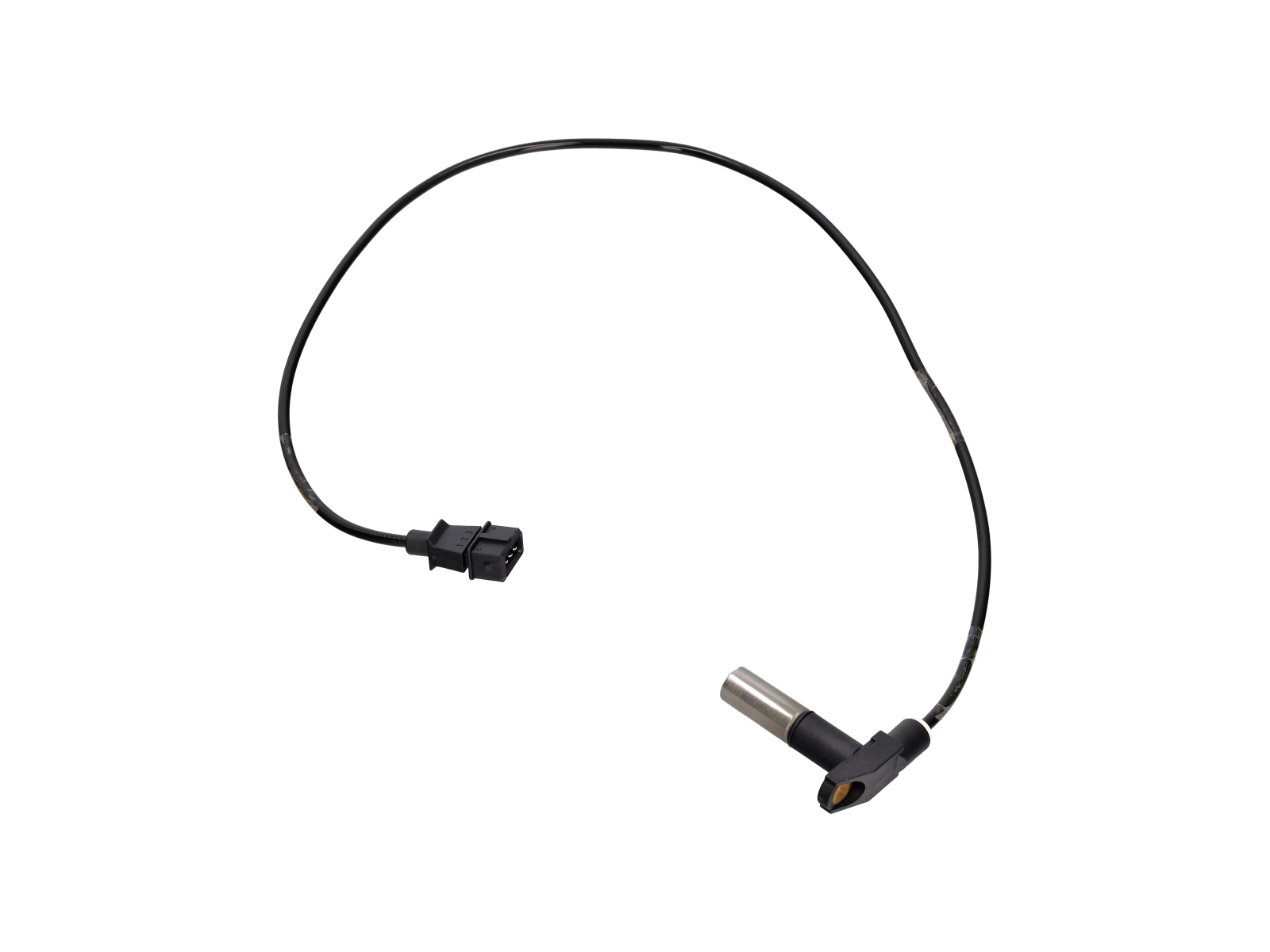
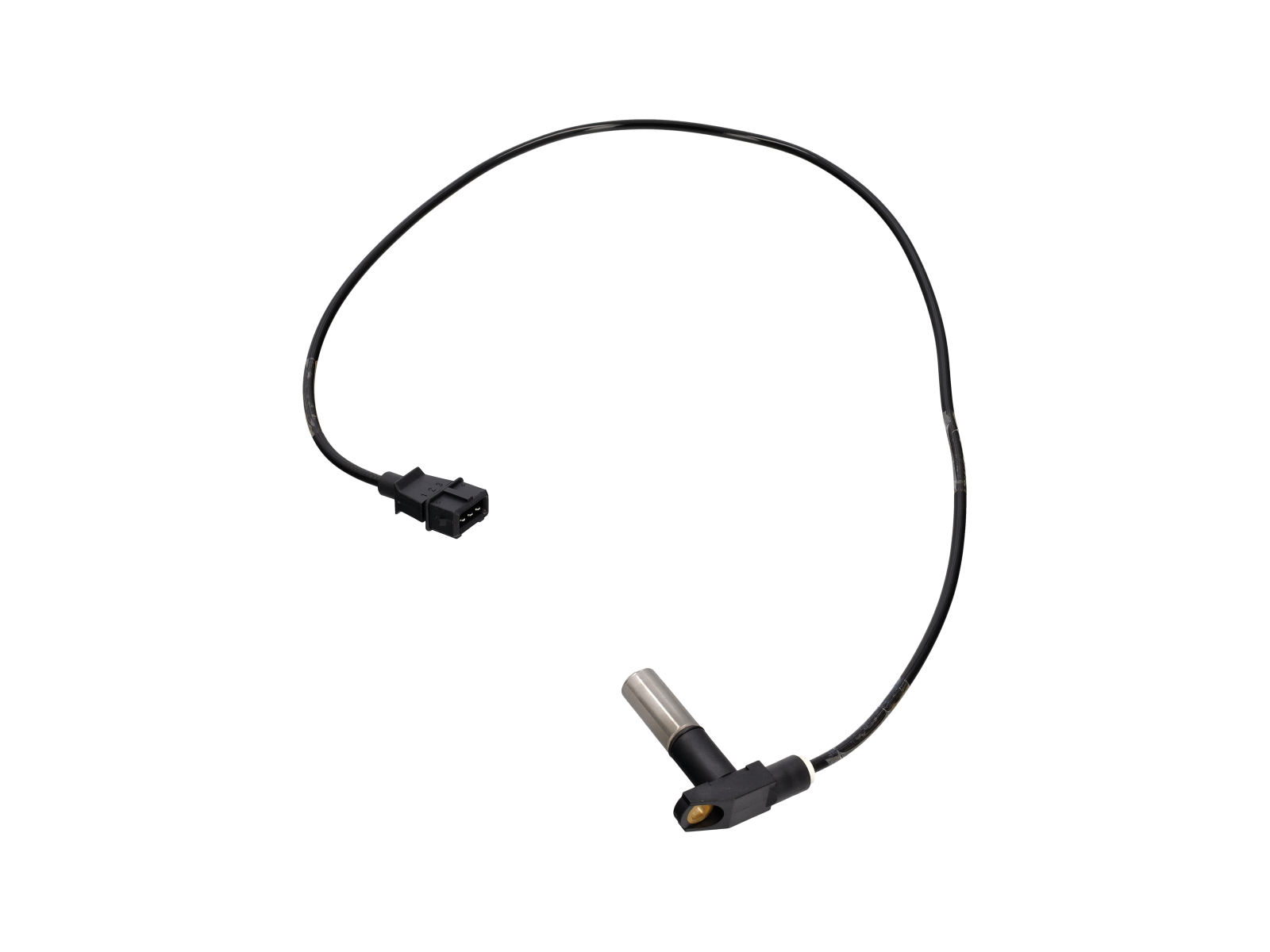
This crankshaft sensor is designed for Porsche 911 G models produced between 1984 and 1989. It serves as a pulse generator, transmitting engine speed data to the DME, and is a frequent culprit when the engine experiences irregular performance.
Identified by the Bosch number ending in 005, this sensor was installed in pairs within the vehicle. A reliable and precise pulse generator is crucial for optimal engine electronics performance.
Related reference numbers
Related, superseded, cross reference or alternative numbers for comparison.
91160621502
The product you are viewing cross references to these numbers
This kit is comprised of the following items:

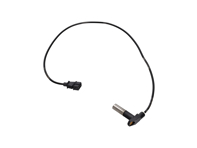
- Porsche 911 1984-1986 3.2L
- Porsche 911 1987-1989 3.2L G50
- Porsche 911 1978-1989 3.3L Turbo (930)
- Porsche 924S 2.5L 1986-87
- Porsche 924S 2.5L 1988
- Porsche 944 2.5L 8V 1982-87
- Porsche 944 2.7L 8V 1988-89
- Porsche 944S 2.5L 16V 1987-88
- Porsche 944S2 3.0L 16V 1989-91
- Porsche 944 Turbo 2.5L 8V 1985-88
- Porsche 944 Turbo 2.5L 8V 1989-91
- Porsche 944 Turbo S 2.5L 8V 1988
- Porsche 968 3.0L 1992-94
- Porsche 968 Sport 3.0L 1994-95
- Porsche 968 CS 3.0L 1993-95
- Porsche 968 Turbo S 3.0L 1993-94
- Porsche 928 4.5L 1978-82
- Porsche 928S 4.7L 1981-83
- Porsche 928S2 4.7L 1984-86
- Porsche 928S4 5.0L 1987-92
- Porsche 928GT 5.0L 1989-91
- Porsche 928GTS 5.4L 1992-95
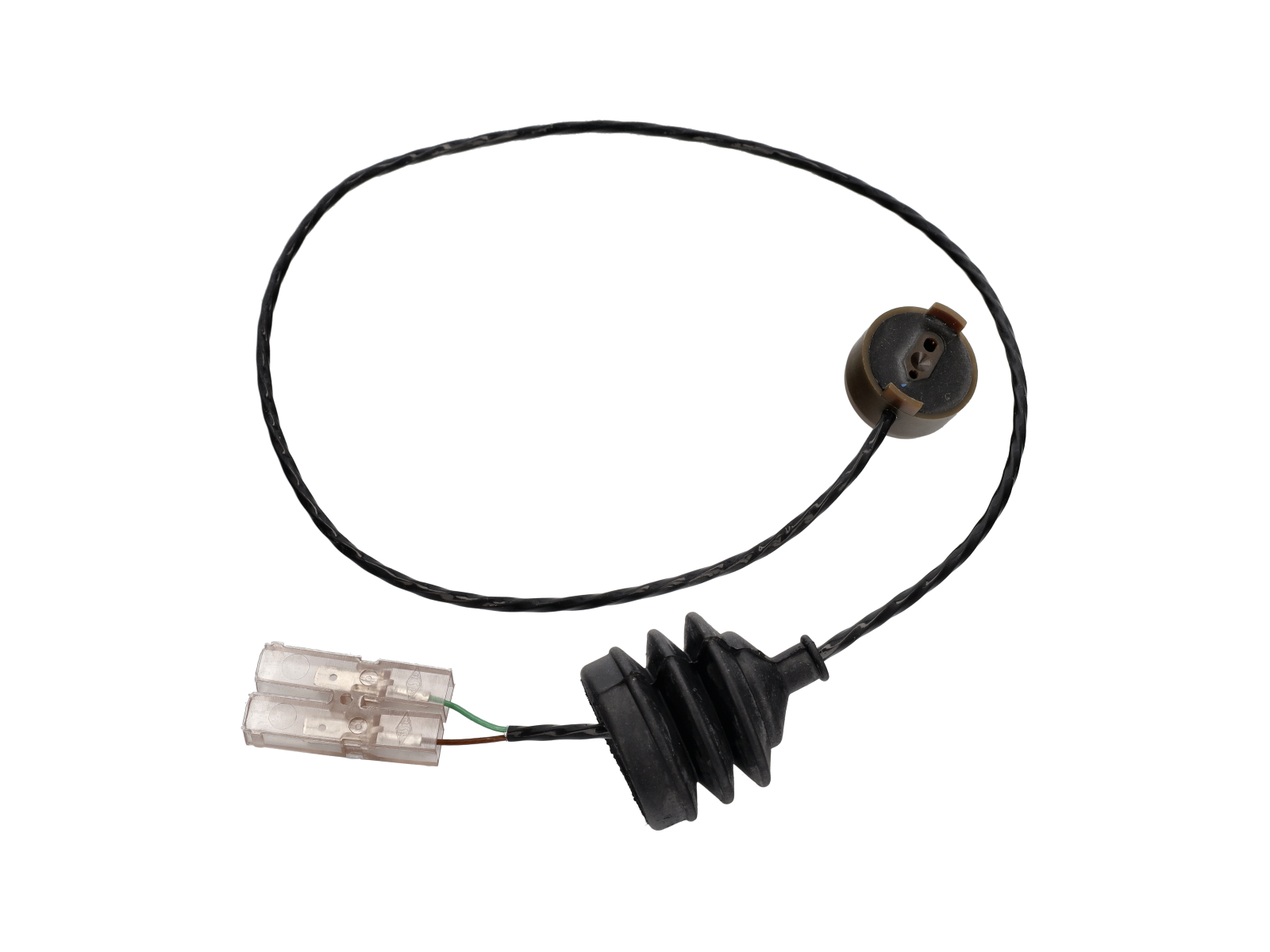
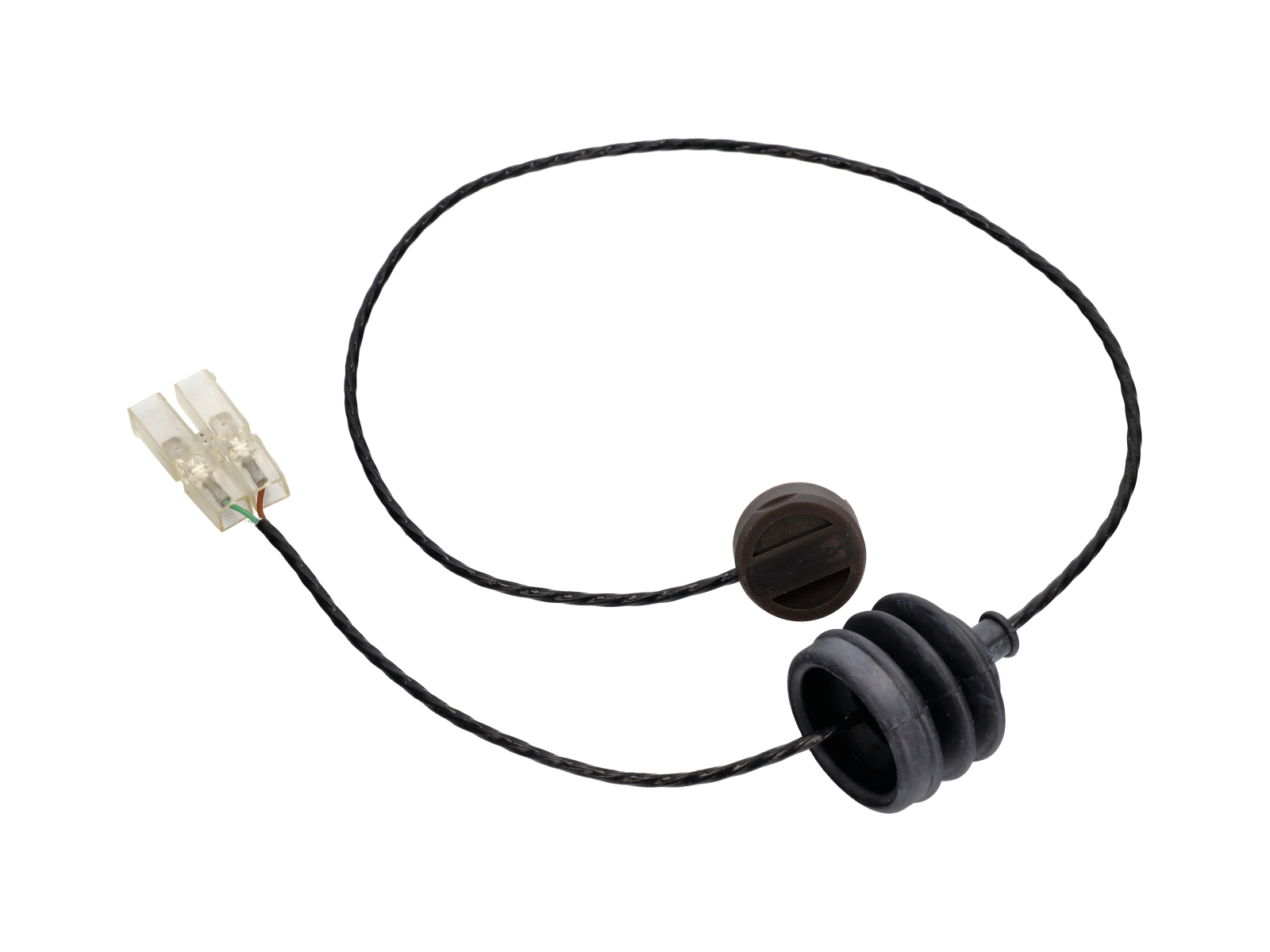
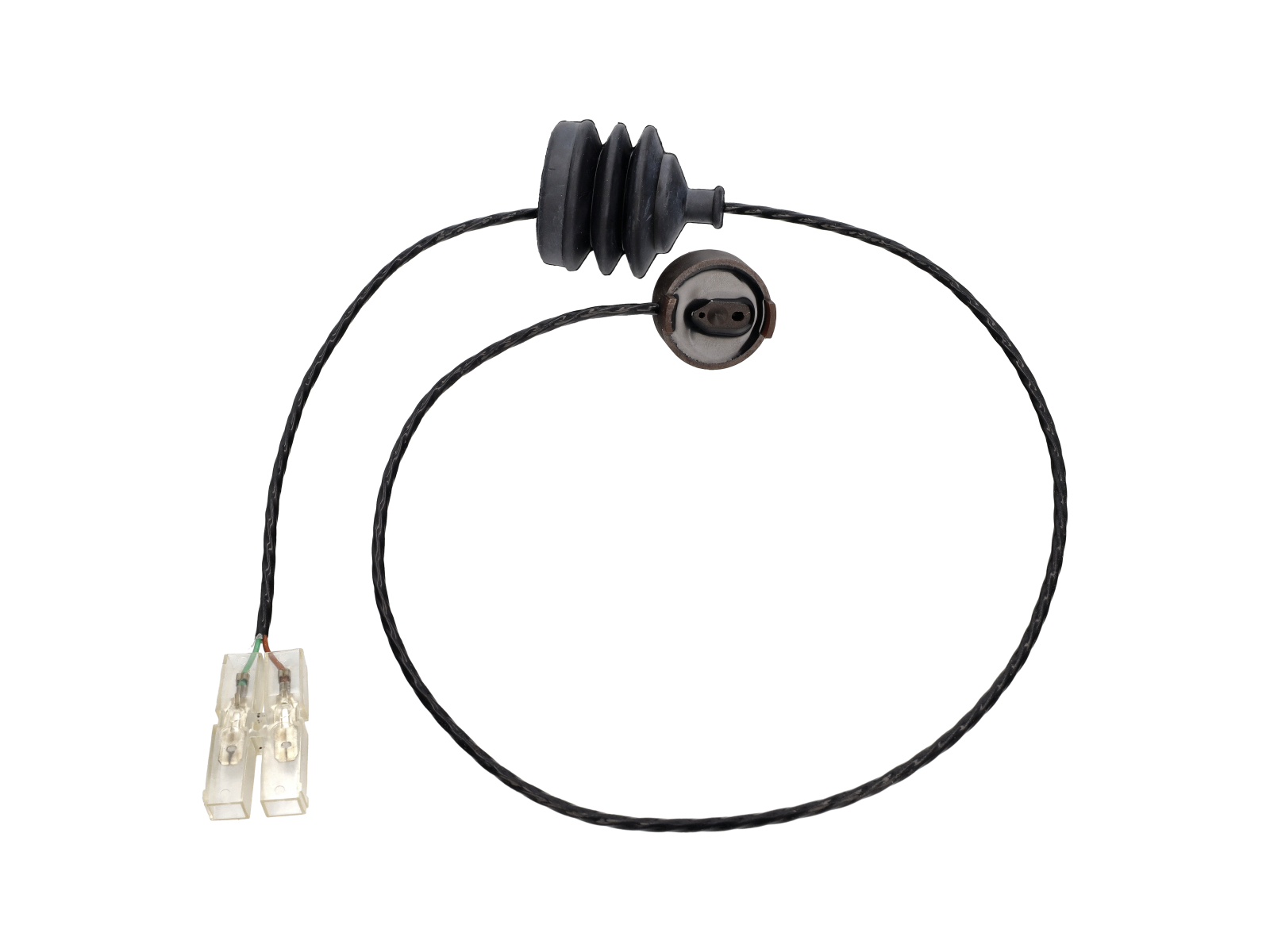
OE Match crankshaft pulse sender, reference 94460611500, for selected Porsche 911, 924S, 928, 944 and 968 applications. Catalogued against the relevant Porsche reference, this engine electrical sensor is intended for installation in the specified DME engine-management systems.
What This Product Does
The pulse sender monitors crankshaft rotation and provides the engine control unit with the reference information needed to determine engine speed or position. Depending on the vehicle’s DME configuration, this signal supports the accurate control of ignition timing and fuel injection.
Functions
- Detects crankshaft rotation or a defined reference point
- Transmits an electrical pulse signal to the DME control unit
- Supports calculation of engine speed and crankshaft position
- Provides timing information for ignition and fuel-injection control
- Helps the engine-management system recognise that the engine is cranking
Technical Details
- Part reference: 94460611500
- Component descriptions: pulse sender, crankshaft position sensor, crank-angle sensor and speed reference sensor
- Earlier cross-references: 94460601500 and 94460601700
- The Porsche 944 and 924S engine-electrics catalogues specify two senders for applicable installations
- The Porsche 968 1992–1995 engine-electrics diagram specifies one pulse sender
- Quantity and sensor function vary by engine-management arrangement; confirm the vehicle specification before ordering
Symptoms of Fault
- Engine cranks but does not start
- Intermittent starting difficulty, particularly when the engine is hot
- Sudden stalling or cutting out while running
- Misfires, hesitation or an uneven idle caused by an unstable signal
- Tachometer signal dropping unexpectedly on applicable vehicles
- Stored crankshaft, reference-signal or engine-speed fault information
- Cracked cable insulation, heat damage or corrosion at the connector
Why Replacement Matters
A weak or missing pulse signal can prevent the DME from establishing the correct crankshaft reference. This may interrupt ignition and injection control, resulting in intermittent running faults or a complete no-start condition. Before replacing the sender, inspect its wiring, connector, mounting, sensor gap where applicable, battery condition and engine earth connections. Testing the signal during cranking can help distinguish a defective sender from a wiring or control-unit fault.
Fits
- Porsche 911 & 912 (1965–1989): 911 3.3L Turbo (930) 1978–1989; 911 3.2L 1984–1986; 911 3.2L G50 1987–1989
- Porsche 924 (1977–1988): 924S 2.5L 1986–1987; 924S 2.5L 1988
- Porsche 928 (1978–1995): 928 4.5L 1978–1982; 928S 4.7L 1981–1983; 928S2 4.7L 1984–1986; 928S4 5.0L 1987–1992; 928GT 5.0L 1989–1991; 928GTS 5.4L 1992–1995
- Porsche 944 (1982–1991): 944 2.5L 8V 1982–1987; 944 2.7L 8V 1988–1989; 944S 2.5L 16V 1987–1988; 944S2 3.0L 16V 1989–1991; 944 Turbo 2.5L 8V 1985–1988; 944 Turbo 2.5L 8V 1989–1991; 944 Turbo S 2.5L 8V 1988
- Porsche 968 (1992–1995): 968 3.0L 1992–1994; 968 Sport 3.0L 1994–1995; 968 CS 3.0L 1993–1995; 968 Turbo S 3.0L 1993–1994
Check fitment for your specific vehicle (model, year, engine) before ordering.
FAQs
- Why can a failed reference sender cause a no-start?
Without a valid crankshaft signal, the DME may be unable to time the ignition and fuel-injection events. - Why might the fault be intermittent?
Heat, vibration, ageing insulation or an internal electrical fault can cause the signal to disappear only under certain conditions. - Should the sensor be replaced from a fault code alone?
No. Inspect the connector and wiring, verify power and earth conditions, and test the sender signal where suitable diagnostic equipment is available. - How many senders are required?
The required quantity depends on the Porsche model and engine-management arrangement. Some 924S and 944 applications use two, while the supplied 968 diagram identifies one. - Does installation clearance matter?
Yes. The sensor must be correctly mounted, and the specified gap should be verified where the application uses an adjustable mounting arrangement.
Related reference numbers
Related, superseded, cross reference or alternative numbers for comparison.
94460611500
The product you are viewing cross references to these numbers

- Porsche 911 1984-1986 3.2L
- Porsche 911 1987-1989 3.2L G50
- Porsche 924S 2.5L 1986-87
- Porsche 924S 2.5L 1988
- Porsche 944 2.5L 8V 1982-87
- Porsche 944 2.7L 8V 1988-89
- Porsche 944S 2.5L 16V 1987-88
- Porsche 944S2 3.0L 16V 1989-91
- Porsche 944 Turbo 2.5L 8V 1985-88
- Porsche 944 Turbo 2.5L 8V 1989-91
- Porsche 944 Turbo S 2.5L 8V 1988
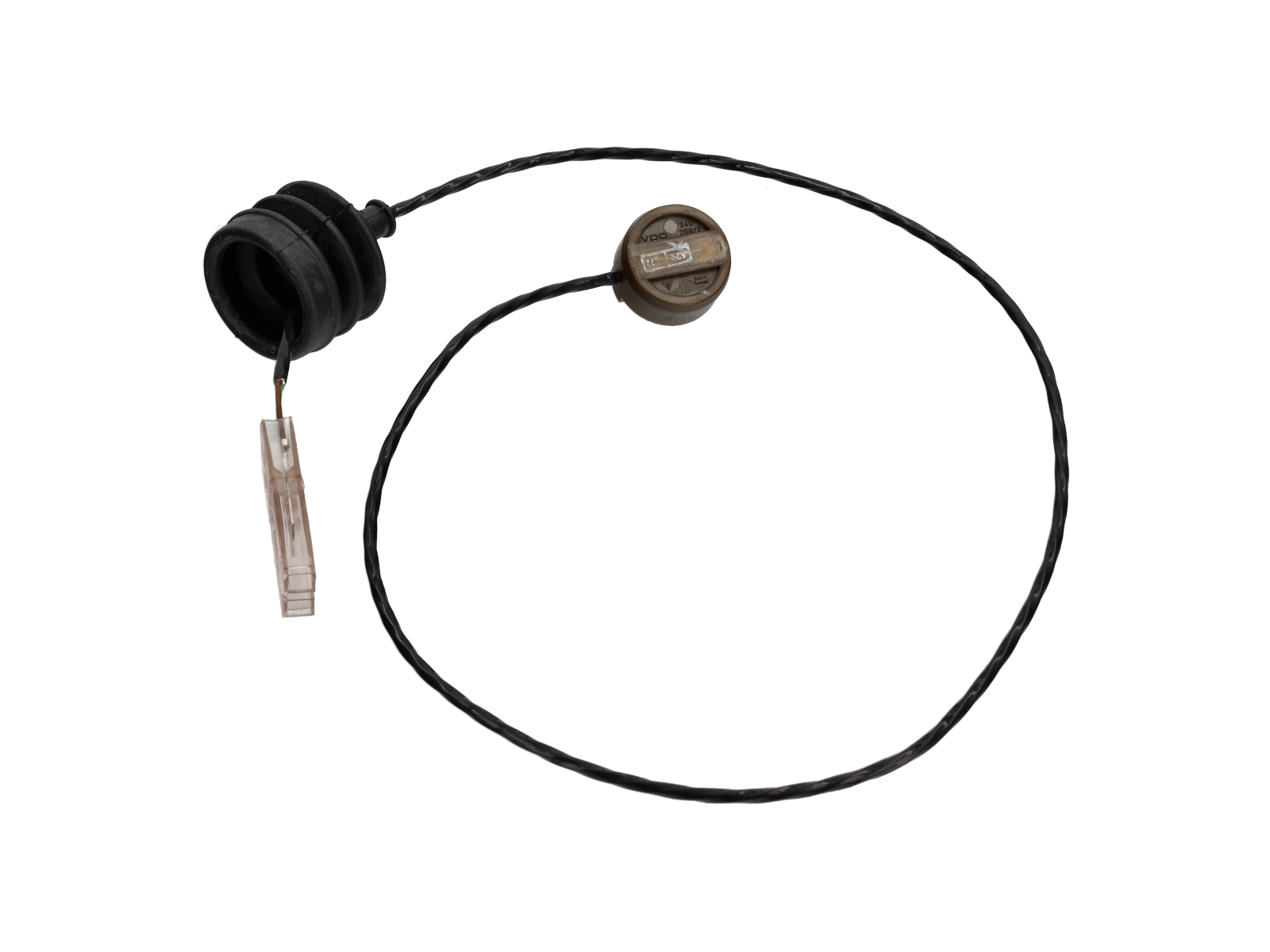
Sensor for upper dead centre

Fits:
Porsche 911 1984-89
Porsche 924S 1986-88
Porsche 944 1984-91
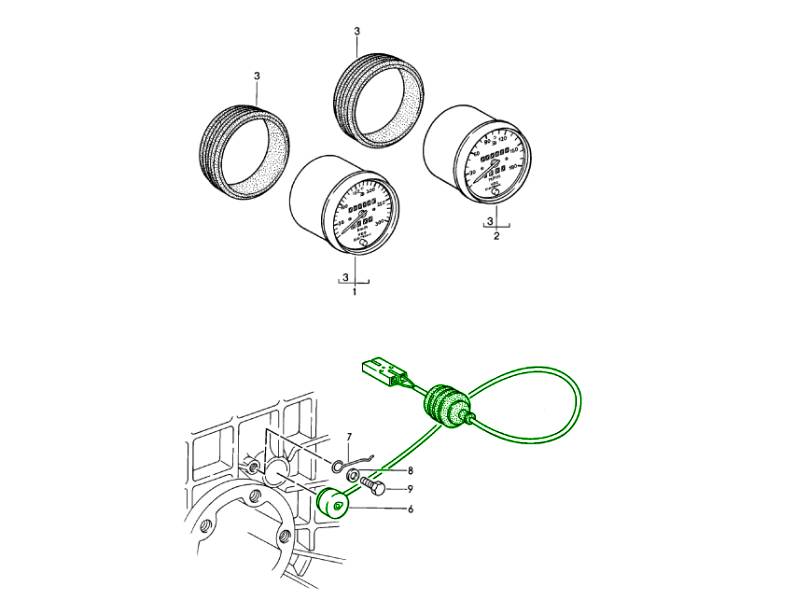
Click 'Zoom in' for large parts diagram.
Diagram ref no 24
Related reference numbers
Related, superseded, cross reference or alternative numbers for comparison.
91160610800
The product you are viewing cross references to these numbers


Electrical plug housing - multiple applications (see below).
Porsche 986 Boxster 1997-04
- Camshaft position sensor
- Throttle valve
- Ignition coil
Porsche 996 Carrera & GT3 1998-05
- Ignition coil
Porsche 964/993 Carrera & Turbo 1994-98
- Crankshaft position sensor
Related reference numbers
Related, superseded, cross reference or alternative numbers for comparison.
99965291640
The product you are viewing cross references to these numbers


Electrical plug housing - multiple applications (see below).
Porsche 986 Boxster 1997-04
- Camshaft position sensor
- Throttle valve
- Ignition coil
Porsche 996 Carrera & GT3 1998-05
- Ignition coil
Porsche 964/993 Carrera & Turbo 1994-98
- Crankshaft position sensor
Related reference numbers
Related, superseded, cross reference or alternative numbers for comparison.
99965291640
The product you are viewing cross references to these numbers

- Porsche 911 1984-1986 3.2L
- Porsche 911 1987-1989 3.2L G50
- Porsche 911 1978-1989 3.3L Turbo (930)

Fits:
Porsche 911 1984-89
Related reference numbers
Related, superseded, cross reference or alternative numbers for comparison.
91160621502
The product you are viewing cross references to these numbers

- Porsche 911 1984-1986 3.2L
- Porsche 911 1987-1989 3.2L G50
- Porsche 911 1978-1989 3.3L Turbo (930)
Please note there are 2 per car, Price is Each
Fits:
Porsche 911 1984-1986 3.2L
Porsche 911 1987-1989 3.2L G50
Porsche 911 1978-1989 3.3L Turbo (930)
The engine crankshaft position sensor (CPS) is a critical component that monitors the crankshaft’s position and rotational speed. It sends this data to the engine control unit (ECU), allowing precise control of fuel injection, ignition timing, and other key engine functions. Without accurate input from the CPS, the ECU cannot properly synchronize spark or fuel delivery—leading to poor performance or even a no-start condition.
Crankshaft sensors typically use magnetic or Hall-effect technology:
Magnetic sensors generate a signal with a coil and magnet as the crankshaft rotates. Hall-effect sensors detect changes in the magnetic field using a semiconductor for highly accurate readings.
Depending on the engine design, the CPS is usually located near the crankshaft pulley, harmonic balancer, flywheel, or transmission. It reads notches or teeth on a tone wheel to create a signal the ECU can interpret.
Over time, heat, vibration, and contaminants (oil, dirt, or metal shavings) can cause the sensor to fail. When this happens, common symptoms include engine stalling, rough idling, misfires, or a no-start condition.
Common Symptoms of a Failing Crankshaft Position Sensor
No Start Condition – If the ECU doesn’t receive a proper signal, the engine won’t start.
Stalling When Warm – The sensor may fail when the engine reaches operating temperature, causing unexpected stalling.
Erratic or Dead Tachometer – In some vehicles, a faulty CPS can cause the tachometer to behave irregularly.
Check Engine Code P0335 – A failed internal circuit may trigger this code, though not always.
Poor Performance at Certain RPMs – Timing issues can cause hesitation, especially at idle or higher RPMs.
Multiple Cylinder Misfires – Unlike a single bad coil or injector, CPS failure can cause misfires across all cylinders.
Related reference numbers
Related, superseded, cross reference or alternative numbers for comparison.
91160621502
The product you are viewing cross references to these numbers

- Porsche 911 1974-1977 2.7L / 1976-77 3.0 Carrera
- Porsche 911 1978-1983 3.0L / SC
- Porsche 911 1984-1986 3.2L
- Porsche 911 1987-1989 3.2L G50
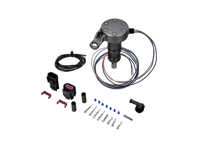
The single sensor unit is for cars that already have a separate crankshaft sensor, either on the flywheel, or an existing crank pulley sensor
Fits:
Porsche 911 2.7 - 1974 to 1978 (CIS injection)
Porsche 911 SC 3.0ltr - 1978 to 1983
Porsche 911 3.2 Carrera - 1984 to 1989
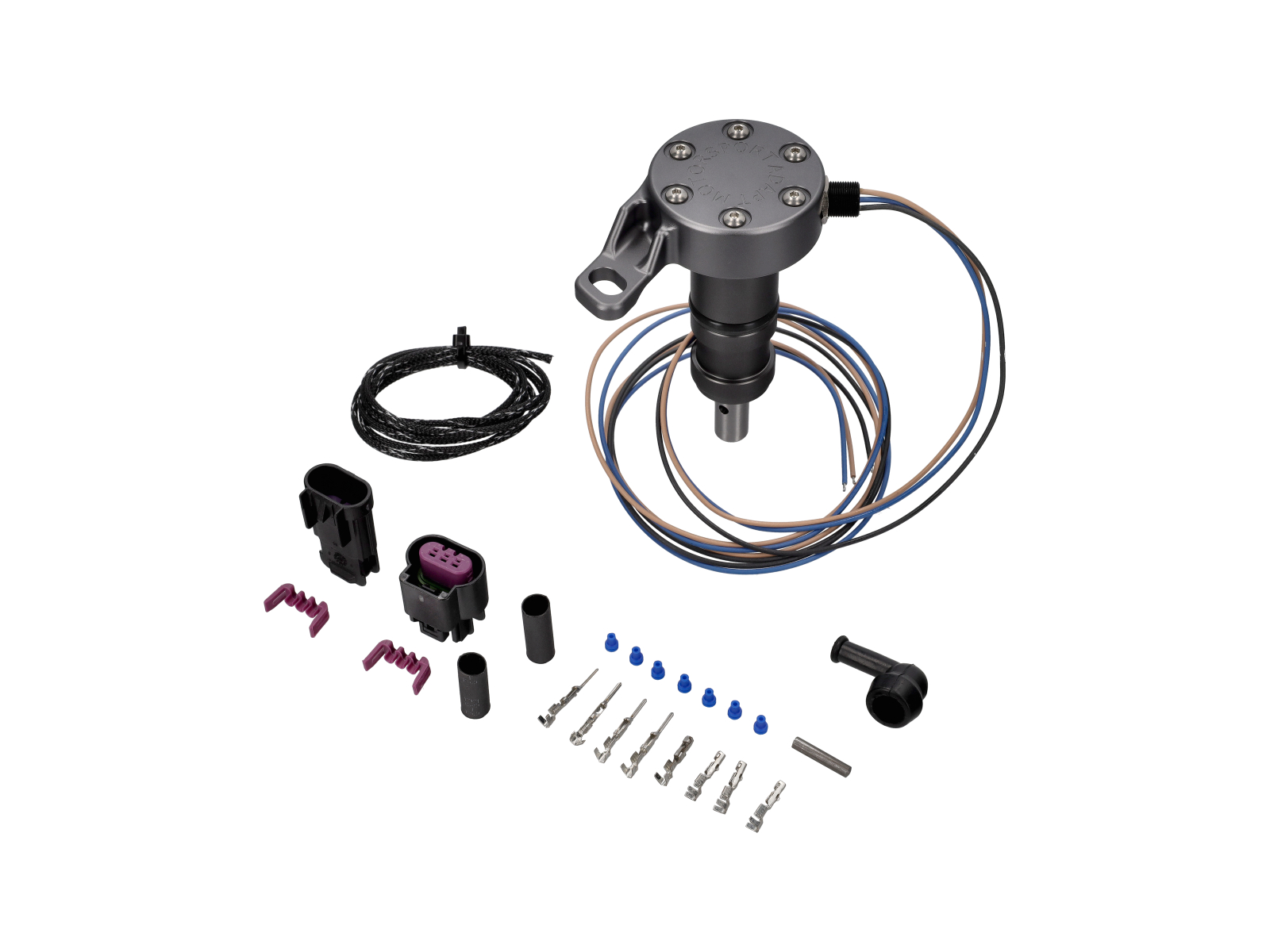
Single sensor – This unit has a singe sensor inside the body that detects one single tooth. This shaft rotates at half engine speed, so this sensor picks up once every 720 degrees. This is used to tell the ECU when it is on the compression stroke. The single sensor version needs to be used in conjunction with an existing crank position sensor, either on the pulley, or on the flywheel as common on the 964/993 or cars that have had their flywheel machined for a sensor pickup
Why do you need this system and what is a crankshaft position sensor?
When converting classic Porsches to modern electronic fuel injection, the engine control unit (ECU) needs to know exactly where the crankshaft and camshaft is in its 4 stroke cycle and how fast they are spinning. This allows the ECU to correctly time each spark and fuel injector opening time and duration. A sensor is pointed at the crankshaft pulley or flywheel and measures a pulse for every tooth. There is one missing tooth and from this the ECU can work out what the crankshaft position is relative to this missing tooth. The time between pulses gives the engine speed and rate of change.
The 3.2 Carrera / 964 / 993 already have a sensor on the flywheel to measure crankshaft position so these engines only require one senor for camshaft positioning. This sensor is installed in the body our module, and measures a single tooth at the top of the drive shaft. As this is installed in the distributor hole, this is geared to run at half engine speed, so will produce a pulse once every 720 degrees. With these two sensors, the ECU knows the exact position the engine is in its 4 stroke cycle. And now, we can run accurate sequential injection and ignition.
Our kit uses high speed digital hall effect sensors for a digital output to the engine control unit, these are best run at 8V, most modern ECU's have an 8V output dedicated for crankshaft sensors.
Machined aluminium housing and anodised finish, complete with maintenance free bronze bush and sealed for life roller bearing. These sensors are quite adjustable so are often able to be used with existing crank pully and trigger wheel setups from other quality vendors.
Sync 1 Sensor Kit Includes:
- Main body assembly
- ZF Hall effect sensors, single tooth for engine cycle sensing x 1
- Wiring and connectors, with pins and connectors for connecting to your wiring loom.
For use when you already have some other crankshaft position sensing either on the flywheel or pulley and just need to add an engine cycle/sync sensor to complete your sequential system.
This replacement kit fits to the OEM distributor location using your own factory distributor gear. Simply remove the factory distributor gear from your install the gear, wire to your ECU, fine tune the sensor air gap to the crank trigger disc, setup the reference position in the ECU and you have all the sensing you need for the latest sequential fuel and ignition systems. This kit works on the 964, 993 and with the turbo distributor gears.
Related reference numbers
Related, superseded, cross reference or alternative numbers for comparison.
93060250052
The product you are viewing cross references to these numbers

- Porsche 911 1974-1977 2.7L / 1976-77 3.0 Carrera
- Porsche 911 1978-1983 3.0L / SC
- Porsche 911 1984-1986 3.2L
- Porsche 911 1975-1977 3.0L Turbo (930)
Fits:
Porsche 911 1974>>1984 (Incl. Turbo)
Only Fits Up To 1974>>1984
For Cars Porsche 911 1985>>1986 3.2L And Porsche 911 Turbo 1985>>1988 Use 91160620901
Diagram Ref No 6
Related reference numbers
Related, superseded, cross reference or alternative numbers for comparison.
91160620900
The product you are viewing cross references to these numbers

- Porsche 911 1974-1977 2.7L / 1976-77 3.0 Carrera
- Porsche 911 1978-1983 3.0L / SC
- Porsche 911 1984-1986 3.2L
- Porsche 911 1975-1977 3.0L Turbo (930)
Fits:
Porsche 911 1974-84 (incl. Turbo)
only fits up to 1974-1984
For cars Porsche 911 1985-86 3.2L and Porsche 911 Turbo 1985-88 use 91160620901
Related reference numbers
Related, superseded, cross reference or alternative numbers for comparison.
91160620900
The product you are viewing cross references to these numbers

- Porsche 911 1984-1986 3.2L
- Porsche 911 1978-1989 3.3L Turbo (930)
Fits:
Porsche 911 1985-86 3.2L
Porsche 911 Turbo 1985-88
915 Gearbox type
Related reference numbers
Related, superseded, cross reference or alternative numbers for comparison.
91160620901
The product you are viewing cross references to these numbers

- Porsche 911 1974-1977 2.7L / 1976-77 3.0 Carrera
- Porsche 911 1978-1983 3.0L / SC
- Porsche 911 1984-1986 3.2L
- Porsche 911 1987-1989 3.2L G50
- Porsche 911 1975-1977 3.0L Turbo (930)
- Porsche 928 4.5L 1978-82
- Porsche 928S 4.7L 1981-83
- Porsche 928S2 4.7L 1984-86
- Porsche 928S4 5.0L 1987-92
- Porsche 928GT 5.0L 1989-91
- Porsche 928GTS 5.4L 1992-95
Fits:
Porsche 911 1974-77 - Models with electronic speedometer.
Porsche 911 1978-89
Porsche 911 Turbo (930) 1975-77
Porsche 928 1078-91
Related reference numbers
Related, superseded, cross reference or alternative numbers for comparison.
91566050901
The product you are viewing cross references to these numbers


Speed, Reference & Knock Sensors – Precision Monitoring for Porsche Engine Performance
Speed, reference, and knock sensors are crucial components in your Porsche’s engine management system. They work together to provide the engine control unit (ECU) with accurate data about crankshaft position, engine speed, and vibration — allowing the system to adjust timing, fueling, and ignition for maximum performance and protection.
At Design911, we supply a comprehensive selection of genuine and high-quality sensors for all Porsche Models, including 911, Boxster, Cayman, Cayenne, Macan, and Panamera. Each sensor is engineered for precise signal output, reliability, and durability, ensuring consistent performance and optimal engine operation.
What Do Speed, Reference & Knock Sensors Do?
These sensors play distinct yet complementary roles in your
Porsche’s electronic control system:
- Speed
Sensors: Measure rotational speed of the wheels or crankshaft to
optimise traction, stability, and engine timing.
- Reference
Sensors: Provide accurate engine position data to control ignition
timing and fuel injection.
- Knock Sensors: Detect engine detonation (pinging) and send signals to the ECU to adjust ignition timing, preventing engine damage.
Together, they ensure your Porsche runs smoothly, efficiently, and safely under all driving conditions.
Why Do These Sensors Fail?
Due to exposure to heat, vibration, and contamination, these
sensors can degrade over time. Common causes of failure include:
- Heat
damage from proximity to engine or exhaust components.
- Wiring
corrosion or connector oxidation reducing signal accuracy.
- Mechanical
wear on sensor tips or mounting points.
- Contamination
from oil, dirt, or debris interfering with readings.
- Electrical interference or internal circuitry failure.
Typical symptoms of sensor failure include poor acceleration, engine misfires, erratic idle, loss of power, increased fuel consumption, or a check engine light.
Why Replace Faulty Sensors?
A failing sensor can lead to poor performance, reduced fuel efficiency, and even engine damage if left unchecked. Replacing worn or damaged sensors ensures the ECU receives accurate data, maintaining safe and efficient operation.
Benefits of replacement include:
- Restored ignition timing and fuel efficiency.
- Improved throttle response and smooth acceleration.
- Protection against detonation and engine wear.
- Reliable performance with manufacturer-quality precision.
All sensors in our range are designed with high-quality materials, advanced shielding, and precision calibration to deliver consistent readings and long-term reliability in demanding conditions.
-
 Air Mass/Flow Sensors
-
Alternator / Generator
-
Batteries & Chargers
-
Distributor
-
Distributor Cap
-
Rotor Arms / Point Sets
-
Relays / Fuses
-
Ignition Coil
-
Ignition Control Units
-
Ignition Lead Sets
-
Ignition Lead High Performance
-
Injectors
-
Starter Motors
-
Fuel Pressure Regulator
-
Idle Control Valve
-
Fuel Pump
-
Temperature Sensor
-
Wiring Harness / Cables
-
Throttle Body