




Enter your VAT number here and click Verify:
Your details have been verified. VAT number registered to:
,
.
Your order will now be zero rated for VAT purposes. We reserve the right to verify these details after your order request has been made and reinstate VAT if required.
Your VAT details were not recognised or were invalid. Your VAT number must be matched to your Billing Country as specified above. This is currently specified as . You do not need to enter the country code part of your VAT number as this has already been selected in your billing address details above.
The VAT number checking service is currently offline. Please supply your VAT details within the comments or special instructions field below and we will apply a VAT discount after placing your order request.
Porsche

Porsche for Porsche
Porsche genuine parts and lifestyle products for Porsche models from Design911
A Quick Look at Porsche
Porsche information on this page is based on details supplied by the manufacturer or distributor, plus any OE references provided with the parts.
Choosing the Right Fit for Your Porsche
Where Porsche is listed for Porsche, use the supplied model coverage and OE references to confirm suitability. Check details that commonly affect fitment such as model year, side/position, and connector type where relevant.
- Typical reasons people replace these parts include maintaining originality, keeping factory specification, and choosing the latest genuine revisions for peace of mind.
- Common real-world issues behind many Porsche repairs are age and mileage: oil leaks, cooling system fatigue, brake and suspension wear, corrosion and electrical faults from moisture or heat cycling.
- Before ordering, confirm part numbers against VIN or option/PR codes, especially for safety‑critical or complex components.
- When upgrading, decide whether you want pure originality or performance changes, as some aftermarket options may suit specific goals better than genuine.
- For bigger jobs, replace related seals, hardware and consumables at the same time to avoid repeat labour and compatibility issues.
- Where available, follow the manufacturer’s fitting and bedding‑in guidance to get the best performance and longevity.
Browse by Category
If you already know the area you are working on, start with the category and then filter by Porsche model. Where real-world symptoms and typical reasons to replace are provided, use them to keep the wording grounded.
Brakes — Brake components are renewed to restore stopping performance, address wear or upgrade a Porsche for fast road or track use. Common symptoms include: Common symptoms include vibration under braking, increased stopping distances, squealing, pulling to one side, warning lights and visible wear to discs and pads.
- Check whether the parts are OE-equivalent replacements or performance upgrades and match this to how the Porsche is used.
- Follow any recommended bedding-in procedure and consider replacing discs, pads, sensors and fitting hardware together where advised.
Clothing & Gifts — Porsche-themed clothing and gifts let owners and enthusiasts show their passion off the road, or make ideal presents for fans of the marque. Common symptoms include: Items may become worn, faded, damaged or go out of style, prompting replacement with newer designs.
- Review available size, colour and material details to help choose the right item and ensure it matches how it will be used.
- Check any care or washing guidance so garments and accessories keep their appearance for longer.
Lifestyle — To explore different Porsche-inspired lifestyle products or gift ideas. Common symptoms include: General wear from handling or display.
- Confirm whether items are official Porsche lifestyle products or from trusted partner brands where stated.
- Consider who the item is for and how it will be used day to day to select the most suitable style or product type.
Keyring — To choose a different design, material or model theme. Common symptoms include: Scratches, worn finishes or loose fittings.
- Keyrings make simple, practical Porsche-themed gifts and can be matched to specific models or heritage designs where available.
- If a keyring shows damage or looseness, replace it to avoid losing keys or further wear to finishes.
Size chart — The size chart acts as a practical reference tool for all apparel purchases. Common symptoms include:
Explore Porsche at Design911
View the current Porsche range for Porsche at Design911, then filter by model and category to narrow down to the right parts.
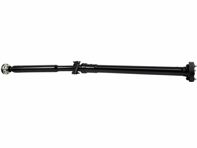
- Porsche 970.2 Panamera S V6 Turbo 3.0L 2WD Executive 2014-16
Cardan shaft rear transmission, RWD, Long Wheelbase
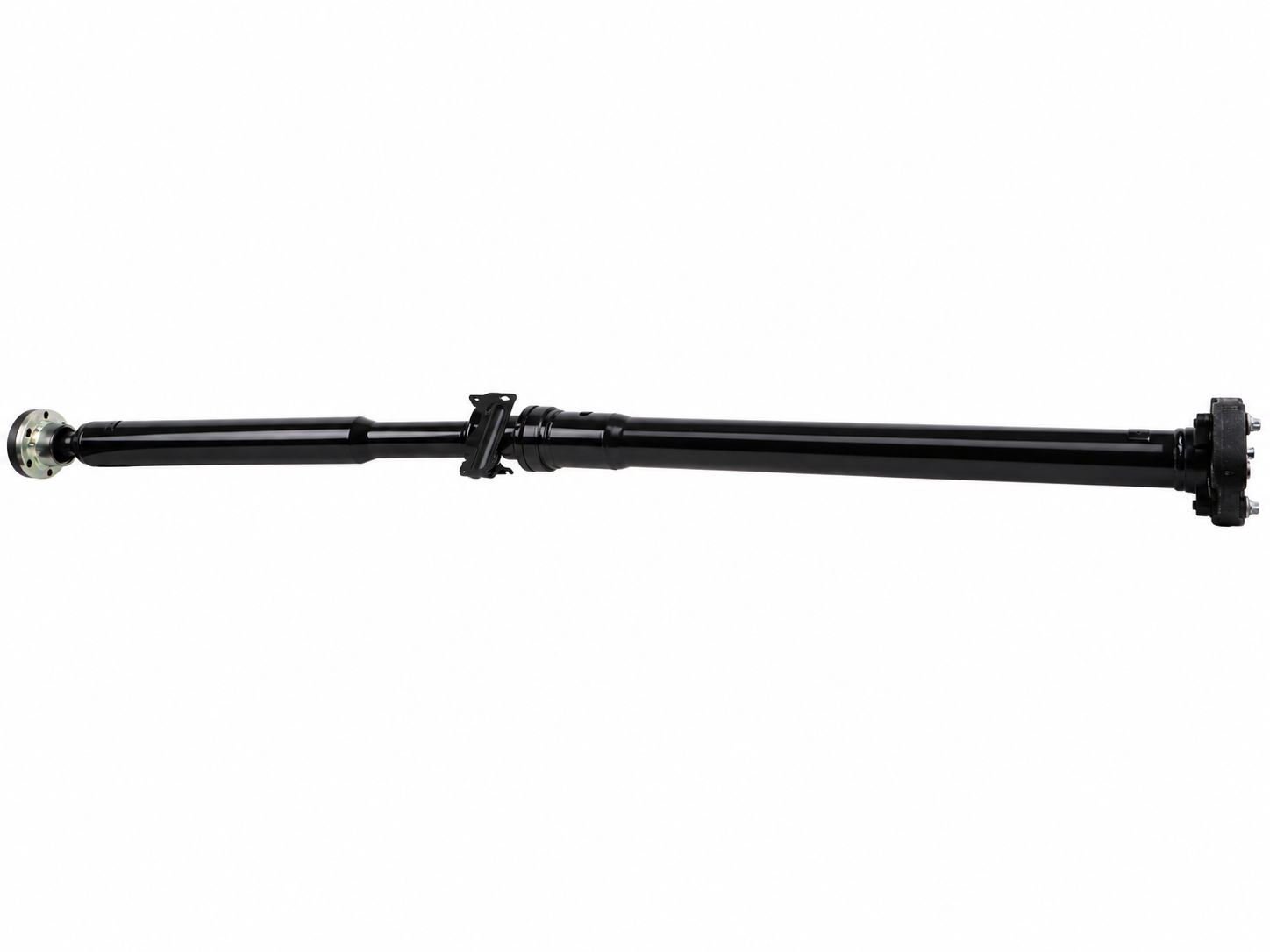
This original Porsche cardan shaft, also known as a prop shaft or rear drive shaft, transfers drive from the transmission to the rear final drive / differential, helping deliver smooth and balanced power to the rear axle.
Fits
Porsche 970.2 Panamera S 3.0L Executive 2014 - 2016 RWD
* Engine code: CWDA, CWD, CWFA, CWF
What This Product Does
This prop shaft forms the rotating connection between gearbox output and the rear differential. Its role is to carry torque along the vehicle's driveline.
Functions
- Carries torque towards the rear differential.
- Provides the rear driveline connection for the specified Long Wheelbase RWD application.
Technical Details
- Product version: Original Porsche Product.
- Part number: 97042103101.
- Position: Rear transmission / driveline.
- Application specification: Long Wheelbase, RWD Executive.
- Diagram engine/model identifiers: CWDA,CWD,CWFA,CWF+PR:338,0E2.
Symptoms of Fault
- Speed-related vibration or judder when drive is applied.
- Clunks as the driveline takes up load.
- Rumbling from a worn shaft support.
- Joint looseness, escaping grease or visible shaft damage.
Why Replacement Matters
The cardan shaft is a rotating driveline component exposed to torque load, vibration, road conditions, heat and continuous movement. Over time, joints, support areas or balance characteristics can wear or become damaged. A worn or incorrect shaft may cause vibration, knocking, rumbling, driveline shudder or poor power transfer.
Because the Panamera 970 uses different cardan shaft versions depending on RWD / AWD and standard wheelbase / long wheelbase, it is important to replace the shaft with the correct Genuine Porsche part number for the vehicle.
FAQs
- Is this the original Porsche version?
Yes. This product is specified as an Original Porsche Product, rather than an aftermarket replacement. - Does vibration confirm shaft failure?
No. Wheel, tyre and mount faults should also be considered during diagnosis. - What should be checked before fitting?
Verify the part reference, wheelbase, drive configuration and engine identifiers. Follow the vehicle-specific installation procedure for shaft orientation and fastener tightening.
Related reference numbers
Related, superseded, cross reference or alternative numbers for comparison.
97042103101
The product you are viewing cross references to these numbers
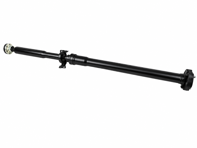
- Porsche 970.2 Panamera 4S V6 Turbo 3.0L 4WD Executive 2014-16
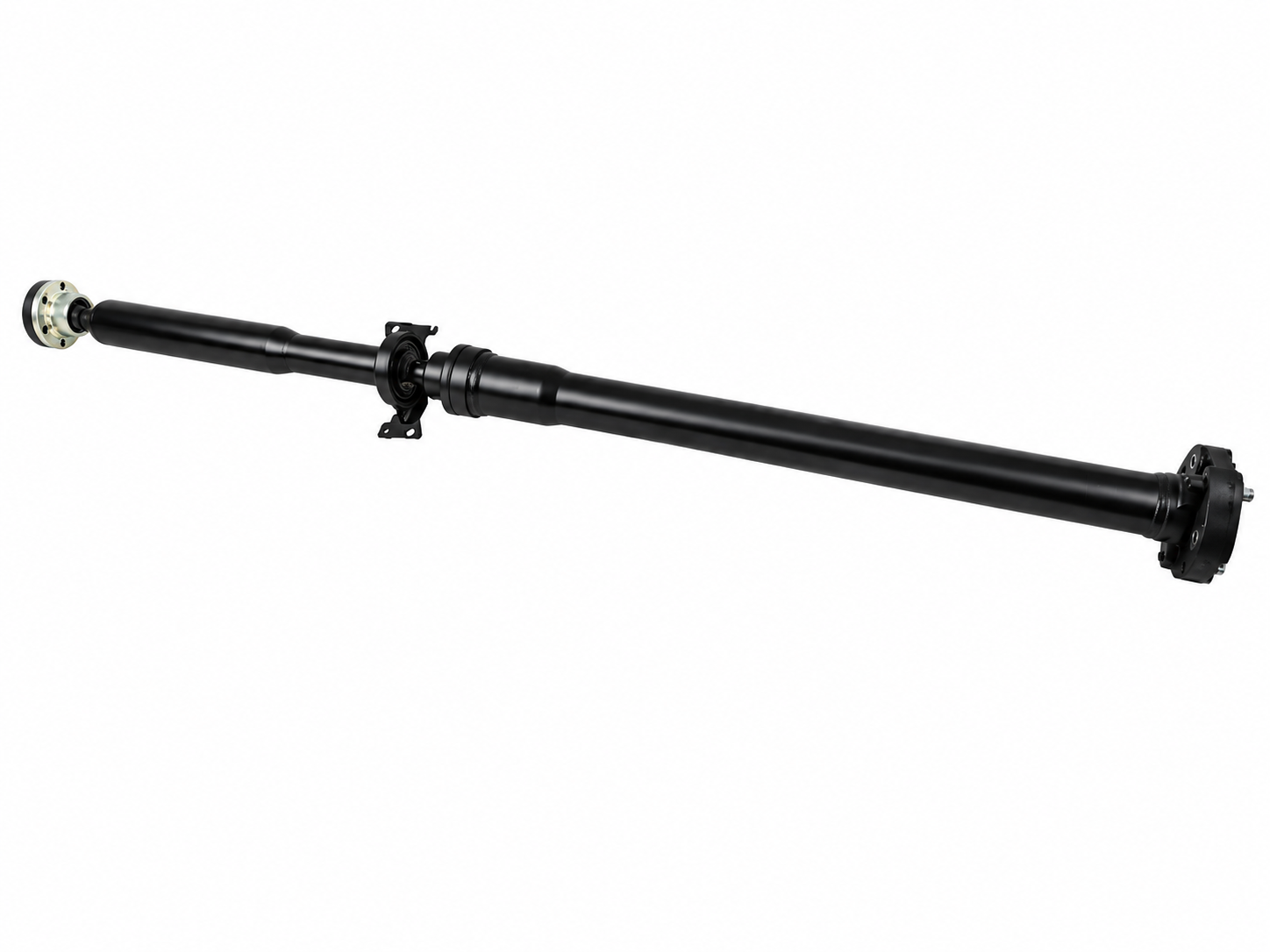
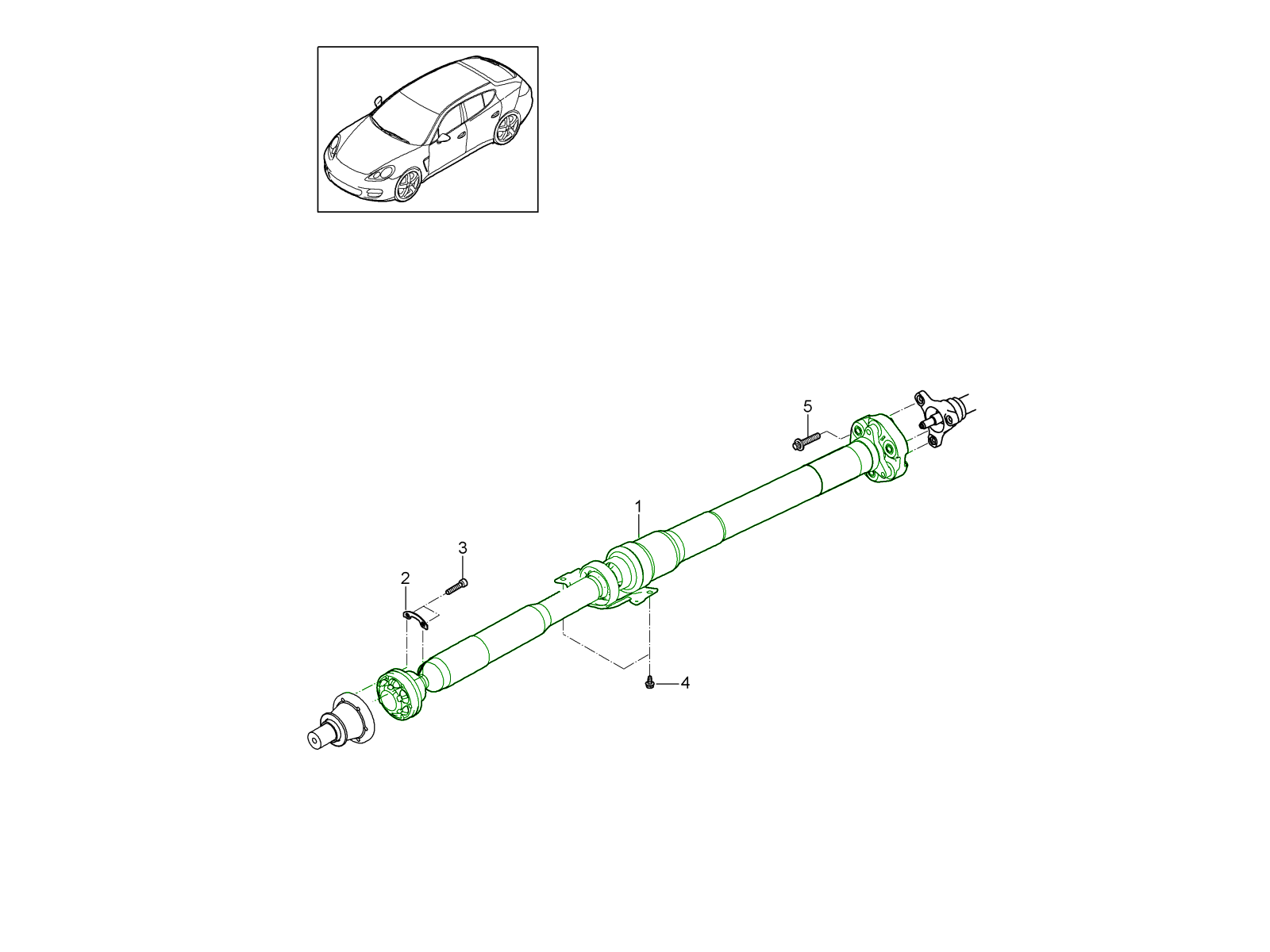
Original Porsche rear transmission cardan shaft for the Long Wheelbase 970.2 Panamera 4S Executive, 2014–2016. Part number 97042103131 provides the rotating connection within the rear driveline.
Fits:
Porsche 970.2 Panamera 4S Executive - 2014 to 2016
Diagram ref no 1
What This Product Does
Also called a prop shaft, the cardan shaft carries torque between the transmission and differential. Its position within the rear driveline makes shaft condition, alignment and joint wear relevant when investigating vibration or take-up noise.
Functions
- Carries rotational power towards the rear differential.
- Provides the shaft connection specified for the Long Wheelbase layout.
- Replaces a damaged or deteriorated rear driveline shaft during repair.
Technical Details
- Product version: Original Porsche Product.
- Part number: 97042103131.
- Position: Rear transmission / driveline.
- Wheelbase application: Long Wheelbase.
Symptoms of Fault
- Speed-related vibration or shudder when the drivetrain is loaded.
- A knock or metallic clunk as drive is taken up or released.
- Rumbling associated with a deteriorated shaft support bearing.
- Excessive movement, grease loss or visible deterioration around shaft joints.
- A bent shaft, impact damage or corrosion identified during inspection.
Why Replacement Matters
Renewal is appropriate when inspection confirms shaft damage, excessive joint movement or deterioration affecting torque transmission. Assess adjoining bearings, couplings, mounts and fixings as part of the repair, rather than assuming that changing the shaft alone will resolve every noise or vibration. Drivetrain overhaul may also reveal wear requiring attention.
FAQs
- Is this the Original Porsche version?
Yes. This product is specified as an Original Porsche Product, rather than the OE Match alternative. - Does vibration confirm a shaft fault?
No. Tyres, wheels and powertrain or differential mounts can produce similar symptoms. Establish the cause before replacing components. - What needs checking before installation?
Confirm part number 97042103131, the Long Wheelbase application and the listed engine/model and PR codes. Record the shaft orientation during removal and follow the vehicle-specific tightening procedure.
Related reference numbers
Related, superseded, cross reference or alternative numbers for comparison.
97042103131
The product you are viewing cross references to these numbers
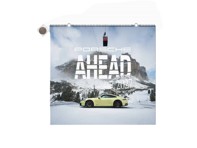
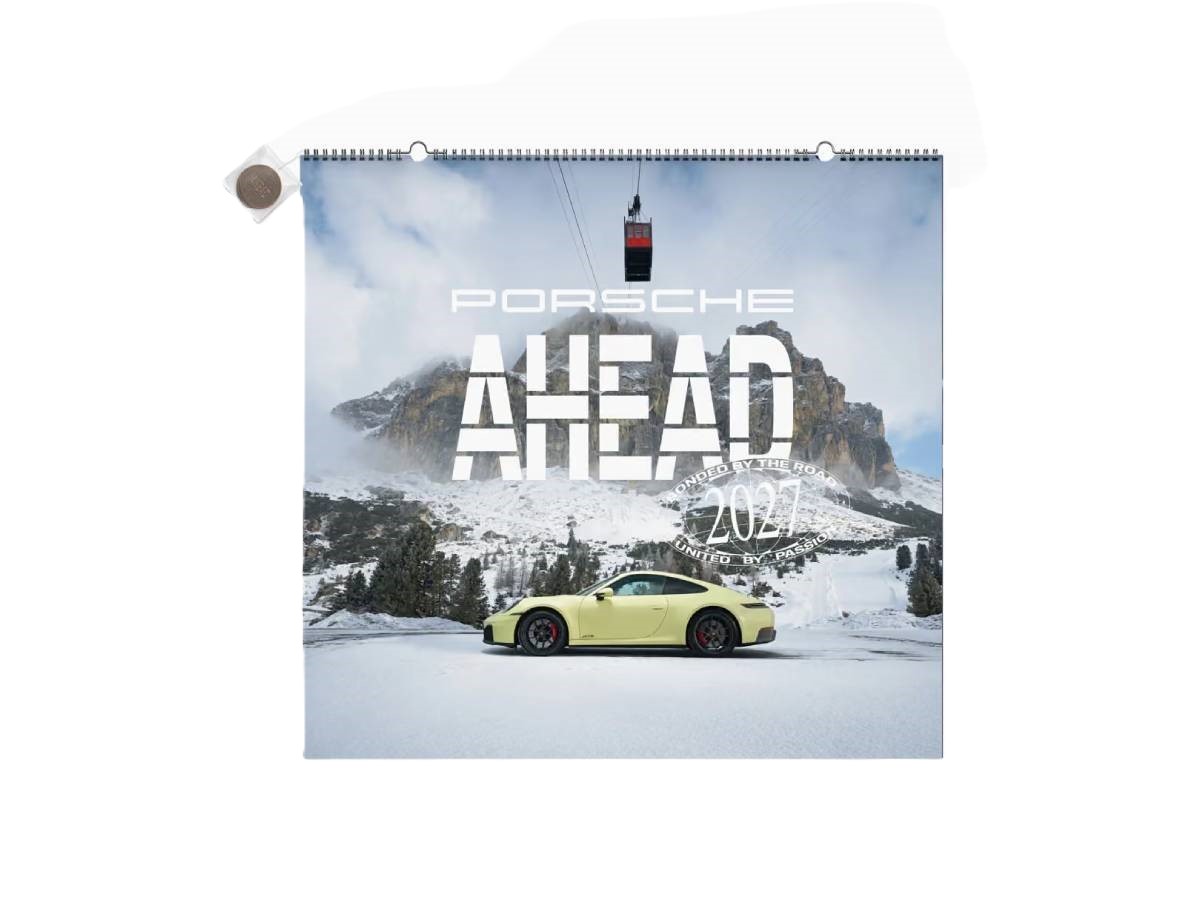
Landscape, passion and automotive diversity — made in Germany: This calendar combines extraordinary locations with the thrill of Porsche. From the rugged coasts of Sylt and the mystical forests of the Black Forest to the majestic Alps and, of course, Stuttgart. Each stop presents the characteristic facets of the respective region and highlights selected vehicles from members of the German Porsche community alongside vehicles from Porsche.
Germany like you've never seen it before:
- 13 high-quality printed and refined pictures.
- Designed and printed in Germany.
- Graphic monthly calendar including location details for each picture.
- Large-format pictures (55.5 cm x 58.5 cm).
- High-quality metal ring binding.
- Includes the 2027 version of the embossed collector’s coin.
- Paper thickness 200g/m².
The special packaging also makes the calendar an ideal gift for all Porsche fans.
Dimensions:
575 mm x 610 mm x 22 mm
Please Note: The Porsche gift / collection range is subject to availability from the supplier and may take up to anything between 14 - 30 days for delivery if the item is not in stock in our supplier's warehouse.
Related reference numbers
Related, superseded, cross reference or alternative numbers for comparison.
WAP09200226KAL
The product you are viewing cross references to these numbers
- Porsche 911 1978-1983 3.0L / SC
- Porsche 911 1984-1986 3.2L
- Porsche 911 1987-1989 3.2L G50
- Porsche 911 1975-1977 3.0L Turbo (930)
- Porsche 964 (911) C2 1989-93
- Porsche 964 (911) C4 1989-93
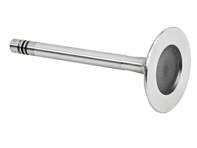
This OE Engine Cylinder Head Inlet Valve is a Porsche 911 / 964 engine component designed to regulate the intake of air and fuel mixture into the combustion chamber. Installed within the cylinder head, the inlet valve opens and closes in precise timing with the engine cycle, ensuring efficient airflow for combustion and optimal engine performance.
Sold Each.
x6 Required Per Car.
Fits:
- Porsche 911 1978-1983 3.0L / SC
- Porsche 911 1984-1986 3.2L
- Porsche 911 1987-1989 3.2L G50
- Porsche 911 1975-1977 3.0L Turbo (930)
- Porsche 964 (911) C2 1989-93
- Porsche 964 (911) C4 1989-93
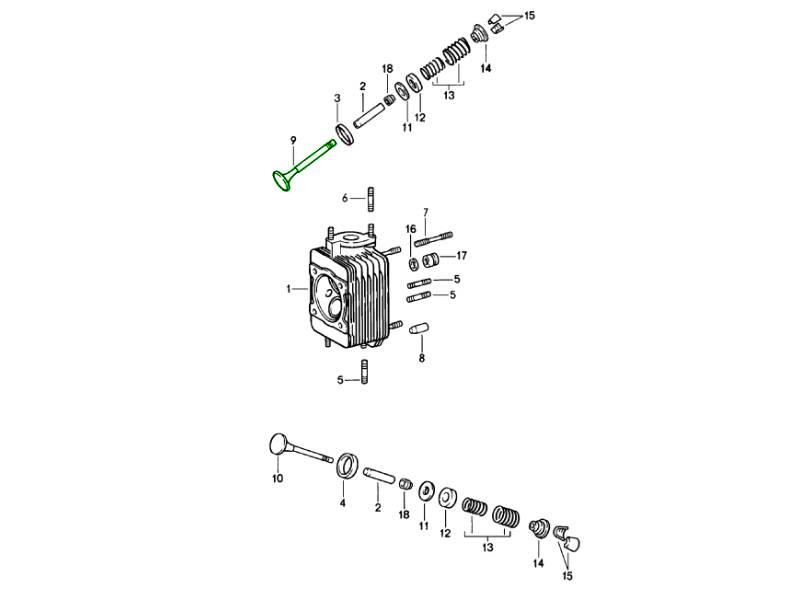
Diagram Ref No 9
What This Product Does:
- Controls intake airflow into the combustion chamber
- Opens and closes in sync with engine timing
- Supports efficient combustion and power generation
- Maintains correct air/fuel mixture flow
- Contributes to engine performance, efficiency, and emissions control
Symptoms Of Wear Or Failure:
- Engine misfires or rough idle
- Loss of power or poor acceleration
- Reduced compression in the affected cylinder
- Excessive fuel consumption
- Ticking or tapping noises from the cylinder head
- Burnt, bent, or carbon-covered valve surfaces
- Check engine light related to combustion faults
Why Replacement Matters:
- Restores proper airflow and combustion efficiency
- Improves engine power and throttle response
- Maintains correct compression and cylinder sealing
- Reduces fuel consumption and emissions
- Prevents further engine damage caused by valve failure
- Ensures long-term engine reliability and smooth operation
Related reference numbers
Related, superseded, cross reference or alternative numbers for comparison.
96410540908
The product you are viewing cross references to these numbers

- Porsche 95C Macan-e Electric (265 kW / 360 PS) 2024>>
- Porsche 95C Macan-e 4 Electric (300 kW / 408 PS) 2024>>
- Porsche 95C Macan-e 4S Electric (380 kW / 516 PS) 2024>>
- Porsche 95C Macan-e Turbo Electric (470 kW / 639PS) 2024>>
- Porsche 95C Macan-e GTS Electric (420 kW / 571 PS) 2024>>
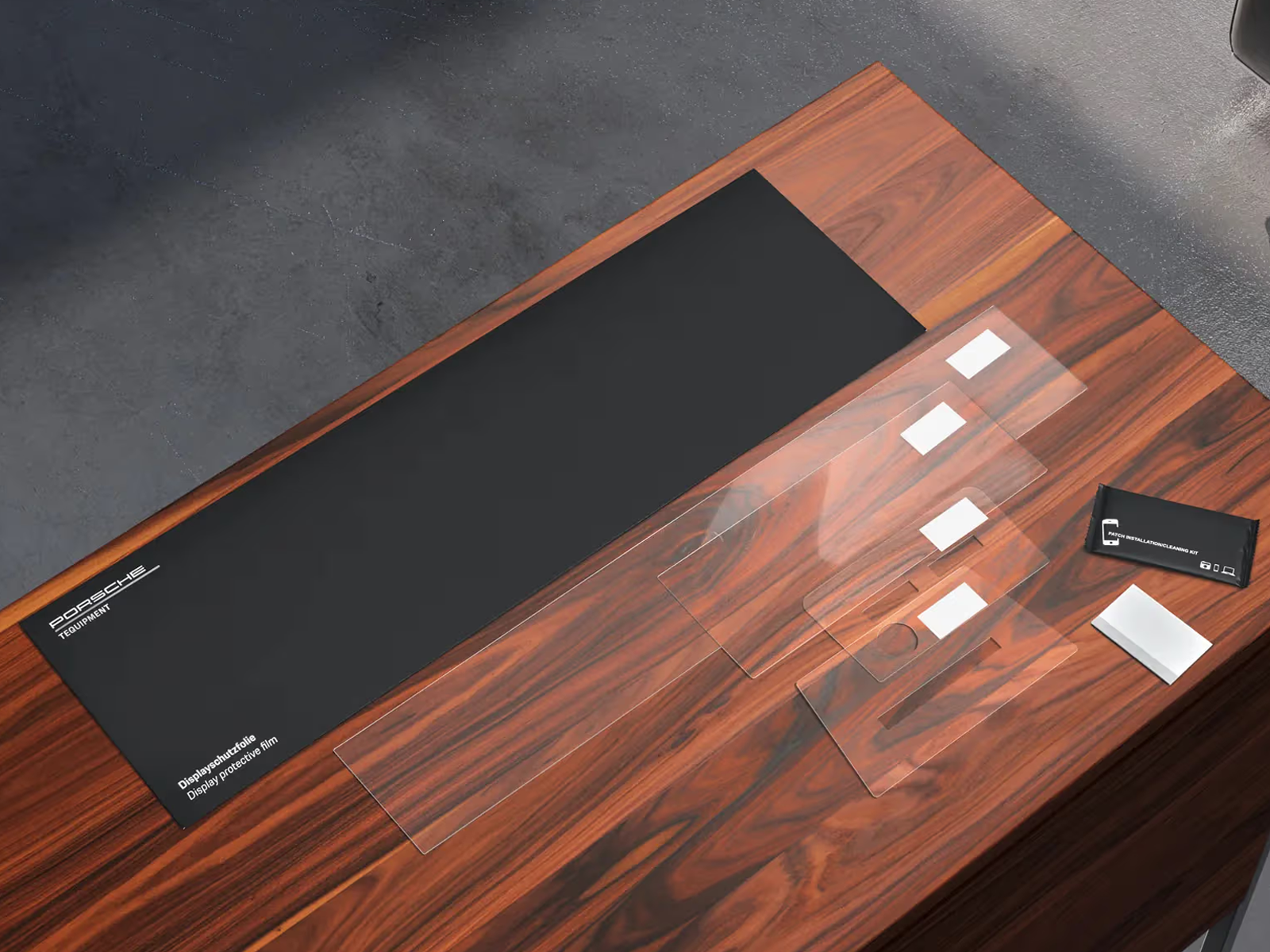
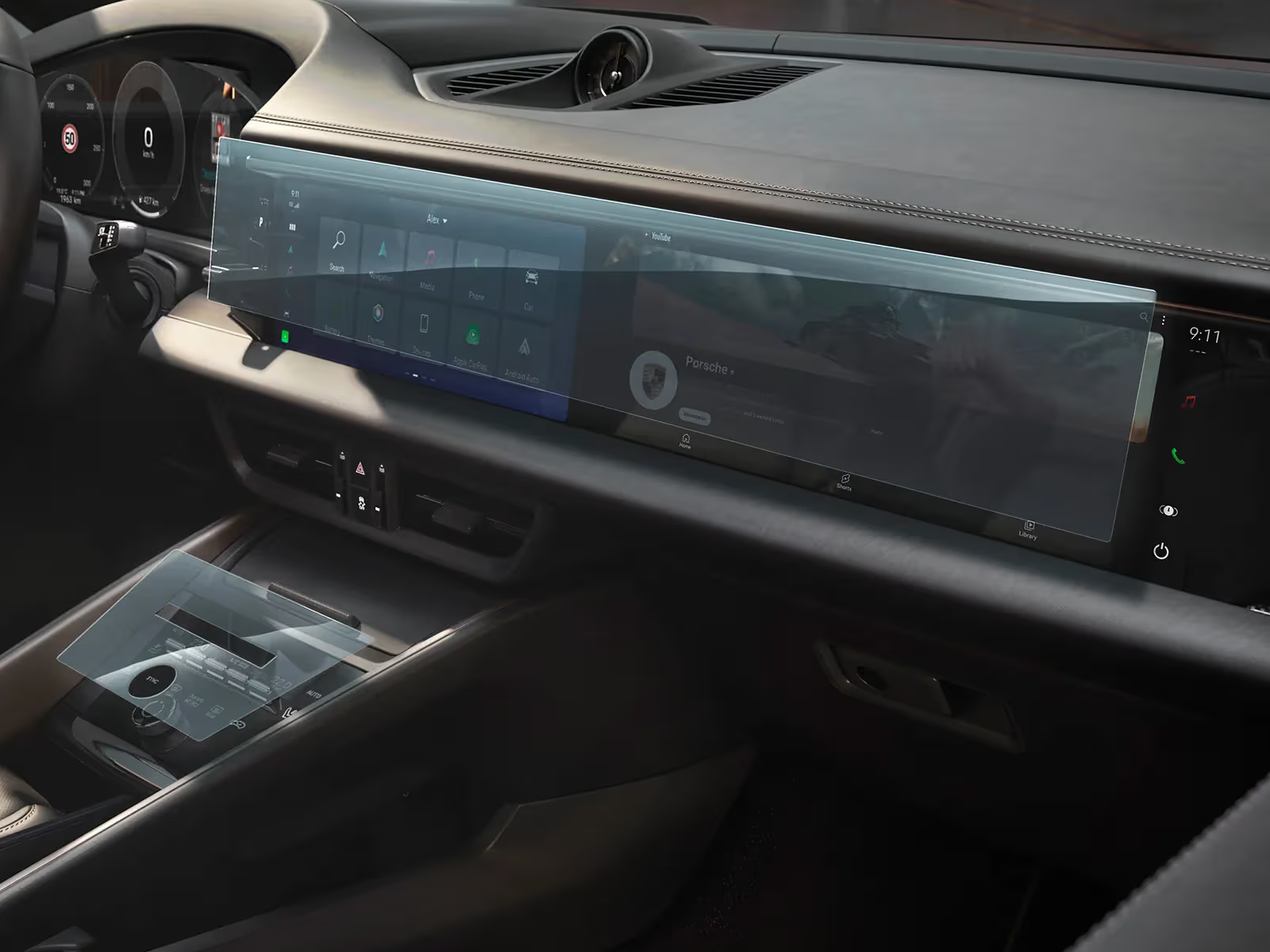
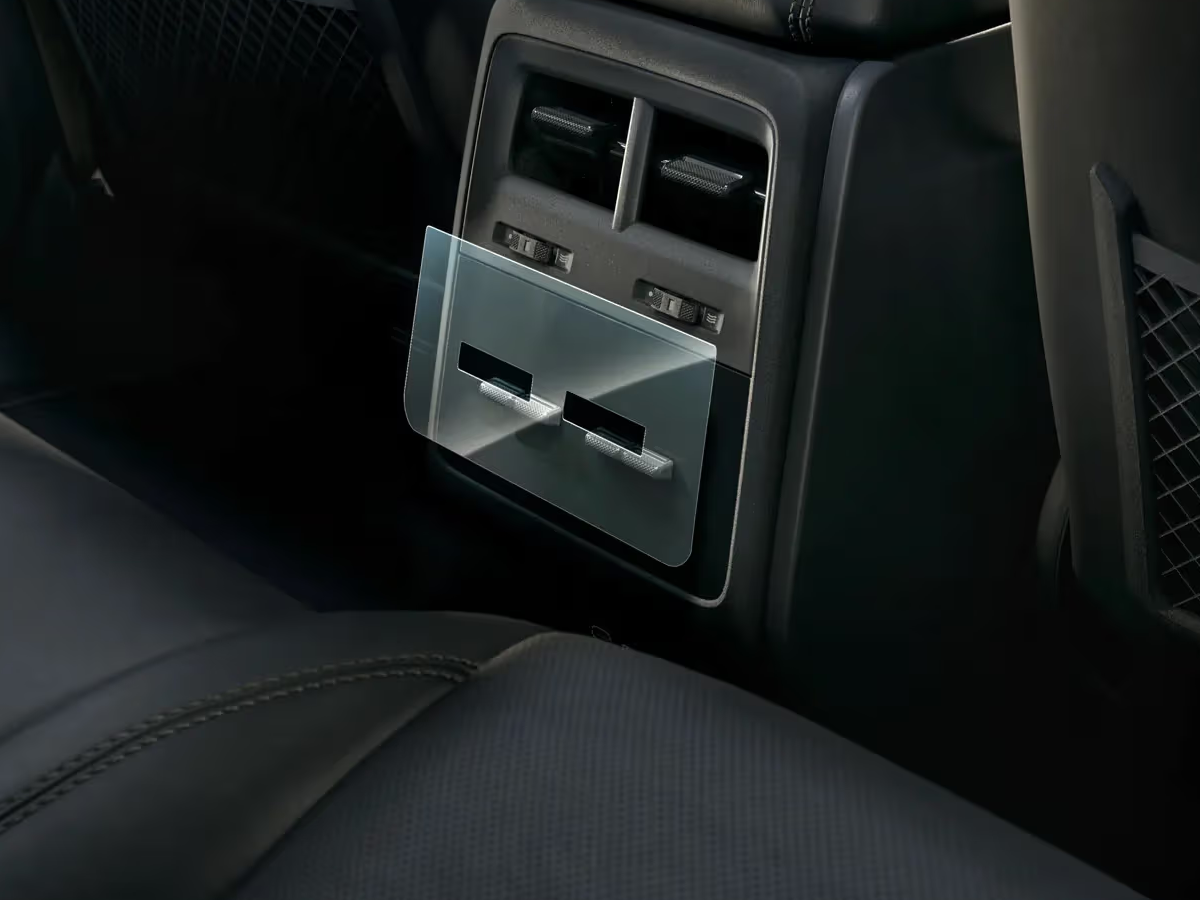
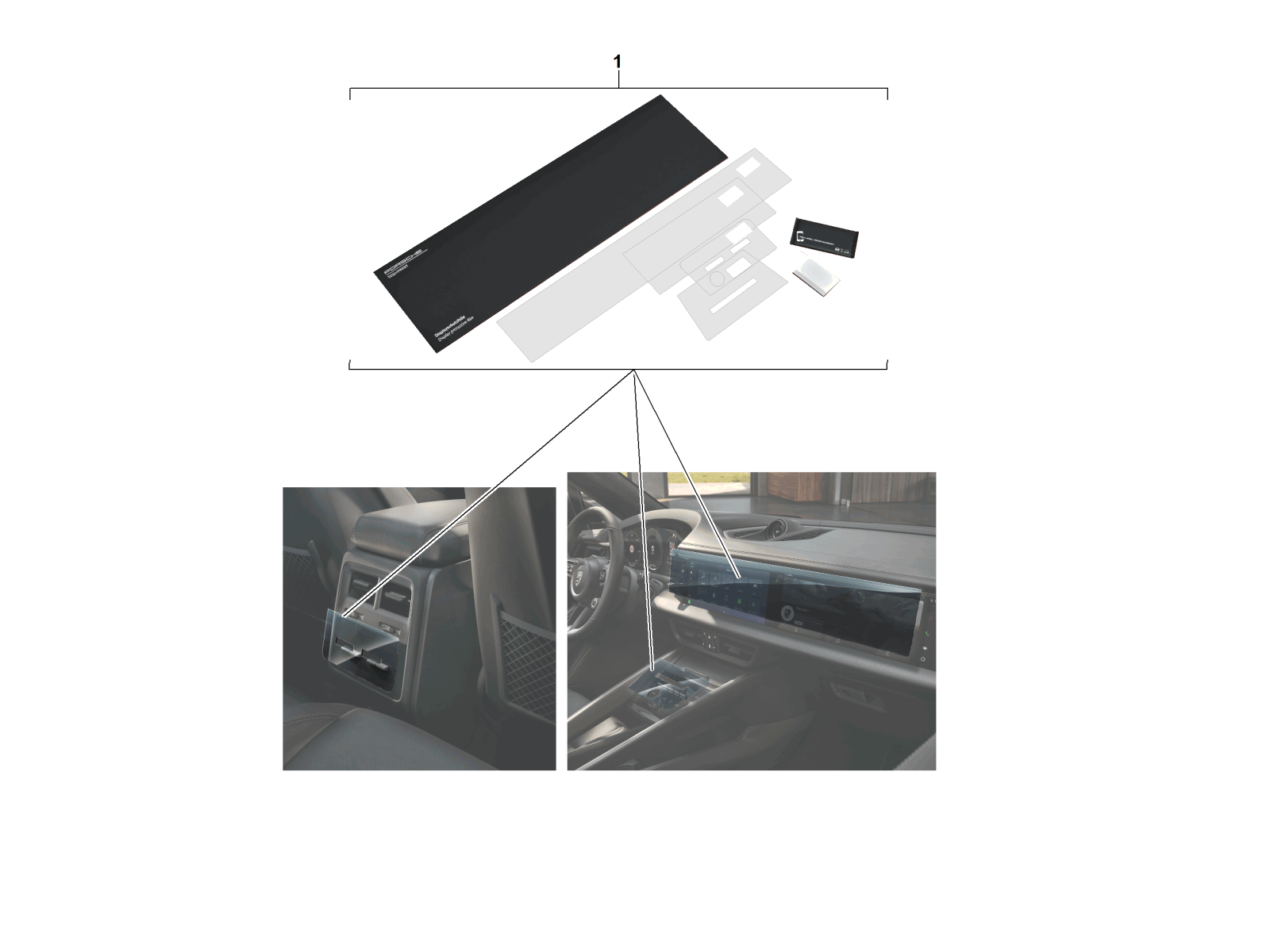
This set includes high-quality protective films (hardness grade 2H) for the centre display, the front passenger display and the front/rear (climate) control panel - for even more protection against scratches and knocks. The films are transparent and have an anti-fingerprint surface. The accessories supplied make application particularly easy and bubble-free.
Fits:
Porsche 95C Macan-e Electric 2024>>
Scope: Films for centre display, front passenger display, front/rear (climate) control panel
Accessories included: spatula, microfibre cloth, adhesive strips for clean application of the film
Related reference numbers
Related, superseded, cross reference or alternative numbers for comparison.
9J104400071
The product you are viewing cross references to these numbers
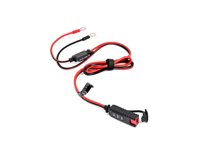
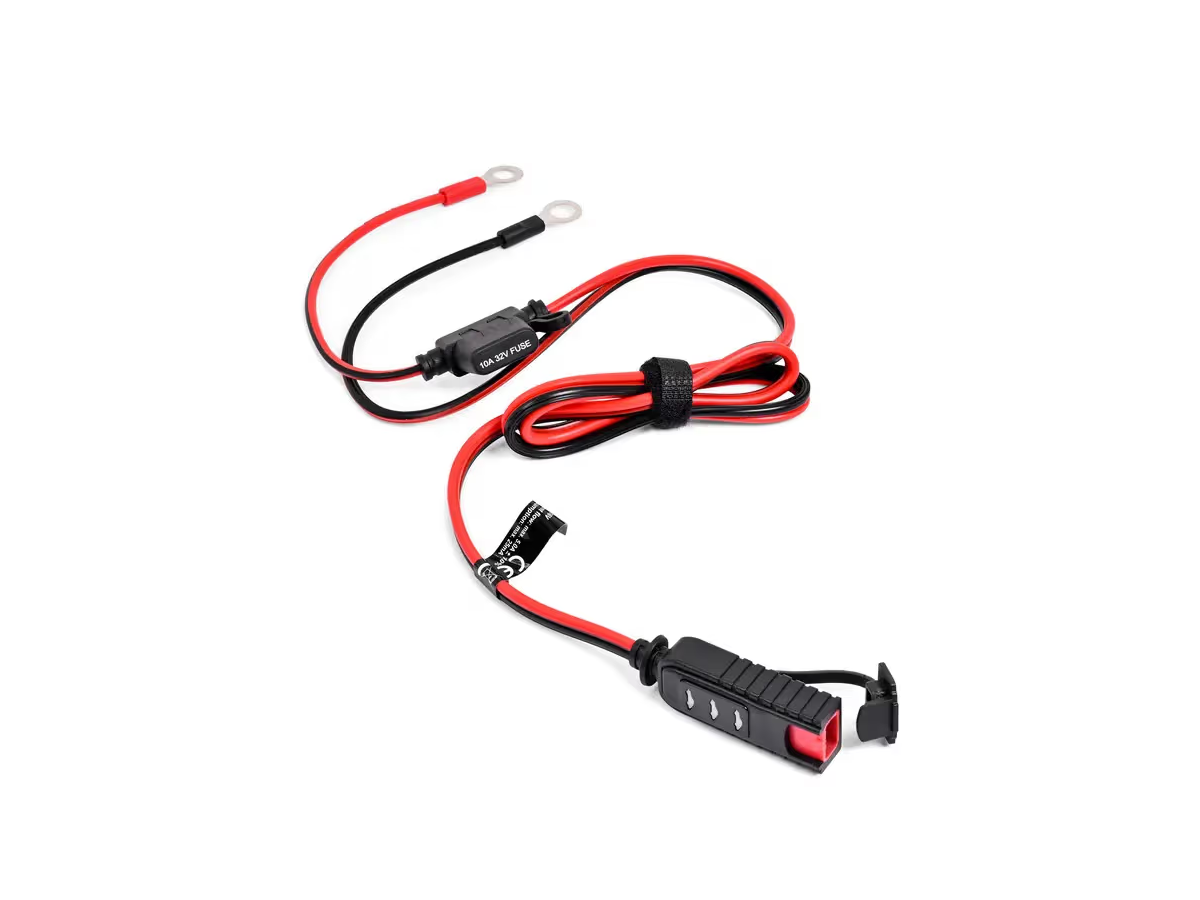
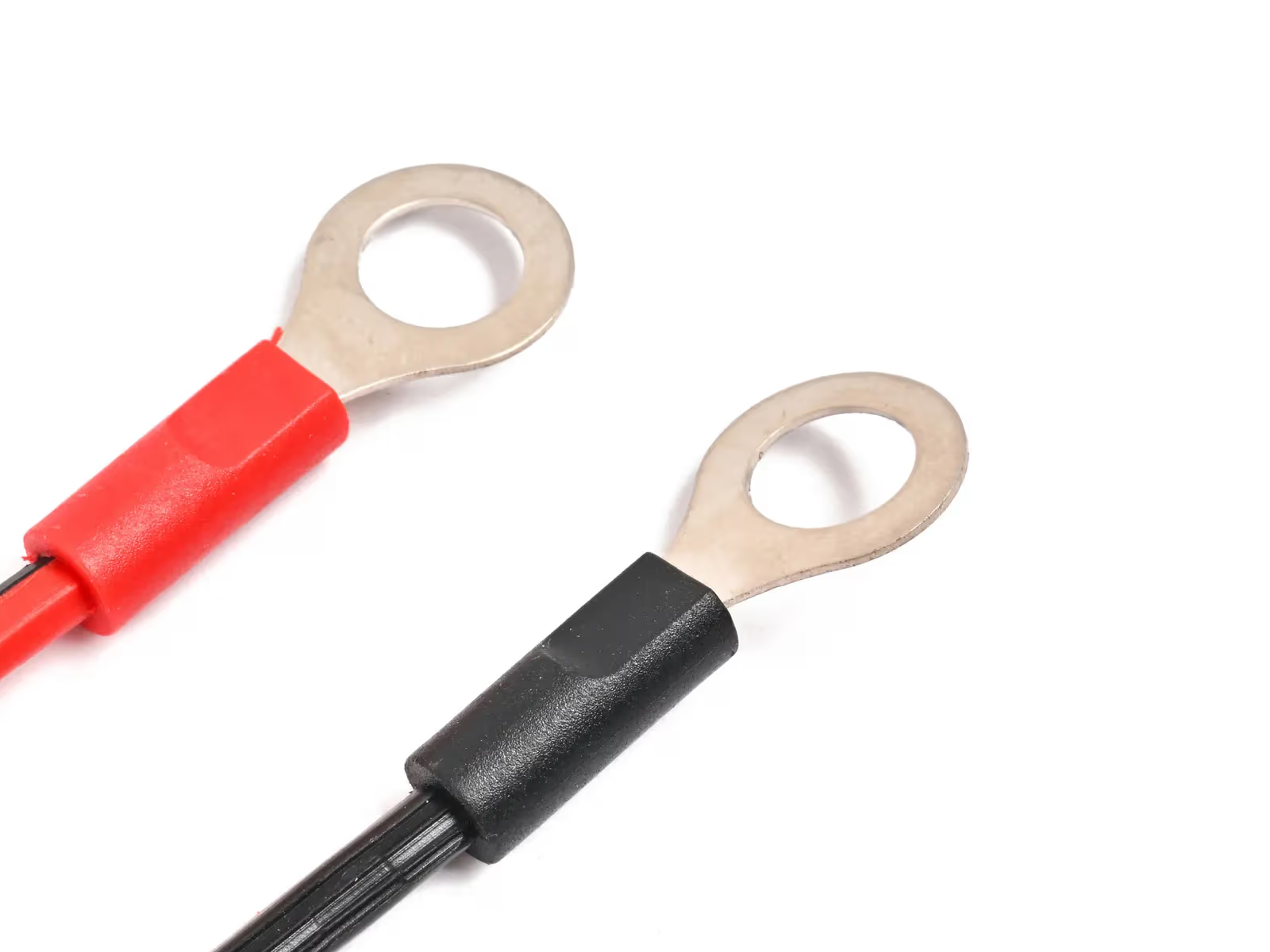
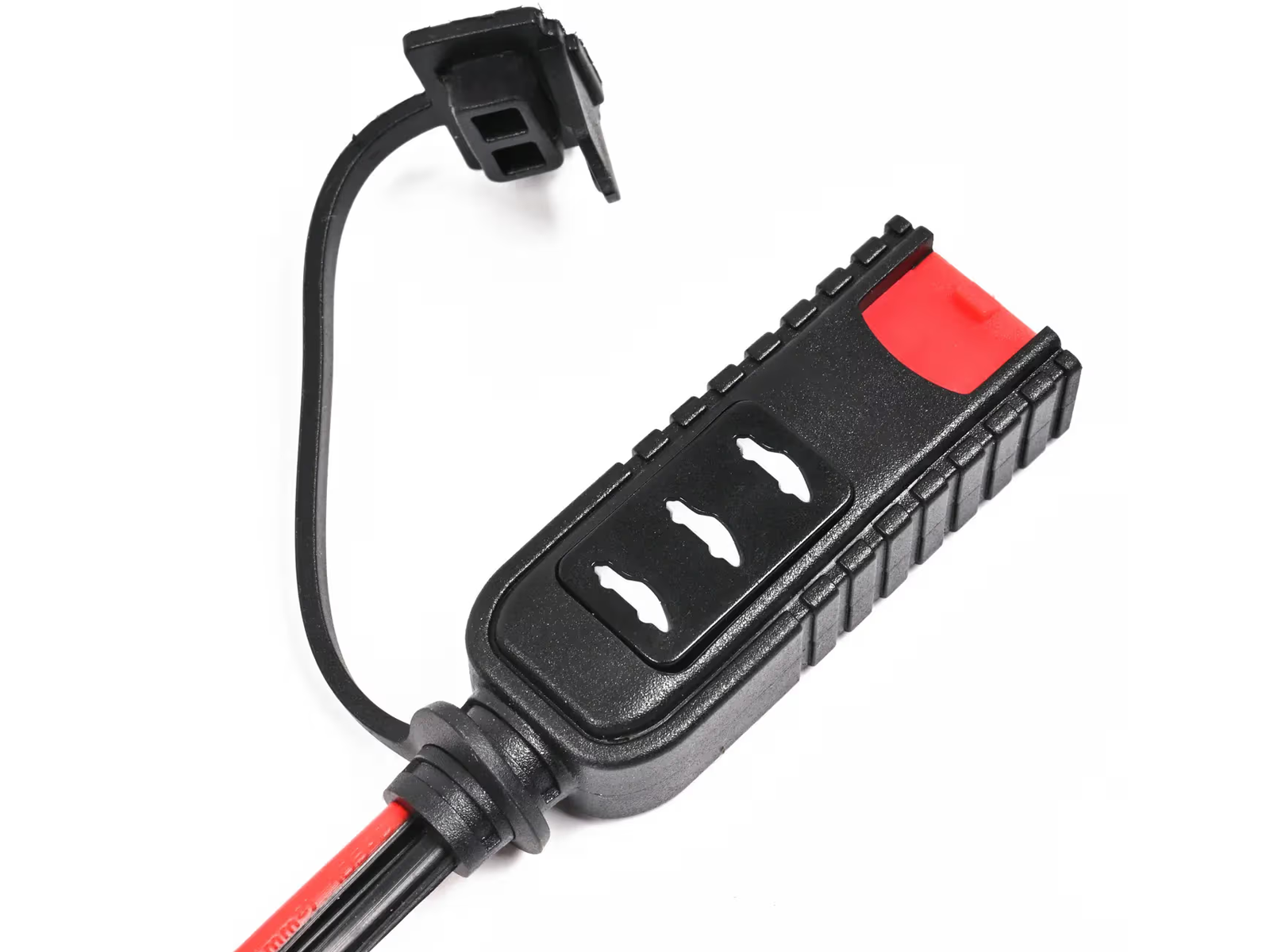
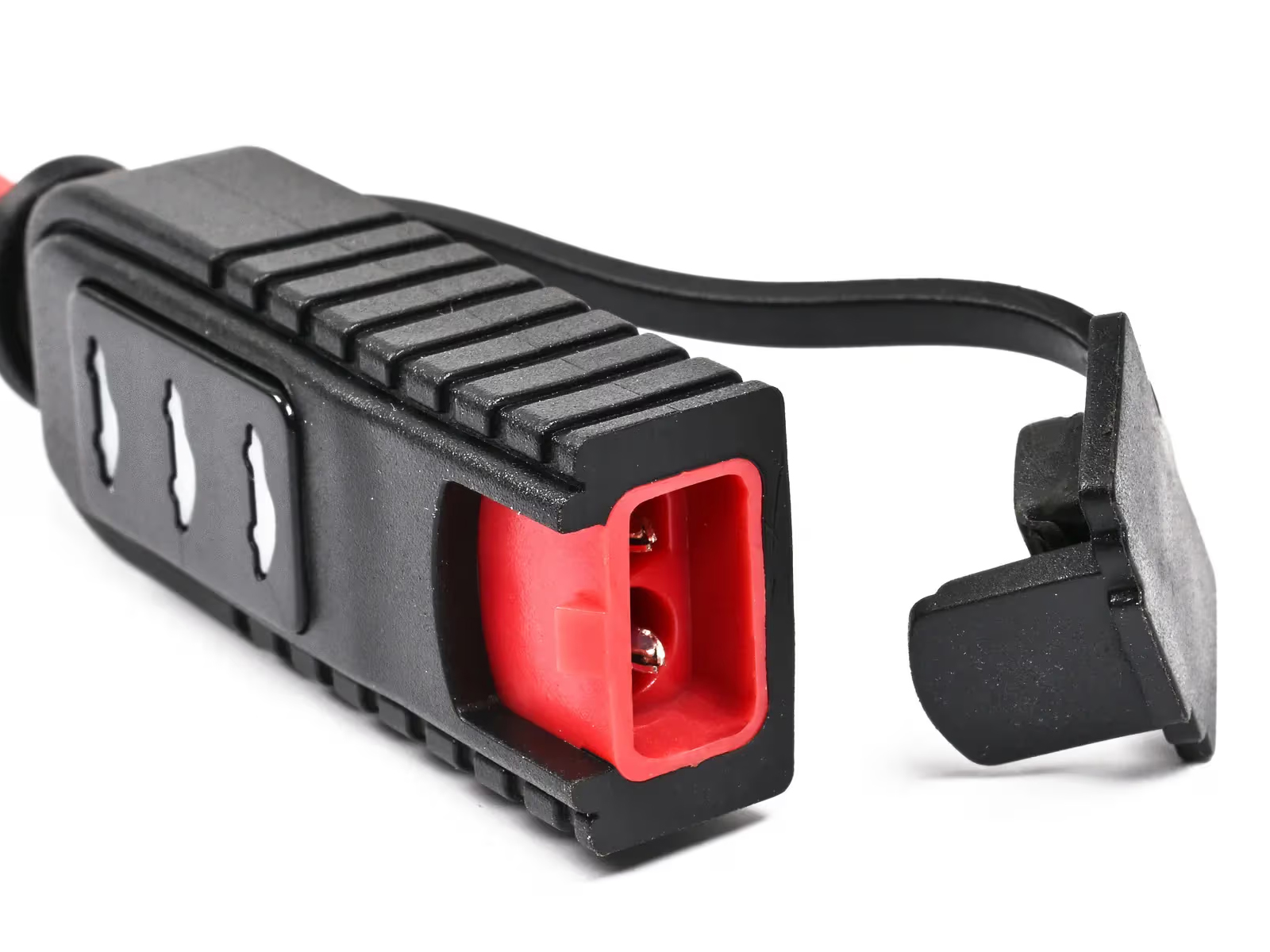
Greater convenience and clarity when taking care of your battery: The safety contact connects to the vehicle battery quickly and directly – making it ideal for batteries that are difficult to access or concealed. The integrated voltage indicator uses the traffic light principle, visualised in the iconic 911 silhouette by three LEDS in green, yellow and red, to show the current state of charge simply and reliably and to indicate when recharging is required.
Battery status:
- Green: Charging not necessary.
- Yellow: Battery charging recommended.
- Red: Battery urgently needs charging.
- Flashing red light: Charge battery immediately.
Replace the battery if charging is not possible. Connect the eyelet clamps to the battery, check the status and connect the plug to your charger if necessary.
Compatible with all 6V and 12V batteries. Compatible with Porsche chargers in classic design: Porsche Classic charger (EU variant) and Porsche Classic charger (UK variant)
Related reference numbers
Related, superseded, cross reference or alternative numbers for comparison.
PCG04490077
The product you are viewing cross references to these numbers
.jpg?width=197 "Engine Cylinder Head Intake Valve. Porsche 356 / 912 1.6 - 61610540200")
- Porsche 911 1965-1968 2.0L / 912 SWB (F)
- Porsche 356A 1955-59
- Porsche 356B 1959-63
- Porsche 356C 1963-65
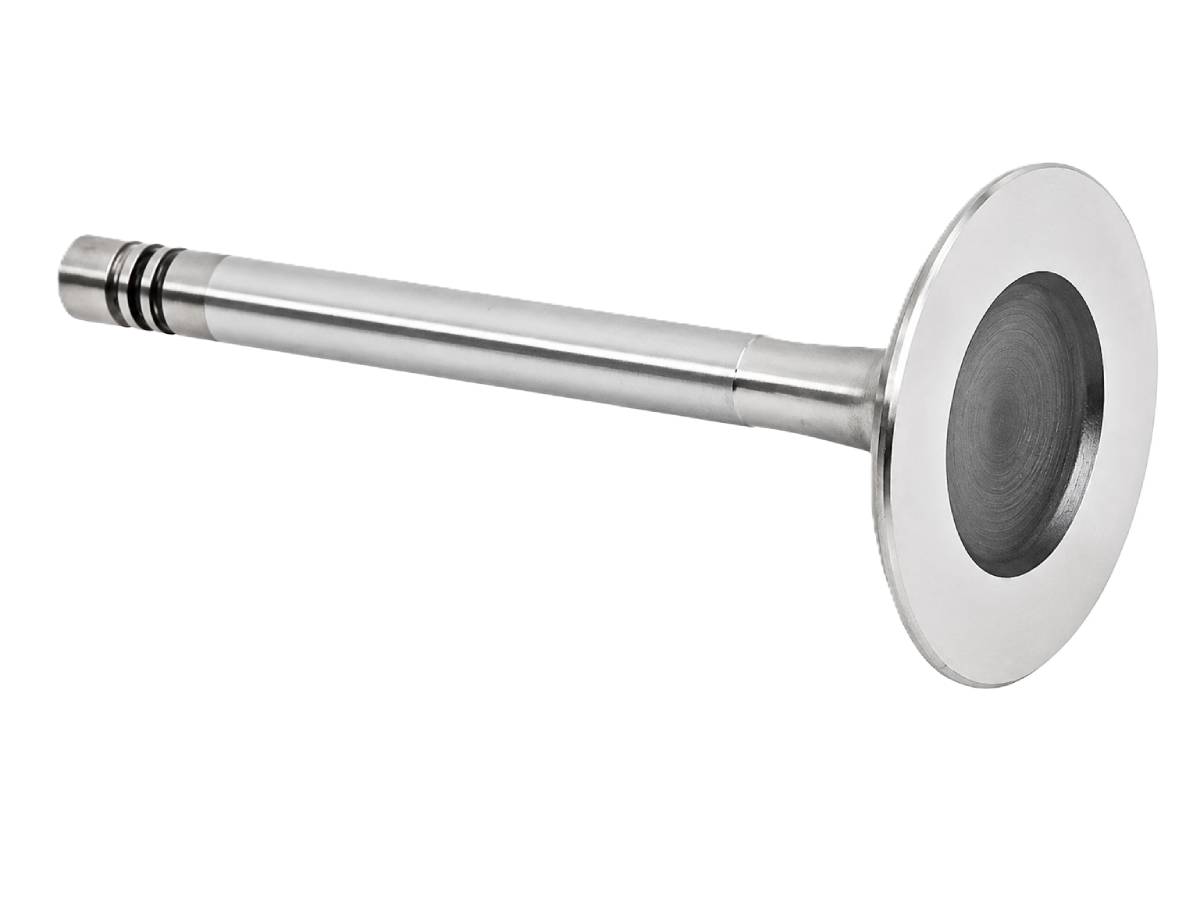
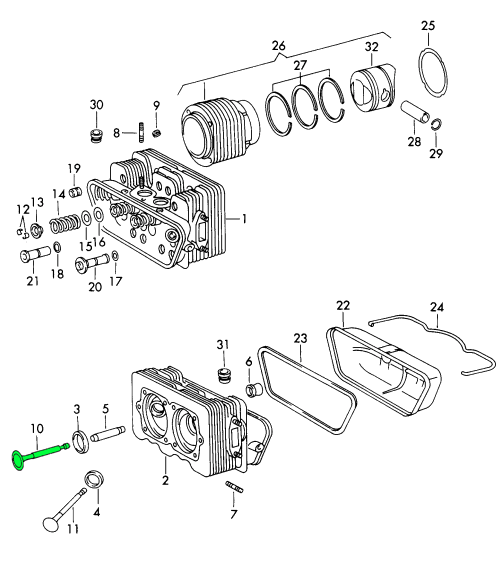
Restore reliable engine performance with this Genuine Porsche Engine Cylinder Head Intake Valve, manufactured as a direct replacement. Produced to OE specifications, this intake valve precisely controls the flow of the air and fuel mixture into the combustion chamber, ensuring efficient combustion, smooth engine operation, and optimum performance.
Fits:- Porsche 912 1965-1968
- Porsche 356A 1955-59
- Porsche 356B 1959-63
- Porsche 356C 1963-65
Diagram Ref No 10
Operating under constant heat, pressure, and repeated opening and closing cycles, intake valves are subject to gradual wear over time. Carbon build-up, stem wear, valve face erosion, or physical damage can prevent the valve from sealing correctly, reducing engine efficiency and performance. Replacing worn or damaged intake valves restores proper cylinder sealing and airflow, making this OE component an excellent choice for routine maintenance, engine repairs, rebuilds, and Porsche restoration projects.
What This Product Does:
- Controls the intake of the air and fuel mixture into the combustion chamber.
- Maintains correct cylinder sealing during the combustion cycle.
- Supports efficient combustion and engine performance.
- Helps deliver smooth power and throttle response.
- Restores correct valve operation during engine rebuilds.
- Replaces worn, burnt, or damaged original intake valves.
- Provides an OE fit and dependable quality.
Symptoms Of Wear Or Failure:
- Loss of engine power.
- Rough or uneven idle.
- Reduced engine compression.
- Misfiring cylinders.
- Poor fuel economy.
- Excessive valve train noise.
- Burnt, pitted, or bent valve faces.
- Excessive oil consumption caused by valve-related wear.
Why Replacement Matters:
- The intake valve is a critical component of the engine's valve train, regulating the precise amount of air and fuel entering each cylinder while maintaining an effective seal throughout the combustion cycle. A worn, burnt, or damaged intake valve can reduce compression, lower engine performance, increase fuel consumption, and eventually lead to costly engine damage if left unresolved.
- Replacing the intake valve restores proper airflow, combustion efficiency, and reliable engine performance while helping to protect other valve train components from unnecessary wear. Manufactured as a direct replacement and produced to OE specifications, this OE engine cylinder head intake valve provides the correct fit, dependable quality, and long-lasting durability, making it an ideal choice for Porsche maintenance, engine rebuilds, repairs, and restoration projects.
Related reference numbers
Related, superseded, cross reference or alternative numbers for comparison.
61610540200
The product you are viewing cross references to these numbers
- Porsche 911 1974-1977 2.7L / 1976-77 3.0 Carrera
- Porsche 911 1978-1983 3.0L / SC
- Porsche 911 1984-1986 3.2L
- Porsche 911 1978-1989 3.3L Turbo (930)
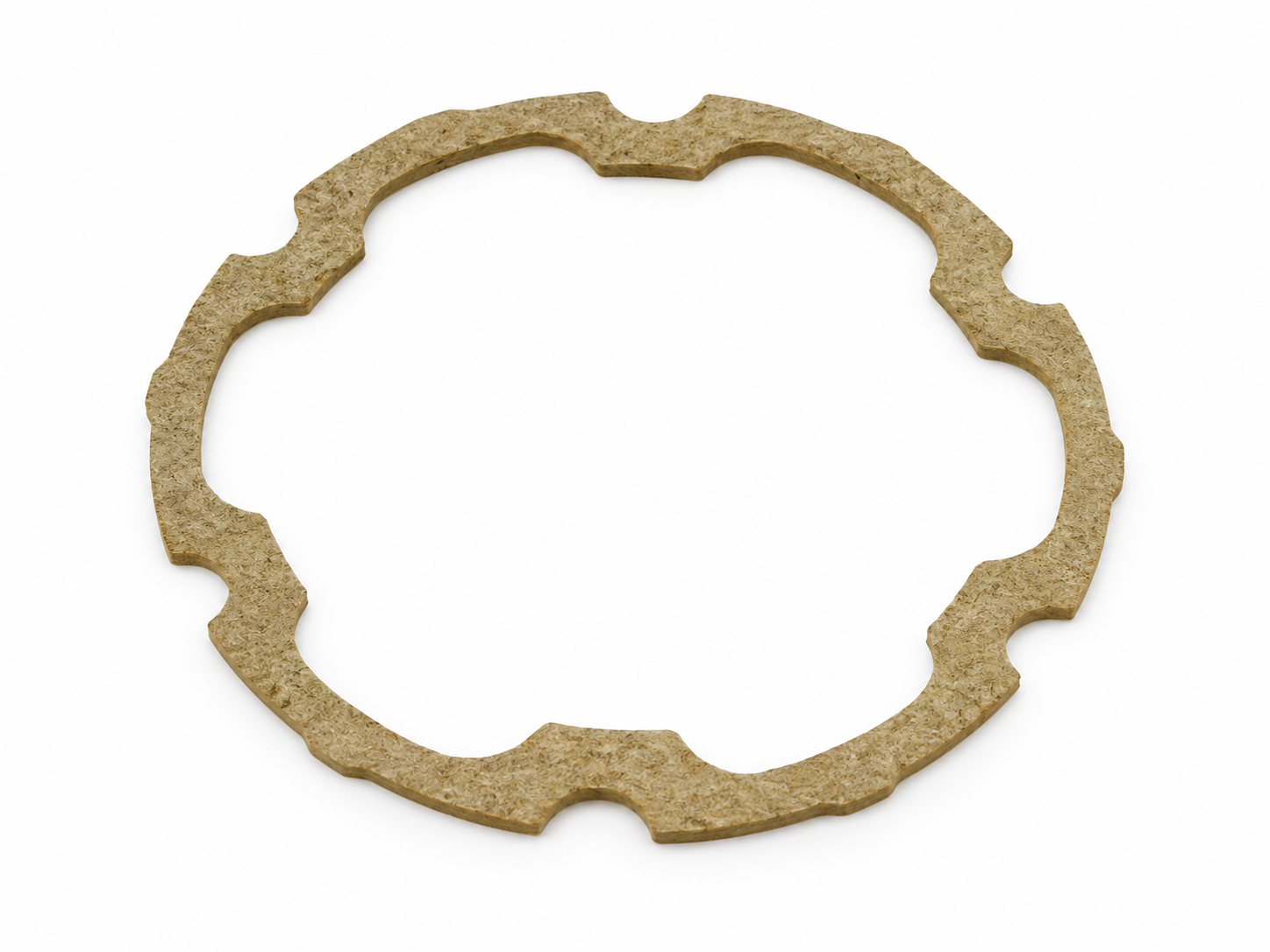
Driveshaft gasket
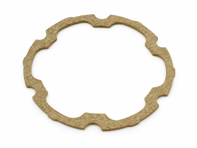
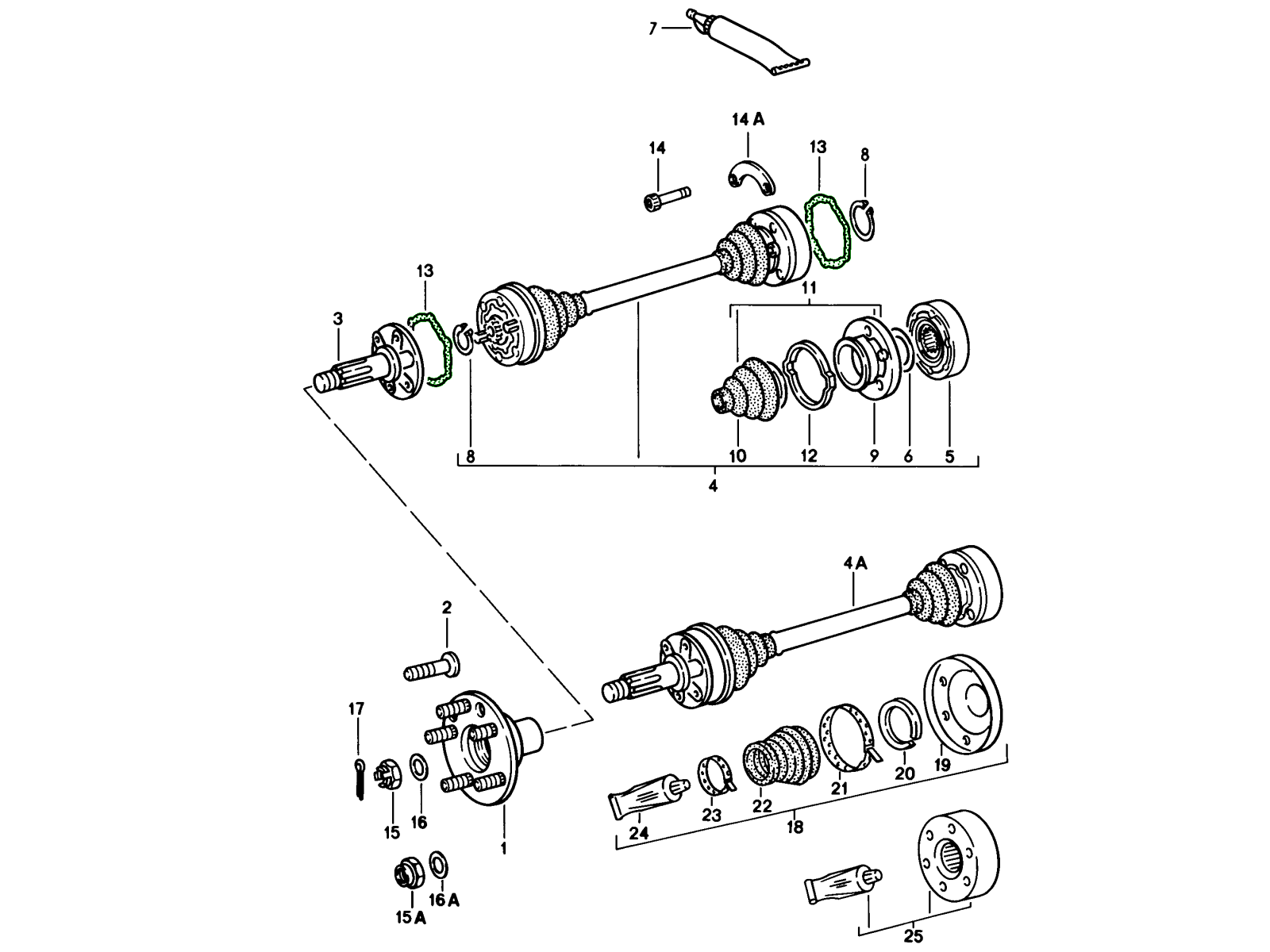
Genuine Porsche driveshaft gasket for classic 911 models. This gasket fits between the CV joint and drive shaft flange, helping provide the correct sealing interface in the rear axle drive shaft assembly.
Sold individually
Fits
- Porsche 911 1974 - 1986
Diagram ref no 13.
What This Product Does
The gasket provides a sealing interface where the CV joint meets its mounting flange. It is a separate sealing component, rather than a complete driveshaft, CV joint or protective boot.
Functions
- Seals the mating faces at the CV joint flange.
- Helps retain grease within the joint connection.
- Supports correct reassembly during driveshaft servicing.
Technical Details
- Porsche part number: 92333229700.
- Supplied as one gasket.
Symptoms of Fault
Grease escaping around the flange connection warrants inspection of the sealing components. Clicking, clunking or vibration can also involve worn joints, damaged boots or other drivetrain components; these symptoms alone do not identify a faulty gasket.
Why Replacement Matters
Renewing a damaged gasket addresses the sealing interface when carrying out CV joint or driveshaft work. Inspect the surrounding components at the same time, as replacing this gasket will not repair mechanical wear within a joint.
FAQs
Is this a complete driveshaft gasket set?
No. Each supplied unit contains one gasket.
Will this gasket cure drivetrain vibration?
Not necessarily. Joint condition, boots, mounts and other drivetrain components should be assessed before selecting replacement parts.
Related reference numbers
Related, superseded, cross reference or alternative numbers for comparison.
92333229700
The product you are viewing cross references to these numbers
- Porsche Boxster GTS 718 4.0L PDK (400 Bhp) 01/2019>>
- Porsche Boxster Spyder / Spyder RS 718 4.0L 01/2019>>
- Porsche Cayman GTS 718 4.0L PDK (400 Bhp)
- Porsche Cayman GT4 718 4.0L / GT4 RS 718 4.0L
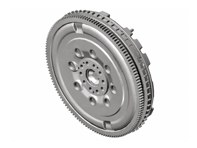
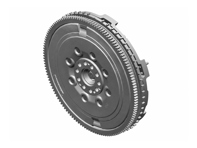
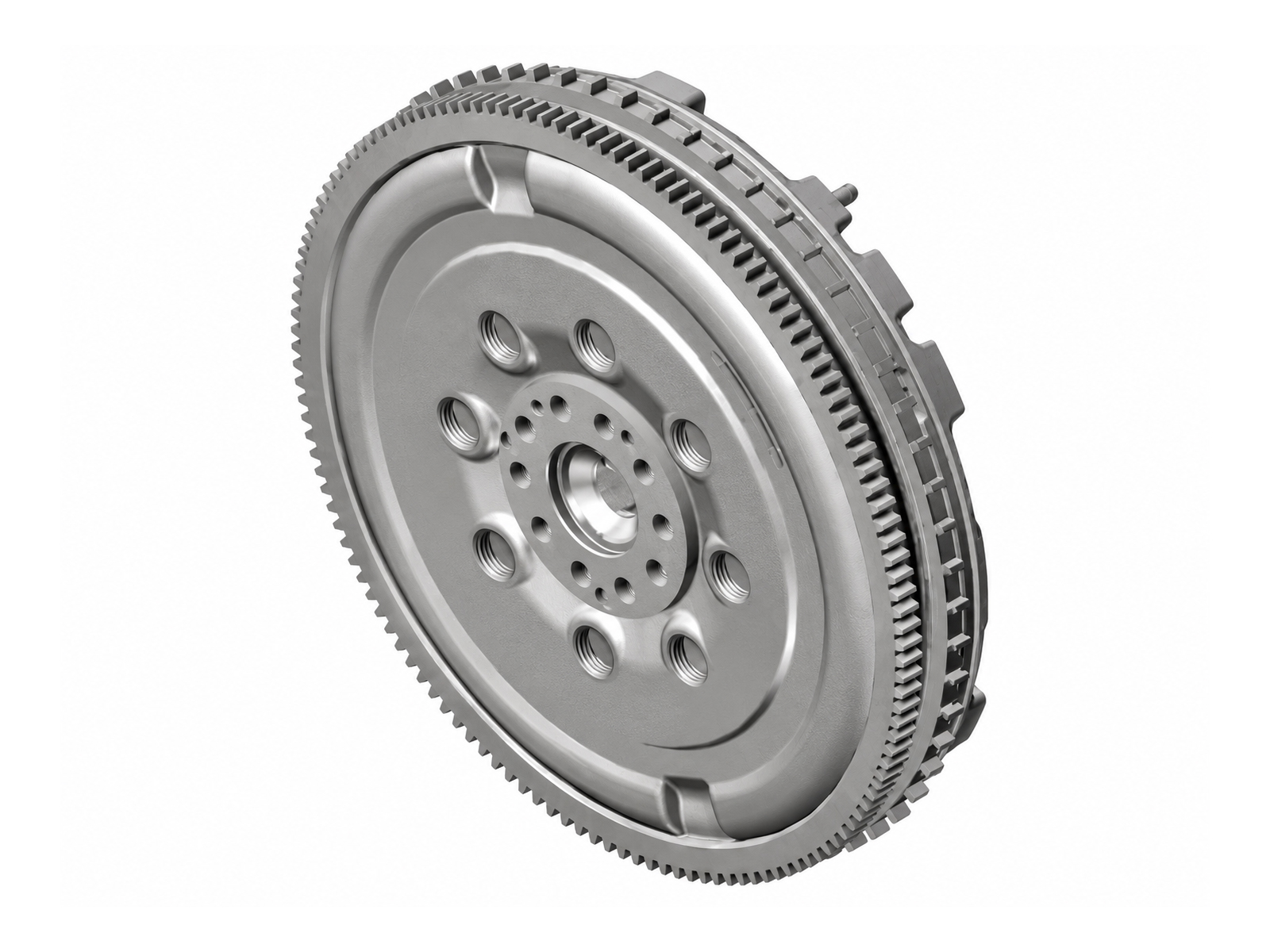
This original Porsche flywheel is designed for cars equipped with PDK transmission, option code 250, helping smooth engine torque delivery, reduce drivetrain vibration and support correct Porsche dual-clutch transmission operation.
Fits:
For cars with PDK Transmission (dual clutch) - option code: 250
Porsche 718 Boxster GTS 4.0L 2017>>
Porsche 718 Boxster Spyder RS 2019>>
Porsche 718 Cayman GTS 4.0L 2017>>
Porsche 718 Cayman GT4 RS 2019>>
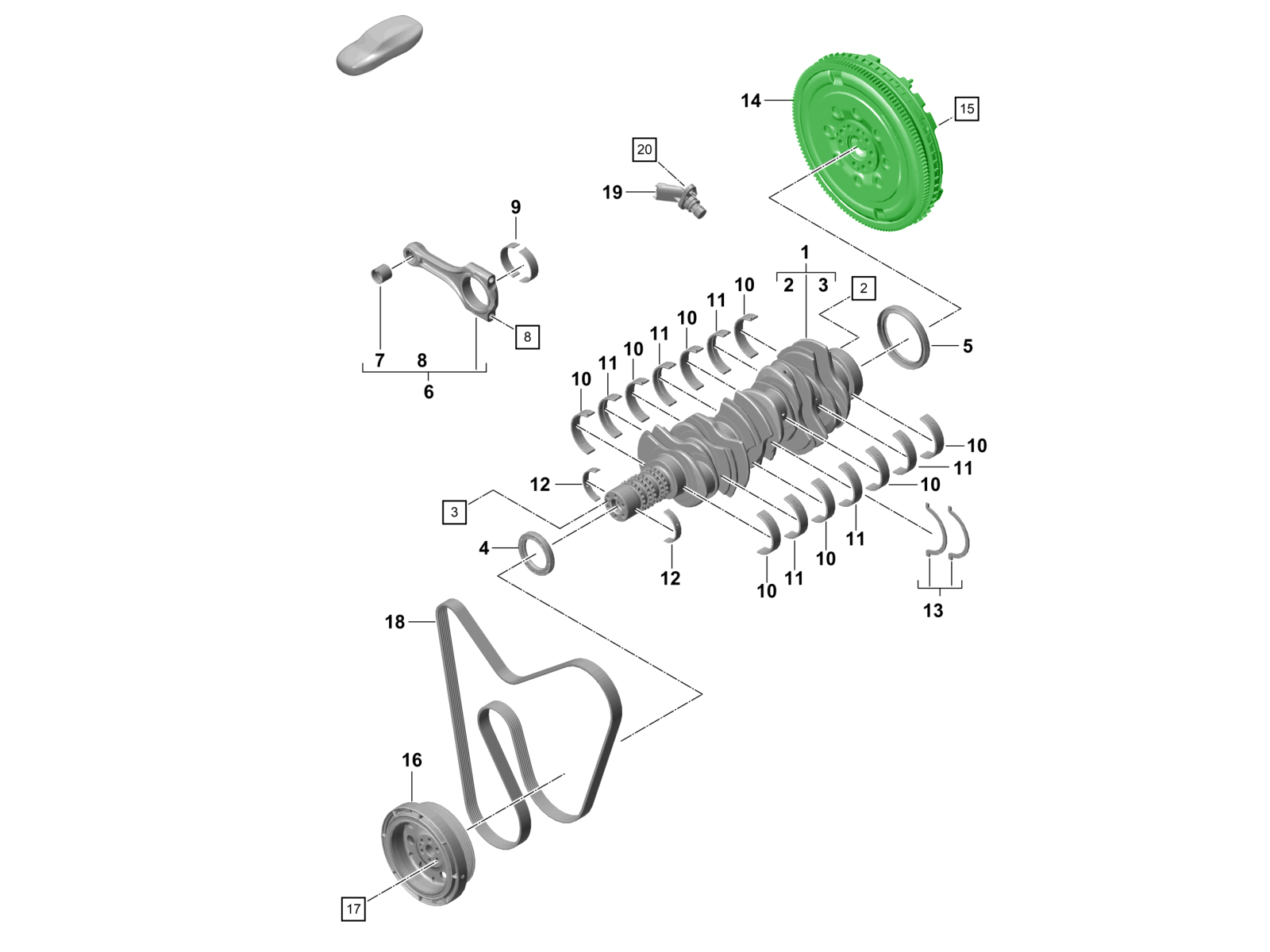
Diagram ref no 14
This part is used with the PDK drivetrain on selected Porsche 718 Boxster and Cayman 4.0L models.
What This Part Does / Functions:
• Connects the engine crankshaft to the PDK transmission assembly
• Helps smooth engine torque pulses before they reach the gearbox
• Reduces drivetrain vibration, noise and harshness
• Supports smooth PDK clutch engagement and power transfer
• Helps protect gearbox and driveline components from shock load
• Works with the Porsche dual-clutch transmission system
• Replaces a worn, noisy, heat-damaged or failed original flywheel
• Provides correct OE Porsche fitment, balance and specification.
Why Replace This Part?
A dual-mass flywheel is a wear-sensitive drivetrain component. It is exposed to clutch heat, engine torque, vibration, high engine speed and repeated drivetrain load changes. Over time, the internal damping mechanism can wear, the flywheel surface can become heat affected, or the assembly can develop excessive rotational play. A worn or failed dual-mass flywheel may cause vibration, rattling, harsh engagement, drivetrain shudder or transmission-related noise.
Replacing it with an OE Genuine Porsche dual-mass flywheel helps restore smooth PDK operation and factory Porsche drivability.
Common Symptoms of a Worn Dual-Mass Flywheel
• Rattling noise from the bellhousing area
• Vibration at idle or under load
• Drivetrain shudder during take-up of drive
• Harsh or uneven PDK engagement
• Noise when switching the engine off
• Excessive rotational play in the flywheel
• Heat marks, scoring or damage on the flywheel surface
• Wear found during gearbox or drivetrain inspection.
When to Replace This Part
• During PDK gearbox removal if the flywheel shows wear
• If excessive flywheel play or noise is found
• If drivetrain vibration is traced to the flywheel
• If the flywheel surface is heat damaged, cracked or scored
• During major drivetrain or engine repair
• If the internal damping mechanism has failed
• When replacing related PDK clutch or transmission components.
Where It Fits on the Car
This dual-mass flywheel fits between the engine crankshaft and the PDK transmission / dual-clutch gearbox assembly. It forms part of the rotating drivetrain connection between the engine and transmission.
Correct installation requires Porsche workshop procedures, correct torque settings and inspection of related transmission, clutch and fastening components.
Related reference numbers
Related, superseded, cross reference or alternative numbers for comparison.
982105264B
The product you are viewing cross references to these numbers

.jpg)
- Porsche 991.2 Carrera 2 3.0L (370 Bhp) 2016-19
- Porsche 991.2 Carrera 2S / GTS 3.0L (420/450 Bhp) 2016-19
- Porsche 991.2 Carrera 4 3.0L (370 Bhp) 2016-19
- Porsche 991.2 Carrera 4S / GTS 3.0L (420/450 Bhp) 2016-19
- Porsche 991.2 Cabriolet 2 3.0L (370 Bhp) 2016-19
- Porsche 991.2 Cabriolet 2S / GTS 3.0L (420/450 Bhp) 2016-19
- Porsche 991.2 Cabriolet 4 3.0L (370 Bhp) 2016-19
- Porsche 991.2 Cabriolet 4S / GTS 3.0L (420/450 Bhp) 2016-19
- Porsche 991.2 Targa 4 3.0L (370 Bhp) 2016-19
- Porsche 991.2 Targa 4S / GTS 3.0L (420/450 Bhp) 2016-19
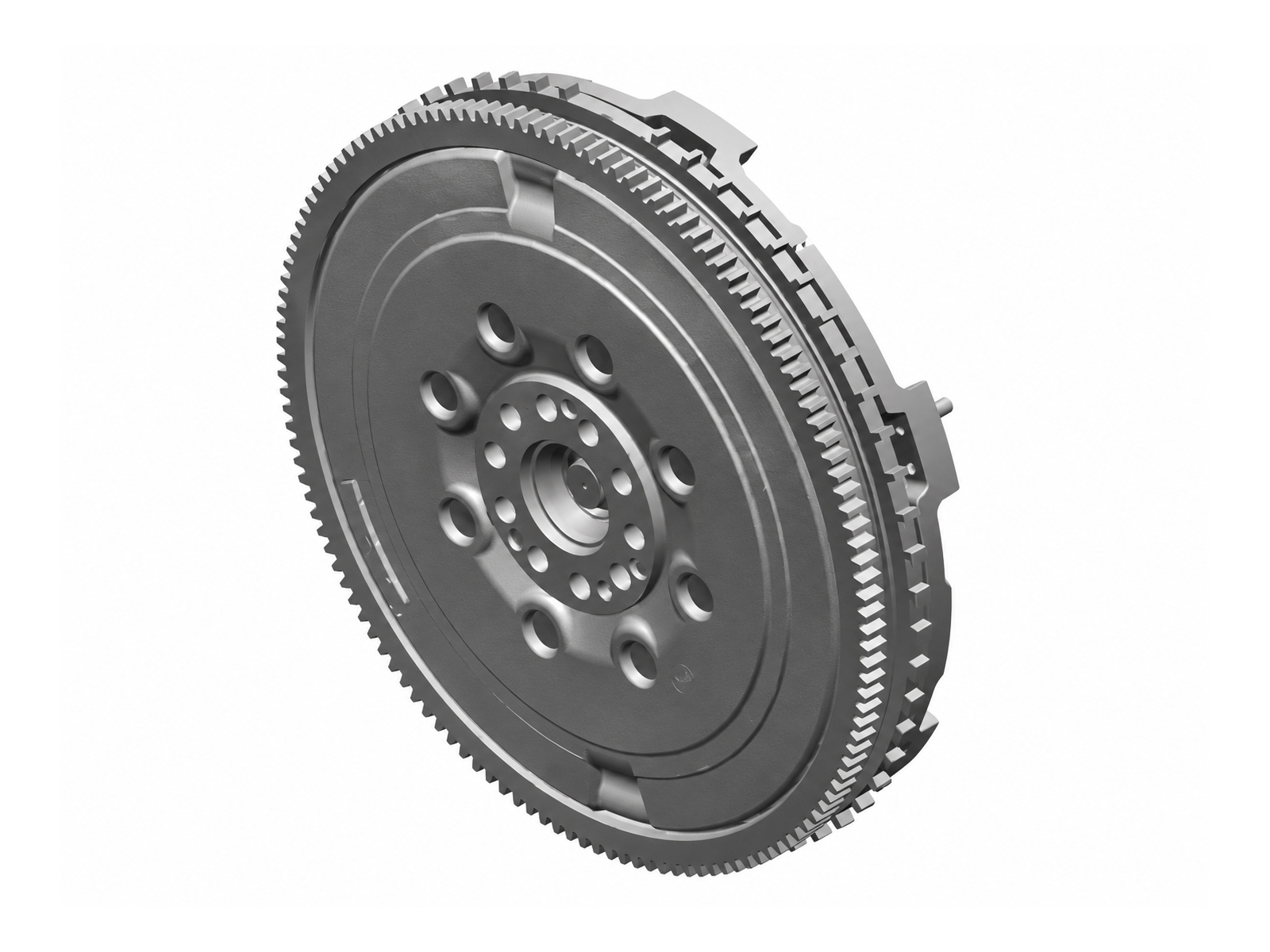
High-quality LuK dual-mass flywheel for Porsche 911 Type 991.2 Carrera models equipped with the PDK dual-clutch transmission.
Fits:
For cars with PDK transmission only
Porsche 991.2 Carrera / S 2017 - 2019
Porsche 991.2 Carrera 4 / 4S 2017 - 2019
Porsche 991.2 Carrera GTS/ 4GTS 2017 - 2019
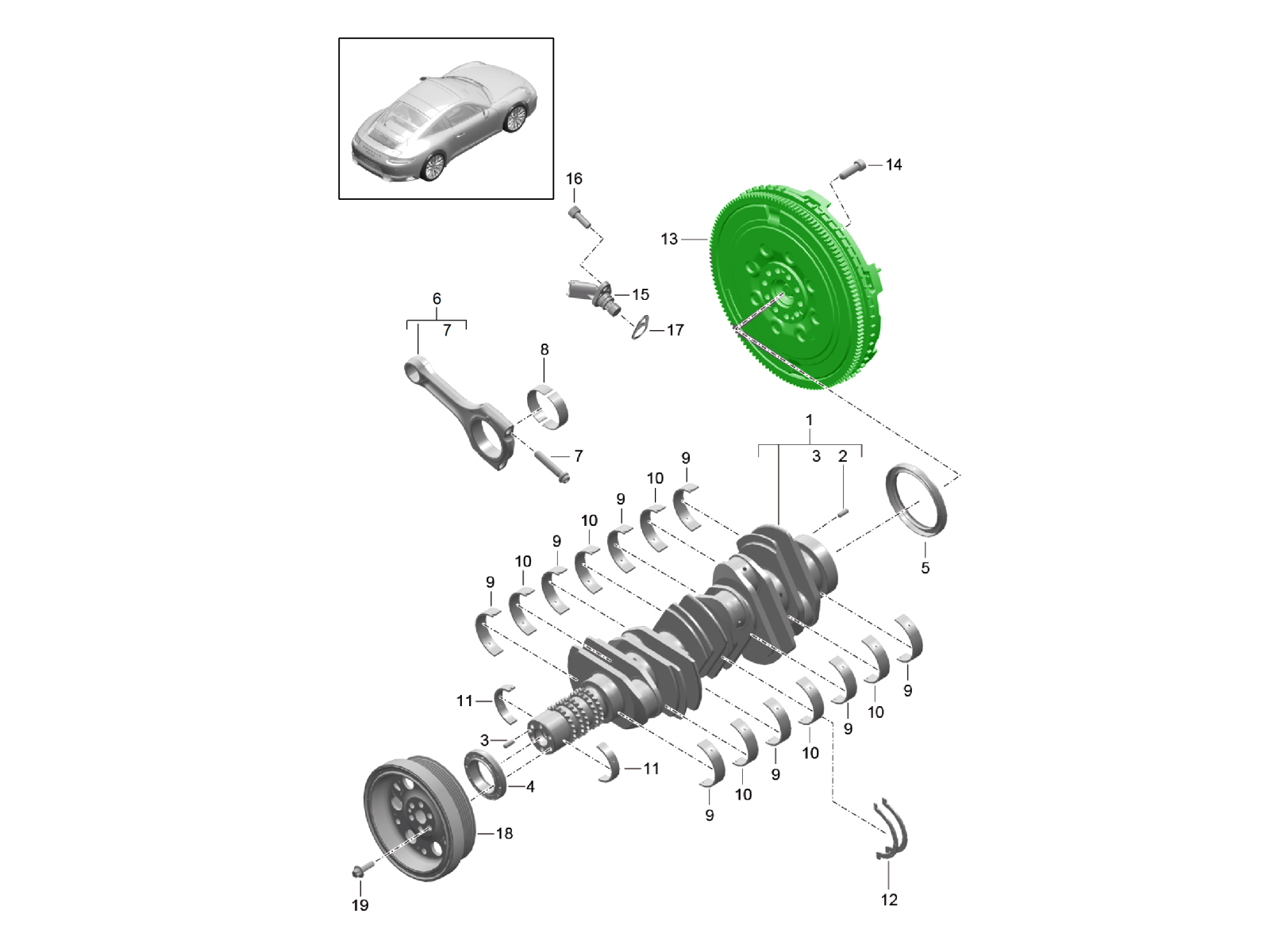
Diagram ref no 13
The LuK 415117509 directly cross-references Porsche OE number 9P1105264 and provides an OE-quality replacement for a worn or damaged original dual-mass flywheel.
Designed specifically for use with the Porsche PDK transmission and its wet-clutch system, the dual-mass flywheel forms an important connection between the engine and transmission. Its internal damping system helps absorb torsional vibration generated by the engine before it reaches the gearbox, providing smoother torque transfer and reducing unwanted drivetrain vibration and resonance.
The LuK 415117509 is an ideal stock-replacement solution when carrying out transmission repairs or replacing a worn original flywheel while retaining factory-style drivetrain characteristics.
This Porsche reference is associated with the 991.2 Carrera crankshaft / dual-mass flywheel assembly.
Designed for PDK Transmission
This flywheel is designed specifically for Porsche's PDK dual-clutch transmission.
Unlike a conventional manual gearbox clutch arrangement, the PDK uses a dual-clutch system to provide rapid gear changes while maintaining continuous power delivery.
The dual-mass flywheel helps isolate torsional vibration between the engine and transmission, supporting:
• Smooth power transfer
• Reduced drivetrain vibration
• Reduced transmission resonance
• Refined low-speed operation
• Controlled torque delivery
• Improved drivetrain comfort
Correct flywheel operation is therefore important for both transmission refinement and long-term drivetrain performance.
What Does a Dual-Mass Flywheel Do?
A dual-mass flywheel consists of two primary rotating sections connected through an internal damping system.
The engine-side mass is connected to the crankshaft, while the transmission-side mass interfaces with the gearbox.
Internal springs and damping components absorb rotational irregularities produced by the engine before they reach the transmission.
This helps reduce:
• Gearbox vibration
• Drivetrain resonance
• Rattling and harshness
• Shock loads during changes in torque
• Unwanted vibration transmitted through the vehicle
LuK Drivetrain Technology
LuK is a specialist manufacturer of clutch and flywheel systems and has extensive experience in dual-mass flywheel technology.
Its dual-mass flywheels are engineered to control torsional vibration while transmitting engine torque effectively to the transmission.
The 415117509 is designed to match the original fit, form and operating characteristics required by the Porsche PDK drivetrain.
Related reference numbers
Related, superseded, cross reference or alternative numbers for comparison.
9P1105264
The product you are viewing cross references to these numbers
- Porsche 991.2 Carrera 2 3.0L (370 Bhp) 2016-19
- Porsche 991.2 Carrera 2S / GTS 3.0L (420/450 Bhp) 2016-19
- Porsche 991.2 Carrera 4 3.0L (370 Bhp) 2016-19
- Porsche 991.2 Carrera 4S / GTS 3.0L (420/450 Bhp) 2016-19
- Porsche 991.2 Cabriolet 2 3.0L (370 Bhp) 2016-19
- Porsche 991.2 Cabriolet 2S / GTS 3.0L (420/450 Bhp) 2016-19
- Porsche 991.2 Cabriolet 4 3.0L (370 Bhp) 2016-19
- Porsche 991.2 Cabriolet 4S / GTS 3.0L (420/450 Bhp) 2016-19
- Porsche 991.2 Targa 4 3.0L (370 Bhp) 2016-19
- Porsche 991.2 Targa 4S / GTS 3.0L (420/450 Bhp) 2016-19
Genuine Porsche dual-mass flywheel for Porsche 991.2 Carrera models with PDK transmission. This original Porsche flywheel is designed for Porsche dual-clutch transmission applications, helping smooth drivetrain operation, reduce vibration and support correct factory power transfer.
Fits:
For cars with PDK transmission only
Porsche 991.2 Carrera / S 2017 - 2019
Porsche 991.2 Carrera 4 / 4S 2017 - 2019
Porsche 991.2 Carrera GTS/ 4GTS 2017 - 2019
Diagram ref no 13
This part is used with the PDK drivetrain on selected Porsche 991.2 Carrera models.
What This Part Does / Functions:
• Connects the engine crankshaft to the PDK drivetrain assembly
• Helps smooth engine torque pulses before they reach the transmission
• Reduces drivetrain vibration, noise and harshness
• Supports smooth power transfer through the PDK system
• Helps protect gearbox and driveline components from shock load
• Replaces a worn, noisy, heat-damaged or failed original flywheel
• Provides correct Genuine Porsche fitment, balance and specification
• Supports factory Porsche drivability and transmission refinement.
Why Replace This Part?
A dual-mass flywheel is exposed to heat, torque load, engine vibration and repeated drivetrain load changes. Over time, the internal damping mechanism can wear, the friction surface can become heat affected, or the flywheel can develop excessive rotational play. A worn or failed dual-mass flywheel may cause vibration, rattling, harsh engagement, drivetrain shudder or transmission-related noise.
Replacing it with a Genuine Porsche dual-mass flywheel helps restore smooth PDK operation and OE Porsche driveline quality.
Common Symptoms of a Worn Dual-Mass Flywheel
• Rattling noise from the bellhousing area
• Vibration at idle or under load
• Drivetrain shudder during take-up of drive
• Harsh or uneven engagement
• Noise when switching the engine off
• Excessive rotational play in the flywheel
• Heat marks, scoring or damage on the flywheel surface
• Wear found during gearbox or drivetrain inspection.
When to Replace This Part
• During PDK gearbox removal if the flywheel shows wear
• If excessive flywheel play or noise is found
• If drivetrain vibration is traced to the flywheel
• If the flywheel friction surface is heat damaged, cracked or scored
• During major drivetrain or engine repair
• If the internal damping mechanism has failed
• When replacing related PDK clutch or transmission components
Where It Fits on the Car
This dual-mass flywheel fits between the engine crankshaft and the PDK transmission / drivetrain assembly. It forms part of the rotating drivetrain connection between the engine and Porsche dual-clutch transmission.
Correct installation requires Porsche workshop procedures, correct torque settings and inspection of related transmission, clutch and fastening components.
Related reference numbers
Related, superseded, cross reference or alternative numbers for comparison.
9P1105264
The product you are viewing cross references to these numbers
- Porsche 911 1965-1968 2.0L / 912 SWB (F)
- Porsche 911 1968-1973 2.2L / 2.4L / 2.7L RS LWB (F)
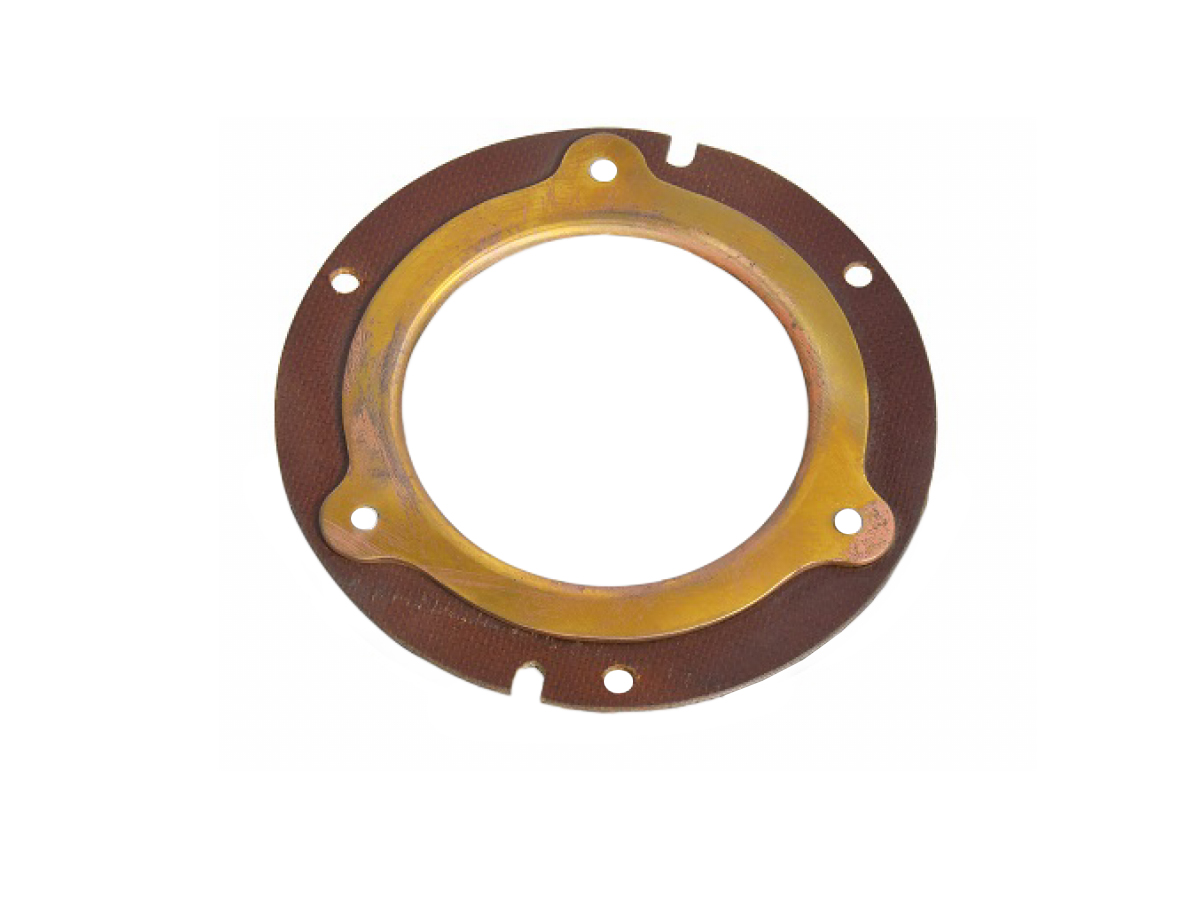
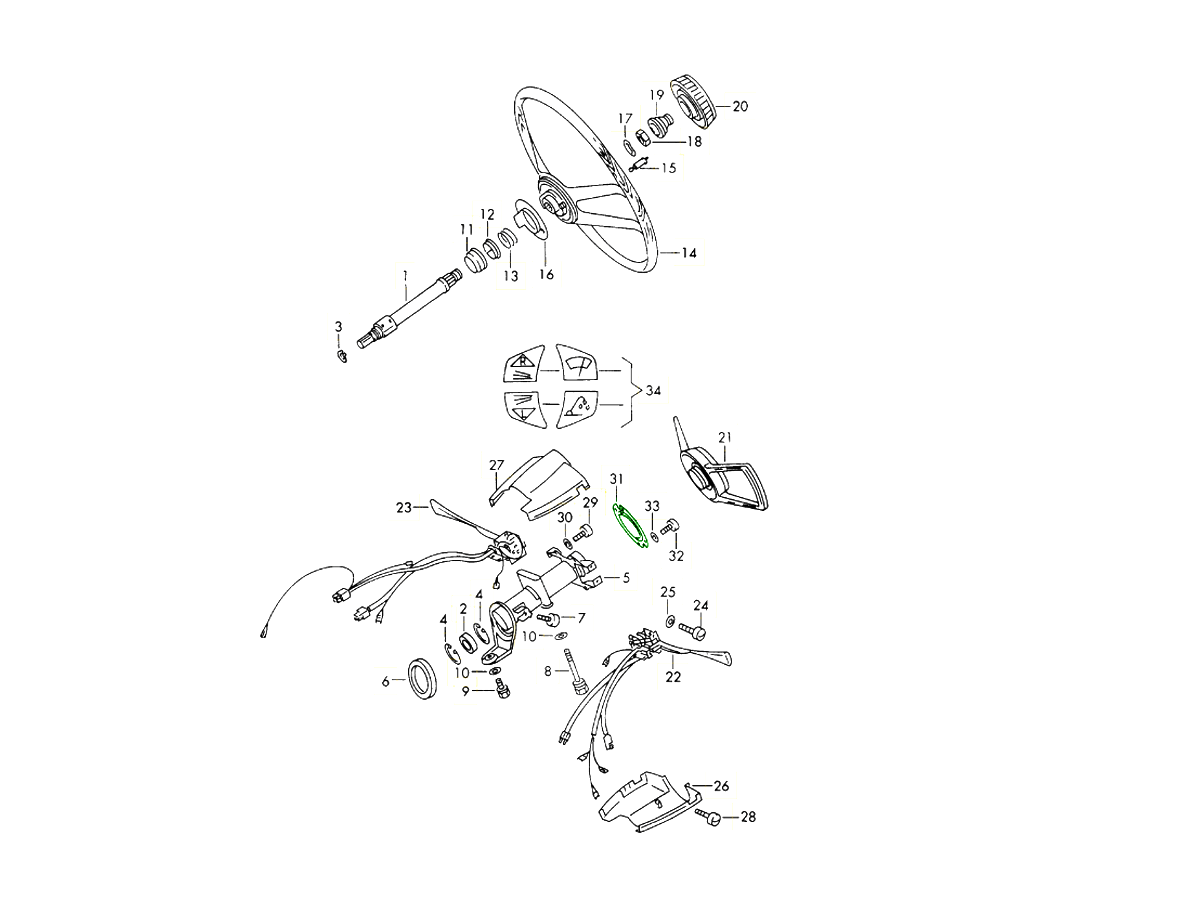
This original Porsche steering wheel electrical contact component forms part of the horn circuit, helping provide the contact path needed for horn operation through the steering wheel assembly.
Fits:
Porsche 911 / 912 1965 - 1973
Diagram ref no 31
This part is used within the steering wheel / steering column horn contact assembly on selected early Porsche 911 and 912 models.
What This Part Does / Functions
• Provides an electrical contact path for the horn circuit
• Allows horn operation through the steering wheel / horn button assembly
• Maintains contact while the steering wheel turns
• Supports correct function of the original horn switch system
• Replaces a worn, damaged, corroded or missing contact ring
• Helps restore reliable horn operation.
• Provides correct OE Porsche fitment for the steering wheel assembly
• Supports accurate restoration of the early Porsche steering column / horn system.
Why Replace This Part?
The horn contact ring is a small but important electrical part. Over time, the contact surface can become worn, dirty, corroded or damaged. It may also be missing or incorrectly fitted after previous steering wheel, horn button or column repairs. A faulty contact ring can cause intermittent horn operation, no horn function, poor contact or unreliable electrical continuity.
Replacing it with an OE Genuine Porsche horn contact ring helps restore the correct factory horn circuit and steering wheel fitment.
Common Symptoms of a Faulty Horn Contact Ring
• Horn does not work
• Horn only works intermittently
• Horn works only at certain steering wheel positions
• Poor or inconsistent horn button response
• Corroded or worn contact surface
• Damaged or missing contact ring
• Incorrect aftermarket contact plate fitted
• Fault found during steering wheel or horn button repair.
When to Replace This Part
• If the horn contact ring is worn, corroded or damaged
• If horn operation is intermittent or unreliable
• During steering wheel removal or replacement
• During horn button or horn circuit repair
• During steering column restoration
• If the original contact ring is missing
• When replacing incorrect steering wheel hardware
• When restoring the vehicle with OE Genuine Porsche electrical parts.
Where It Fits on the Car
This part fits in the steering wheel / steering column horn contact assembly. It forms part of the electrical contact system that allows the horn button to complete the horn circuit.
Correct installation is important to ensure reliable horn operation and avoid unwanted horn activation or loss of contact.
Related reference numbers
Related, superseded, cross reference or alternative numbers for comparison.
90161391500
The product you are viewing cross references to these numbers
- Porsche 992.1 GT3 4.0L / 992 S/T 4.0L 2021-24
- Porsche 992.1 GT3 RS 4.0L 2022-24
- Porsche 992.2 GT3 / Touring / S/C 2025>>
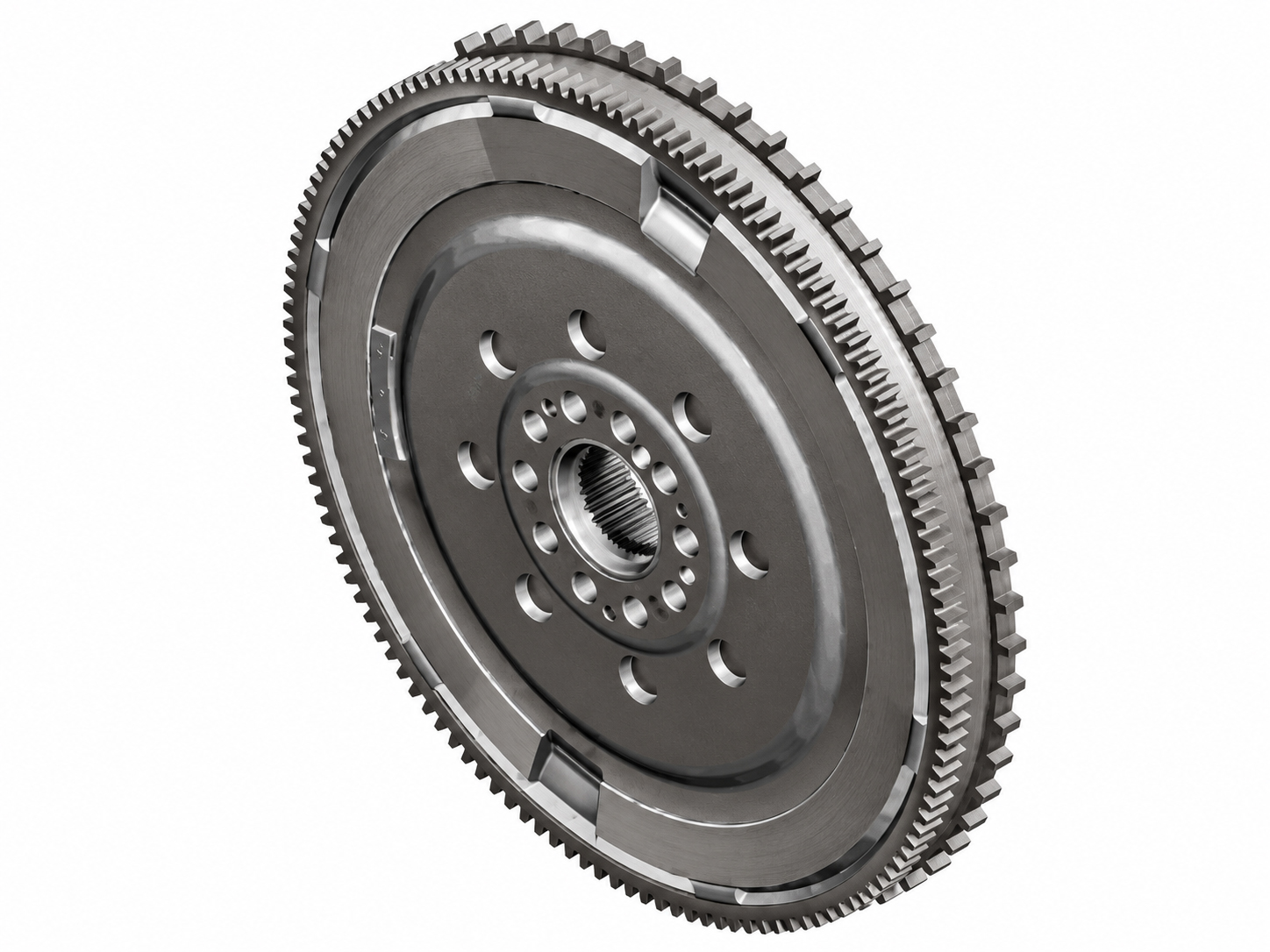
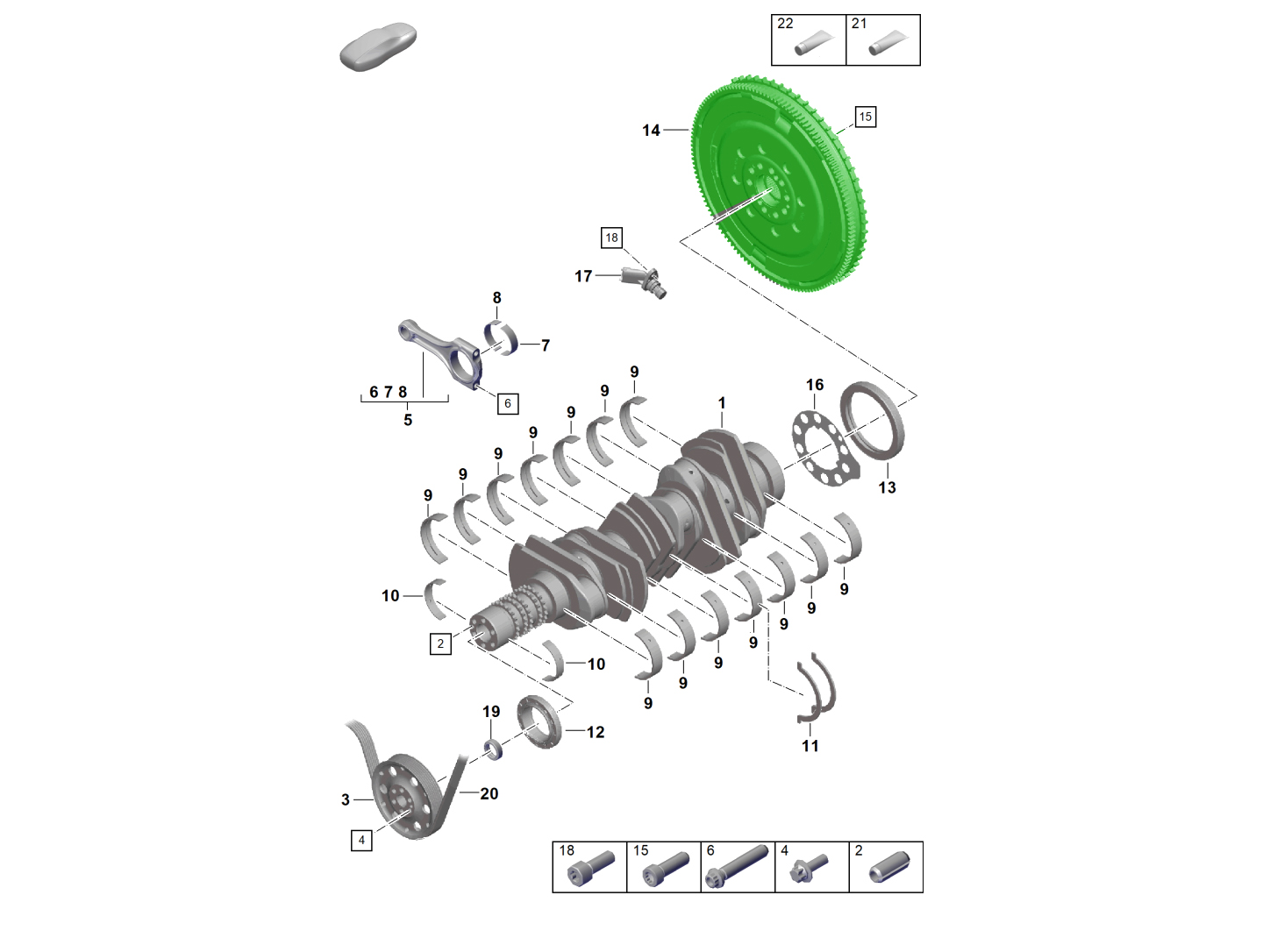
This original Porsche flywheel is designed for manual transmission GT3 applications, helping provide smooth clutch engagement, reduced drivetrain vibration and correct factory performance.
Fits:
For 6-speed manual gearbox for rear-wheel drive
Porsche 992.1 GT3 2021 - 2025 * not for S/T design
Porsche 992.2 GT3 4.0L 2025>>
Diagram ref no 14
The Genuine Porsche 9P1105262F dual-mass flywheel is an OE manual transmission flywheel for selected Porsche 992 GT3 models with 6-speed manual gearbox and rear-wheel drive. It helps smooth torque delivery, reduce drivetrain vibration and support correct clutch operation. Ideal for clutch replacement, gearbox service or drivetrain repair using Genuine Porsche parts.
What This Part Does / Functions:
• Connects the engine crankshaft to the clutch and gearbox assembly
• Helps smooth engine torque pulses before they reach the transmission
• Reduces drivetrain vibration, noise and harshness
• Supports smooth clutch engagement and take-up
• Helps protect gearbox and driveline components from shock load
• Works with the manual clutch system to transfer engine power
• Replaces a worn, noisy, heat-damaged or failed original flywheel
Why Replace This Part?
A dual-mass flywheel is a wear-sensitive drivetrain component. It is exposed to clutch heat, high engine speed, torque load, vibration and repeated clutch engagement. Over time, the internal damping mechanism can wear, the friction surface can become heat damaged, or the flywheel can develop excessive rotational play.
A worn flywheel may cause vibration, clutch judder, rattling, poor clutch engagement or drivetrain harshness. Replacing it with a Genuine Porsche dual-mass flywheel helps restore smooth clutch operation and factory Porsche drivability.
Common Symptoms of a Worn Dual-Mass Flywheel
• Clutch judder during take-up
• Rattling noise from the bellhousing area
• Vibration at idle or when pulling away
• Harsh or uneven clutch engagement
• Excessive rotational play in the flywheel
• Gearbox vibration or driveline shudder
• Heat spots, scoring or cracking on the friction surface
• Noise when switching the engine off
• Wear found during clutch replacement.
When to Replace This Part
• During clutch replacement if the flywheel shows wear
• If the flywheel has excessive rotational or axial play
• If the friction surface is heat damaged, cracked or scored
• If clutch judder or drivetrain vibration is traced to the flywheel
• If the flywheel is noisy or the internal damping mechanism has failed
• During gearbox removal where flywheel condition is poor
• When replacing a failed clutch assembly
Where It Fits on the Car
This flywheel fits between the engine crankshaft and the manual clutch / gearbox assembly. It forms part of the drivetrain connection between the 4.0L engine and the 6-speed manual gearbox.
Correct installation requires the correct clutch components, correct fasteners, Porsche workshop torque settings and proper inspection of the clutch release system.
Related reference numbers
Related, superseded, cross reference or alternative numbers for comparison.
9P1105262F
The product you are viewing cross references to these numbers
- Porsche Boxster GTS 718 4.0L Manual (400 Bhp) 01/2019>>
- Porsche Boxster Spyder / Spyder RS 718 4.0L 01/2019>>
- Porsche Cayman GTS 718 4.0L Manual (400 Bhp)
- Porsche Cayman GT4 718 4.0L / GT4 RS 718 4.0L
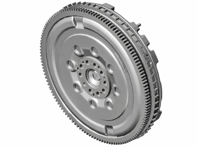
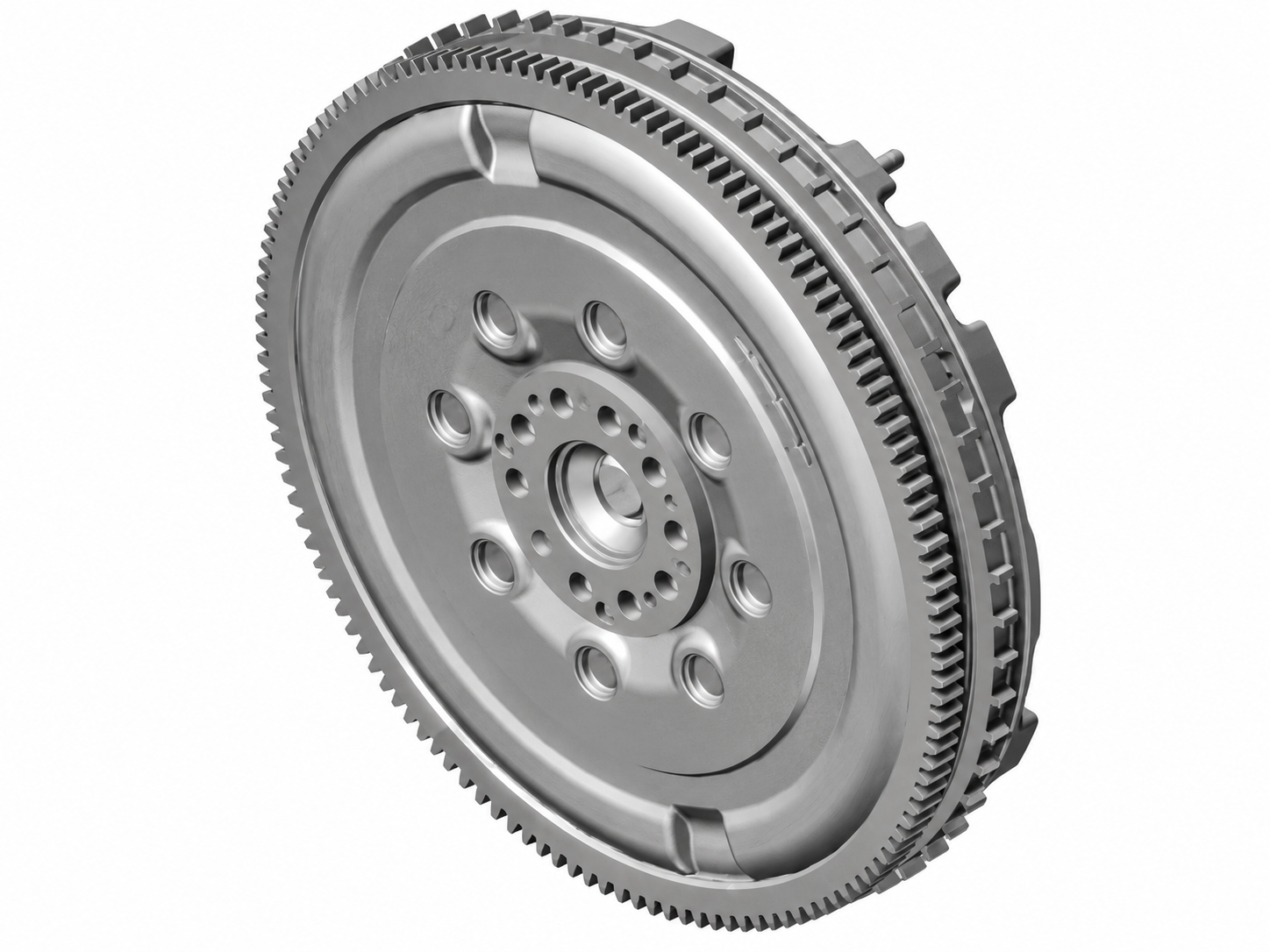
This original Porsche flywheel is designed for cars equipped with the 6-speed manual transmission, option code 480, helping provide smooth clutch engagement, reduced drivetrain vibration and correct factory drivability.
Fits:
For cars with 6-speed manual transmission (option code: 480)
Porsche 718 Boxster GTS 4.0L 2017>>
Porsche 718 Boxster Spyder 4.0L 2019>>
Porsche 718 Cayman GTS 4.0L 2017>>
Porsche 718 Cayman GT4 4.0L 2019>>
Diagram ref no 14
The Genuine Porsche 982105262E dual-mass flywheel is an OE manual transmission flywheel for selected Porsche 718 Boxster GTS 4.0L, 718 Boxster Spyder 4.0L, 718 Cayman GTS 4.0L and 718 Cayman GT4 4.0L models. Designed for cars with the 6-speed manual transmission, option code 480, it helps smooth torque delivery, reduce drivetrain vibration and support correct clutch operation. Ideal for clutch replacement or drivetrain repair using Genuine Porsche parts.
What This Part Does / Functions
• Connects the engine crankshaft to the clutch and transmission assembly
• Helps smooth engine torque pulses before they reach the gearbox
• Reduces drivetrain vibration and harshness
• Supports smooth clutch engagement and take-up
• Helps protect gearbox and driveline components from excessive shock load
• Works with the manual clutch system to transfer engine power
• Replaces a worn, noisy, heat-damaged or failed original flywheel
• Provides correct Genuine Porsche fitment, balance and specification.
Why Replace This Part?
A dual-mass flywheel is a wear-sensitive drivetrain component. It is exposed to clutch heat, torque load, vibration, stop-start driving, aggressive clutch use and high engine speeds. Over time, the internal damping mechanism can wear, the friction surface can become heat damaged, or the flywheel can develop excessive rotational play.
A worn dual-mass flywheel can cause vibration, clutch judder, rattling noises, poor clutch engagement or drivetrain harshness. Replacing it with a Genuine Porsche dual-mass flywheel helps restore smooth clutch operation and factory Porsche drivability.
Common Symptoms of a Worn Dual-Mass Flywheel
• Clutch judder during take-up
• Rattling noise from the bellhousing area
• Vibration at idle or when pulling away
• Harsh or uneven clutch engagement
• Excessive rotational play in the flywheel
• Gearbox vibration or driveline shudder
• Heat spots or scoring on the friction surface
• Noise when switching the engine off
• Wear found during clutch replacement.
When to Replace This Part
• During clutch replacement if the flywheel shows wear
• If the flywheel has excessive rotational or axial play
• If the friction surface is heat damaged, cracked or scored
• If clutch judder or drivetrain vibration is traced to the flywheel
• If the flywheel is noisy or the internal damping mechanism has failed
• During gearbox removal where flywheel condition is poor
• When replacing a failed clutch assembly.
Where It Fits on the Car
This flywheel fits between the engine crankshaft and the manual clutch / gearbox assembly. It forms part of the drivetrain connection between the engine and the 6-speed manual transmission.
Correct installation requires the correct clutch components, correct fasteners, Porsche workshop torque settings and proper inspection of the clutch release system.
Related reference numbers
Related, superseded, cross reference or alternative numbers for comparison.
982105262E
The product you are viewing cross references to these numbers


- Porsche 911 1987-1989 3.2L G50
- Porsche 911 1978-1989 3.3L Turbo (930)
Genuine Porsche G50 gearbox speed sensor for the 911 Carrera 3.2L and 930 Turbo 3.3L applications listed below. This pulse sender forms part of the vehicle's speedometer system.
Fits
- Porsche 911 1987-1989 3.2L G50
- Porsche 911 1978-1989 3.3L Turbo (930)
What This Product Does
The sender supplies the electrical speed signal used by the speedometer. It is a gearbox-related vehicle-speed component, rather than an engine reference or knock sensor; those components perform different monitoring tasks.
Functions
- Provides a pulse signal for vehicle-speed indication.
- Connects gearbox speed sensing with the speedometer system.
Technical Details
- Brand: Genuine Porsche.
- Application: G50 gearbox speed sensing.
- Supplied part references: 91160691001 and 91160691002.
Symptoms of Fault
Intermittent electrical behaviour, damaged cable insulation or corroded connections warrant investigation. Inspect the sender wiring and connectors before attributing a speedometer problem to the sensor itself.
Why Replacement Matters
A confirmed sender fault can interrupt the speed signal. Replacement addresses the defective component, but damaged wiring or poor connections must also be corrected. Matching the part to the specific G50 installation helps avoid compatibility problems.
FAQs
- Is this an engine-speed sensor?
No. The supplied diagram identifies it as a pulse sender within the speedometer assembly. - Does the Turbo listing cover every model year?
The supplied fitment lists 1978-1989, while the diagram specifies 89- for this Turbo sender. Confirm the exact gearbox application before ordering. - Should the sensor be replaced without testing?
Check the wiring, connections and signal first. Similar electrical symptoms can have more than one cause.
Related reference numbers
Related, superseded, cross reference or alternative numbers for comparison.
91160691002
The product you are viewing cross references to these numbers
- Porsche 95C Macan-e Electric (265 kW / 360 PS) 2024>>
- Porsche 95C Macan-e 4 Electric (300 kW / 408 PS) 2024>>
- Porsche 95C Macan-e 4S Electric (380 kW / 516 PS) 2024>>
- Porsche 95C Macan-e Turbo Electric (470 kW / 639PS) 2024>>
- Porsche 95C Macan-e GTS Electric (420 kW / 571 PS) 2024>>
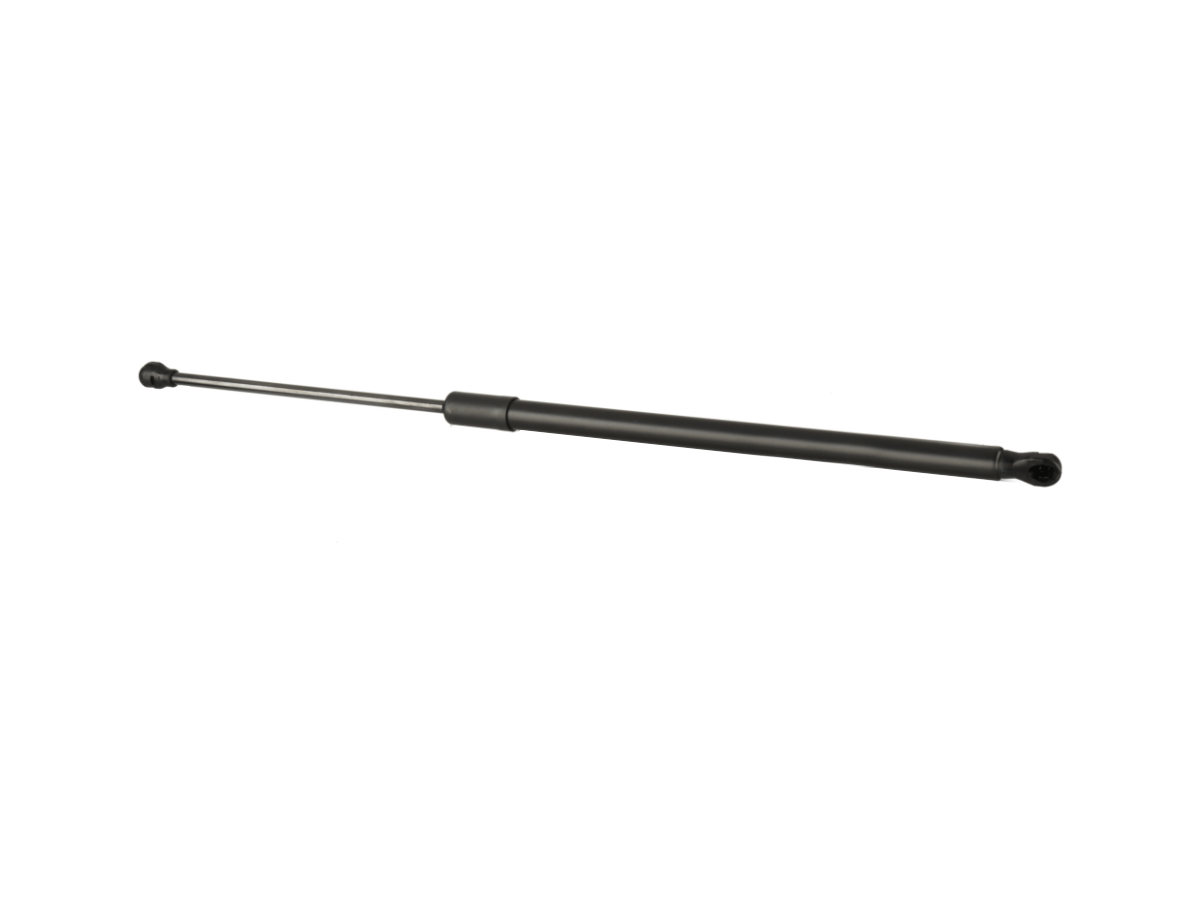
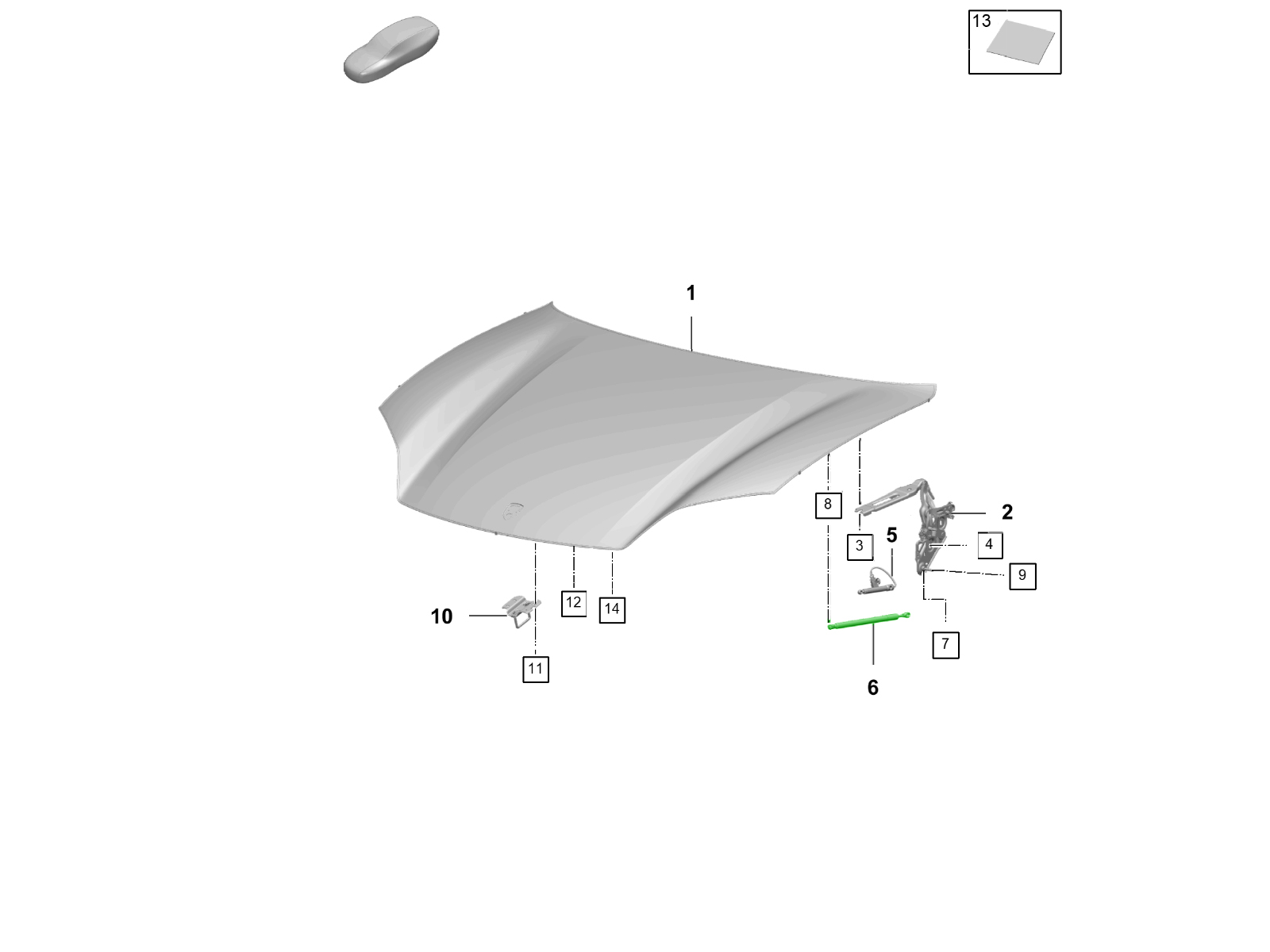
This original Porsche gas strut supports the front bonnet / front lid when open, helping the bonnet lift smoothly and stay securely raised during inspection, servicing or maintenance.
Sold individually. This damper fits left or right, so the same part can be used on either side where specified.
Fits:
Porsche 95C Macan-e Electric 2024>>
Porsche 95C Macan-e Electric 4 2024>>
Porsche 95C Macan-e Electric 4S 2024>>
Porsche 95C Macan-e Electric Turbo 2024>>
Porsche 95C Macan-e Electric GTS 2024>>
Diagram ref no 6
This part is used on the front bonnet / front lid assembly of selected Porsche 95C Macan-E models.
What This Part Does / Functions:
• Supports the front bonnet when open
• Helps raise and hold the bonnet securely
• Provides controlled bonnet opening and closing movement
• Helps prevent the bonnet from dropping unexpectedly
• Replaces a weak, leaking, damaged or failed original damper
• Provides correct OE Porsche length, pressure and end fitting
• Fits the left or right side where specified
• Helps maintain safe and convenient access to the front service area.
Why Replace This Part?
Bonnet dampers are gas-filled struts that weaken over time through age, use, temperature changes and seal wear. A tired or leaking damper may no longer support the bonnet properly, causing it to drop, close too quickly or require manual support. Replacing worn units with OE Genuine Porsche front bonnet dampers restores proper bonnet support, smooth operation and factory fitment.
Common Symptoms of a Weak Bonnet Damper
• Bonnet does not stay open
• Bonnet slowly drops after being raised
• Bonnet feels heavy to lift
• Bonnet closes too quickly
• Visible oil leakage from the damper
• Weak gas pressure in cold weather
• Damper rod is bent, corroded or damaged
• Bonnet support feels uneven from side to side.
When to Replace This Part
• If the bonnet will not stay securely open
• If one or both dampers have lost pressure
• If the damper is leaking, bent or damaged
• During front lid / bonnet service or repair
• After accident or front bodywork repair
• If the bonnet movement is uneven or uncontrolled
• When replacing aged bonnet support struts.
Where It Fits on the Car
This damper fits on the front bonnet / front lid assembly of the Porsche 95C Macan-E. It mounts between the vehicle body and bonnet to support the bonnet when open.
Related reference numbers
Related, superseded, cross reference or alternative numbers for comparison.
95C823359B
The product you are viewing cross references to these numbers