


Enter your VAT number here and click Verify:
Your details have been verified. VAT number registered to:
,
.
Your order will now be zero rated for VAT purposes. We reserve the right to verify these details after your order request has been made and reinstate VAT if required.
Your VAT details were not recognised or were invalid. Your VAT number must be matched to your Billing Country as specified above. This is currently specified as . You do not need to enter the country code part of your VAT number as this has already been selected in your billing address details above.
The VAT number checking service is currently offline. Please supply your VAT details within the comments or special instructions field below and we will apply a VAT discount after placing your order request.

Brake Booster


- Porsche 955 Cayenne 3.2L V6 2003-06
- Porsche 955 Cayenne S 4.5L V8 2003-06
- Porsche 955 Cayenne Turbo 4.5L 2003-06
- Porsche 955 Cayenne Turbo S 4.5L 2006>>
Fits:
Porsche 955 Cayenne RHD 2003-2006
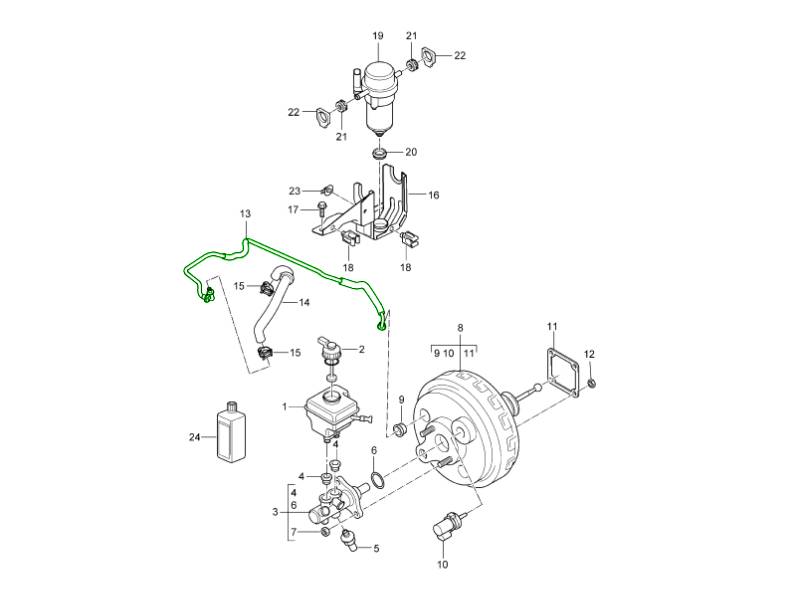
Click 'Zoom in' for large parts diagram
Diagram ref no 8
Related reference numbers
Related, superseded, cross reference or alternative numbers for comparison.
95535592401
The product you are viewing cross references to these numbers

- Porsche 955 Cayenne 3.2L V6 2003-06
- Porsche 955 Cayenne S 4.5L V8 2003-06
- Porsche 955 Cayenne Turbo 4.5L 2003-06
- Porsche 955 Cayenne Turbo S 4.5L 2006>>
- Porsche 957 Cayenne 3.0L Diesel 2007-10
- Porsche 957 Cayenne 3.6L 2007-10
- Porsche 957 Cayenne S / GTS 4.8L 2007-10
- Porsche 957 Cayenne Turbo / Turbo S 4.8L 2007-10
Fits:
Porsche Cayenne MK1 (955) 2003-2006
Porsche Cayenne MK2 (957) 2007-2010
Click 'Zoom in' for large parts diagram
Diagram ref no 8
Related reference numbers
Related, superseded, cross reference or alternative numbers for comparison.
95535590101
The product you are viewing cross references to these numbers
- Porsche 955 Cayenne S 4.5L V8 2003-06
- Porsche 955 Cayenne Turbo 4.5L 2003-06
- Porsche 955 Cayenne Turbo S 4.5L 2006>>
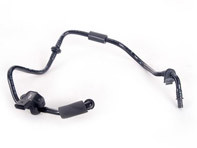
The Genuine Porsche Vacuum Line with Pressure Sensor (Part Number 95535557853) is an essential braking system component designed to maintain reliable vacuum assistance and pressure monitoring within the brake servo system of selected right-hand-drive Porsche Cayenne (955) models.
Fits:
- Porsche 955 Cayenne S 4.5L V8 2003-06
- Porsche 955 Cayenne Turbo 4.5L 2003-06
- Porsche 955 Cayenne Turbo S 4.5L 2006>>
Diagram Ref No 13
Manufactured to Porsche's original equipment specifications, this vacuum line provides a connection between the vehicle's vacuum supply system and the brake booster, helping ensure sufficient vacuum is available for power-assisted braking.
The integrated pressure sensor monitors the vacuum conditions within the braking assistance system, allowing the vehicle's electronic control system to detect the relevant pressure or vacuum level.
The brake booster uses vacuum assistance to reduce the physical effort required when pressing the brake pedal. This is particularly important during repeated braking, low-speed manoeuvring and emergency stopping situations.
The vacuum line must remain properly sealed to maintain effective brake servo operation. Any cracks, splits, loose connections or damaged fittings can allow air to enter the vacuum circuit, potentially reducing the available braking assistance.
Over time, the original vacuum line may deteriorate due to engine compartment heat, vibration, ageing and repeated temperature changes. The integrated pressure sensor or its electrical connections may also develop faults, resulting in incorrect vacuum readings or braking system warnings.
Replacing a defective vacuum line with a Genuine Porsche component helps restore the intended vacuum supply, support accurate pressure monitoring and maintain reliable brake servo assistance.
Ideal for brake booster repairs, vacuum leak diagnosis, braking system maintenance and replacement of damaged original components.
What This Product Does:
The vacuum line with integrated pressure sensor performs two important functions: supplying vacuum to the brake booster and monitoring vacuum conditions within the braking assistance circuit.
Its primary functions include:
- Supplies Vacuum to the Brake Booster: Provides a passage for vacuum from the relevant vacuum supply components to the brake servo.
- Supports Power-Assisted Braking: Helps the brake booster reduce the physical effort required to apply the brakes.
- Monitors Vacuum Conditions: The integrated pressure sensor provides electrical information about the vacuum level within the monitored circuit.
- Supports Brake System Diagnostics: Allows the relevant vehicle control system to identify certain abnormal vacuum conditions.
- Maintains a Sealed Vacuum Circuit: Helps prevent atmospheric air from entering the braking assistance system through unintended leaks.
- Maintains Consistent Brake Pedal Assistance: Supports the availability of vacuum assistance during normal braking operation.
- Supports Repeated Brake Applications: Helps maintain the required vacuum connection during repeated use of the brake pedal.
- Provides Correct RHD Routing: Designed for the specific brake booster and vacuum line arrangement used in applicable right-hand-drive vehicles.
- Supports Original Equipment Functionality: Maintains the factory vacuum line and pressure monitoring configuration.
- Protects Braking System Reliability: Helps preserve the correct operating conditions required for the vacuum-assisted braking system.
Symptoms Of Wear Or Failure:
The brake booster vacuum line operates in an environment exposed to engine heat, vibration, pressure changes and environmental contamination.
Over time, the hose, rigid pipe sections, seals, connectors or pressure sensor may deteriorate.
Common symptoms of a worn or faulty vacuum line with pressure sensor include:
- Hard or Stiff Brake Pedal: Reduced brake booster assistance may cause the brake pedal to require significantly more effort than normal.
- Increased Braking Effort: The driver may need to press the brake pedal harder to achieve the required braking force.
- Reduced Brake Servo Assistance: A leaking vacuum line may prevent the brake booster from receiving sufficient vacuum.
- Inconsistent Brake Pedal Feel: Brake assistance may become unpredictable or change during repeated braking.
- Hissing or Sucking Noises: A damaged or disconnected vacuum line may produce an audible air leak, particularly during brake pedal operation.
- Cracked or Split Vacuum Pipe: Visible damage may allow air to enter the vacuum circuit.
- Brittle or Hardened Material: Prolonged exposure to heat can weaken the vacuum line and its connecting sections.
- Loose or Damaged Connections: Worn seals, clips or fittings may prevent the vacuum line from remaining properly sealed.
- Brake Booster Warning Message: The vehicle may display a braking assistance warning when abnormal vacuum conditions are detected.
- Pressure Sensor Fault Codes: A defective pressure sensor or damaged electrical connection may generate diagnostic trouble codes.
- Intermittent Sensor Readings: Inaccurate or inconsistent vacuum monitoring may result from sensor deterioration or wiring problems.
- Damaged Electrical Connector: Broken retaining clips, corrosion or loose wiring may affect the sensor signal.
- Reduced Braking Assistance After Repeated Applications: Insufficient vacuum supply may become more noticeable during successive brake pedal applications.
- Engine Running Irregularities: Depending on the vacuum supply arrangement, a significant leak may also affect engine running characteristics.
Why Replacement Matters:
Replacing a damaged, leaking or faulty vacuum line with pressure sensor is important for maintaining the reliability and effectiveness of the power-assisted braking system.
Key Benefits of Replacement:
- Restores Brake Booster Vacuum Supply: Helps maintain the vacuum required for normal brake servo assistance.
- Supports Reliable Braking Performance: Restores the intended vacuum circuit connection when the original line is leaking or damaged.
- Reduces Excessive Brake Pedal Effort: Can restore normal power assistance where vacuum leakage has been identified as the cause.
- Maintains Pressure Monitoring: Provides the specified pressure sensor arrangement for monitoring vacuum conditions.
- Helps Resolve Vacuum-Related Faults: May correct braking assistance warnings or diagnostic faults caused by a confirmed line or sensor defect.
- Prevents Vacuum Leakage: Replaces damaged pipes, fittings and connections that compromise the sealed vacuum circuit.
- Supports Consistent Pedal Assistance: Helps maintain predictable brake booster operation.
- Maintains Braking System Safety: Reduces the risk of operating with insufficient vacuum assistance.
- Genuine Porsche Quality: Manufactured to the original equipment specifications for the applicable vehicle.
- Correct RHD Fitment: Designed for the right-hand-drive vacuum line routing and installation arrangement.
- Protects Associated Components: Maintains the intended vacuum supply connection without unsuitable modifications or improvised repairs.
- Ideal for Brake System Repairs: Suitable when replacing a damaged vacuum pipe or addressing a confirmed pressure sensor fault.
- Supports Long-Term Reliability: Restores the factory braking assistance and vacuum monitoring arrangement.
A damaged brake booster vacuum line should never be overlooked.
Even a relatively small vacuum leak can reduce the effectiveness of brake servo assistance, resulting in a harder brake pedal and increased physical effort when braking.
If the vacuum supply is severely compromised, the driver may need substantially more force to slow or stop the vehicle, potentially increasing stopping distance.
Faults within the integrated pressure sensor may also prevent correct monitoring of the braking assistance vacuum circuit.
Replacing the defective assembly with a Genuine Porsche component helps restore the original vacuum line configuration and supports safe, consistent braking operation.
Related reference numbers
Related, superseded, cross reference or alternative numbers for comparison.
95535557853
The product you are viewing cross references to these numbers

High-Quality Brake Boosters for Safe, Effortless and Consistent Braking Performance
Brake boosters—also known as power brake boosters—are essential hydraulic components that amplify the force applied to the brake pedal. By using vacuum or hydraulic pressure assistance, the brake booster helps deliver strong braking performance with minimal driver effort. Whether driving a classic car or a modern performance vehicle, a properly functioning brake booster ensures predictable stopping distances, stable pedal feel and safe braking under all conditions.
A healthy booster is key to driving comfort, road safety and confidence—especially in emergency braking situations or repeated heavy braking.
What Brake Boosters Do
Brake boosters enhance braking capability by performing
several critical functions:
- Amplifying
pedal input, providing stronger braking force with less effort
- Improving
braking response for smoother, quicker stopping
- Maintaining
stable brake pressure across varying driving conditions
- Supporting ABS and advanced brake control systems
- Reducing
driver fatigue during heavy or frequent braking
- Helping maintain consistent performance in both low-speed and high-speed situations
With a properly functioning booster, brakes feel more responsive, controlled and progressive.
Why Brake Boosters Commonly Fail
Brake boosters can wear out due to age, heat, vacuum loss or
hydraulic issues. Common failure causes include:
- Vacuum
leaks from damaged hoses or internal seals
- Diaphragm
failure leading to loss of brake assistance
- Internal
corrosion caused by moisture buildup
- Faulty
check valves preventing vacuum retention
- Brake
fluid contamination damaging internal components
- Heat-related
degradation of diaphragms and seals
- Wear due to high mileage or repeated heavy braking
Symptoms often include a hard brake pedal, increased stopping distances, hissing noises, inconsistent pedal feel or warning lights.
Why You Should Replace a Faulty Brake Booster
Replacing a worn or failing brake booster with a high-quality, precision-engineered alternative designed to match original braking performance ensures your vehicle remains safe and responsive.
Key benefits include:
- Restored braking assistance and lighter pedal effort
- Improved stopping power and safety in all conditions
- Consistent pedal feel with predictable braking response
- Prevention of brake fade due to excessive pedal force
- Reliable operation of vacuum-dependent brake systems
- Peace of mind during emergency or high-load braking situations
A new brake booster significantly improves braking comfort and reliability, making it an essential maintenance replacement for any vehicle with reduced brake assist.