



Enter your VAT number here and click Verify:
Your details have been verified. VAT number registered to:
,
.
Your order will now be zero rated for VAT purposes. We reserve the right to verify these details after your order request has been made and reinstate VAT if required.
Your VAT details were not recognised or were invalid. Your VAT number must be matched to your Billing Country as specified above. This is currently specified as . You do not need to enter the country code part of your VAT number as this has already been selected in your billing address details above.
The VAT number checking service is currently offline. Please supply your VAT details within the comments or special instructions field below and we will apply a VAT discount after placing your order request.

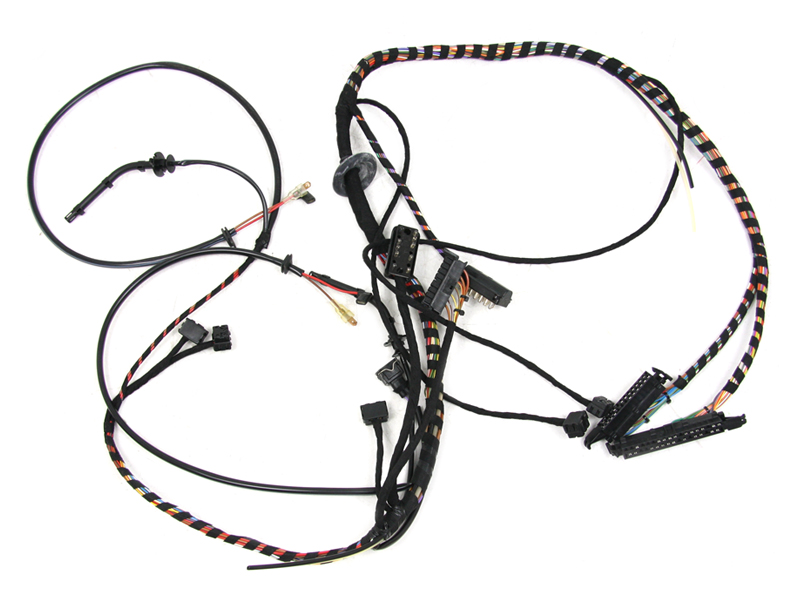
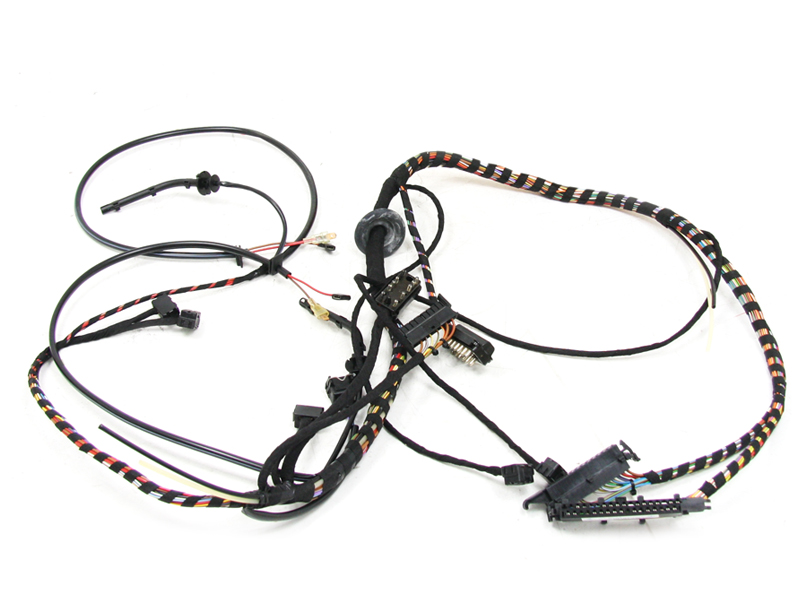
Wiring harness

- Porsche 964 (911) C2 1989-93
- Porsche 964 (911) C4 1989-93
- Porsche 964 (911) TURBO 3.3L 1991-93
- Porsche 964 (911) TURBO 3.6L 1991-93
- Porsche 993 (911) C2 1994-97
- Porsche 993 (911) C4 1994-97
- Porsche 993 (911) C2S 1994-97
- Porsche 993 (911) C4S 1994-97
- Porsche 993 (911) TURBO 1994-96
- Porsche 993 (911) TURBO S 1994-97
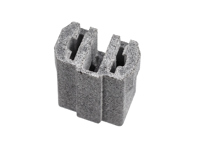
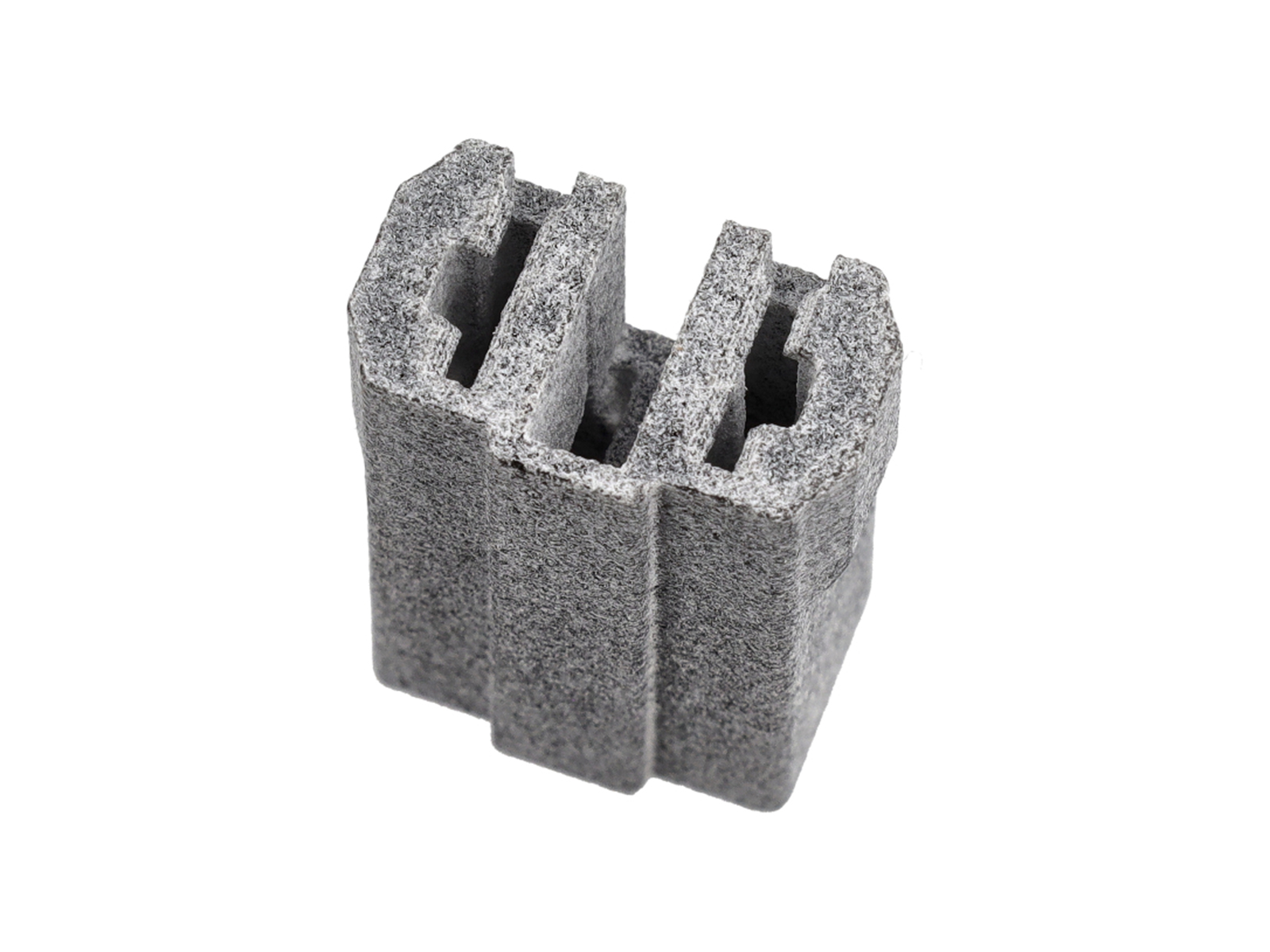
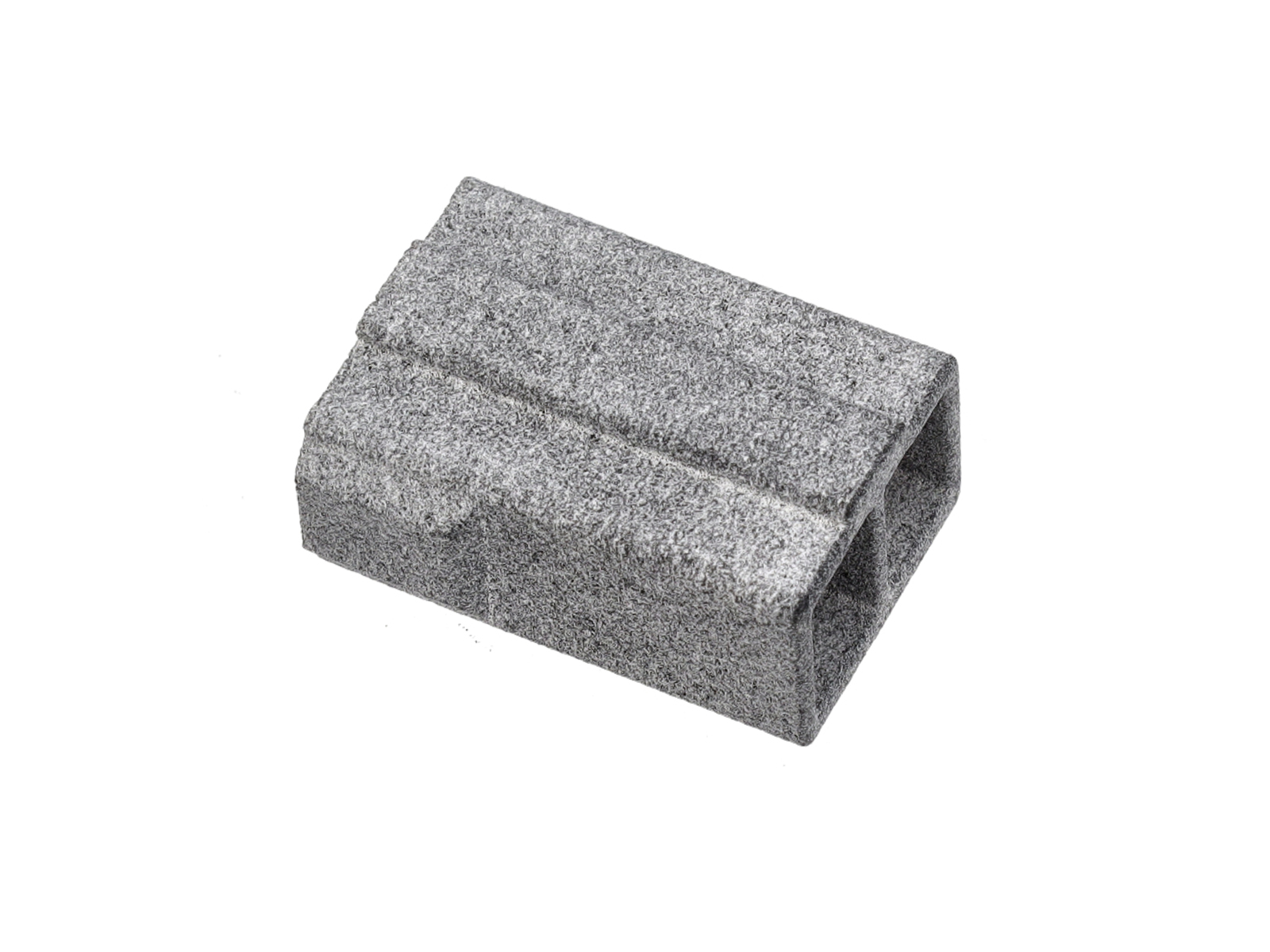
6.3mm 2-Pin Wiring Connector Housing
Restore reliable electrical connections within your Porsche door wiring system with this OE Match 6.3mm 2-Pin Wiring Connector Housing. Designed for use on Porsche 964 and Porsche 993 models, this connector housing forms part of the door wiring loom and provides a secure connection between electrical components and the vehicle's wiring harness.
Fits:
- Porsche 964 (911) C2 1989-93
- Porsche 964 (911) C4 1989-93
- Porsche 964 (911) TURBO 3.3L 1991-93
- Porsche 964 (911) TURBO 3.6L 1991-93
- Porsche 993 (911) C2 1994-97
- Porsche 993 (911) C4 1994-97
- Porsche 993 (911) C2S 1994-97
- Porsche 993 (911) C4S 1994-97
- Porsche 993 (911) TURBO 1994-96
- Porsche 993 (911) TURBO S 1994-97
Electrical connectors are critical to the reliable operation of various door-mounted systems including central locking, speakers, mirror circuits, window mechanisms and auxiliary electrical equipment. Over time, connector housings can become damaged, brittle or corroded, resulting in poor electrical connections and intermittent faults.
Manufactured to OE Match standards, this connector housing provides the correct fit, terminal retention and durability required to restore factory-quality electrical performance.
What Does the Wiring Connector Housing Do?
The connector housing serves as a protective and locating interface for electrical terminals within the wiring loom.
Its primary functions include:
- Securing electrical terminals
- Connecting door wiring circuits
- Protecting electrical contacts
- Maintaining terminal alignment
- Preventing wiring separation
- Supporting reliable signal transmission
- Protecting against vibration-related electrical faults
Without a correctly functioning connector housing, electrical circuits may become unreliable or fail altogether.
Why Do Wiring Connector Housings Fail?
Electrical connectors are subjected to years of environmental exposure and repeated vibration.
Common causes of failure include:
- Age-related plastic deterioration
- Heat cycling
- Moisture ingress
- Corrosion
- Broken locking tabs
- Damage during electrical repairs
- Terminal overheating
- Wiring loom stress
As the housing deteriorates, terminals may loosen or become misaligned, causing poor electrical continuity.
Symptoms of a Failing Connector Housing
Common warning signs include:
- Intermittent electrical faults
- Loss of power to door-mounted components
- Loose wiring connections
- Visible cracks in the housing
- Broken retaining clips
- Corrosion around the connector
- Electrical components operating intermittently
- Wiring movement within the connector body
These faults can often be traced back to damaged connector housings rather than the electrical components themselves.
When Should the Connector Housing Be Replaced?
Replacement is recommended when:
- The housing is cracked or damaged
- Locking tabs are broken
- Electrical faults are traced to the connector
- Corrosion is present
- Wiring repairs are being carried out
- Restoring a door wiring loom
- Replacing damaged terminals
- Completing a vehicle restoration
Many Porsche specialists replace damaged connector housings during electrical repairs to prevent future reliability issues.
Why Replacement Matters
A damaged connector housing can lead to recurring electrical problems and unreliable component operation.
Benefits of replacement include:
- Improved electrical reliability
- Secure terminal retention
- Reduced risk of intermittent faults
- Improved wiring loom integrity
- Professional repair quality
- Enhanced durability
- Factory-style fitment
- Long-term reliability
Replacing worn connectors is often a simple and cost-effective solution to persistent electrical issues.
.jpg?width=197 "5-Pin Wiring Loom Connector for Door Mirror Switch. Porsche 964 / 993 - 96461284700 - 96461284700")
- Porsche 964 (911) C2 1989-93
- Porsche 964 (911) C4 1989-93
- Porsche 964 (911) TURBO 3.3L 1991-93
- Porsche 964 (911) TURBO 3.6L 1991-93
- Porsche 993 (911) C2 1994-97
- Porsche 993 (911) C4 1994-97
- Porsche 993 (911) C2S 1994-97
- Porsche 993 (911) C4S 1994-97
- Porsche 993 (911) TURBO 1994-96
- Porsche 993 (911) TURBO S 1994-97
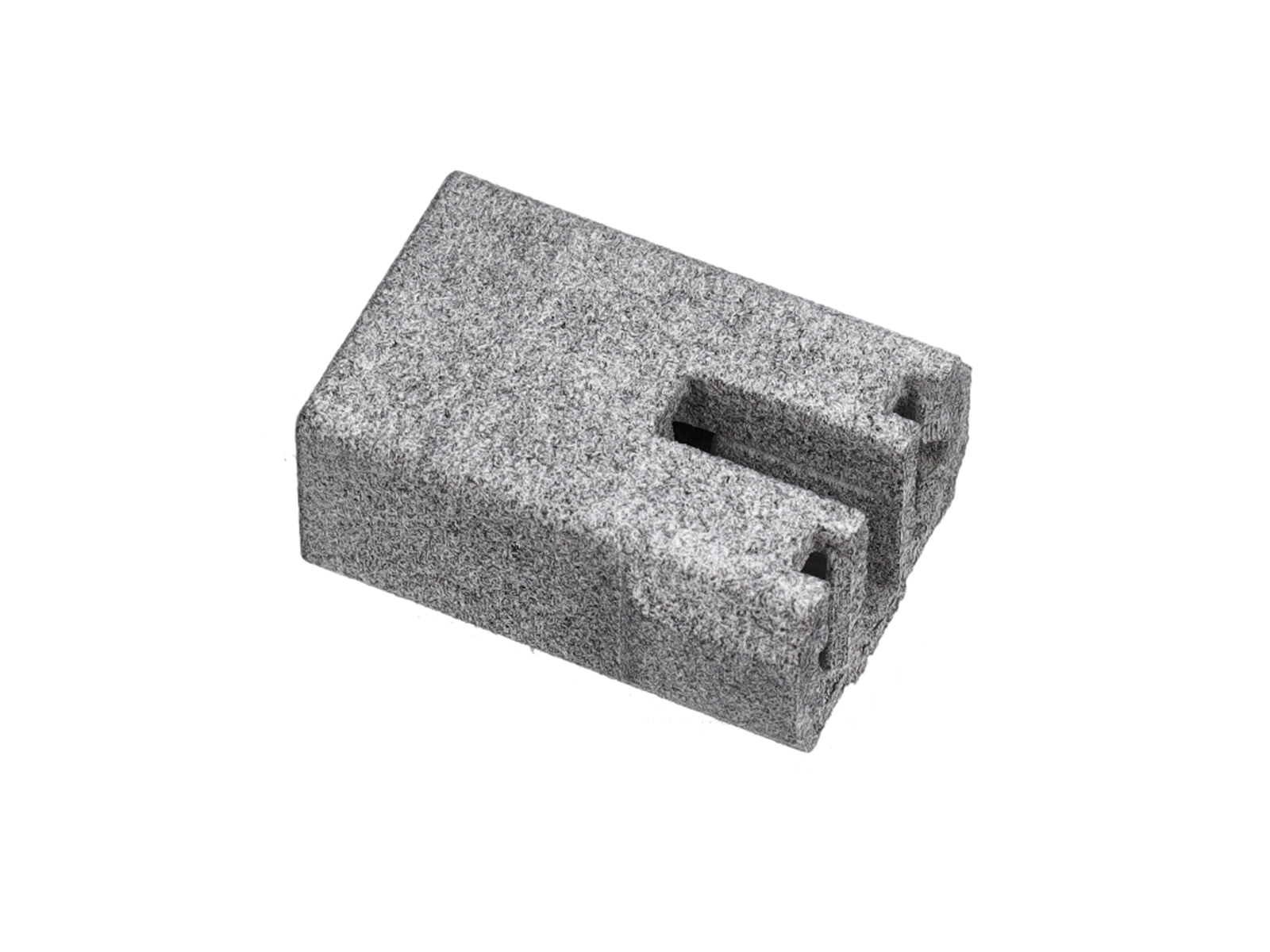
5-Pin Wiring Connector Housing - Door Mirror Switch
Connector only, does not include switch
Restore a secure and reliable electrical connection to your
Porsche door mirror switch with this OE Match 5-Pin Wiring Connector Housing. Designed for Porsche 964 and Porsche 993 models, this connector
housing fits directly onto the door wiring loom and connects the vehicle wiring
to the electric door mirror adjustment switch.
Fits:
- Porsche 964 (911) C2 1989-93
- Porsche 964 (911) C4 1989-93
- Porsche 964 (911) TURBO 3.3L 1991-93
- Porsche 964 (911) TURBO 3.6L 1991-93
- Porsche 993 (911) C2 1994-97
- Porsche 993 (911) C4 1994-97
- Porsche 993 (911) C2S 1994-97
- Porsche 993 (911) C4S 1994-97
- Porsche 993 (911) TURBO 1994-96
- Porsche 993 (911) TURBO S 1994-97
Although small and often overlooked, this connector plays a critical role in the operation of the electric mirror system. It ensures that electrical signals are transferred reliably between the vehicle wiring harness and the mirror control switch, allowing precise adjustment of the door mirrors.
Over time, connector housings can become brittle, damaged or corroded, resulting in poor electrical connections, intermittent mirror operation or complete loss of functionality. Replacing a damaged connector housing helps restore reliable electrical performance while maintaining the integrity of the factory wiring loom.
What Does the Door Mirror Switch Connector Housing Do?
The connector housing serves as the interface between the door wiring loom and the mirror adjustment switch.
Its primary functions include:
- Securing electrical terminals
- Connecting the door loom to the mirror switch
- Protecting electrical contacts
- Maintaining correct terminal alignment
- Ensuring reliable electrical communication
- Supporting electric mirror adjustment functions
- Preventing loose wiring connections
Without a secure connector, the mirror switch cannot reliably control the door mirror motors.
Why Do Connector Housings Fail?
Electrical connector housings are exposed to heat, vibration and environmental conditions throughout their service life.
Common causes of failure include:
- Age-related plastic deterioration
- Heat cycling
- Moisture ingress
- Corrosion of terminals
- Broken locking tabs
- Damage during switch removal
- Wiring repairs
- General wear and tear
As the housing deteriorates, terminals can become loose or poorly aligned, affecting electrical performance.
Symptoms of a Failing Connector Housing
Common warning signs include:
- Electric mirrors not operating correctly
- Intermittent mirror adjustment
- Loose switch connections
- Broken connector locking tabs
- Visible damage to the housing
- Corroded terminal area
- Wiring movement within the connector
- Mirror adjustment working only in certain directions
These issues often indicate a poor electrical connection rather than a fault with the mirror switch itself.
When Should the Connector Housing Be Replaced?
Replacement is recommended when:
- The housing is cracked or broken
- Locking tabs are damaged
- Electrical connections become unreliable
- Restoring a damaged wiring loom
- Replacing the mirror adjustment switch
- Corrosion is present
- Carrying out electrical repairs
- Completing a vehicle restoration
Many Porsche restorers replace damaged connectors to ensure long-term electrical reliability.
Why Replacement Matters
A damaged connector housing can cause frustrating electrical faults and intermittent system operation.
Benefits of replacement include:
- Improved electrical reliability
- Secure switch connection
- Correct terminal positioning
- Reduced risk of electrical faults
- Improved mirror operation
- Preservation of the original wiring loom
- Professional repair quality
- Long-term durability
Replacing worn electrical connectors is often one of the simplest ways to eliminate recurring electrical issues.
Related reference numbers
Related, superseded, cross reference or alternative numbers for comparison.
96461284700
The product you are viewing cross references to these numbers

- Porsche 993 (911) C2 1994-97
- Porsche 993 (911) C4 1994-97
- Porsche 993 (911) C2S 1994-97
- Porsche 993 (911) C4S 1994-97
Fits:
Porsche 993 Carrera 1996>>1998
Cars With Engine Codes:
6423 / 6424
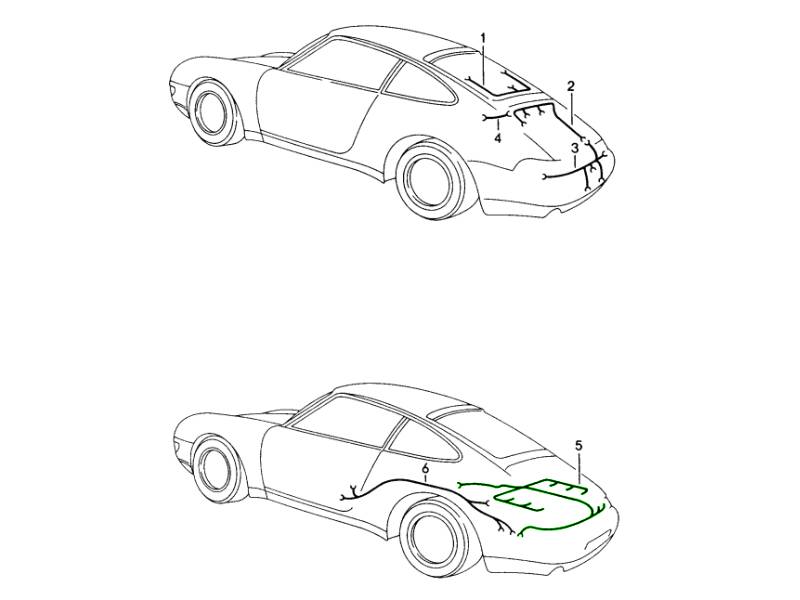
Diagram Ref No 5
Related reference numbers
Related, superseded, cross reference or alternative numbers for comparison.
00004320461
The product you are viewing cross references to these numbers

- Porsche 911 1984-1986 3.2L
- Porsche 911 1987-1989 3.2L G50
- Porsche 911 1978-1989 3.3L Turbo (930)
- Porsche 964 (911) C2 1989-93
- Porsche 964 (911) C4 1989-93
- Porsche 964 (911) RS 3.6L 1991-93
- Porsche 964 (911) RS 3.8L 1991-93
- Porsche 964 (911) TURBO 3.3L 1991-93
- Porsche 964 (911) TURBO 3.6L 1991-93
- Porsche 993 (911) C2 1994-97
- Porsche 993 (911) C4 1994-97
- Porsche 993 (911) RS 1994-97
- Porsche 993 (911) C2S 1994-97
- Porsche 993 (911) C4S 1994-97
- Porsche 993 (911) TURBO 1994-96
- Porsche 993 (911) GT2 1994-97
- Porsche 993 (911) TURBO S 1994-97

Fits:
Porsche 911 1986-89
Porsche 964 1989-94
Porsche 993 >>1996
Click 'Zoom in' for large parts diagram.
Diagram ref no 5
Related reference numbers
Related, superseded, cross reference or alternative numbers for comparison.
91161217702
The product you are viewing cross references to these numbers
- Porsche 993 (911) C2 1994-97
- Porsche 993 (911) C4 1994-97
- Porsche 993 (911) RS 1994-97
- Porsche 993 (911) C2S 1994-97
- Porsche 993 (911) C4S 1994-97
- Porsche 993 (911) TURBO 1994-96
- Porsche 993 (911) GT2 1994-97
- Porsche 993 (911) TURBO S 1994-97
Fits:
Porsche 993 1995>>
for cars without Air conditioner
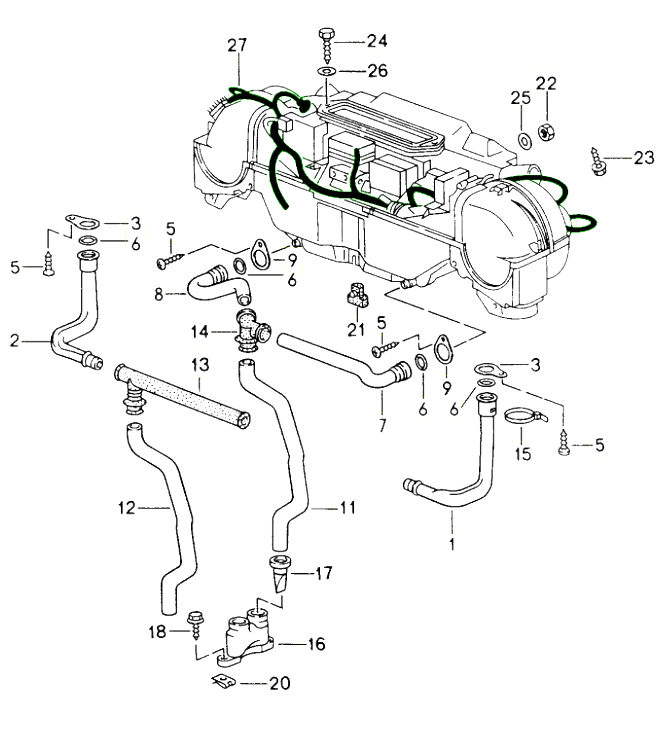
Click 'Zoom in' for large parts diagram.
Diagram ref no 27
Related reference numbers
Related, superseded, cross reference or alternative numbers for comparison.
99361218002
The product you are viewing cross references to these numbers


Wiring Harnesses – Precision Electrical Connectivity for Porsche Vehicles
Wiring harnesses are the backbone of your Porsche’s electrical system. They connect and deliver power between critical components - from lighting and sensors to engine management and infotainment systems - ensuring everything functions as designed. A properly fitted harness guarantees reliable electrical performance, signal integrity, and safety throughout the vehicle.
At Design911, we supply a wide range of genuine and high-quality wiring harnesses for Porsche models including 911, Boxster, Cayman, Cayenne, Macan, and Panamera. Each harness is meticulously engineered offering precision, reliability, and durability as intended
What Do Wiring Harnesses Do?
A wiring harness is a complex assembly of wires, connectors,
and terminals designed to:
- Transmit
power and data between electrical systems.
- Protect
electrical circuits with insulated, organised routing.
- Simplify
installation and maintenance by combining multiple wires into one
unified assembly.
- Ensure correct communication between sensors, ECUs, lights, and other modules.
In modern Porsches, wiring harnesses play a vital role in enabling advanced technologies — from adaptive lighting and traction control to comfort and entertainment systems.
Why Do Wiring Harnesses Fail?
Even though designed for longevity, wiring harnesses can
degrade or fail due to:
- Heat
exposure or engine vibration causing insulation wear.
- Moisture
ingress or corrosion in connectors and terminals.
- Rodent
damage or physical abrasion from engine movement.
- Electrical
overloads or short circuits damaging internal wiring.
- Previous repairs or poor modifications affecting performance.
Signs of a failing wiring harness include flickering lights, intermittent electrical faults, dashboard warnings, or complete system failure.
Why Replace Faulty Wiring Harnesses?
Replacing a damaged wiring harness restores proper electrical performance, eliminates intermittent issues, and prevents costly damage to control modules or sensors.
Benefits of replacement include:
- Restored power delivery and communication across systems.
- Improved reliability and protection against shorts or fires.
- Elimination of diagnostic faults and warning lights.
- Precision-fit installation with manufacturer-standard components.
Each harness in this range is built using high-grade materials and connectors, ensuring accurate fitment, corrosion resistance, and long-term dependability.
-
 Fuel Pumps
-
Brake Light Switch
-
Hazard Warning Switch
-
Handbrake Switch
-
Reverse Light Switch
-
Headlamp Switch
-
Window Switch
-
Window Motors
-
Window Mechanism
-
Wiper Motor
-
Wiper Mechanism
-
Electric Horn
-
Ignition Switch
-
Seat Switch
-
Indicator / Wiper Stalk Switch
-
Roof / Sun Roof Switch
-
Relays / Fuses
-
Washer pumps / bottles / jets
-
Alarms / Security / Central Locking
-
Electronic Control Units
-
Wiper Switches
-
Dashboard / Console Parts & Switches
-
Door Mirror Switch
-
Bonnet / Rear Lid / Spoiler Activators & Motors
-
Air Bags & Parts
-
Tracker
-
Connector housing


.jpg)