



Enter your VAT number here and click Verify:
Your details have been verified. VAT number registered to:
,
.
Your order will now be zero rated for VAT purposes. We reserve the right to verify these details after your order request has been made and reinstate VAT if required.
Your VAT details were not recognised or were invalid. Your VAT number must be matched to your Billing Country as specified above. This is currently specified as . You do not need to enter the country code part of your VAT number as this has already been selected in your billing address details above.
The VAT number checking service is currently offline. Please supply your VAT details within the comments or special instructions field below and we will apply a VAT discount after placing your order request.
Clutch Forks & Levers


- Porsche 924 Turbo 2.0L 1979-81
- Porsche 924 Turbo 2.0L 1982-84
- Porsche 924S 2.5L 1986-87
- Porsche 924S 2.5L 1988
- Porsche 944 2.5L 8V 1982-87
- Porsche 944 2.7L 8V 1988-89
- Porsche 944S 2.5L 16V 1987-88
- Porsche 944S2 3.0L 16V 1989-91
- Porsche 944 Turbo 2.5L 8V 1985-88
- Porsche 944 Turbo 2.5L 8V 1989-91
- Porsche 944 Turbo S 2.5L 8V 1988
- Porsche 968 3.0L 1992-94
- Porsche 968 Sport 3.0L 1994-95
- Porsche 968 CS 3.0L 1993-95
- Porsche 968 Turbo S 3.0L 1993-94
Fits:
Porsche 924 Turbo 1976-85
Porsche 924S 1986-88
Porsche 944 1982-91
Porsche 968 1992-95
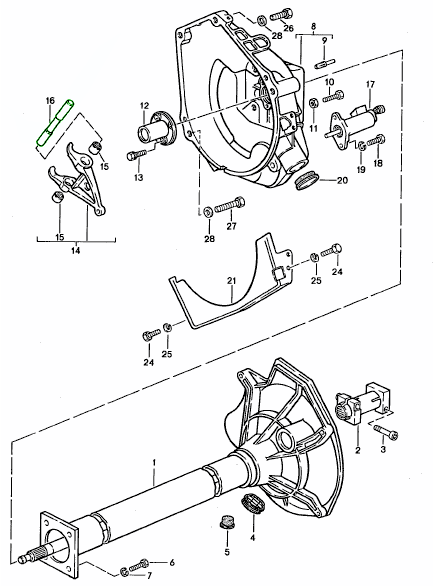
Click 'Zoom in' to see the diagram.
Diagram Ref No 16.
Related reference numbers
Related, superseded, cross reference or alternative numbers for comparison.
95111613300
The product you are viewing cross references to these numbers

- Porsche 924 Turbo 2.0L 1979-81
- Porsche 924 Turbo 2.0L 1982-84
- Porsche 924S 2.5L 1986-87
- Porsche 924S 2.5L 1988
- Porsche 944 2.5L 8V 1982-87
- Porsche 944 2.7L 8V 1988-89
- Porsche 944S 2.5L 16V 1987-88
- Porsche 944S2 3.0L 16V 1989-91
- Porsche 944 Turbo 2.5L 8V 1985-88
- Porsche 944 Turbo 2.5L 8V 1989-91
- Porsche 944 Turbo S 2.5L 8V 1988
- Porsche 968 3.0L 1992-94
- Porsche 968 Sport 3.0L 1994-95
- Porsche 968 CS 3.0L 1993-95
- Porsche 968 Turbo S 3.0L 1993-94
Fits:
Porsche 924 Turbo 1976-85
Porsche 924S 1986-88
Porsche 944 1982-91
Porsche 968 1992-95
Click 'Zoom in' to see the diagram.
Diagram Ref No 16.
Related reference numbers
Related, superseded, cross reference or alternative numbers for comparison.
95111613300
The product you are viewing cross references to these numbers

- Porsche 944 Turbo 2.5L 8V 1985-88
- Porsche 944 Turbo 2.5L 8V 1989-91
- Porsche 944 Turbo S 2.5L 8V 1988
Fits:
Porsche 944 Turbo (1985 - 1991)
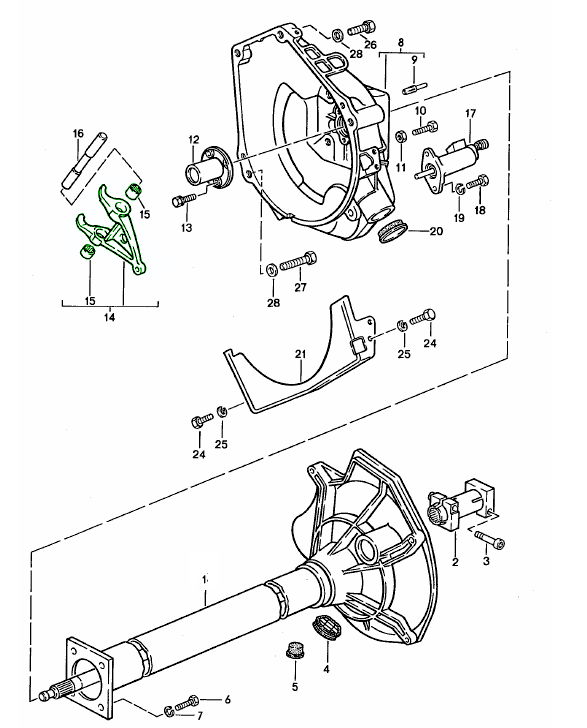
Click 'Zoom in' for large parts diagram.
Diagram ref no 14
Related reference numbers
Related, superseded, cross reference or alternative numbers for comparison.
95111608501
The product you are viewing cross references to these numbers

- Porsche 944 Turbo 2.5L 8V 1985-88
- Porsche 944 Turbo 2.5L 8V 1989-91
Clutch Release Lever
Restore smooth and precise clutch operation with this OE
Match Clutch Release Lever, specifically for Porsche 944 turbo (951) models produced between 1985
and 1991. As a critical component within the clutch actuation system, the
release lever transfers movement from the clutch release mechanism to the
release bearing, allowing the clutch to disengage correctly during gear
changes.
Fits:
- Porsche 944 Turbo 2.5L 8V 1985-88
- Porsche 944 Turbo 2.5L 8V 1989-91
Diagram ref no 14
Manufactured to OE specifications, this replacement clutch release lever delivers the correct geometry, strength and durability required for the high-performance drivetrain of the Porsche 944 Turbo. Whether you're carrying out a clutch replacement, gearbox rebuild or complete drivetrain restoration, replacing worn clutch mechanism components helps ensure smooth operation and long-term reliability.
What Does the Clutch Release Lever Do?
The clutch release lever, often referred to as a clutch fork or release arm, plays a vital role within the Porsche 944 Turbo clutch system.
When the clutch pedal is pressed, hydraulic pressure operates the clutch release mechanism. The release lever then transfers this force to the release bearing, which disengages the clutch pressure plate from the clutch disc, allowing smooth gear changes without transmitting engine power to the transmission.
The clutch release lever helps:
- Transfer force from the clutch actuation system.
- Operate the clutch release bearing.
- Enable smooth gear engagement and shifting.
- Ensure consistent clutch pedal feel.
- Support efficient clutch disengagement and engagement.
- Maintain proper clutch system geometry.
Without a properly functioning release lever, clutch operation can become inconsistent, difficult or completely ineffective.
Why Do Clutch Release Levers Fail?
Although manufactured from durable steel, clutch release levers are subjected to constant mechanical loads throughout their service life. Over time, wear and fatigue can develop.
Common causes of failure include:
- Wear at pivot and contact points.
- Fatigue from repeated clutch operation.
- Excessive load caused by heavy clutch assemblies.
- Distortion resulting from clutch system failure.
- Corrosion from age and environmental exposure.
- Poor lubrication of moving components.
- Wear caused by damaged release bearings or guide tubes.
As Porsche 944 turbo models continue to age, original clutch mechanism components may show significant wear even if the clutch itself has been replaced previously.
When Should the Clutch Release Lever Be Replaced?
The clutch release lever should be inspected whenever the
transmission is removed or clutch components are serviced. Replacement is
recommended if you notice:
- Excessive wear at pivot points.
- Grooving or damage where the release bearing contacts the lever.
- Cracks or distortion.
- Inconsistent clutch pedal feel.
- Difficulty engaging gears.
- Unusual clutch noises.
- During clutch replacement when wear is evident.
Because access requires significant labour, many Porsche specialists recommend replacing the release lever during clutch overhauls to avoid future transmission removal costs.
Related reference numbers
Related, superseded, cross reference or alternative numbers for comparison.
95111608501
The product you are viewing cross references to these numbers

- Porsche 924 Turbo 2.0L 1979-81
- Porsche 924 Turbo 2.0L 1982-84
- Porsche 924S 2.5L 1986-87
- Porsche 924S 2.5L 1988
- Porsche 944 2.5L 8V 1982-87
- Porsche 944 2.7L 8V 1988-89
- Porsche 944S 2.5L 16V 1987-88
- Porsche 944S2 3.0L 16V 1989-91
- Porsche 944 Turbo 2.5L 8V 1985-88
- Porsche 944 Turbo 2.5L 8V 1989-91
- Porsche 944 Turbo S 2.5L 8V 1988
- Porsche 968 3.0L 1992-94
- Porsche 968 Sport 3.0L 1994-95
- Porsche 968 CS 3.0L 1993-95
- Porsche 968 Turbo S 3.0L 1993-94
Fits in clutch release lever.
Fits:
Porsche 924 Turbo 1976-85
Porsche 924S 1986-88
Porsche 944 1982-91
Porsche 968 1992-95
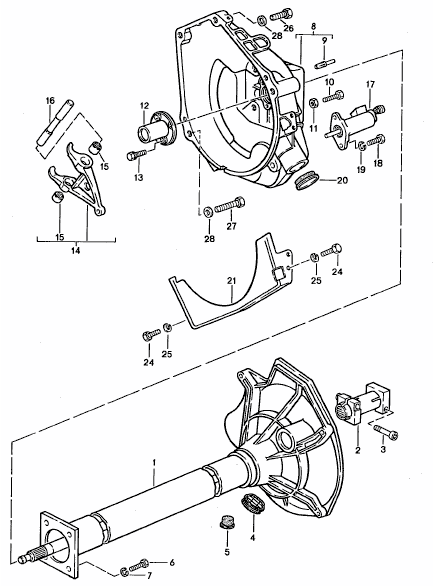
Click 'Zoom in' to see the diagram.
Diagram Ref No 15.
Related reference numbers
Related, superseded, cross reference or alternative numbers for comparison.
99920121300
The product you are viewing cross references to these numbers
- Porsche 924 Turbo 2.0L 1979-81
- Porsche 924 Turbo 2.0L 1982-84
- Porsche 924S 2.5L 1986-87
- Porsche 924S 2.5L 1988
- Porsche 944 2.5L 8V 1982-87
- Porsche 944 2.7L 8V 1988-89
- Porsche 944S 2.5L 16V 1987-88
- Porsche 944S2 3.0L 16V 1989-91
- Porsche 944 Turbo 2.5L 8V 1985-88
- Porsche 944 Turbo 2.5L 8V 1989-91
- Porsche 944 Turbo S 2.5L 8V 1988
- Porsche 968 3.0L 1992-94
- Porsche 968 Sport 3.0L 1994-95
- Porsche 968 CS 3.0L 1993-95
- Porsche 968 Turbo S 3.0L 1993-94
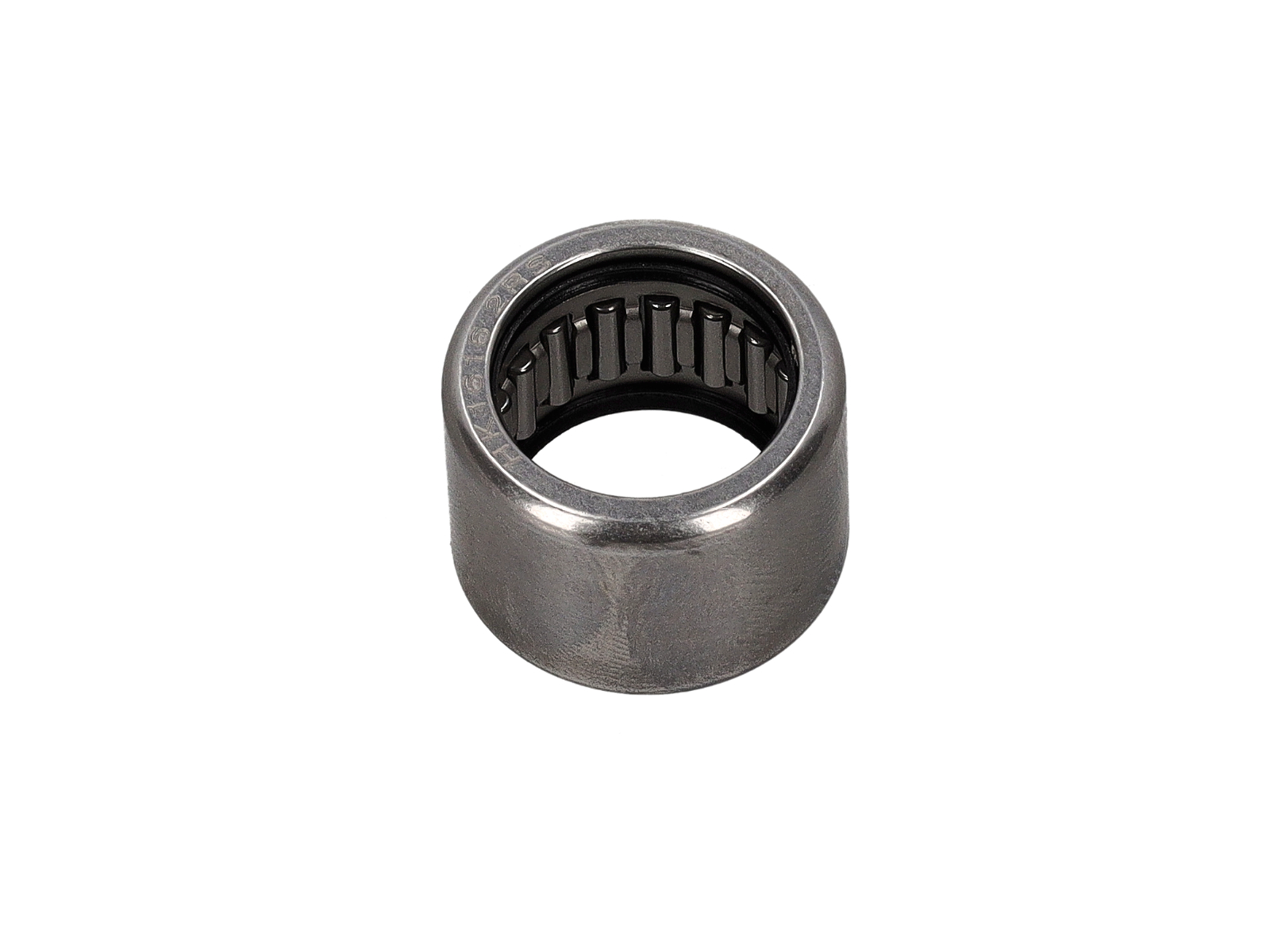
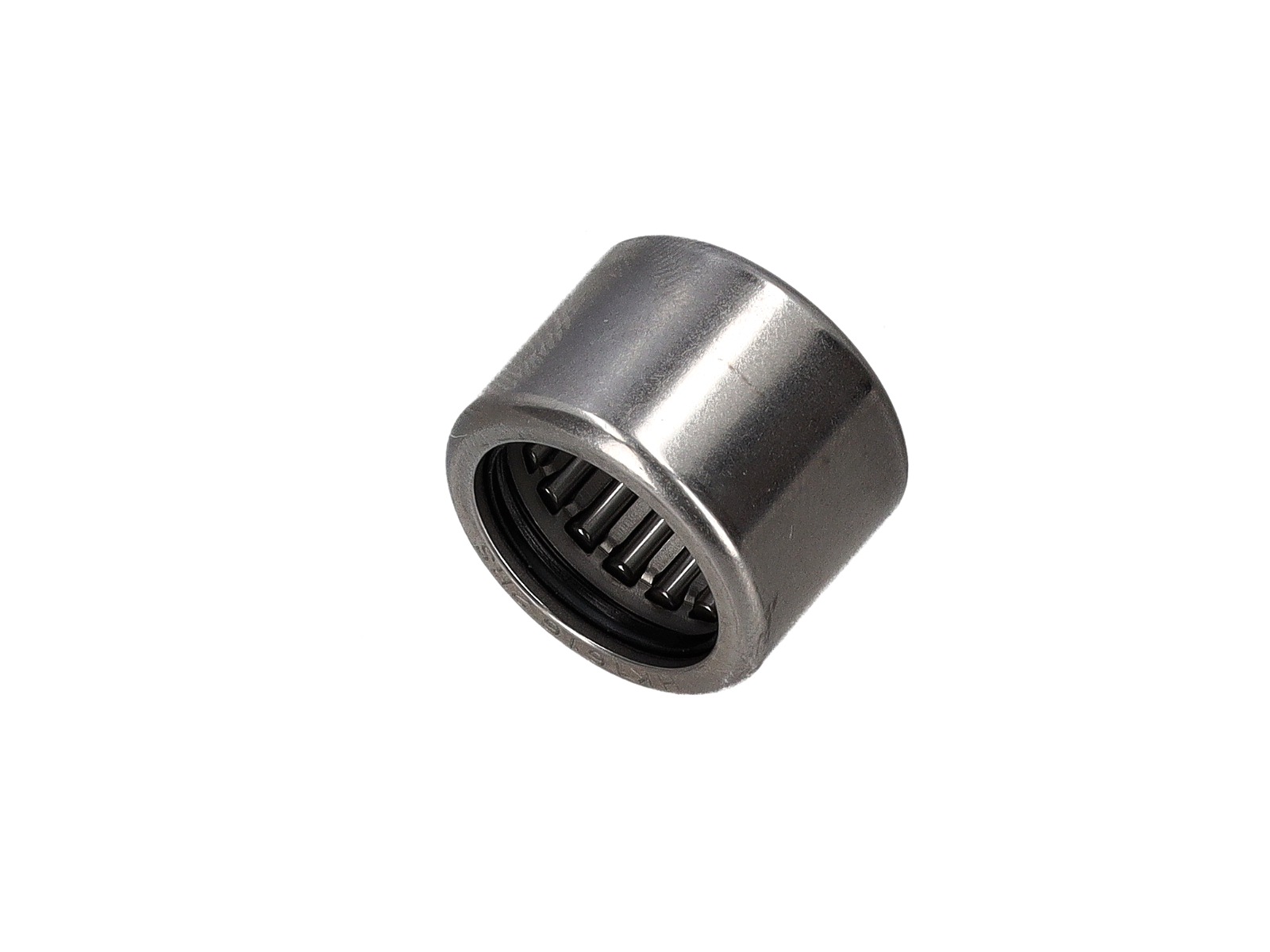
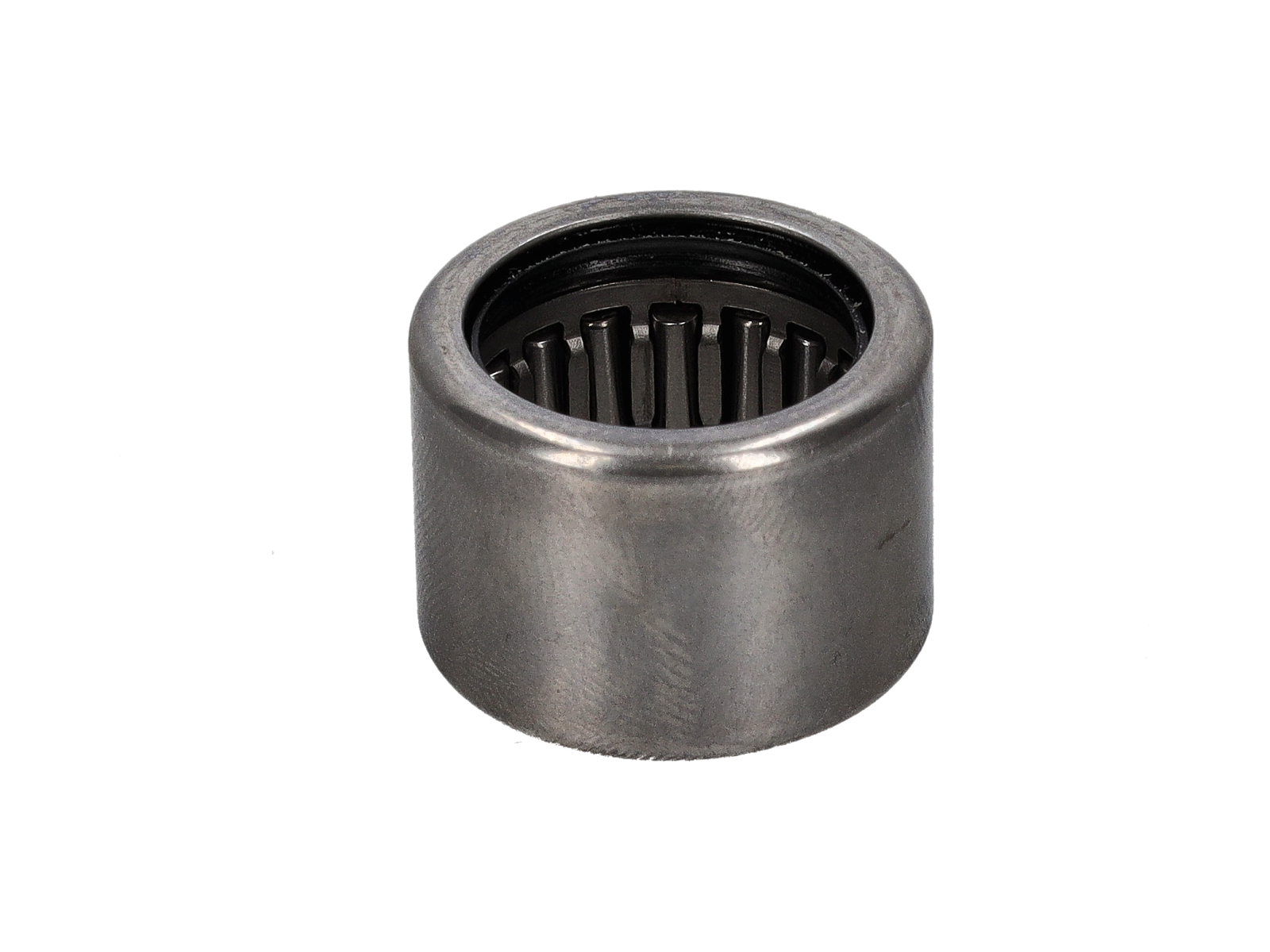
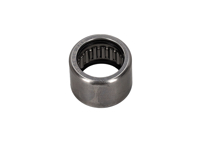
Built to OEM standards, it fits directly into the clutch release lever to provide friction-free, precise clutch engagement — restoring the feel and performance of your Porsche’s original setup.
Sold each.
Fits:
Porsche 924 Turbo 1976 - 1985
Porsche 924S 1986 - 1988
Porsche 944 1982 - 1991
Porsche 968 1992 - 1995
Diagram Ref No 15.
• Location: Inside the clutch release lever, mounted on the clutch release cross shaft.
• Function: Supports the lever’s rotational movement, providing smooth, friction-free clutch actuation.
• Position: Transmission housing area (bellhousing).
Over time, clutch pivot bearings experience wear due to constant motion, heat, and clutch actuation load. A worn or seized bearing can cause:
• Stiff or inconsistent clutch pedal feel
• Clutch disengagement issues or noise
• Accelerated wear of the release lever or shaft
Recommended replacement:
• During clutch or gearbox overhaul
• Whenever the release lever is removed or serviced
• If clutch pedal effort increases or lever play is excessive.
Replacing with an OE Match needle bearing restores factory-smooth clutch action and long-term reliability.
Related reference numbers
Related, superseded, cross reference or alternative numbers for comparison.
99920121300
The product you are viewing cross references to these numbers
Porsche Clutch Forks & Levers | Precision Control for Reliable Gear Engagement
Clutch forks and release levers are vital components within your Porsche’s clutch actuation system, ensuring smooth and consistent gear engagement. They transfer movement from the clutch pedal or hydraulic system to the release bearing, disengaging the clutch precisely when required.
At Design911, we supply high-quality Porsche clutch forks, pivot arms, and release levers designed to meet or exceed original engineering standards. Manufactured from durable forged steel or reinforced alloy, each component offers the strength, precision, and alignment necessary for responsive clutch operation under both road and performance conditions.
Whether you’re performing a clutch replacement or upgrading your drivetrain, our range of clutch forks and levers provides accurate fitment, reduced wear, and lasting reliability across all Porsche models.
What Do Clutch Forks & Levers Do?
A clutch fork (or release lever) acts as the link between your Porsche’s clutch pedal movement and the release bearing, allowing controlled engagement and disengagement of the clutch assembly.
Core Functions:
Transfers motion from clutch pedal or slave cylinder to the release bearing. Ensures even disengagement of the clutch disc for smooth gear changes. Maintains correct alignment between clutch components. Provides consistent pedal feel and engagement feedback.Without a properly functioning clutch fork or lever, gear changes become rough, the clutch may fail to disengage fully, and long-term drivetrain wear can occur.
Why Do Clutch Forks & Levers Fail or Wear Out?
Clutch forks and levers are exposed to constant mechanical stress, heat, and friction, making them prone to fatigue and wear over time.
Common Causes of Failure Include:
- Metal fatigue or bending under repeated load.
- Worn or cracked pivot points and contact surfaces.
- Corrosion or rust caused by moisture and heat cycles.
- Misalignment leading to uneven clutch engagement.
- Excessive pressure from a worn or stiff clutch cable or hydraulic system.
Once weakened, these parts can cause clutch judder, misalignment, or even total disengagement failure — leading to gear-shifting issues or clutch system damage.
Why Replace or Upgrade Your Porsche Clutch Forks & Levers?
Replacing worn or damaged clutch forks and levers restores accurate clutch operation and pedal feel. Upgrading to precision-engineered or performance-grade components enhances durability and responsiveness, particularly for high-performance or track applications.
Key Benefits:
- Restores precise clutch engagement and smooth gear shifts.
- Prevents clutch slippage, drag, or premature wear.
- Reduces pedal vibration and effort. Improves clutch release accuracy under load.
- Manufactured to match Porsche specifications for strength and alignment.
- Ideal for both maintenance and performance upgrades.
It’s recommended to replace the clutch fork and lever whenever the clutch assembly is serviced to ensure optimal performance and system longevity.
Highlights
- Precision-engineered clutch forks and levers for Porsche applications.
- Crafted from durable forged or reinforced materials.
- Ensures smooth clutch operation and gear engagement.
- Resistant to bending, wear, and heat distortion.
- Direct-fit replacements for Porsche manual transmission systems.
- Suitable for restoration, daily driving, or motorsport use.
-
 Clutch Kits
-
Clutch Kits - High Performance
-
Clutch Friction Plate
-
Clutch Pressure Plate
-
Clutch Release Bearings
-
Clutch Cables & Parts
-
Clutch Guide Tube
-
Clutch Bolts
-
Gearbox Parts
-
Driveshafts & Parts
-
Gasket Sets / Gaskets / Seals / Lock Nuts
-
Gearbox Mounts
-
Gearshift Control Parts
-
Flywheel / Torque
-
CV Joints Kits
-
CV Boots and Kits
-
Cardan Shaft / Prop Shaft
-
Transmission Parts
-
Gearbox / Differential Oil
-
Gearbox Sump / Oil Pan
-
Rear Differential
-
Transmission Cooling
-
Motor Sport Parts
-
Fluid Hoses & Pipes