



Enter your VAT number here and click Verify:
Your details have been verified. VAT number registered to:
,
.
Your order will now be zero rated for VAT purposes. We reserve the right to verify these details after your order request has been made and reinstate VAT if required.
Your VAT details were not recognised or were invalid. Your VAT number must be matched to your Billing Country as specified above. This is currently specified as . You do not need to enter the country code part of your VAT number as this has already been selected in your billing address details above.
The VAT number checking service is currently offline. Please supply your VAT details within the comments or special instructions field below and we will apply a VAT discount after placing your order request.

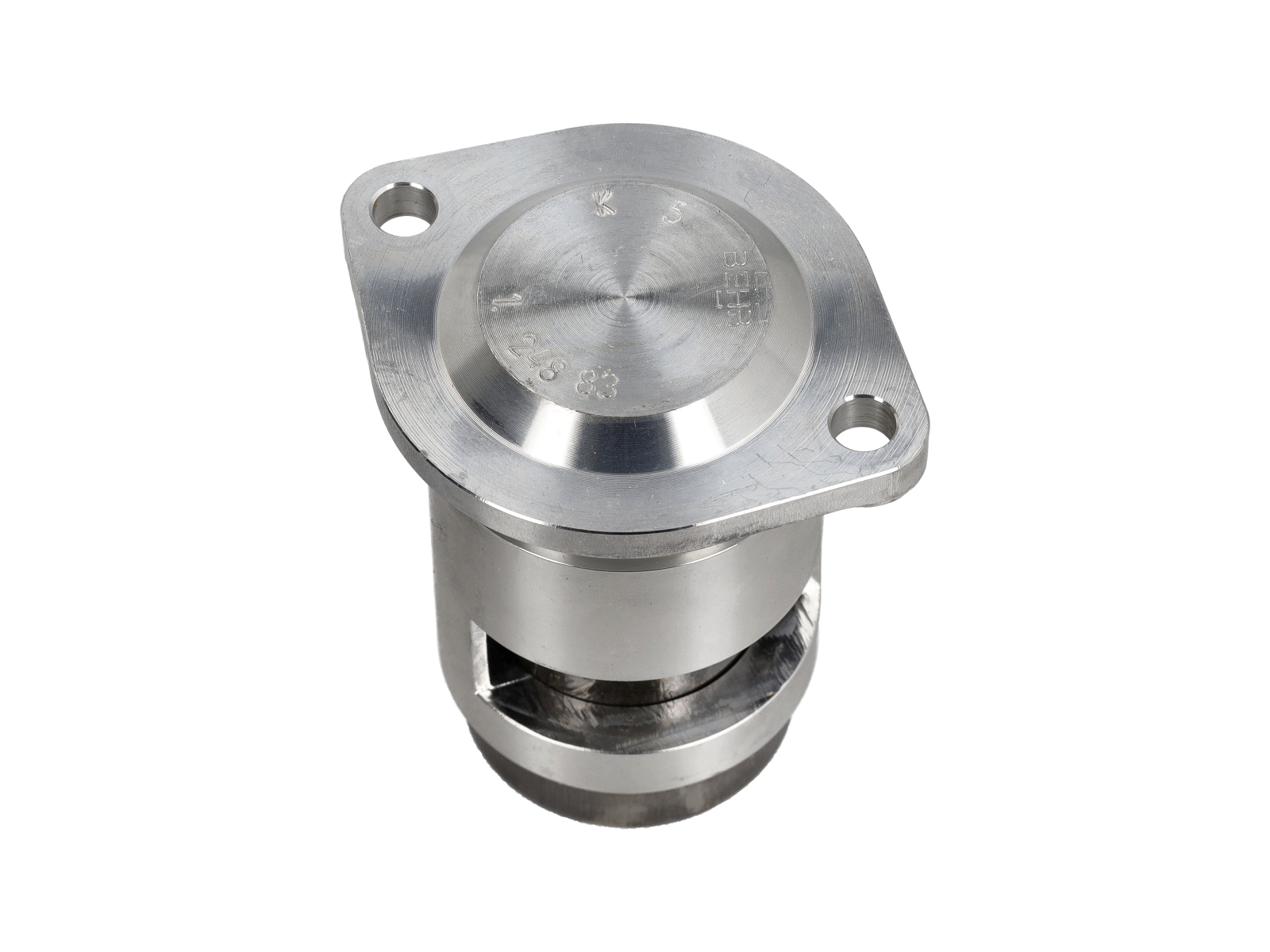
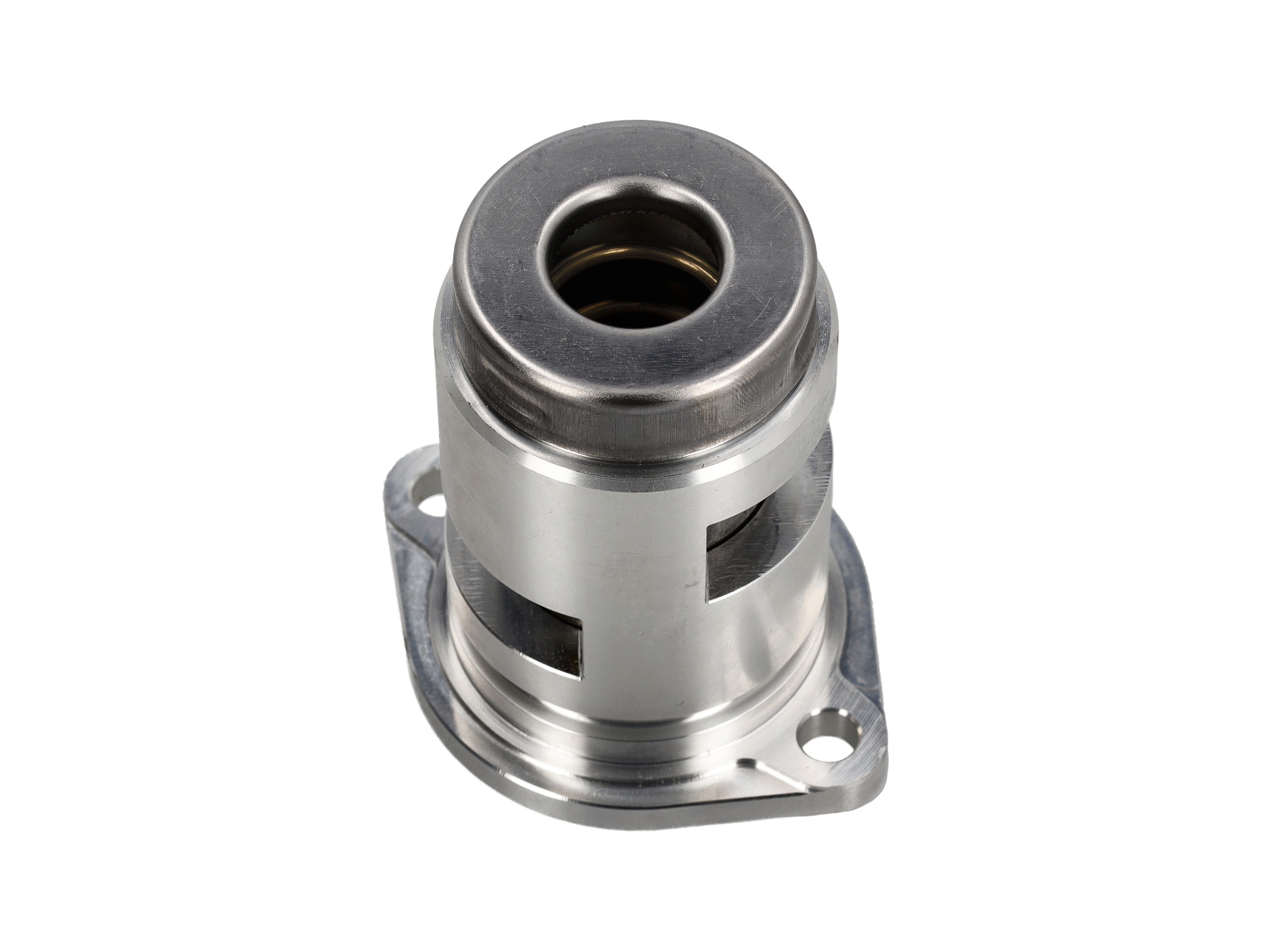
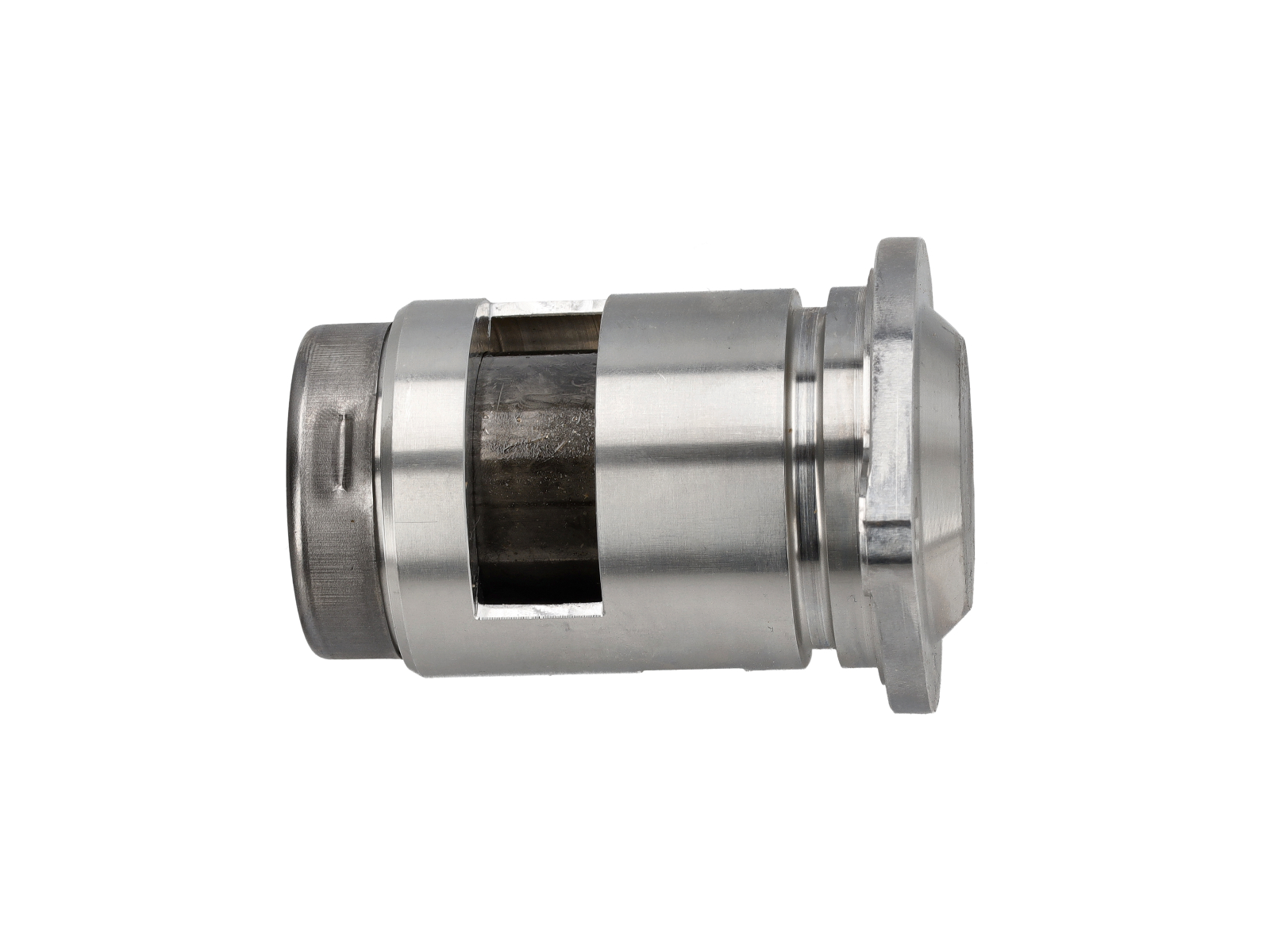
Thermostat / Temperature Sensor


- Porsche 911 1974-1977 2.7L / 1976-77 3.0 Carrera
- Porsche 914 (1970-1976)
Fits:
Porsche 911 1974-77
Porsche 914 1970-76
Related reference numbers
Related, superseded, cross reference or alternative numbers for comparison.
021119751
The product you are viewing cross references to these numbers


- Porsche 911 1974-1977 2.7L / 1976-77 3.0 Carrera
- Porsche 914 (1970-1976)
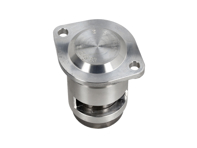
The OE MATCH Thermostat Control Cable is a replacement cable designed for the engine cooling thermostat system on applicable classic air-cooled Porsche applications. Measuring 469mm in length, it provides the mechanical connection required for the thermostat-controlled cooling arrangement to operate correctly.
Fits:
- Porsche 911 1974-1977 2.7L / 1976-77 3.0 Carrera
- Porsche 914 (1970-1976)
What This Product Does:
The thermostat control cable forms part of the engine cooling-air regulation system. It transfers movement from the thermostat to the cooling-air control mechanism as engine temperature changes.
When the engine is cold, the thermostat system regulates cooling airflow to help the engine reach its normal operating temperature efficiently. As the engine warms, the thermostat responds to increasing temperature and the cable allows the cooling-air control mechanism to move accordingly.
This helps ensure that the engine receives the appropriate cooling airflow for its operating temperature, rather than maximum cooling being applied regardless of conditions.
A correctly functioning cable therefore contributes to:
- Proper operation of the thermostat system
- Controlled engine warm-up
- Correct cooling-air regulation
- Stable engine operating temperatures
- Reliable operation of the associated cooling flaps and linkage
Symptoms Of Wear Or Failure:
The cable is exposed to repeated movement, engine heat and age-related deterioration. Over time it can stretch, fray, seize or break.
Common symptoms include:
- Broken or snapped thermostat cable
- Cable becoming frayed or visibly damaged
- Cable sticking or failing to move freely
- Excessive slack in the cable
- Thermostat mechanism failing to operate the cooling controls
- Cooling flaps remaining in one position
- Engine taking unusually long to reach operating temperature
- Abnormal or inconsistent engine operating temperatures
- Thermostat movement not being transferred to the cooling-air mechanism
- Cable corrosion or deterioration around its attachment points
During engine servicing or restoration, a cable that feels stiff, damaged or excessively stretched should be inspected carefully and replaced where necessary.
Why Replacement Matters:
- The thermostat system is designed to regulate cooling according to engine temperature. If the control cable fails, the cooling-air mechanism may no longer respond correctly to thermostat movement.
- If the cooling controls remain in a position that provides insufficient airflow once the engine is hot, engine temperatures can rise beyond their intended range. Excessive heat is particularly undesirable in an air-cooled engine and can place unnecessary thermal stress on engine components and lubricating oil.
- If the system remains permanently in a maximum-cooling position, the engine may take longer to reach its intended operating temperature, particularly in colder conditions.
- Replacing a damaged or unreliable cable restores the mechanical connection between the thermostat and cooling controls, helping the system operate as originally designed.
Related reference numbers
Related, superseded, cross reference or alternative numbers for comparison.
021119751
The product you are viewing cross references to these numbers

- Porsche 911 1968-1973 2.2L / 2.4L / 2.7L RS LWB (F)
- Porsche 911 1974-1977 2.7L / 1976-77 3.0 Carrera
- Porsche 911 1978-1983 3.0L / SC
- Porsche 911 1975-1977 3.0L Turbo (930)
- Porsche 914 (1970-1976)
Fits:
Porsche 911 / 912 1969-76
Porsche 911 SC SPM 1978-83
Porsche 911 Turbo 3.0L 1975-77
Porsche 914
Diagram ref no 28
Related reference numbers
Related, superseded, cross reference or alternative numbers for comparison.
90164163200
The product you are viewing cross references to these numbers

- Porsche 911 1968-1973 2.2L / 2.4L / 2.7L RS LWB (F)
- Porsche 911 1974-1977 2.7L / 1976-77 3.0 Carrera
- Porsche 911 1978-1983 3.0L / SC
- Porsche 911 1984-1986 3.2L
- Porsche 911 1987-1989 3.2L G50
- Porsche 911 1975-1977 3.0L Turbo (930)
- Porsche 911 1978-1989 3.3L Turbo (930)
- Porsche 914 (1970-1976)
Fits:
Porsche 911 1970-89
Porsche 911 (930) Turbo 1975-89
Porsche 914 1970-76
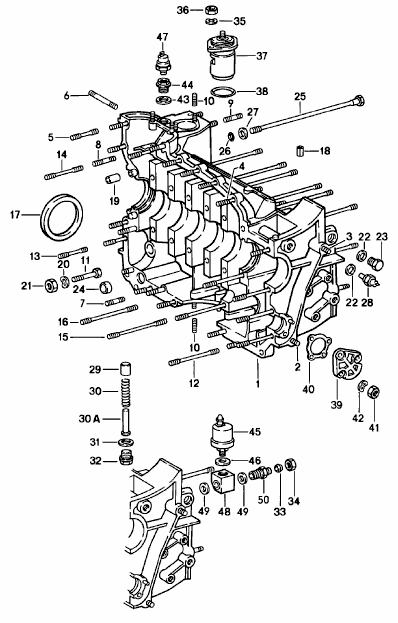
Click 'Zoom in' for large parts diagram.
Diagram ref no 37
Related reference numbers
Related, superseded, cross reference or alternative numbers for comparison.
93010776500
The product you are viewing cross references to these numbers

- Porsche 911 1968-1973 2.2L / 2.4L / 2.7L RS LWB (F)
- Porsche 911 1974-1977 2.7L / 1976-77 3.0 Carrera
- Porsche 911 1978-1983 3.0L / SC
- Porsche 911 1984-1986 3.2L
- Porsche 911 1987-1989 3.2L G50
- Porsche 911 1975-1977 3.0L Turbo (930)
- Porsche 911 1978-1989 3.3L Turbo (930)
- Porsche 914 (1970-1976)
Fits:
Porsche 911 1970-89
Porsche 911 (930) Turbo 1975-89
Porsche 914 1970-76
Click 'Zoom in' for large parts diagram.
Diagram ref no 37
Related reference numbers
Related, superseded, cross reference or alternative numbers for comparison.
93010776500
The product you are viewing cross references to these numbers


Engine Thermostats & Temperature Sensors – Precision Cooling Control for Porsche Performance
Engine thermostats and temperature sensors are essential components in your Porsche’s cooling system. Together, they regulate and monitor engine temperature to ensure optimal performance, efficiency, and reliability. The thermostat controls coolant flow through the radiator, while the temperature sensor communicates vital data to the vehicle’s ECU - helping to maintain the perfect balance between power and protection.
At Design911, we supply a wide range of genuine and high-quality thermostats and temperature sensors for Porsche models including transaxle cars, 911, Boxster, Cayman, Cayenne, Macan, and Panamera. Each part is engineered to precise standards for seamless integration, fast response, and long-lasting accuracy - ensuring your Porsche performs at its peak in all conditions.
What Do Engine Thermostats & Temperature Sensors Do?
These components work hand-in-hand to manage and monitor
your Porsche’s engine temperature:
- Thermostat:
Opens and closes to regulate coolant flow between the engine and radiator.
- Temperature
Sensor: Measures coolant or cylinder head temperature and sends data
to the ECU to control fans, fuel mixture, and performance parameters.
- Together: They maintain optimal operating temperatures, prevent overheating, and ensure efficient combustion and emissions control.
Without a properly functioning thermostat or temperature sensor, your engine can overheat, run inefficiently, or suffer from poor fuel economy.
Why Do Thermostats & Temperature Sensors Fail?
These components operate under constant thermal stress and
can degrade over time. Common causes of failure include:
- Thermostat
sticking open or closed due to corrosion or wear.
- Sensor
degradation from prolonged exposure to coolant and heat.
- Electrical
faults or corrosion in wiring and connectors.
- Contamination
from old or incorrect coolant types.
- Age-related fatigue causing inaccurate readings or slow response.
Symptoms of failure include fluctuating engine temperatures, warning lights, poor heating performance, or inconsistent fuel economy.
Why Replace Faulty Thermostats & Temperature Sensors?
A malfunctioning thermostat or temperature sensor can severely impact cooling efficiency and engine safety. Replacing worn or faulty parts restores accurate temperature control and helps prevent costly engine damage.
Benefits of replacement include:
- Stable engine operating temperature.
- Improved performance and fuel efficiency.
- Prevention of overheating or over-cooling.
- Manufacturer-quality construction for accuracy and durability.
All thermostats and sensors in this range are built to meet or exceed exacting standards, offering precise calibration, corrosion-resistant materials, and reliable long-term operation.