





Enter your VAT number here and click Verify:
Your details have been verified. VAT number registered to:
,
.
Your order will now be zero rated for VAT purposes. We reserve the right to verify these details after your order request has been made and reinstate VAT if required.
Your VAT details were not recognised or were invalid. Your VAT number must be matched to your Billing Country as specified above. This is currently specified as . You do not need to enter the country code part of your VAT number as this has already been selected in your billing address details above.
The VAT number checking service is currently offline. Please supply your VAT details within the comments or special instructions field below and we will apply a VAT discount after placing your order request.


- Porsche 911 1965-1968 2.0L / 912 SWB (F)
- Porsche 911 1968-1973 2.2L / 2.4L / 2.7L RS LWB (F)
- Porsche 911 1974-1977 2.7L / 1976-77 3.0 Carrera
- Porsche 911 1978-1983 3.0L / SC
- Porsche 911 1984-1986 3.2L
- Porsche 911 1987-1989 3.2L G50
- Porsche 911 1975-1977 3.0L Turbo (930)
- Porsche 911 1978-1989 3.3L Turbo (930)
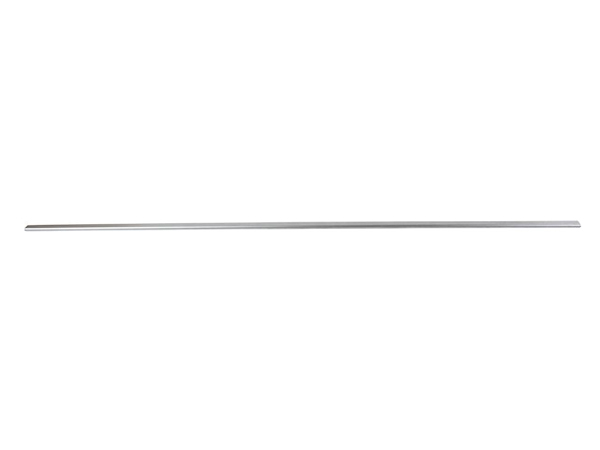
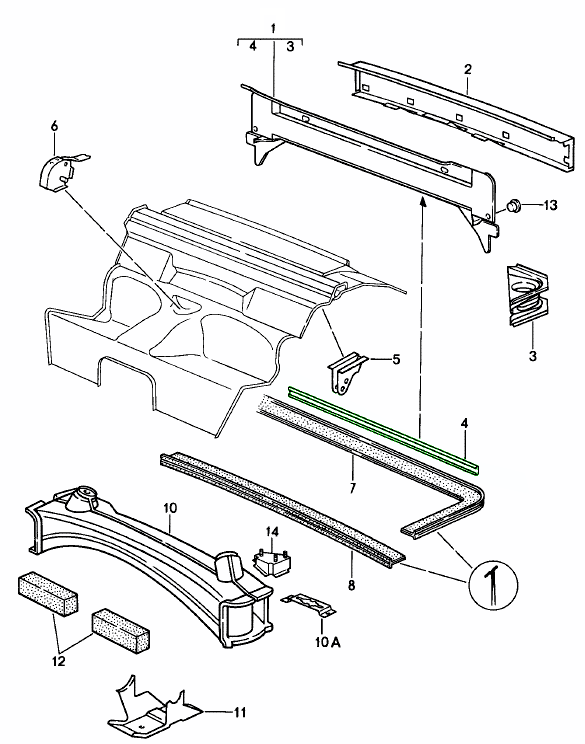
Length: 1 METER.
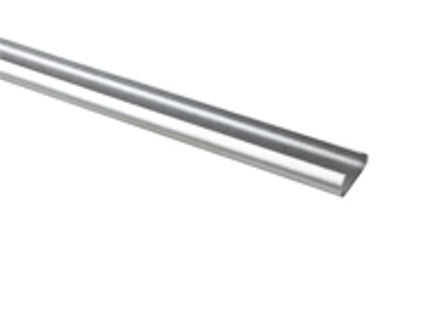
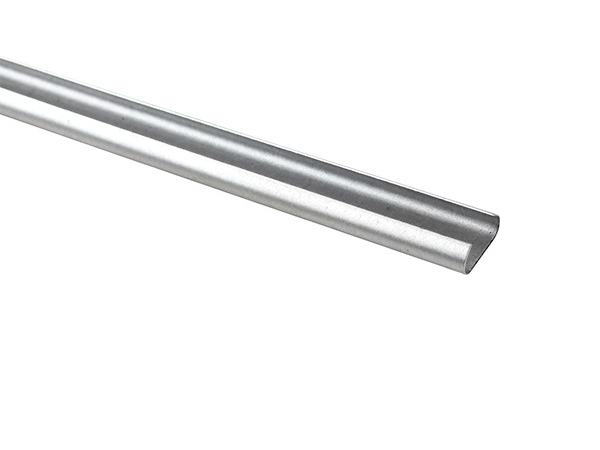
The OE MATCH Rear Profile Rail for Engine Bay Seal is a replacement retaining rail designed to secure the engine bay sealing profile in its correct position. Located at the rear of the engine compartment, this rail forms part of the engine bay sealing system and provides the correct mounting channel and support for the rubber seal.
Fits:
- Porsche 911 2.0-3.3 01/63-07/89
Diagram Ref No 4
On older classic Porsche models, the original rail can become corroded, bent, damaged or weakened, particularly after decades of exposure to moisture, engine heat and previous repair work. This OE MATCH replacement is ideal for restoration work or when renewing the surrounding engine bay seals and bodywork.
What This Product Does:
- The profile rail acts as a retaining and locating channel for the engine bay rubber seal. It holds the seal securely against the bodywork so that it can maintain the intended separation between the engine compartment and surrounding body panels.
- A correctly fitted rail helps the rubber sealing profile sit at the proper height, position and orientation, preventing sections of the seal from becoming loose, displaced or incorrectly seated.
- Although simple in design, the rail is an important supporting component of the engine bay sealing arrangement. A new rubber seal cannot perform as intended if the rail securing it is badly corroded, distorted or missing.
Symptoms Of Wear Or Failure:
Because the profile rail is a structural retaining component rather than a conventional moving part, deterioration is usually visible during inspection or when removing the engine bay seal.
Common signs that replacement may be required include:
- Rust or corrosion along the profile rail
- Perforation or severe metal deterioration
- Rail becoming bent, crushed or distorted
- Engine bay seal repeatedly coming loose
- Rubber seal no longer sitting evenly in its channel
- Sections of the retaining rail becoming detached
- Damage caused during previous bodywork or restoration
- Missing sections of the original rail
- Difficulty installing or retaining a replacement engine bay seal
- Poor or inconsistent sealing around the rear engine compartment
Corrosion can be particularly problematic because deterioration may be hidden beneath or behind the rubber sealing profile until the seal is removed.
Why Replacement Matters:
- A damaged profile rail can prevent the engine bay seal from being securely and correctly installed. Even a new seal may lift, move or sit incorrectly when fitted into a deteriorated retaining channel.
- Replacing the rail provides a sound mounting surface for the engine bay seal and helps restore the original sealing arrangement of the engine compartment. Correct sealing is important for managing the airflow and separation intended by the vehicle's original engine bay design, as well as helping limit the transfer of dirt, debris and moisture through unwanted gaps.
- Addressing corrosion at the rail also matters during restoration. Leaving a badly rusted retaining section in place can compromise otherwise good bodywork and make future seal replacement more difficult.
Related reference numbers
Related, superseded, cross reference or alternative numbers for comparison.
90150179720
The product you are viewing cross references to these numbers

- Porsche 914 (1970-1976)
Fits:
Porsche 914 1.7-2.0L 01/1969-02/1976
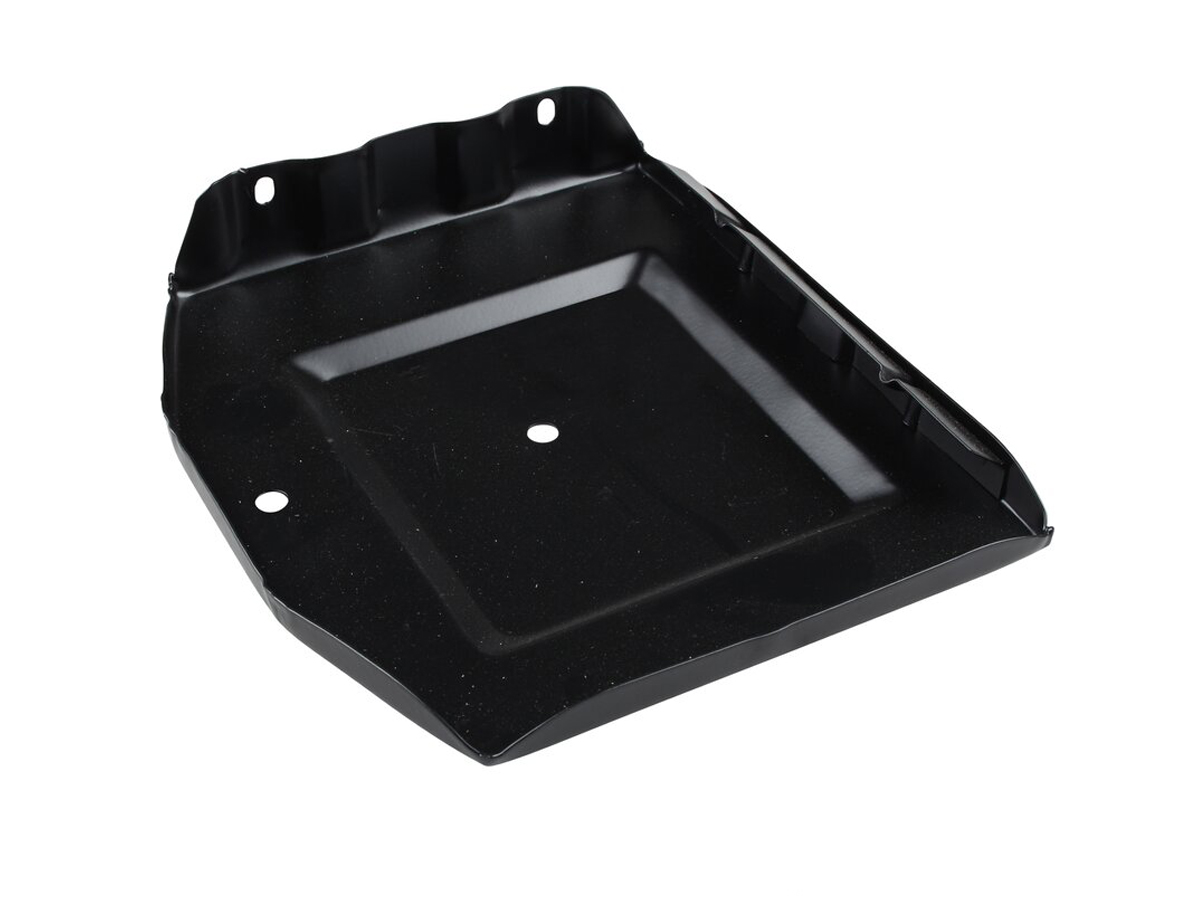
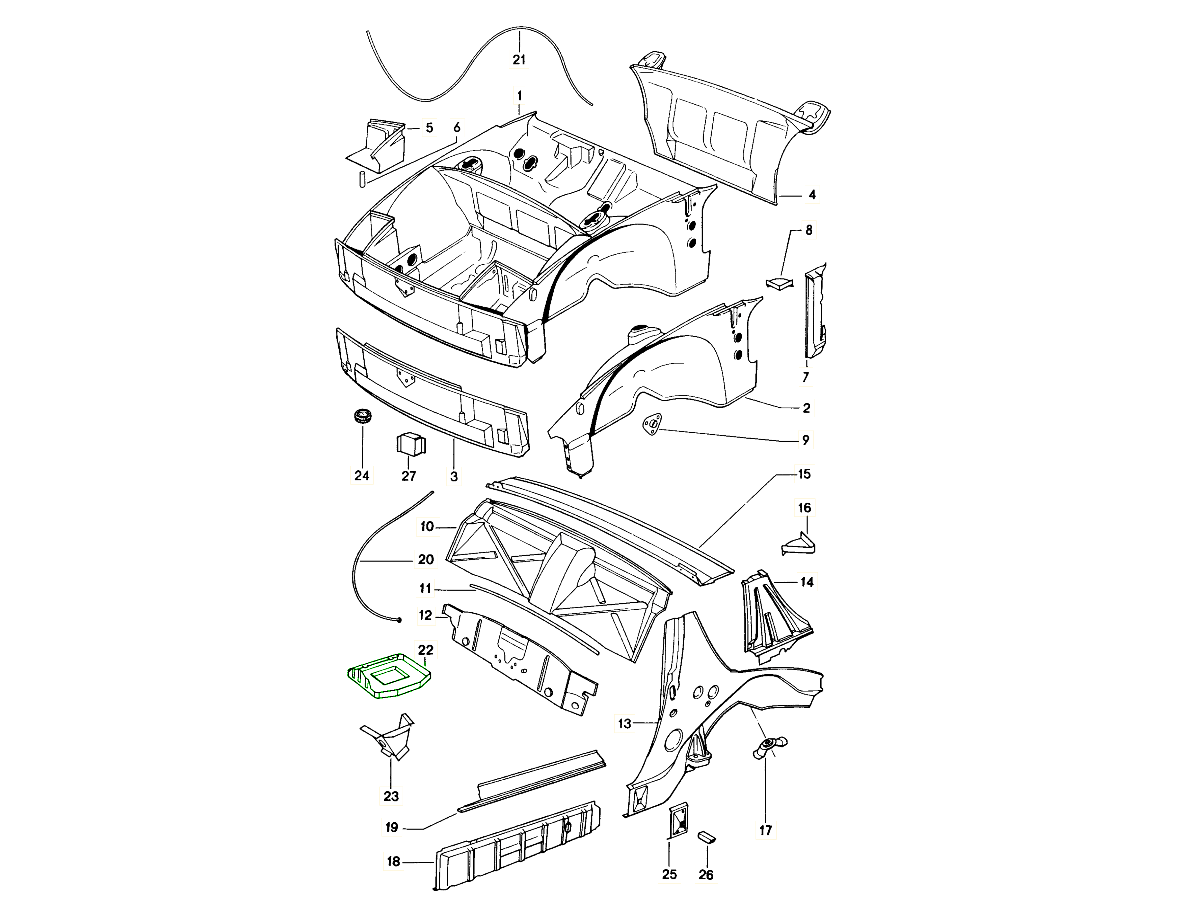
Click 'Zoom in' for large parts diagram.
Diagram ref no 22.
Related reference numbers
Related, superseded, cross reference or alternative numbers for comparison.
91450158710
The product you are viewing cross references to these numbers


- Porsche 914 (1970-1976)
Fits:
Porsche 914 1.7-2.0L 01/1969-02/1976
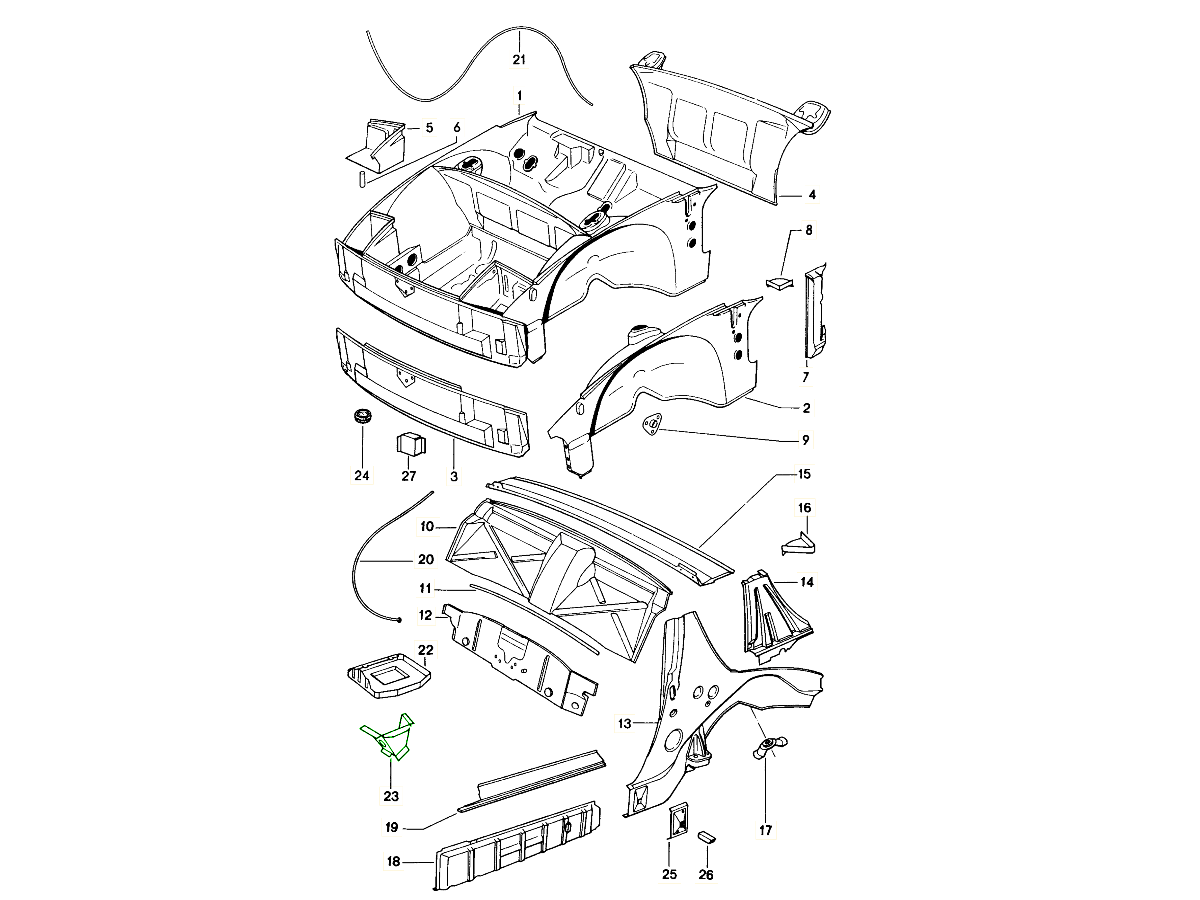
Click 'Zoom in' for large parts diagram.
Diagram ref no 23.
Related reference numbers
Related, superseded, cross reference or alternative numbers for comparison.
91450107310GRV
The product you are viewing cross references to these numbers
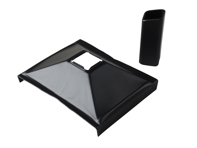

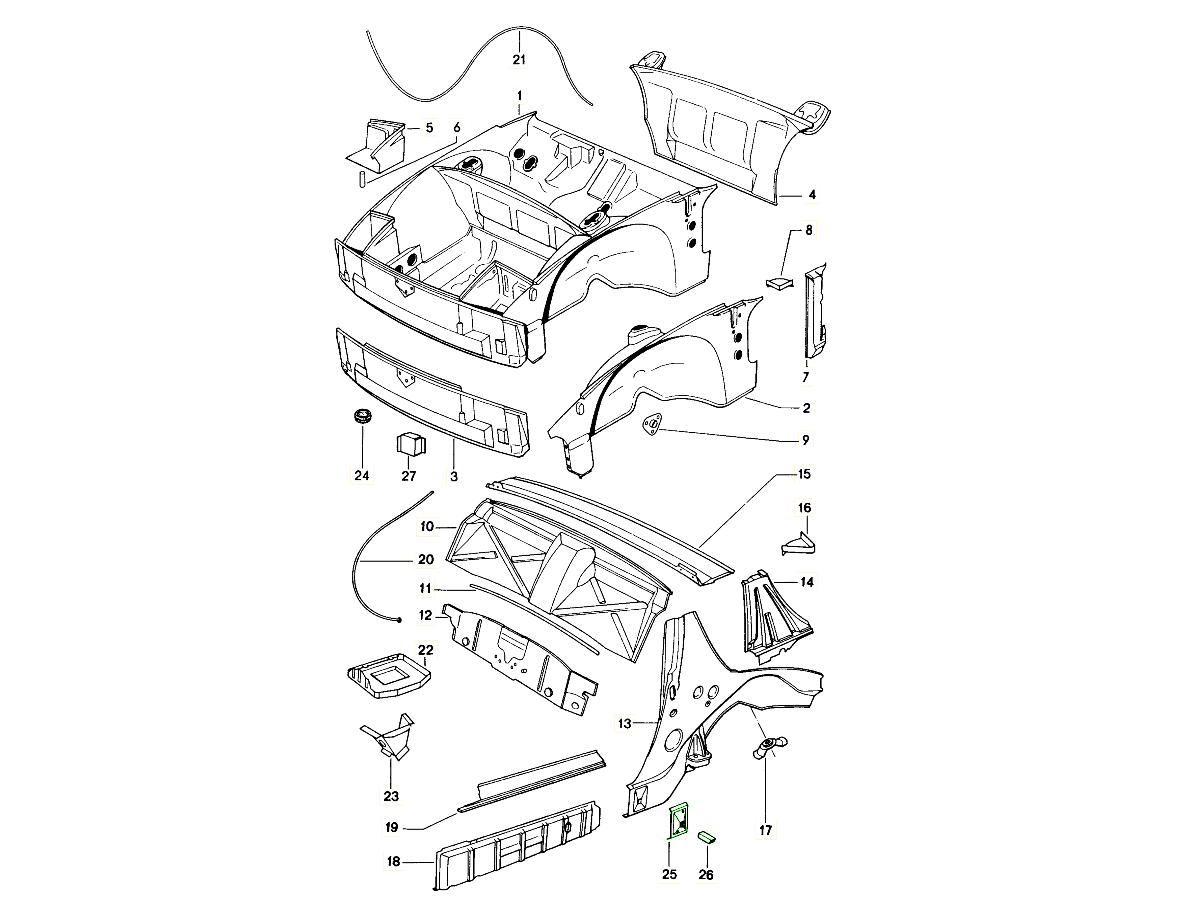
- Porsche 914 (1970-1976)
Fits:
Porsche 914 1.7-2.0L 01/1969-02/1976
Click 'Zoom in' for large parts diagram.
Diagram ref no 25.
Related reference numbers
Related, superseded, cross reference or alternative numbers for comparison.
91450115110GRV
The product you are viewing cross references to these numbers