




Enter your VAT number here and click Verify:
Your details have been verified. VAT number registered to:
,
.
Your order will now be zero rated for VAT purposes. We reserve the right to verify these details after your order request has been made and reinstate VAT if required.
Your VAT details were not recognised or were invalid. Your VAT number must be matched to your Billing Country as specified above. This is currently specified as . You do not need to enter the country code part of your VAT number as this has already been selected in your billing address details above.
The VAT number checking service is currently offline. Please supply your VAT details within the comments or special instructions field below and we will apply a VAT discount after placing your order request.

Hoses / Pipes / Sleeves

- Porsche 958 Cayenne S V6 3.0L Hybrid (380Hp) 2010-17
- Porsche 970.1 Panamera S Hybrid V6 3.0L 2011-13
- Porsche 970.2 Panamera S E-Hybrid V6 3.0L (416Hp) 2014-16
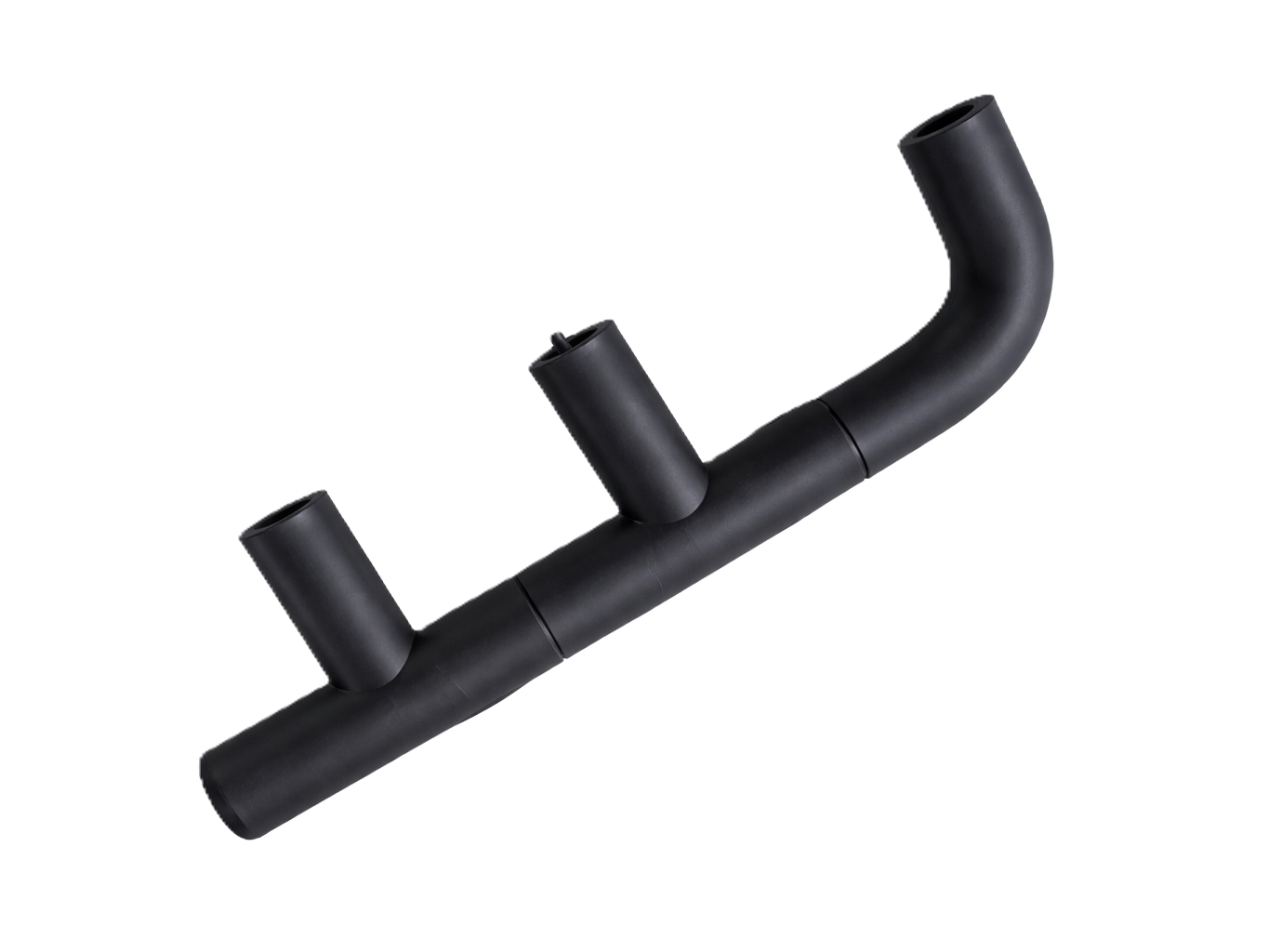
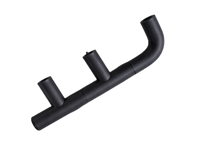
Ensure proper operation of the secondary air injection system with the Air Injection Vacuum Line. This OEM-quality vacuum line is designed to deliver vacuum pressure to air injection components, supporting accurate system control and emissions performance.
Fits:
- Porsche 958 Cayenne S V6 3.0L Hybrid (380Hp) 2010-17
- Porsche 970.1 Panamera S Hybrid V6 3.0L 2011-13
- Porsche 970.2 Panamera S E-Hybrid V6 3.0L (416Hp) 2014-16
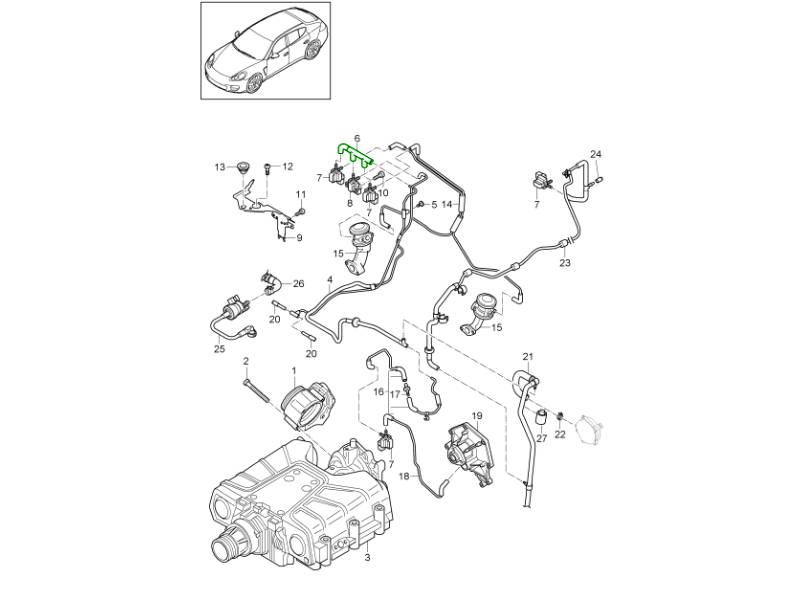
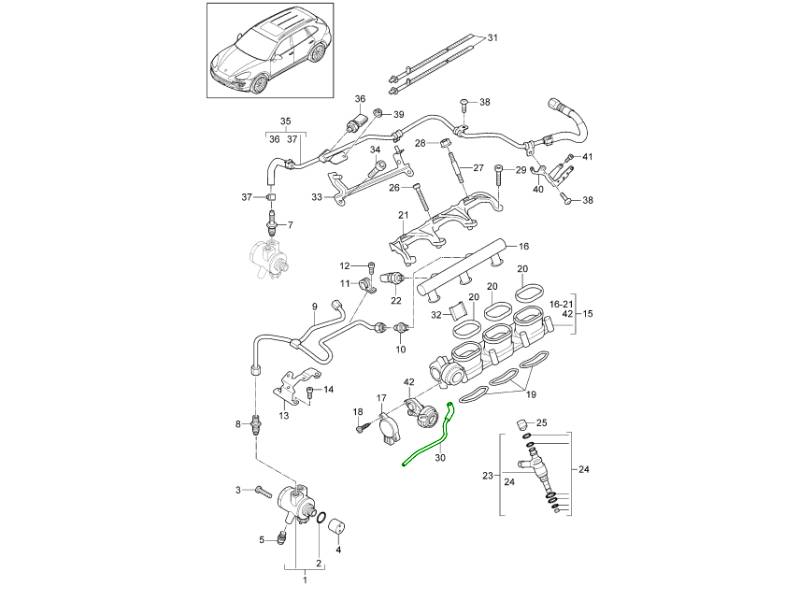
Diagram Ref No 6
What This Product Does:
- Transfers vacuum to control the air injection valve or related components
- Supports proper operation of the secondary air injection system
- Helps reduce exhaust emissions during cold starts
- Assists in improving engine efficiency and emissions compliance
- Ensures accurate system response through proper vacuum delivery
Symptoms Of Wear Or Failure:
- Check engine light (emissions or secondary air injection fault codes)
- Rough idle or unstable engine RPM
- Hissing or whistling sound from the engine bay (vacuum leak)
- Reduced engine performance
- Poor fuel economy
- Failed emissions test
- Secondary air injection system not activating properly
- Cracked, brittle, or collapsed hose material
- Loose or disconnected vacuum line
Why Replacement Matters:
- Replacing a worn air injection vacuum line is important because it ensures proper vacuum delivery to the secondary air injection system. Over time, heat and engine bay exposure can cause the line to crack, harden, or leak.
- If a vacuum leak develops, the air injection system may not function correctly, leading to check engine lights, reduced emissions performance, rough idle, and potential failure of emissions testing.
- Installing a new vacuum line restores proper system control, prevents vacuum leaks, maintains engine efficiency, and ensures the vehicle meets emissions standards.
Related reference numbers
Related, superseded, cross reference or alternative numbers for comparison.
95811077310
The product you are viewing cross references to these numbers

- Porsche 958 Cayenne S V6 3.0L Hybrid (380Hp) 2010-17
- Porsche 970.1 Panamera S Hybrid V6 3.0L 2011-13
- Porsche 970.2 Panamera S E-Hybrid V6 3.0L (416Hp) 2014-16
Ensure proper operation of the secondary air injection system with the Air Injection Vacuum Line. This OE MATCH vacuum line is designed to deliver vacuum pressure to air injection components, supporting accurate system control and emissions performance.
Fits:
- Porsche 958 Cayenne S V6 3.0L Hybrid (380Hp) 2010-17
- Porsche 970.1 Panamera S Hybrid V6 3.0L 2011-13
- Porsche 970.2 Panamera S E-Hybrid V6 3.0L (416Hp) 2014-16
Diagram Ref No 6
What This Product Does:
- Transfers vacuum to control the air injection valve or related components
- Supports proper operation of the secondary air injection system
- Helps reduce exhaust emissions during cold starts
- Assists in improving engine efficiency and emissions compliance
- Ensures accurate system response through proper vacuum delivery
Symptoms Of Wear Or Failure:
- Check engine light (emissions or secondary air injection fault codes)
- Rough idle or unstable engine RPM
- Hissing or whistling sound from the engine bay (vacuum leak)
- Reduced engine performance
- Poor fuel economy
- Failed emissions test
- Secondary air injection system not activating properly
- Cracked, brittle, or collapsed hose material
- Loose or disconnected vacuum line
Why Replacement Matters:
- Replacing a worn air injection vacuum line is important because it ensures proper vacuum delivery to the secondary air injection system. Over time, heat and engine bay exposure can cause the line to crack, harden, or leak.
- If a vacuum leak develops, the air injection system may not function correctly, leading to check engine lights, reduced emissions performance, rough idle, and potential failure of emissions testing.
- Installing a new vacuum line restores proper system control, prevents vacuum leaks, maintains engine efficiency, and ensures the vehicle meets emissions standards.
Related reference numbers
Related, superseded, cross reference or alternative numbers for comparison.
95811077310
The product you are viewing cross references to these numbers
- Porsche 958 Cayenne S V6 3.0L Hybrid (380Hp) 2010-17
- Porsche 970.1 Panamera S Hybrid V6 3.0L 2011-13
- Porsche 970.2 Panamera S E-Hybrid V6 3.0L (416Hp) 2014-16
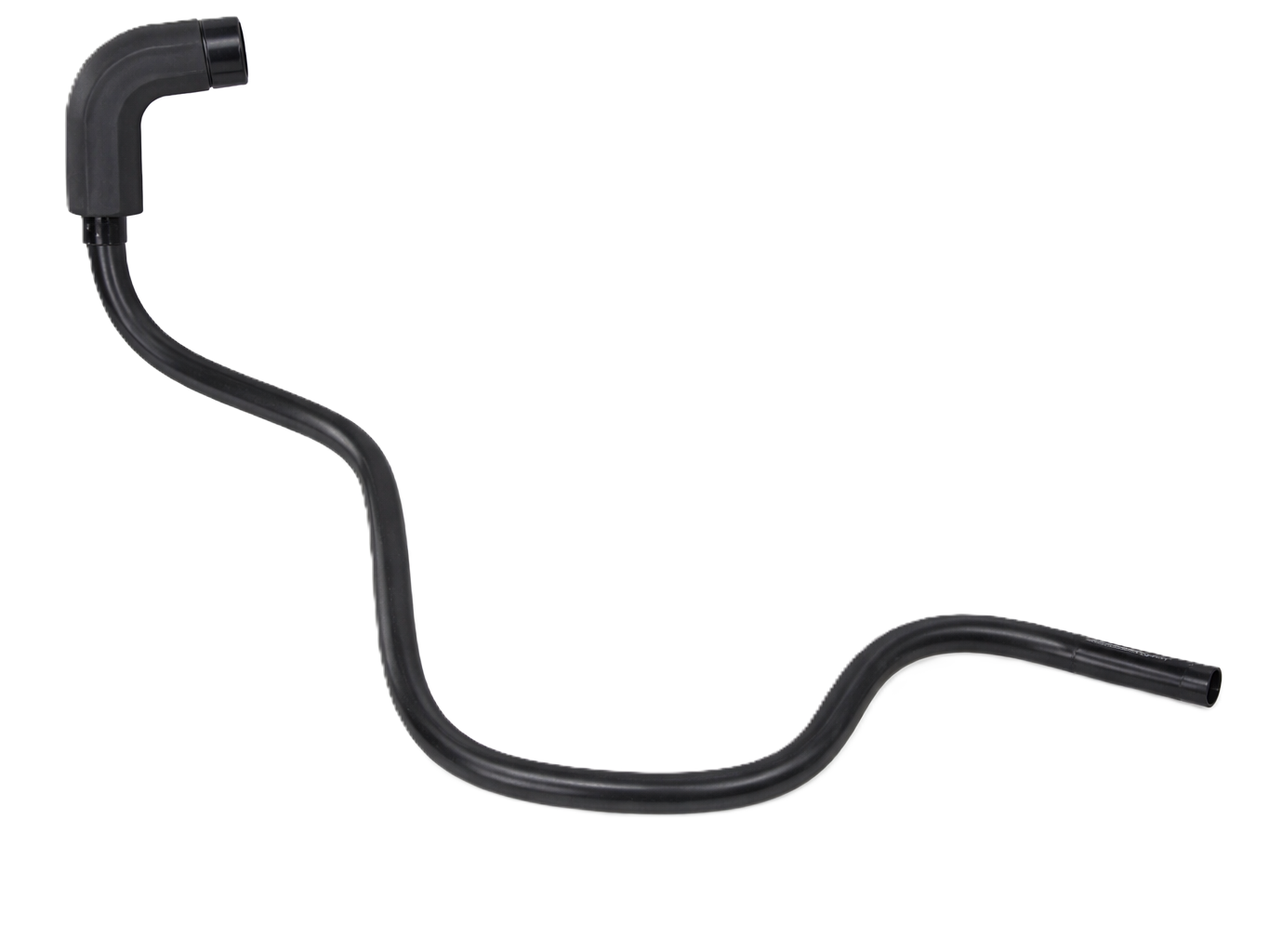
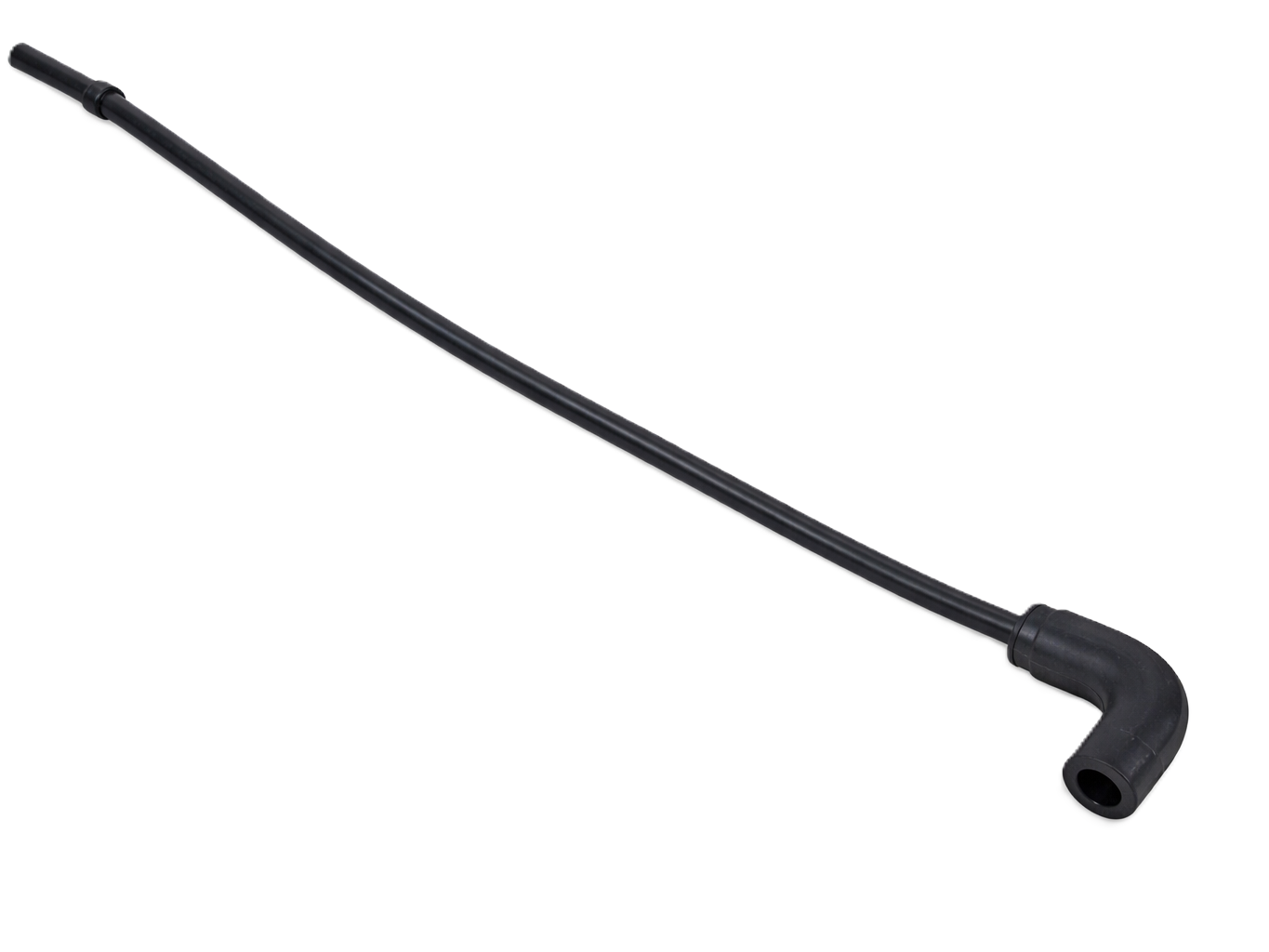
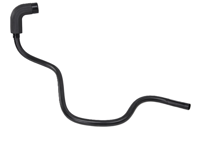
Maintain proper engine vacuum function and system performance with the Vacuum Hose. This OEM-quality hose is designed to transfer vacuum pressure between engine components, supporting correct operation of vacuum-controlled systems such as emissions controls, intake functions, and various engine management components.
Fits:
- Porsche 958 Cayenne S V6 3.0L Hybrid (380Hp) 2010-17
- Porsche 970.1 Panamera S Hybrid V6 3.0L 2011-13
- Porsche 970.2 Panamera S E-Hybrid V6 3.0L (416Hp) 2014-16
Diagram Ref No 30
What This Product Does:
- Carries vacuum pressure from the intake system to connected components
- Supports proper operation of emissions and engine control systems
- Assists in regulating airflow and system actuation
- Helps maintain smooth engine performance and efficiency
- Prevents vacuum leaks that can affect drivability
Symptoms Of Wear Or Failure:
- Check engine light (vacuum leak-related fault codes)
- Rough idle or unstable engine RPM
- Hesitation or loss of power during acceleration
- Poor fuel economy
- Engine misfires
- Whistling or hissing sound from the engine bay
- Hard starting or extended cranking
- Vacuum-controlled components not working properly
- Cracked, brittle, or collapsed hose material
- Loose or leaking hose connections
Why Replacement Matters:
- Replacing a worn vacuum hose is important because it ensures proper vacuum pressure is delivered to critical engine systems. Over time, heat and engine bay conditions can cause the hose to crack, harden, or leak.
- If a vacuum leak develops, it can lead to rough idle, poor fuel economy, reduced engine performance, and trigger check engine lights. In some cases, vacuum-controlled components may stop functioning correctly.
- Installing a new vacuum hose helps restore proper engine operation, maintain efficiency, prevent drivability issues, and support long-term system reliability.
Related reference numbers
Related, superseded, cross reference or alternative numbers for comparison.
95811079
The product you are viewing cross references to these numbers
- Porsche 958 Cayenne S V6 3.0L Hybrid (380Hp) 2010-17
- Porsche 970.1 Panamera S Hybrid V6 3.0L 2011-13
- Porsche 970.2 Panamera S E-Hybrid V6 3.0L (416Hp) 2014-16
Maintain proper engine vacuum function and system performance with the Vacuum Hose. This OE MATCH hose is designed to transfer vacuum pressure between engine components, supporting correct operation of vacuum-controlled systems such as emissions controls, intake functions, and various engine management components.
Fits:
- Porsche 958 Cayenne S V6 3.0L Hybrid (380Hp) 2010-17
- Porsche 970.1 Panamera S Hybrid V6 3.0L 2011-13
- Porsche 970.2 Panamera S E-Hybrid V6 3.0L (416Hp) 2014-16
Diagram Ref No 30
What This Product Does:
- Carries vacuum pressure from the intake system to connected components
- Supports proper operation of emissions and engine control systems
- Assists in regulating airflow and system actuation
- Helps maintain smooth engine performance and efficiency
- Prevents vacuum leaks that can affect drivability
Symptoms Of Wear Or Failure:
- Check engine light (vacuum leak-related fault codes)
- Rough idle or unstable engine RPM
- Hesitation or loss of power during acceleration
- Poor fuel economy
- Engine misfires
- Whistling or hissing sound from the engine bay
- Hard starting or extended cranking
- Vacuum-controlled components not working properly
- Cracked, brittle, or collapsed hose material
- Loose or leaking hose connections
Why Replacement Matters:
- Replacing a worn vacuum hose is important because it ensures proper vacuum pressure is delivered to critical engine systems. Over time, heat and engine bay conditions can cause the hose to crack, harden, or leak.
- If a vacuum leak develops, it can lead to rough idle, poor fuel economy, reduced engine performance, and trigger check engine lights. In some cases, vacuum-controlled components may stop functioning correctly.
- Installing a new vacuum hose helps restore proper engine operation, maintain efficiency, prevent drivability issues, and support long-term system reliability.
Related reference numbers
Related, superseded, cross reference or alternative numbers for comparison.
95811079
The product you are viewing cross references to these numbers


Air Inlet Hoses, Pipes & Sleeves – Durable Intake Components for Porsche Performance
Air inlet hoses, pipes, and sleeves are essential components of your Porsche’s intake system, connecting the air filter housing, throttle body, turbocharger, and intercooler. They ensure a smooth and sealed flow of air into the engine, supporting efficient combustion, responsive acceleration, and consistent performance.
At Design911, we supply a full range of genuine and high-quality air inlet hoses, pipes, and sleeves for numerous Porsche models that include 911, Boxster, Cayman, Cayenne, Macan, and Panamera models. Each component is engineered for precision fitment, heat resistance, and airflow stability — helping your Porsche deliver the performance and reliability it’s known for.
What Do Air Inlet Hoses, Pipes & Sleeves Do?
These components channel filtered air through the intake
system to the engine’s combustion chambers. Their main functions include:
- Maintaining
airtight airflow between intake components.
- Reducing
turbulence and air loss for improved throttle response.
- Supporting
optimal air pressure for turbocharged and naturally aspirated engines.
- Protecting against contaminants that can reduce performance or cause engine wear.
In turbocharged Porsche models, these parts also help manage boost pressure, making them crucial to both efficiency and power delivery.
Why Do Air Inlet Hoses, Pipes & Sleeves Fail?
Due to their constant exposure to heat, vibration, and
engine movement, air inlet components can deteriorate over time. Common causes
of failure include:
- Cracking
or splitting from heat cycles and material fatigue.
- Oil
or fuel vapor contamination softening the rubber or plastic.
- Loose
or damaged clamps causing vacuum or boost leaks.
- Age-related
hardening leading to brittle connections.
- Excessive boost pressure stressing the hose in performance applications.
Symptoms of failure include hissing or whistling noises, loss of boost pressure, poor throttle response, rough idling, or a check engine light caused by airflow irregularities.
Why Replace Worn Air Inlet Components?
A leaking or damaged inlet hose can cause unmetered air to enter the engine, resulting in incorrect fuel-air ratios, poor performance, or even turbocharger strain. Replacing worn or cracked hoses and pipes ensures proper airflow, efficient combustion, and reliable performance.
Benefits of replacement include:
- Restored air pressure and engine response.
- Improved turbo efficiency and power delivery.
- Enhanced fuel economy and reduced emissions.
- Long-term reliability with manufacturer-quality materials.
All hoses, pipes, and sleeves available at Design911 are crafted from high-temperature silicone, reinforced rubber, or aluminium alloys for superior sealing, flexibility, and strength — ensuring dependable performance under demanding conditions.