




Enter your VAT number here and click Verify:
Your details have been verified. VAT number registered to:
,
.
Your order will now be zero rated for VAT purposes. We reserve the right to verify these details after your order request has been made and reinstate VAT if required.
Your VAT details were not recognised or were invalid. Your VAT number must be matched to your Billing Country as specified above. This is currently specified as . You do not need to enter the country code part of your VAT number as this has already been selected in your billing address details above.
The VAT number checking service is currently offline. Please supply your VAT details within the comments or special instructions field below and we will apply a VAT discount after placing your order request.


- Porsche Boxster 718 2.0L Manual (300 Bhp) 2017>>
- Porsche Boxster 718 2.0L PDK (300 Bhp) 2017>>
- Porsche Cayman 718 2.0L Manual (300 Bhp)
- Porsche Cayman 718 2.0L PDK (300 Bhp)
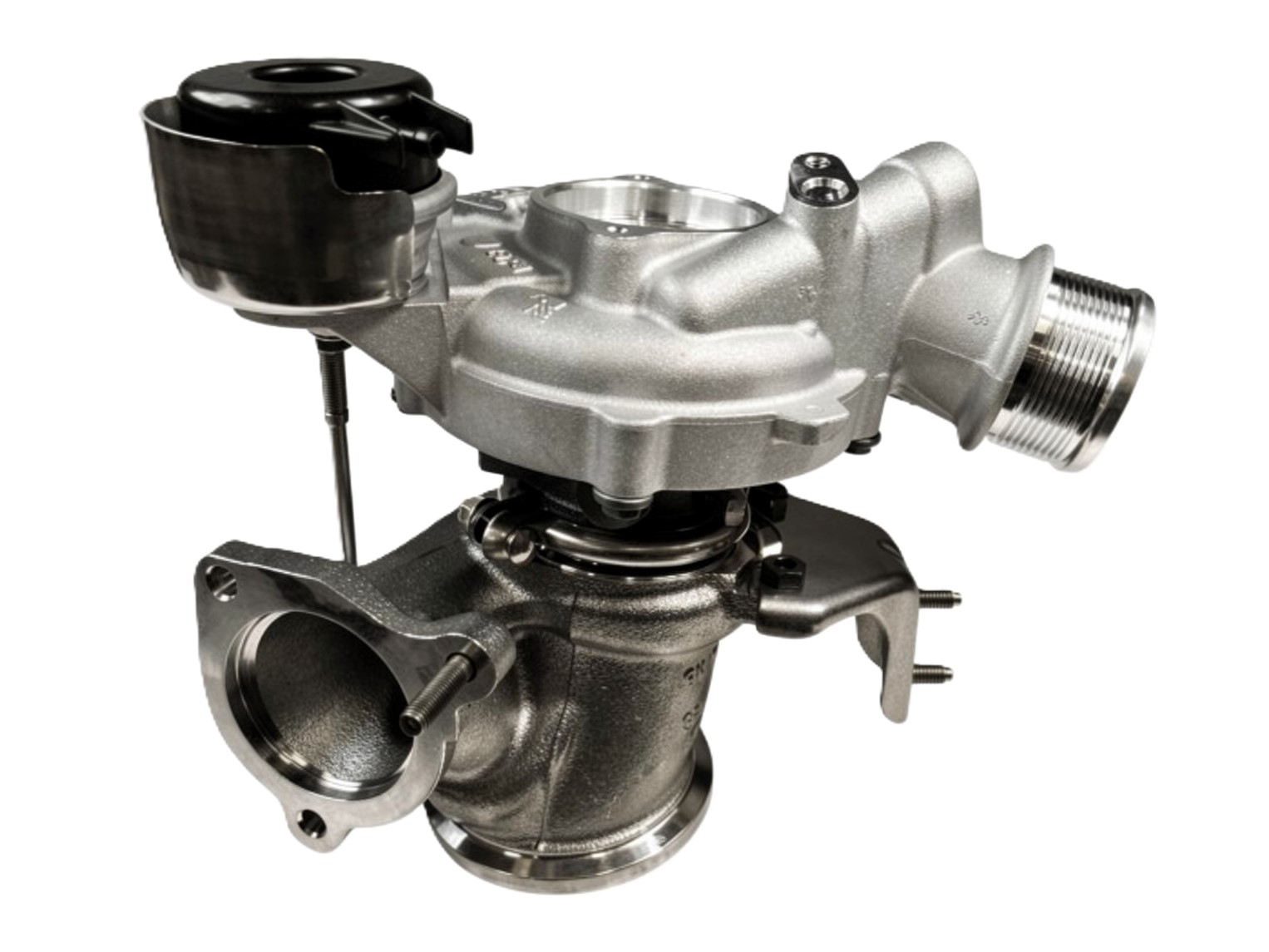
The Genuine Porsche Turbocharger 0PC145701E is a replacement forced-induction component designed to restore correct boost pressure, engine performance and turbocharger operation on compatible Porsche applications.
Fits:
- Porsche Boxster 718 2.0L Manual (300 Bhp) 2022>>
- Porsche Boxster 718 2.0L PDK (300 Bhp) 2022>>
- Porsche Cayman 718 2.0L Manual (300 Bhp) 2022>>
- Porsche Cayman 718 2.0L PDK (300 Bhp) 2022>>
DDPB / DDP / DDPA / DNY / DNYA / DPG
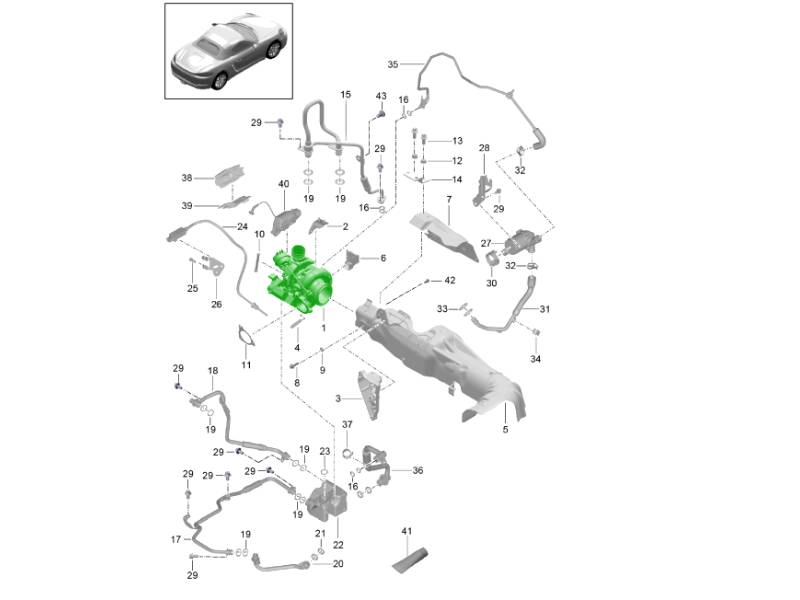
Diagram Ref No 1
The turbocharger uses energy from the engine's exhaust gases to drive a turbine connected to a compressor. The compressor forces additional air into the engine, allowing the engine management system to produce the required power and torque efficiently.
A worn or damaged turbocharger can cause significant reductions in performance and may lead to excessive oil consumption, smoke, abnormal noise and engine-management faults. Correct diagnosis is essential before replacement because intake leaks, boost-control problems, sensors and other engine faults can produce similar symptoms.
What This Product Does:
The turbocharger increases the amount of air supplied to the engine.
Exhaust gases leaving the engine rotate the turbocharger's turbine wheel. The turbine is connected by a shaft to the compressor wheel on the intake side.
As the compressor rotates, it compresses intake air and supplies it to the engine under pressure.
This process helps the engine produce:
- Increased power
- Increased torque
- Stronger acceleration
- Correct boost pressure
- Improved engine response
- Efficient performance from the available engine capacity
The turbocharger must operate at extremely high rotational speeds and temperatures, making correct lubrication, cooling and clean airflow essential to its service life.
Symptoms Of Wear Or Failure:
Turbocharger problems can develop through bearing wear, lubrication problems, contamination, excessive temperatures, foreign-object damage or faults elsewhere in the engine and boost-control system.
Common symptoms can include:
- Loss of engine power
- Reduced boost pressure
- Slow or delayed boost response
- Poor acceleration
- Engine warning light
- Underboost fault codes
- Overboost fault codes
- Limp-home mode
- Increased oil consumption
- Blue or grey exhaust smoke
- Oil contamination within intake or boost pipes
- Oil accumulation in the intercooler system
- Whining or siren-like turbo noise
- Grinding or scraping noises
- Excessive turbocharger shaft movement
- Damaged compressor or turbine blades
- Inconsistent or fluctuating boost pressure
These symptoms do not always prove that the turbocharger itself has failed. The complete forced-induction system should be diagnosed before replacement.
Why Replacement Matters:
A worn or damaged turbocharger can significantly affect engine performance and reliability.
Replacing a confirmed defective turbocharger can help:
- Restore correct boost pressure
- Restore engine power
- Restore torque
- Improve acceleration
- Restore throttle response
- Correct turbocharger-related noises
- Reduce turbo-related oil leakage
- Resolve confirmed turbocharger-related fault codes
- Restore reliable forced-induction operation
- Reduce the risk of further damage caused by a mechanically failing turbo
Continued operation with a severely damaged turbocharger can potentially cause secondary damage to intake, exhaust or engine components.
Related reference numbers
Related, superseded, cross reference or alternative numbers for comparison.
0PC145701E
The product you are viewing cross references to these numbers






- Porsche 992.1 Turbo 3.8L 2020-24
- Porsche 992.1 Turbo S 3.8L 2020-24
- Porsche 992.1 Turbo Cabriolet 3.8L 2020-24
- Porsche 992.1 Turbo S Cabriolet 3.8L 2020-24
- Porsche 992.1 (911) Sport Classic 3.8L 2023
- Porsche 992.2 Carrera 2 3.0L 2024>>
- Porsche 992.2 Carrera 2S 3.0L 2024>>
- Porsche 992.2 Carrera T 3.0L 2024>>
- Porsche 992.2 Carrera 2 3.0L Cabriolet 2024>>
Fits:
Porsche 992.1 Turbo - 2020 to 2024
Porsche 992.1 Turbo S - 2020 to 2024
Porsche 992.1 Sport Classic - 2022 to 2024
Porsche 992.2 Carrera 2 - 2024 onwards
Porsche 992.2 Carrera 4 - 2024 onwards
(Porsche 992.2 - not for Hybrid models)
OEM ref
992.145.805.G
992.145.805.N
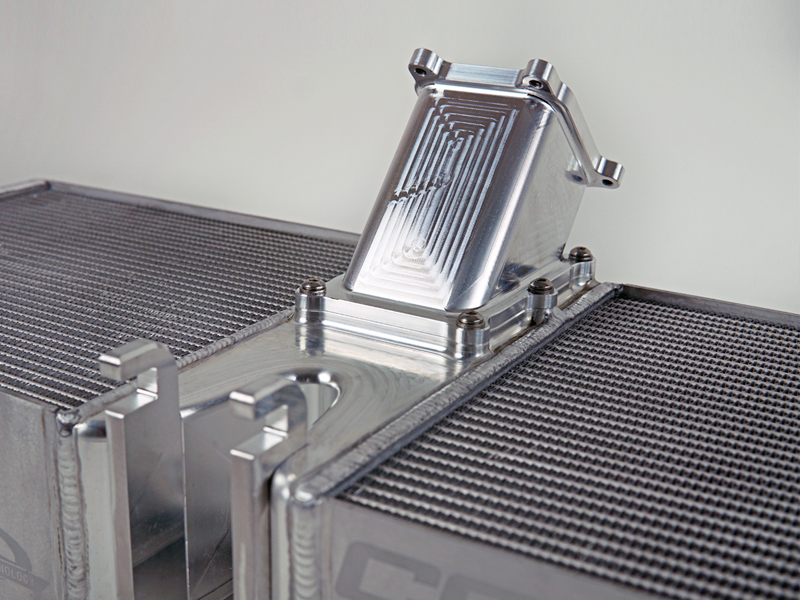
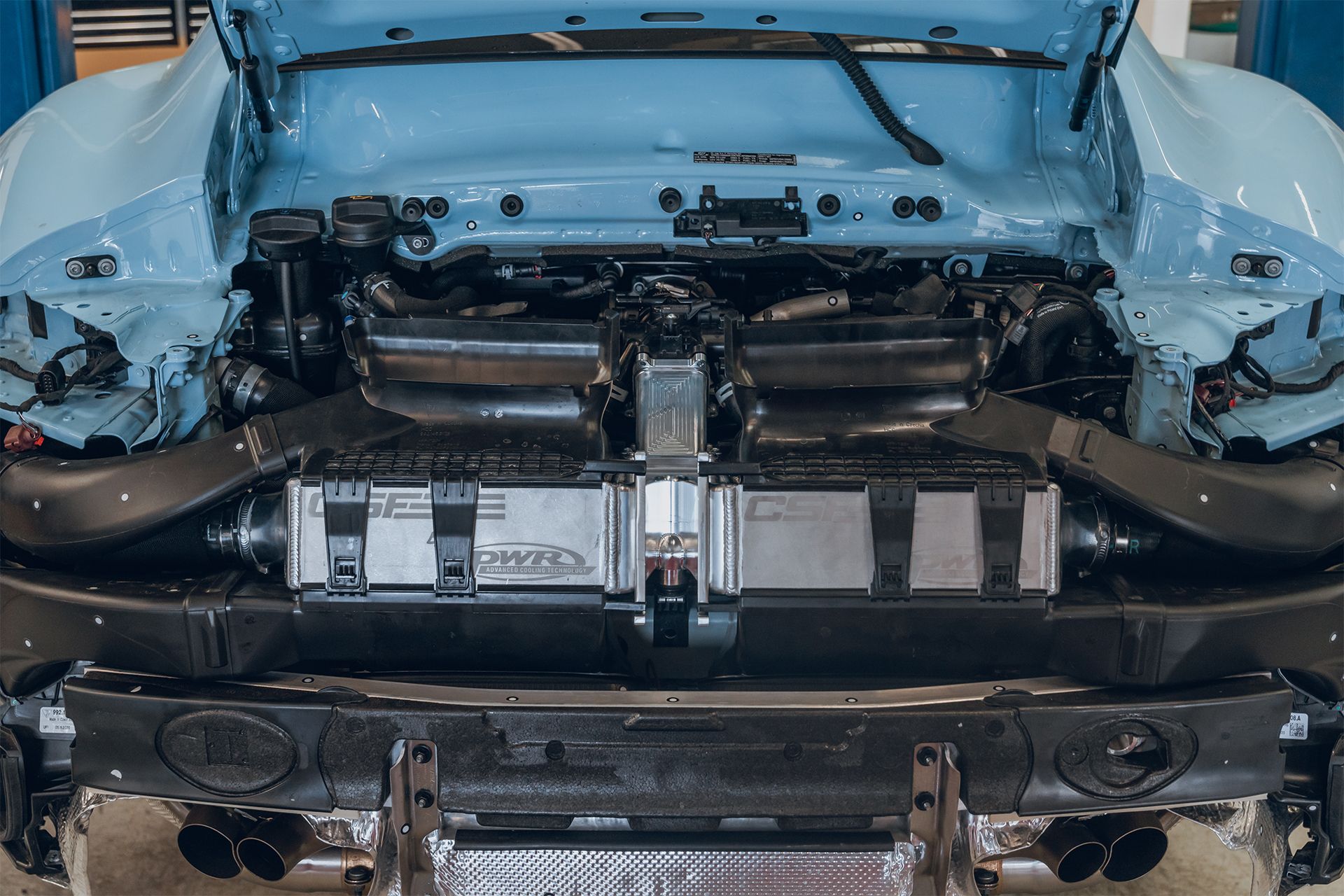
• Eliminates Heat Soak and Lowers Intake Air Temperatures (IATs) for Maximum Performance in Race Conditions – Especially Critical Due to Intercooler Placement in Engine Compartment
• Formula-1 Performance Grade Core by PWR (2-Row Core Featuring Rolled Tubes w/ Inner Fins)
• CNC Machined Billet End Tanks With Integrated Machined Y-Pipe Connection to Throttle Body
• 100% TIG Welded vs. OEM Style Gasket and Crimped Plastic End Tanks for Maximum Durability in High Boost Applications
• OEM Style CNC Machined Inlet/Outlet Connections for Precise Fitment with All OEM Components
• True Plug-and-Play "Drop-in Fit" Installation
• R&D and Performance Testing by Industry-Leading Porsche & McLaren Tuning Company, M Engineering
• Made in the USA at PWR North America
Cross reference numbers
992145805G
992145805N
Related reference numbers
Related, superseded, cross reference or alternative numbers for comparison.
8188
The product you are viewing cross references to these numbers
- Porsche 992.1 Carrera 2 3.0L 2019-24
- Porsche 992.1 Carrera 4 3.0L 2019-24
- Porsche 992.1 Carrera 2 Cabriolet 3.0L 2019-24
- Porsche 992.1 Carrera 4 Cabriolet 3.0L 2019-24
- Porsche 992.1 Carrera 2S / GTS 3.0L 2019-24
- Porsche 992.1 Carrera 4S / GTS 3.0L 2019-24
- Porsche 992.1 Carrera 2S / GTS Cabriolet 3.0L 2019-24
- Porsche 992.1 Carrera 4S / GTS Cabriolet 3.0L 2019-24
- Porsche 992.1 Targa 4 3.0L 2020-24
- Porsche 992.1 Targa 4S / GTS 3.0L 2020-24
- Porsche 992.1 Turbo 3.8L 2020-24
- Porsche 992.1 Turbo S 3.8L 2020-24
- Porsche 992.1 Turbo Cabriolet 3.8L 2020-24
- Porsche 992.1 Turbo S Cabriolet 3.8L 2020-24
- Porsche 992.2 Carrera 2 3.0L 2024>>
- Porsche 992.2 Carrera 2S 3.0L 2024>>
- Porsche 992.2 Carrera T 3.0L 2024>>
- Porsche 992.2 Carrera 2 3.0L Cabriolet 2024>>
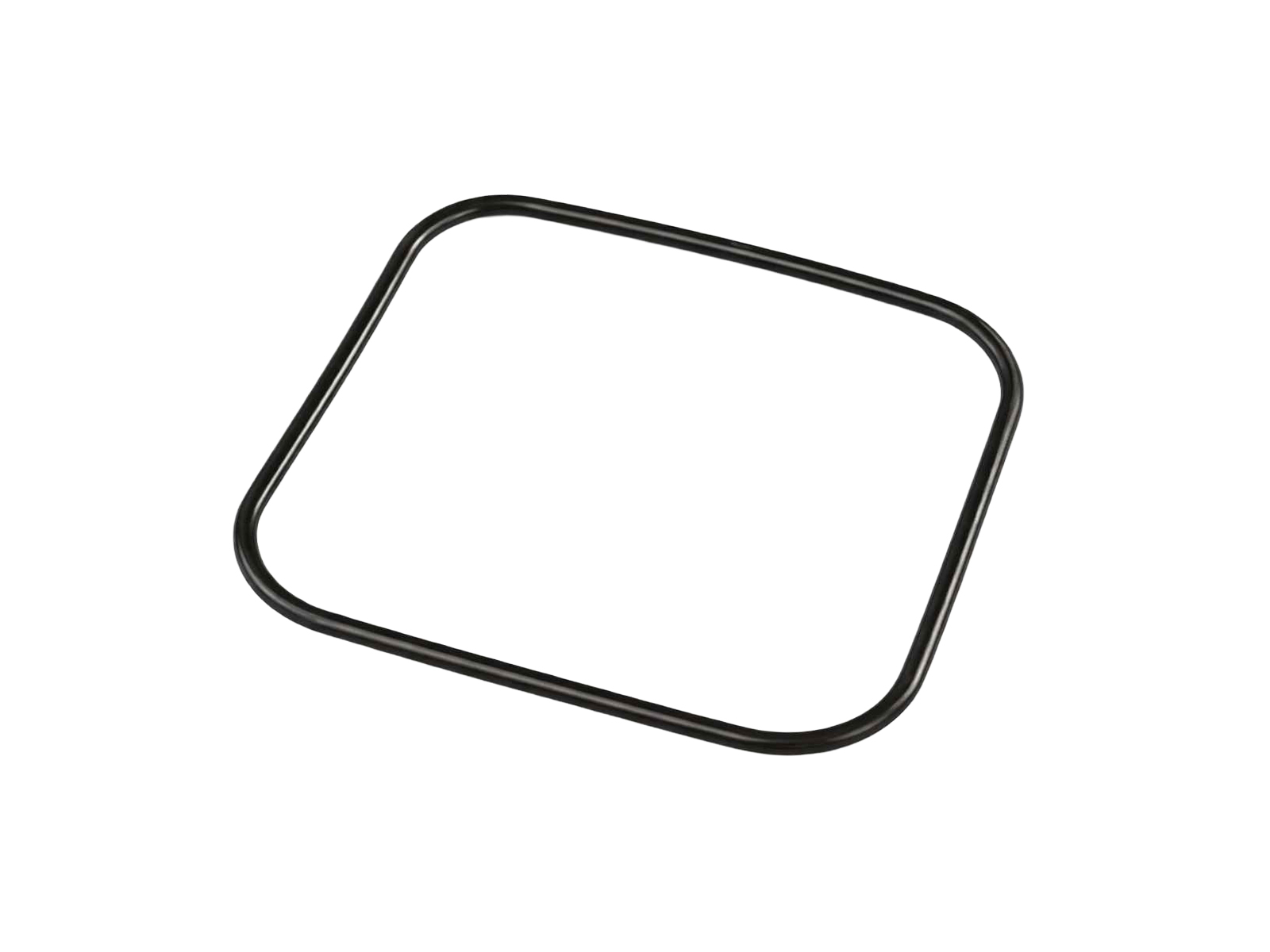
Porsche Throttle Body to Intercooler Seal
This throttle body to intercooler seal is a
critical component within the turbocharged intake system, providing an airtight
seal between the intercooler outlet and the throttle body. It ensures that
compressed air delivered from the intercooler enters the engine without
pressure loss.
Fits:
- Porsche 992.1 Carrera 2 3.0L 2019-24
- Porsche 992.1 Carrera 4 3.0L 2019-24
- Porsche 992.1 Carrera 2 Cabriolet 3.0L 2019-24
- Porsche 992.1 Carrera 4 Cabriolet 3.0L 2019-24
- Porsche 992.1 Carrera 2S / GTS 3.0L 2019-24
- Porsche 992.1 Carrera 4S / GTS 3.0L 2019-24
- Porsche 992.1 Carrera 2S / GTS Cabriolet 3.0L 2019-24
- Porsche 992.1 Carrera 4S / GTS Cabriolet 3.0L 2019-24
- Porsche 992.1 Targa 4 3.0L 2020-24
- Porsche 992.1 Targa 4S / GTS 3.0L 2020-24
- Porsche 992.1 Turbo 3.8L 2020-24
- Porsche 992.1 Turbo S 3.8L 2020-24
- Porsche 992.1 Turbo Cabriolet 3.8L 2020-24
- Porsche 992.1 Turbo S Cabriolet 3.8L 2020-24
- Porsche 992.2 Carrera 2 3.0L 2024>>
- Porsche 992.2 Carrera 2 3.0L Cabriolet 2024>>
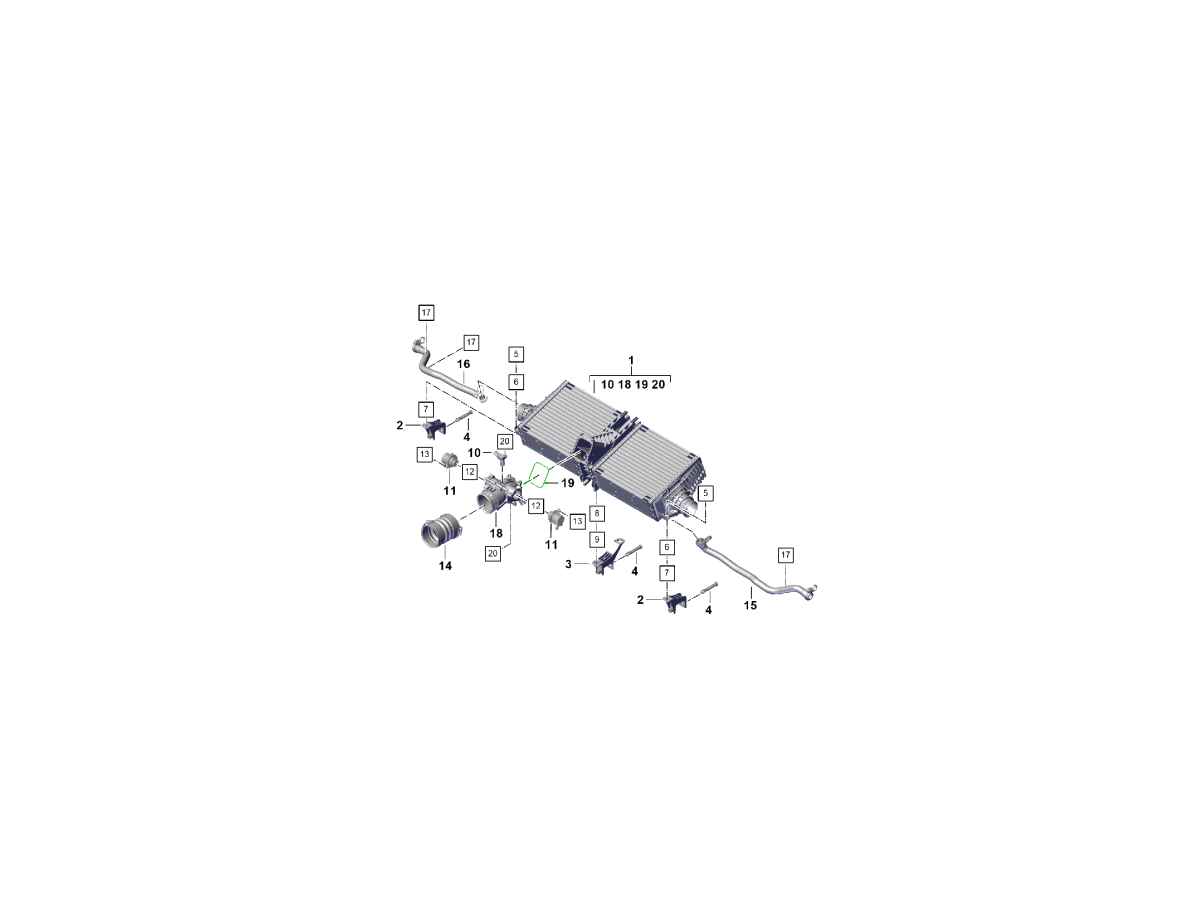
Diagram ref no 19
In turbocharged Porsche engines, maintaining a fully sealed charge air system is essential for performance, efficiency and reliability. Even a small failure in a sealing component can result in boost leaks, reduced power and engine management issues.
What This Seal Does
The seal sits between the intercooler and the throttle body, creating a secure and airtight connection.
It helps:
• Maintain correct turbo boost pressure
• Prevent air leaks within the intake system
• Ensure efficient airflow into the engine
• Support proper combustion and engine performance
• Maintain consistent throttle response
A properly functioning seal is essential for the correct operation of the turbo system.
Why Throttle Body Seals Fail
Sealing components are exposed to heat, pressure and constant airflow, which can lead to degradation over time.
Common causes of failure include:
- Heat exposure - High temperatures from compressed air can harden or deform the seal.
- Pressure stress - Continuous boost pressure can wear sealing surfaces.
- Material ageing - Over time, rubber or sealing materials lose elasticity.
- Removal and refitting - Seals can become damaged or deformed during servicing.
Symptoms of a Failing Seal
• Loss of turbo boost pressure
• Reduced engine performance
• Hissing noise from intake area
• Engine warning lights related to boost or airflow
• Poor throttle response
• Increased fuel consumption
Replacing a worn seal restores system integrity and prevents further performance issues.
Why You May Need to Replace This Seal
- Prevent Boost Leaks - A new seal ensures airtight connections within the intake system.
- Restore Engine Performance - Maintains proper airflow and boost pressure for optimal power delivery.
- Essential During Intercooler or Throttle Body Service - Recommended to replace whenever components are removed.
- Low-Cost Preventative Maintenance - A small component that plays a big role in turbo system efficiency.
Related reference numbers
Related, superseded, cross reference or alternative numbers for comparison.
992145865
The product you are viewing cross references to these numbers
- Porsche 992.1 Carrera 2 3.0L 2019-24
- Porsche 992.1 Carrera 4 3.0L 2019-24
- Porsche 992.1 Carrera 2 Cabriolet 3.0L 2019-24
- Porsche 992.1 Carrera 4 Cabriolet 3.0L 2019-24
- Porsche 992.1 Targa 4 3.0L 2020-24
- Porsche 992.2 Carrera 2 3.0L 2024>>
- Porsche 992.2 Carrera 2S 3.0L 2024>>
- Porsche 992.2 Carrera T 3.0L 2024>>
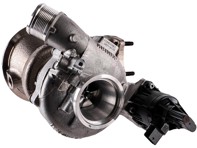
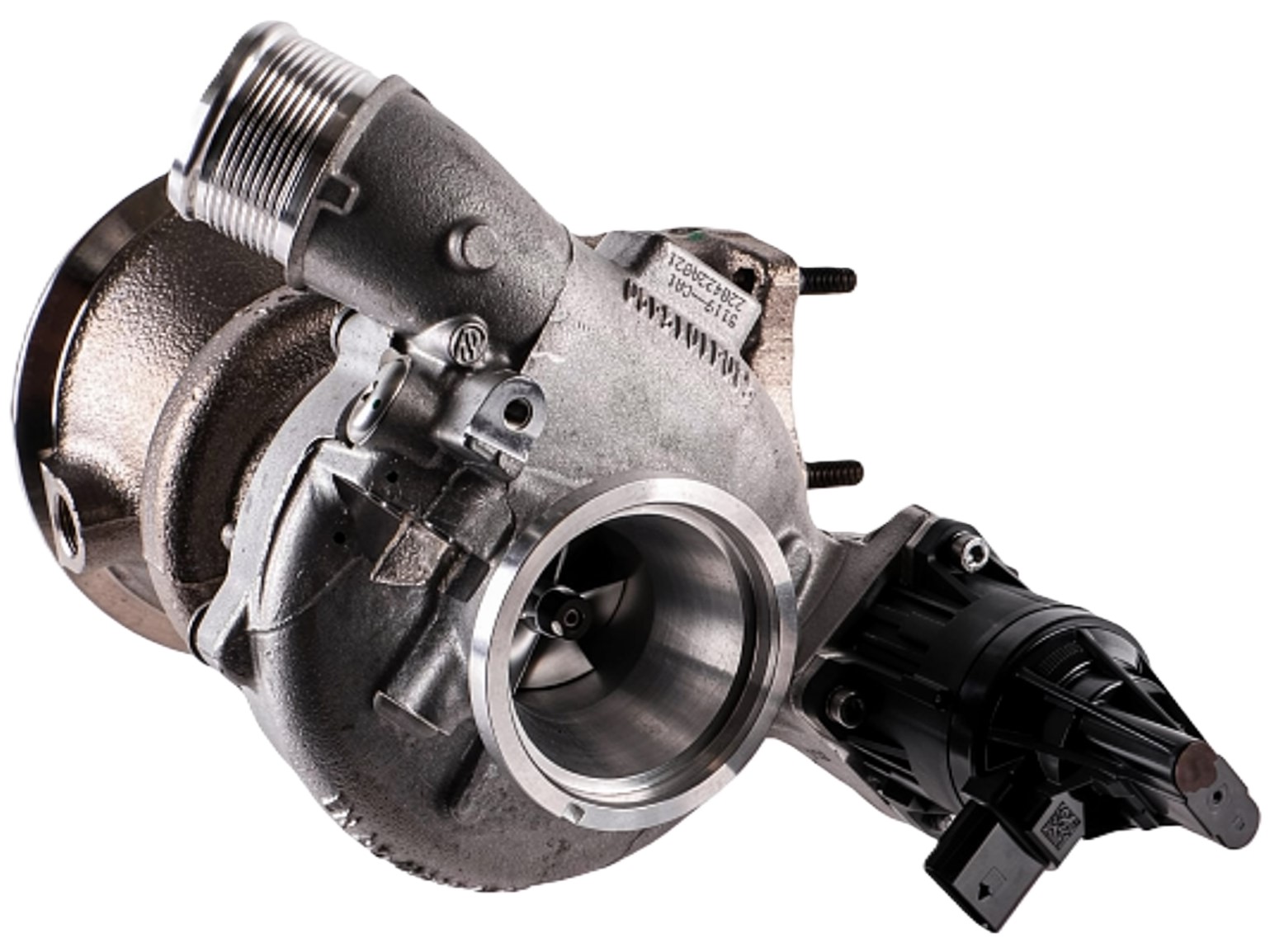
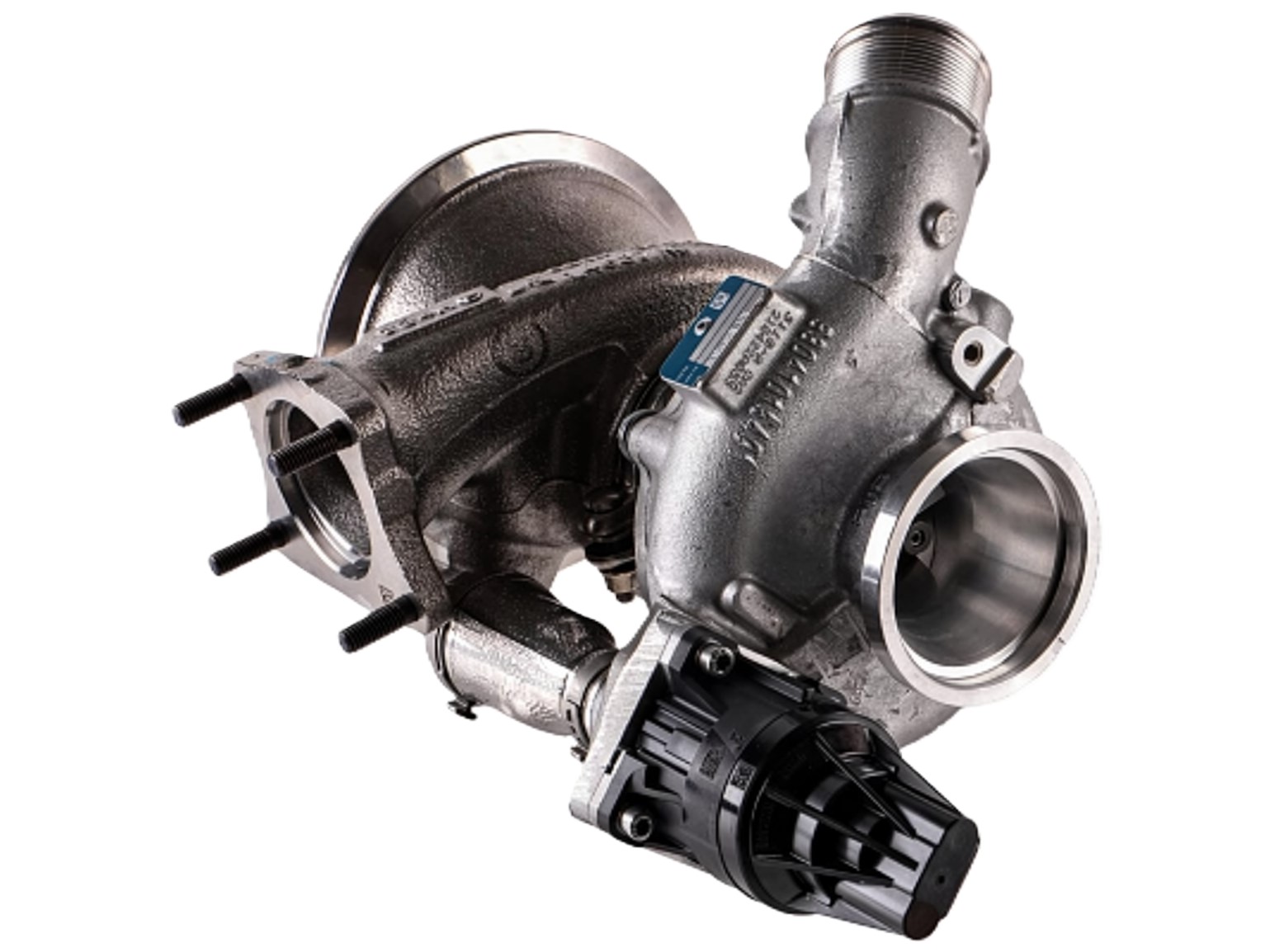
The Genuine Porsche Turbocharger 0PB145701R / 0PB145702R is a replacement forced-induction component designed for compatible Porsche applications.
Fits:
- Porsche 992.1 Carrera 2 3.0L 2019-24
- Porsche 992.1 Carrera 4 3.0L 2019-24
- Porsche 992.1 Carrera 2 Cabriolet 3.0L 2019-24
- Porsche 992.1 Carrera 4 Cabriolet 3.0L 2019-24
- Porsche 992.1 Targa 4 3.0L 2020-24
- Porsche 992.2 Carrera 2 3.0L 2024>>
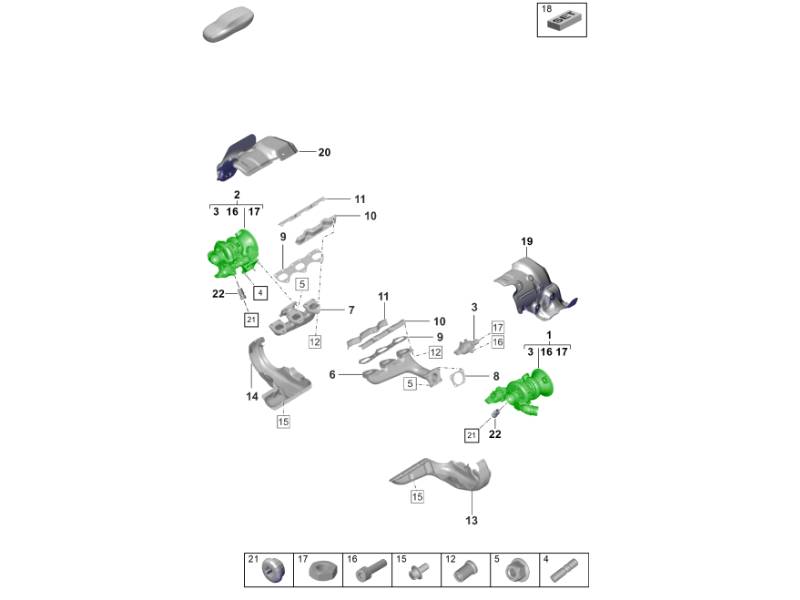
Diagram Ref No 1 And 2
A turbocharger uses energy from the engine's exhaust gases to drive a turbine connected to a compressor wheel. The compressor increases the pressure and quantity of air supplied to the engine, allowing the engine-management system to deliver the intended levels of power, torque and response.
Turbochargers operate at extremely high rotational speeds and temperatures and depend on clean lubrication, correct cooling, unrestricted intake and exhaust flow, and properly functioning boost-control systems. Bearing wear, oil-supply problems, foreign-object damage, excessive temperatures or control faults can eventually cause turbocharger deterioration or complete failure.
Replacing a confirmed faulty turbocharger helps restore correct boost pressure and engine performance while reducing the risk of further damage to associated intake, exhaust and engine components.
What This Product Does:
The turbocharger increases the amount of air supplied to the engine by using energy that would otherwise leave through the exhaust.
Exhaust gases spin the turbine wheel. A shaft connects this turbine to a compressor wheel on the intake side.
As the compressor rotates, it compresses incoming air and supplies it to the engine under pressure.
This helps:
- Generate the required boost pressure
- Increase available intake airflow
- Increase engine power and torque
- Improve acceleration and engine response
- Maintain the intended factory performance
- Make effective use of exhaust-gas energy
The turbocharger works together with the intake, intercooling, exhaust, lubrication, cooling and electronic engine-management systems.
Symptoms Of Wear Or Failure:
Common symptoms associated with turbocharger deterioration can include:
- Loss of engine power
- Reduced boost pressure
- Slow boost response
- Poor acceleration
- Inconsistent power delivery
- Engine-management warning light
- Underboost or overboost fault codes
- Limp or reduced-power mode
- Increased engine oil consumption
- Blue or grey exhaust smoke
- Excessive oil in intake pipework
- Whining or siren-like noises
- Grinding or scraping noises
- Excessive turbocharger shaft play
- Damaged compressor or turbine blades
- Abnormal boost fluctuations
These symptoms can also be caused by faults elsewhere in the engine or boost system. Proper diagnosis should therefore be carried out before replacing the turbocharger.
Why Replacement Matters:
Replacing a confirmed worn or damaged turbocharger helps restore the intended operation of the forced-induction system.
A correctly functioning replacement can help:
- Restore boost pressure
- Restore engine power
- Restore torque
- Improve acceleration
- Restore throttle response
- Correct turbocharger-related mechanical noise
- Address oil leakage caused by internal turbo wear
- Restore reliable forced-induction operation
- Support correct engine-management operation
- Reduce the risk of secondary component damage
A severely damaged turbocharger should not remain in service.
Related reference numbers
Related, superseded, cross reference or alternative numbers for comparison.
0PB14570
The product you are viewing cross references to these numbers