
Your Vehicle
Porsche // 996 (911) (1997-2005) // 996 GT3 RS 2003-04



Enter your VAT number here and click Verify:
Your details have been verified. VAT number registered to:
,
.
Your order will now be zero rated for VAT purposes. We reserve the right to verify these details after your order request has been made and reinstate VAT if required.
Your VAT details were not recognised or were invalid. Your VAT number must be matched to your Billing Country as specified above. This is currently specified as . You do not need to enter the country code part of your VAT number as this has already been selected in your billing address details above.
The VAT number checking service is currently offline. Please supply your VAT details within the comments or special instructions field below and we will apply a VAT discount after placing your order request.


- Porsche 996 TURBO 2000-05
- Porsche 996 GT2 2001-05
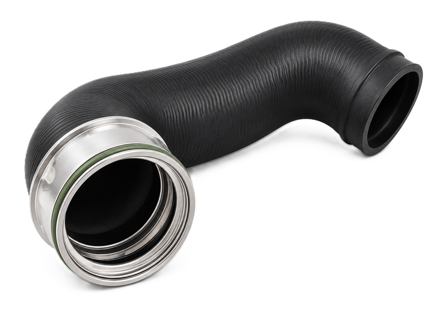
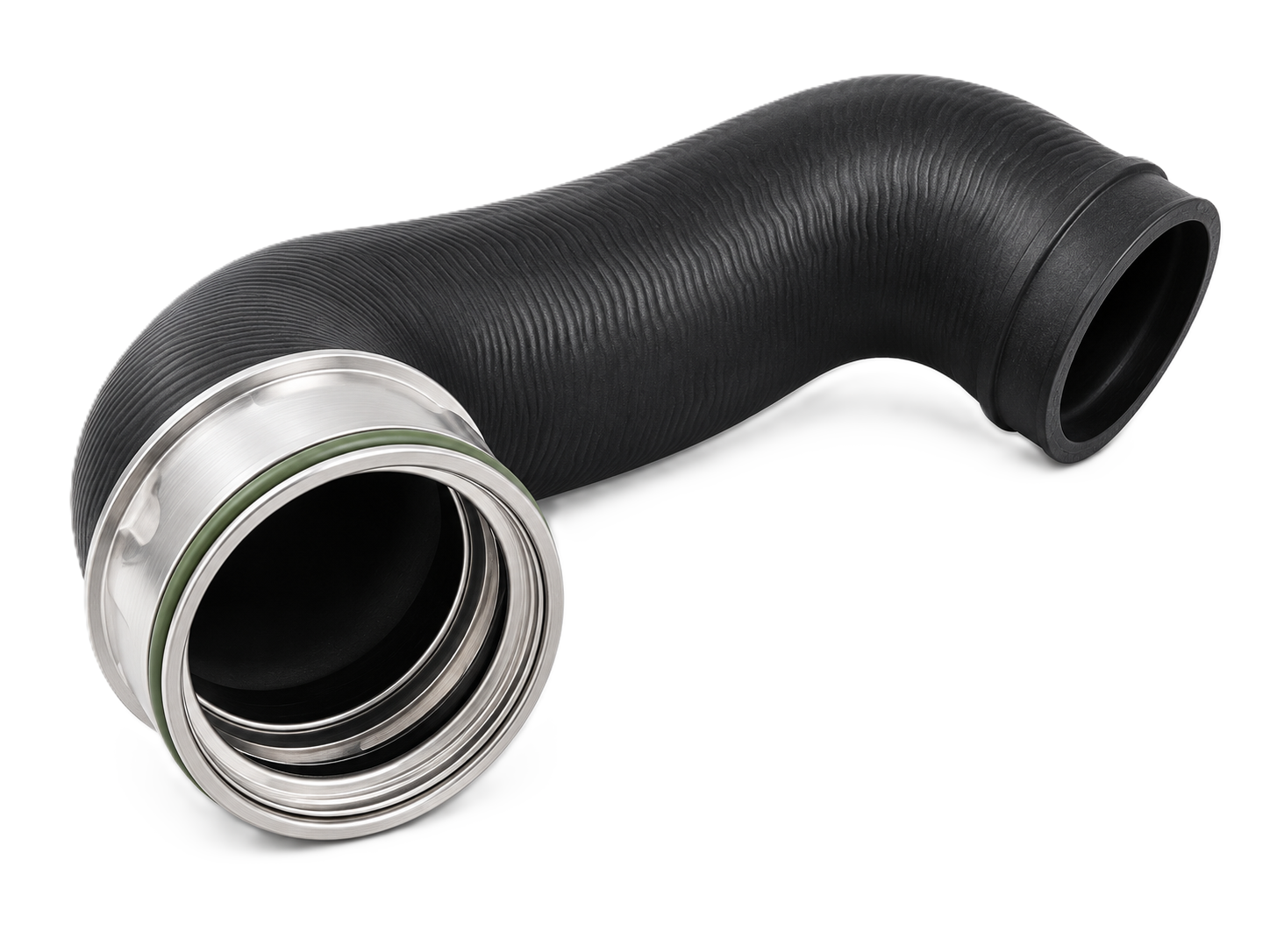
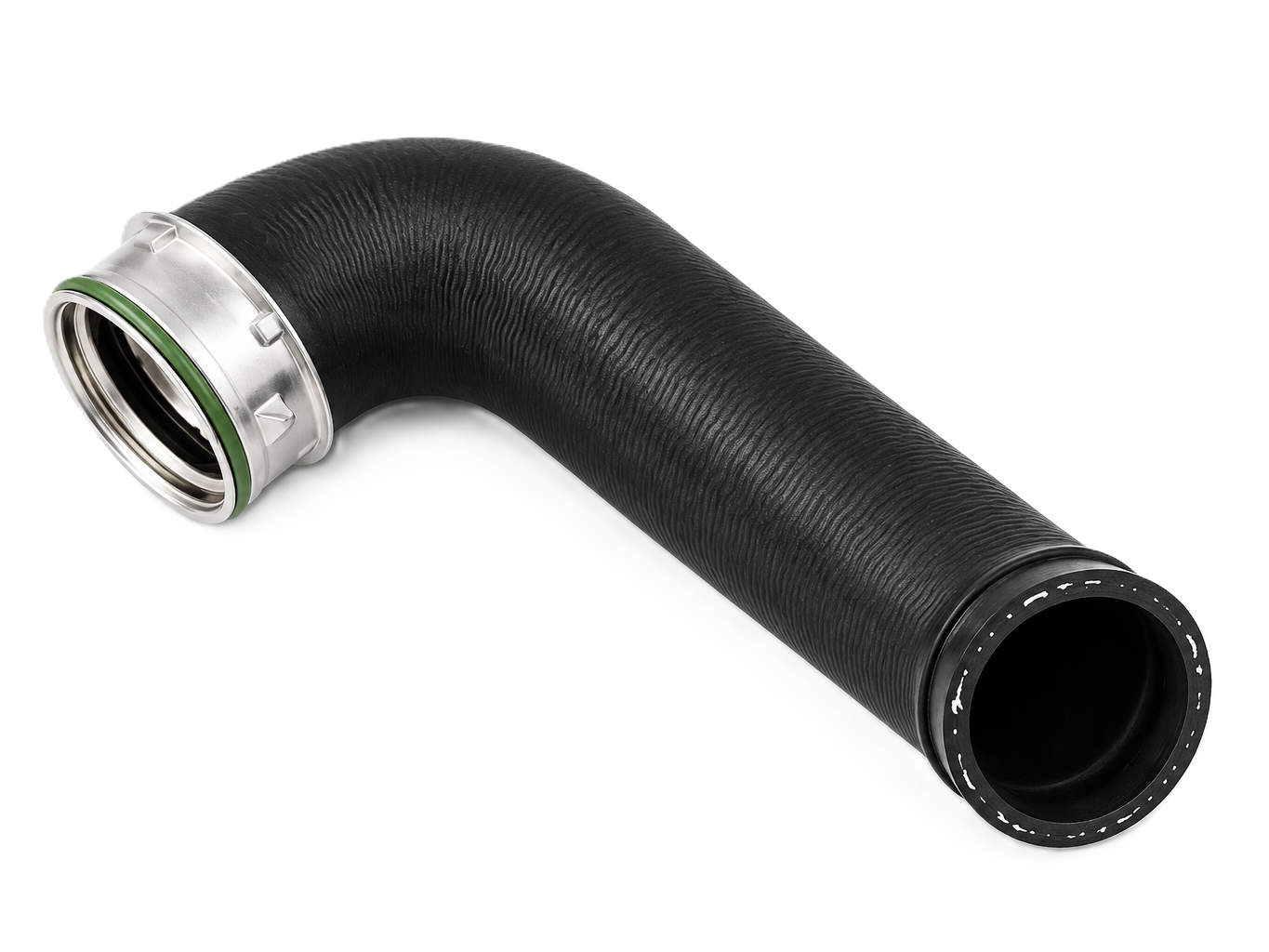
Pressure Hose.
The Genuine Porsche Pressure Hose is an original equipment turbocharger charge-air system component designed for selected Porsche 911 (996) Turbo and GT2 models manufactured between 2001 and 2005.
Fits:
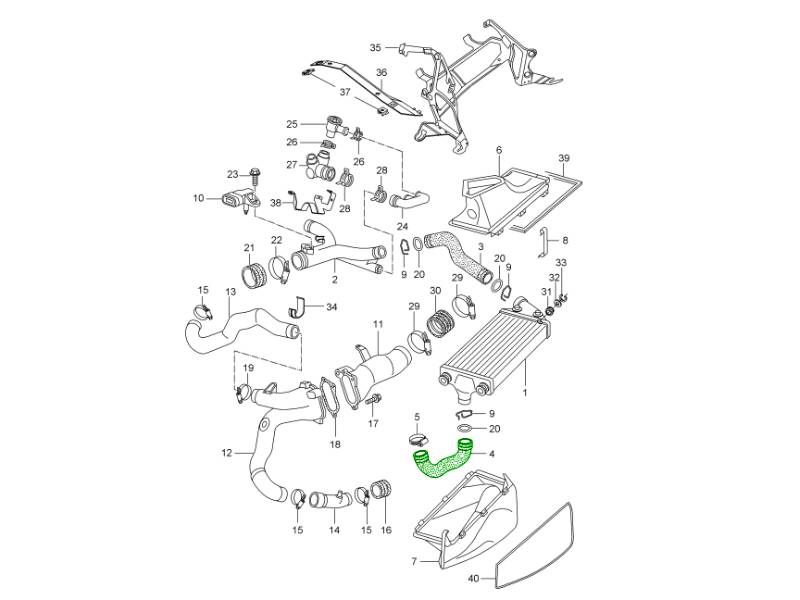
Diagram Ref No 4
These pressure hoses form part of the engine's forced-induction system, providing flexible connections within the turbocharger and intercooler pipework. They help carry compressed intake air through the charge-air system while maintaining secure, pressure-resistant connections.
Available in separate left-hand and right-hand configurations, the hoses are specifically shaped to match the corresponding installation positions.
99611063174 – Left-Hand Pressure Hose
99611063075 – Right-Hand Pressure Hose
The Porsche 996 Turbo and GT2 use twin turbochargers to compress the intake air supplied to the engine. This compressed air passes through the charge-air cooling and intake system before entering the engine's cylinders.
Correctly sealed pressure hoses are essential for ensuring that the compressed air remains contained within the intended pipework. Any leakage can reduce the effective boost pressure reaching the engine and interfere with the performance of the turbocharging system.
Manufactured to Porsche's original equipment specifications, these hoses provide the intended fitment, flexibility and connection arrangement for the relevant charge-air components.
During operation, turbocharger pressure hoses are exposed to changing boost pressures, elevated temperatures, engine vibration and repeated expansion and contraction.
Over time, the original hoses may deteriorate due to ageing, heat exposure, oil vapour contamination or mechanical stress. Cracks, splits, loose connections or damaged hose ends can result in boost-pressure leaks.
A leaking pressure hose may cause reduced acceleration, inconsistent turbocharger response, hissing noises or engine management fault codes.
Replacing a damaged or deteriorated hose with a Genuine Porsche component helps restore the integrity of the charge-air system, maintain the intended boost-pressure delivery and support reliable turbocharged engine performance.
Ideal for boost leak repairs, turbocharger servicing, intercooler maintenance and Porsche 996 Turbo restoration projects, these Genuine Porsche Pressure Hoses provide factory-specified replacements for compatible vehicles.
What This Product Does:
The pressure hose is an essential component of the Porsche 996 Turbo and GT2 charge-air system.
Its primary function is to carry compressed intake air between the relevant turbocharging and intercooler components while maintaining a secure, airtight connection.
When the turbochargers compress incoming air, both its pressure and temperature increase.
The intercoolers help reduce the temperature of this compressed air before it reaches the engine intake system.
Flexible pressure hoses connect sections of the charge-air pipework, accommodating engine movement and vibration while maintaining the intended airflow passage.
Their main functions include:
- Transporting compressed intake air: Carries pressurised air through the applicable turbocharger and intercooler circuit.
- Maintaining boost pressure: Helps prevent compressed air from escaping through damaged connections.
- Supporting intercooler operation: Forms part of the pipework that directs charge air through the cooling system.
- Maintaining airtight connections: Provides a secure connection between the relevant charge-air components.
- Accommodating movement and vibration: Allows limited movement between connected components without compromising the air passage.
- Supporting turbocharger performance: Helps ensure compressed air reaches the downstream intake system as intended.
- Maintaining engine responsiveness: Supports consistent boost-pressure delivery during acceleration.
- Reducing unwanted air leakage: Helps prevent loss of charge air through the hose connection.
- Preserving correct airflow routing: Maintains the factory-specified left-hand or right-hand hose arrangement.
- Supporting engine management accuracy: Helps the boost-control system operate with the expected pressure conditions.
The pressure hose does not generate boost pressure. Boost is produced by the turbochargers and managed by the associated control system.
Symptoms Of Wear Or Failure:
Turbocharger pressure hoses operate in demanding conditions, with repeated exposure to heat, boost pressure, vibration and oil vapour.
Although designed for durability, ageing materials and weakened hose connections may eventually cause leakage or physical failure.
Common symptoms of a worn or damaged pressure hose include:
- Reduced engine power: Escaping compressed air may reduce the boost pressure available to the engine.
- Poor acceleration: The vehicle may feel less responsive, particularly under heavy throttle.
- Hissing noises under boost: A split hose or loose connection may produce a noticeable rushing-air sound.
- Whistling noises: Compressed air escaping through a small opening may create an unusual whistle.
- Inconsistent turbocharger response: Boost delivery may become irregular when the charge-air system cannot maintain pressure.
- Boost-pressure fault codes: The engine management system may detect a difference between requested and actual boost pressure.
- Engine warning light: Significant charge-air leaks may trigger an engine management warning.
- Cracked hose material: Ageing and repeated thermal cycling may cause visible cracks or splits.
- Swollen or softened hose sections: Heat and prolonged oil vapour exposure may affect the material's condition.
- Loose hose connections: Deteriorated hose ends or damaged clamps may prevent secure attachment.
- Hose slipping from a connection: Incorrect fastening or damaged hose ends may allow the hose to detach under pressure.
- Oil residue around hose joints: Oily deposits may collect around a leaking connection because charge air can contain oil vapour.
- Collapsed or distorted hose: Physical damage or weakened material may restrict the intended airflow passage.
- Abrasion damage: Contact with surrounding components may gradually wear through the hose surface.
- Repeated loss of boost pressure: Persistent charge-air leakage may prevent the engine from achieving its intended boost level.
Why Replacement Matters:
Replacing a deteriorated turbocharger pressure hose is important for maintaining reliable boost-pressure delivery and preserving the performance of the Porsche 996 Turbo or GT2.
A split or loose hose may allow compressed air to escape before it reaches the engine intake system, resulting in reduced performance and inconsistent turbocharger response.
The engine management system may attempt to compensate for abnormal pressure conditions, but replacing the damaged hose is necessary to restore the original sealed air passage.
A hose with significant deterioration may also detach from its connection during boost operation, causing a sudden loss of engine power.
Installing a Genuine Porsche replacement Pressure Hose helps to:
- Restore boost-pressure integrity: Replace leaking or damaged pipework to maintain compressed-air delivery.
- Improve acceleration: Address reduced performance caused by a confirmed boost leak.
- Maintain turbocharger response: Support consistent delivery of compressed intake air.
- Restore charge-air system sealing: Ensure the hose connections remain secure under normal operating conditions.
- Reduce boost-related warning messages: Address diagnostic faults caused by a confirmed pressure hose leak.
- Eliminate unwanted hissing: Repair air leakage caused by damaged hose material or connections.
- Prevent hose detachment: Replace weakened ends or damaged sections before they fail under pressure.
- Support intercooler efficiency: Maintain the intended air passage through the cooling system.
- Reduce unnecessary turbocharger loading: Help prevent operating conditions associated with compensating for charge-air leaks.
- Maintain original hose routing: Restore the correct left-hand or right-hand installation arrangement.
- Support turbocharger servicing: Provide replacement hoses during intercooler or charge-air system repairs.
- Preserve original Porsche specifications: Maintain the factory-designed pressure hose configuration.
- Support long-term reliability: Replace ageing components before more serious leakage develops.
- Maintain Genuine Porsche quality: Use original equipment components intended for the applicable vehicle.
Replacement is particularly recommended when inspection confirms cracking, swelling, splits, loose connections or loss of boost pressure through the hose.
When replacing one pressure hose, inspecting the corresponding hose on the opposite side is advisable because both components experience similar operating conditions.
Related reference numbers
Related, superseded, cross reference or alternative numbers for comparison.
99611063
The product you are viewing cross references to these numbers