
Your Vehicle
Porsche // Taycan (9J1) MK1 2020-2024 // 9J1.1 Taycan 4S Sport Turismo 2020-24



Enter your VAT number here and click Verify:
Your details have been verified. VAT number registered to:
,
.
Your order will now be zero rated for VAT purposes. We reserve the right to verify these details after your order request has been made and reinstate VAT if required.
Your VAT details were not recognised or were invalid. Your VAT number must be matched to your Billing Country as specified above. This is currently specified as . You do not need to enter the country code part of your VAT number as this has already been selected in your billing address details above.
The VAT number checking service is currently offline. Please supply your VAT details within the comments or special instructions field below and we will apply a VAT discount after placing your order request.

- Porsche 997 MK1 GT3 / GT3 RS 2007-09
- Porsche 997 MKII GT3 / GT3 RS 2010-11
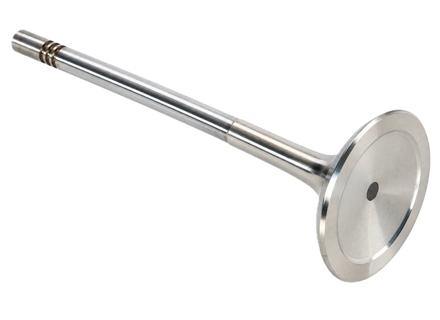
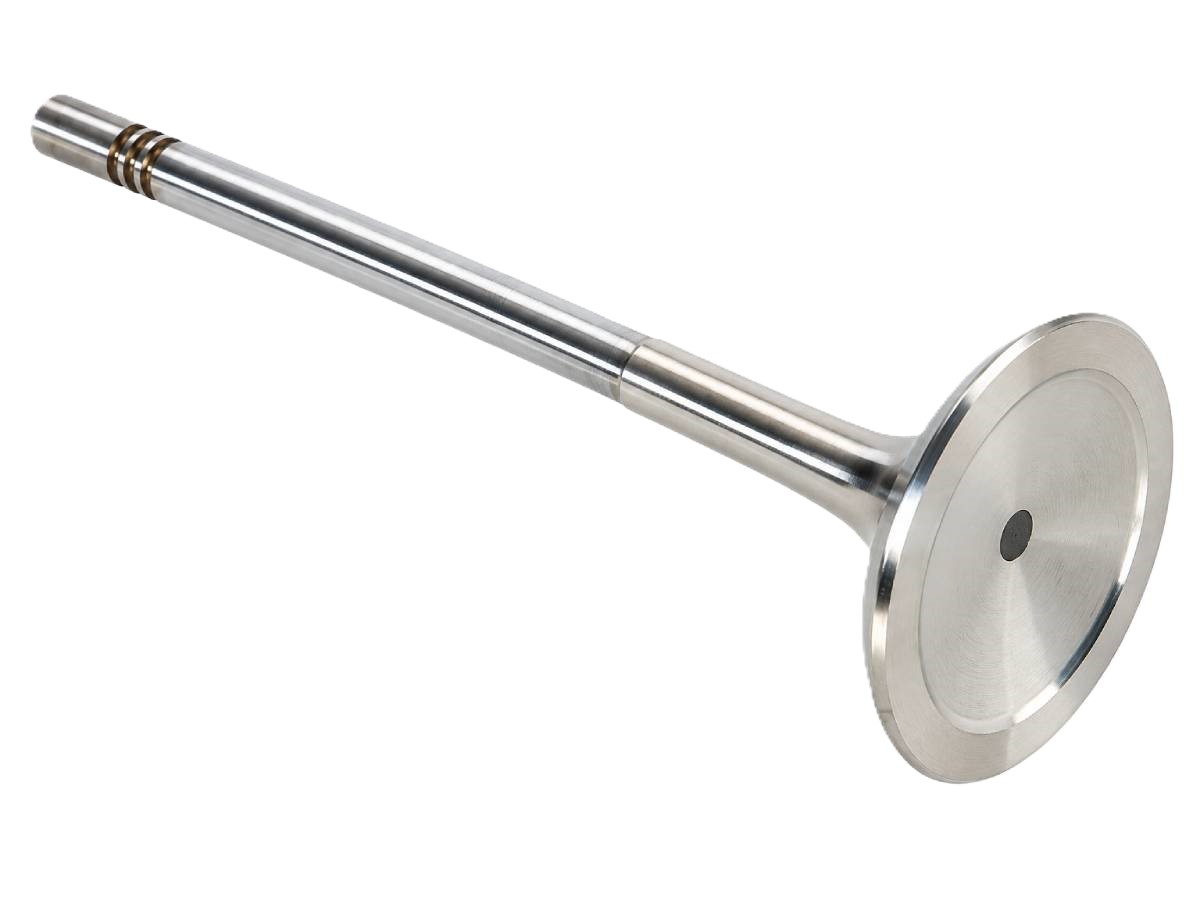
The Genuine Porsche Inlet Valve, 41mm (Part Number: 99710511190) is an original equipment engine cylinder head component designed for selected Porsche 911 GT3 and GT3 RS models, including the 997-generation 3.6L, 3.8L and 4.0L naturally aspirated flat-six engines.
Sold Each.
x12 Required Per Car.
Fits:
- Porsche 997 MK1 GT3 / GT3 RS 2007-09
- Porsche 997 MKII GT3 / GT3 RS 2010-11
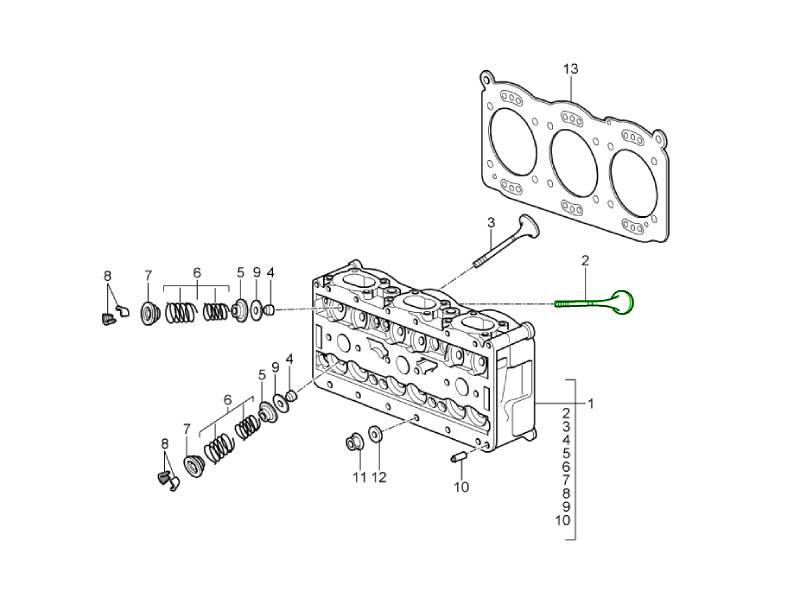
Diagram Ref No 2
Manufactured to Porsche's original equipment specifications, this precision-engineered inlet valve forms part of the engine's cylinder head and valvetrain assembly. Its primary purpose is to control the admission of fresh intake air into the combustion chamber at precisely timed intervals.
Featuring a 41mm valve head diameter, the component is designed for Porsche's high-performance GT engines, where accurate valve operation is essential for maintaining efficient cylinder filling, combustion performance and reliable high-RPM operation.
During engine operation, the inlet valve opens to allow fresh air to enter the combustion chamber and closes to create the necessary seal during compression and combustion. Its movement is controlled by the camshaft and associated valvetrain components.
The Porsche GT3 and GT3 RS engines operate at exceptionally high engine speeds, placing significant demands on their valves, valve springs, guides and sealing surfaces. The inlet valve must withstand repeated mechanical loading, rapid opening and closing cycles and elevated operating temperatures.
Over time, an inlet valve may become worn, bent, damaged or unable to seal correctly because of valve seat deterioration, carbon deposits, overheating or mechanical problems within the valvetrain.
A damaged inlet valve can reduce cylinder compression, disturb combustion and cause rough running, misfires or loss of engine performance.
Replacing a defective inlet valve with a Genuine Porsche component helps restore correct valve operation, maintain cylinder sealing and protect the engine from further mechanical damage.
Ideal for cylinder head repairs, engine rebuilding, valve replacement and specialist Porsche GT engine maintenance, this Genuine Porsche 41mm Inlet Valve provides a factory-specified replacement for compatible applications.
What This Product Does:
The inlet valve is a critical component of the engine's four-stroke combustion cycle.
Its primary function is to control the flow of fresh intake air into the combustion chamber while maintaining a secure seal when the valve is closed.
As the piston moves through the intake stroke, the inlet valve opens at the correct point in the engine cycle to allow air to enter the cylinder.
The valve then closes as required by the camshaft timing, enabling the cylinder to develop compression before combustion.
The 41mm valve head is designed to provide the intended airflow and sealing characteristics for the relevant Porsche GT engine cylinder head.
Its main functions include:
- Controlling intake airflow: Opens to allow fresh air to enter the combustion chamber.
- Maintaining cylinder compression: Closes against the valve seat to provide the seal required for compression and combustion.
- Supporting efficient cylinder filling: Helps the engine receive the correct volume of intake air according to its design and operating conditions.
- Maintaining combustion efficiency: Supports the controlled intake and compression processes required for normal combustion.
- Supporting engine performance: Contributes to the airflow characteristics required by Porsche's naturally aspirated high-performance engines.
- Enabling high-RPM operation: Operates as part of a precision valvetrain designed for demanding engine speeds.
- Working with the camshaft: Opens and closes according to the engine's specified valve timing.
- Supporting smooth engine operation: Correct valve seating helps maintain consistent compression and combustion between cylinders.
- Preserving original engine specifications: Maintains the intended inlet valve dimensions and configuration.
The inlet valve is a mechanical engine component. It does not independently control fuel injection, ignition timing or electronic engine management.
Symptoms Of Wear Or Failure:
Inlet valves are subjected to repeated opening and closing cycles, elevated temperatures, valve spring pressure and mechanical contact with their seats and guides.
Although designed for demanding engine operation, damage or deterioration can occur through excessive wear, overheating, poor lubrication of related valvetrain components or mechanical interference.
Common symptoms of a worn or damaged inlet valve include:
- Loss of engine compression: A burnt, bent or poorly seated inlet valve may prevent the cylinder from sealing correctly.
- Engine misfires: Reduced compression or poor valve sealing can cause inconsistent combustion in the affected cylinder.
- Rough engine idling: Uneven cylinder performance may result in unstable or irregular idle operation.
- Reduced engine power: Poor cylinder filling or compression loss may affect engine performance.
- Hesitation during acceleration: A cylinder affected by valve damage may not produce its expected power output.
- Difficulty starting: Significant compression loss may make the engine harder to start.
- Abnormal valvetrain noises: Damage to associated valve springs, guides or operating components may produce unusual mechanical noise.
- Excessive valve guide wear: A worn guide may allow excessive valve movement and compromise correct seating.
- Bent valve stem: Mechanical interference or incorrect valve timing can deform the valve and prevent proper closure.
- Damaged valve head or seating surface: Pitting, burning or impact damage may reduce sealing effectiveness.
- Increased oil consumption: Worn valve guides or stem seals may allow oil to enter the intake port and combustion chamber.
- Blue exhaust smoke: Oil entering the combustion chamber through damaged valve guide or seal arrangements may produce blue smoke.
- Check engine warning: Cylinder misfires caused by compression problems may trigger engine management fault codes.
- Poor cylinder leak-down test results: Air escaping through the intake port during testing may indicate an inlet valve sealing problem.
- Visible damage during cylinder head inspection: Cracks, deformation, excessive stem wear or damaged seating surfaces may indicate replacement is necessary.
Why Replacement Matters:
Replacing a defective inlet valve is essential for restoring correct cylinder sealing, maintaining engine compression and preserving the performance of Porsche's high-revving GT engines.
A valve that does not seal correctly may allow compressed air to escape from the combustion chamber, reducing the efficiency of the combustion process.
A bent, cracked or otherwise weakened inlet valve can also represent a serious mechanical risk, particularly when the engine is operated at high RPM.
If a valve fails completely, fragments may damage the piston, cylinder head or other internal engine components.
Installing a Genuine Porsche replacement Inlet Valve helps to:
- Restore cylinder compression: Replace damaged sealing surfaces and restore the intended valve-to-seat contact.
- Improve combustion consistency: Help eliminate irregular combustion caused by a confirmed valve sealing fault.
- Restore engine performance: Support correct intake airflow and cylinder operation.
- Reduce engine misfires: Address misfires caused by a leaking or damaged inlet valve.
- Maintain high-RPM reliability: Replace mechanically compromised components before further deterioration.
- Protect internal engine components: Reduce the risk of damage associated with a weakened or fractured valve.
- Restore correct valvetrain operation: Maintain the intended interaction between the valve, guide, spring and camshaft-driven components.
- Support cylinder head repairs: Provide the correct replacement part during specialist head refurbishment.
- Maintain original airflow characteristics: Preserve the specified 41mm inlet valve dimensions.
- Preserve factory engine specifications: Use a valve designed for the relevant Porsche GT engine.
- Support engine rebuilding: Replace damaged or worn valves during an engine overhaul.
- Improve long-term engine reliability: Address mechanical wear before it causes additional cylinder head or piston damage.
- Maintain Genuine Porsche quality: Use an original equipment component intended for the applicable engine configuration.
Replacement is particularly recommended when inspection confirms valve deformation, cracking, excessive stem wear, damaged seating surfaces or an inability to maintain proper cylinder compression.
When replacing an inlet valve, the valve guide, seat, spring, stem seal, retainers and associated valvetrain components should also be inspected.
Related reference numbers
Related, superseded, cross reference or alternative numbers for comparison.
99710511190
The product you are viewing cross references to these numbers