
Your Vehicle
Porsche // Cayenne 9YA (E3) 2018-2023 // 9YA Cayenne E-Hybrid V6 3.0L V6 (340Hp) 2018-23



Enter your VAT number here and click Verify:
Your details have been verified. VAT number registered to:
,
.
Your order will now be zero rated for VAT purposes. We reserve the right to verify these details after your order request has been made and reinstate VAT if required.
Your VAT details were not recognised or were invalid. Your VAT number must be matched to your Billing Country as specified above. This is currently specified as . You do not need to enter the country code part of your VAT number as this has already been selected in your billing address details above.
The VAT number checking service is currently offline. Please supply your VAT details within the comments or special instructions field below and we will apply a VAT discount after placing your order request.

- Porsche Boxster 987 MKII 2.9L 2009-12
- Porsche Boxster S 987 MKII 3.4L 2009-12
- Porsche 997 MKII Carrera C2 3.6L 2009-12
- Porsche 997 MKII Carrera C4 3.6L 2009-12
- Porsche 997 MKII Carrera C2S 3.8L 2009-12
- Porsche 997 MKII Carrera C4S 3.8L 2009-12
- Porsche Cayman 2.9L 987C MKII 2009-12
- Porsche Cayman S / R 3.4L 987C MKII 2009-12
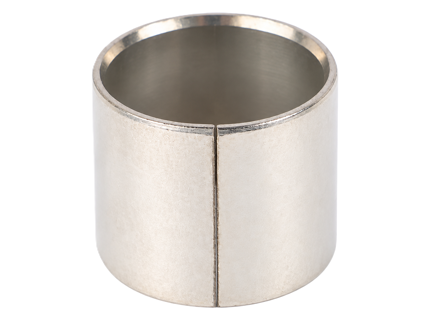
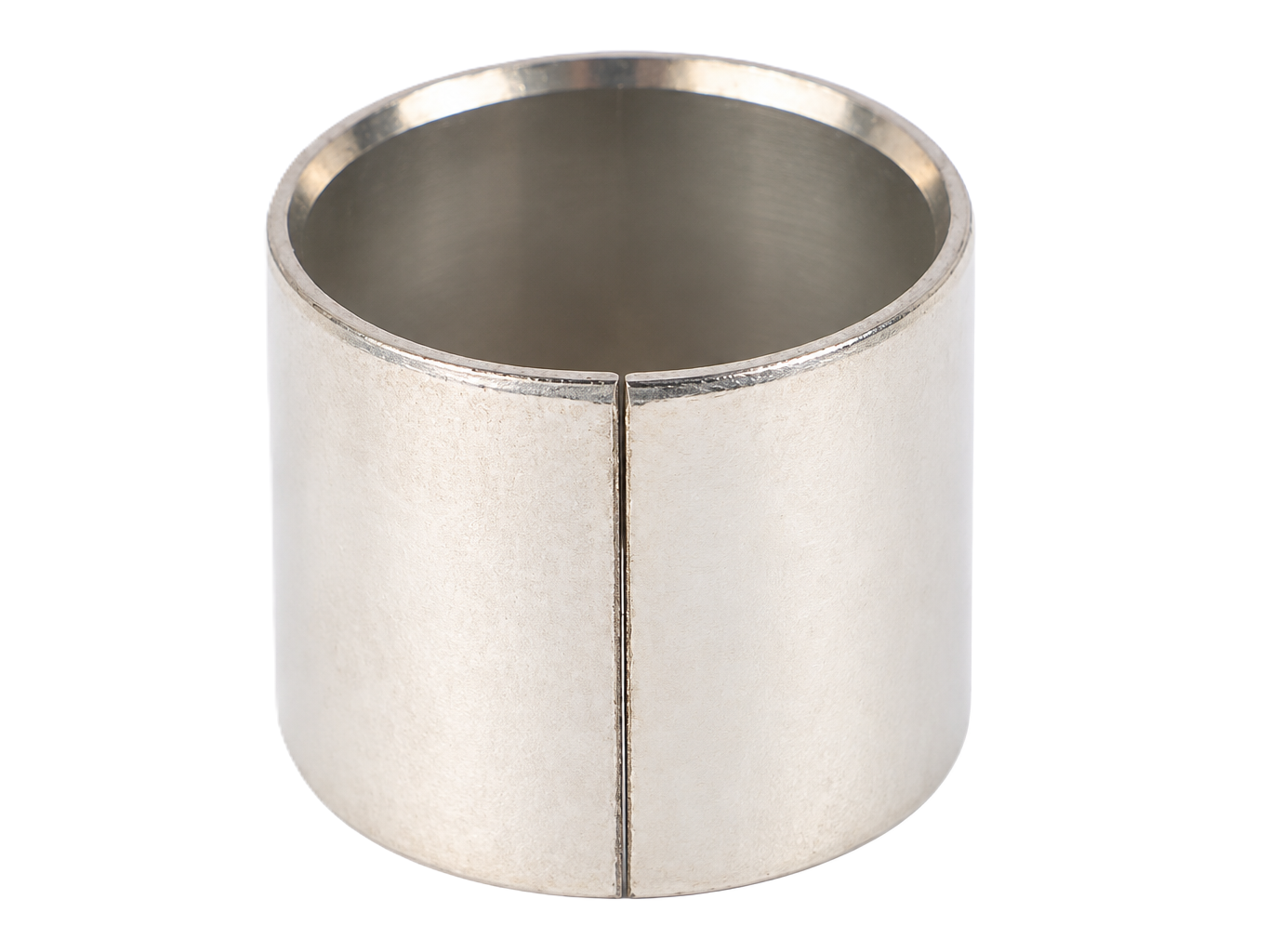
The Genuine Porsche Connecting Rod Bush (Part Number: 9A110312202) is a precision-engineered internal engine component designed to provide a durable, low-friction bearing surface between the connecting rod small end and the piston pin on selected Porsche 911, Boxster and Cayman engines.
Sold Each.
x6 Required Per Car.
Fits:
- Porsche Boxster 987 MKII 2.9L 2009-12
- Porsche Boxster S 987 MKII 3.4L 2009-12
- Porsche 997 MKII Carrera C2 3.6L 2009-12
- Porsche 997 MKII Carrera C4 3.6L 2009-12
- Porsche 997 MKII Carrera C2S 3.8L 2009-12
- Porsche 997 MKII Carrera C4S 3.8L 2009-12
- Porsche Cayman 2.9L 987C MKII 2009-12
- Porsche Cayman S / R 3.4L 987C MKII 2009-12
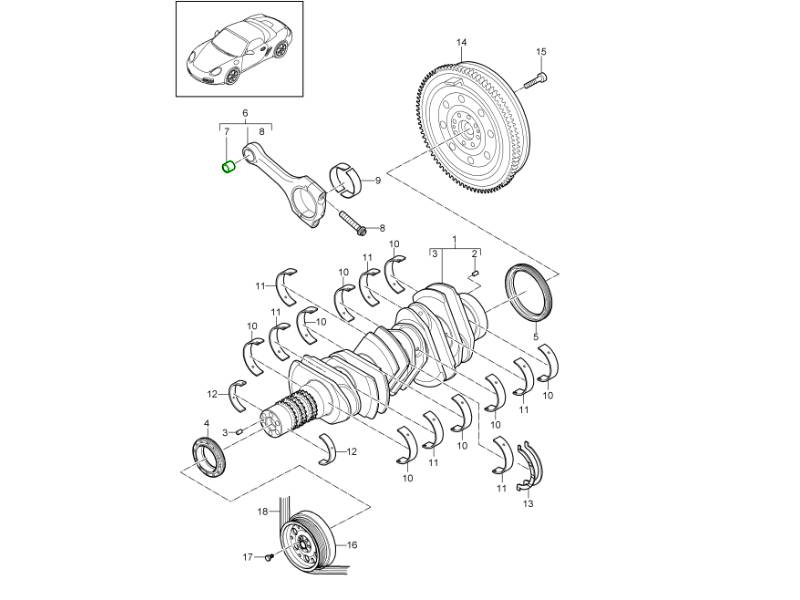
Diagram Ref No 7
Manufactured to Porsche's original equipment specifications, this connecting rod bush is designed to withstand the demanding operating conditions found within Porsche's high-performance flat-six engines, including repeated mechanical loading, high temperatures and continuous rotational movement.
The connecting rod bush is installed within the small end of the connecting rod, providing a precisely fitted bearing surface that allows the piston pin to articulate smoothly as the piston moves up and down inside the cylinder.
Maintaining the correct clearance between the connecting rod bush and piston pin is essential for smooth engine operation, efficient power transfer and long-term internal engine reliability.
Over time, connecting rod bushes can become worn, scored or damaged due to inadequate lubrication, excessive mechanical loading, overheating or prolonged engine operation. Excessive clearance can result in unwanted engine noise, increased vibration and accelerated wear of the piston pin and connecting rod assembly.
Replacing a worn or damaged connecting rod bush with a Genuine Porsche component helps restore the correct bearing clearance and maintain reliable operation of the engine's reciprocating assembly.
Ideal for professional engine rebuilding, connecting rod refurbishment and internal engine repairs, this Genuine Porsche connecting rod bush provides the correct replacement specification for compatible Porsche engines.
What This Product Does:
The connecting rod bush, also known as a small-end bush or piston pin bush, is an essential component within the engine's piston and connecting rod assembly.
Its primary function is to provide a low-friction bearing surface between the small end of the connecting rod and the piston pin, also known as the gudgeon pin or wrist pin.
During engine operation, combustion forces push the piston downwards within the cylinder. These forces are transferred through the piston pin and connecting rod to the crankshaft, converting the piston's reciprocating movement into rotational motion.
The connecting rod bush allows controlled relative movement between the piston pin and connecting rod while maintaining the precise clearance required for reliable operation.
Its main functions include:
- Reducing friction: Provides a low-friction bearing surface between the piston pin and connecting rod small end.
- Supporting smooth piston movement: Allows the piston pin to articulate correctly as the connecting rod changes angle during engine operation.
- Maintaining correct bearing clearance: Helps preserve the precise mechanical tolerances required between the piston pin and connecting rod.
- Distributing mechanical loads: Transfers combustion and inertial forces across the bearing contact surface.
- Protecting the connecting rod: Reduces direct metal-to-metal wear between the piston pin and connecting rod bore.
- Supporting engine reliability: Helps maintain dependable operation of the reciprocating assembly under demanding engine loads.
- Reducing mechanical noise: Correct bearing clearances help minimise unwanted movement and knocking associated with excessive small-end wear.
- Supporting efficient power transfer: Maintains the mechanical connection that transfers piston forces through the connecting rod to the crankshaft.
Symptoms Of Wear Or Failure:
Connecting rod bushes operate under significant mechanical loads and are subjected to continuous movement throughout the engine's operating cycle.
Although designed for long service life, the bushes may deteriorate due to lubrication problems, excessive temperatures, contamination, high engine loads or incorrect assembly clearances.
Common symptoms of a worn or failing connecting rod bush include:
- Engine knocking or tapping noises: Excessive clearance between the piston pin and connecting rod bush may produce a metallic tapping or knocking sound during engine operation.
- Unusual engine noise during acceleration: Changes in combustion load may make excessive small-end clearance more noticeable.
- Increased mechanical vibration: Severe wear may contribute to abnormal movement within the piston and connecting rod assembly.
- Excessive piston pin clearance: A worn bush may allow movement beyond the manufacturer's specified tolerance.
- Scoring or surface damage: Inspection during engine dismantling may reveal scratches, scoring or wear marks on the internal bearing surface.
- Discolouration or overheating damage: Insufficient lubrication or excessive friction can cause heat-related damage to the bush and piston pin.
- Uneven bearing wear: Incorrect alignment, lubrication problems or excessive loading may produce irregular wear patterns.
- Metallic particles in engine oil: Severe internal wear may introduce metallic debris into the lubrication system.
- Damage to the piston pin: Excessive bush wear may cause scoring or deterioration of the corresponding piston pin surface.
- Reduced engine reliability: Continued operation with excessive small-end clearance may increase the risk of further damage to the piston and connecting rod assembly.
Why Replacement Matters:
Replacing a worn connecting rod bush is essential for maintaining the correct mechanical clearances and long-term reliability of the engine's piston and connecting rod assembly.
A deteriorated bush may develop excessive clearance around the piston pin, allowing unwanted movement and increasing contact stresses within the connecting rod small end.
If left unresolved, this wear may result in abnormal engine noise, damage to the piston pin, accelerated wear of surrounding components and potentially serious internal engine damage.
Installing a Genuine Porsche replacement connecting rod bush helps to:
- Restore correct bearing clearance: Maintain the precise fit required between the piston pin and connecting rod small end.
- Reduce unwanted mechanical movement: Eliminate excessive play caused by a worn bush when correctly fitted and machined.
- Protect the piston pin: Provide a renewed bearing surface to reduce friction and prevent further pin damage.
- Support smooth engine operation: Maintain controlled movement within the piston and connecting rod assembly.
- Improve internal engine reliability: Replace worn bearing surfaces before further mechanical damage develops.
- Maintain efficient force transfer: Preserve the mechanical connection between the piston and crankshaft.
- Reduce the risk of engine damage: Prevent continued operation with excessive small-end clearance that could damage associated components.
- Support professional engine rebuilding: Provide a replacement bearing component during connecting rod refurbishment.
- Preserve original Porsche specifications: Restore the intended dimensions and mechanical characteristics when correctly installed.
- Maintain long-term durability: Support reliable operation under the high loads experienced in Porsche flat-six engines.
Replacing connecting rod bushes is particularly recommended during engine rebuilding when inspection identifies excessive clearance, scoring, deformation or other damage.
Because these components are located inside the engine, replacement generally requires significant engine disassembly and specialist machining procedures.
Related reference numbers
Related, superseded, cross reference or alternative numbers for comparison.
9A110312202
The product you are viewing cross references to these numbers


100 Plasigauge strips per box
PLASTIGAUGE PL-A is widely used in the measurement of clearance in plain automotive bearings. Measurement of clearance in big-end bearings can be achieved without dismantling the crankshaft.
For measurements of: 0.001″ to 0.007″ (0.025mm – 0.175mm)
Suitable for use at temperatures between 0°C and 35°C
Contents:
Related reference numbers
Related, superseded, cross reference or alternative numbers for comparison.
PLA007
The product you are viewing cross references to these numbers


3G Mineral Grease: To coat journal prior to use of Plastigauge
3G Silicone Grease: To apply to surface of shell
Lubricants to assist with the measurement of clearance in automotive bearings.
Plastigauge Precision Clearance Gauges


Kit includes:
1 x Plastigauge PL-A box
1 x Plastiguage Mineral grease
1 x Plastiguage Silicone grease
PLASTIGAUGE PL-A is widely used in the measurement of clearance in plain automotive bearings. Measurement of clearance in big-end bearings can be achieved without dismantling the crankshaft.
3G Minerak Grease: To coat journal prior to use of Plastigauge
3G Silicone Grease: To apply to surface of shell
Related reference numbers
Related, superseded, cross reference or alternative numbers for comparison.
PLASKIT
The product you are viewing cross references to these numbers
This kit is comprised of the following items:
