





Inserisci il tuo numero di partiva IVA qui e fai clic su Verifica:
Nessuna necessità di inserire la parte del numero di partita IVA relativa al codice del paese poiché questa è già stato selezionata nel predetto indirizzo di fatturazione.
I tuoi dati sono stati verificati. Numero di partita IVA registrato a:
,
.
Al tuo ordine sarà applicata un’aliquota pari a zero ai fini dell’IVA. Ci riserviamo il diritto di verificare questi dettagli dopo che la tua richiesta d’ordine è stata fatta e di reintegrare l’IVA se necessario.
I tuoi dati IVA non sono stati riconosciuti o non erano validi. Il tuo numero di partita IVA deve corrispondere al tuo paese di fatturazione come specificato sopra. Attualmente è specificato come . Non occorre inserire inserire la parte del numero di partita IVA relativa al codice del paese poiché questa è già stato selezionata nei dettagli del predetto indirizzo di fatturazione.
Il servizio di verifica della partita IVA è attualmente offline. Per favore fornisci i tuoi dati IVA all’interno dei commenti o nel campo delle istruzioni speciali sotto e noi applicheremo uno sconto IVA dopo aver fatto la richiesta d’ordine.
Silverlake

Silverlake for Porsche
Silverlake parts for Porsche models from Design911.
A Quick Look at Silverlake
Silverlake information on this page is based on details supplied by the manufacturer or distributor, plus any OE references provided with the parts.
Choosing the Right Fit for Your Porsche
Where Silverlake is listed for Porsche, use the supplied model coverage and OE references to confirm suitability. Check details that commonly affect fitment such as model year, side/position, and connector type where relevant.
- Typical reasons to choose these parts include restoring reliable function on common Porsche repairs and keeping the car dependable for regular use.
- Common issues they are used to address include noise, looseness, leaks, or intermittent operation depending on the component, often after other parts in the system have worn.
- Watch for repeat failures caused by incorrect application, skipping seals or consumables, or leaving worn supporting components in place.
- Before replacing, confirm the root cause of the symptoms, as problems can point to wider system faults rather than a single failed part.
- Where applicable, replace related seals, gaskets, and hardware at the same time to reduce the risk of future leaks or rework.
Browse by Category
If you already know the area you are working on, start with the category and then filter by Porsche model. Where real-world symptoms and typical reasons to replace are provided, use them to keep the wording grounded.
Engine Rebuild Parts — Engine rebuild parts are typically changed during a planned rebuild or when symptoms point to internal wear such as loss of compression, heavy oil use, persistent leaks, abnormal noises, or contamination found during inspection. On Porsches, many owners take the opportunity to renew bearings, chains, guides, seals, fasteners, and gaskets while the engine is apart so labour is only paid once and reliability is improved after the rebuild.
- Carry out compression and leak-down tests, inspect bores with a scope, and check the oil/filter for debris before committing to a rebuild.
- Plan to replace hard-to-access wear items "while you’re in there" to avoid another engine strip-down later.
Exhausts — Exhaust components are replaced when corrosion, leaks, rattles, or blocked catalysts affect performance, noise, or emissions, or when owners want to change the sound and back-pressure characteristics. For Porsche applications, the choice of system usually balances desired tone, drone levels, weight, compatibility with emissions equipment, and whether the car is road or track focused.
- Inspect for blowing noises, soot marks at joints, broken hangers, or MOT/emissions warnings as signs an exhaust section may need attention.
- When changing exhaust parts, budget for new gaskets, clamps, mounts, and any rusted fixings to avoid leaks and future issues.
Manifold / Headers — Manifolds and headers are changed when they crack, leak at the head or joints, or when upgrading for better exhaust flow and reduced weight. On Porsche models, snapped studs and heat-related fatigue are common, so replacement often focuses on durability, correct fitment, and gaining response or power when combined with matching exhaust components and tuning.
- Listen for ticking on cold start, check for soot marks around flanges, and look for snapped studs as indicators that manifolds or headers require attention.
- Always renew gaskets and damaged studs/nuts, and consider suitable heat shielding or wraps where temperatures are high.
Heat Exchangers — Heat exchangers are replaced when rust, cracks, or internal leaks affect cabin heat output or allow exhaust gases to escape. On air-cooled and some classic Porsche setups, owners often choose updated designs or materials to improve corrosion resistance, maintain good heating performance, and ensure safe routing of exhaust gases away from the cabin.
- An exhaust smell inside the cabin, poor heater performance, or visible corrosion around the exchanger are key signs to investigate immediately.
- Check heater ducts, control flaps, and exhaust sealing surfaces at the same time to make sure the whole system is sound.
Exhaust Nuts / Bolts / Studs — Exhaust fixings are routinely replaced because they corrode, seize, or snap during removal, especially on older or high-mileage Porsches. Using fresh, high-temperature hardware helps restore correct clamping force, maintain gas-tight joints, and make future servicing easier with less risk of broken studs and leaks.
- Even if old hardware appears serviceable, repeated heat cycles can weaken it, so new nuts, bolts, and studs are recommended during exhaust work.
- Use appropriate anti-seize and heat-resistant, self-locking or copper nuts where specified, and torque to the correct values.
Explore Silverlake at Design911
View the current Silverlake range for Porsche at Design911, then filter by model and category to narrow down to the right parts.

- Porsche 964 (911) C2 1989-93
- Porsche 964 (911) C4 1989-93
- Porsche 993 (911) C2 1994-97
- Porsche 993 (911) C4 1994-97
- Porsche 993 (911) RS 1994-97
- Porsche 993 (911) C2S 1994-97
- Porsche 996 C2 3.4L 1997-08/01
- Porsche 996 C4 3.4L 1997-08/01
- Porsche 996 C2 3.6L 09/01-2005
- Porsche 996 C4 3.6L 09/01-2005
- Porsche 996 C4S 3.6L 09/01-2005
- Porsche 996 TURBO 2000-05
- Porsche 997 MK1 Carrera 2 3.6L 2005-08
- Porsche 997 MK1 Carrera 2S 3.8L 2005-08
- Porsche 997 MK1 Carrera 4 3.6L 2005-08
- Porsche 997 MK1 Carrera 4S 3.8L 2005-08
- Porsche 997 MK1 TURBO 2007-09
- Porsche 997 MKII Carrera C2 3.6L 2009-12
- Porsche 997 MKII Carrera C4 3.6L 2009-12
- Porsche 997 MKII Carrera C2S 3.8L 2009-12
- Porsche 997 MKII Carrera C4S 3.8L 2009-12
- Porsche 997 MKII Turbo 2010-13
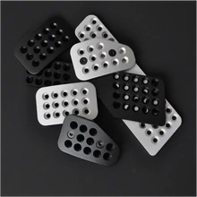
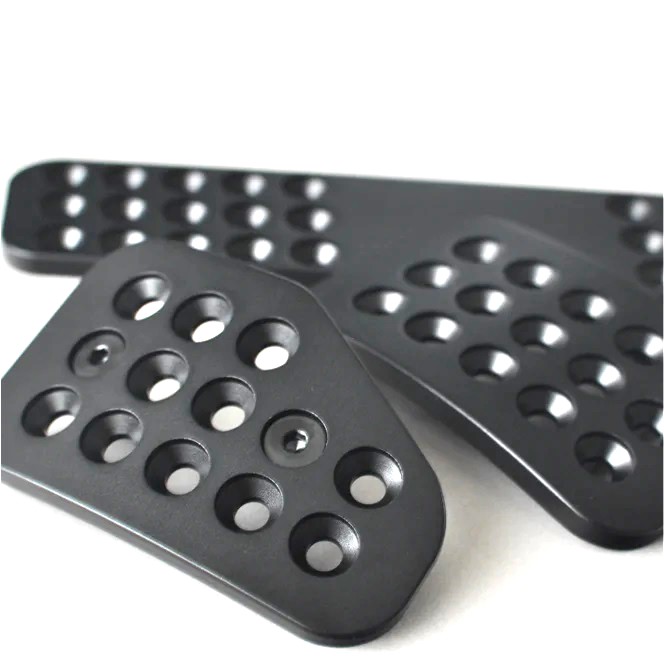
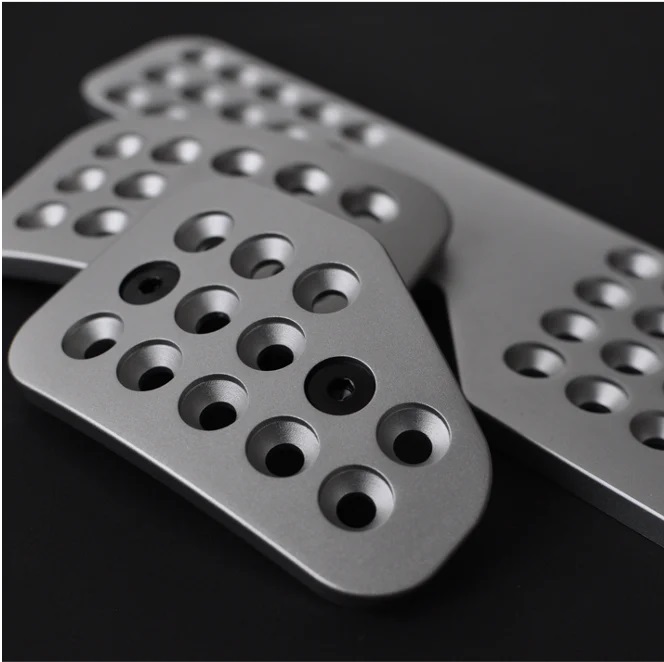
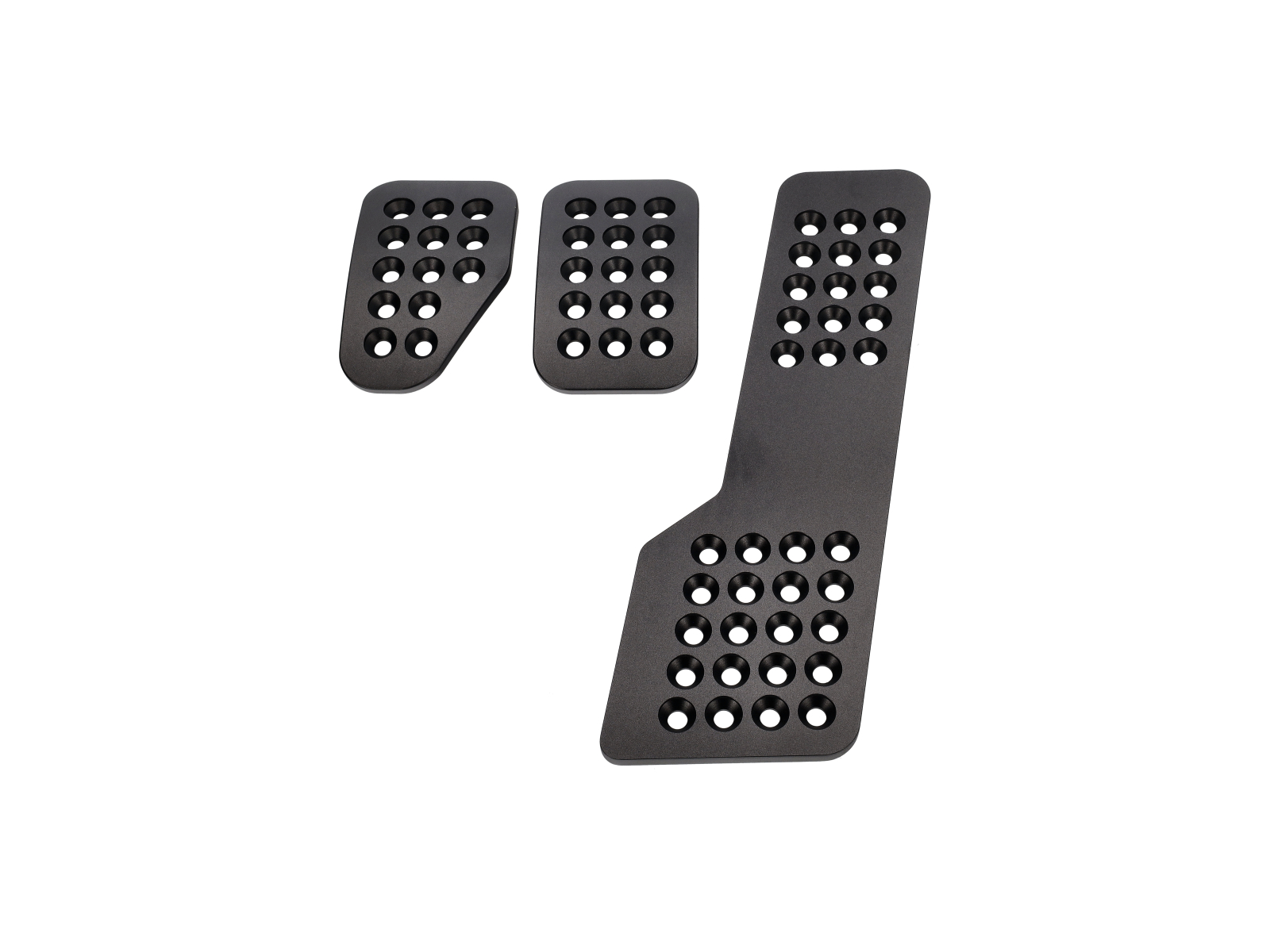
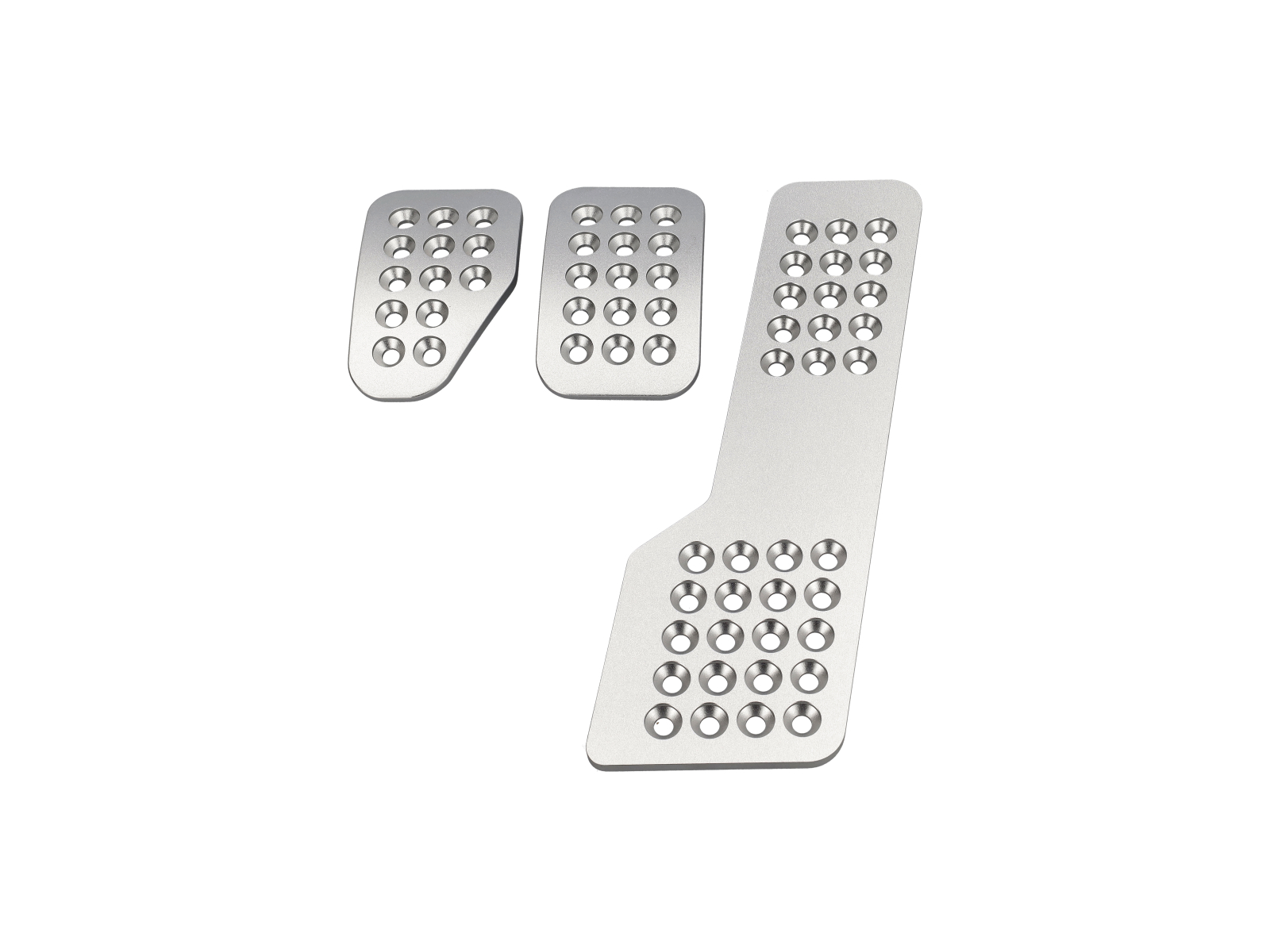
Set di 2 pedali in alluminio per Tiptronic. (cambio automatico)
Disponibile con finitura nera o trasparente
#lago argentato#
Si adatta:
Solo auto con guida a sinistra
Porsche 964 - dal 1989 al 1994
Porsche 993 - dal 1994 al 1998
Porsche 996 - dal 1998 al 2005
Porsche 997 - dal 2005 al 2012
Lavorato a CNC da billetta di alluminio 6061 e anodizzato nero o trasparente per una maggiore resistenza all'usura e alla corrosione e una finitura eccezionalmente duratura. Fori svasati per l'installazione, inclusi bulloni a testa svasata Ti6Al4V con rivestimento PVD nero abbinati e dadi di bloccaggio per una perfetta aderenza e un look killer.
Complemento perfetto per le nostre pedane forate: combinano la massima qualità percepita per il tuo fuorilegge stradale e la massima funzionalità e resistenza agli abusi per la tua macchina da pista.


- Porsche 911 1984-1986 3.2L
- Porsche 911 1987-1989 3.2L G50
- Porsche 964 (911) C2 1989-93
- Porsche 964 (911) C4 1989-93
- Porsche 964 (911) RS 3.6L 1991-93
- Porsche 964 (911) RS 3.8L 1991-93
- Porsche 993 (911) C2 1994-97
- Porsche 993 (911) C4 1994-97
- Porsche 993 (911) RS 1994-97
- Porsche 993 (911) C2S 1994-97
- Porsche 993 (911) C4S 1994-97
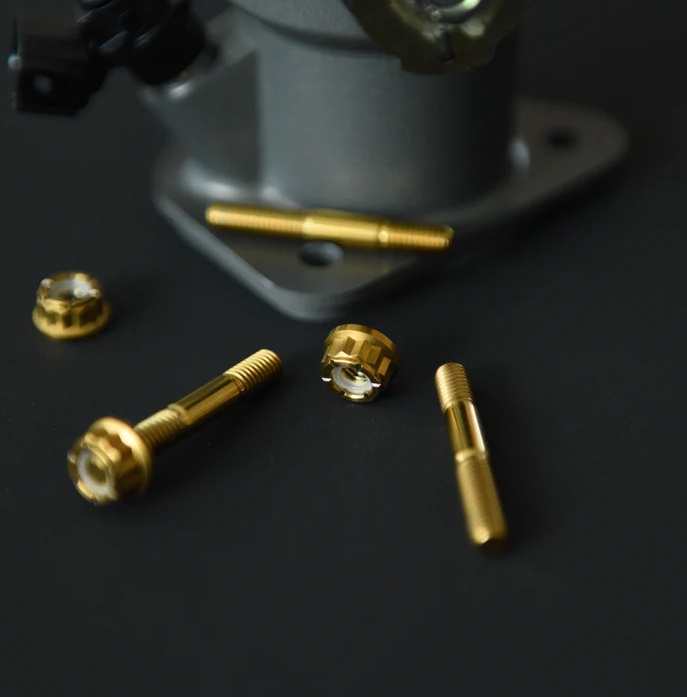
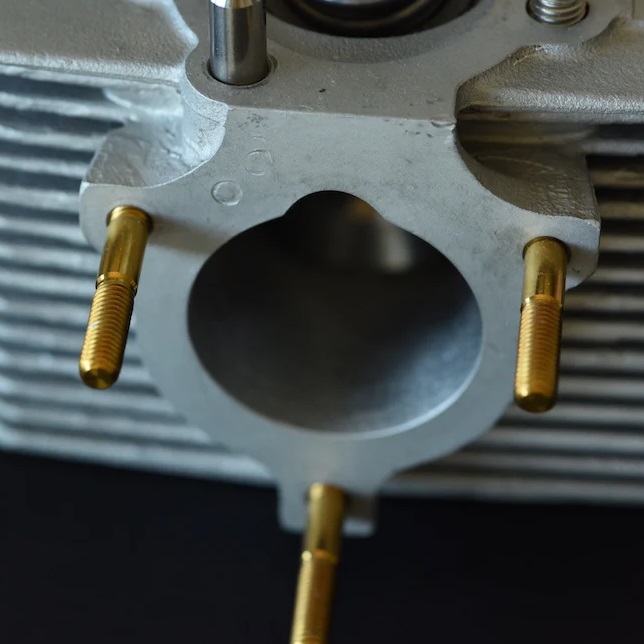
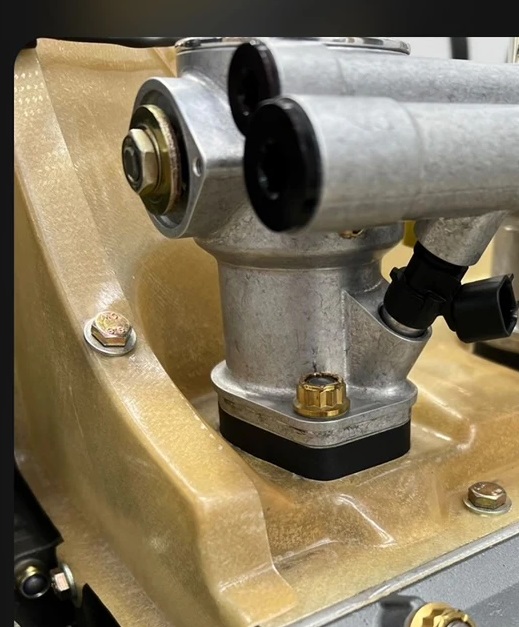
Prigionieri e dadi M8 per 911 x set di 12
Prigionieri e dadi M6 per 964/993 x set di 18
#lago argentato#
Si adatta:
Porsche 911
Porsche 964/993
Il nostro set è la soluzione perfetta per rendere il vostro collettore di aspirazione alla testata a prova di futuro.
I perni in lega di titanio e i dadi di bloccaggio in nylon non arrugginiscono dopo ripetuti cicli di riscaldamento e saranno facilmente rimossi quando necessario.
La lega Ti6Al4V è resistente quanto l'acciaio ma più leggera del 45%.
Gli elementi di fissaggio sono rivestiti in nitruro di titanio PVD per una protezione extra e per emulare l'aspetto classico dell'hardware placcato in acciaio zincato giallo.
Numeri di riferimento correlati
Numeri correlati, sostituiti, riferimenti incrociati o alternativi per il confronto.
SL-Ti-In
Il prodotto che stai visualizzando fa riferimento a questi numeri


- Porsche 964 (911) C2 1989-93
- Porsche 964 (911) C4 1989-93
- Porsche 964 (911) RS 3.6L 1991-93
- Porsche 964 (911) RS 3.8L 1991-93
- Porsche 964 (911) TURBO 3.3L 1991-93
- Porsche 964 (911) TURBO 3.6L 1991-93
- Porsche 993 (911) C2 1994-97
- Porsche 993 (911) C4 1994-97
- Porsche 993 (911) RS 1994-97
- Porsche 993 (911) C2S 1994-97
- Porsche 993 (911) C4S 1994-97
- Porsche 993 (911) TURBO 1994-96
- Porsche 993 (911) GT2 1994-97
- Porsche 993 (911) TURBO S 1994-97
Disponibile in nero o trasparente
#lago argentato#
Si adatta
Solo auto con guida a sinistra
Porsche 964 1989 - 1994
Porsche 993 1993 - 1998
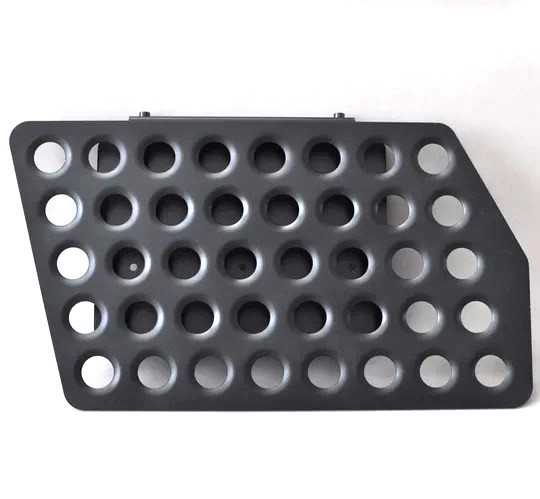
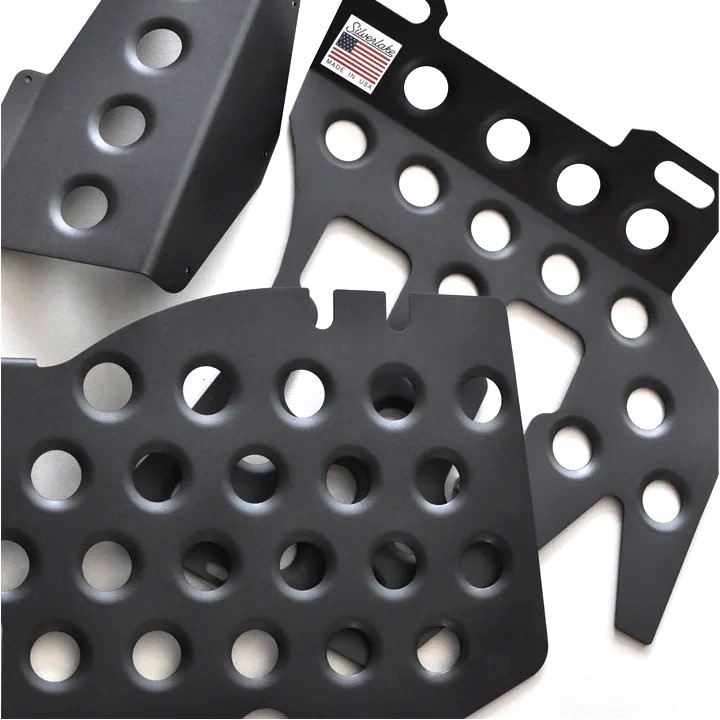
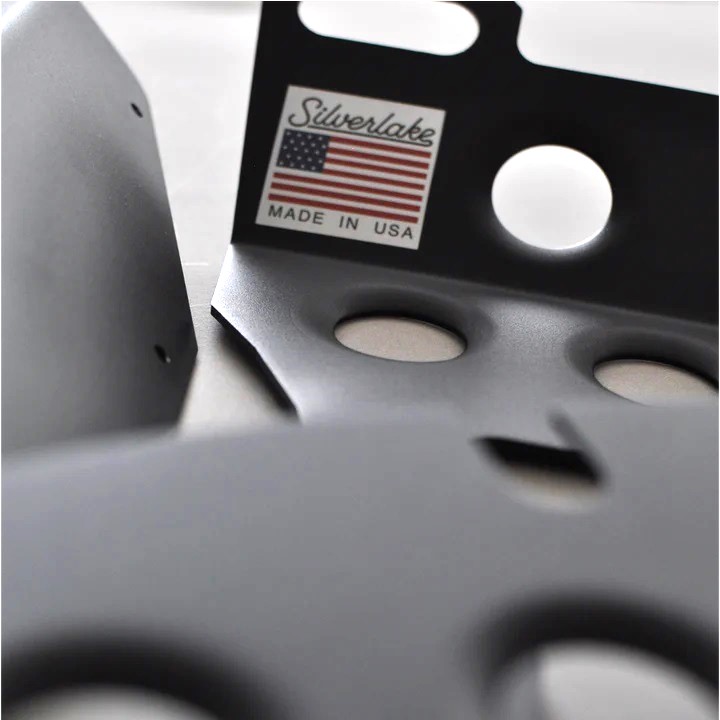
Realizzati in alluminio serie 5 per un peso ridotto e un'elevata resistenza, questi sono increspati a mano per un'ulteriore riduzione del peso e una maggiore rigidità. Ulteriore
superficie trattata e anodizzata per una maggiore resistenza all'usura e alla corrosione, una finitura eccezionalmente duratura e un look killer


- Porsche 964 (911) C2 1989-93
- Porsche 964 (911) C4 1989-93
- Porsche 964 (911) RS 3.6L 1991-93
- Porsche 964 (911) RS 3.8L 1991-93
- Porsche 964 (911) TURBO 3.3L 1991-93
- Porsche 964 (911) TURBO 3.6L 1991-93
- Porsche 993 (911) C2 1994-97
- Porsche 993 (911) C4 1994-97
- Porsche 993 (911) RS 1994-97
- Porsche 993 (911) C2S 1994-97
- Porsche 993 (911) C4S 1994-97
- Porsche 993 (911) TURBO 1994-96
- Porsche 993 (911) GT2 1994-97
- Porsche 993 (911) TURBO S 1994-97
Disponibile in nero o trasparente
#lago argentato#
Si adatta
Solo auto Tiptronic con guida a sinistra
Porsche 964 1989 - 1994
Porsche 993 1993 - 1998
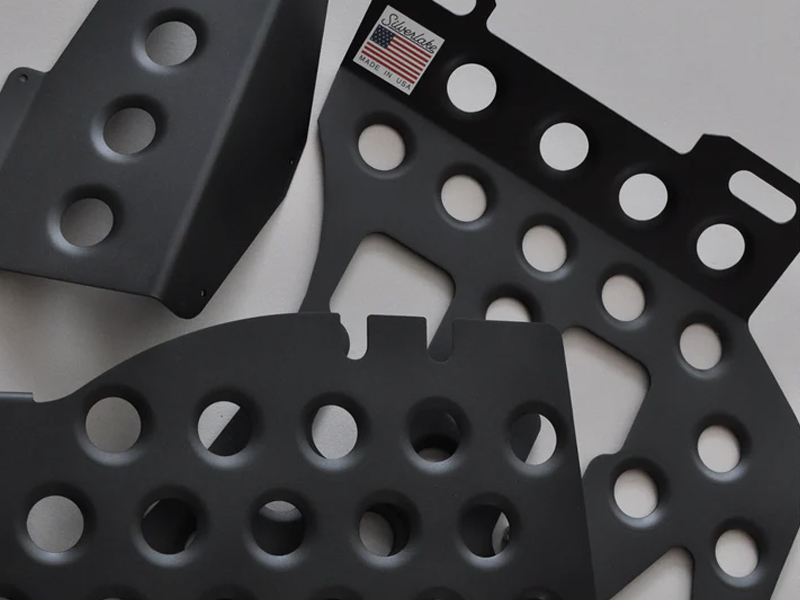
Realizzati in alluminio serie 5 per un peso ridotto e un'elevata resistenza, questi sono increspati a mano per un'ulteriore riduzione del peso e una maggiore rigidità. Ulteriore
superficie trattata e anodizzata per una maggiore resistenza all'usura e alla corrosione, una finitura eccezionalmente duratura e un look killer
Numeri di riferimento correlati
Numeri correlati, sostituiti, riferimenti incrociati o alternativi per il confronto.
SL-FB-06-
Il prodotto che stai visualizzando fa riferimento a questi numeri


#lago argentato#
Il titanio è un pessimo conduttore di calore e riduce il trasferimento di calore di circa il 90%
I pistoni dei freni standard in alluminio sono leggeri ma molto conduttivi di calore, il che significa che l'energia termica dalla pastiglia del freno si trasferisce facilmente al liquido dei freni.
Il bordo di contatto dentellato favorisce il flusso d'aria nella cavità del pistone e riduce la superficie di contatto con la pastiglia e quindi riduce ulteriormente il trasferimento di calore al liquido dei freni.
Abbiamo progettato utilizzando simulazioni ingegneristiche avanzate (FEA) per ottenere lo stesso peso delle loro controparti in alluminio pur mantenendo una resistenza strutturale superiore.
A differenza dei pistoni in acciaio inossidabile, i nostri pezzi in lega di titanio hanno lo stesso peso dei pistoni originali in alluminio; e non corroderanno mai né danneggeranno le guarnizioni causando perdite dalla pinza.
Il prezzo è per coppia di pistoni
**Si prega di controllare il diametro del pistone necessario poiché alcune pinze hanno due dimensioni diverse. Le dimensioni indicate sono il diametro esterno del pistone (OD)
Numeri di riferimento correlati
Numeri correlati, sostituiti, riferimenti incrociati o alternativi per il confronto.
SL-BKP-
Il prodotto che stai visualizzando fa riferimento a questi numeri
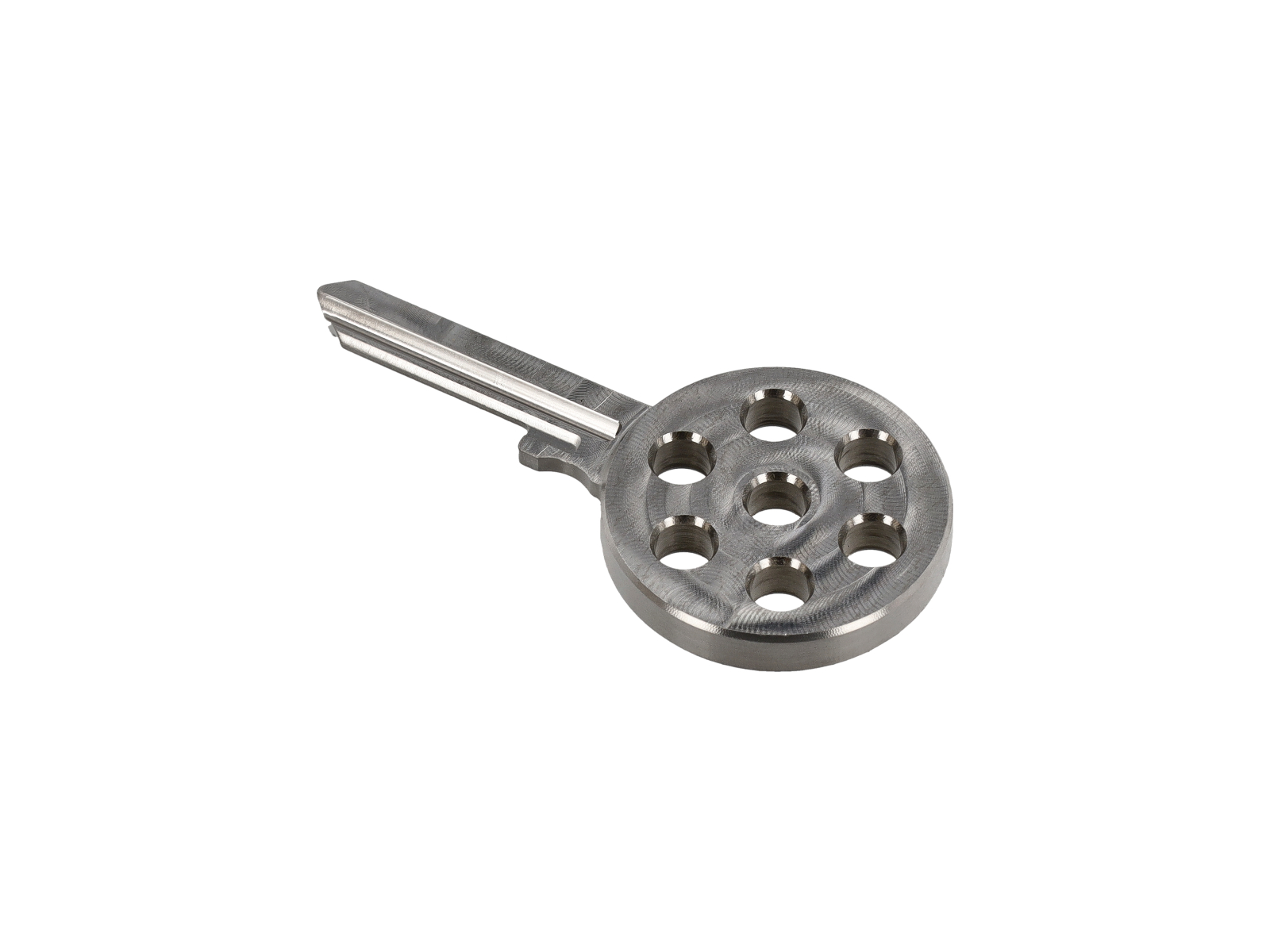
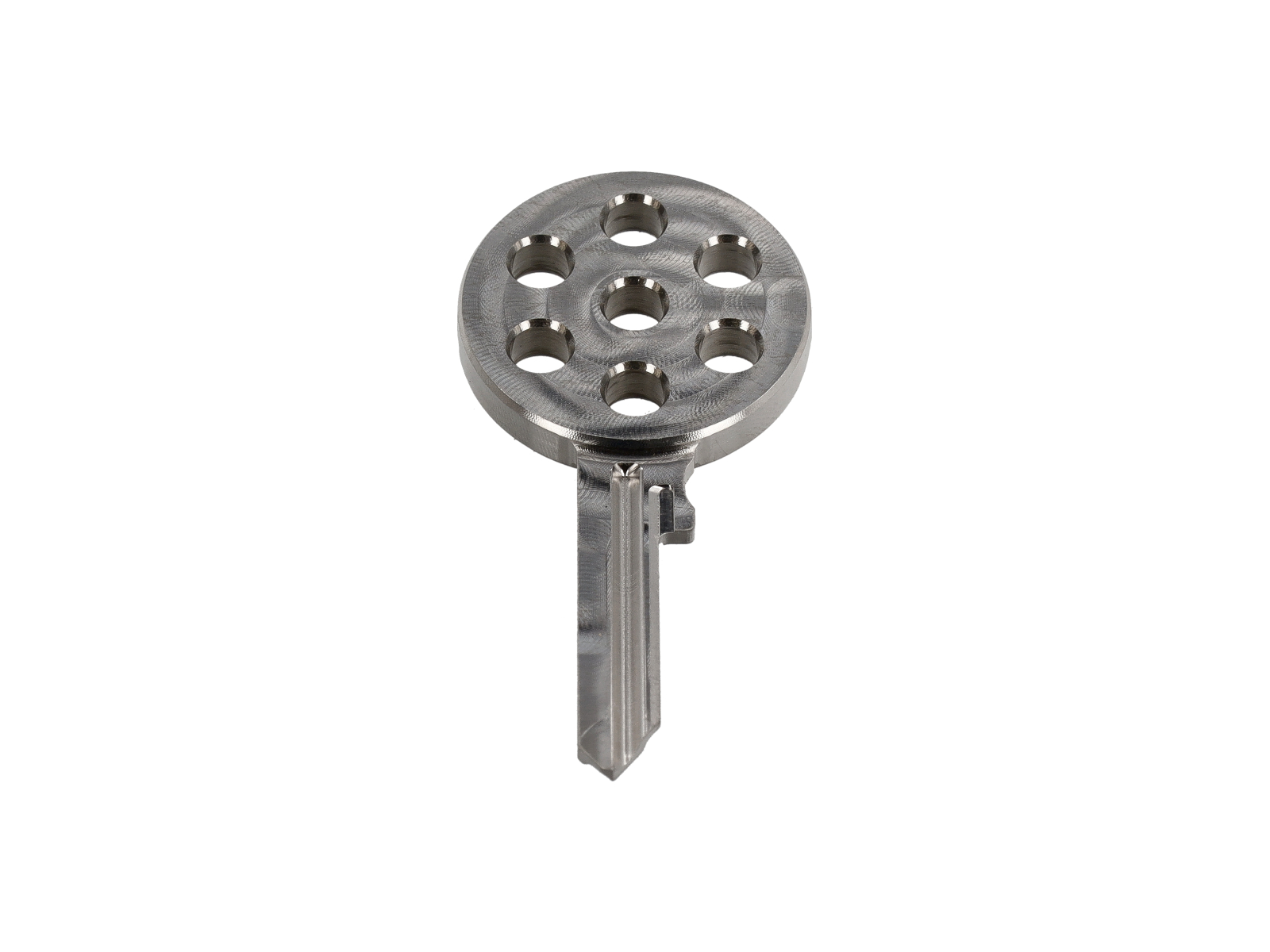
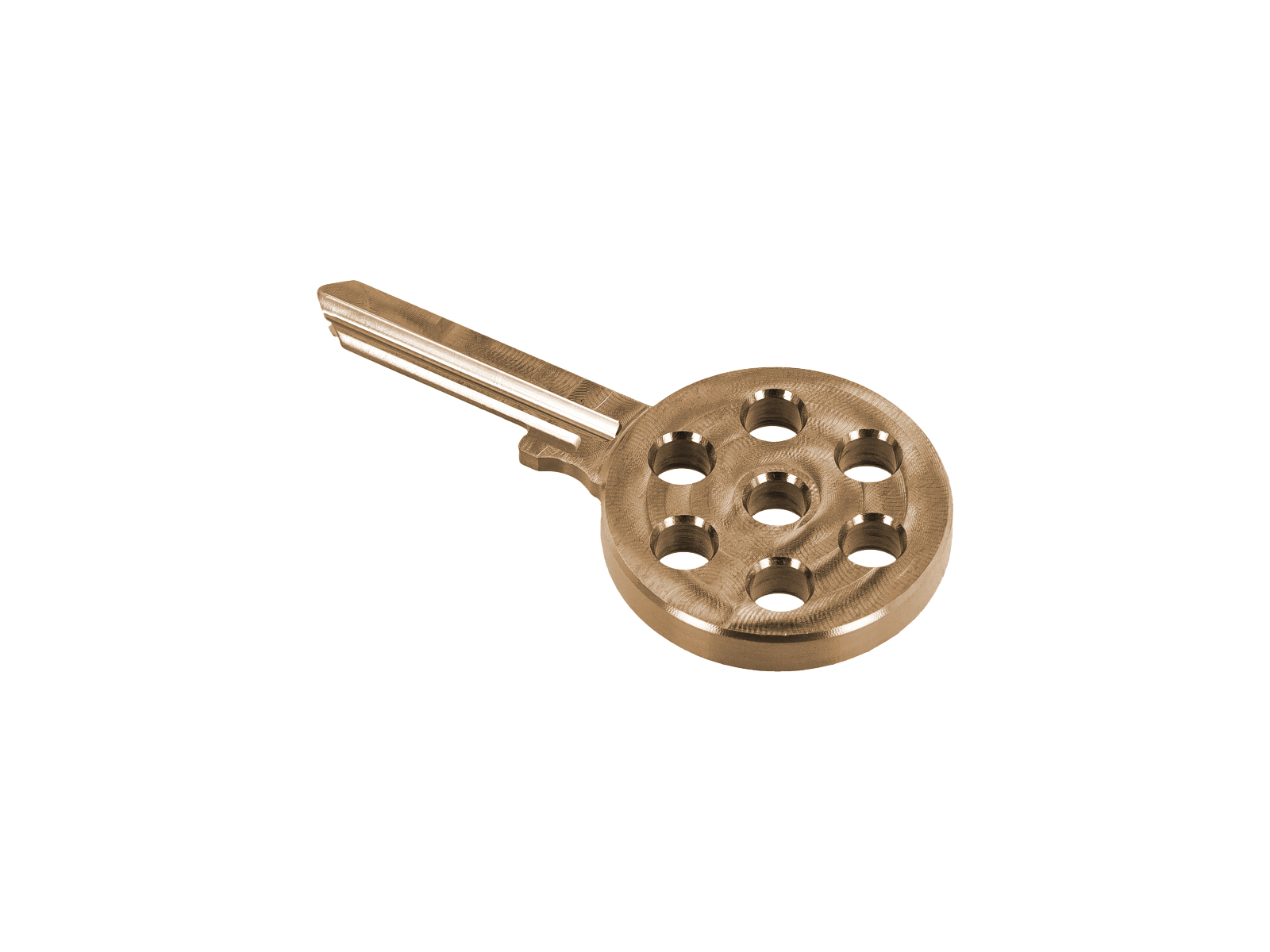
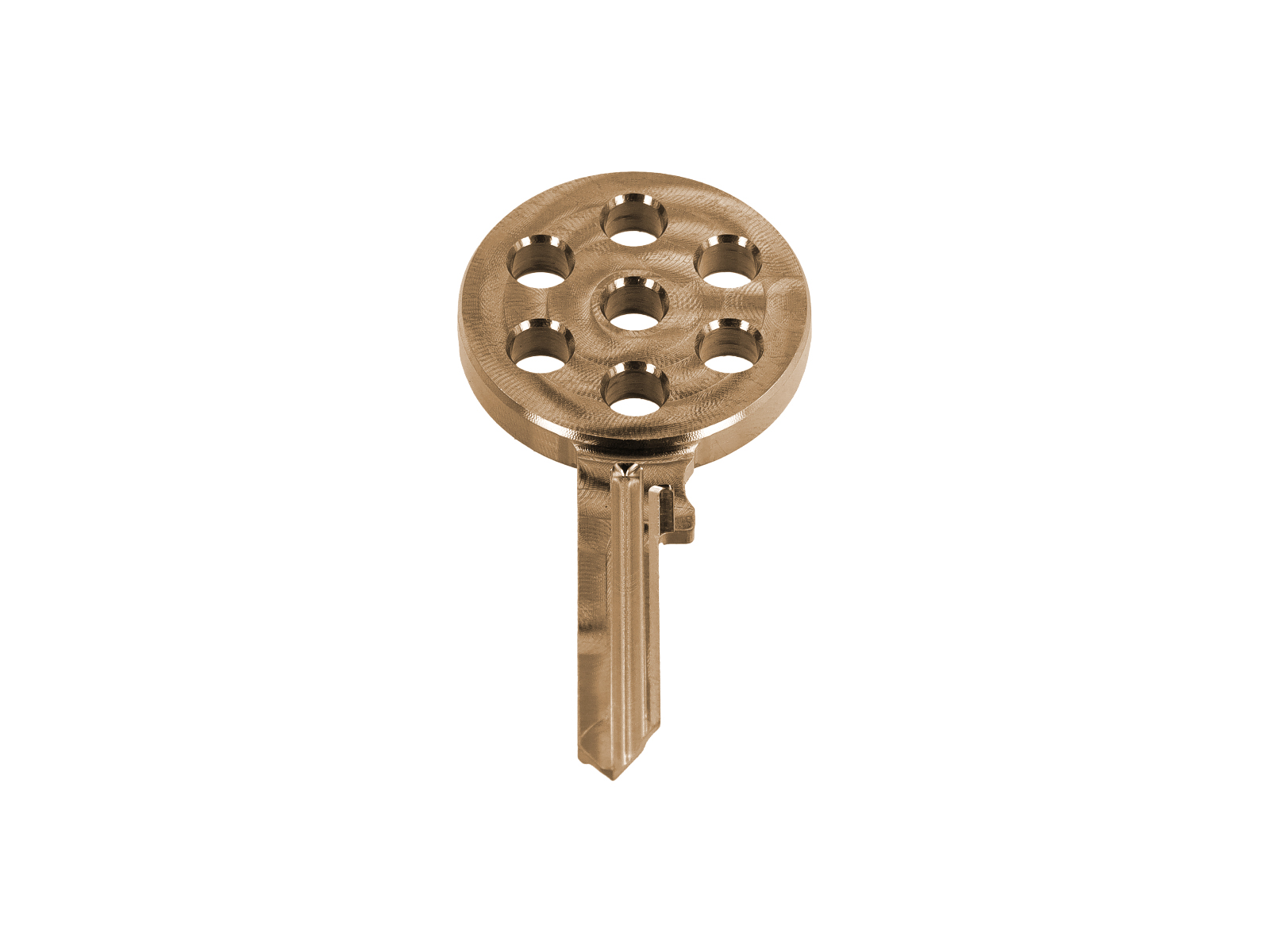
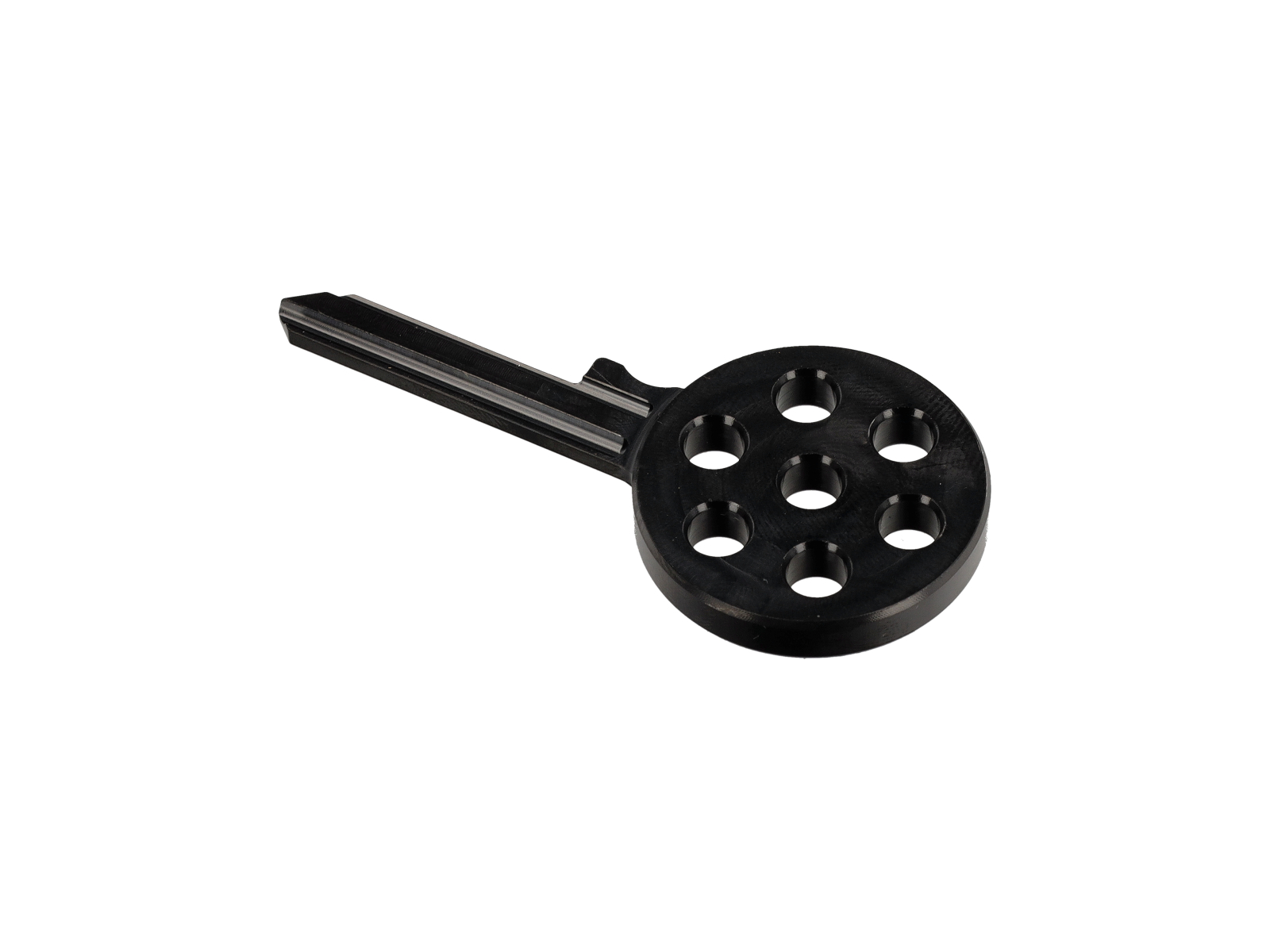
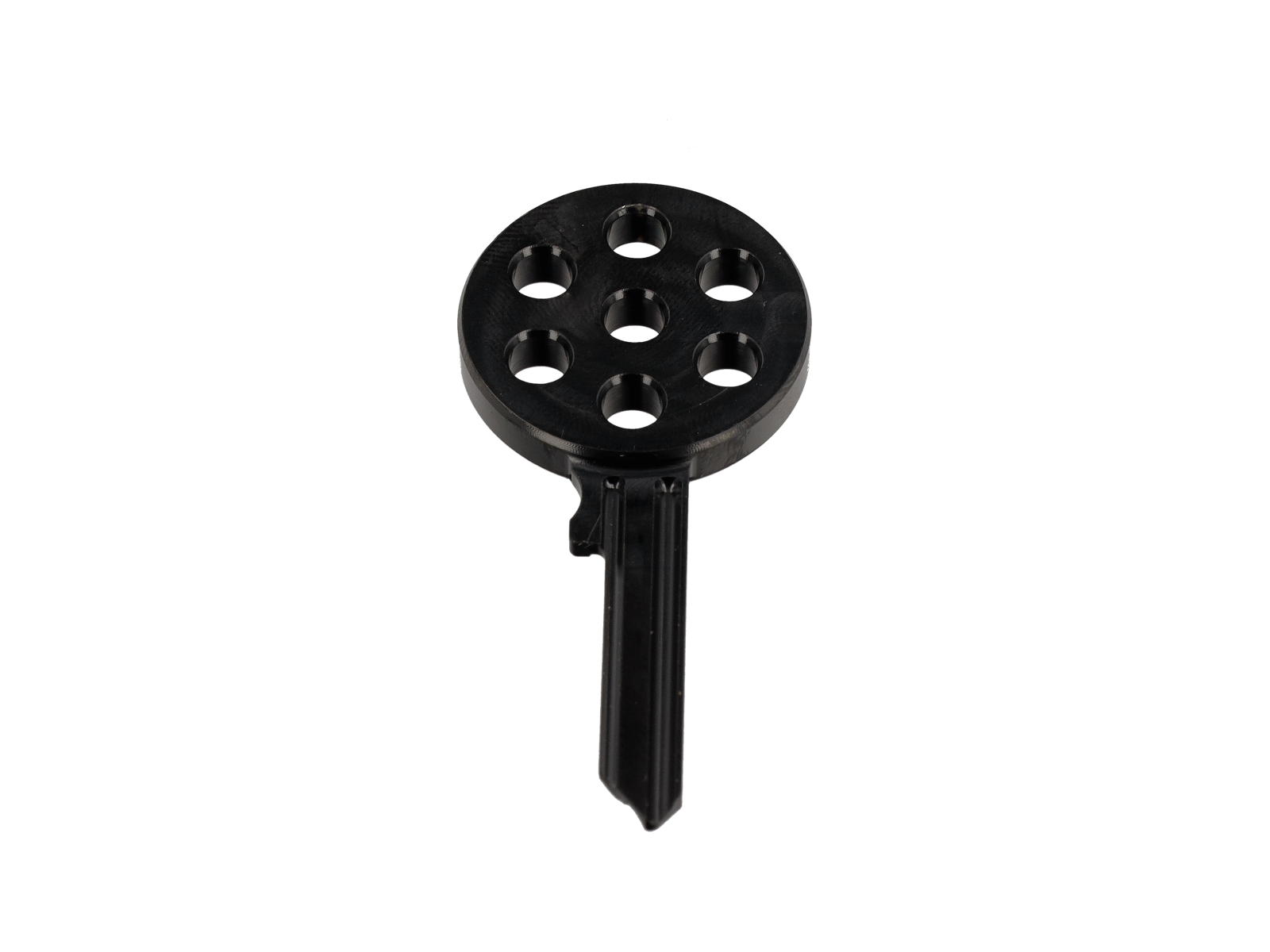
- Porsche 911 1965-1968 2.0L / 912 SWB (F)
Disponibile in PVD nero, trasparente e ottone
#lago argentato#
Si adatta
Porsche 911 - dal 1965 al 1969
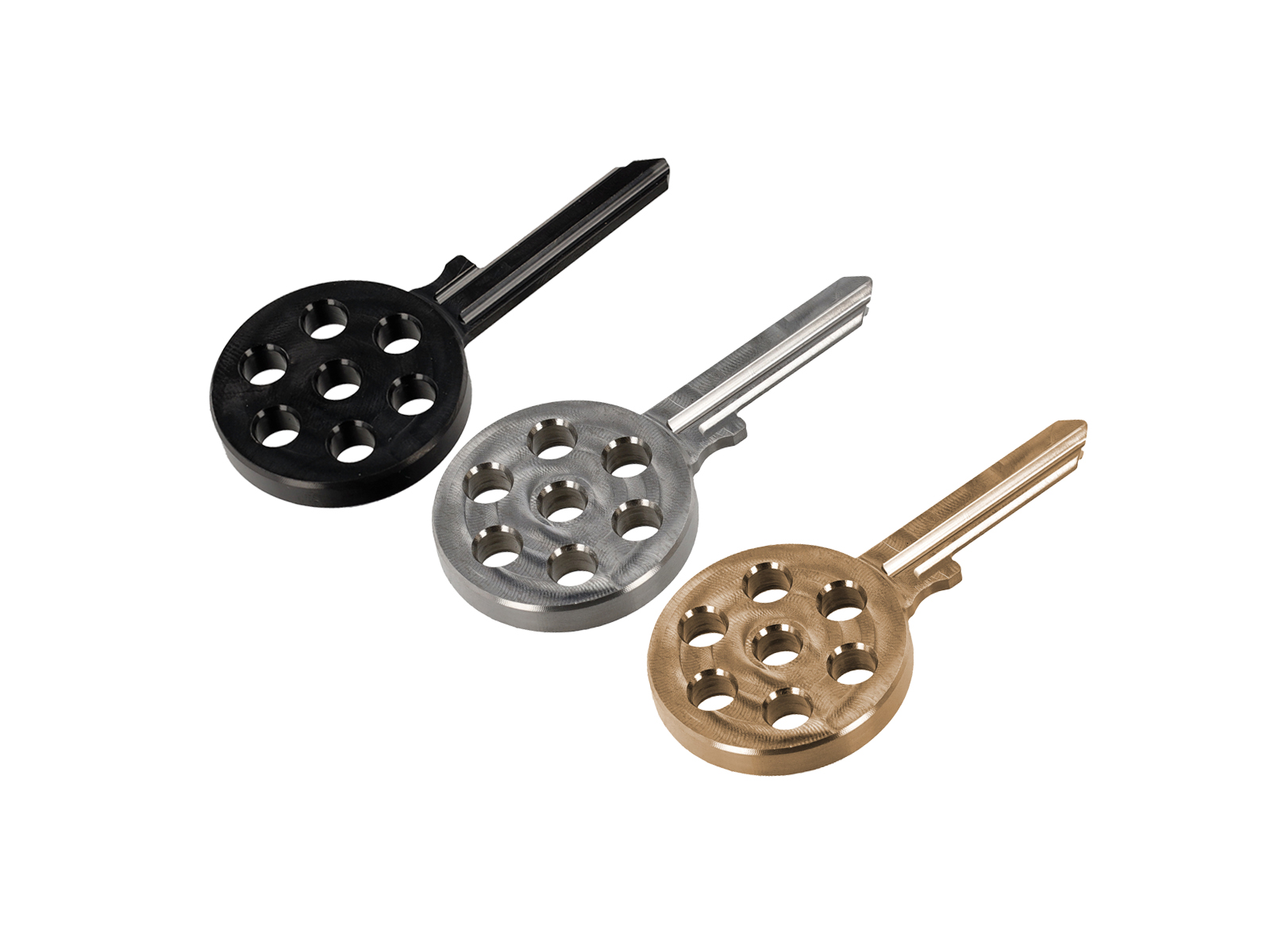
Chiavi grezze lavorate a CNC in stile 917 per la tua Porsche 911 raffreddata ad aria. Disponibili in diversi materiali, grezzi o rivestiti in PVD per scopi protettivi e decorativi.
Queste chiavi grezze sono ricavate da barre di acciaio inossidabile 303, lo stesso materiale utilizzato nelle chiavi di fabbrica
La chiave grezza nera è rivestita in PVD per scopi protettivi e decorativi
Nota: alcuni sottili segni di utensili lavorati potrebbero essere evidenti sulla superficie degli archi dei tasti. Personalmente ci piace la finitura e non li abbiamo lucidati/sabbiati, poiché riflette il processo di lavorazione CNC dietro i tasti.
Nota 2: le copie delle chiavi in acciaio inossidabile e ottone possono essere realizzate solo nel tuo negozio di ferramenta locale. Dopo la sbavatura con la solita ruota metallica, è necessario l'uso aggiuntivo di un pezzo di carta vetrata (200-320) per levigare gli spigoli vivi lasciati dal processo di taglio.
Numeri di riferimento correlati
Numeri correlati, sostituiti, riferimenti incrociati o alternativi per il confronto.
SL-IK-01-SWB
Il prodotto che stai visualizzando fa riferimento a questi numeri


- Porsche 924 2.0L 1976-79
- Porsche 924 2.0L 1980-85
- Porsche 924 Turbo 2.0L 1979-81
- Porsche 924 Turbo 2.0L 1982-84
- Porsche 924 Carrera GT 2.0L 1981
- Porsche 924 Carrera GTS 2.0L 1982
- Porsche 924S 2.5L 1986-87
- Porsche 924S 2.5L 1988
- Porsche 944 2.5L 8V 1982-87
- Porsche 944 2.7L 8V 1988-89
- Porsche 944S 2.5L 16V 1987-88
- Porsche 944S2 3.0L 16V 1989-91
- Porsche 944 Turbo 2.5L 8V 1985-88
- Porsche 944 Turbo 2.5L 8V 1989-91
- Porsche 944 Turbo S 2.5L 8V 1988
- Porsche 968 3.0L 1992-94
- Porsche 968 Sport 3.0L 1994-95
- Porsche 968 CS 3.0L 1993-95
- Porsche 968 Turbo S 3.0L 1993-94
Disponibile in PVD nero, trasparente e ottone
#lago argentato#
Si adatta
Porsche 924 1976-1985
Porsche 924S 1986-1988
Porsche 944 1982-1991
Porsche 968 1992-1995
Chiavi grezze lavorate a CNC in stile 917 per la tua Porsche 911 raffreddata ad aria. Disponibili in diversi materiali, grezzi o rivestiti in PVD per scopi protettivi e decorativi.
Queste chiavi grezze sono ricavate da barre di acciaio inossidabile 303, lo stesso materiale utilizzato nelle chiavi di fabbrica
La chiave grezza nera è rivestita in PVD per scopi protettivi e decorativi
Nota: alcuni sottili segni di utensili lavorati potrebbero essere evidenti sulla superficie degli archi dei tasti. Personalmente ci piace la finitura e non li abbiamo lucidati/sabbiati, poiché riflette il processo di lavorazione CNC dietro i tasti.
Nota 2: le copie delle chiavi in acciaio inossidabile e ottone possono essere realizzate solo nel tuo negozio di ferramenta locale. Dopo la sbavatura con la solita ruota metallica, è necessario l'uso aggiuntivo di un pezzo di carta vetrata (200-320) per levigare gli spigoli vivi lasciati dal processo di taglio.
Numeri di riferimento correlati
Numeri correlati, sostituiti, riferimenti incrociati o alternativi per il confronto.
SL-IK-01-944
Il prodotto che stai visualizzando fa riferimento a questi numeri

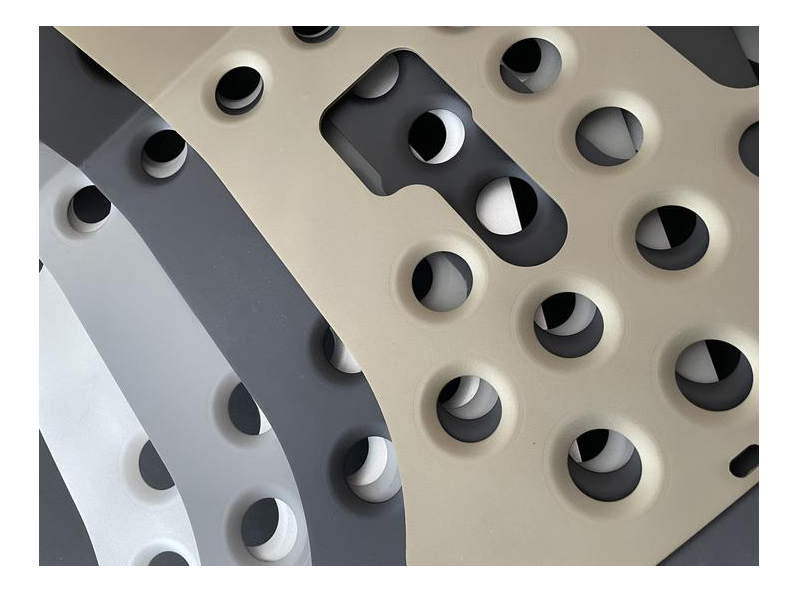
- Porsche 911 1965-1968 2.0L / 912 SWB (F)
- Porsche 911 1968-1973 2.2L / 2.4L / 2.7L RS LWB (F)
Disponibile in nero o trasparente
Si adatta
Porsche 911 1965 - 1973 solo coupé con guida a sinistra
Realizzati in alluminio serie 5 per un peso ridotto e un'elevata resistenza, sono intagliati a mano per un'ulteriore riduzione del peso e una maggiore rigidità.
superficie trattata e anodizzata per una maggiore resistenza all'usura e alla corrosione, una finitura eccezionalmente durevole e un aspetto eccezionale
Numeri di riferimento correlati
Numeri correlati, sostituiti, riferimenti incrociati o alternativi per il confronto.
SL-FB-10-
Il prodotto che stai visualizzando fa riferimento a questi numeri

- Porsche 997 MK1 GT3 2007-09
- Porsche 997 MKII GT3 2010-11
- Porsche 997 MKII GT2 RS 2011-13
- Porsche 991.1 GT3 3.8L (475Bhp) 2014-16
- Porsche 991.1 GT3 RS 4.0L (500Bhp) 2015-16
- Porsche 991.2 GT3 4.0L (500 Bhp) / GT3 RS 4.0L (520 Bhp) 2017-19
- Porsche 991.2 GT2 RS 3.8L PDK (700 bhp) 2018-19
Si adatta
Porsche 997 GT3
Porsche 997 GT3 RS
Porsche 991 GT3
Porsche 991 GT3 RS
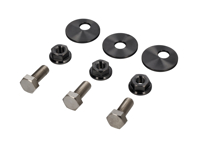
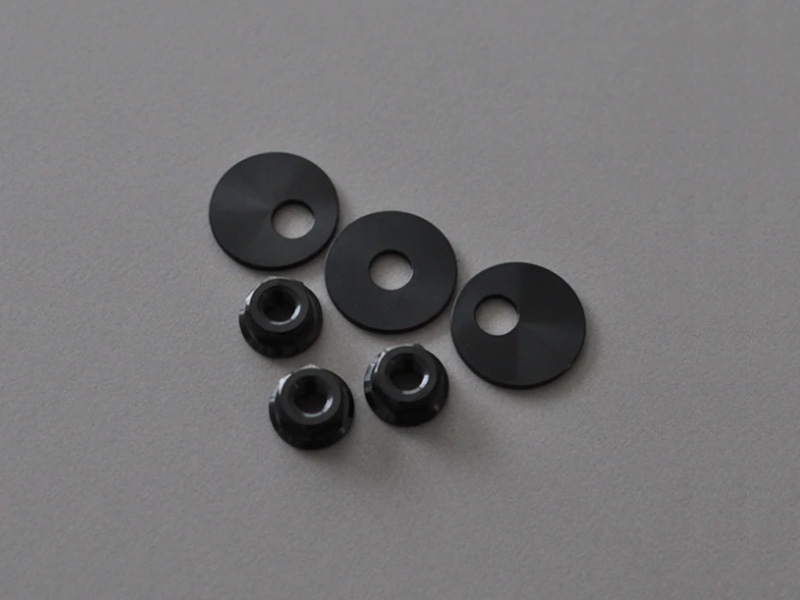
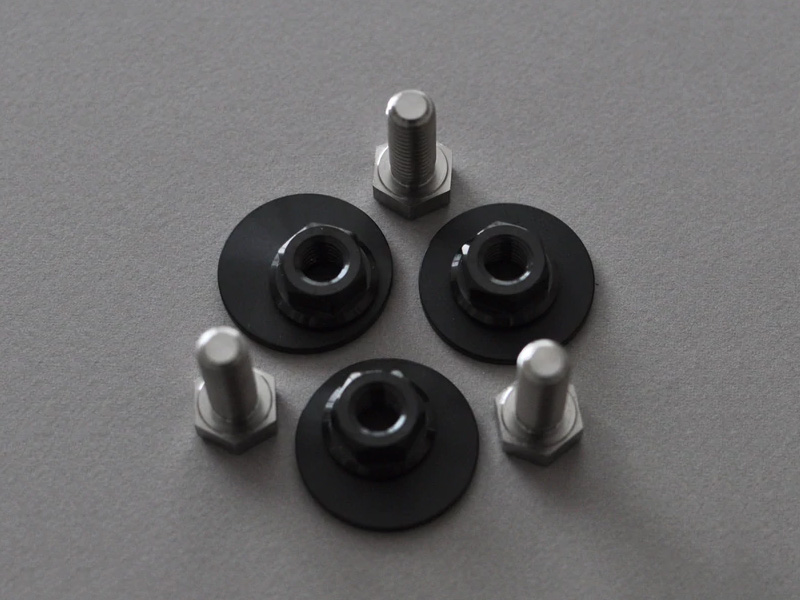
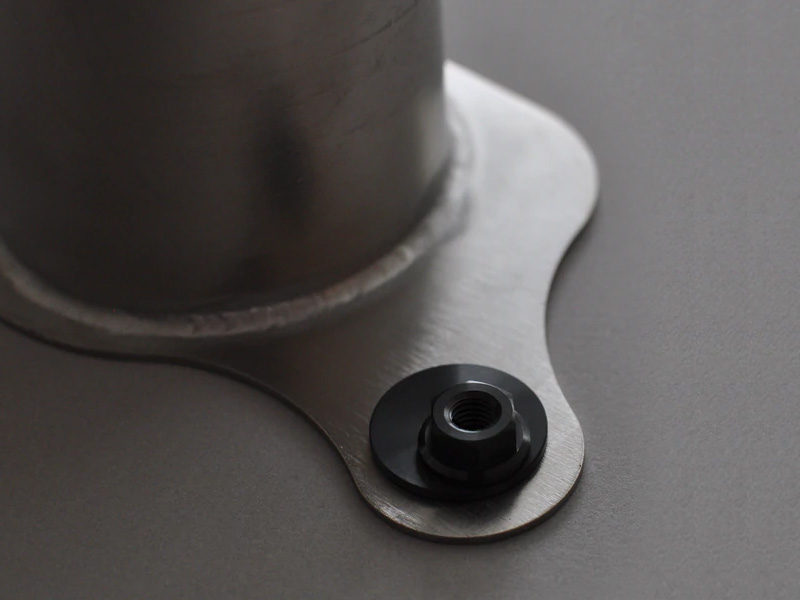
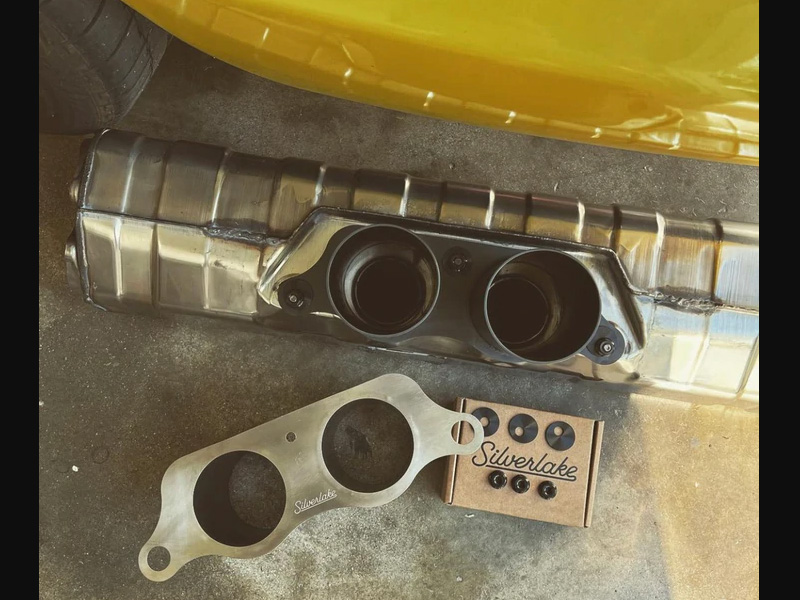
Kit di fissaggio in titanio per terminali di scarico in stile Porsche 911 GT3/GT3RS.
Il kit include 3 dadi flangiati in titanio, 3 rondelle corrette (due decentrate e una rondella standard) e 3 bulloni per installare le punte di scarico quando si utilizza uno scarico bypass del silenziatore centrale. I bulloni sono in titanio grezzo.
Più leggeri dell'acciaio, non si corrodono e mantengono il loro aspetto inalterato nel tempo.
I dadi e le rondelle neri sono rivestiti in nitruro di titanio nero, quelli argentati in titanio grezzo.
Numeri di riferimento correlati
Numeri correlati, sostituiti, riferimenti incrociati o alternativi per il confronto.
SL-EX-03
Il prodotto che stai visualizzando fa riferimento a questi numeri
- Porsche 997 MK1 GT3 2007-09
- Porsche 997 MKII GT3 2010-11
- Porsche 997 MKII GT2 RS 2011-13
- Porsche 991.1 GT3 3.8L (475Bhp) 2014-16
- Porsche 991.1 GT3 RS 4.0L (500Bhp) 2015-16
- Porsche 991.2 GT3 4.0L (500 Bhp) / GT3 RS 4.0L (520 Bhp) 2017-19
- Porsche 991.2 GT2 RS 3.8L PDK (700 bhp) 2018-19
#lago argentato#
Si adatta
Porsche 997 GT3
Porsche 997 GT3 RS
Sia Gen 1 che Gen 2
Porsche 991 GT3
Porsche 991 GT3 RS
Kit di fissaggio in titanio per terminali di scarico in stile Porsche 911 GT3/GT3RS.
Il kit include 3 dadi flangiati in titanio e 3 rondelle corrette (due decentrate e una rondella standard).
Più leggeri dell'acciaio, non si corrodono e hanno un bell'aspetto all'infinito.
I dadi e le rondelle neri sono rivestiti in nitruro di titanio nero, l'argento, titanio grezzo.
Numeri di riferimento correlati
Numeri correlati, sostituiti, riferimenti incrociati o alternativi per il confronto.
SL-EX-02
Il prodotto che stai visualizzando fa riferimento a questi numeri
- Porsche 911 1968-1973 2.2L / 2.4L / 2.7L RS LWB (F)
- Porsche 911 1974-1977 2.7L / 1976-77 3.0 Carrera
- Porsche 911 1978-1983 3.0L / SC
- Porsche 911 1984-1986 3.2L
- Porsche 911 1987-1989 3.2L G50
- Porsche 911 1975-1977 3.0L Turbo (930)
- Porsche 911 1978-1989 3.3L Turbo (930)
Disponibile in nero o trasparente
#lago argentato#
Si adatta
Solo auto manuali con guida a sinistra
Porsche 911 Coupé - dal 1969 al 1989
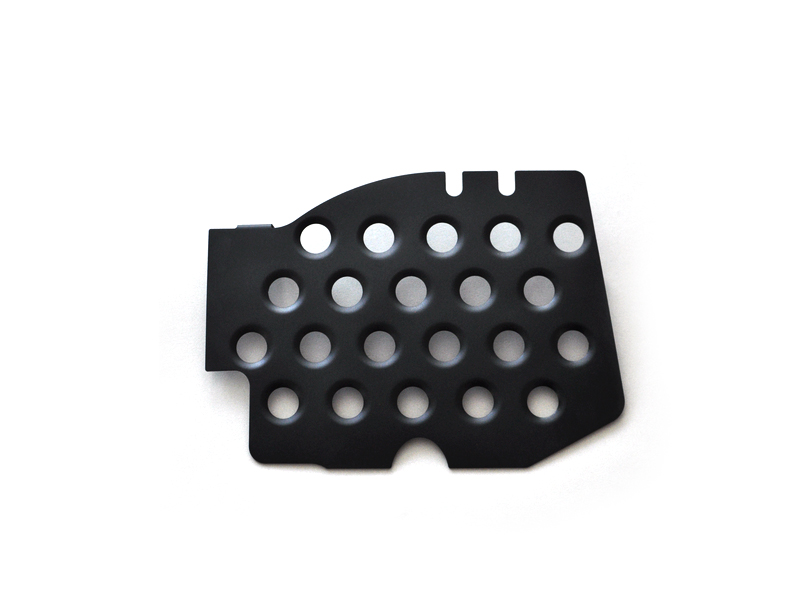
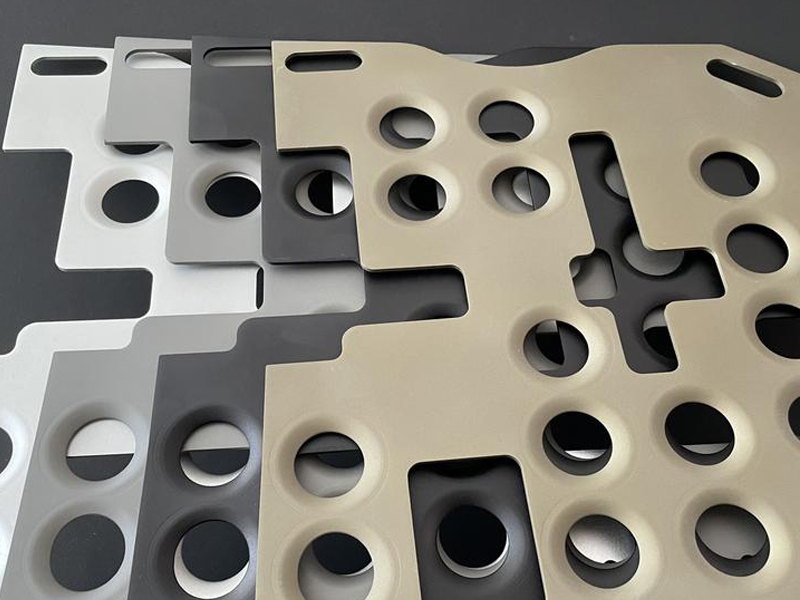
Realizzati in alluminio serie 5 per un peso ridotto e un'elevata resistenza, questi sono increspati a mano per un'ulteriore riduzione del peso e una maggiore rigidità. Ulteriore superficie trattata e anodizzata per una maggiore resistenza all'usura e alla corrosione, una finitura eccezionalmente duratura e un look killer
Numeri di riferimento correlati
Numeri correlati, sostituiti, riferimenti incrociati o alternativi per il confronto.
SL-FB-03-
Il prodotto che stai visualizzando fa riferimento a questi numeri



- Porsche Boxster 986 2.5L 1997-99
- Porsche Boxster 986 2.7L 1999-02
- Porsche Boxster S 986 3.2L 1999-02
- Porsche Boxster 986 2.7L 2003-04
- Porsche Boxster S 986 3.2L 2003-04
- Porsche Boxster 987 2.7L 2005 -08/08
- Porsche Boxster 987 S 3.2/3.4L 2005-08/08
- Porsche Boxster 987 MKII 2.9L 2009-2012
- Porsche Boxster S 987 MKII 3.4L 2009-2012
- Porsche 911 1968-1973 2.2L / 2.4L / 2.7L RS LWB (F)
- Porsche 911 1974-1977 2.7L / 1976-77 3.0 Carrera
- Porsche 911 1978-1983 3.0L / SC
- Porsche 911 1984-1986 3.2L
- Porsche 911 1987-1989 3.2L G50
- Porsche 911 1975-1977 3.0L Turbo (930)
- Porsche 911 1978-1989 3.3L Turbo (930)
- Porsche 964 (911) C2 1989-93
- Porsche 964 (911) C4 1989-93
- Porsche 964 (911) RS 3.6L 1991-93
- Porsche 964 (911) RS 3.8L 1991-93
- Porsche 964 (911) TURBO 3.6L 1991-93
- Porsche 993 (911) C2 1994-97
- Porsche 993 (911) C4 1994-97
- Porsche 993 (911) RS 1994-97
- Porsche 993 (911) C2S 1994-97
- Porsche 993 (911) C4S 1994-97
- Porsche 993 (911) TURBO 1994-96
- Porsche 993 (911) GT2 1994-97
- Porsche 993 (911) TURBO S 1994-97
- Porsche 996 C2 3.4L 1997-08/01
- Porsche 996 C4 3.4L 1997-08/01
- Porsche 996 C2 3.6L 09/01-2005
- Porsche 996 C4 3.6L 09/01-2005
- Porsche 996 C4S 3.6L 09/01-2005
- Porsche 996 TURBO 2000-05
- Porsche 996 GT2 2001-05
- Porsche 996 GT3 MKI 1999-02
- Porsche 996 GT3 MKII 2003>>
- Porsche 996 GT3 RS 2003-04
- Porsche 997 MK1 Carrera 2 3.6L 2005-08
- Porsche 997 MK1 Carrera 2S 3.8L 2005-08
- Porsche 997 MK1 Carrera 4 3.6L 2005-08
- Porsche 997 MK1 Carrera 4S 3.8L 2005-08
- Porsche 997 MK1 TURBO 2007-09
- Porsche 997 MK1 GT3 2007-09
- Porsche 997 MK1 GT2 2007-09
- Porsche 997 MKII Carrera C2 3.6L 2009-12
- Porsche 997 MKII Carrera C4 3.6L 2009-12
- Porsche 997 MKII Carrera C2S 3.8L 2009-12
- Porsche 997 MKII Carrera C4S 3.8L 2009-12
- Porsche 997 MKII GT3 2010-11
- Porsche 997 MKII Turbo 2010-13
- Porsche 997 MKII GT2 RS 2011-13
- Porsche Cayman 2.7L 987C 2006-08
- Porsche Cayman S 3.4L 987C 2005-08
- Porsche Cayman 2.9L 987C MKII 2009-12
- Porsche Cayman S / R 3.4L 987C MKII 2009-12
- Porsche 924 2.0L 1976-79
- Porsche 924 2.0L 1980-85
- Porsche 924 Turbo 2.0L 1979-81
- Porsche 924 Turbo 2.0L 1982-84
- Porsche 924 Carrera GT 2.0L 1981
- Porsche 924 Carrera GTS 2.0L 1982
- Porsche 924S 2.5L 1986-87
- Porsche 924S 2.5L 1988
- Porsche 944 2.5L 8V 1982-87
- Porsche 944 2.7L 8V 1988-89
- Porsche 944S 2.5L 16V 1987-88
- Porsche 944S2 3.0L 16V 1989-91
- Porsche 944 Turbo 2.5L 8V 1985-88
- Porsche 944 Turbo 2.5L 8V 1989-91
- Porsche 944 Turbo S 2.5L 8V 1988
- Porsche 968 3.0L 1992-94
- Porsche 968 Sport 3.0L 1994-95
- Porsche 968 CS 3.0L 1993-95
- Porsche 968 Turbo S 3.0L 1993-94
- Porsche 914 (1970-1976)
- Porsche 912E 4CYL 1976
Disponibile con finitura nera o trasparente
#lago argentato#
Si adatta
Solo auto manuali con guida a sinistra e guida a destra
Porsche 911/912 - dal 1970 al 1989
Porsche 964 - dal 1989 al 1994
Porsche 993 - dal 1994 al 1998
Porsche 996 - dal 1998 al 2005
Porsche 997 - dal 2005 al 2012
Porsche 986 Boxster - dal 1997 al 2004
Porsche 987 Boxster/Cayman - dal 2005 al 2012
Porsche 924 / 944 / 968 - dal 1976 al 1995
Lavorato a CNC da billetta di alluminio 6061 e anodizzato nero o trasparente per una maggiore resistenza all'usura e alla corrosione e una finitura eccezionalmente duratura. Fori svasati per l'installazione, inclusi bulloni a testa svasata Ti6Al4V con rivestimento PVD nero abbinati e dadi di bloccaggio per una perfetta aderenza e un look killer.
Complemento perfetto per le nostre pedane forate: combinano la massima qualità percepita per il tuo fuorilegge stradale e la massima funzionalità e resistenza agli abusi per la tua macchina da pista.
- Porsche 911 1974-1977 2.7L / 1976-77 3.0 Carrera
- Porsche 911 1978-1983 3.0L / SC
- Porsche 911 1984-1986 3.2L
- Porsche 911 1987-1989 3.2L G50
- Porsche 911 1975-1977 3.0L Turbo (930)
- Porsche 911 1978-1989 3.3L Turbo (930)
- Porsche 964 (911) C2 1989-93
- Porsche 964 (911) C4 1989-93
- Porsche 964 (911) RS 3.6L 1991-93
- Porsche 964 (911) RS 3.8L 1991-93
- Porsche 964 (911) TURBO 3.3L 1991-93
- Porsche 964 (911) TURBO 3.6L 1991-93
- Porsche 993 (911) C2 1994-97
- Porsche 993 (911) C4 1994-97
- Porsche 993 (911) RS 1994-97
- Porsche 993 (911) C2S 1994-97
- Porsche 993 (911) C4S 1994-97
- Porsche 993 (911) TURBO 1994-96
- Porsche 993 (911) GT2 1994-97
- Porsche 993 (911) TURBO S 1994-97
Disponibile in nero o trasparente
#lago argentato#
Si adatta
Solo vetture Targa e Cabriolet con guida a sinistra
Porsche 911/912 - dal 1974 al 1989
Porsche 964 - dal 1989 al 1994
Porsche 993 - dal 1994 al 1998
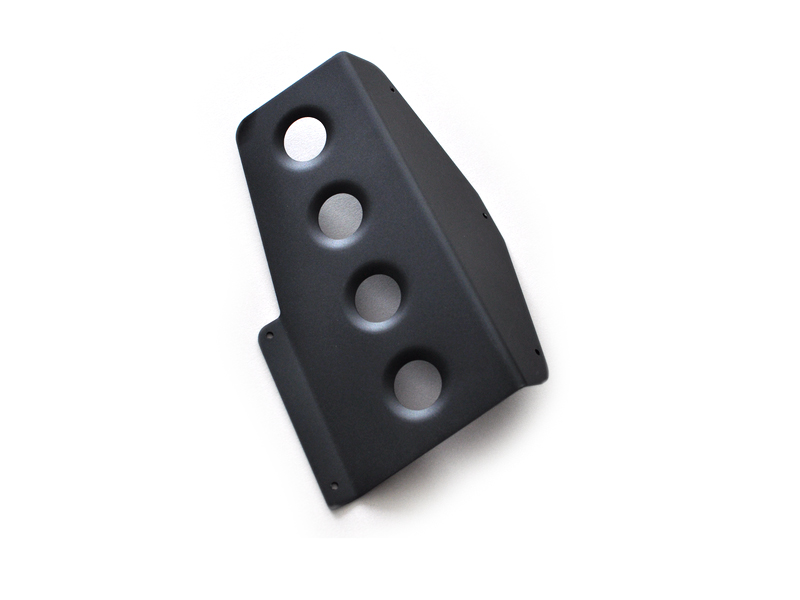
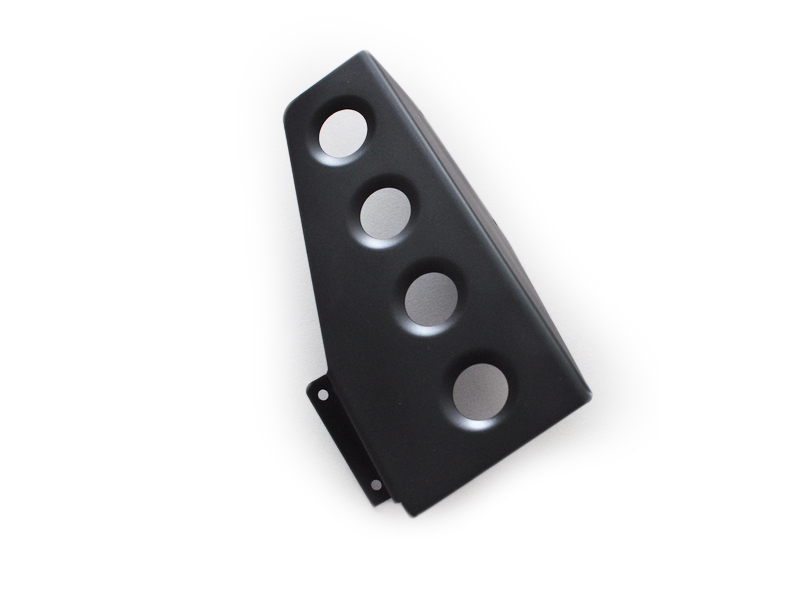
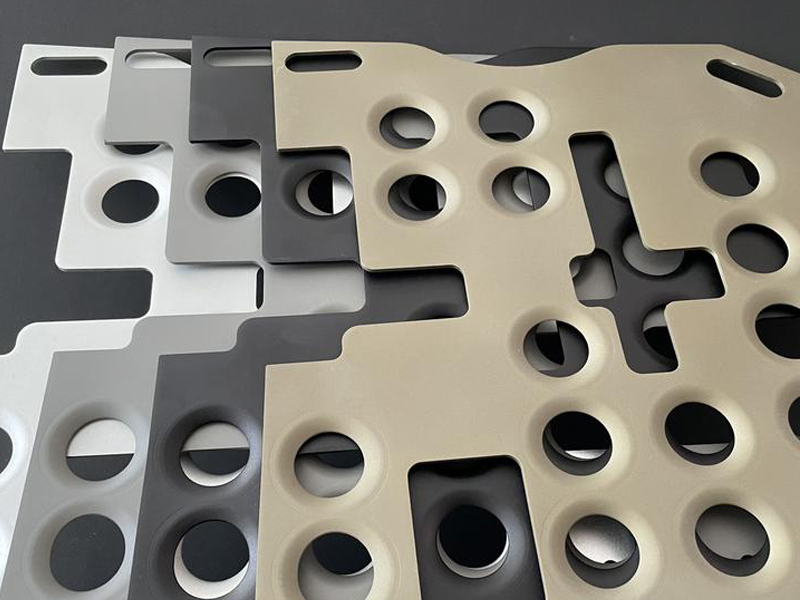
Realizzati in alluminio serie 5 per un peso ridotto e un'elevata resistenza, questi sono increspati a mano per un'ulteriore riduzione del peso e una maggiore rigidità. Ulteriore superficie trattata e anodizzata per una maggiore resistenza all'usura e alla corrosione, una finitura eccezionalmente duratura e un look killer
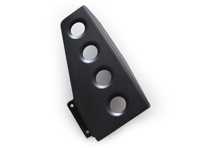
I nostri poggiapiedi combinano la massima qualità percepita per il tuo fuorilegge stradale e la massima funzionalità e resistenza agli abusi per la tua macchina da pista.
- Porsche 911 1974-1977 2.7L / 1976-77 3.0 Carrera
- Porsche 911 1978-1983 3.0L / SC
- Porsche 911 1984-1986 3.2L
- Porsche 911 1987-1989 3.2L G50
- Porsche 911 1975-1977 3.0L Turbo (930)
- Porsche 911 1978-1989 3.3L Turbo (930)
- Porsche 964 (911) C2 1989-93
- Porsche 964 (911) C4 1989-93
- Porsche 964 (911) RS 3.6L 1991-93
- Porsche 964 (911) RS 3.8L 1991-93
- Porsche 964 (911) TURBO 3.3L 1991-93
- Porsche 964 (911) TURBO 3.6L 1991-93
- Porsche 993 (911) C2 1994-97
- Porsche 993 (911) C4 1994-97
- Porsche 993 (911) RS 1994-97
- Porsche 993 (911) C2S 1994-97
- Porsche 993 (911) C4S 1994-97
- Porsche 993 (911) TURBO 1994-96
- Porsche 993 (911) GT2 1994-97
- Porsche 993 (911) TURBO S 1994-97
Disponibile in nero o trasparente
#lago argentato#
Si adatta
Solo auto coupé con guida a sinistra
Porsche 911 / 912 - dal 1974 al 1989
Porsche 964 - dal 1989 al 1994
Porsche 993 - dal 1994 al 1998
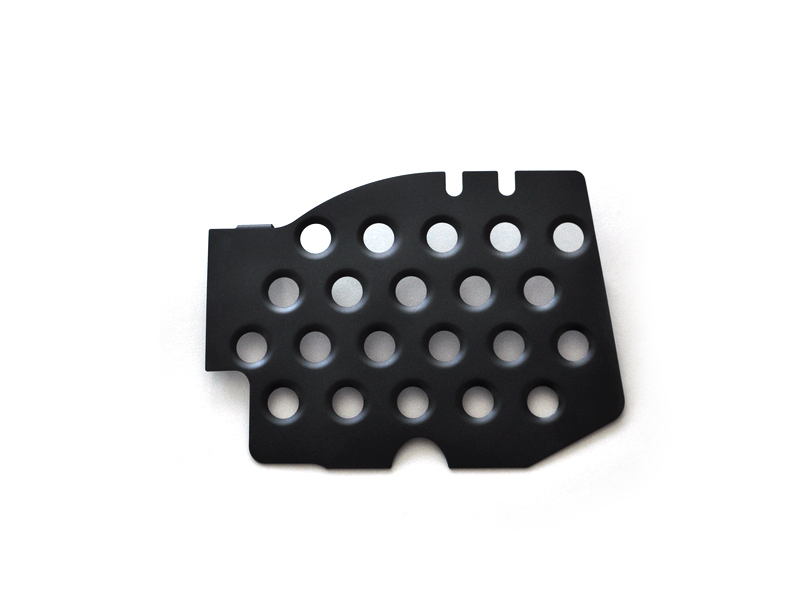
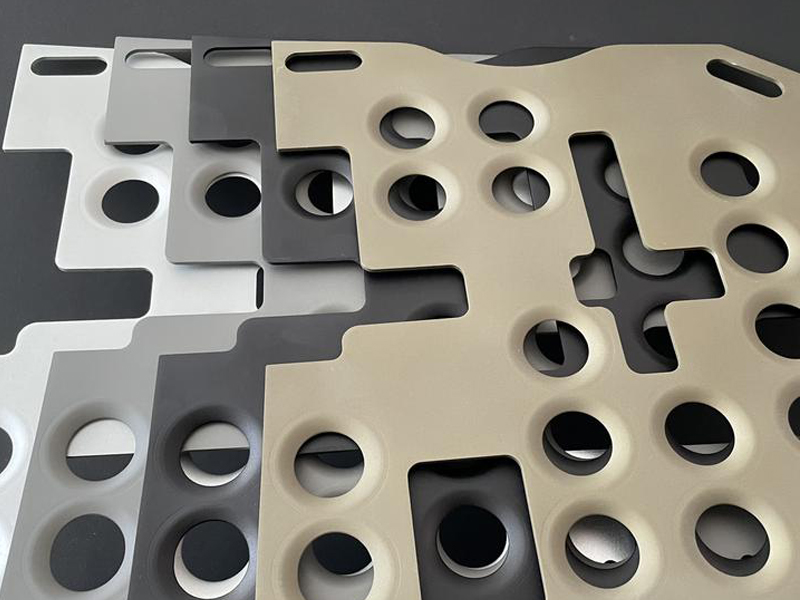
Realizzati in alluminio serie 5 per un peso ridotto e un'elevata resistenza, questi sono increspati a mano per un'ulteriore riduzione del peso e una maggiore rigidità. Ulteriore superficie trattata e anodizzata per una maggiore resistenza all'usura e alla corrosione, una finitura eccezionalmente duratura e un look killer
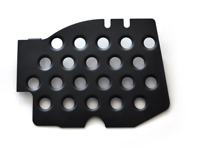
I nostri poggiapiedi combinano la massima qualità percepita per il tuo fuorilegge stradale e la massima funzionalità e resistenza agli abusi per la tua macchina da pista.
- Porsche 911 1968-1973 2.2L / 2.4L / 2.7L RS LWB (F)
- Porsche 911 1974-1977 2.7L / 1976-77 3.0 Carrera
- Porsche 911 1978-1983 3.0L / SC
- Porsche 911 1984-1986 3.2L
- Porsche 911 1987-1989 3.2L G50
- Porsche 911 1975-1977 3.0L Turbo (930)
- Porsche 911 1978-1989 3.3L Turbo (930)
Disponibile in nero o trasparente
#lago argentato#
Si adatta
Solo auto manuali con guida a sinistra
Porsche 911 targa 1969 - 1989
Porsche 911 Cabriolet 1982 - 1989
Realizzati in alluminio serie 5 per un peso ridotto e un'elevata resistenza, questi sono increspati a mano per un'ulteriore riduzione del peso e una maggiore rigidità. Ulteriore superficie trattata e anodizzata per una maggiore resistenza all'usura e alla corrosione, una finitura eccezionalmente duratura e un look killer
Numeri di riferimento correlati
Numeri correlati, sostituiti, riferimenti incrociati o alternativi per il confronto.
SL-FB-04-
Il prodotto che stai visualizzando fa riferimento a questi numeri

- Porsche 997 MK1 GT3 2007-09
- Porsche 997 MKII GT3 2010-11
- Porsche 997 MKII GT2 RS 2011-13
- Porsche 991.1 GT3 3.8L (475Bhp) 2014-16
- Porsche 991.1 GT3 RS 4.0L (500Bhp) 2015-16
- Porsche 991.2 GT3 4.0L (500 Bhp) / GT3 RS 4.0L (520 Bhp) 2017-19
- Porsche 991.2 GT2 RS 3.8L PDK (700 bhp) 2018-19
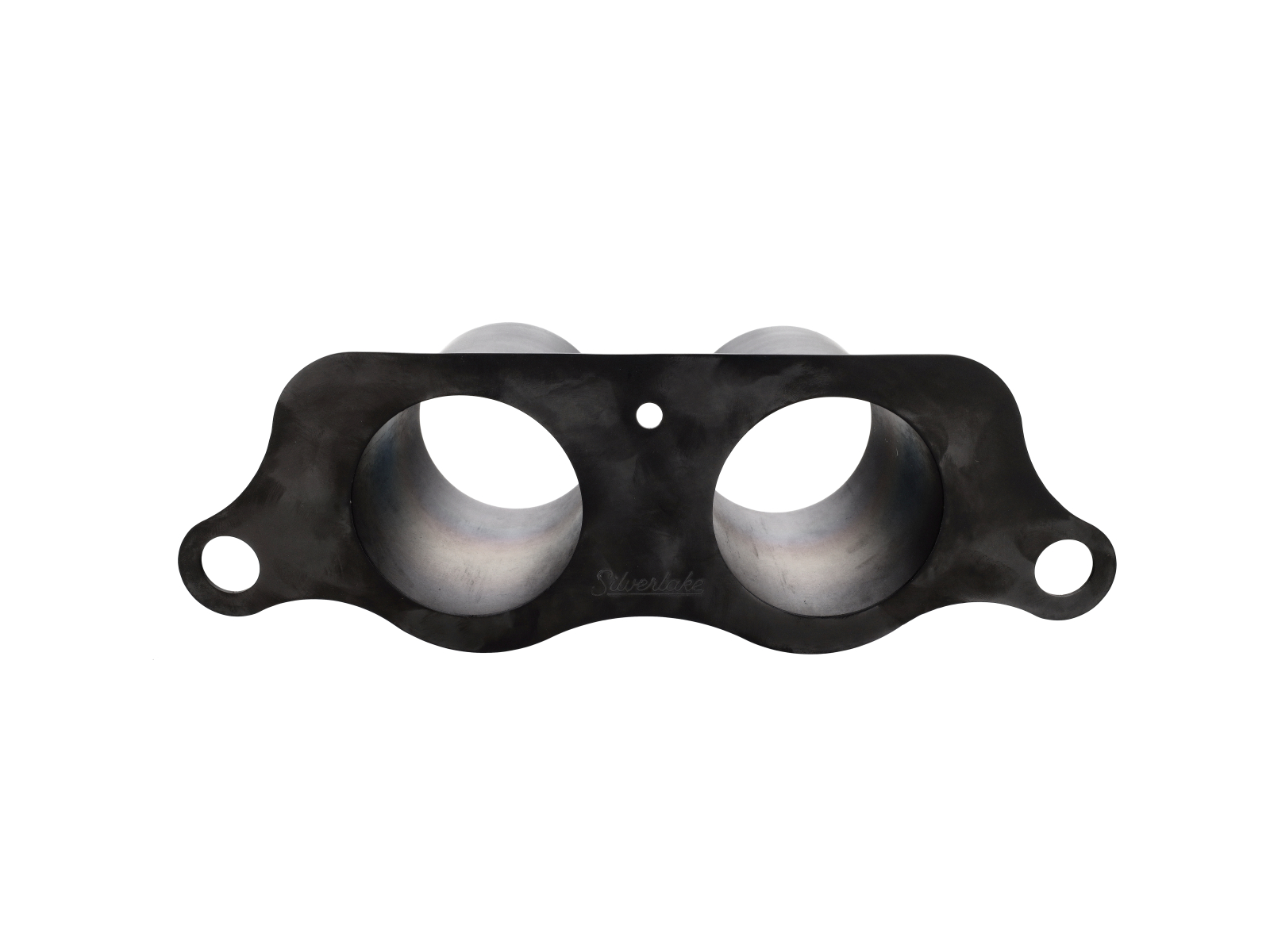
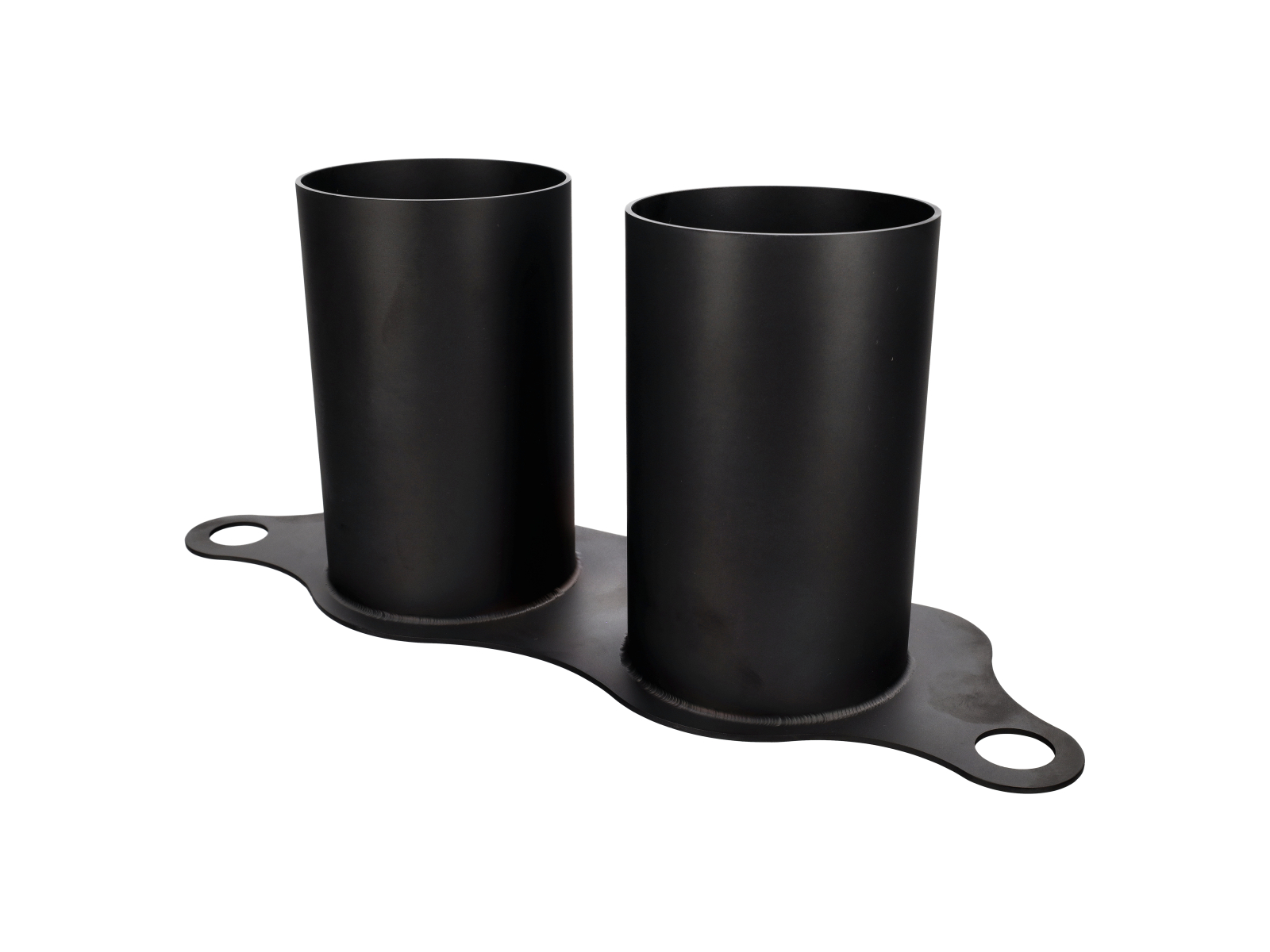
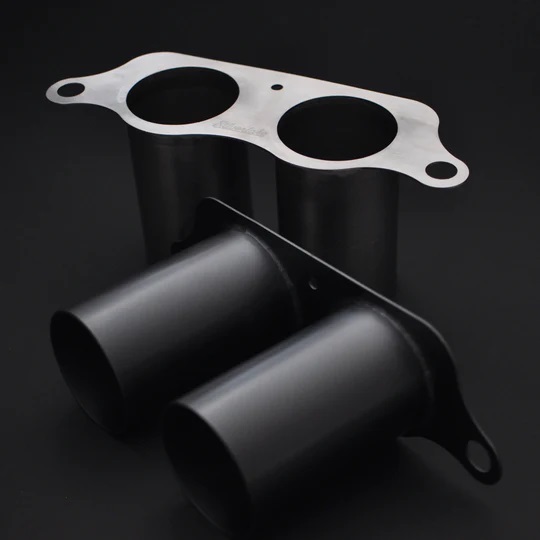
Disponibile in titanio rivestito in PVD nero e titanio grezzo
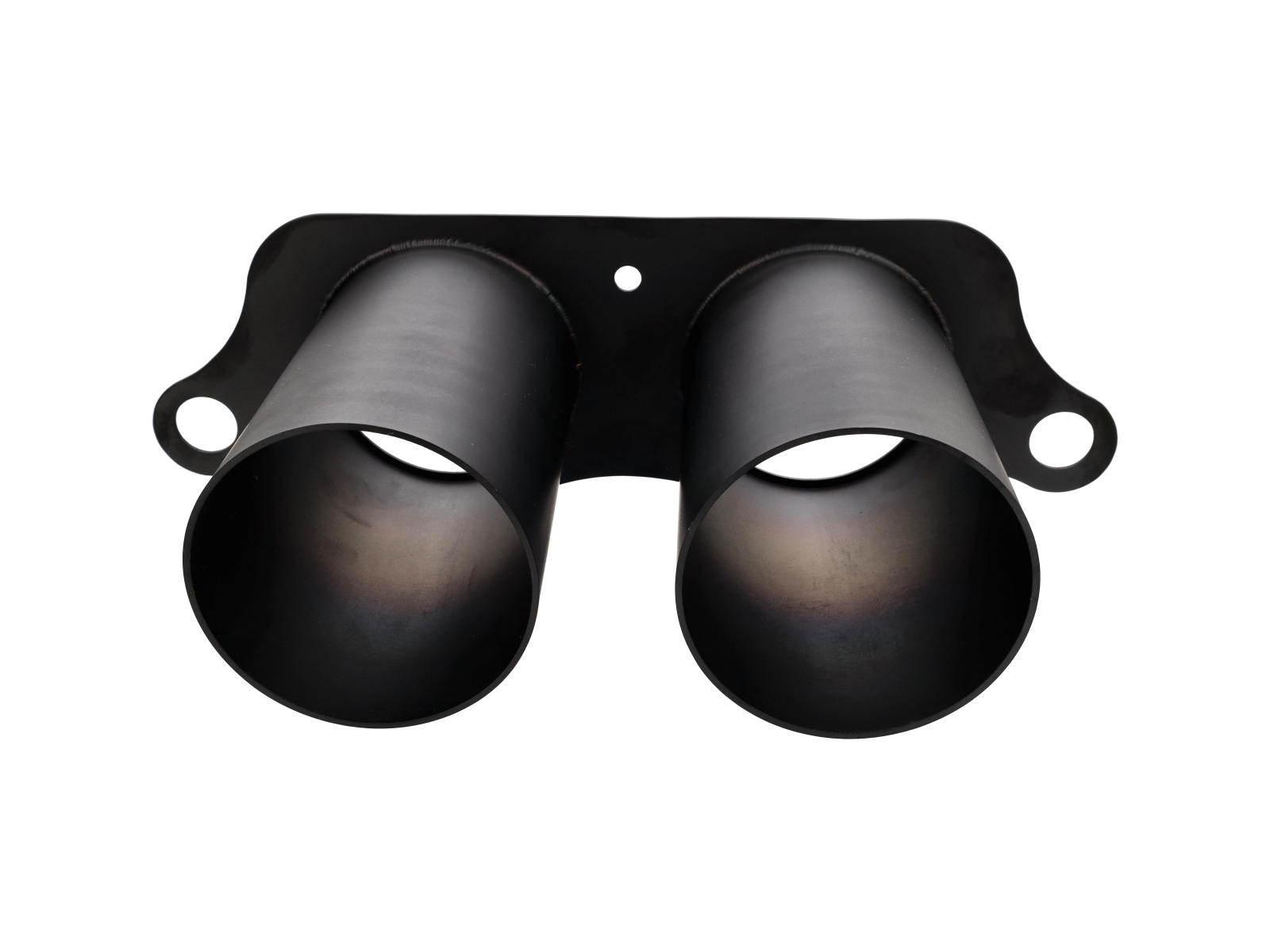
Terminali di scarico in titanio stile Porsche 911 GT3 per la tua Porsche GT3, GT3RS o Porsche classica che utilizza un silenziatore GT3. Diametro esterno del tubo 89 mm, lunghezza del tubo 140 mm.
Estremamente leggeri e resistenti, perfetti per la tua moderna GT3/RS. Più leggeri del 45% rispetto all'acciaio inossidabile, pesano 825 grammi, con un notevole risparmio di peso nella parte posteriore.
Si adatta
Porsche 997 GT3
Porsche 997 GT3 RS
Porsche 991 GT3
Porsche 991 GT3 RS
Nota: questo prodotto non è compatibile con le auto:
- con codici motore DNSA / DNSB - 4.0L con 520 Bhp
- rilasciati dopo 06/2017 con codici motore DGG / DGGA / DGGB
Sono disponibili anche elementi di fissaggio in titanio per terminali di scarico o terminali Porsche di serie/OEM, venduti separatamente.
Numeri di riferimento correlati
Numeri correlati, sostituiti, riferimenti incrociati o alternativi per il confronto.
SL-EX-01
Il prodotto che stai visualizzando fa riferimento a questi numeri