





Enter your VAT number here and click Verify:
Your details have been verified. VAT number registered to:
,
.
Your order will now be zero rated for VAT purposes. We reserve the right to verify these details after your order request has been made and reinstate VAT if required.
Your VAT details were not recognised or were invalid. Your VAT number must be matched to your Billing Country as specified above. This is currently specified as . You do not need to enter the country code part of your VAT number as this has already been selected in your billing address details above.
The VAT number checking service is currently offline. Please supply your VAT details within the comments or special instructions field below and we will apply a VAT discount after placing your order request.

Restoration Design

Restoration Design for Porsche
Restoration Design was established in the late 1980's. Originating from Eaton Rapids, MI. The deJonge family acquired the business in 2009 when they were having difficulties sourcing accurate replacement panels for their own restorations. Restoration Design, now based in Guelph Ontario, is a manufacturing facility producing high quality rust repair and complete replacement panels for vintage Porsche automobiles. Buy with confidence from the people who actually make what they sell.
Choosing the Right Fit for Your Porsche
Where Restoration Design is listed for Porsche, use the supplied model coverage and OE references to confirm suitability. Check details that commonly affect fitment such as model year, side/position, and connector type where relevant.
- Typical reasons to choose these parts include repairing rust and corrosion properly with new metal, restoring structural strength, and keeping panel lines and gaps correct during a full Porsche restoration.
- Common issues they help address include rust in sills, kidney bowls, floors, jacking points, wings, and battery areas; poor door gaps; bubbling paint; and water ingress, often made worse by poor previous repairs or lack of cavity protection.
- Plan for trimming and fabrication: classic Porsche restoration panels often require skilled fitting. Always test-fit and brace the shell before cutting to maintain geometry and correct gaps.
- After welding, treat internal cavities with wax and sealant to prevent future corrosion and protect your restoration work.
Browse by Category
If you already know the area you are working on, start with the category and then filter by Porsche model. Where real-world symptoms and typical reasons to replace are provided, use them to keep the wording grounded.
Chassis / Bodywork — Chassis and bodywork parts are replaced to repair accident damage, correct corrosion, or modify the shell for performance and restoration work while keeping the structure safe and straight. Common problems include rust in sills, jacking points and arches, cracked or bent chassis rails after impacts, and poorly repaired previous accident damage causing misaligned panels.
- Check whether a given panel is supplied as genuine Porsche or high-quality pattern, and whether it is e-coated or bare metal, so you can plan preparation and protection.
- Confirm if the part is bolt-on or requires welding, and whether it is handed or specific to left-/right-hand drive before ordering.
Restoration Chassis / Repair Panels — Restoration and repair panels are used to cut out rusted or damaged sections and weld in fresh metal, preserving original Porsches rather than replacing complete shells. Original panels often suffer from deep corrosion, previous patch repairs, distortion from jacking and accident damage, leading to MOT failures or poor panel gaps.
- Review which areas of the car a repair panel covers and what preparation is recommended before welding, including checking thickness and coatings.
- Confirm that the panel is shaped for your specific Porsche model and year, and whether it includes any reference flanges or markers for cutting.
Middle Section — Middle-section repair panels address corrosion or damage in floorpans, sills and central chassis areas, often on older or high-mileage Porsches. Problems include rust in floorpans, jacking points and inner sills, as well as previous patch repairs that are not to factory standard or have failed.
- Check whether the middle-section panel covers one side or both, which jacking points or captive nuts are included, and how it integrates with factory underseal systems.
- Plan surface preparation and rust protection on adjoining structures before welding to avoid trapping moisture.
Rear Section — Rear-section panels are needed where the back of the chassis or body has suffered accident damage, corrosion around suspension mounts, or modifications that need to be reversed. Common issues include rust around rear crossmembers, suspension pickup points, exhaust hangers and bumper mounts, as well as distortion after rear-end impacts.
- Verify whether the rear section is specific to coupe, cabriolet or Targa, and whether it includes key mounting points such as suspension and bumper fixings.
- Check if the engine or rear subassemblies must be removed for safe access and welding before planning the job.
Door Panels | Hinges | Striker Plates — Door panels, hinges and striker plates are replaced to correct sagging doors, poor shut lines and worn interiors, or after accident damage. Common issues include doors dropping, creaking hinges, worn latch plates, misaligned panels and trim damage from years of use.
- Use hinge and striker adjustment to fine-tune door alignment and shut lines; expect some trial fitting before final tightening.
- Confirm side (left/right), body style compatibility and whether new bolts and clips are supplied, or if you need additional hardware.
Explore Restoration Design at Design911
View the current Restoration Design range for Porsche at Design911, then filter by model and category to narrow down to the right parts.
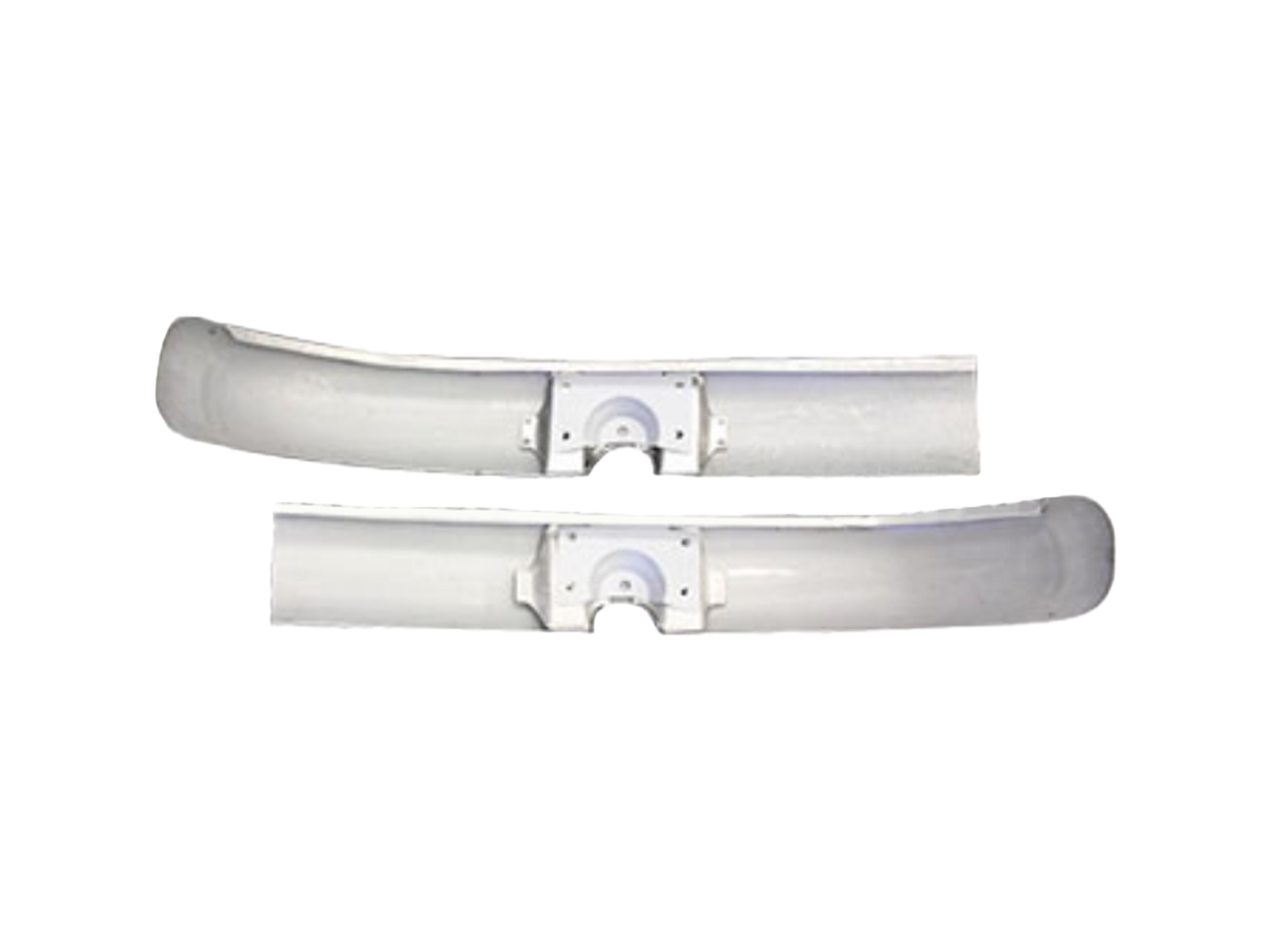
- Porsche 356A 1955-59
Fits:
Porsche 356A T2 - 1957 to 1959
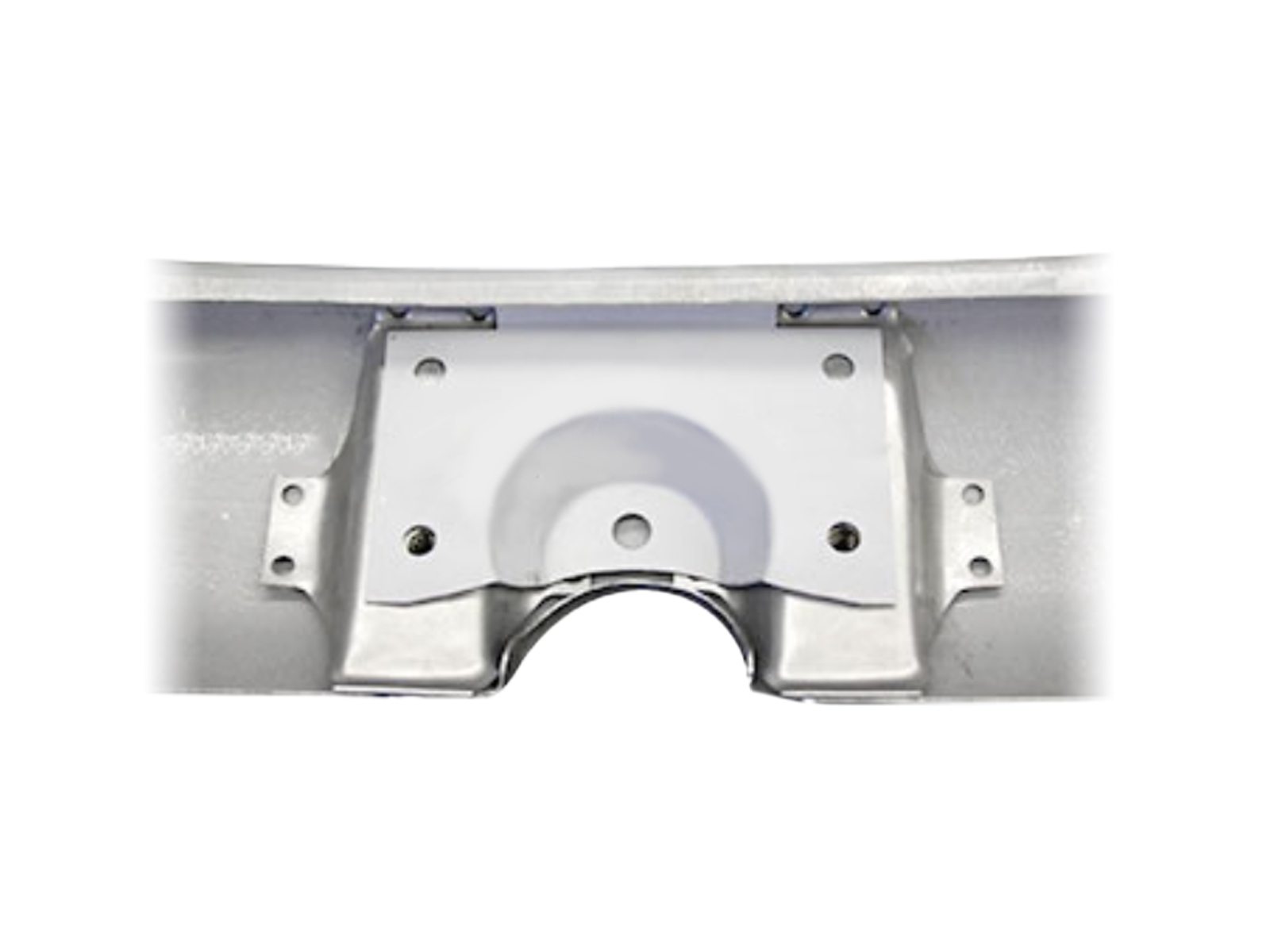
Non welded rear bumper to allow width adjustments
Non-welded bumper with exhaust cut-outs.
Includes 8 brackets and a left and right bumper half.
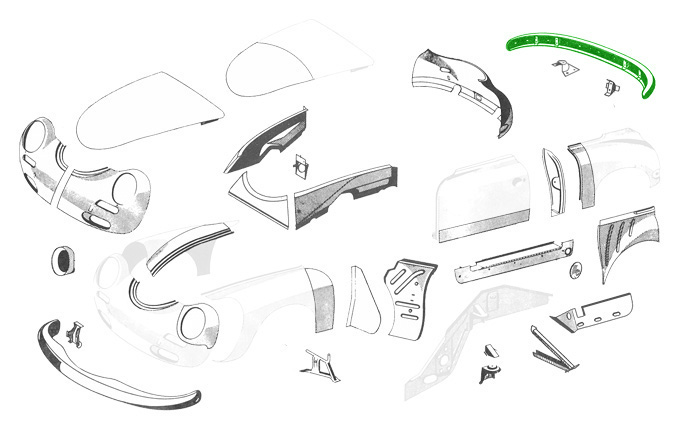
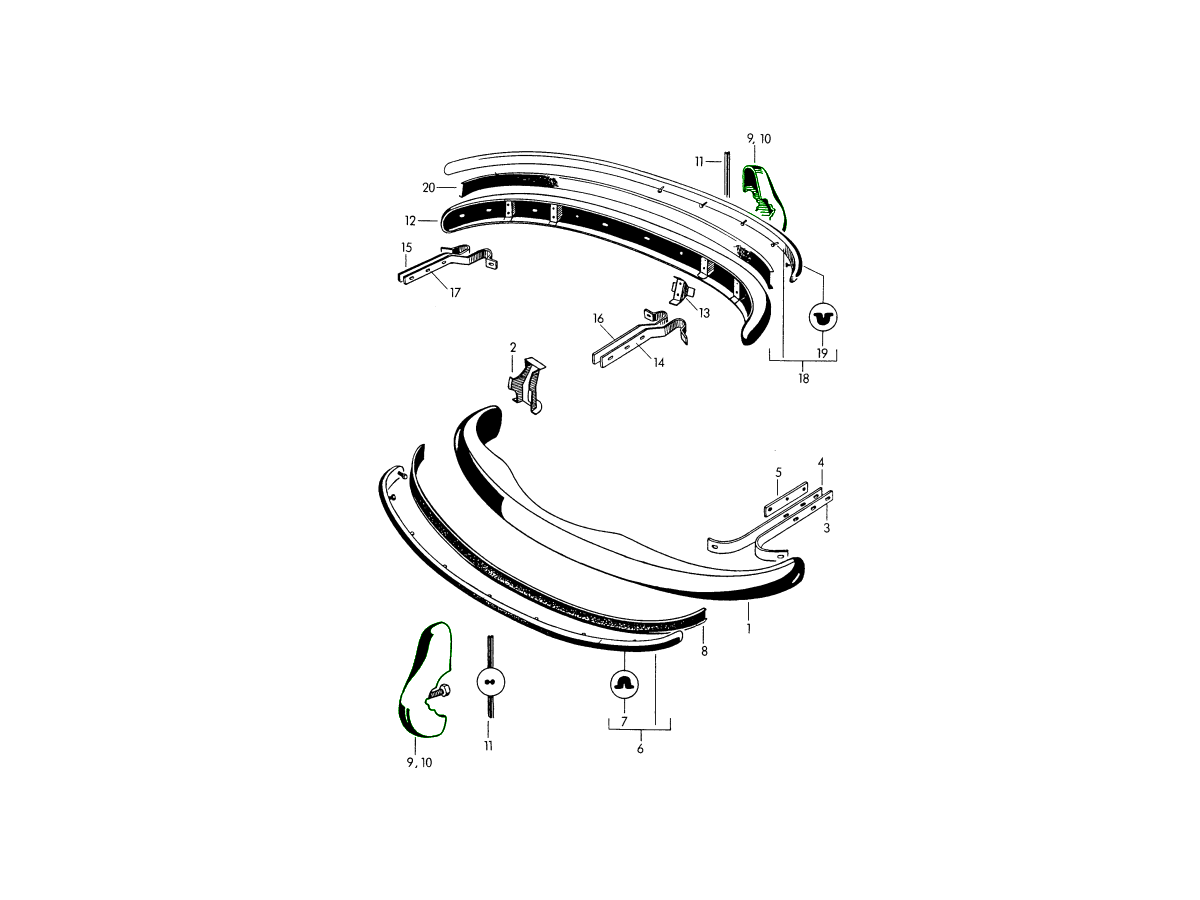
Part highlighted in green on diagram.
Click 'Zoom in' for diagram.
Related reference numbers
Related, superseded, cross reference or alternative numbers for comparison.
64450502101
The product you are viewing cross references to these numbers

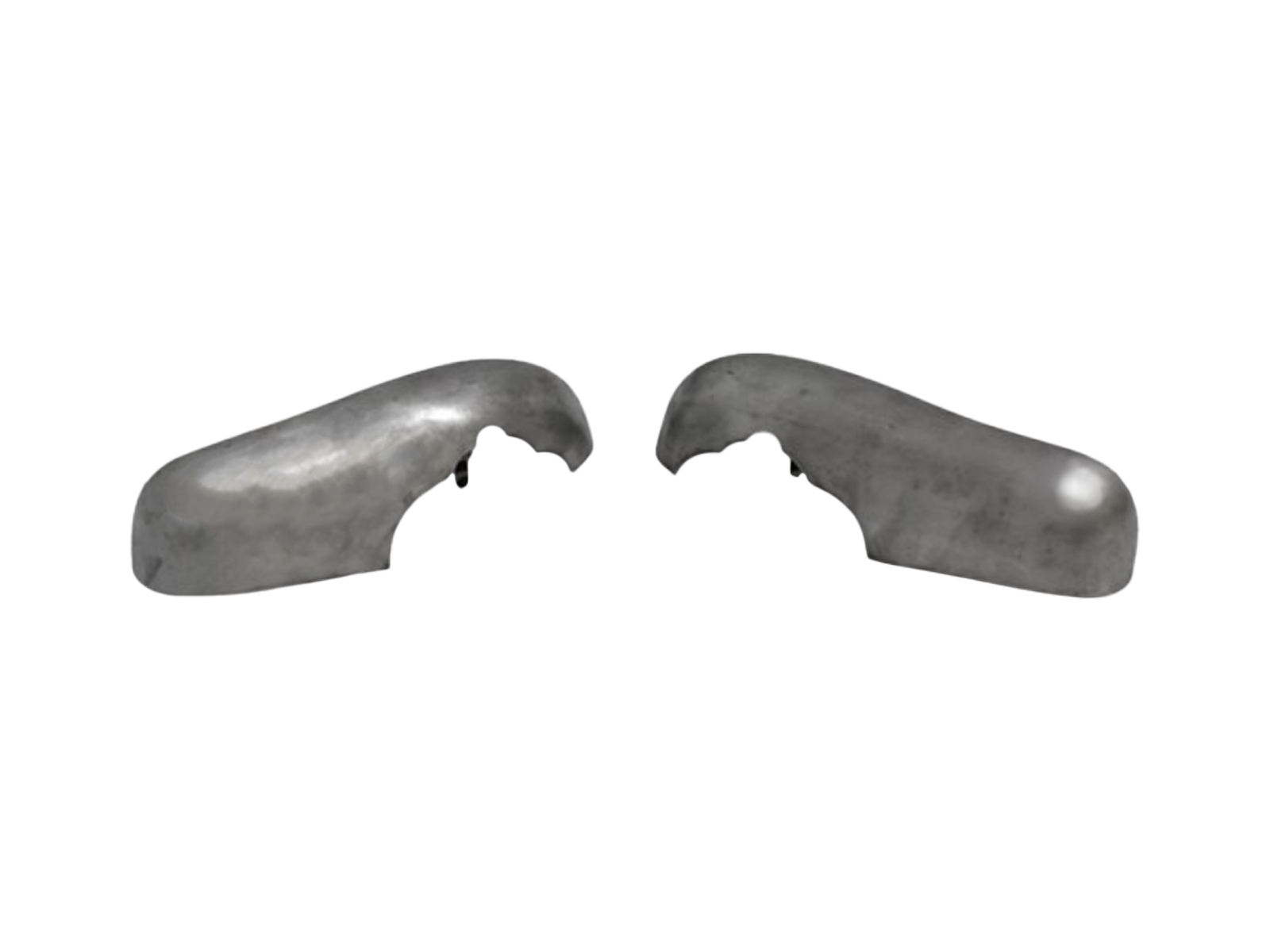
- Porsche 356 1950-55
Sold as a pair
Fits:
Porsche 356 Pre-A - 1950 to 1952
Diagram ref no 9 - 10
Related reference numbers
Related, superseded, cross reference or alternative numbers for comparison.
35658171
The product you are viewing cross references to these numbers
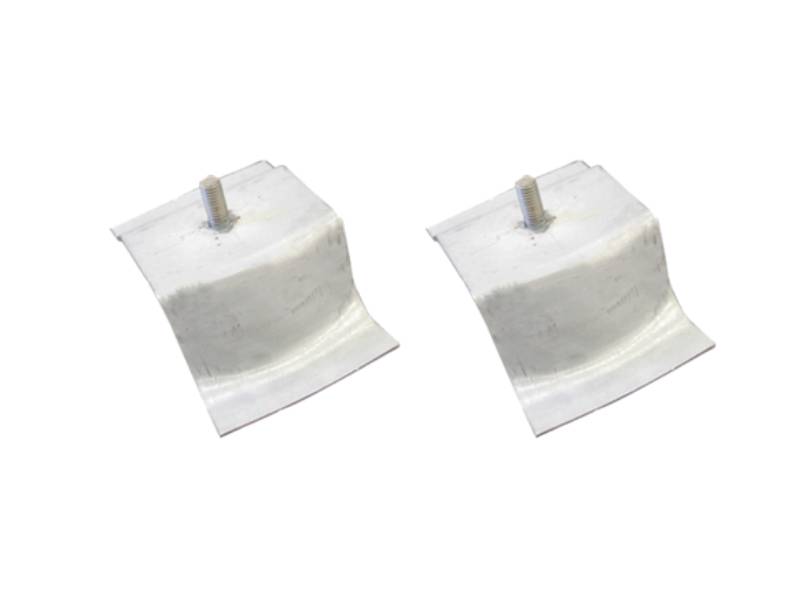
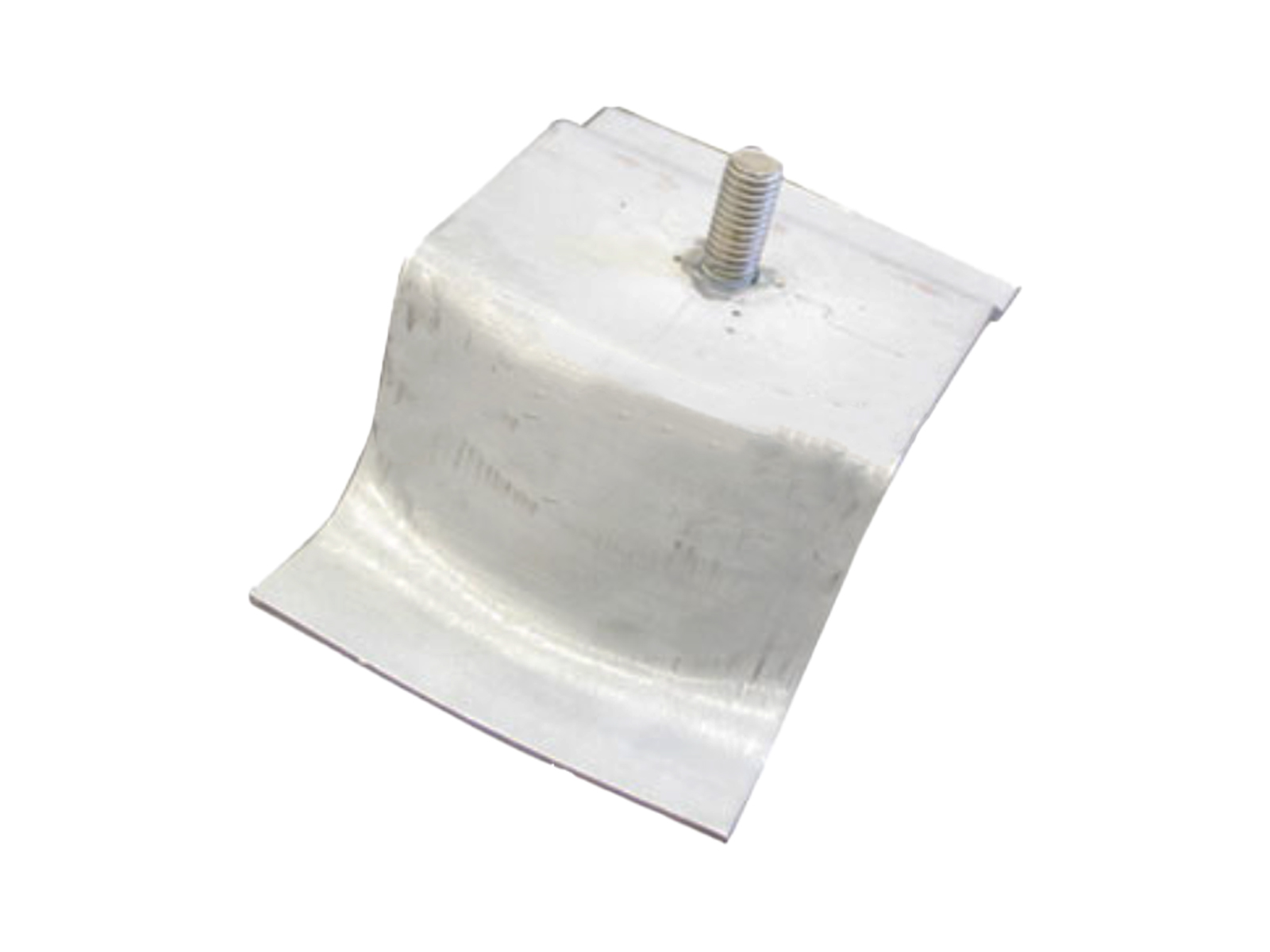
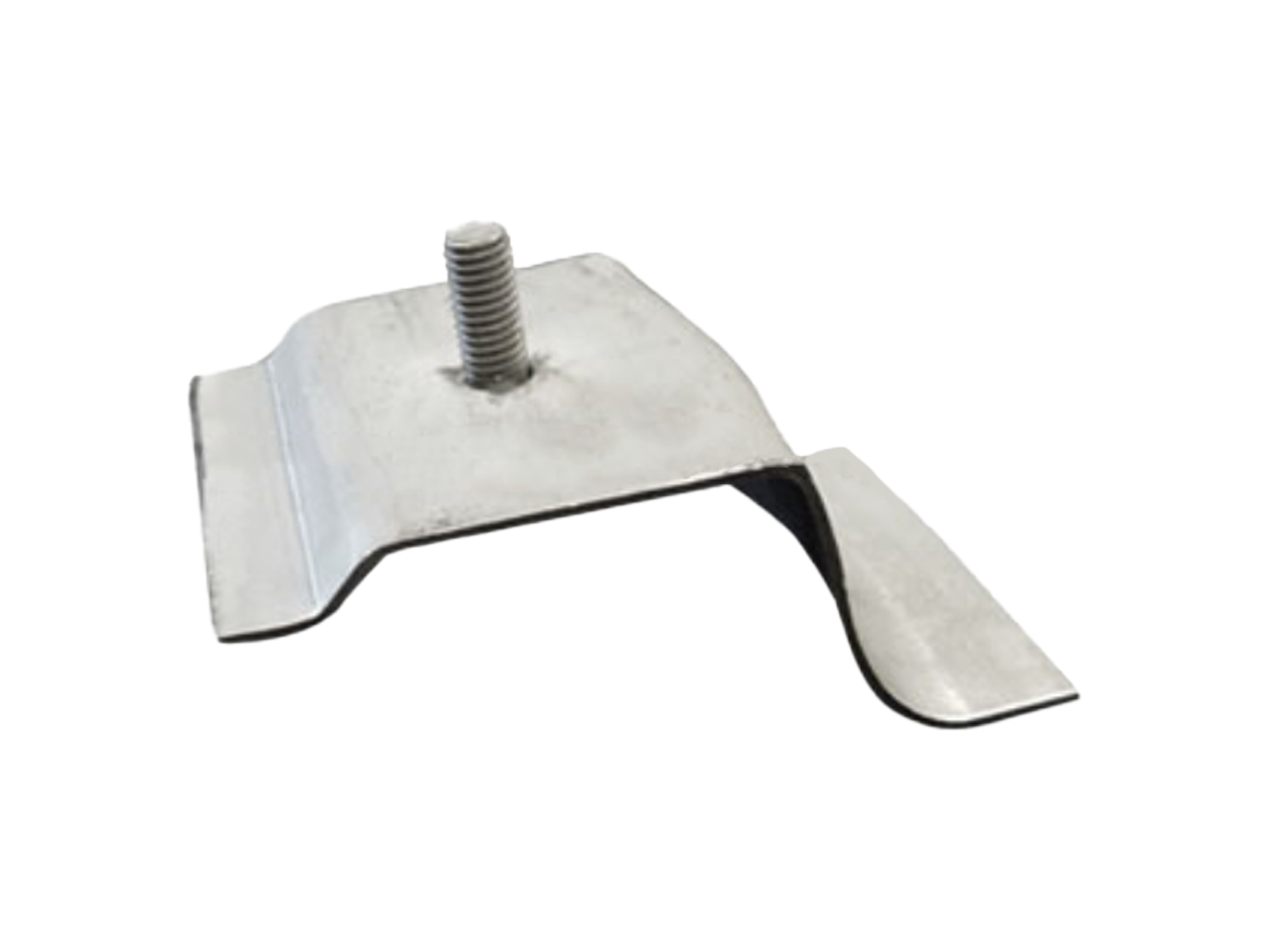
- Porsche 356 1950-55
Sold as a pair
Fits:
Porsche 356 Pre-A - 1950 to 1955

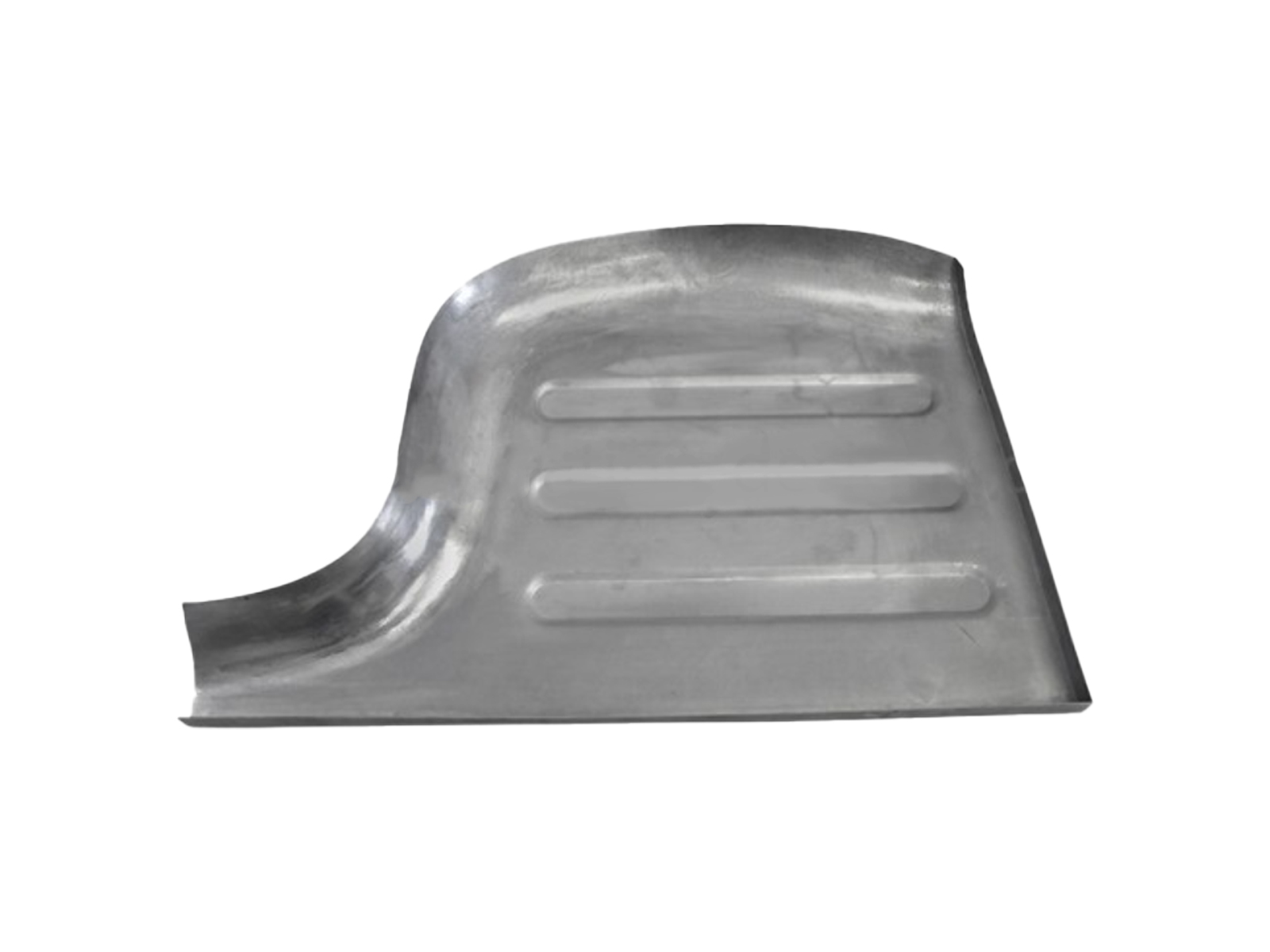
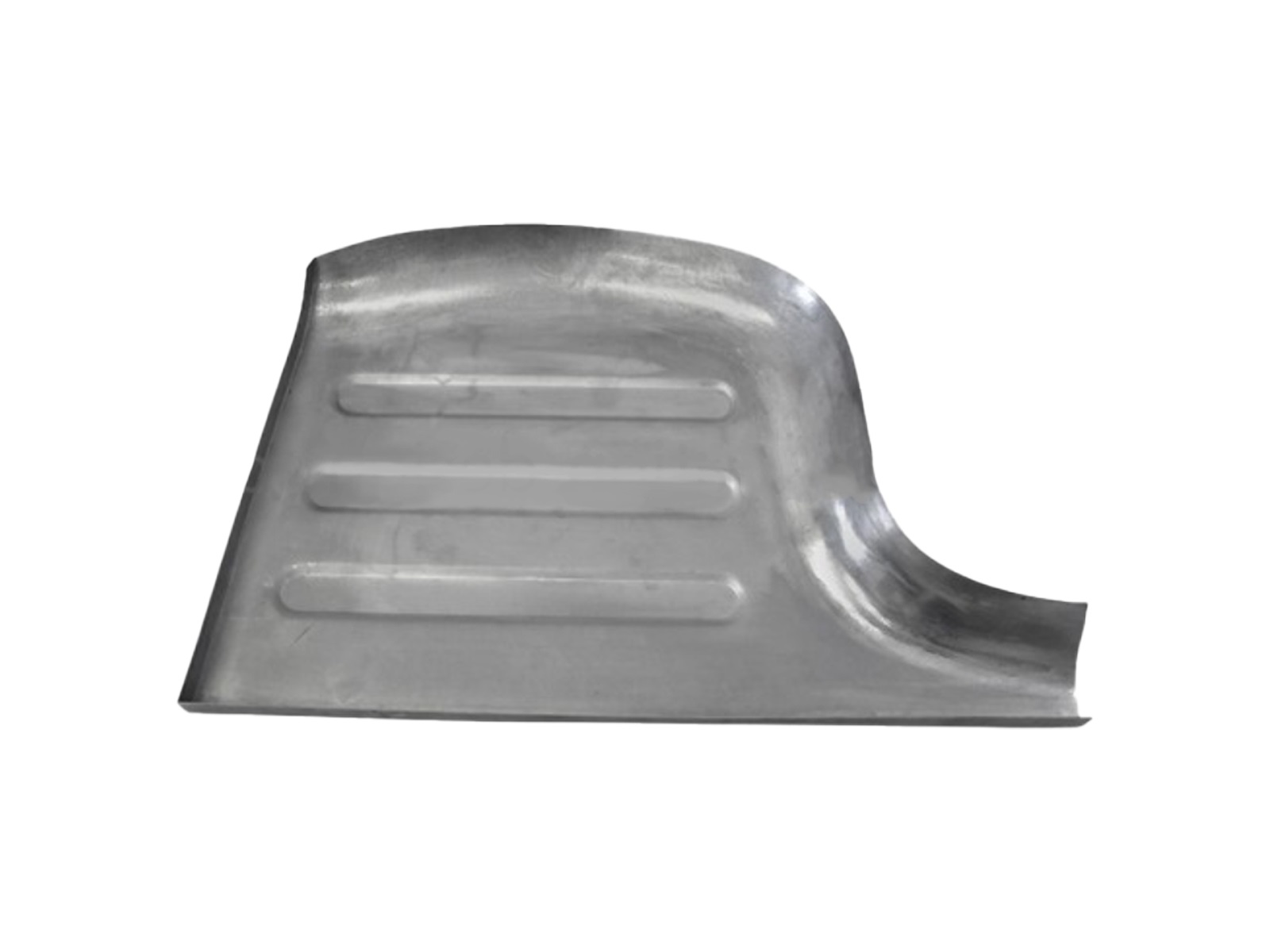
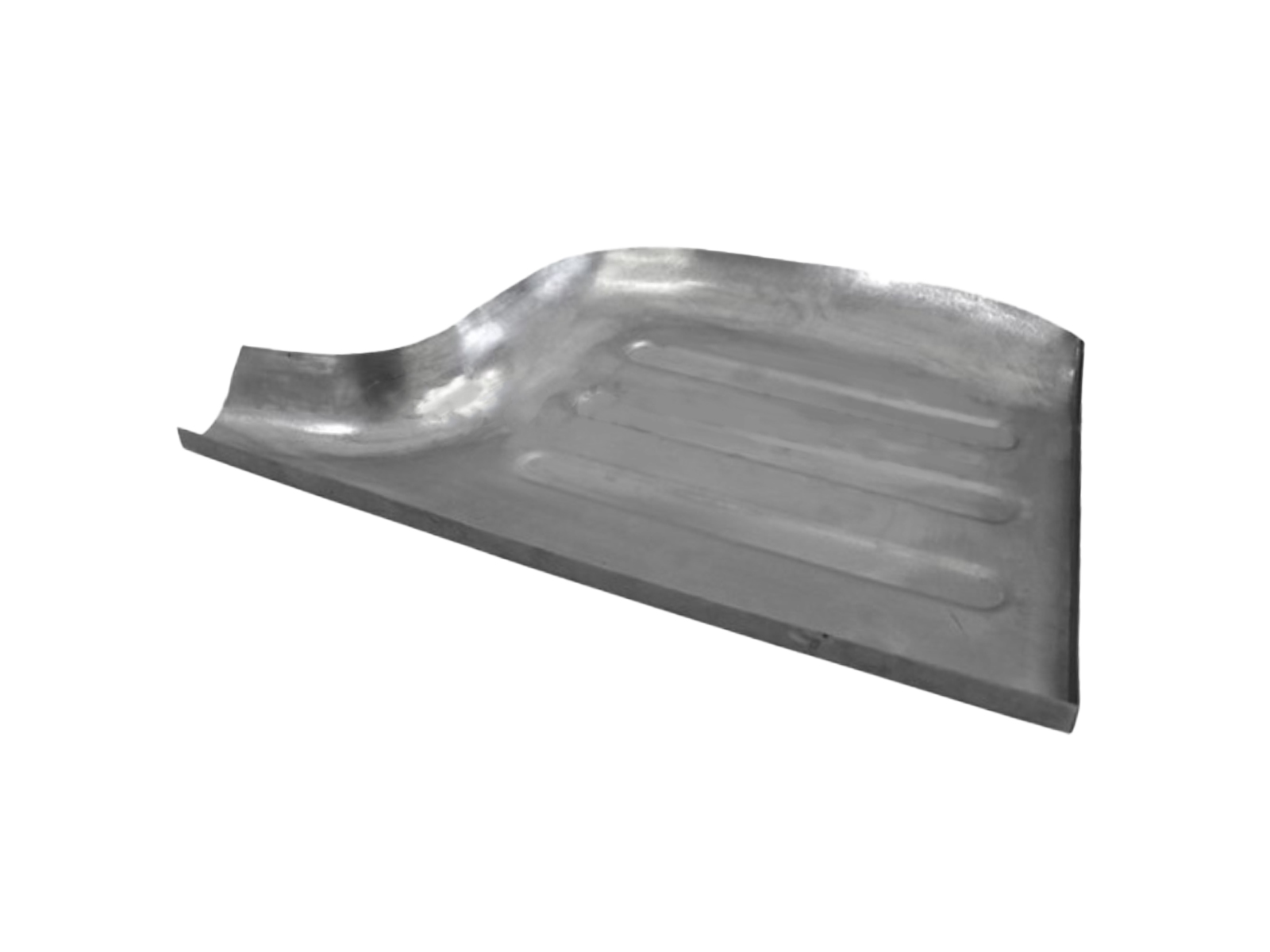
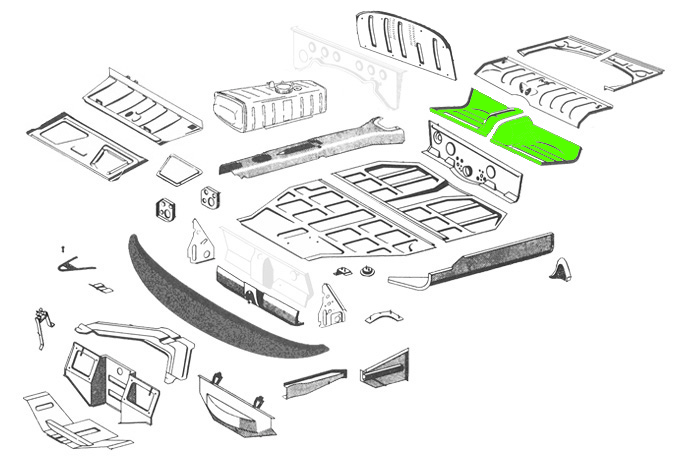
- Porsche 356B 1959-63
Fits:
Porsche 356B T5 - 1959 to 1962
Part highlighted in green on diagram.
Related reference numbers
Related, superseded, cross reference or alternative numbers for comparison.
6445010720
The product you are viewing cross references to these numbers
.jpg?width=197 "Horn grille repair panel. Porsche 356A - 64450301100GRV, 64450301101GRV, 64450301110 - PP197H, P197H")
.jpg)
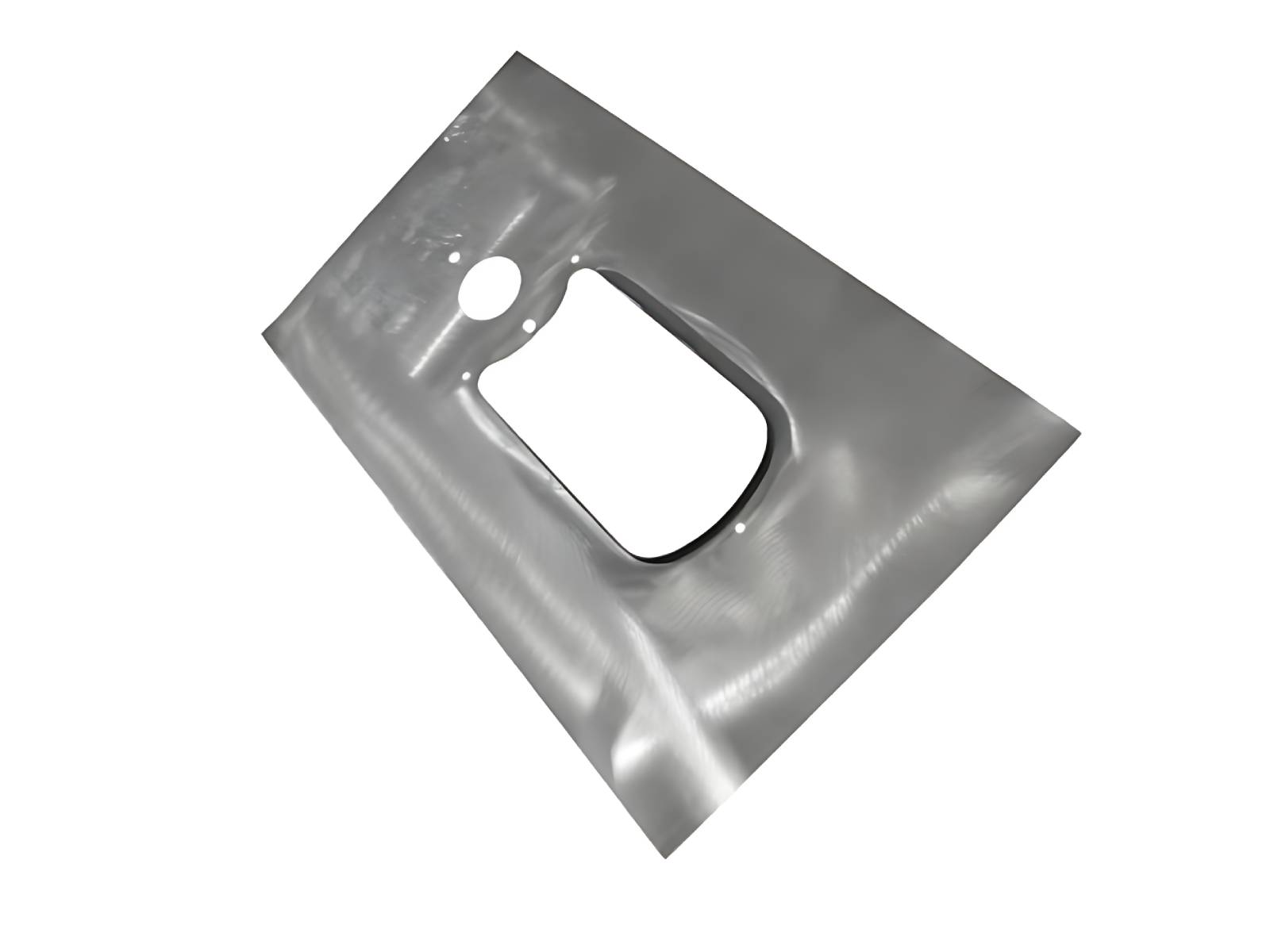
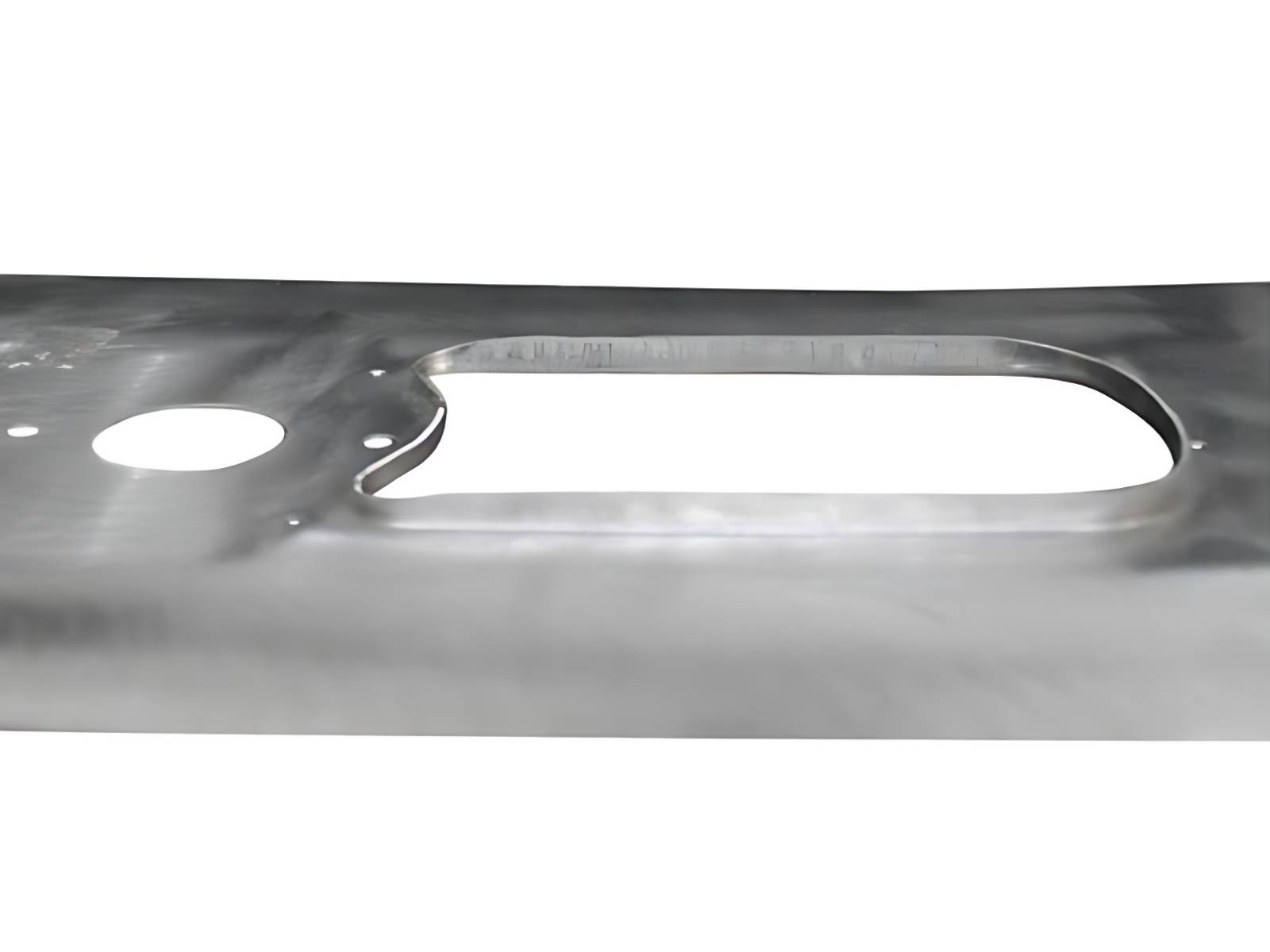
- Porsche 356A 1955-59
Sold each - 2 required per car
Fits:
Porsche 356A - 1955 to 1959
Related reference numbers
Related, superseded, cross reference or alternative numbers for comparison.
PP197H
The product you are viewing cross references to these numbers
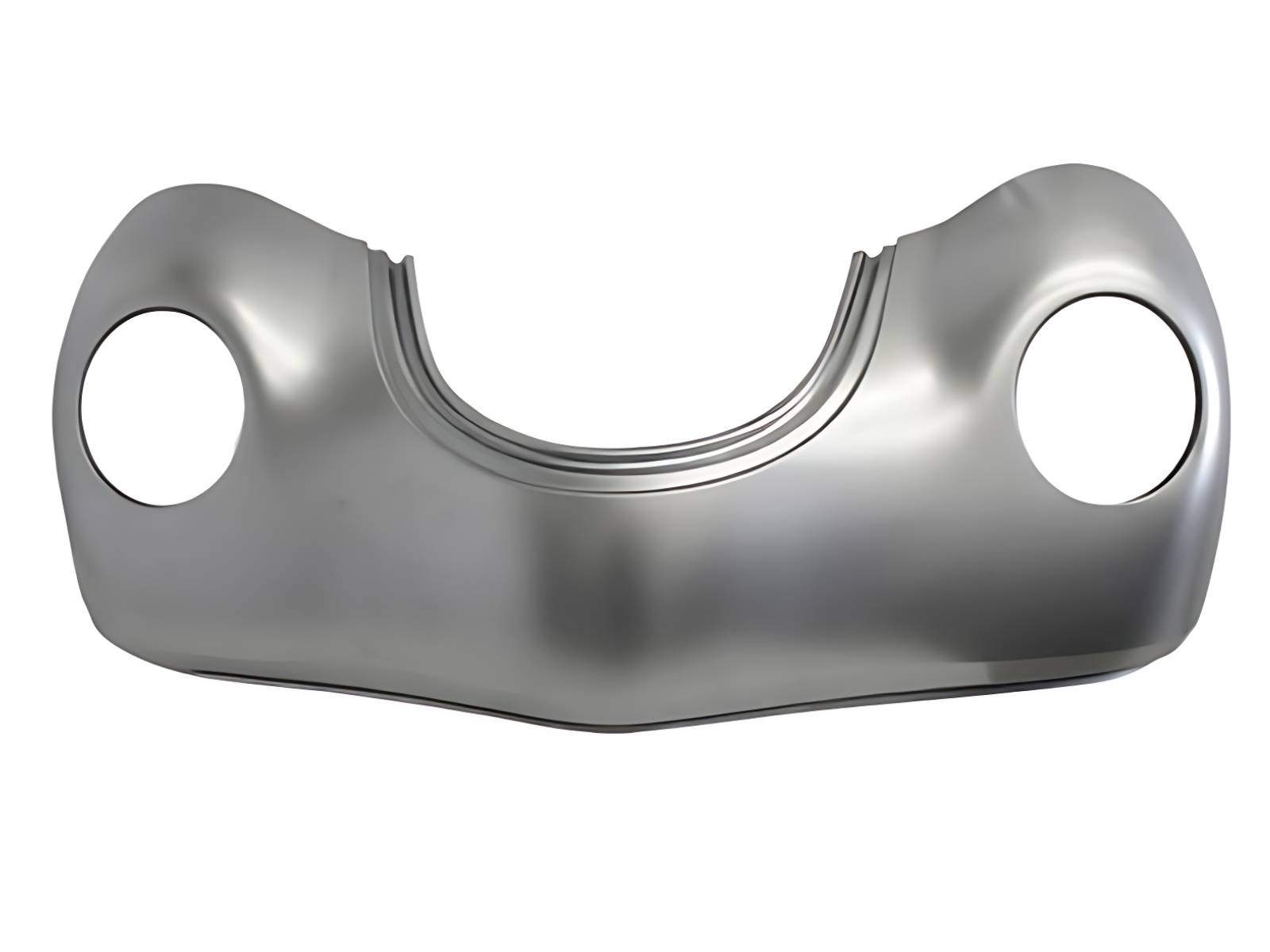
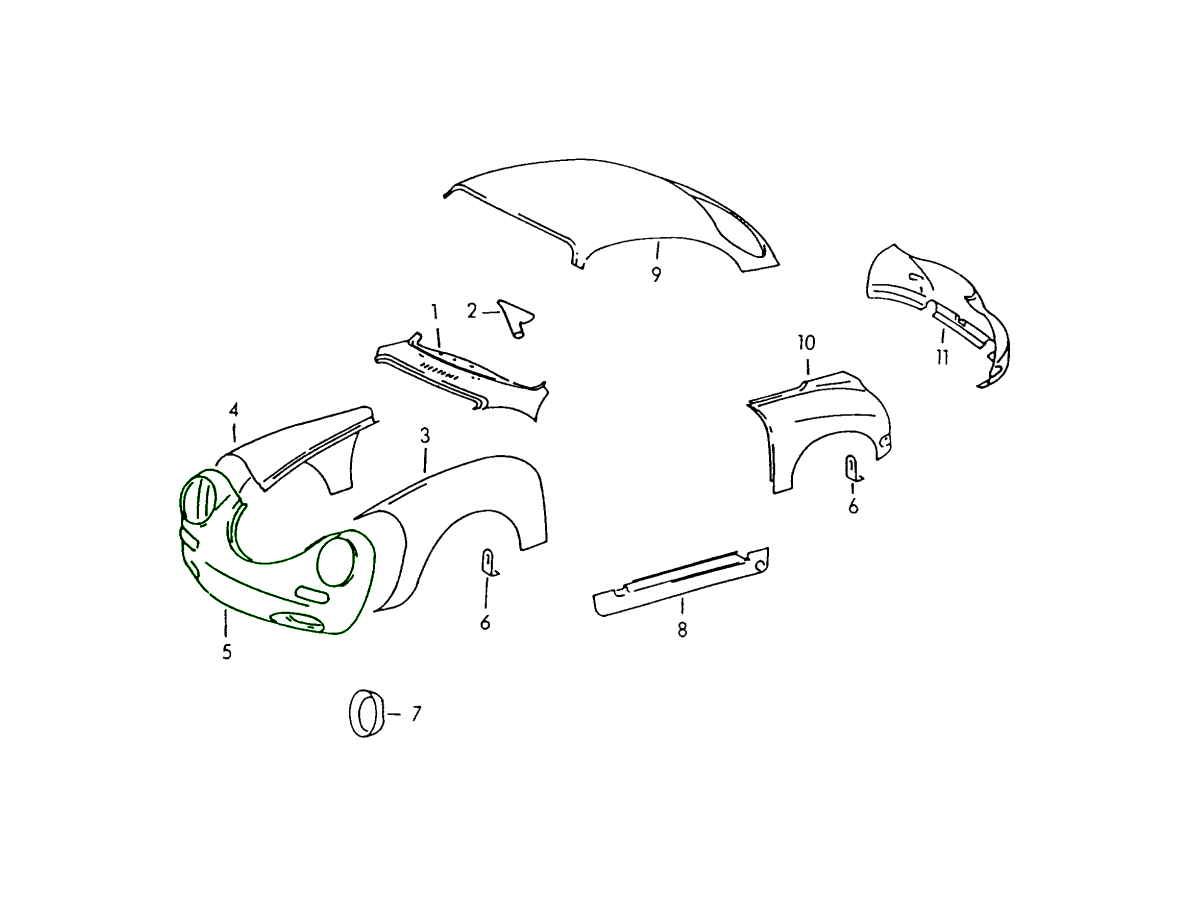
- Porsche 356 1950-55
Fits:
Porsche 356 Pre-A - 1952 to 1954
Diagram ref no 5
Related reference numbers
Related, superseded, cross reference or alternative numbers for comparison.
35651310
The product you are viewing cross references to these numbers
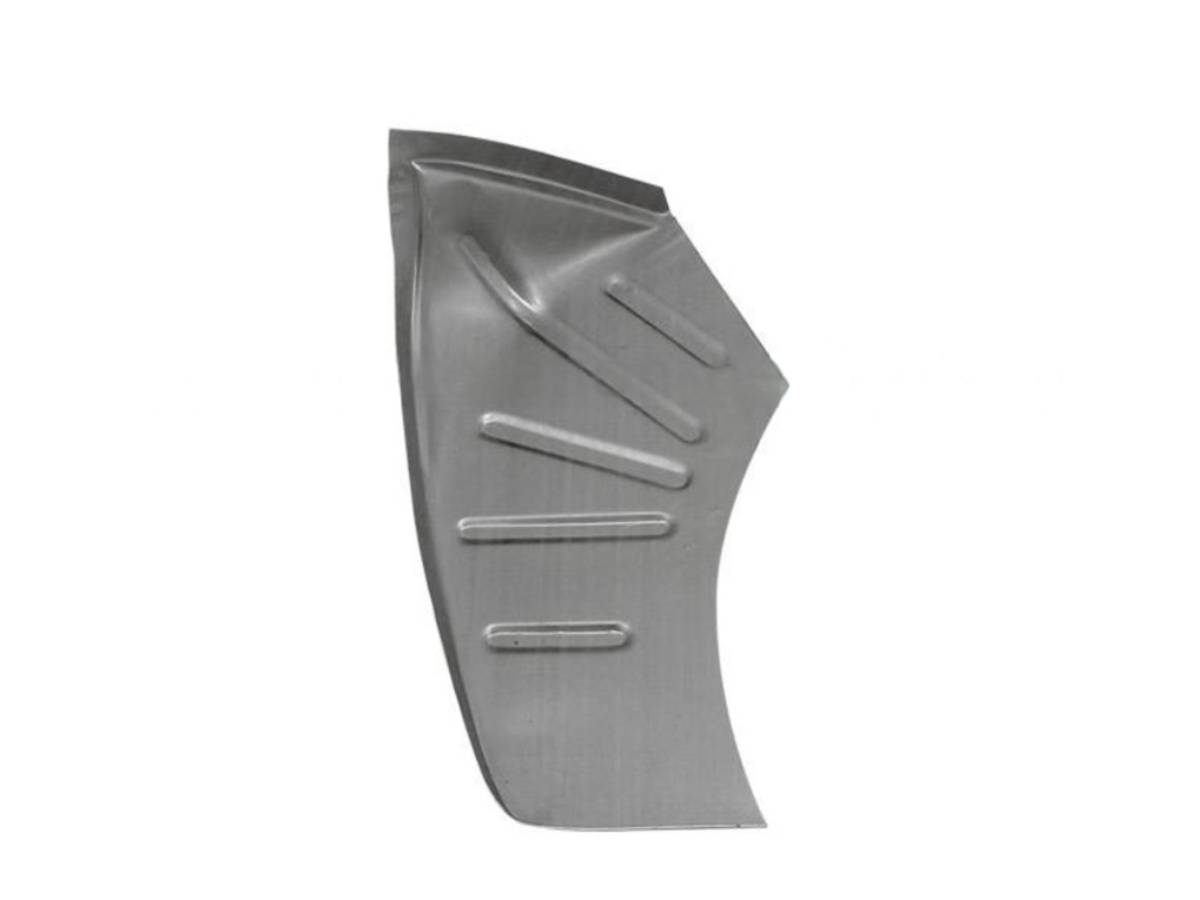
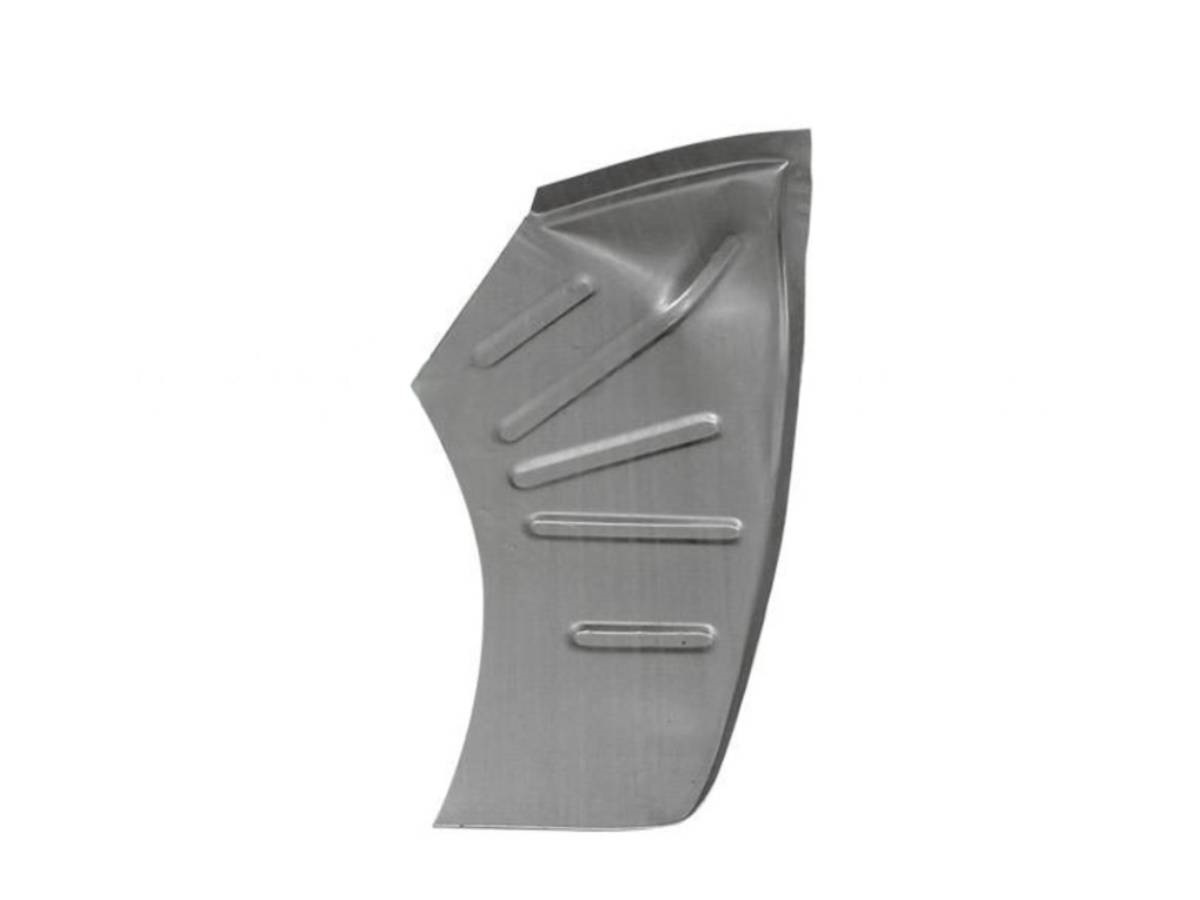
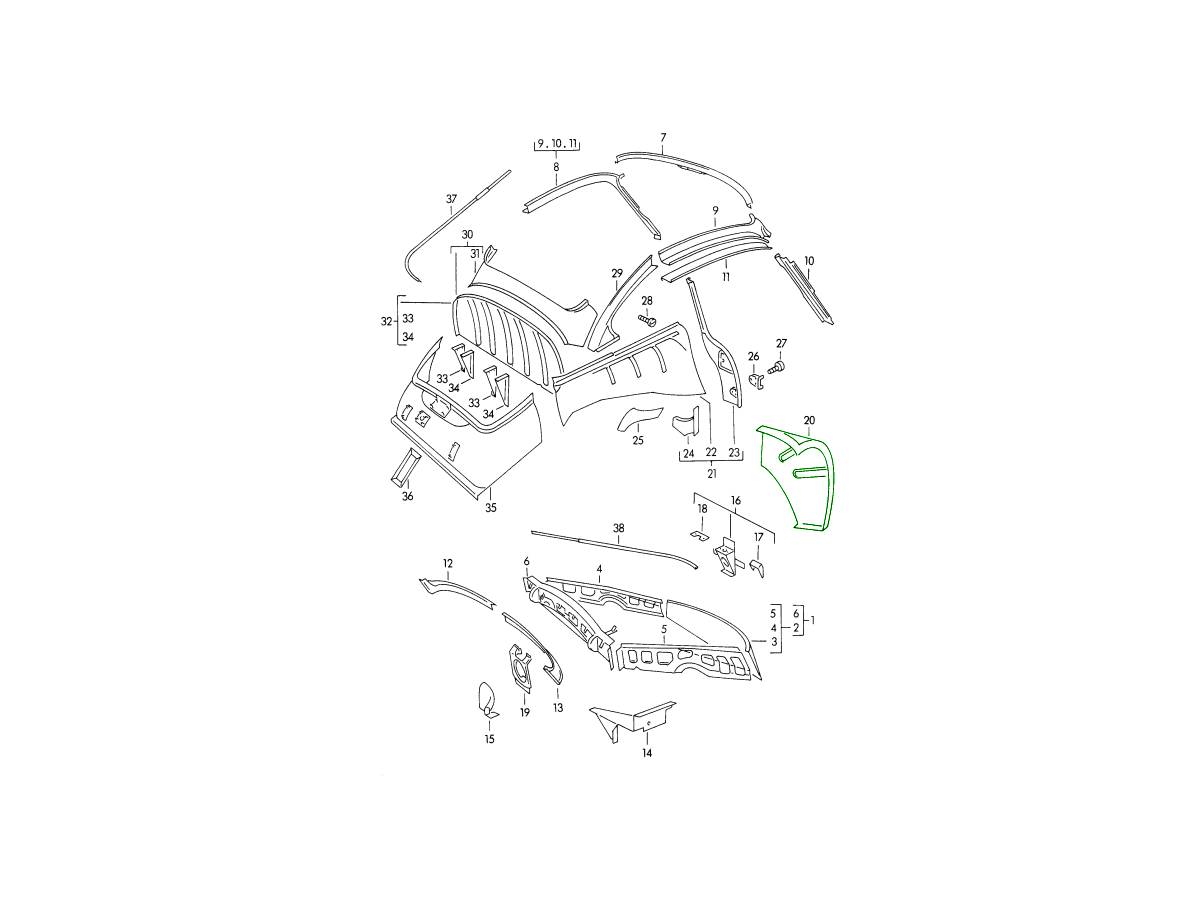
- Porsche 356A 1955-59
Fits:
Porsche 356A - 1956 to 1957
Diagram ref no 20
Related reference numbers
Related, superseded, cross reference or alternative numbers for comparison.
64450201
The product you are viewing cross references to these numbers
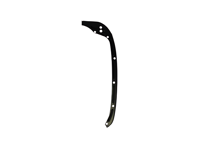
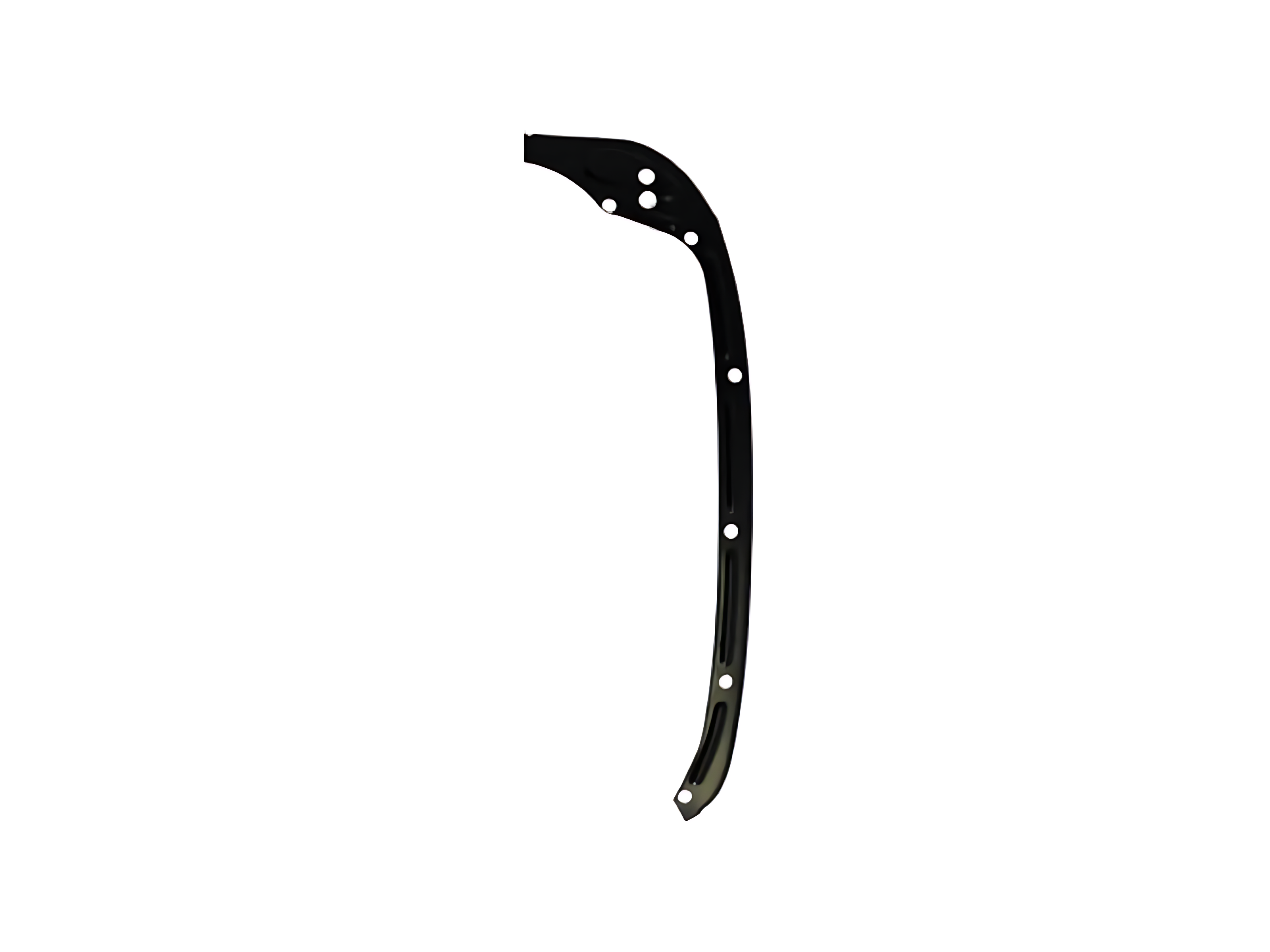
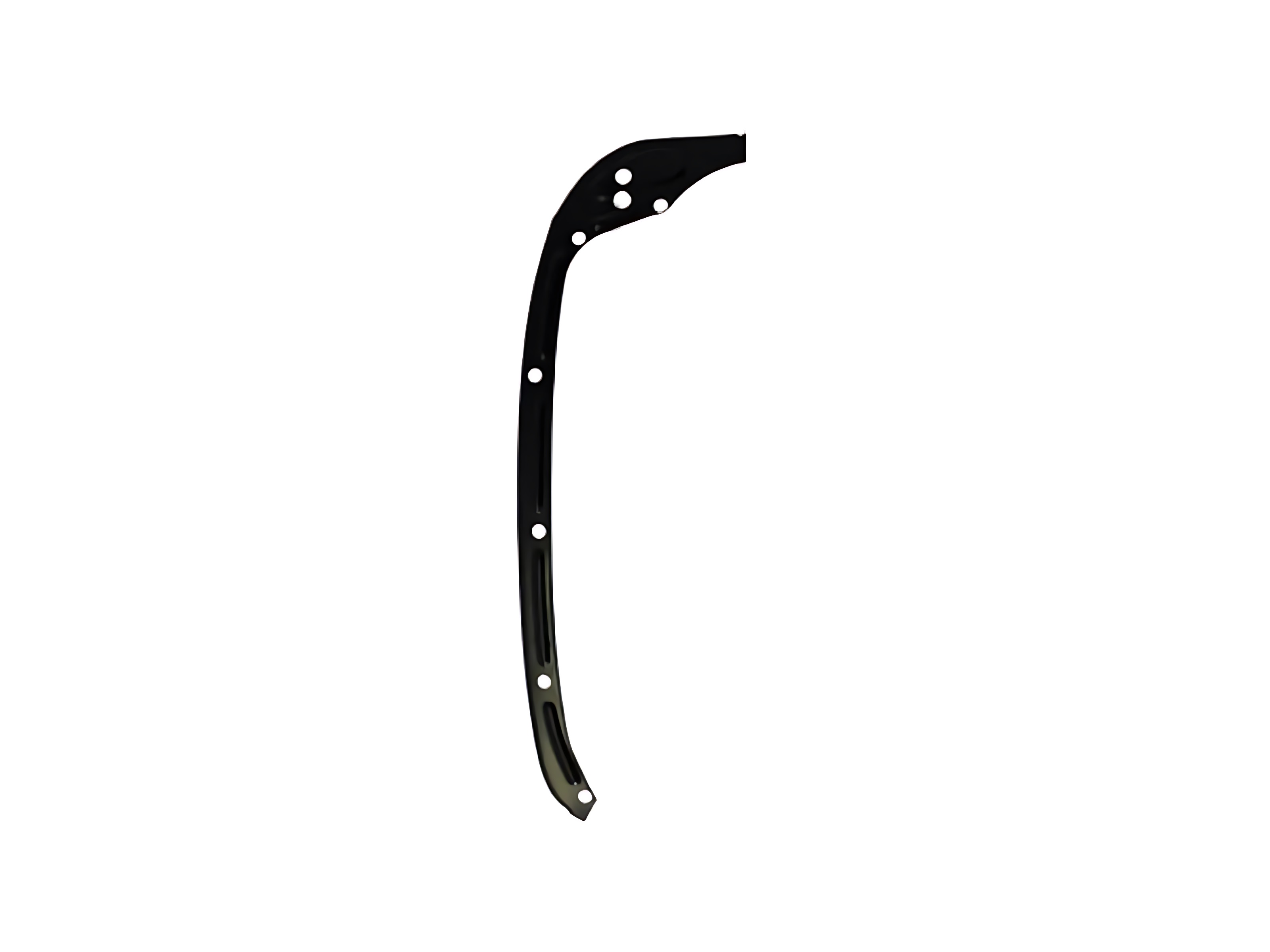
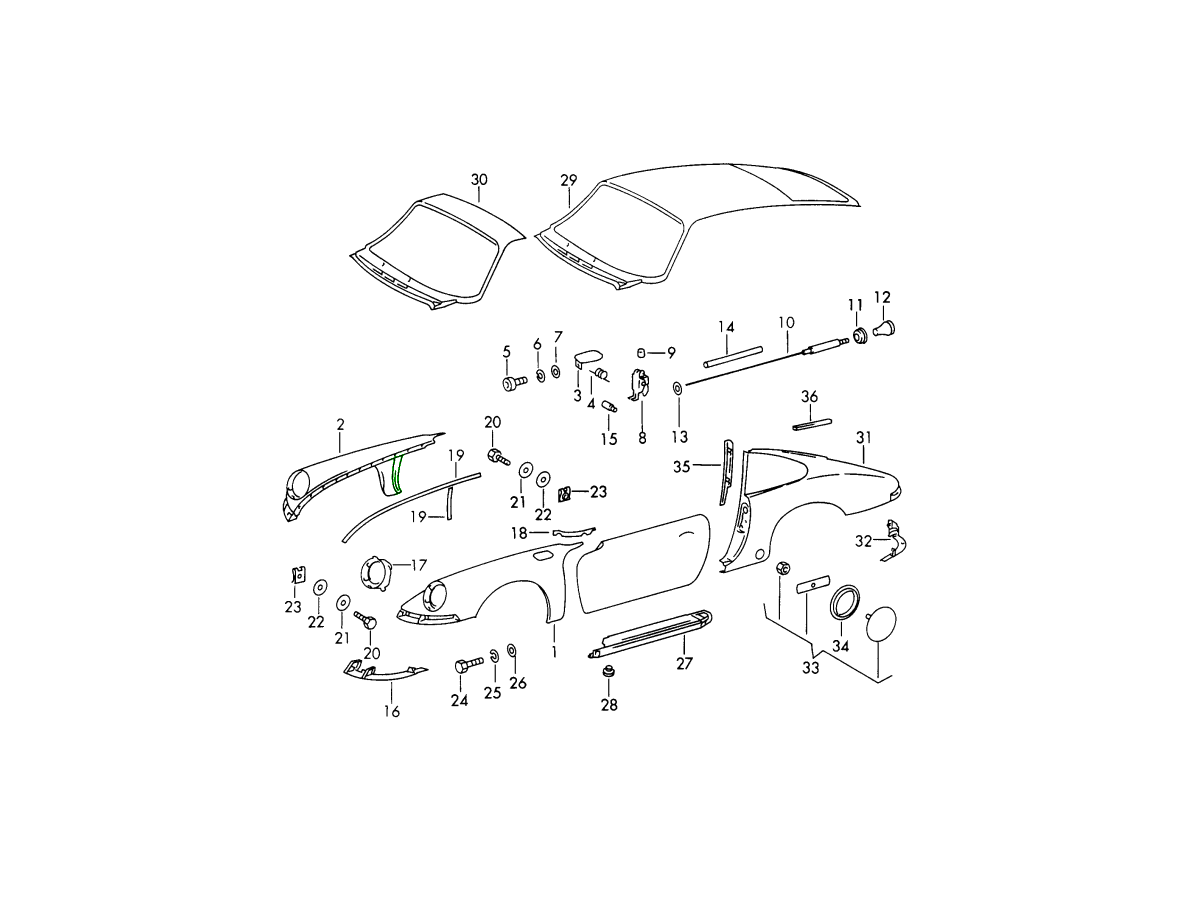
- Porsche 911 1968-1973 2.2L / 2.4L / 2.7L RS LWB (F)
Fits:
Porsche 911 - 1969 to 1973
Fender mounting inner structure.
Related reference numbers
Related, superseded, cross reference or alternative numbers for comparison.
90150303
The product you are viewing cross references to these numbers
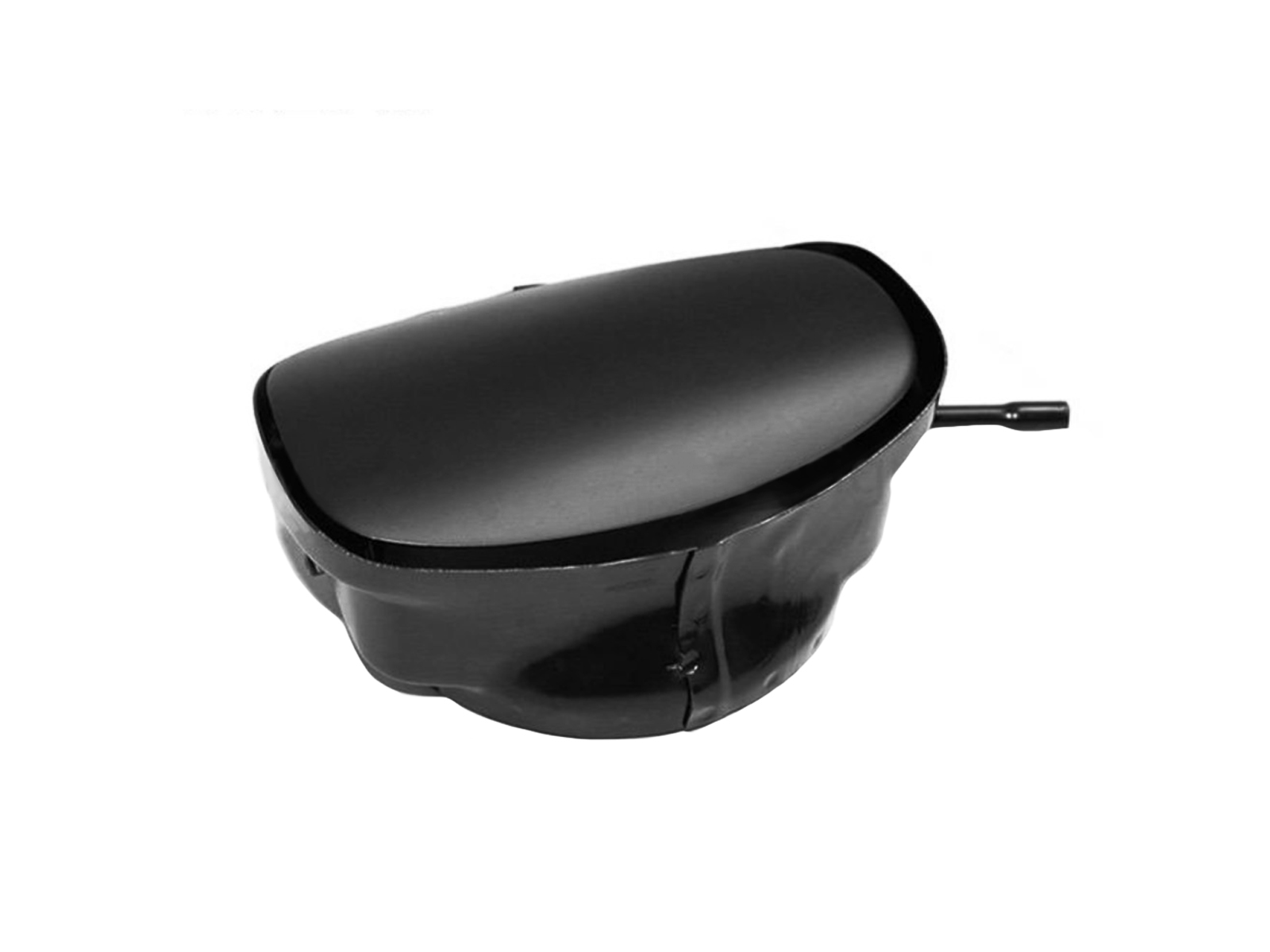
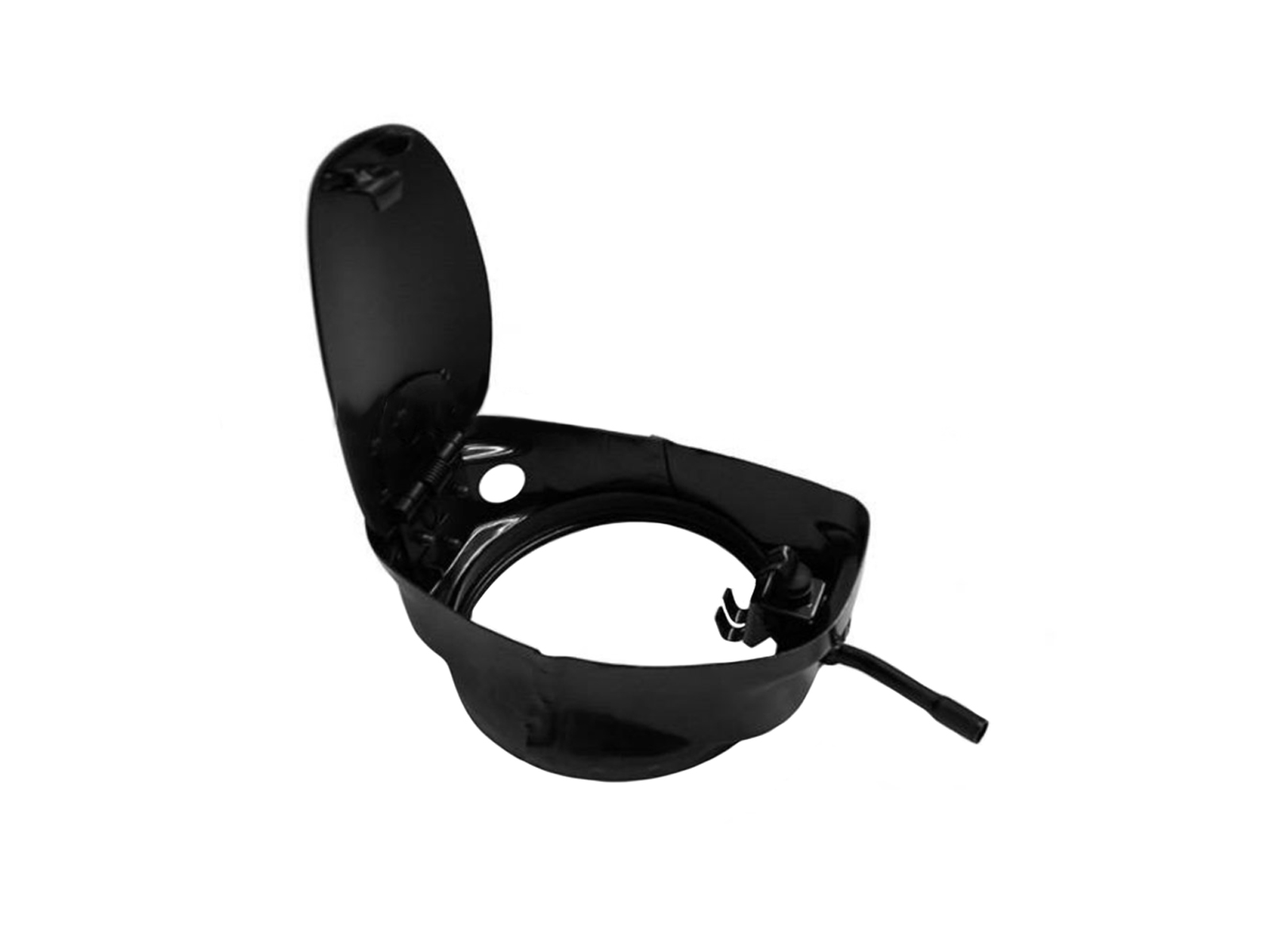
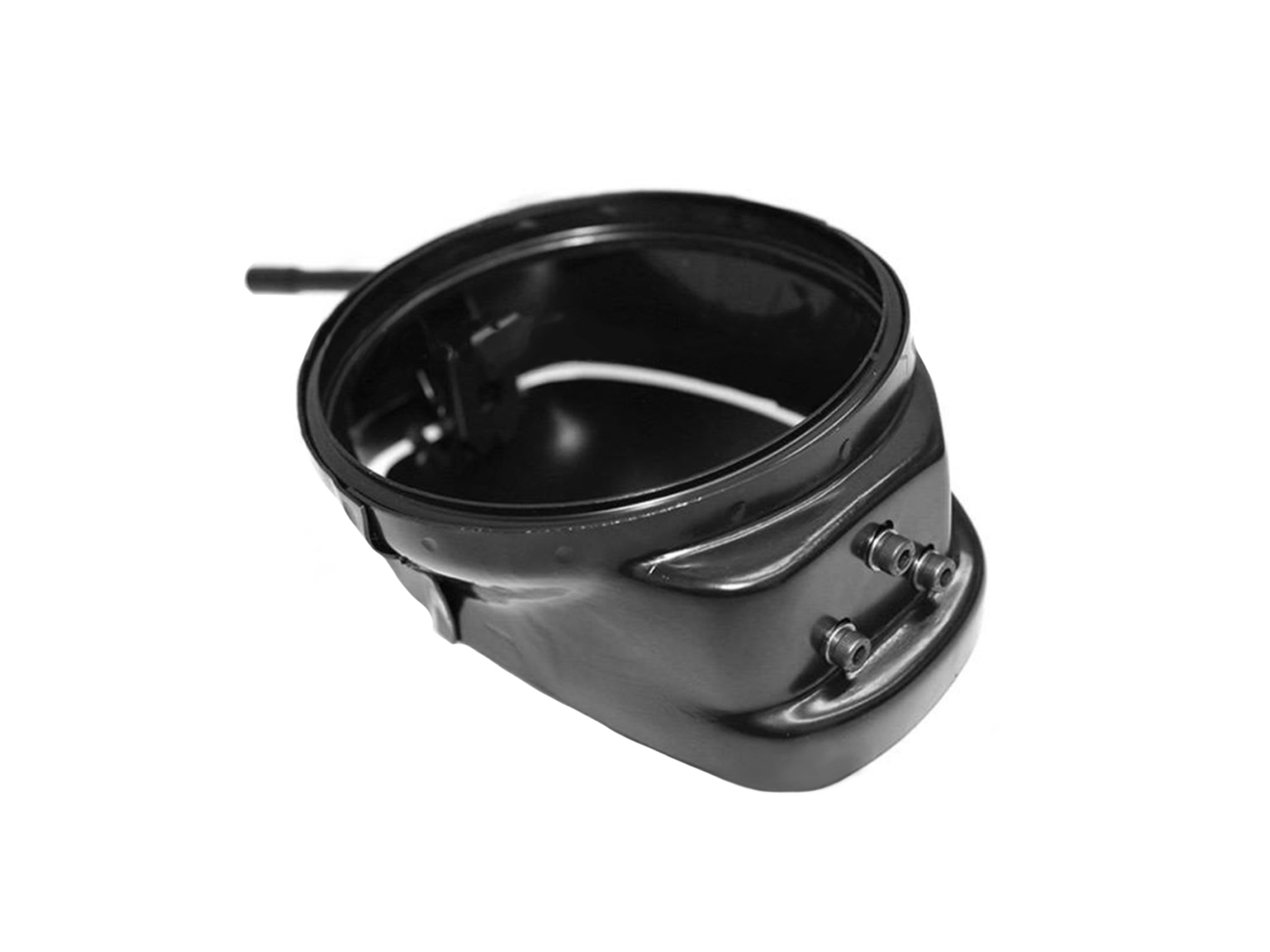

- Porsche 911 1965-1968 2.0L / 912 SWB (F)
Fits:
Porsche 911 / 912 - 1965 to 1968 (Short Wheel Base Cars)
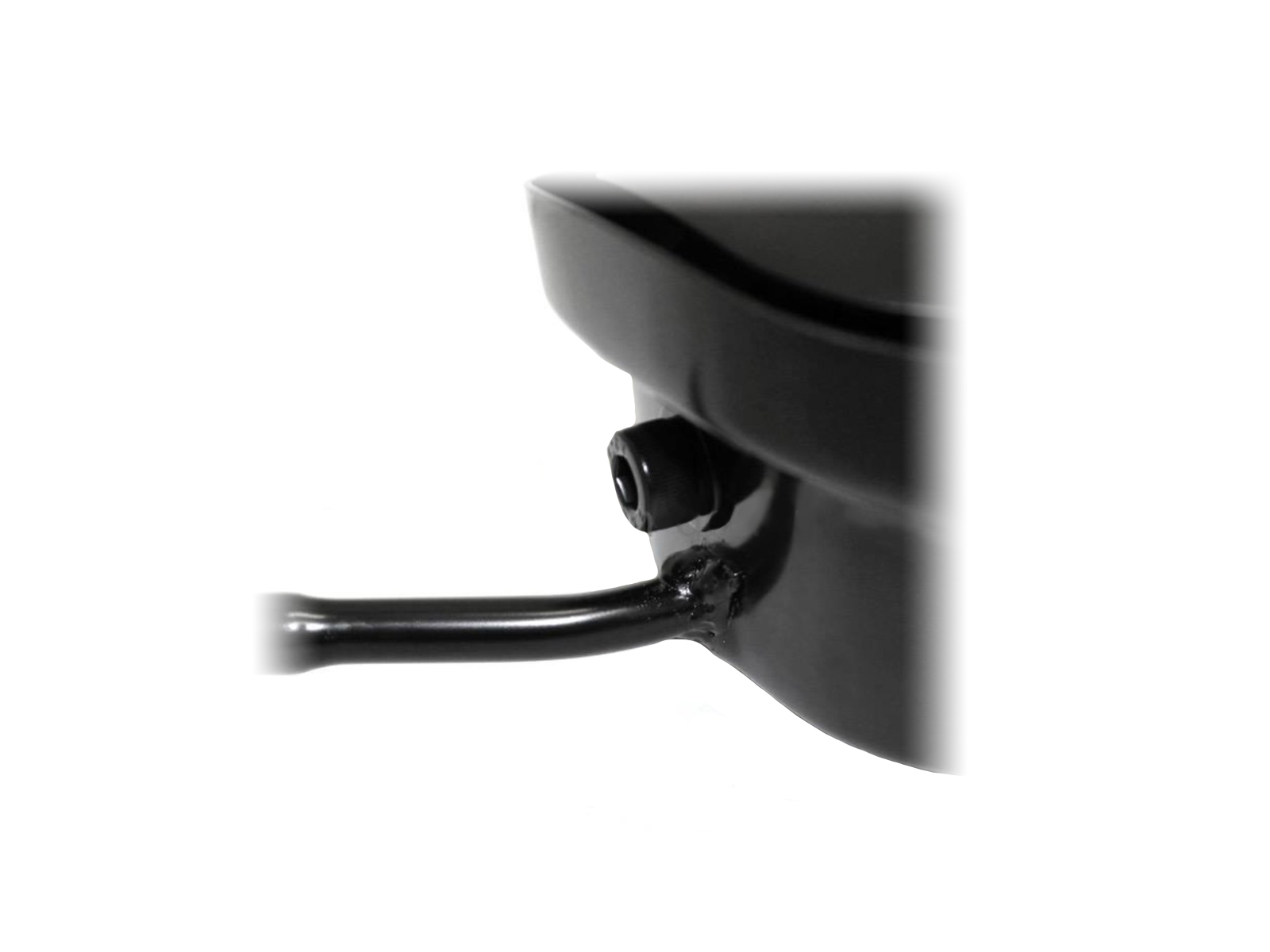
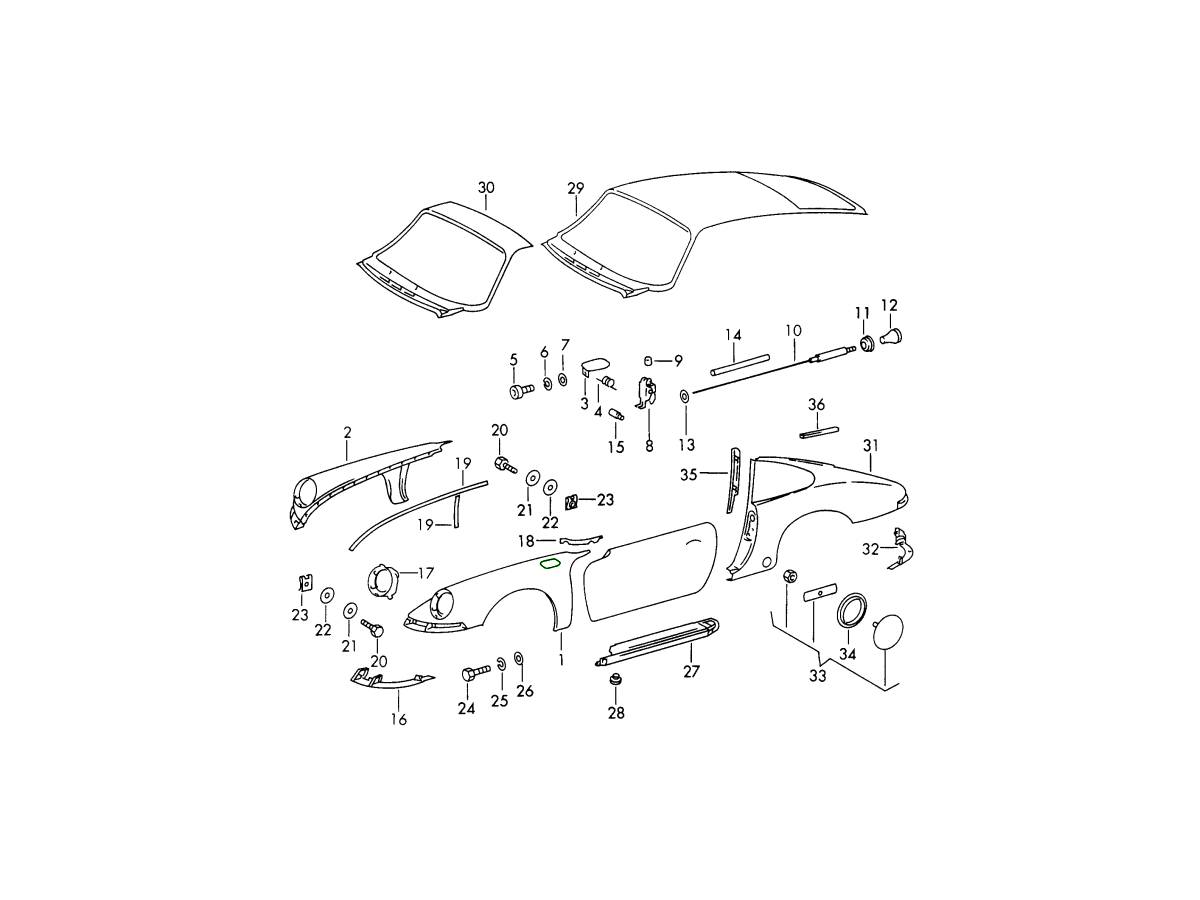
Fuel tank filler bowl with fuel flap.
Fits to diagram ref no 1
Related reference numbers
Related, superseded, cross reference or alternative numbers for comparison.
90150303122
The product you are viewing cross references to these numbers
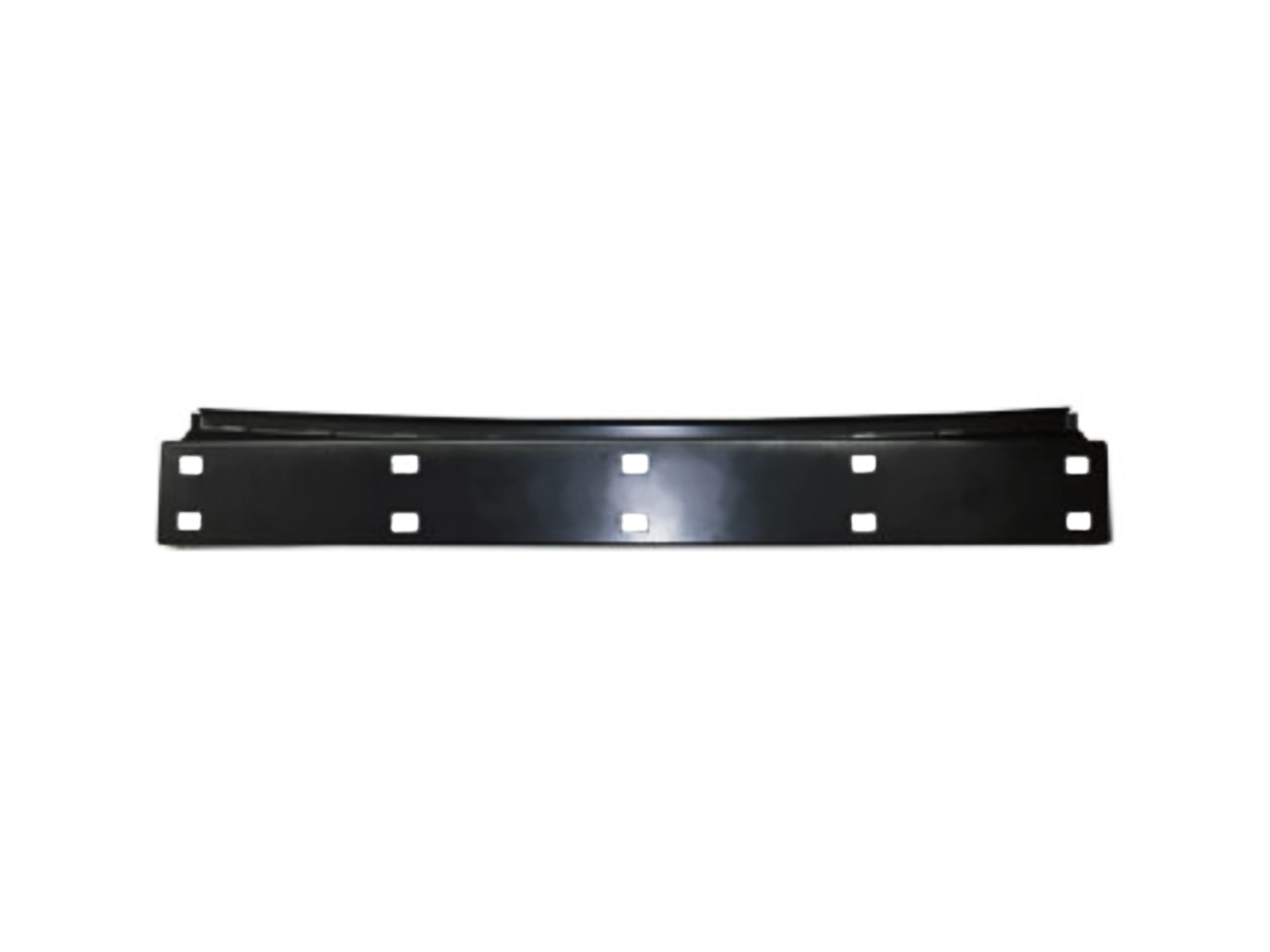
- Porsche 911 1974-1977 2.7L / 1976-77 3.0 Carrera
- Porsche 911 1978-1983 3.0L / SC
- Porsche 911 1984-1986 3.2L
- Porsche 911 1975-1977 3.0L Turbo (930)
- Porsche 911 1978-1989 3.3L Turbo (930)
Fits:
Porsche 911 - 1974 to 1986
Porsche 911 turbo - 1975 to 1977
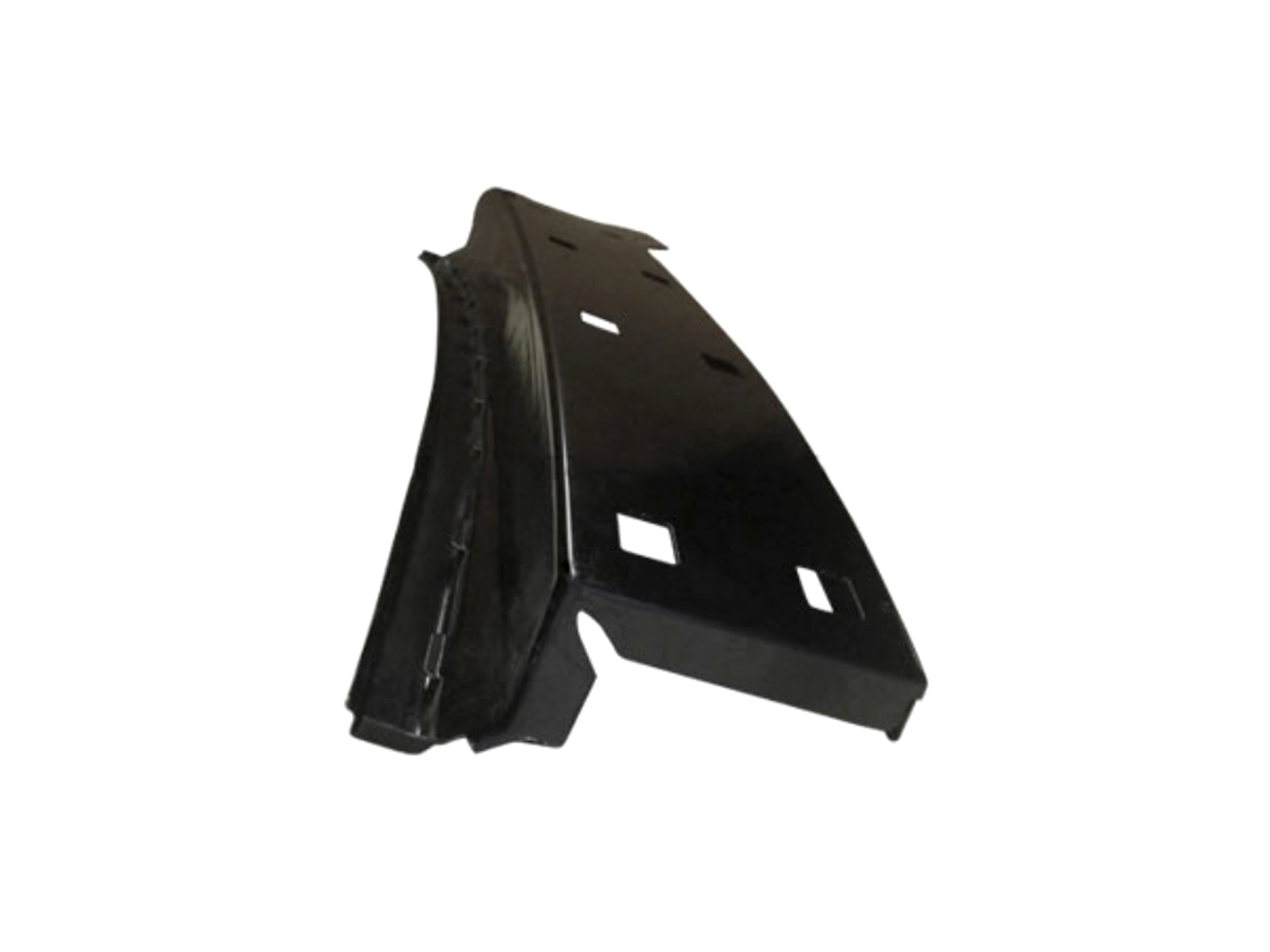
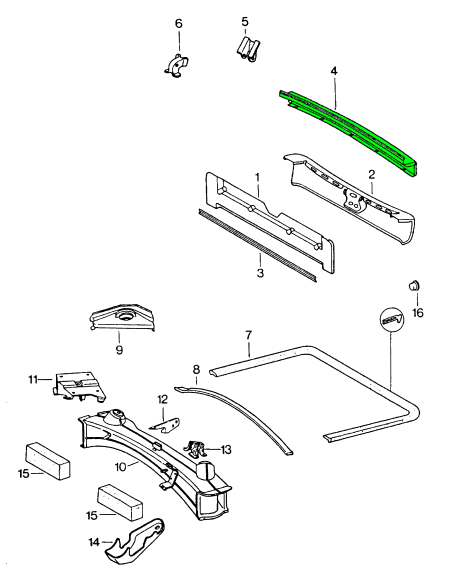
Diagram ref no 4
Related reference numbers
Related, superseded, cross reference or alternative numbers for comparison.
91150315100GRV
The product you are viewing cross references to these numbers

- Porsche 911 1968-1973 2.2L / 2.4L / 2.7L RS LWB (F)
Fits:
Porsche 911 - 1970 to 1971
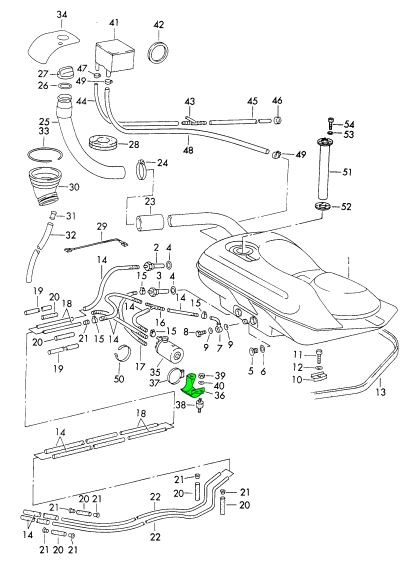
Diagram ref no 36
Related reference numbers
Related, superseded, cross reference or alternative numbers for comparison.
90135650503
The product you are viewing cross references to these numbers

- Porsche 911 1965-1968 2.0L / 912 SWB (F)
- Porsche 911 1968-1973 2.2L / 2.4L / 2.7L RS LWB (F)
- Porsche 911 1974-1977 2.7L / 1976-77 3.0 Carrera
- Porsche 911 1978-1983 3.0L / SC
- Porsche 911 1984-1986 3.2L
- Porsche 911 1987-1989 3.2L G50
- Porsche 911 1975-1977 3.0L Turbo (930)
- Porsche 911 1978-1989 3.3L Turbo (930)
Fits:
Porsche 911 - 1965 to 1989
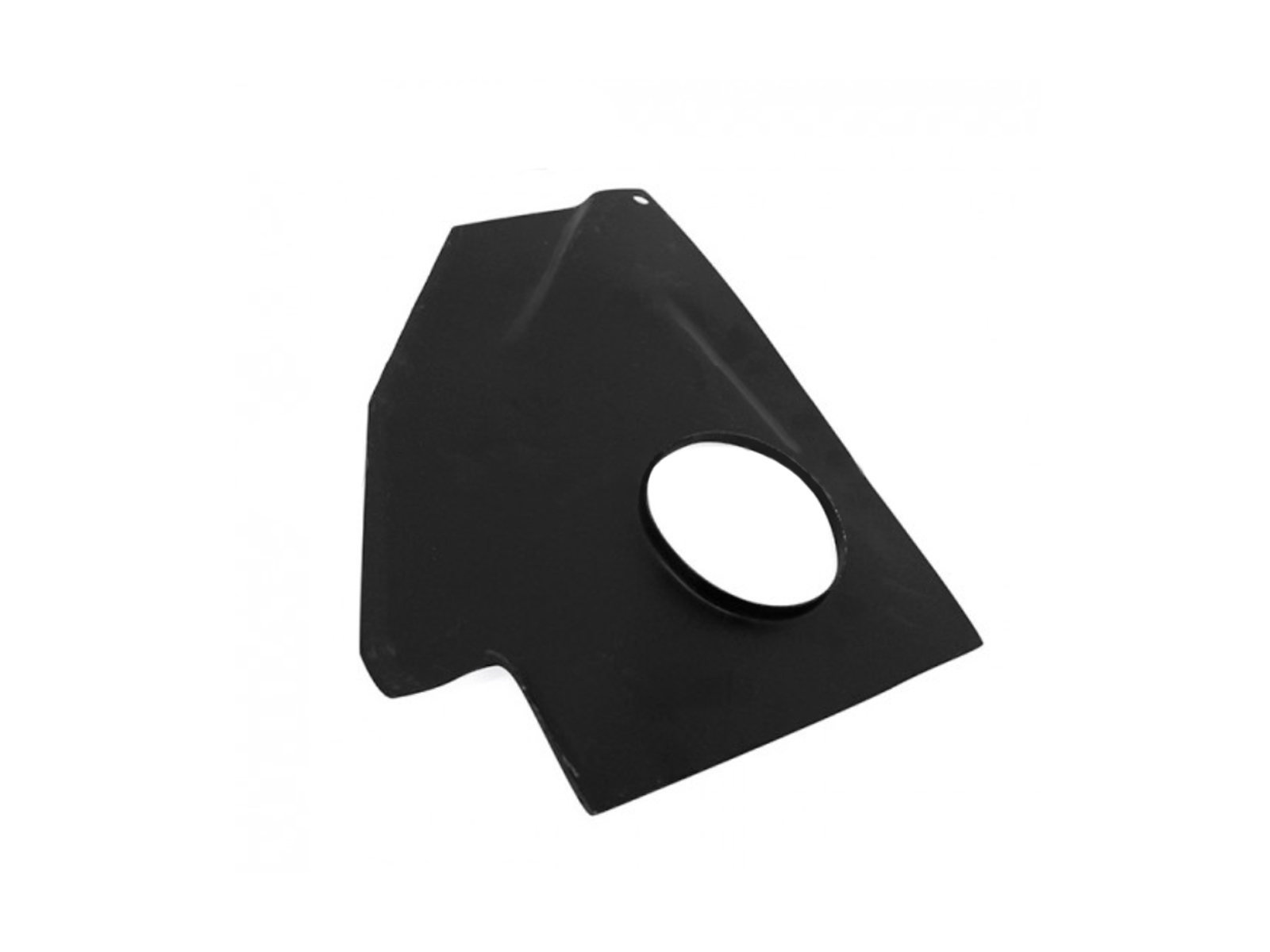
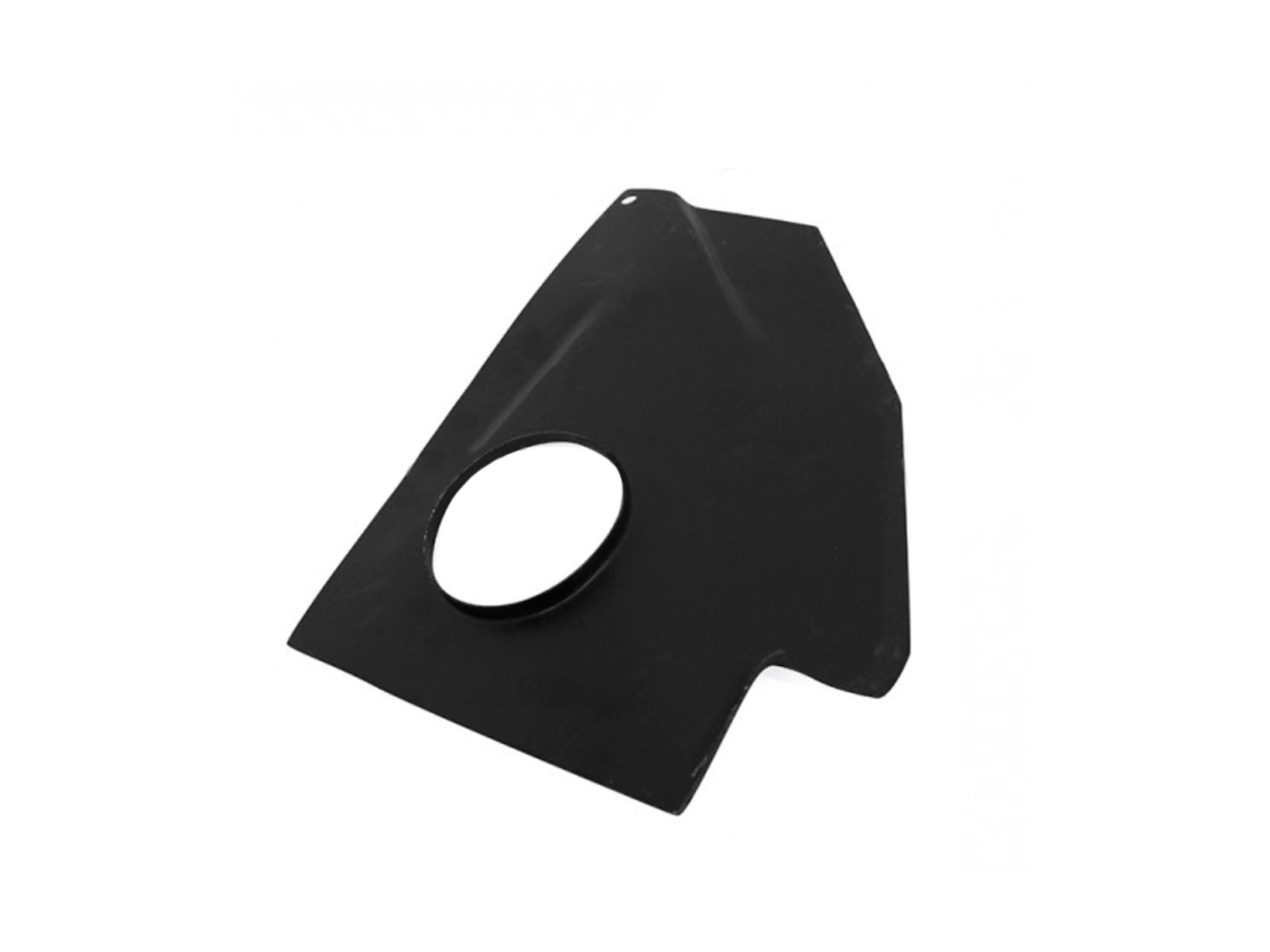
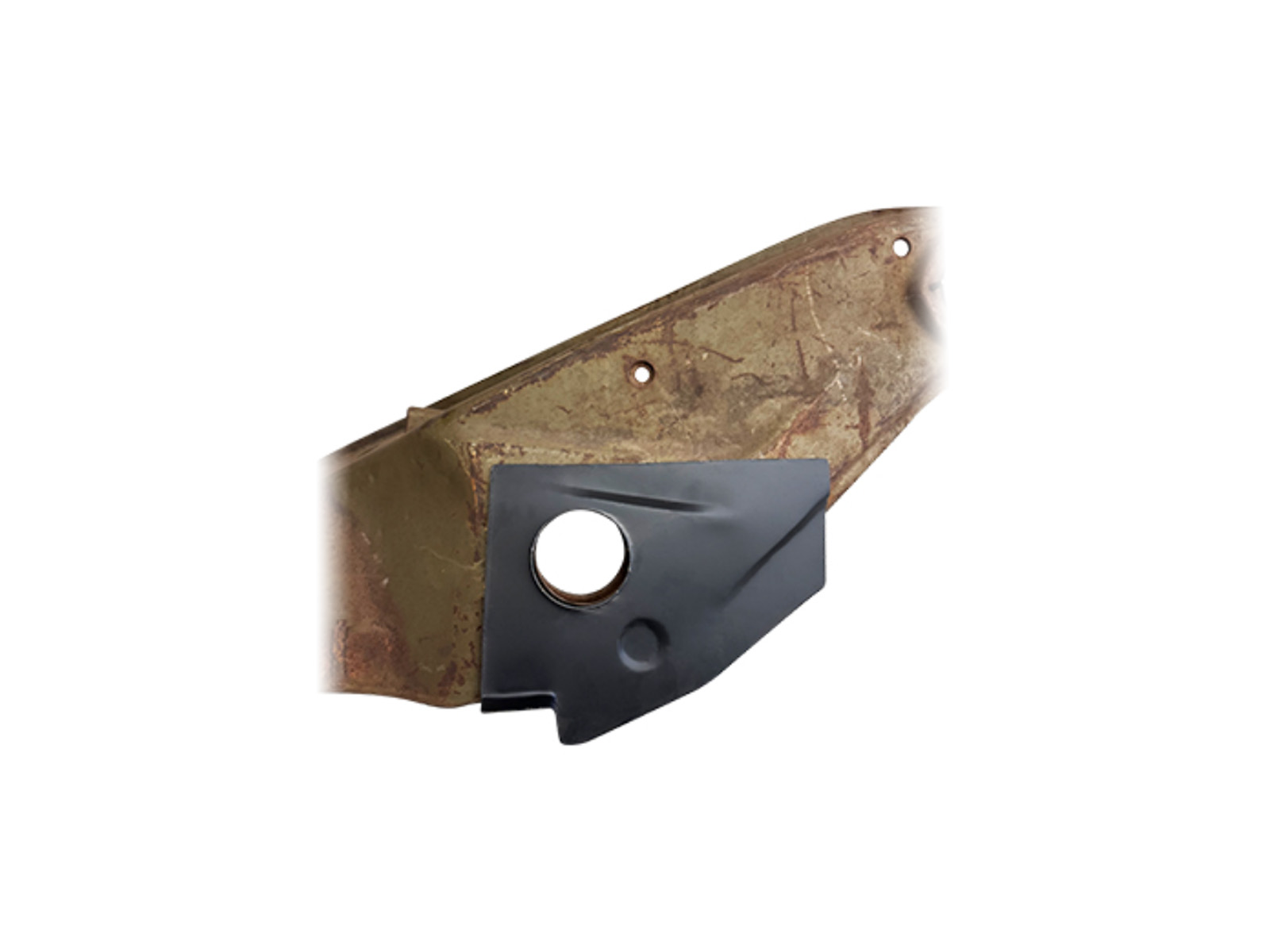
Rear side member / chassis leg patch panel, inner.
This panel is located on the engine side of the frame rail.
Section of diagram ref no 1
Related reference numbers
Related, superseded, cross reference or alternative numbers for comparison.
90150196
The product you are viewing cross references to these numbers
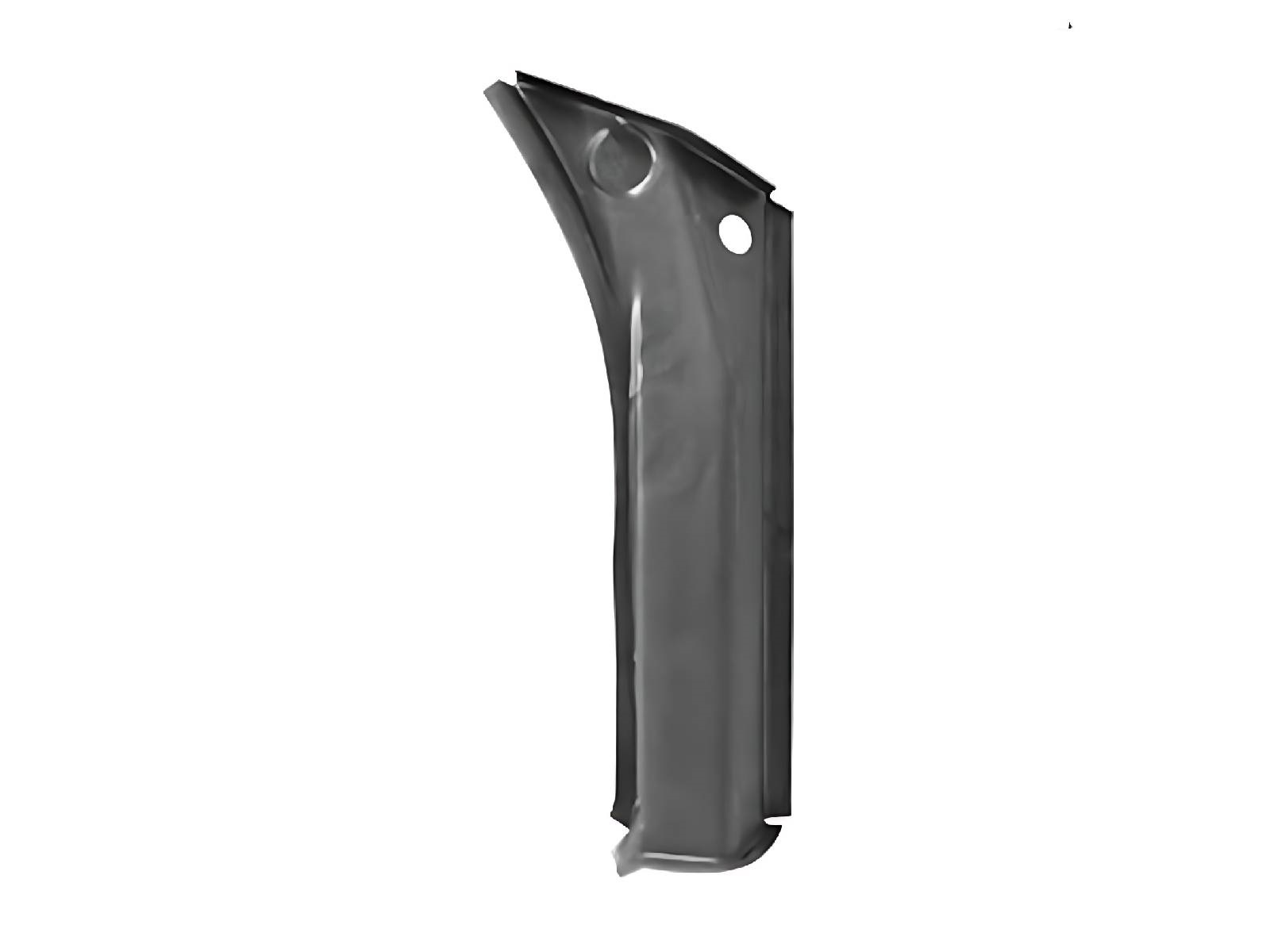
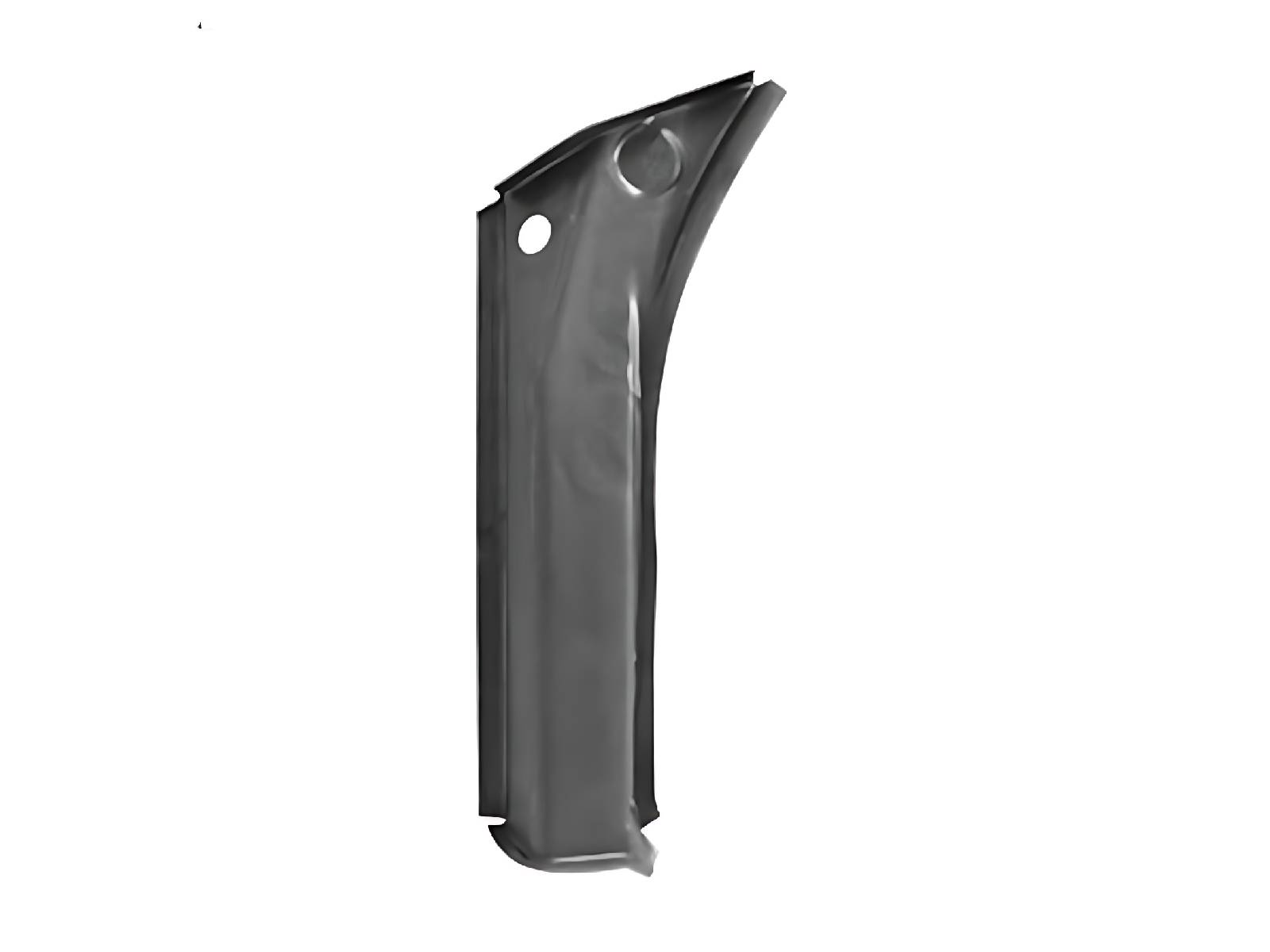
- Porsche 911 1965-1968 2.0L / 912 SWB (F)
- Porsche 911 1968-1973 2.2L / 2.4L / 2.7L RS LWB (F)
- Porsche 911 1974-1977 2.7L / 1976-77 3.0 Carrera
- Porsche 911 1978-1983 3.0L / SC
- Porsche 911 1984-1986 3.2L
- Porsche 911 1987-1989 3.2L G50
- Porsche 911 1975-1977 3.0L Turbo (930)
- Porsche 911 1978-1989 3.3L Turbo (930)
Fits:
Porsche 911 - 1965 to 1989
Porsche 912 - 1965 -1969
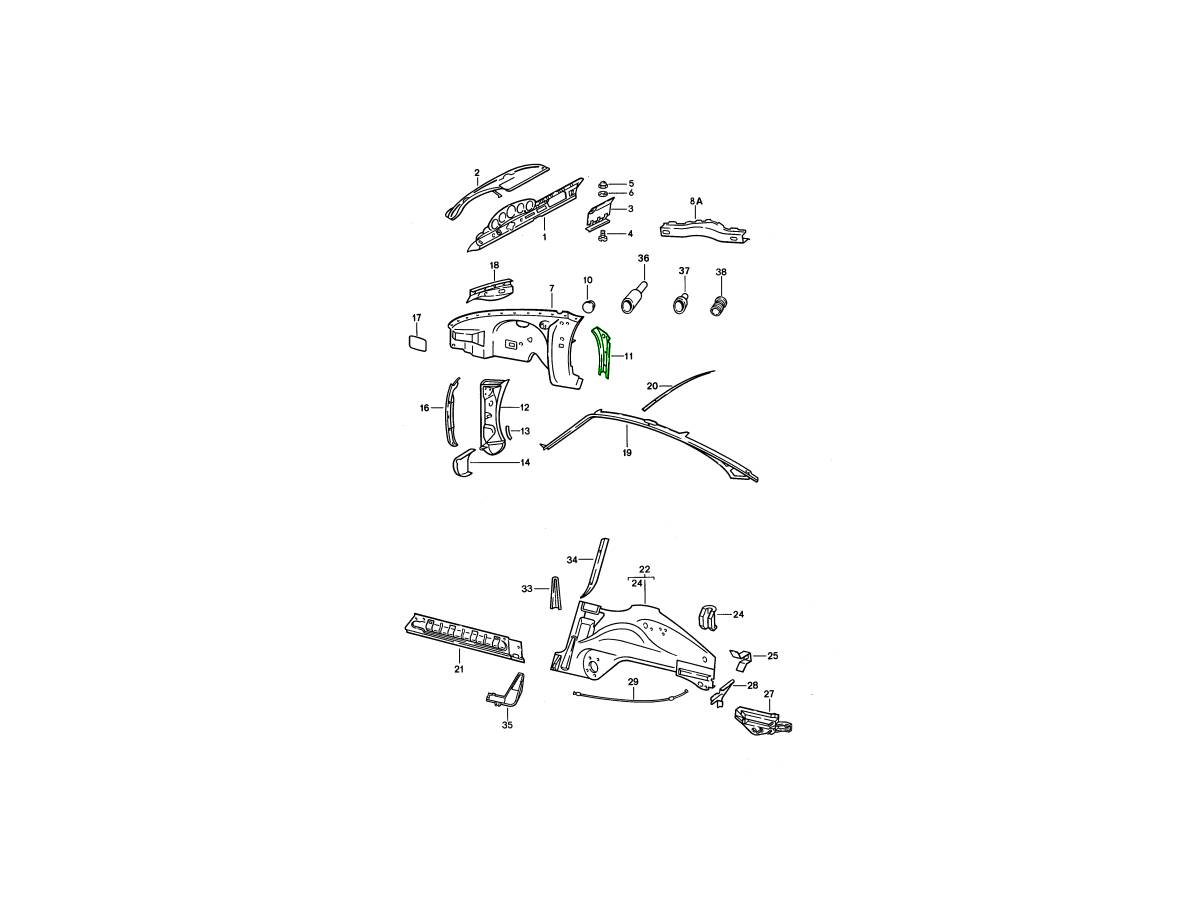
Diagram ref no 11
Related reference numbers
Related, superseded, cross reference or alternative numbers for comparison.
9115016
The product you are viewing cross references to these numbers

- Porsche 911 1974-1977 2.7L / 1976-77 3.0 Carrera
- Porsche 911 1978-1983 3.0L / SC
- Porsche 911 1984-1986 3.2L
- Porsche 911 1975-1977 3.0L Turbo (930)
- Porsche 911 1978-1989 3.3L Turbo (930)
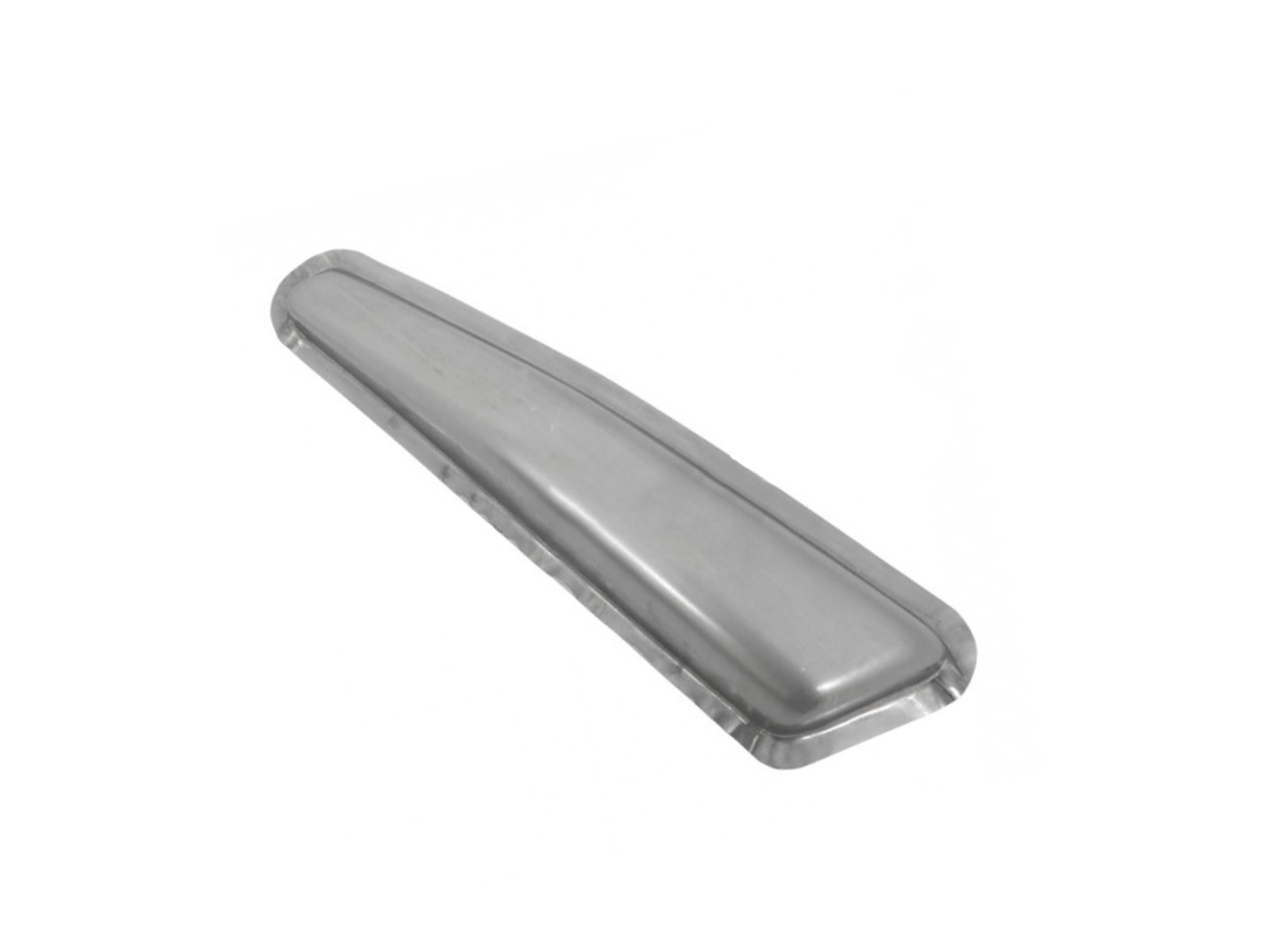
To be welded to the wheel house
Fits:
Porsche 911 - 1974 to 1986
Kidney bowl with the correct closing
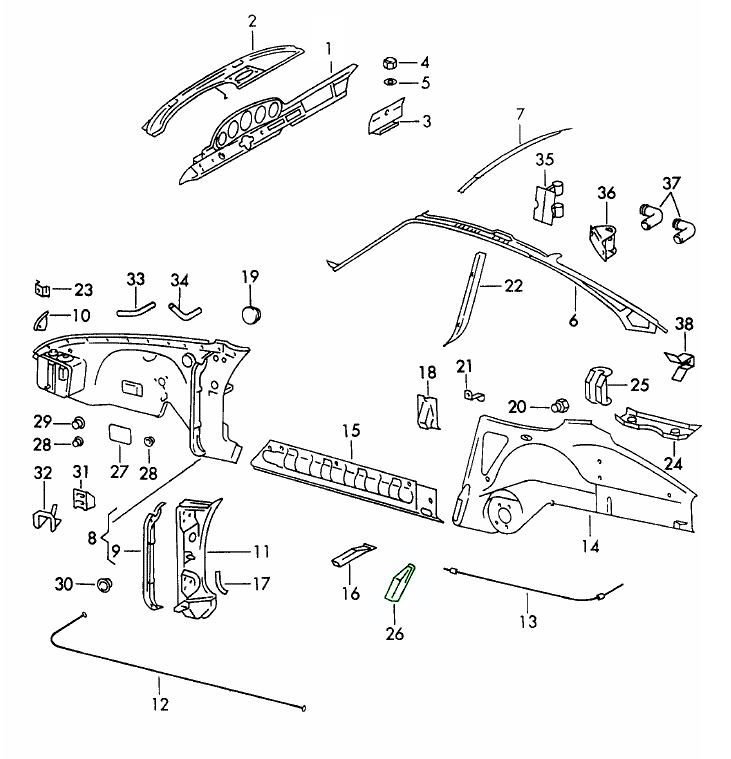
Diagram ref no 26
Related reference numbers
Related, superseded, cross reference or alternative numbers for comparison.
90150114
The product you are viewing cross references to these numbers
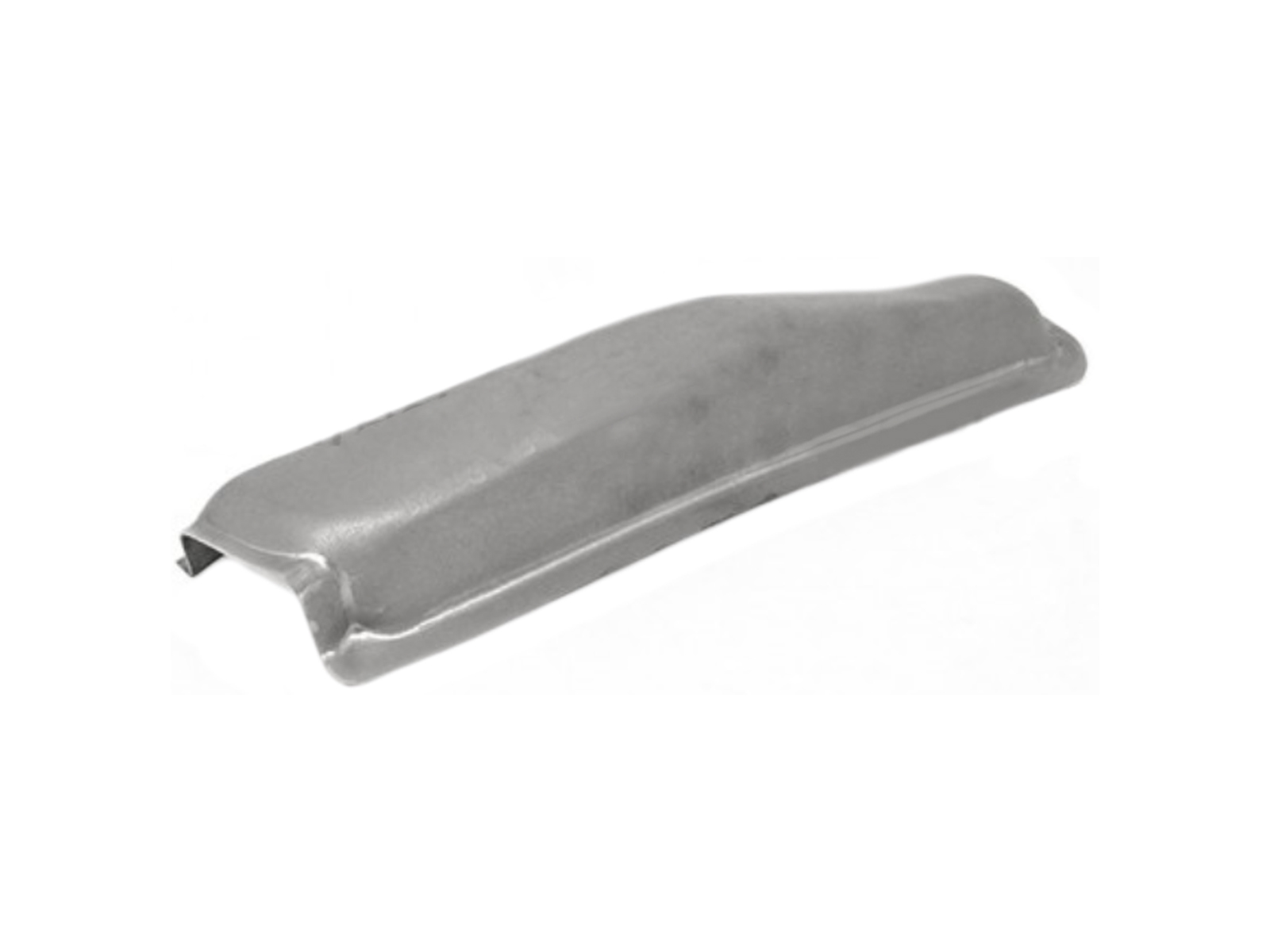
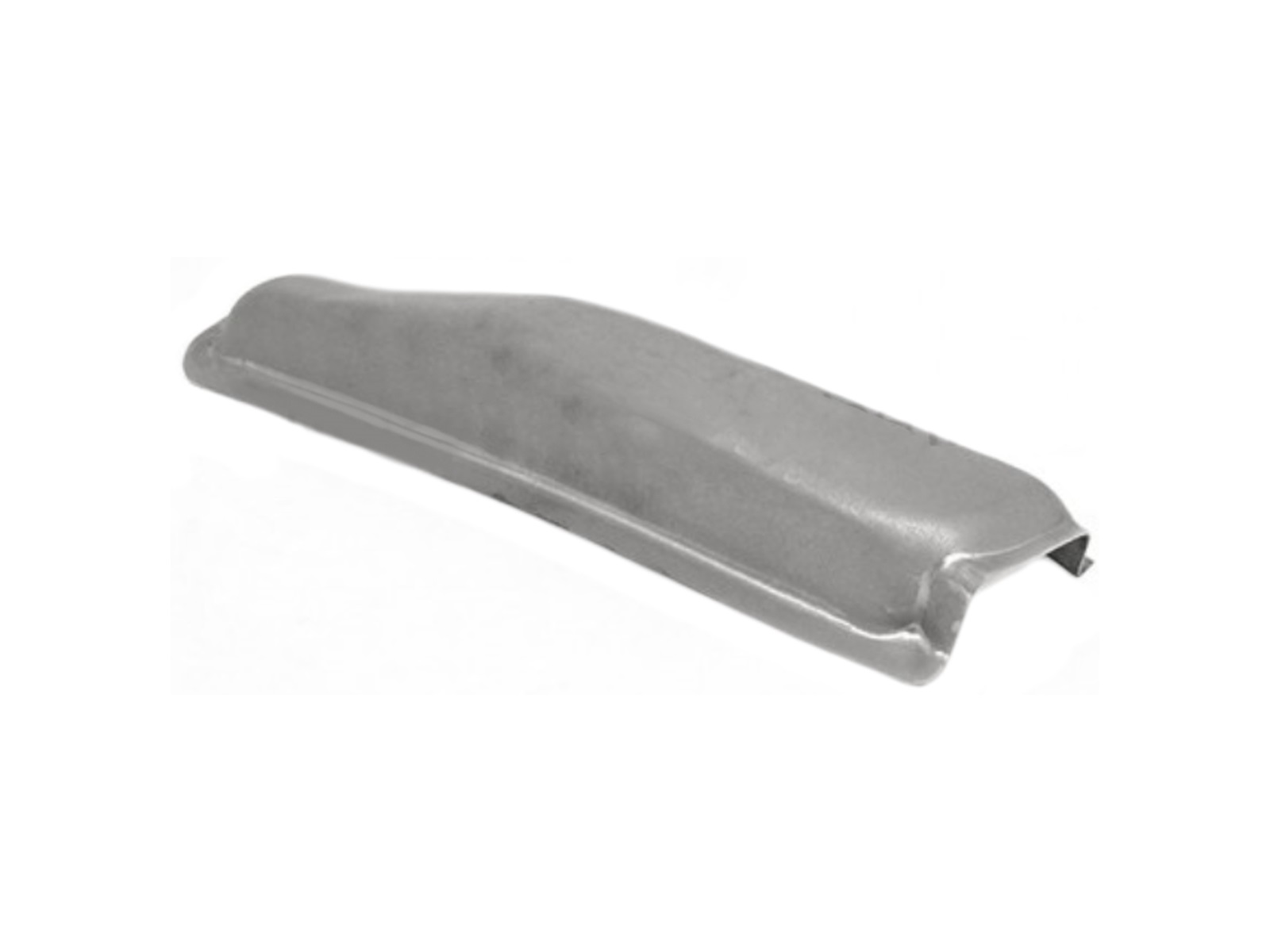
- Porsche 911 1965-1968 2.0L / 912 SWB (F)
- Porsche 911 1968-1973 2.2L / 2.4L / 2.7L RS LWB (F)
To be welded to the wheel house
Fits:
Porsche 911 - 1965 to 1973
Kidney bowl with the correct opening
Diagram ref no 26
Related reference numbers
Related, superseded, cross reference or alternative numbers for comparison.
90150114
The product you are viewing cross references to these numbers

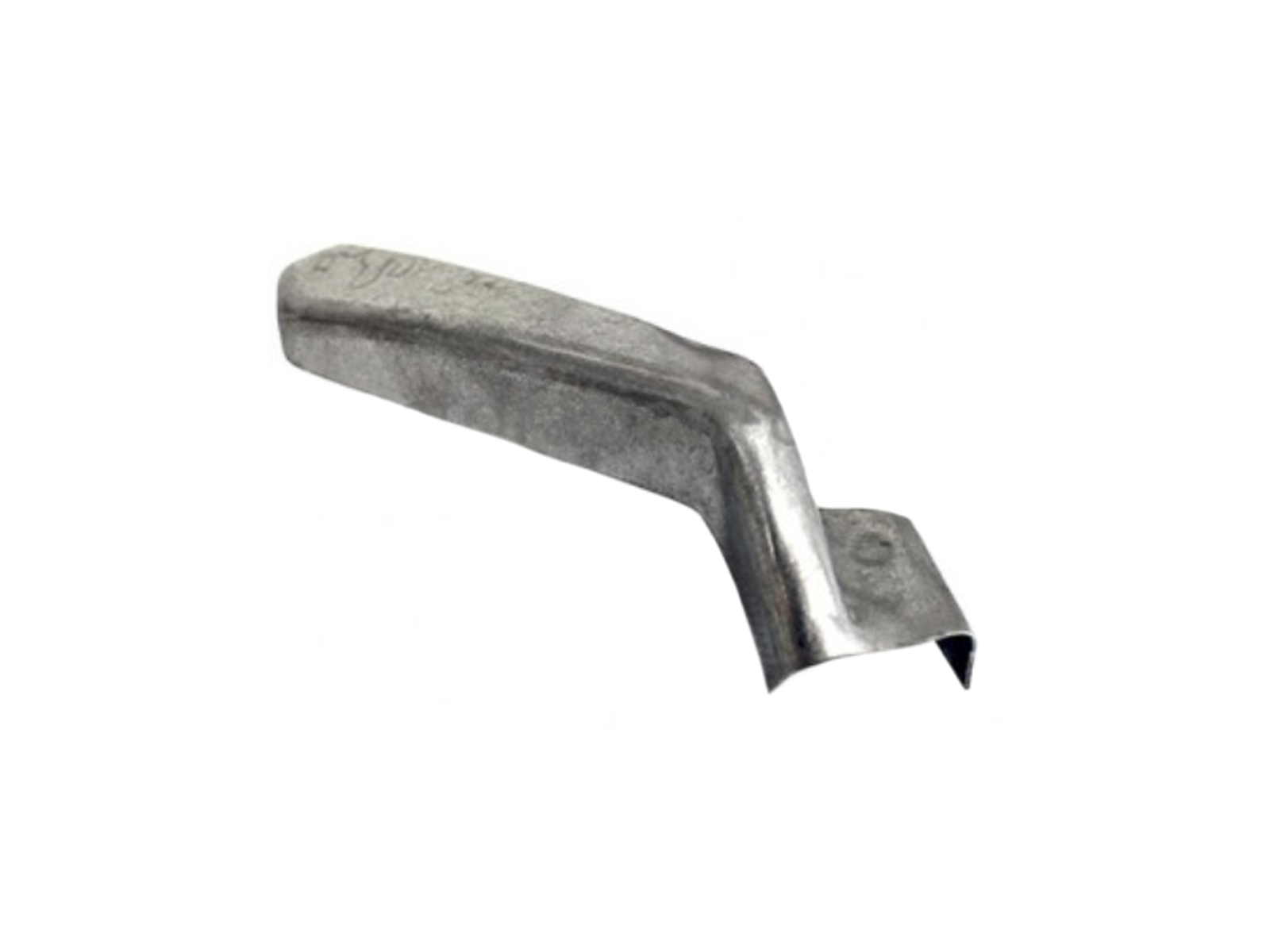
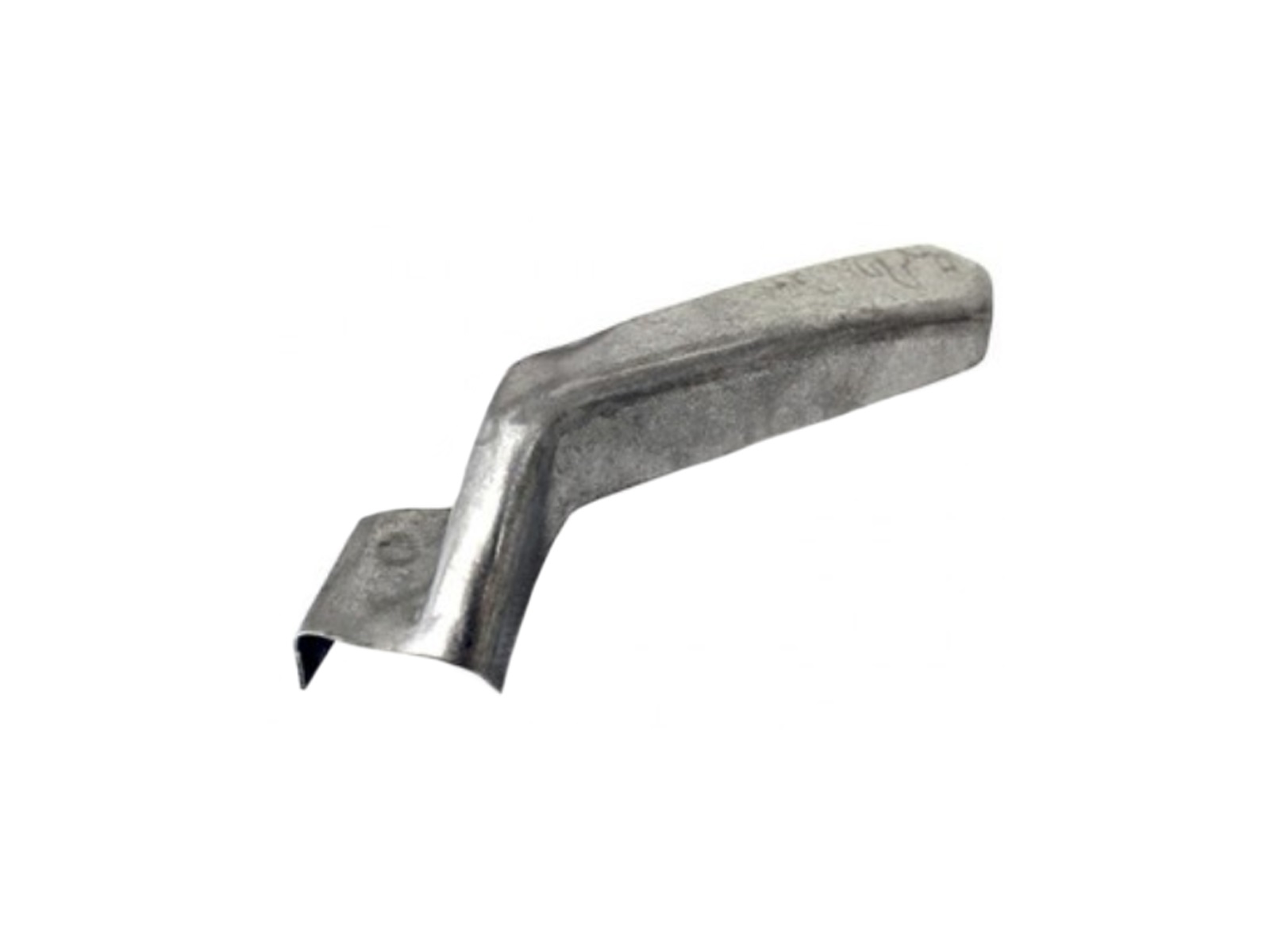
- Porsche 911 1968-1973 2.2L / 2.4L / 2.7L RS LWB (F)
Fits:
Porsche 911 - 1969 to 1973
Related reference numbers
Related, superseded, cross reference or alternative numbers for comparison.
91150340
The product you are viewing cross references to these numbers