




Enter your VAT number here and click Verify:
Your details have been verified. VAT number registered to:
,
.
Your order will now be zero rated for VAT purposes. We reserve the right to verify these details after your order request has been made and reinstate VAT if required.
Your VAT details were not recognised or were invalid. Your VAT number must be matched to your Billing Country as specified above. This is currently specified as . You do not need to enter the country code part of your VAT number as this has already been selected in your billing address details above.
The VAT number checking service is currently offline. Please supply your VAT details within the comments or special instructions field below and we will apply a VAT discount after placing your order request.
Gold Leaf

Gold Leaf for Porsche
We are a team of mechanical engineers with a background in lightweight product design (composite manufacturing) and energetics (fluid dynamics). Needless to say, we are very passionate about automotive design and cars in general.Our goal is to produce highly engineered lightweight products for your Porsche with emphasis on increased performance, emotion and connection to the car at hand. All our products are researched and developed in-house, while also being hand made with utmost care. We are also design driven, therefore every product has a premium OEM+ feel and look, fitting perfectly in your precious vehicle
Choosing the Right Fit for Your Porsche
Where Gold Leaf is listed for Porsche, use the supplied model coverage and OE references to confirm suitability. Check details that commonly affect fitment such as model year, side/position, and connector type where relevant.
- Typical reasons to choose these parts include compact, tidy installations that suit Porsche cabins and boots, plus extra peace of mind for classics, track-day cars, and vehicles with ageing fuel, oil, or electrical systems.
- Risk-related triggers rather than mechanical faults often drive upgrades – fuel smells or leaks, oil near hot components, older wiring, or circuit and track regulations.
- Common real-world symptoms include noticing fuel odours, signs of seepage, oil mist around hot areas, or simply recognising that aged components and more demanding use increase fire risk.
- Practical tips: mount safety hardware where it is quickly reachable yet securely fixed, follow the servicing intervals and checks specified by the manufacturer, and combine upgrades with preventative inspections of fuel lines and wiring.
Browse by Category
If you already know the area you are working on, start with the category and then filter by Porsche model. Where real-world symptoms and typical reasons to replace are provided, use them to keep the wording grounded.
Engine Rebuild Parts — Engine rebuild parts are typically changed during planned rebuilds or when internal wear is suspected, such as loss of compression, heavy oil consumption, or persistent leaks and noises. On Porsches, owners often renew chains, guides, bearings, gaskets, and seals in one go while the engine is apart to avoid repeat strip-downs and to restore long-term reliability.
- Before committing to a rebuild, carry out compression and leak-down tests, inspect bores with a scope, and check the oil/filter for debris alongside diagnosis of ancillary systems.
- When the engine is open, it is common to replace chains, guides, tensioners, critical seals, bearings (where applicable), and hard-to-reach gaskets and hardware at the same time.
Air Intake & Injection — These components manage the air and fuel delivery that your Porsche engine relies on for clean combustion, power, and efficiency. Parts are typically replaced when you see issues such as rough or hunting idle, hesitation, misfires, poor fuel economy, or fault codes pointing to airflow measurement, vacuum leaks, or injector problems, or when upgrading for sharper throttle response.
- If you suspect leaks, a smoke test plus close visual inspection of boots, hoses, and joints is an effective way to locate issues.
- Injectors may be cleaned when flow is uneven, but leaking or out-of-spec units are often replaced to restore consistent running.
Airbox / Housings — Airboxes and filter housings protect the filter element and help ensure only clean, metered air reaches the engine. On Porsche models they are usually replaced when cracked, warped, or poorly sealed, when clips or gaskets fail, or after accident damage or unsympathetic modifications that cause unmetered air leaks, dirt ingress, or drivability issues.
- Alongside the airbox, it is sensible to renew seals and clips and inspect intake ducts and boots for cracks or poor fitment.
- A leaking or poorly designed housing can cause mixture faults and check engine lights due to unmetered air entering the system.
Engine Tuning — Engine tuning parts and calibration changes are used to refine drivability, throttle response, and power delivery, or to support hardware changes such as intake, exhaust, forced induction, or internal upgrades. Porsche owners also look at tuning when addressing flat spots, inconsistent boost, or poor cold and hot behaviour once mechanical health has been confirmed.
- Mechanical checks should come first: compression and leak-down, fuelling and sensor health, cooling and oil temperatures, and the absence of boost or vacuum leaks.
- Tuning cannot cure underlying mechanical faults; it should follow good diagnosis so that gains are reliable rather than masking problems.
Air Induction Kits — Induction kits are chosen to alter intake airflow, sound, and sometimes heat management, replacing more restrictive or aged factory components. On Porsche applications they are typically added as part of a wider tuning package, or when seeking sharper response and a more engaging induction note while keeping sensor placement and filtration appropriate.
- Good installation practice focuses on minimising hot air ingestion, avoiding unmetered air leaks, and maintaining stable MAF/MAP readings.
- Some kits mainly add sound rather than power, so it is important to balance expectations and consider remapping needs if airflow characteristics change significantly.
Explore Gold Leaf at Design911
View the current Gold Leaf range for Porsche at Design911, then filter by model and category to narrow down to the right parts.
.jpg)
.jpg)
.jpg)
- Porsche 992.2 GT3 2025>>
Carbon
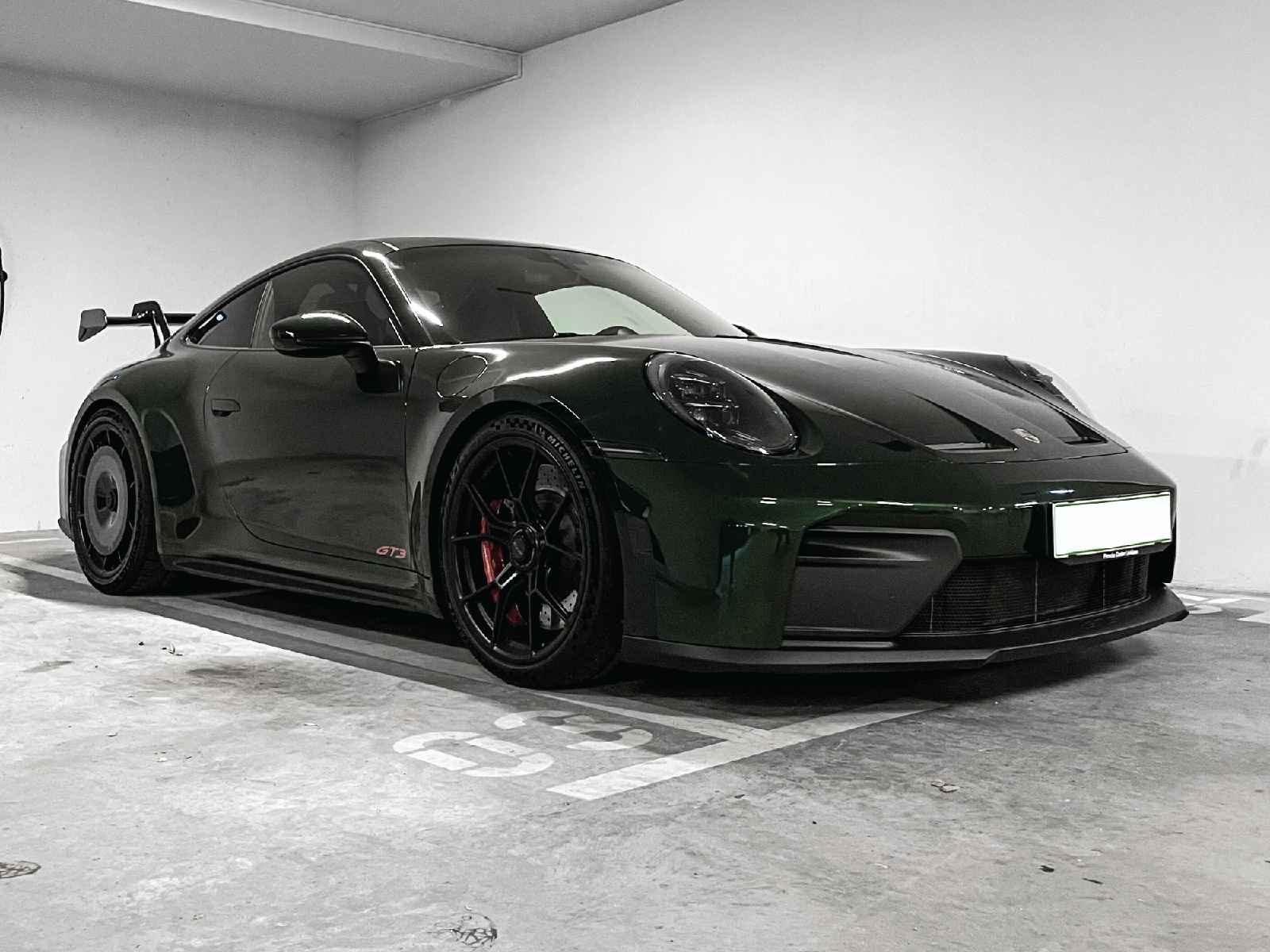
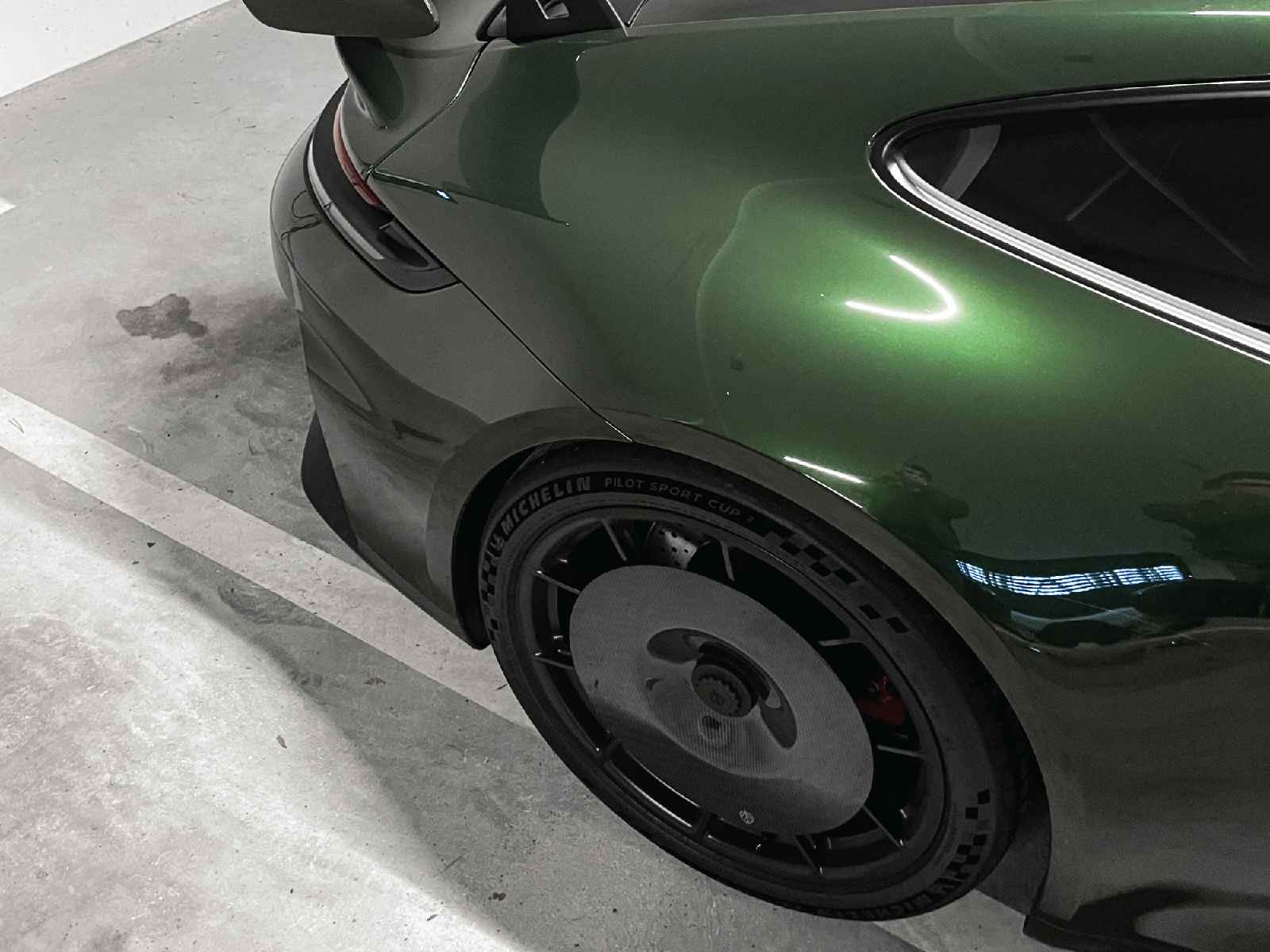
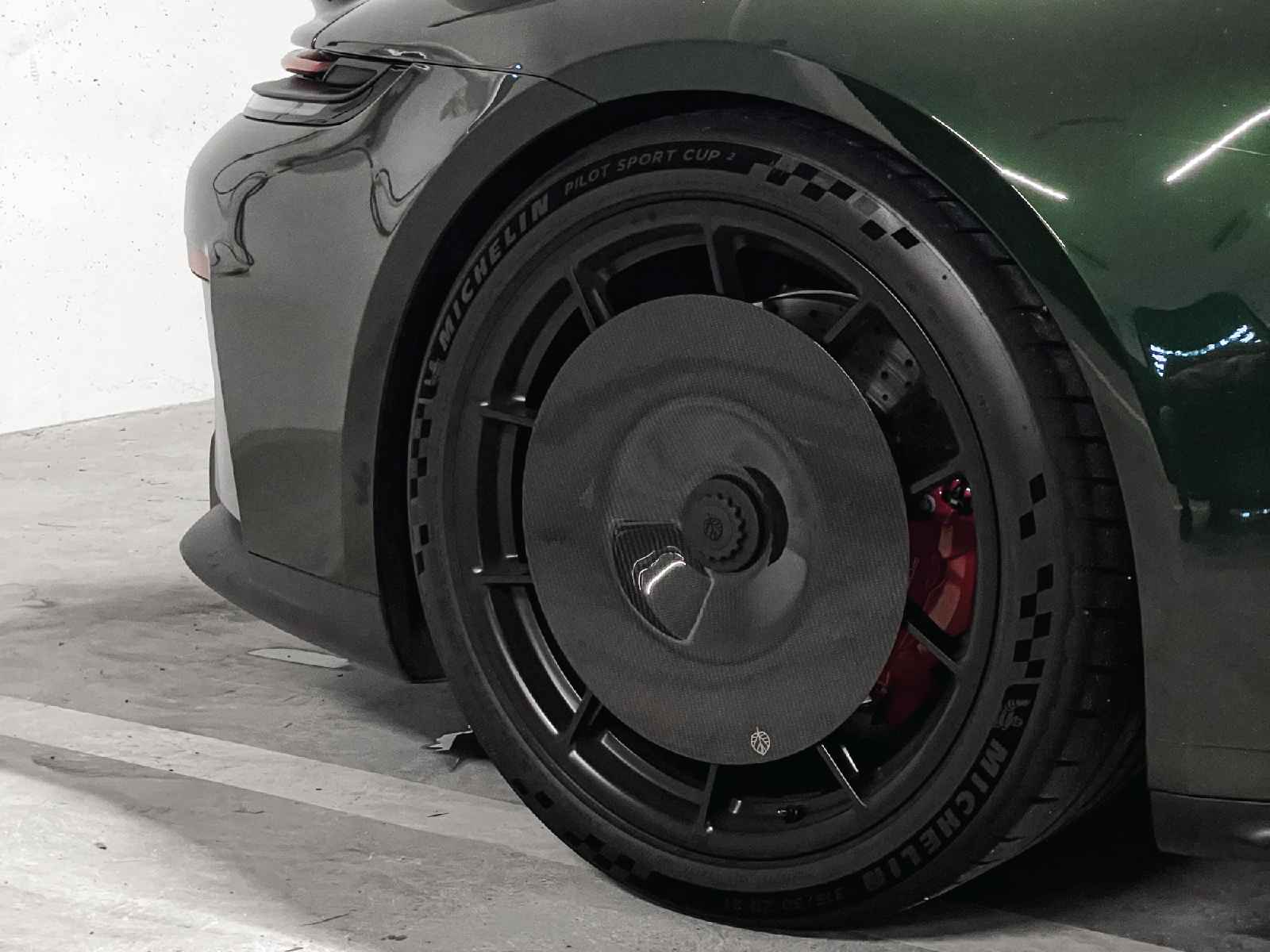
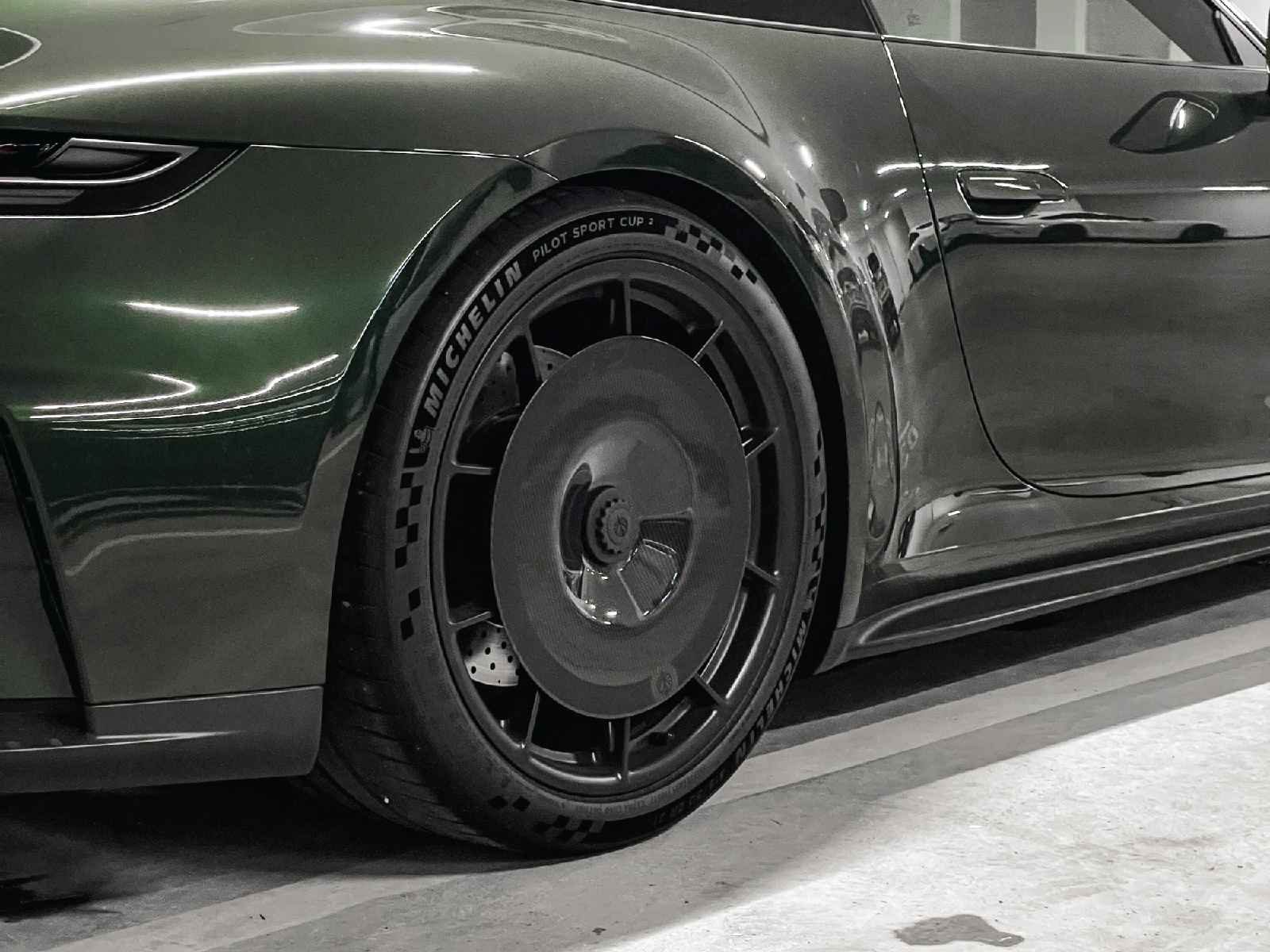
Fiber AERO DISC EVO set for Porsche 911 GT3 (992.2) - Aluminium wheels
Sold as a pair
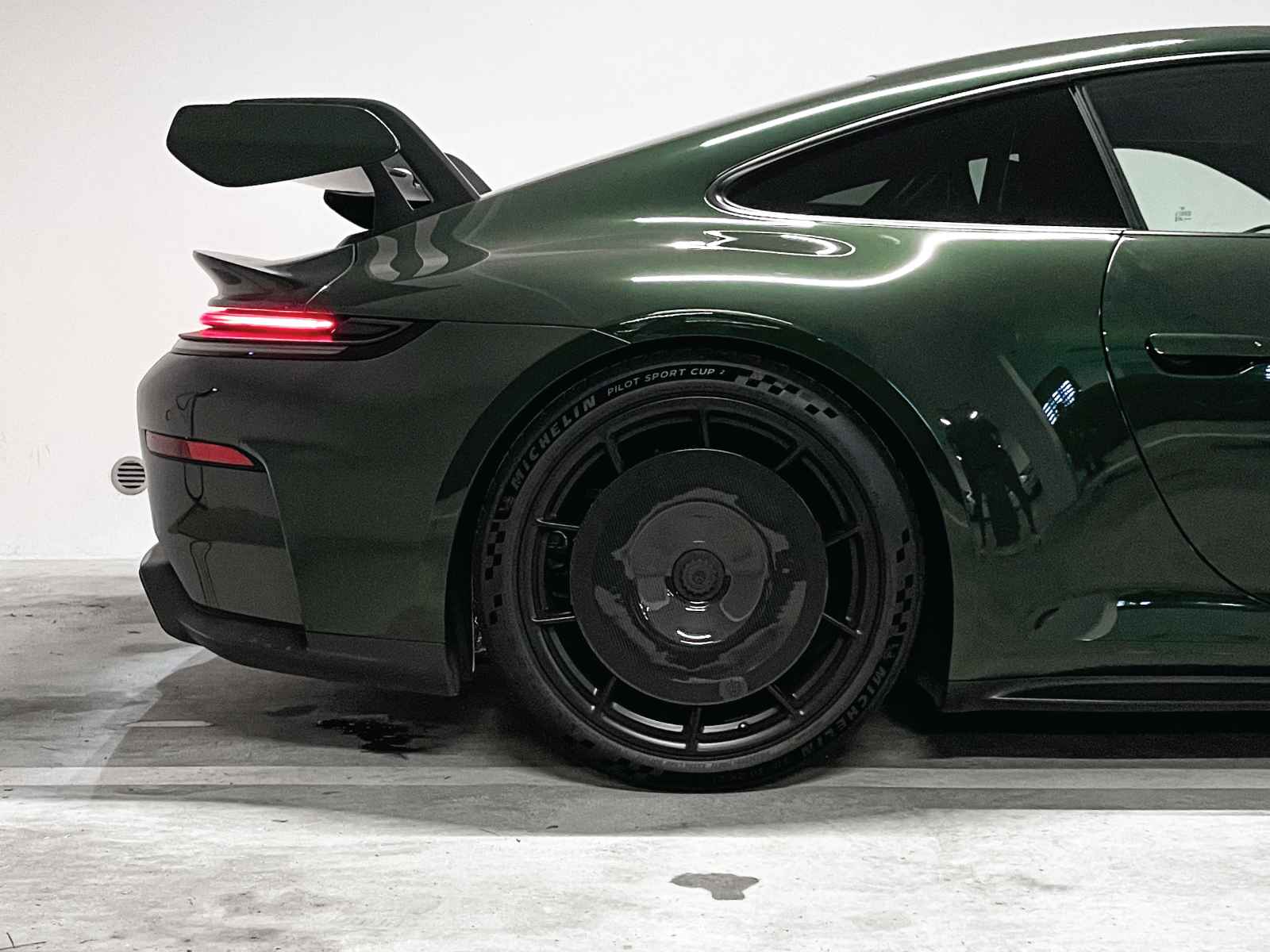
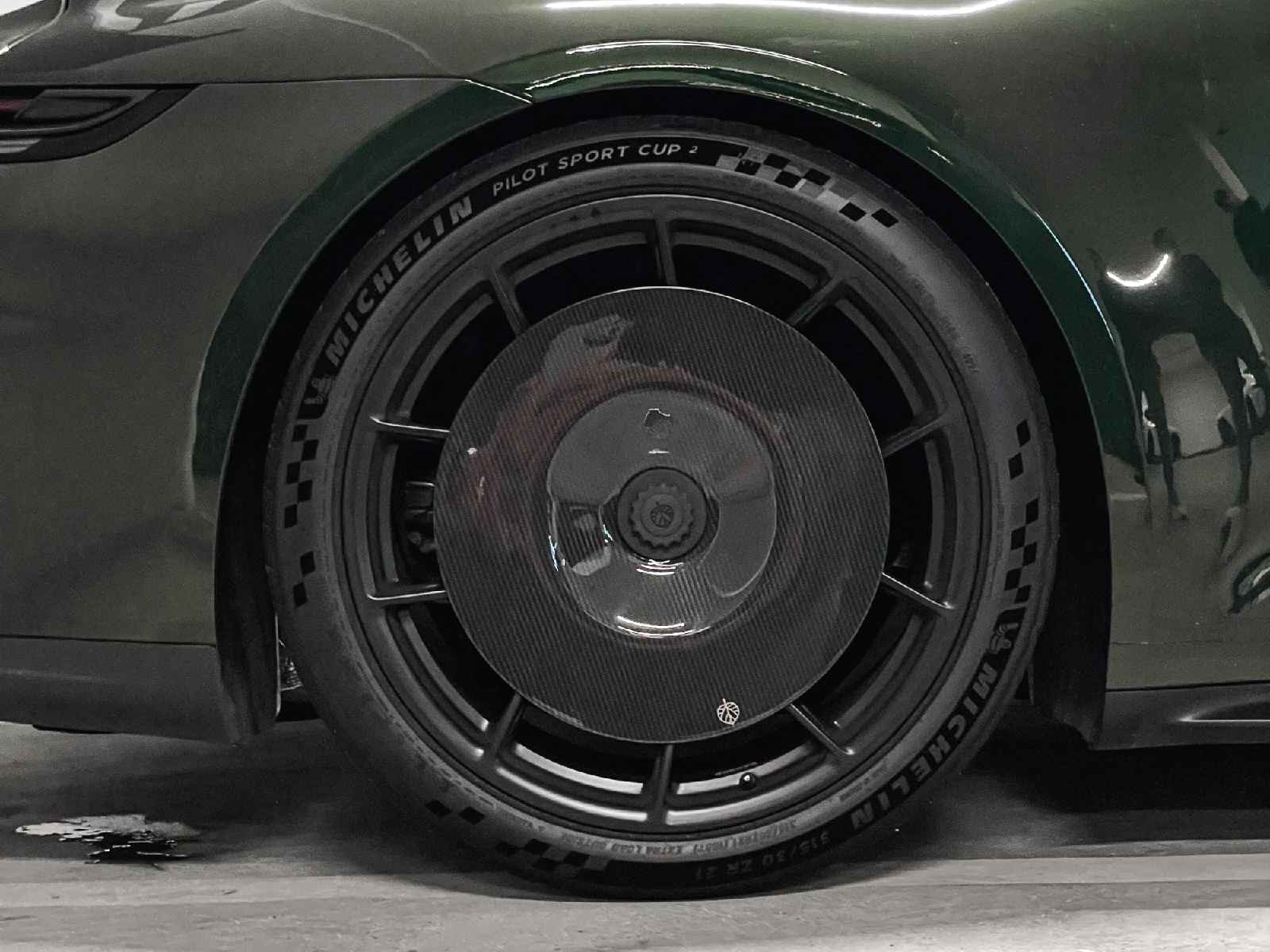
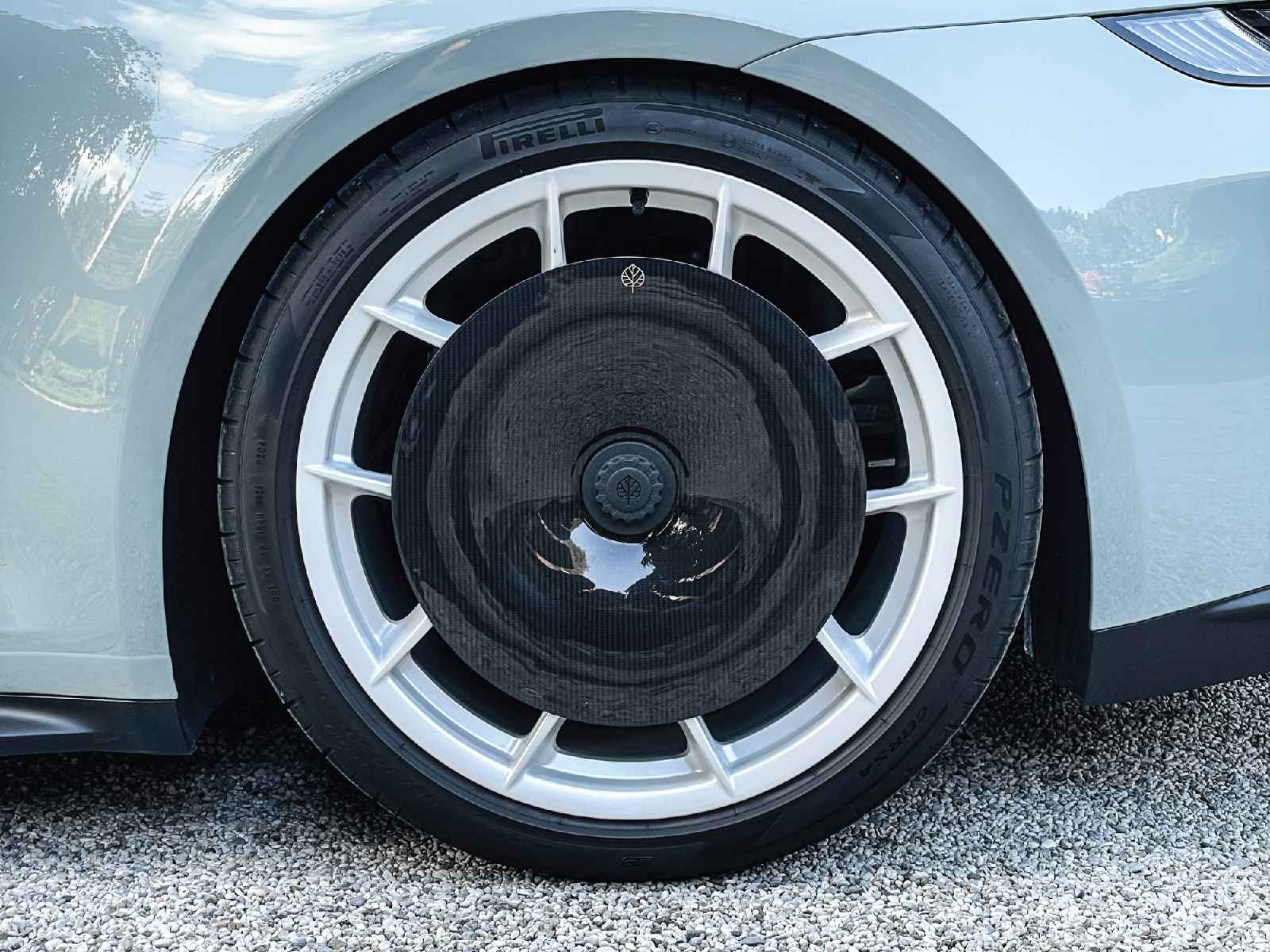
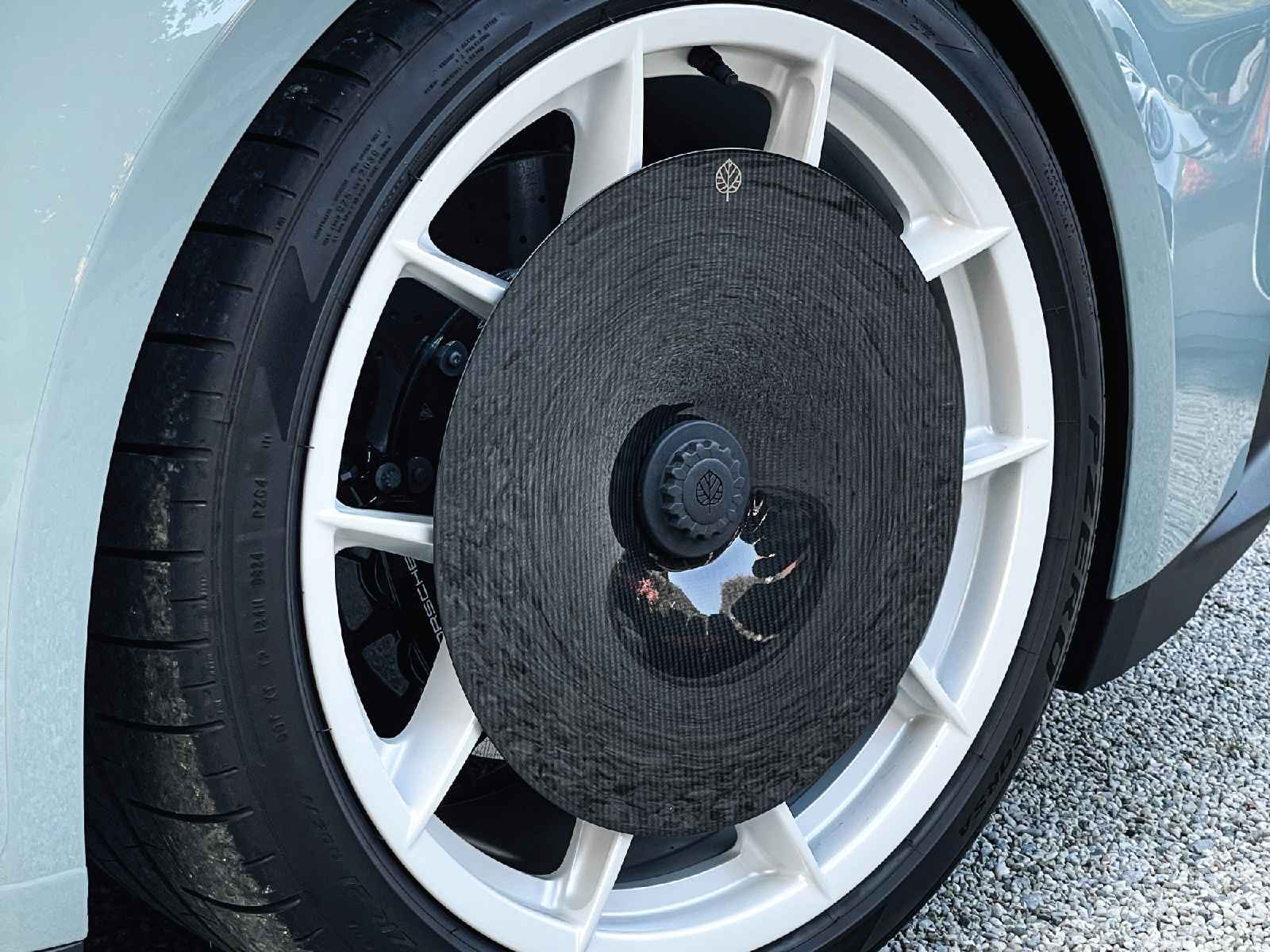
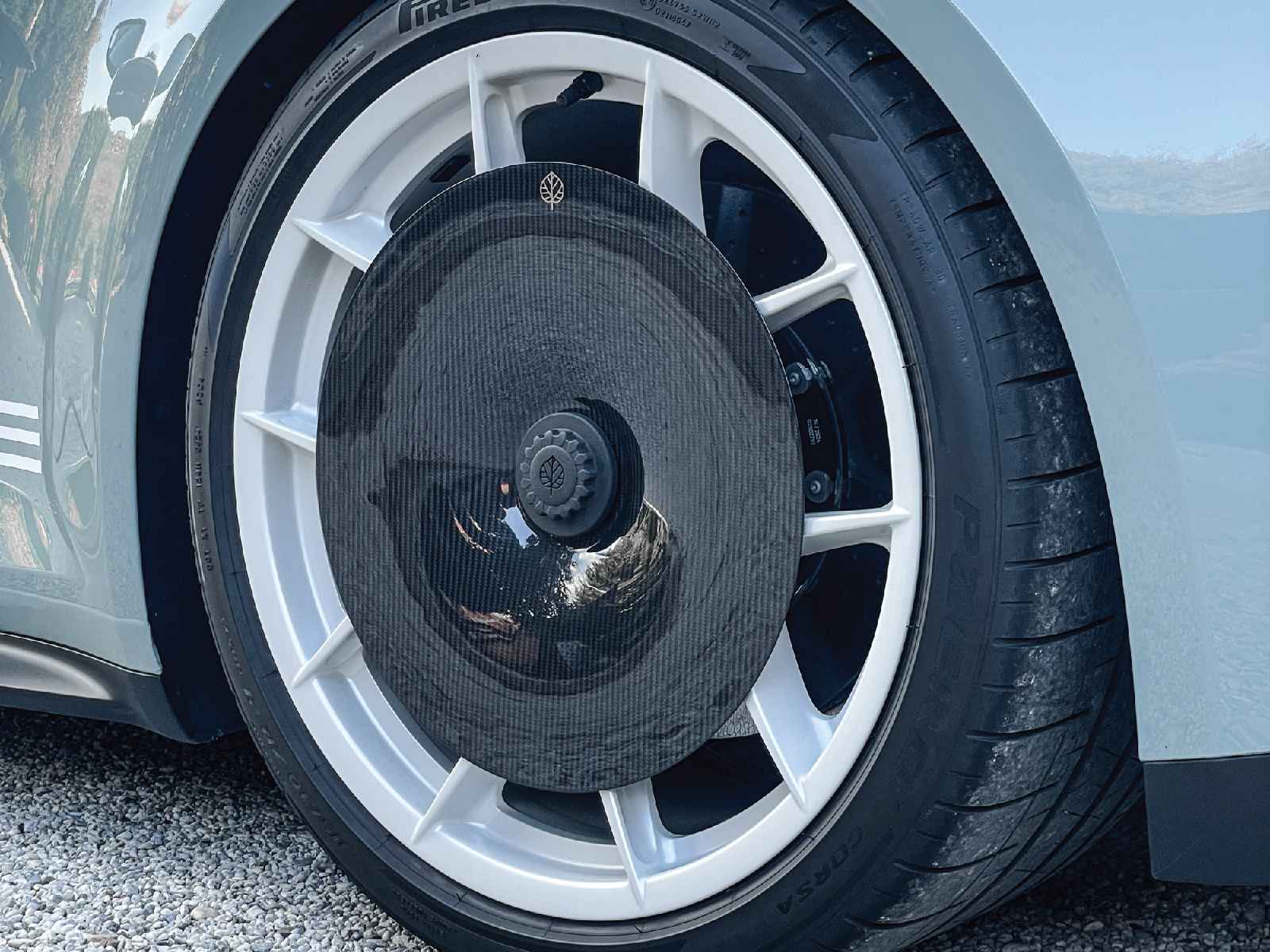
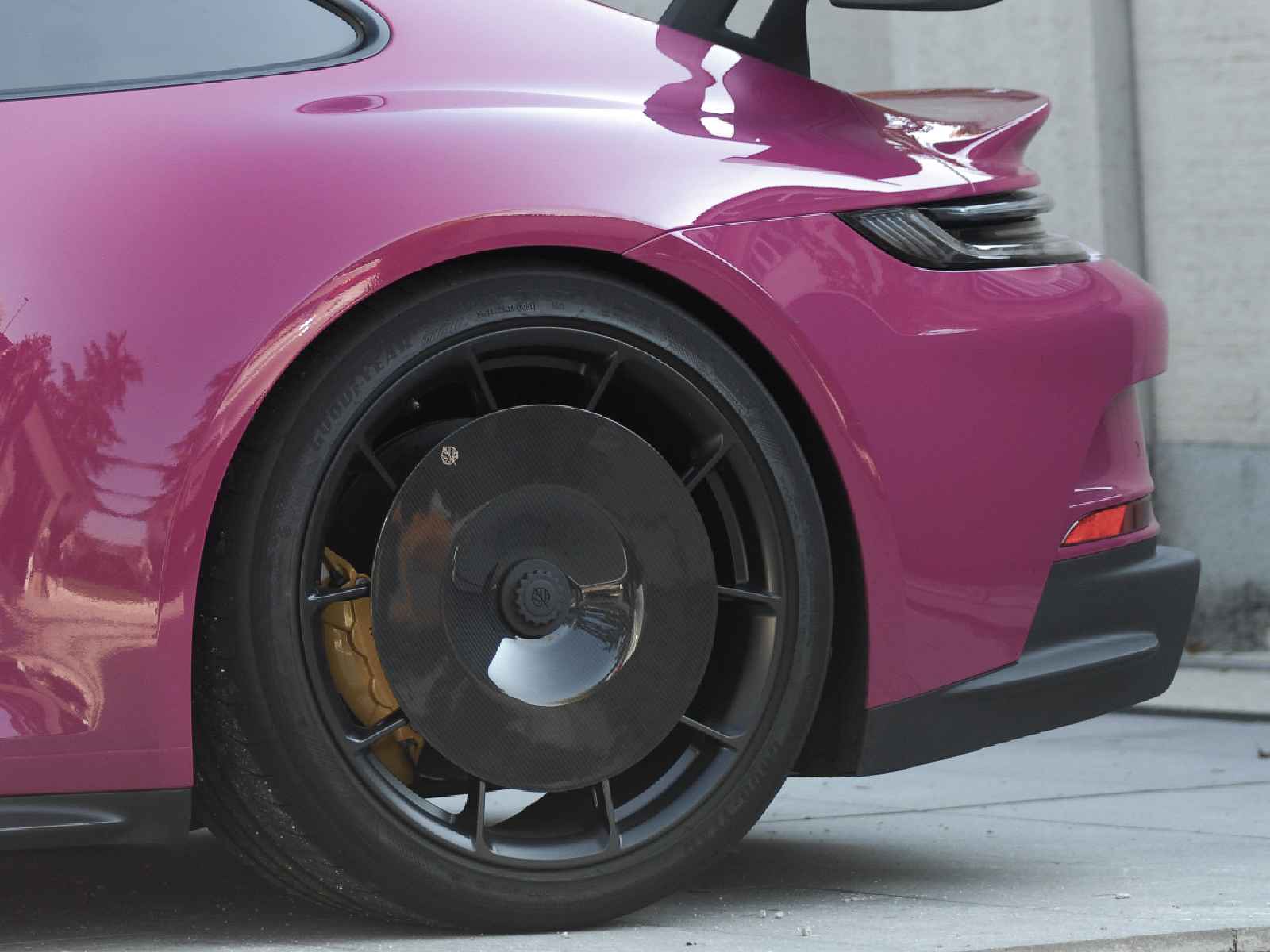
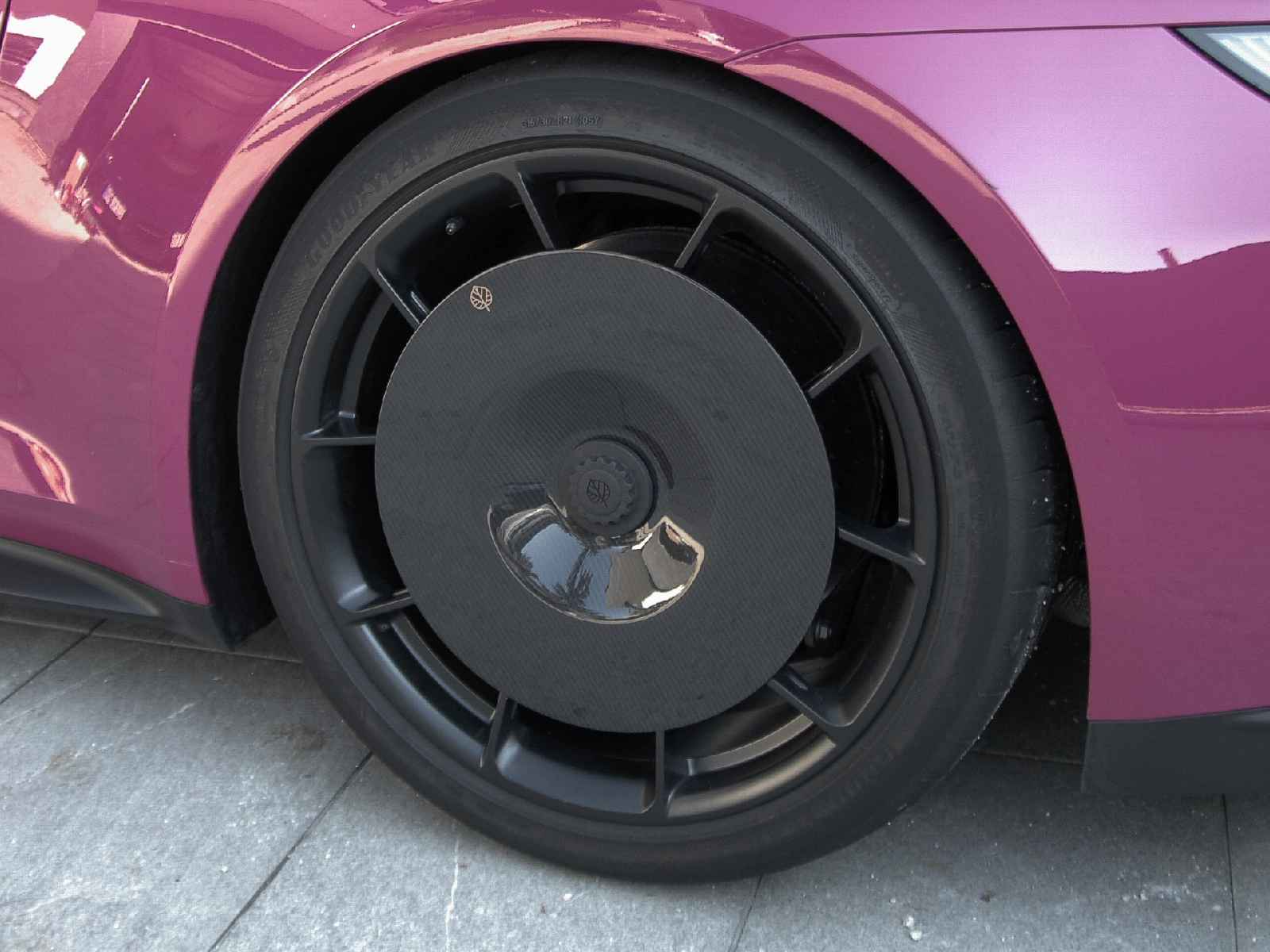
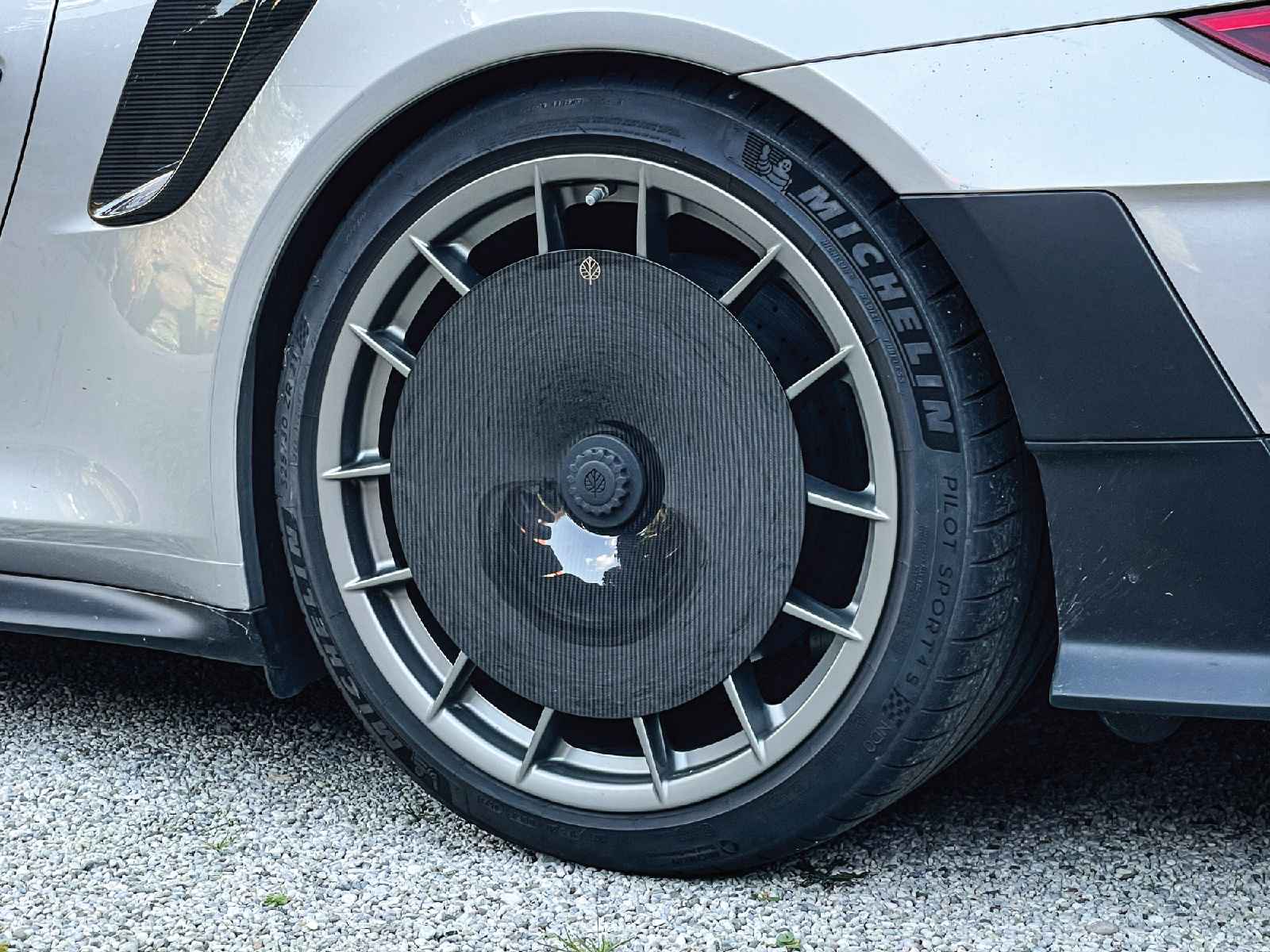
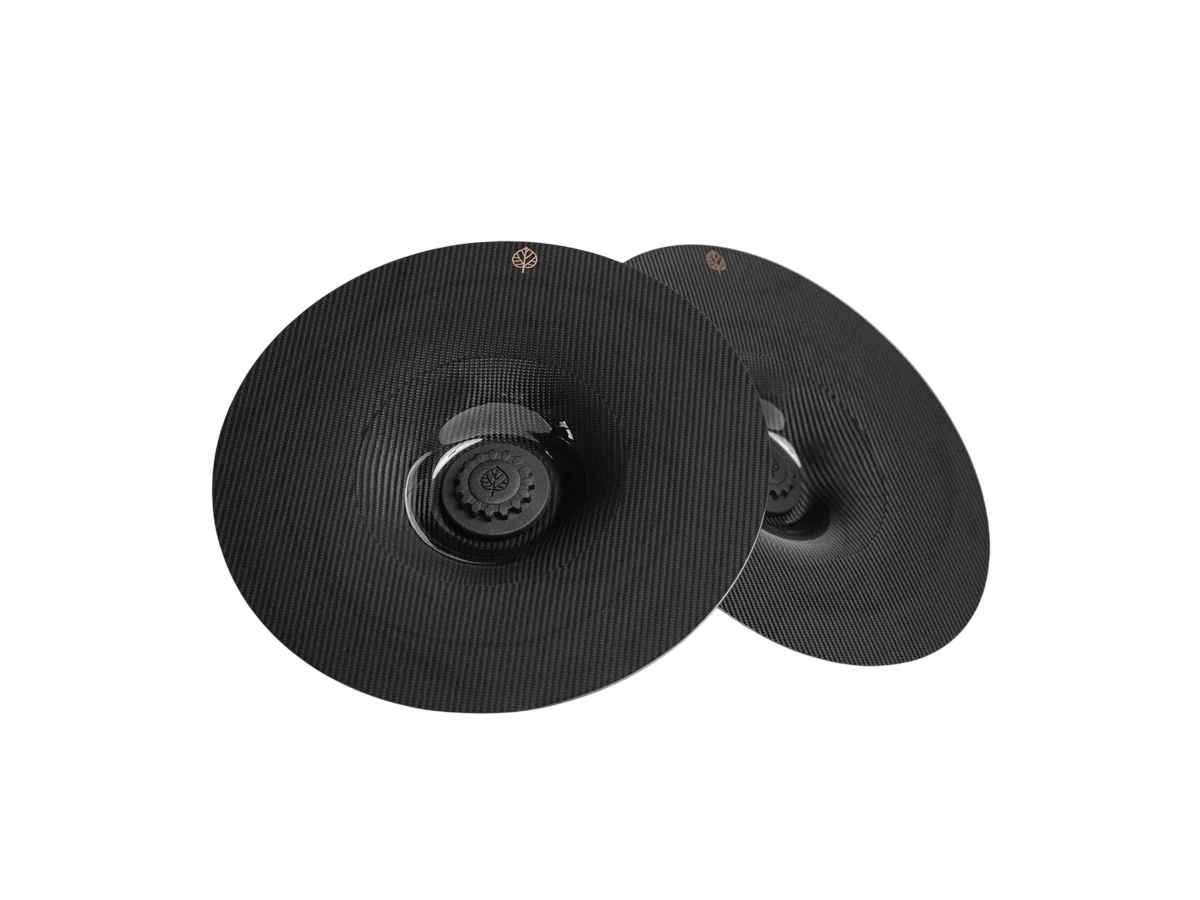
Set of lightweight carbon fiber rear wheel covers for improved downforce.
Fits:
- Porsche 992.2 GT3 2025>>
Aero discs play a crucial role in streamlining the airflow around the rear wheels, preventing turbulence that can adversely affect the efficiency of the rear wing.
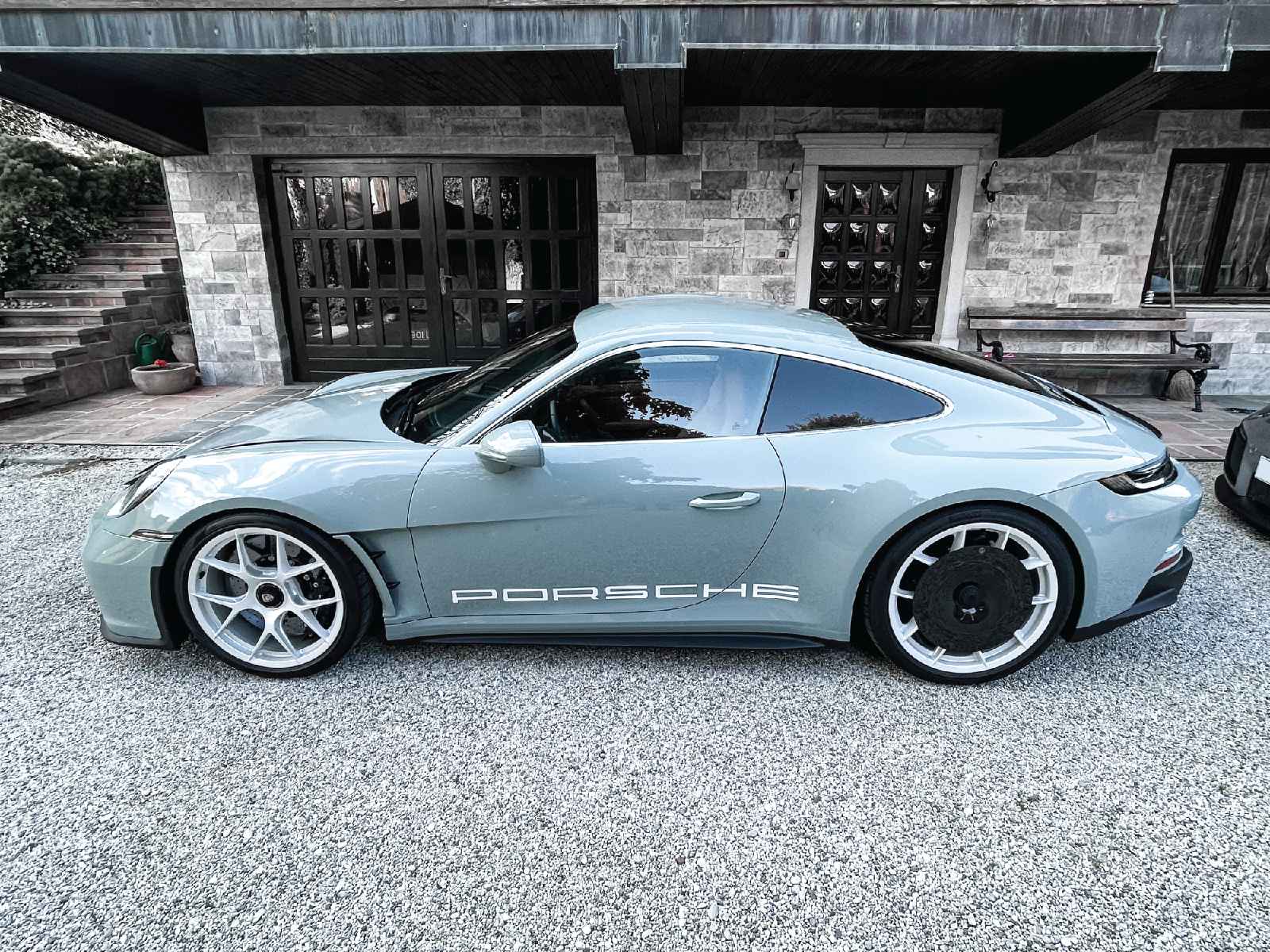
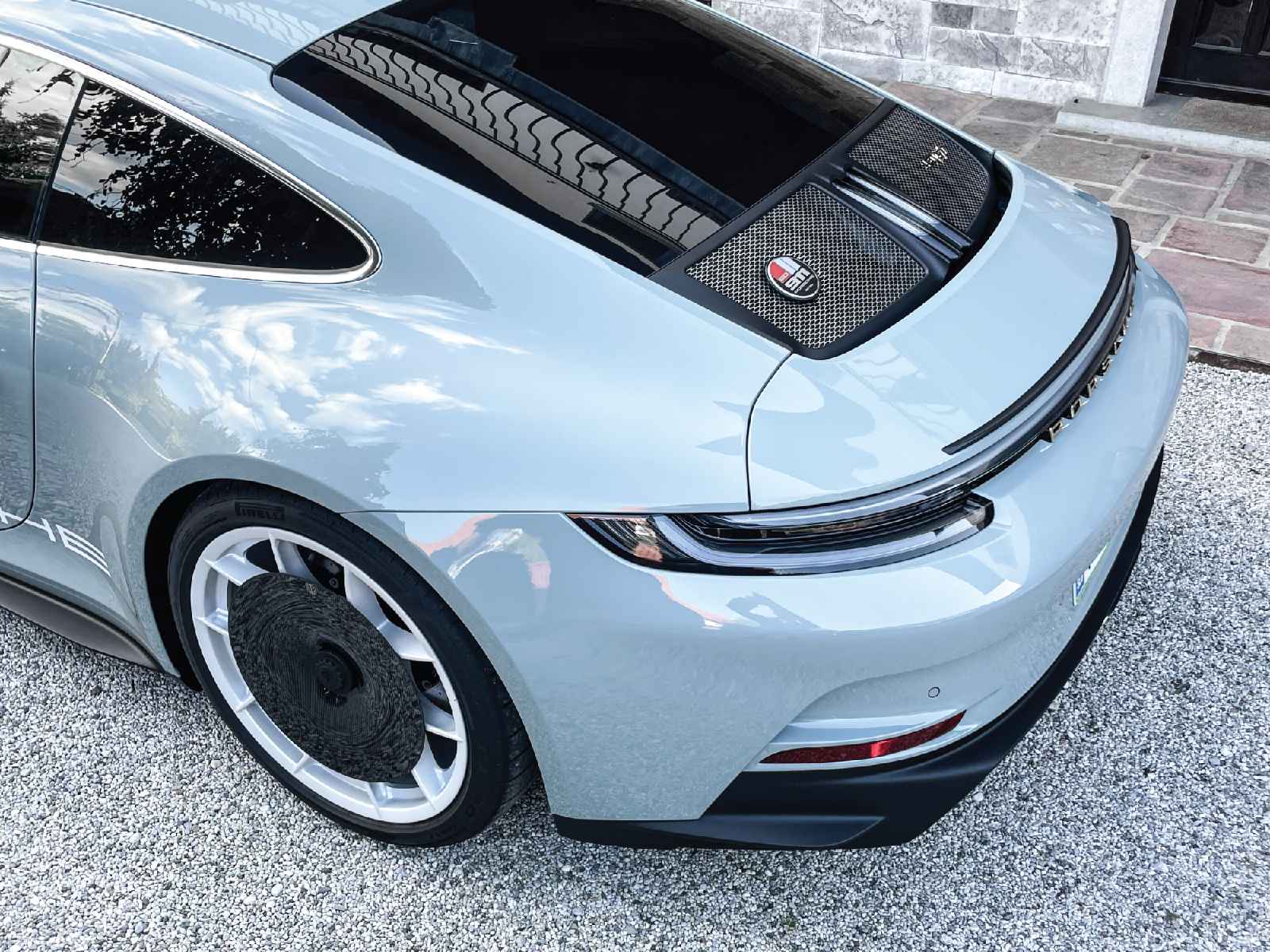
Carbon fiber Aero discs are made with pre-preg carbon fiber, cured in autoclave. The set is fully reversible and requires no cutting or modifying of any original parts. It supports an OEM+ look, with stunning carbon fiber appearance in a variety of finishes, all providing great UV protection.
It
is compatible with stock 992.2 GT3 - ALU wheels.
Choose between a matte and gloss carbon
fiber finish. Decals are offered in 5 basic colors:
Black,
Silver, Gold and White or you can opt for a completely bespoke
color. Please write the desired color in the Cart comment
section.
The installation process of the Aero discs is straightforward and can be done by any car enthusiast. It comes with detailed instructions to ensure a smooth and hassle-free installation.
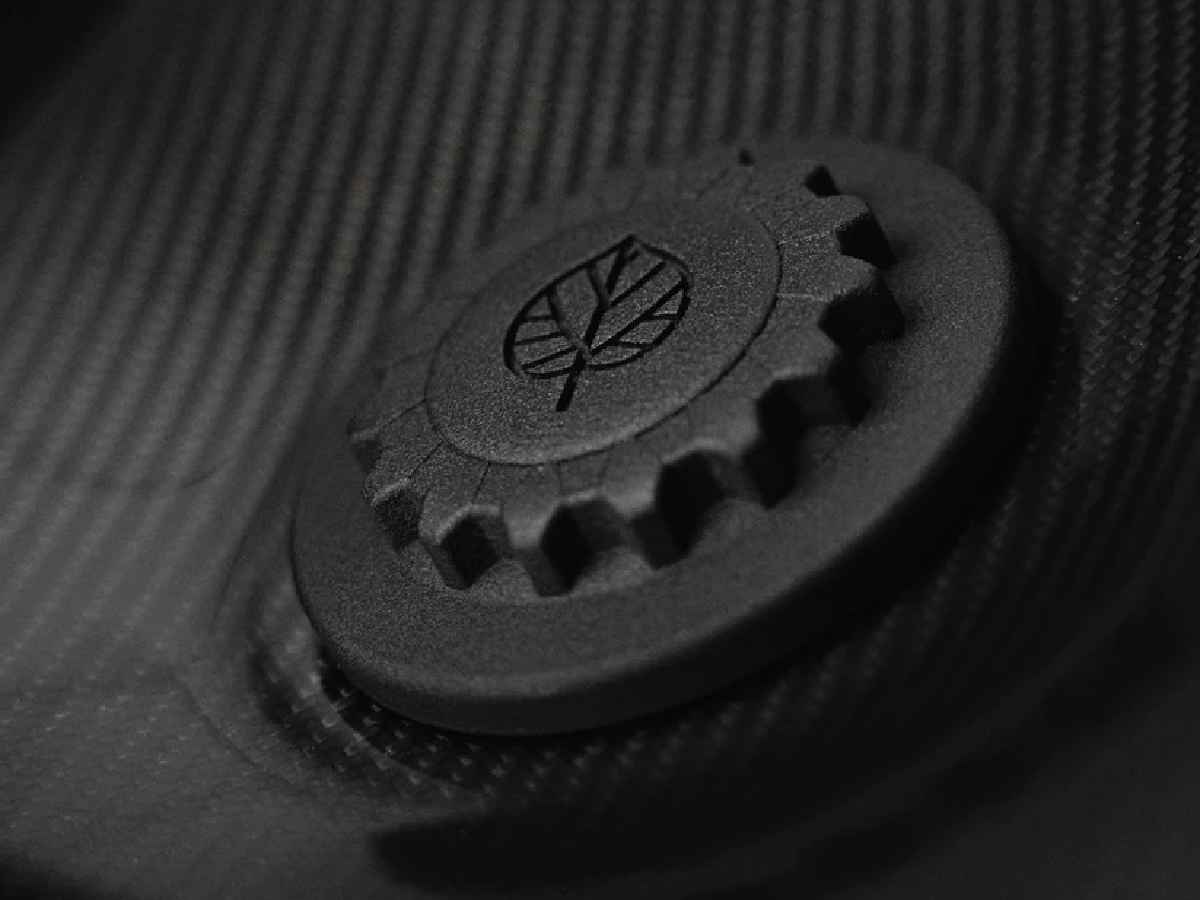
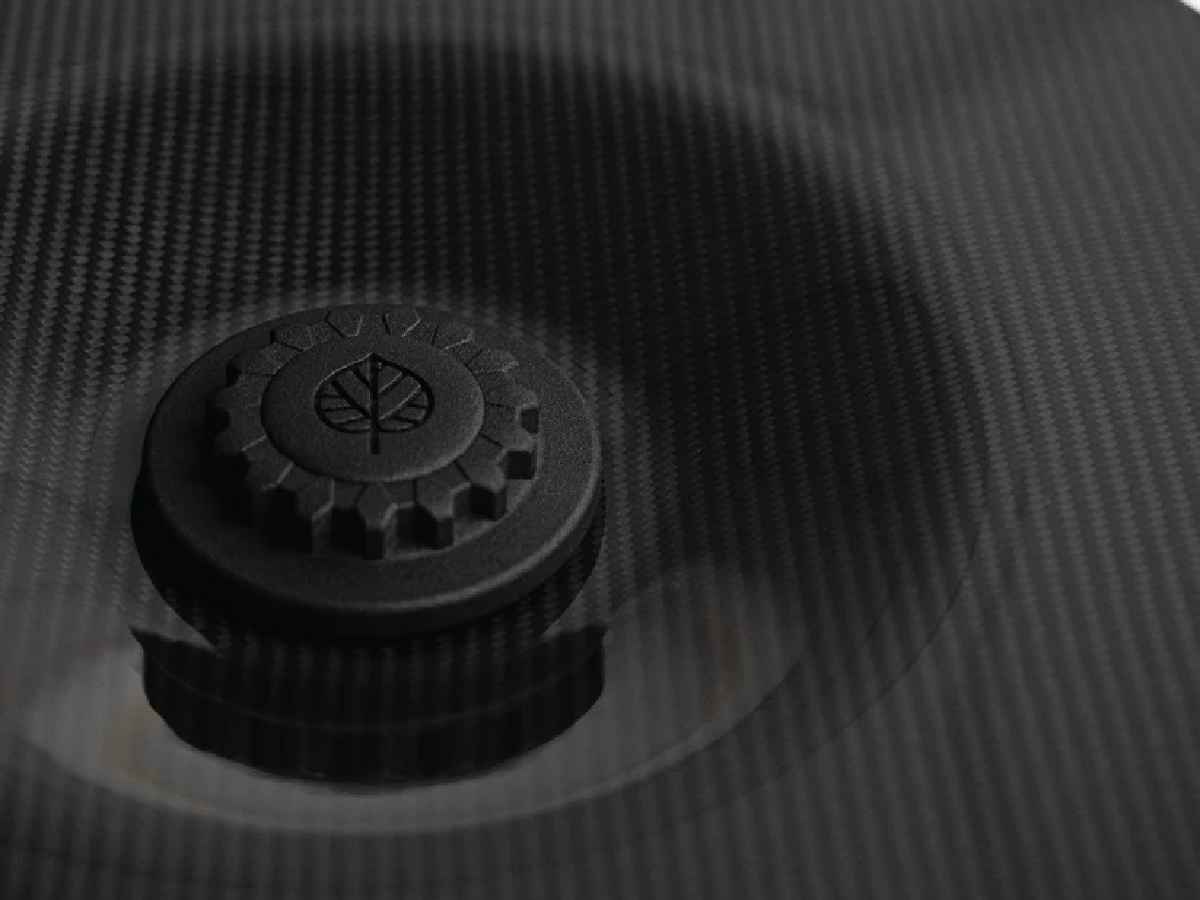
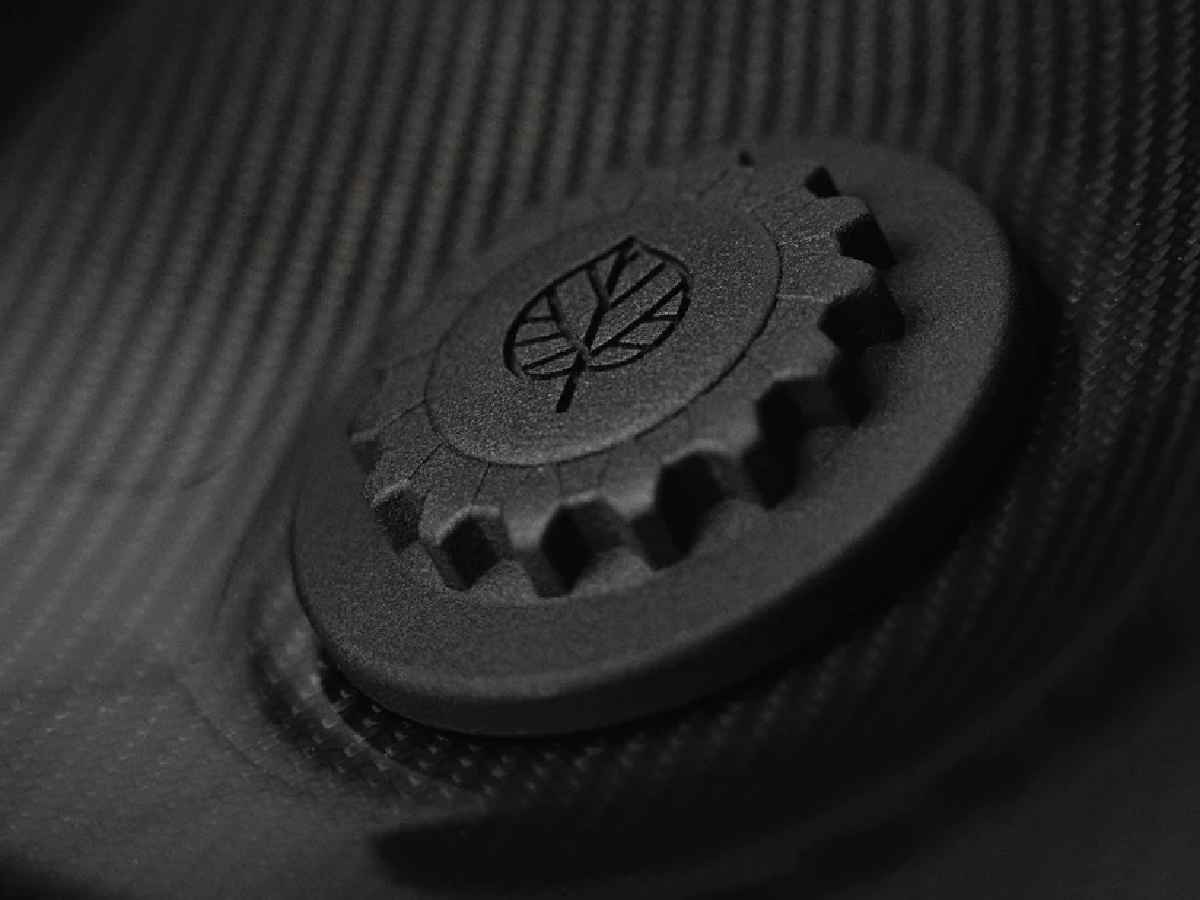
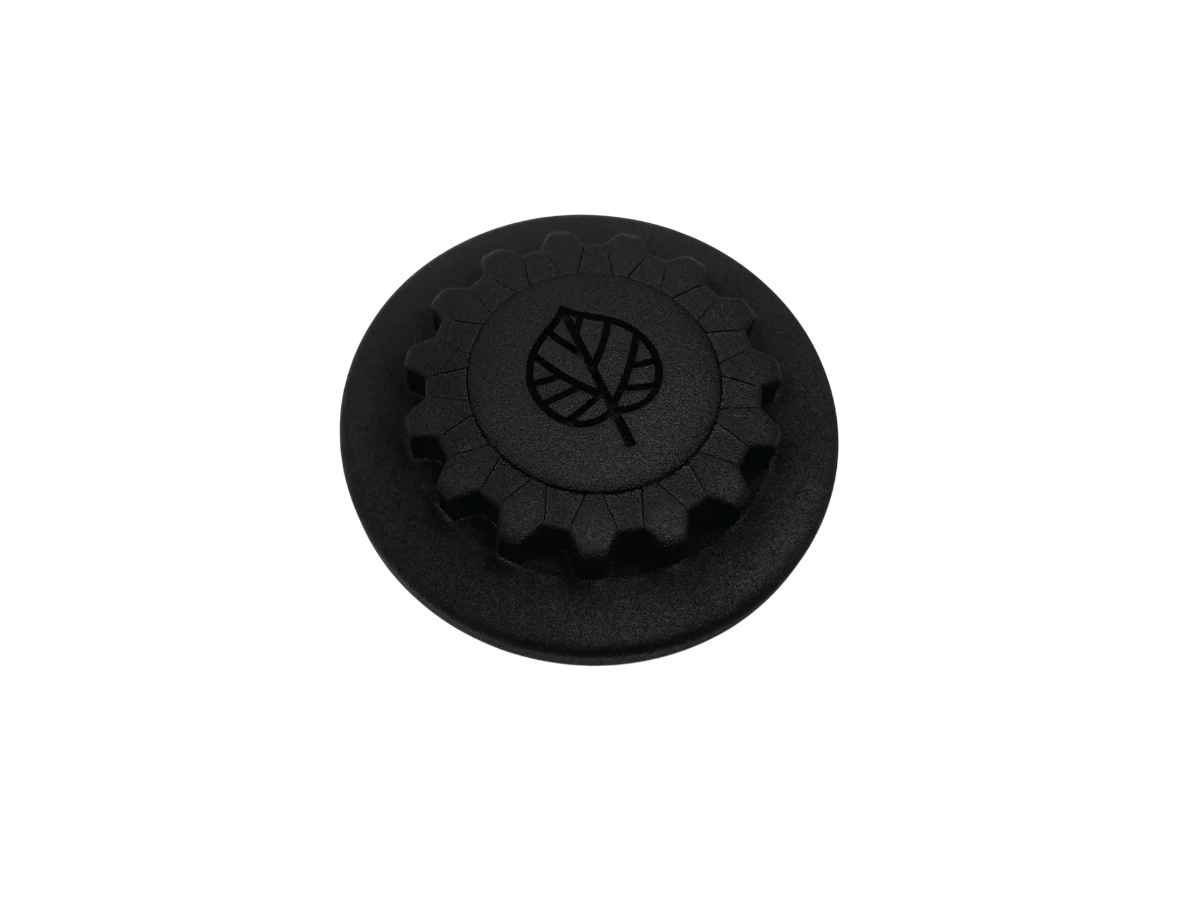
Each Aero Disc assembly consists of several components: the visible carbon fiber disc on the wheel face and the hidden mounting mechanism located between the aero disc and the center-lock nut.
To install the Aero Disc assembly:
1. Secure the hub and center-lock together
using the provided screw and washer.
2. Install the custom wheel cap to complete the assembly.
What Rear Wheel Aero Discs Do
At high speeds, open-spoke wheels generate significant turbulence, drag, and inconsistent airflow. Aero discs eliminate this instability by creating a smooth, flat aerodynamic surface.
Their Key Functions Include:
Reducing drag by smoothing turbulent wheel airflow Enhancing high-speed stability, especially during long straights Improving airflow efficiency toward the rear diffuser Supporting more consistent downforce balance Reducing lateral aerodynamic disturbances in cornering Adding a distinctive carbon-fibre motorsport appearance
The Porsche 992.2 GT3, one of the most aero-intensive 911s ever built, benefits significantly from this added stability.
Why You Should Fit Aero Disc EVO to the 992.2 GT3
Even with Porsche’s exceptional aerodynamic development, the wheels remain a major source of drag. Aero discs directly address this weakness.
Core Advantages
- Improved high-speed stability
- Reduced aerodynamic drag and turbulence
- Higher aero efficiency under acceleration and braking
- A more balanced and predictable aerodynamic footprint
- Ultra-lightweight carbon fibre keeps rotational mass minimal
- Motorsport-inspired look that enhances presence
Premium Gold Leaf Construction
Pre-preg carbon fibre Autoclave cured for maximum rigidity Lightweight yet extremely durable UV-resistant surface finish Designed specifically for aluminium wheels on the 992.2 GT3. Choice of matte or gloss finish Optional decals in black, silver, gold and white or custom colours
Advantages at a Glance
- Designed for Porsche 992.2 GT3 aluminium wheels
- Lightweight pre-preg autoclave carbon
- Motorsport-proven aerodynamic benefits
- Reduced drag, improved airflow, increased stability
- Fully reversible installation
- Custom finish and decal options

- Porsche 992.1 GT3 4.0L / 992 S/T 4.0L 2021-24
Carbon Fiber AERO DISC EVO set for Porsche 911 ST (992.1) - MAG wheels
Sold as a apir
Set of lightweight carbon fiber rear wheel covers for improved downforce.
Fits:
- Porsche 992.1 S/T 4.0L 2024-25
Aero discs play a crucial role in streamlining the airflow around the rear wheels, preventing turbulence that can adversely affect the efficiency of the rear wing.
Carbon fiber Aero discs are made with pre-preg carbon fiber, cured in autoclave. The set is fully reversible and requires no cutting or modifying of any original parts. It supports an OEM+ look, with stunning carbon fiber appearance in a variety of finishes, all providing great UV protection.
It is compatible with stock 992.1 ST - MAG wheels.
Choose between a matte and gloss carbon
fiber finish. Decals are offered in 4 basic colors: Black,
Silver, Gold and White, or you can opt for a completely bespoke
color. Please write the desired color in the Cart comment
section.
The installation process of the Aero discs is straightforward and can be done by any car enthusiast. It comes with detailed instructions to ensure a smooth and hassle-free installation.
Each Aero Disc assembly consists of several components: the visible carbon fiber disc on the wheel face and the hidden mounting mechanism located between the aero disc and the center-lock nut.
To install the Aero Disc assembly:
1. Secure the hub and center-lock together
using the provided screw and washer.
2. Install the custom wheel cap to complete the assembly.
What The Aero Disc EVO Does
Rear wheels create chaotic turbulence, increasing drag and disrupting the car’s aerodynamic stability. Aero discs streamline this zone completely.
Their Core Functions:
- Reduce
drag by smoothing airflow around the wheel surface
- Improve
high-speed stability, especially during acceleration and heavy braking
- Enhance the effectiveness of the rear diffuser
- Provide more consistent downforce balance
- Reduce lateral turbulent air, improving cornering stability
- Add a sleek motorsport-inspired carbon fibre aesthetic
For the 992.1 911 ST—with its minimalist weight, high-revving engine and heritage-inspired aerodynamics—these discs enhance performance without compromising the car’s purity.
Why Fit Aero Disc EVO to the Porsche 992.1 911 ST?
The 911 ST is precision-built for lightweight agility, and these aero discs complement that philosophy.
Benefits of Installing Aero Discs
- Lower drag for improved efficiency and stability
- Better airflow management for track and spirited driving
- Reduced aerodynamic turbulence from the rear wheels
- High-strength, ultra-light pre-preg carbon fibre construction
- Fully reversible installation—no permanent modifications
- Custom styling to match the ST’s visual character
Advantages at a Glance
- Designed specifically for Porsche 992.1 911 ST magnesium wheels
- Motorsport-proven aerodynamic enhancement
- Reduced drag and turbulence
- Sharper high-speed stability
- Lightweight carbon fibre construction
- Optional custom finishes

- Porsche 992.1 GT3 RS 4.0L 2022-24
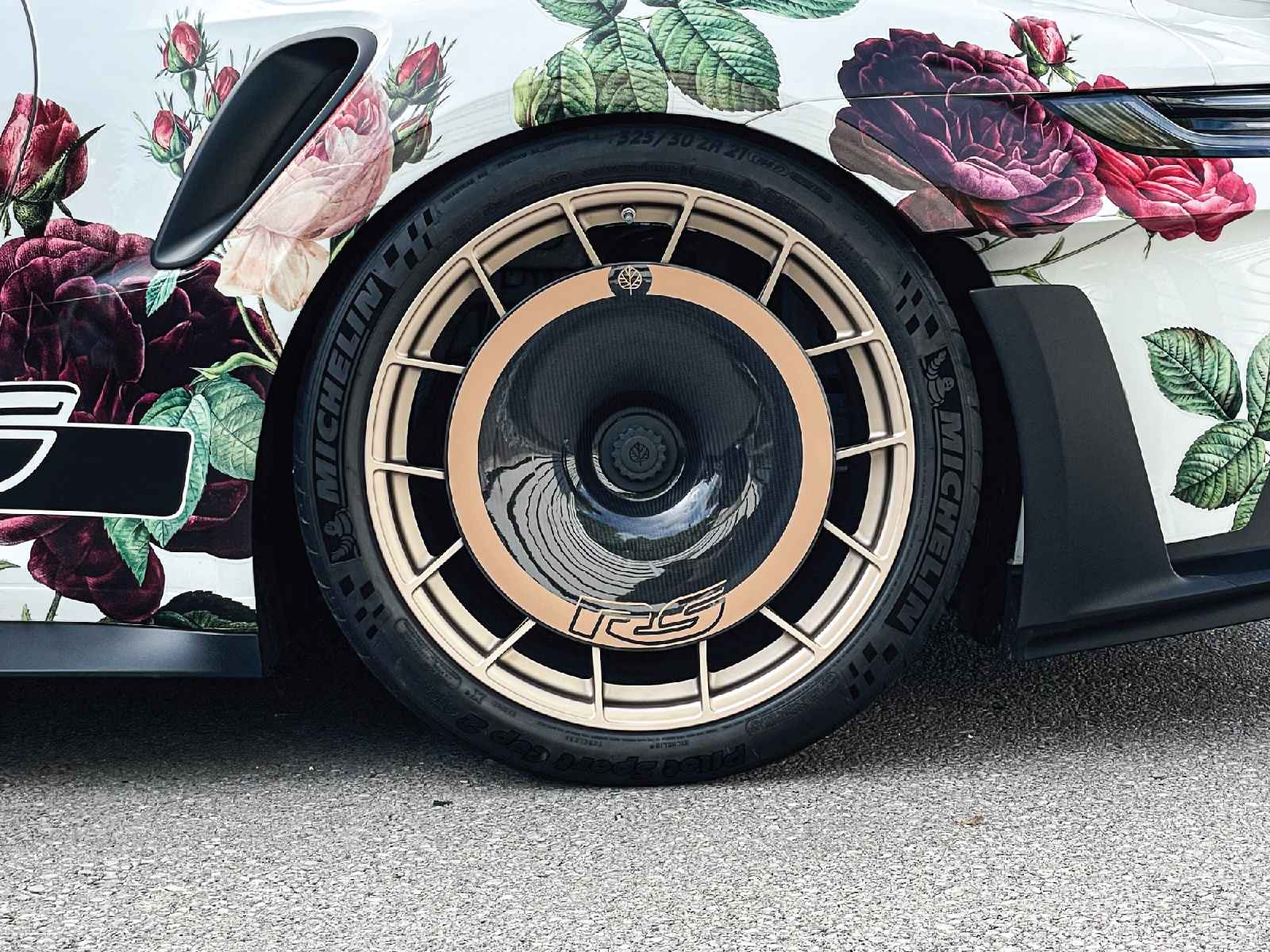
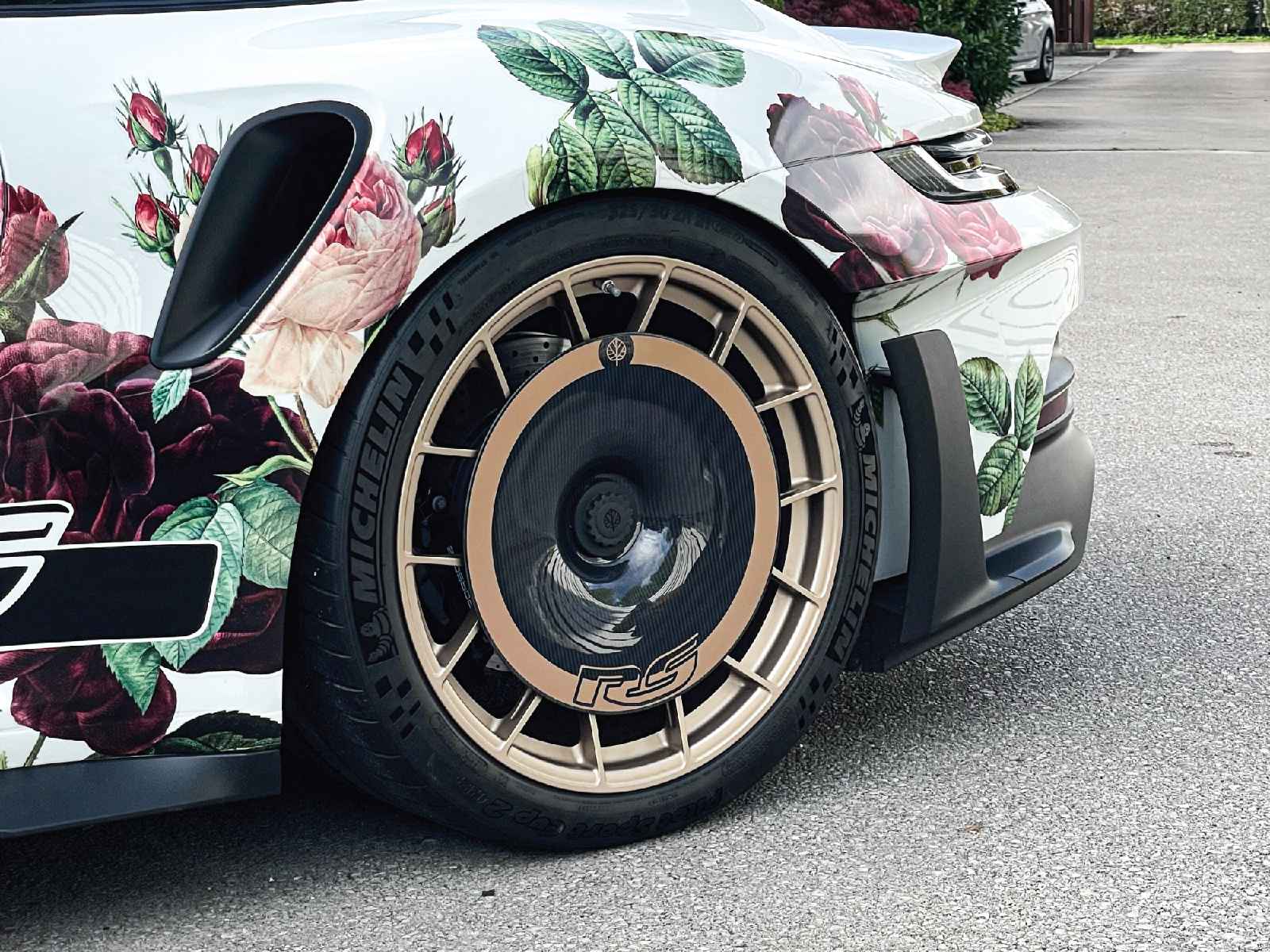
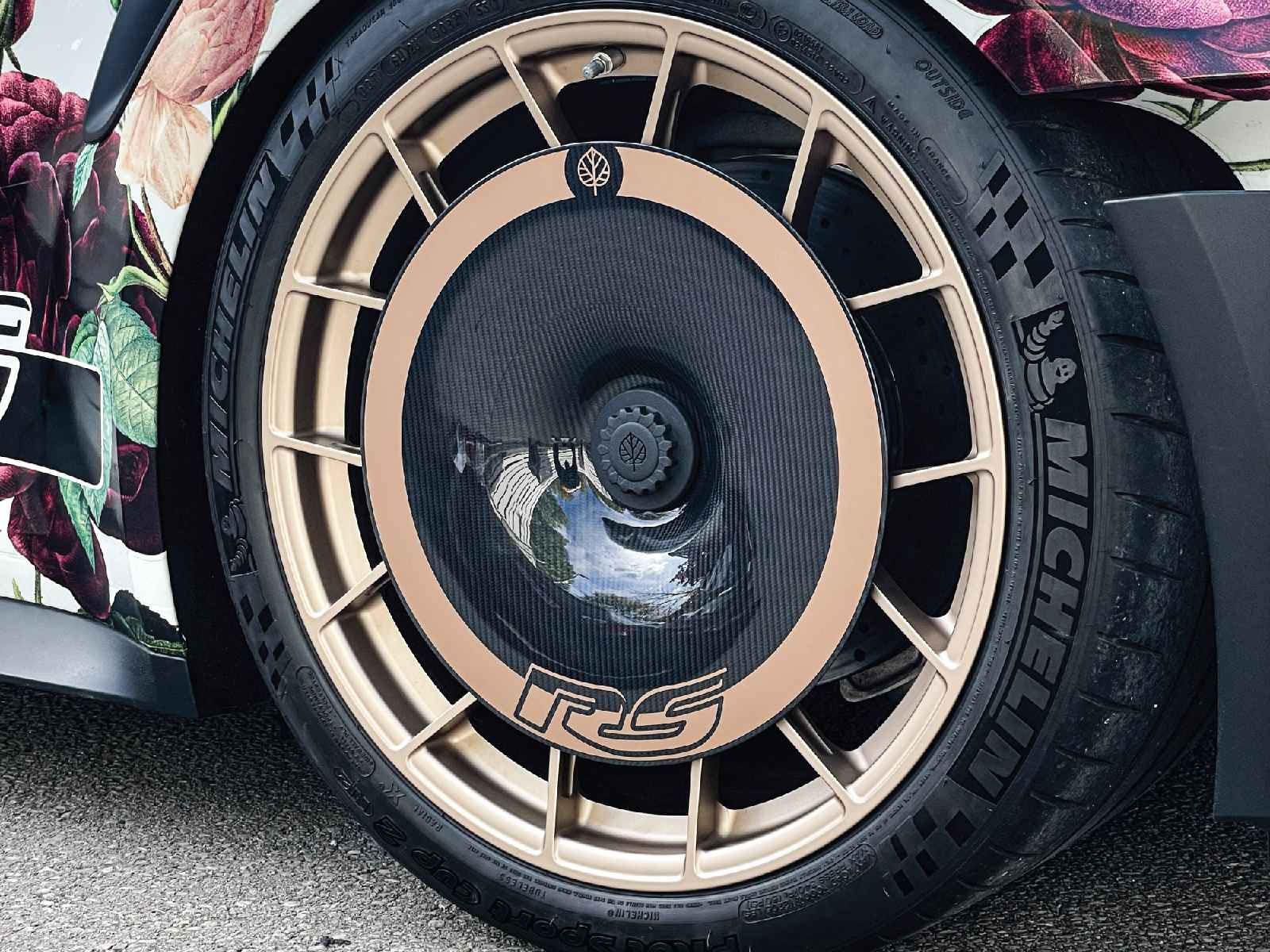
Porsche 911 GT3 RS (992.1) - Aluminium wheels
Sold as a pair
Set of lightweight carbon fiber rear wheel covers for improved downforce.
Fits:
- Porsche 992.1 GT3 RS 4.0L 2022-24
Aero discs play a crucial role in streamlining the airflow around the rear wheels, preventing turbulence that can adversely affect the efficiency of the rear wing.
Carbon fiber Aero discs are made with pre-preg carbon fiber, cured in autoclave. The set is fully reversible and requires no cutting or modifying of any original parts. It supports an OEM+ look, with stunning carbon fiber appearance in a variety of finishes, all providing great UV protection.
It is compatible with stock 992.1 GT3 RS - ALU
wheels.
Choose between a matte and gloss carbon
fiber finish. Decals are offered in 5 basic colors: Black,
Red, Blue, Gold and White, or you can opt for a completely bespoke
color. Please write the desired color in the Cart comment
section.
The installation process of the Aero discs is straightforward and can be done by any car enthusiast. It comes with detailed instructions to ensure a smooth and hassle-free installation.
Each Aero Disc assembly consists of several components: the visible carbon fiber disc on the wheel face and the hidden mounting mechanism located between the aero disc and the center-lock nut.
To install the Aero Disc assembly:
1. Secure the hub and center-lock together
using the provided screw and washer.
2. Install the custom wheel cap to complete the assembly.
What Rear Wheel Aero Discs Do
At high speeds, open-spoke wheels generate significant turbulence, drag, and inconsistent airflow. Aero discs eliminate this instability by creating a smooth, flat aerodynamic surface.
Their Key Functions Include:
Reducing drag by smoothing turbulent wheel airflow Enhancing high-speed stability, especially during long straights Improving airflow efficiency toward the rear diffuser Supporting more consistent downforce balance Reducing lateral aerodynamic disturbances in cornering Adding a distinctive carbon-fibre motorsport appearance
The Porsche 992.1 GT3 RS, one of the most aero-intensive 911s ever built, benefits significantly from this added stability.
Why You Should Fit Aero Disc EVO to the 992.1 GT3 RS
Even with Porsche’s exceptional aerodynamic development, the wheels remain a major source of drag. Aero discs directly address this weakness.
Core Advantages
- Improved high-speed stability
- Reduced aerodynamic drag and turbulence
- Higher aero efficiency under acceleration and braking
- A more balanced and predictable aerodynamic footprint
- Ultra-lightweight carbon fibre keeps rotational mass minimal
- Motorsport-inspired look that enhances presence
Premium Gold Leaf Construction
Pre-preg carbon fibre Autoclave cured for maximum rigidity Lightweight yet extremely durable UV-resistant surface finish Designed specifically for aluminium wheels on the 992.1 GT3 RS Choice of matte or gloss finish Optional decals in black, white, silver, gold, or custom colours
Advantages at a Glance
- Designed for Porsche 992.1 GT3 RS aluminium wheels
- Lightweight pre-preg autoclave carbon
- Motorsport-proven aerodynamic benefits
- Reduced drag, improved airflow, increased stability
- Fully reversible installation
- Custom finish and decal options
.jpg)
.jpg)
- Porsche 992.1 GT3 4.0L / 992 S/T 4.0L 2021-24
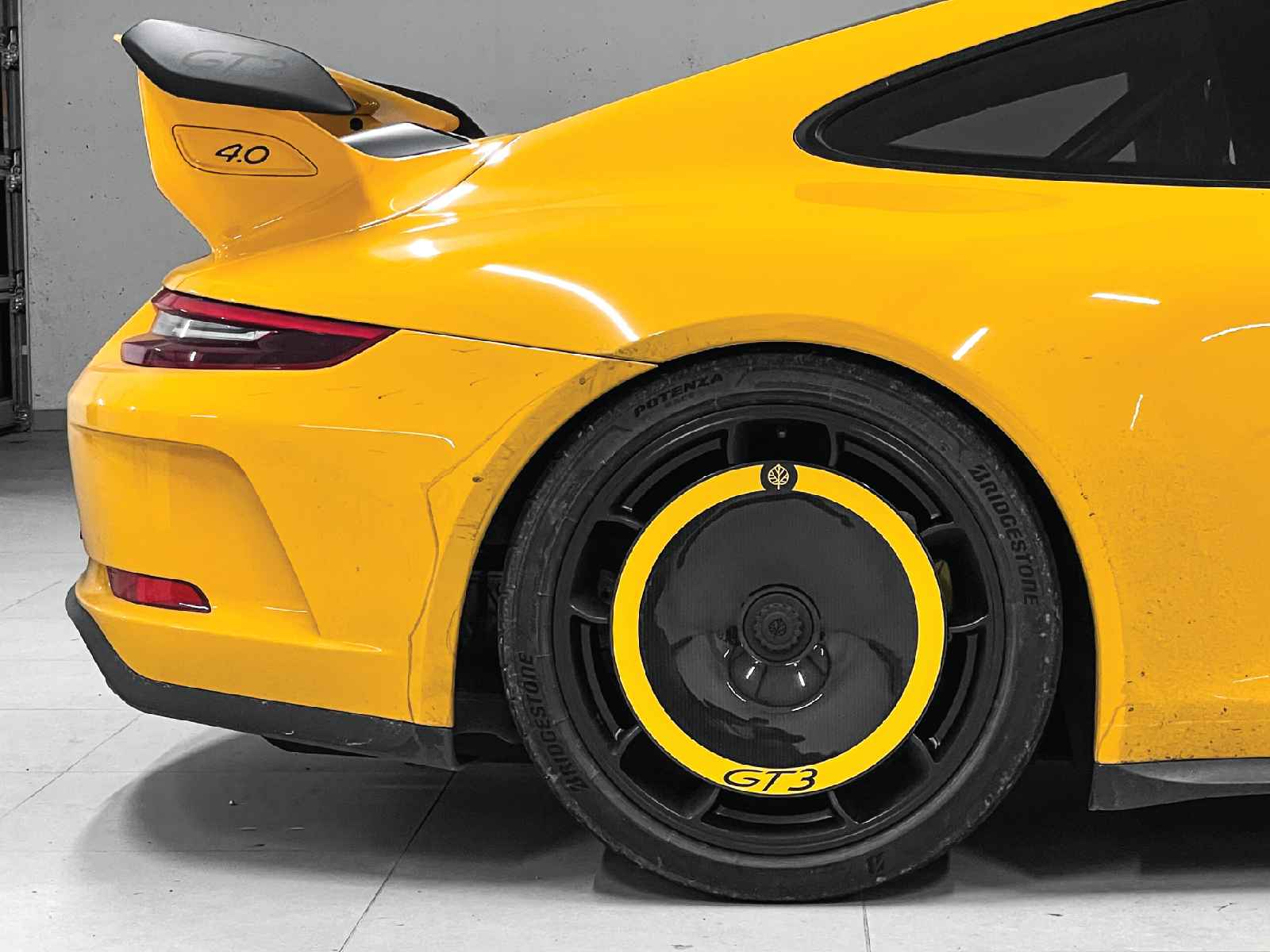
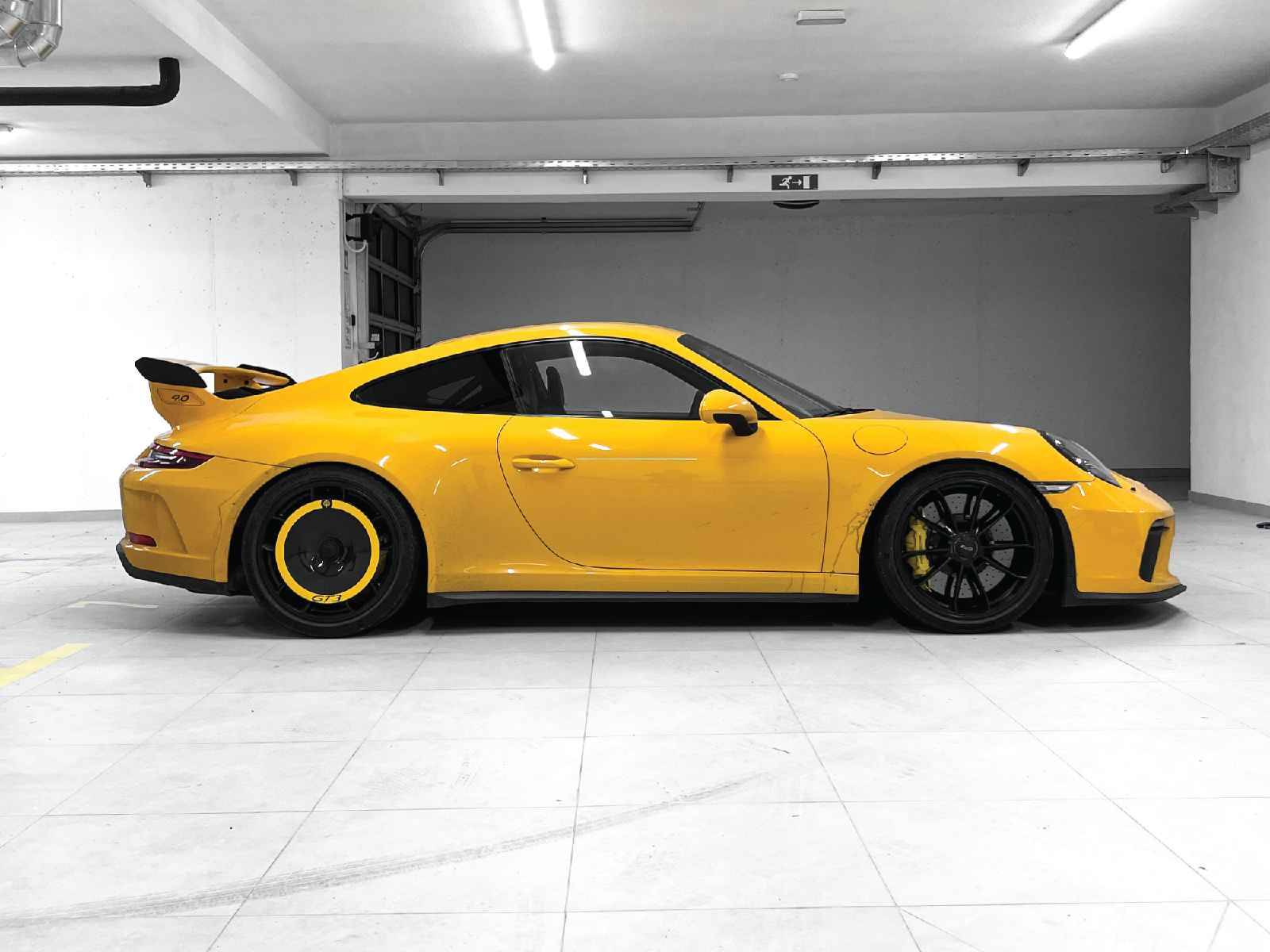
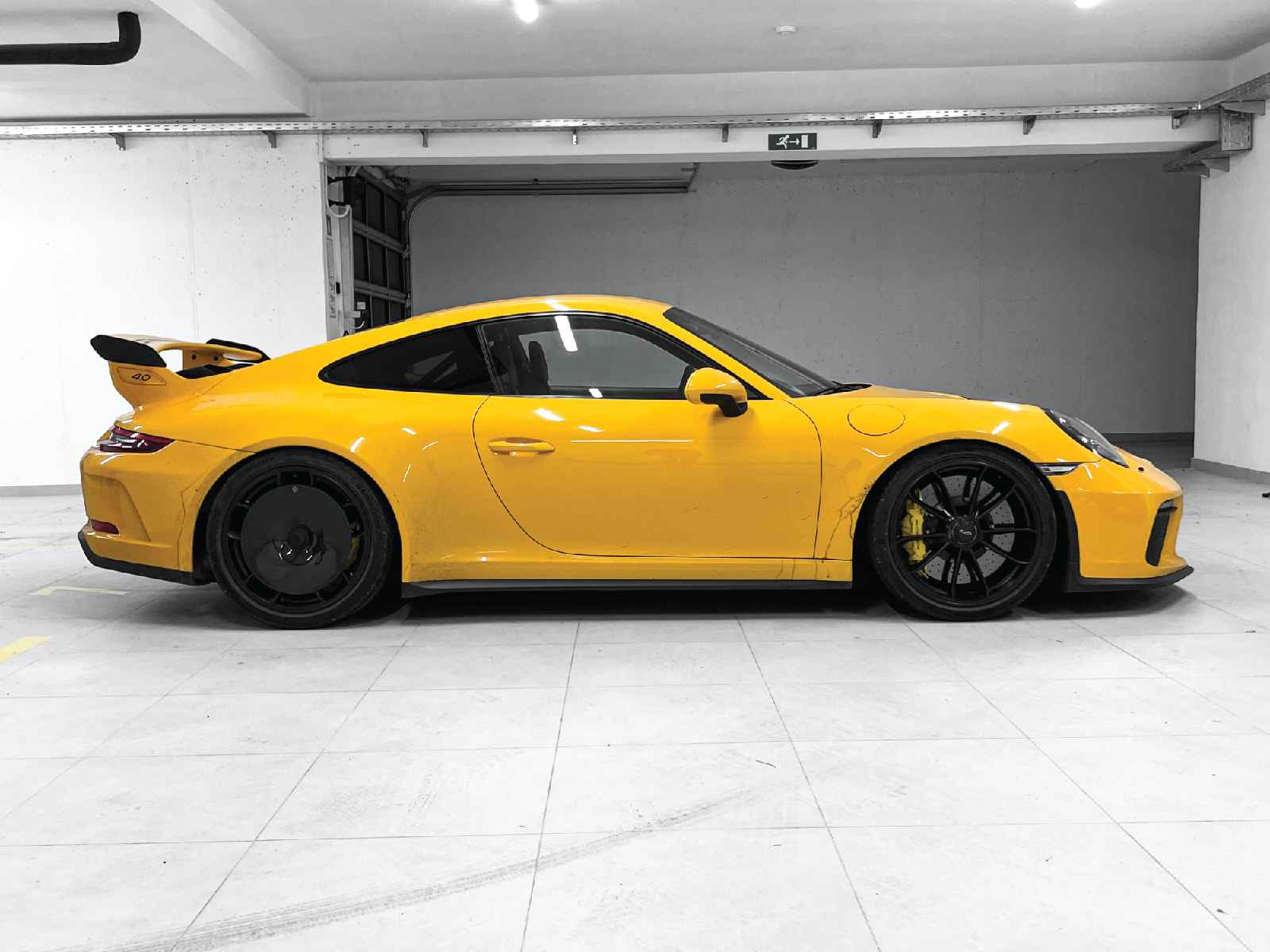
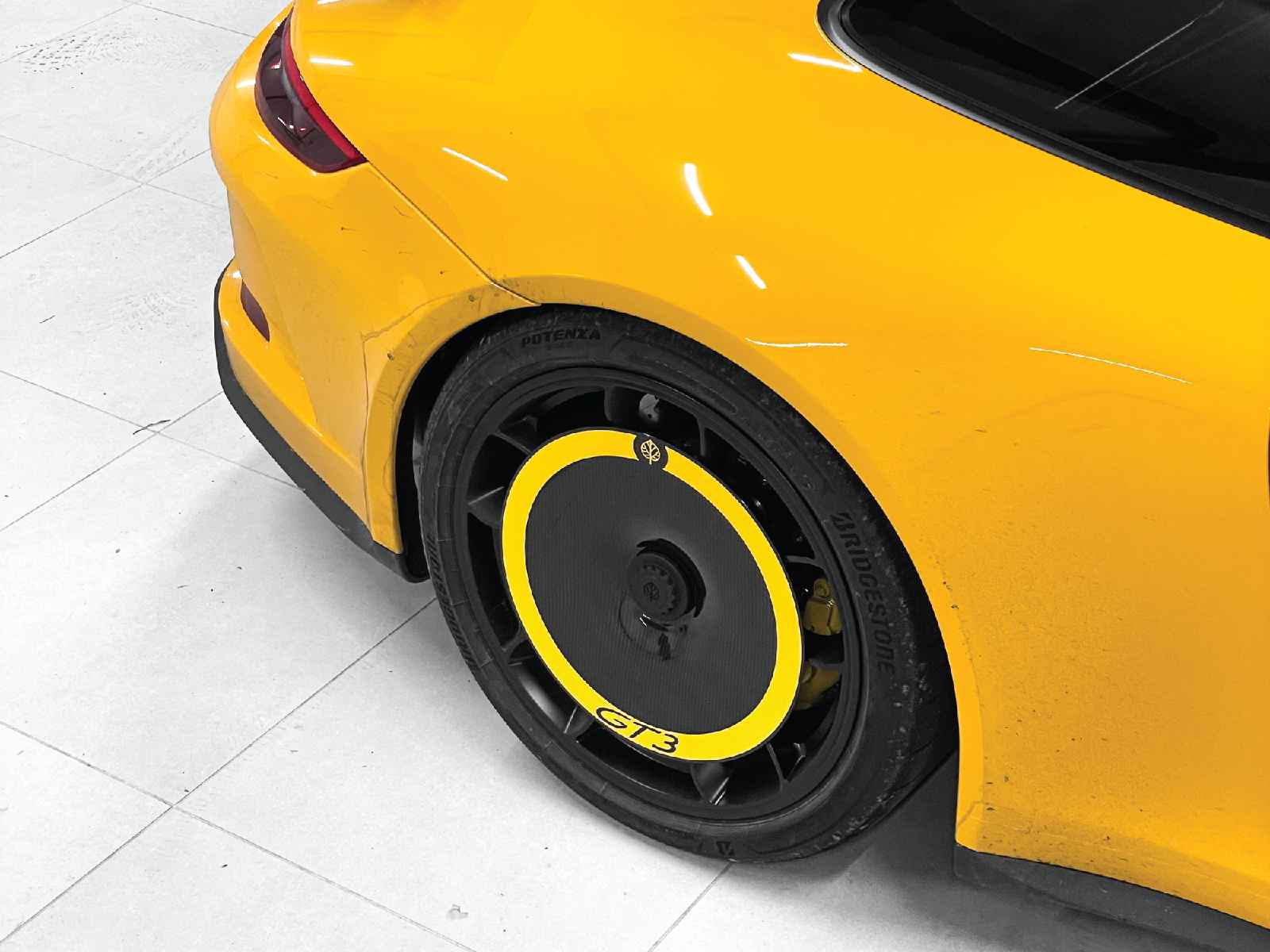
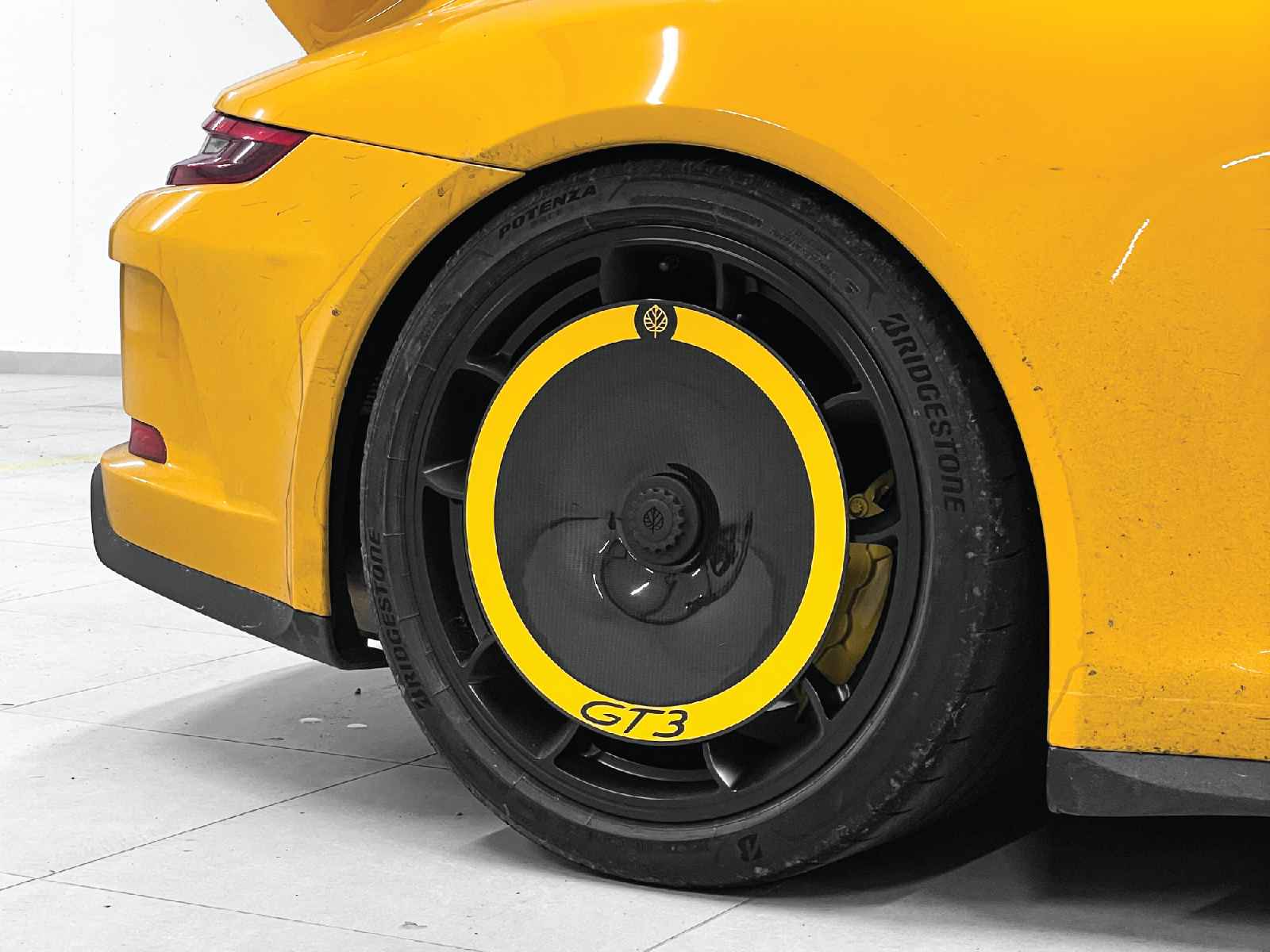
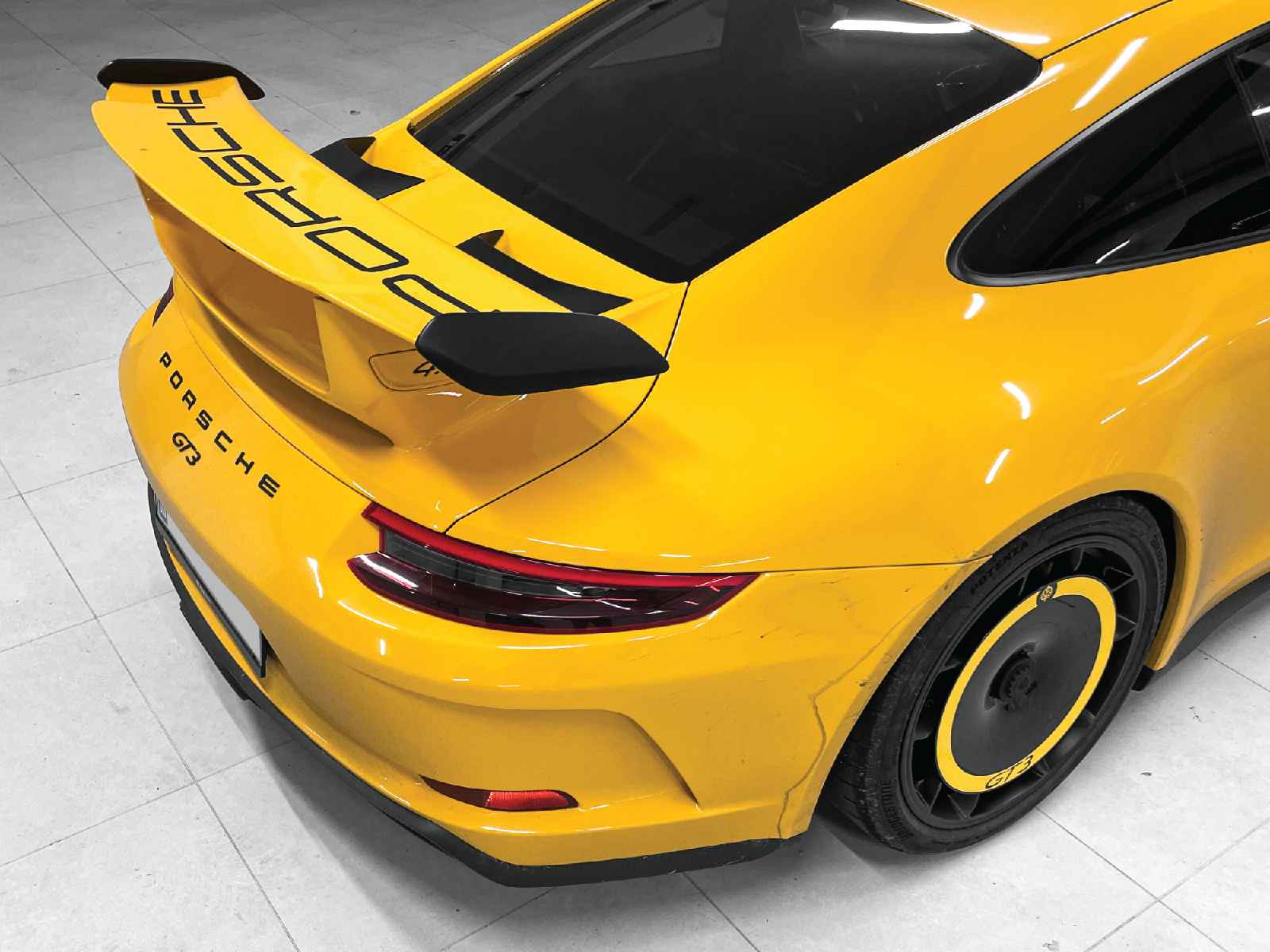
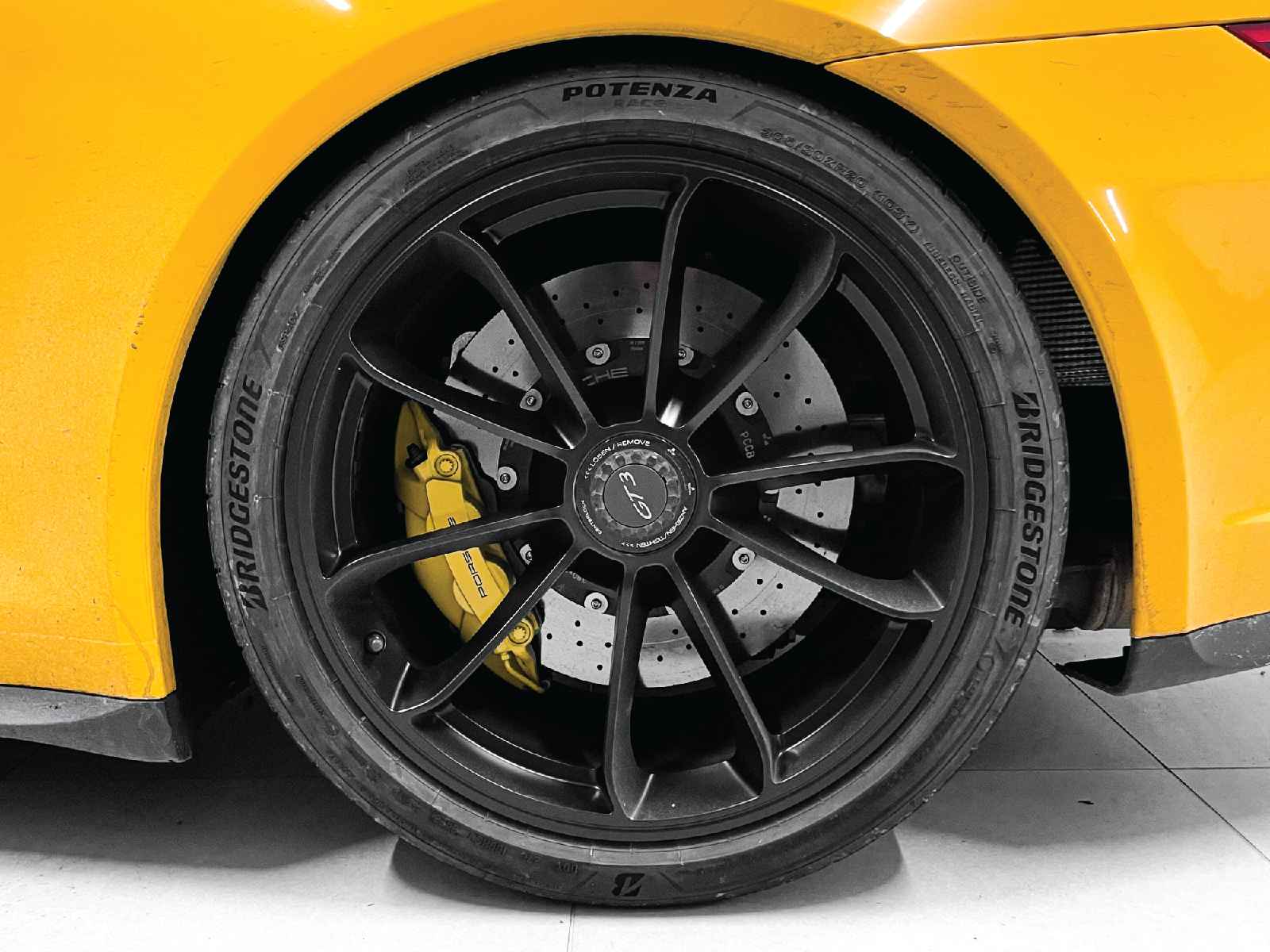
Porsche 911 GT3 (992.1) - Aluminium wheels - Sold as a pair
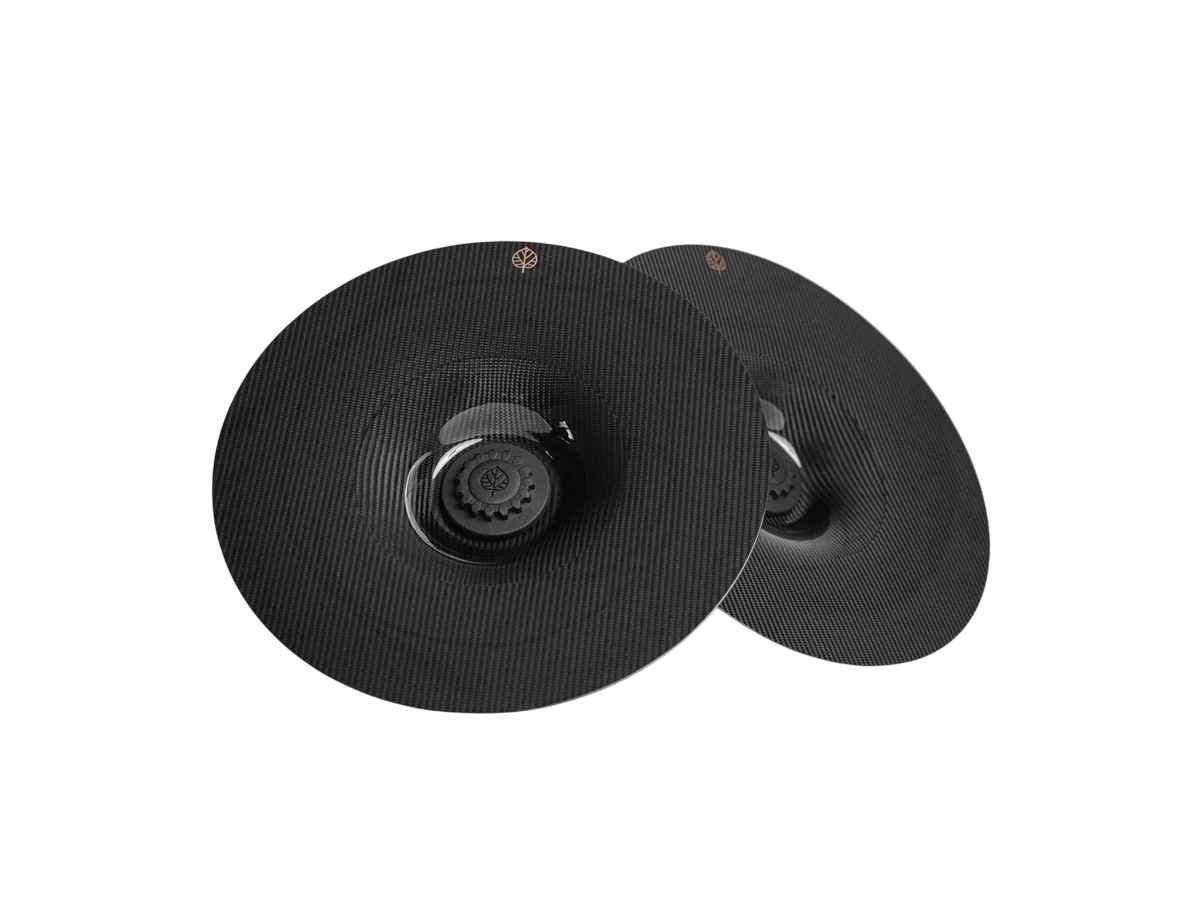
Set of lightweight carbon fiber rear wheel covers for improved downforce.
Fits:
- Porsche 992.1 GT3 4.0L 2021-24
Aero discs play a crucial role in streamlining the airflow around the rear wheels, preventing turbulence that can adversely affect the efficiency of the rear wing.
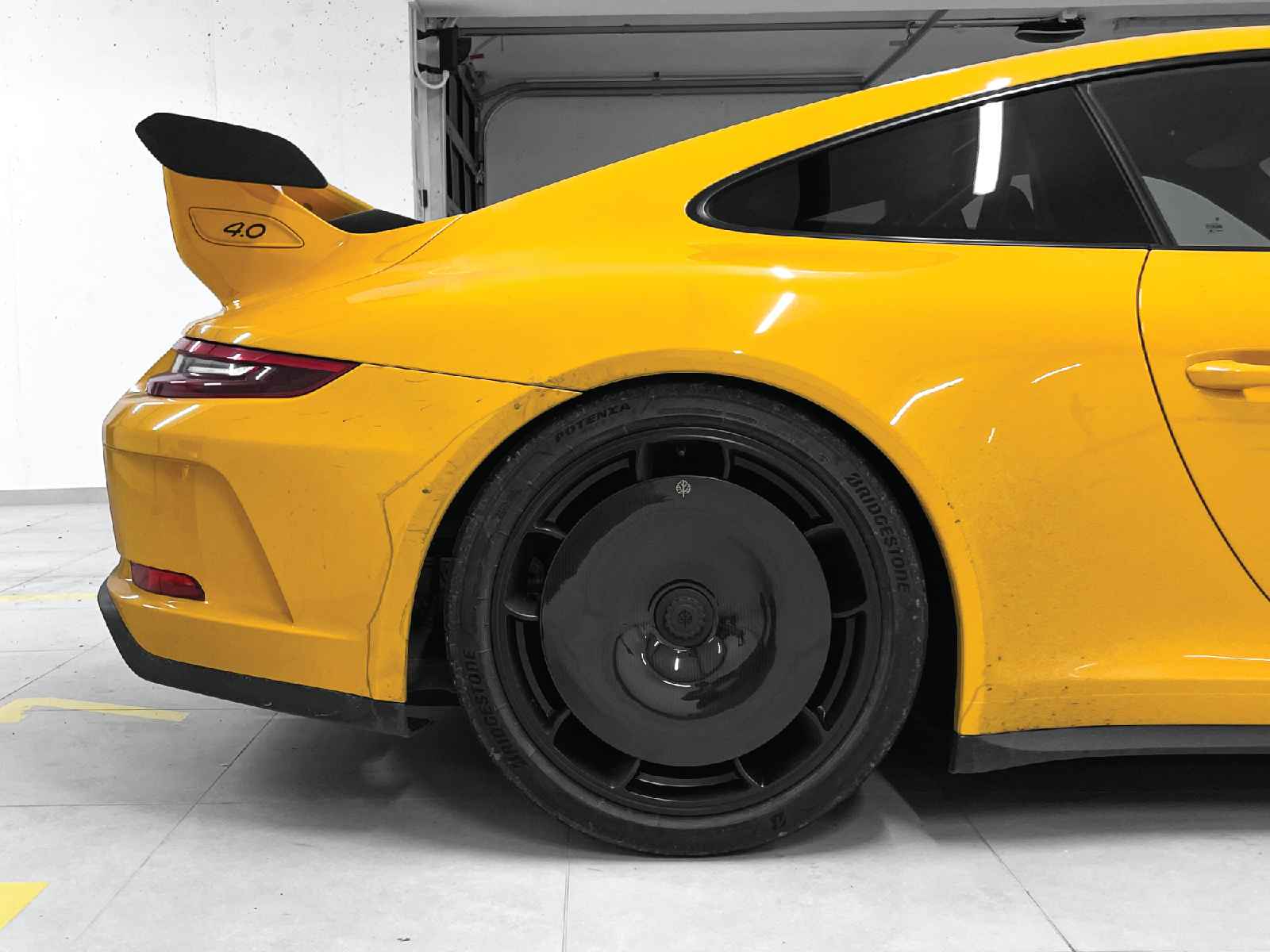
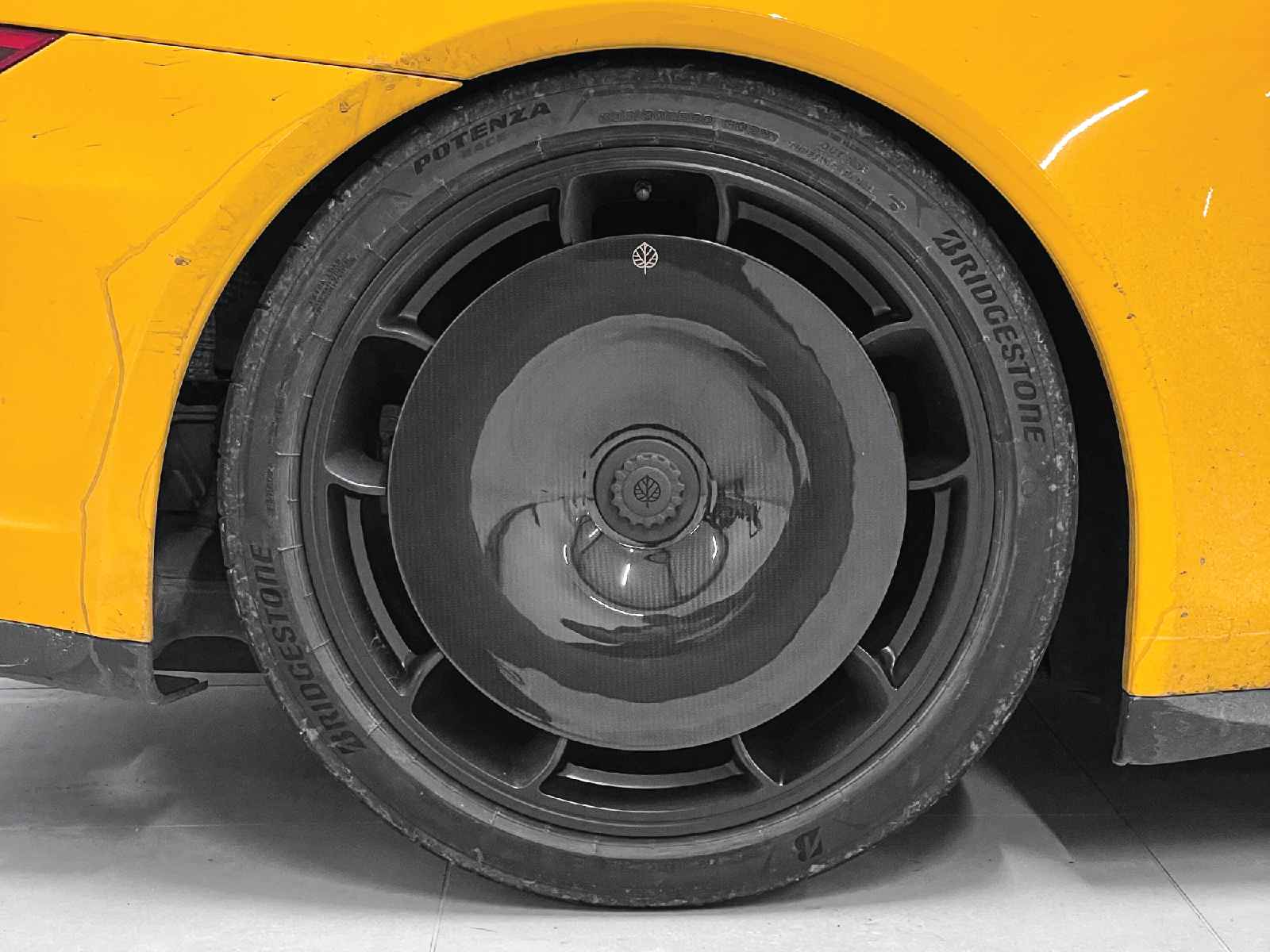
Carbon fiber Aero discs are made with pre-preg carbon fiber, cured in autoclave. The set is fully reversible and requires no cutting or modifying of any original parts. It supports an OEM+ look, with stunning carbon fiber appearance in a variety of finishes, all providing great UV protection.
It is compatible with stock 992.1 GT3 - ALU wheels.
Choose between a matte and gloss carbon
fiber finish. Decals are offered in 4 basic colors: Black,
Red, Yellow and White, or you can opt for a completely bespoke
color. Please write the desired color in the Cart comment
section.
The design can also be changed to any other design or deleted.
Installation Process
Installation of the Aero discs is straightforward and can be done
by any car enthusiast. It comes with detailed instructions to ensure a smooth
and hassle-free installation.
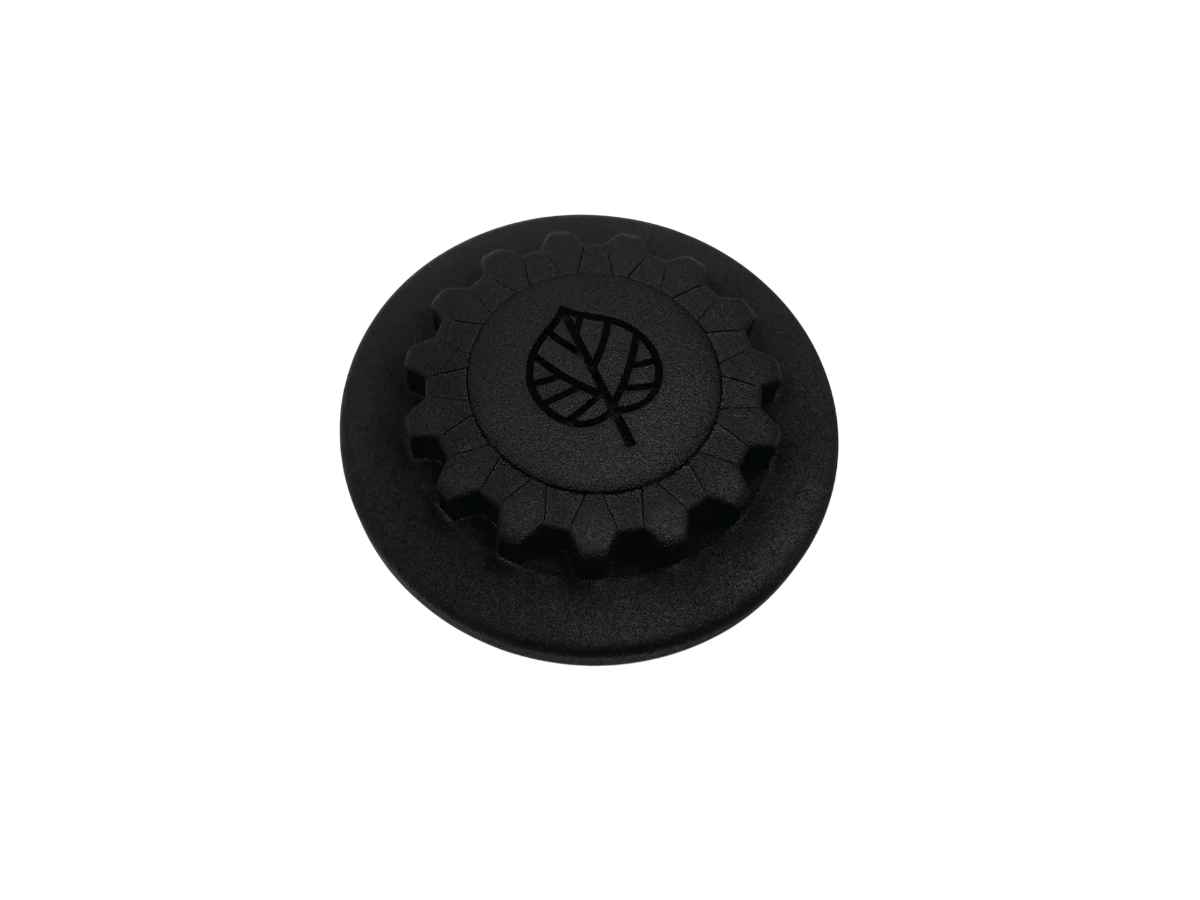
Each Aero Disc assembly consists of several components: the visible carbon fiber disc on the wheel face and the hidden mounting mechanism located between the aero disc and the center-lock nut.
To install the Aero Disc assembly:
1. Secure the hub and center-lock together
using the provided screw and washer.
2. Install the custom wheel cap to complete the assembly.
What Rear Wheel Aero Discs Do
Aero discs are widely used in motorsport and hypercar applications to stabilise airflow and reduce drag associated with open spoke wheels.
Core Functions
- Reduce
aerodynamic drag by smoothing high-turbulence wheel surfaces
- Enhance
high-speed stability, especially during acceleration and braking
- Improve airflow toward the rear diffuser and aerodynamics package
- Help maintain stable aero balance under load
- Add a distinctive motorsport carbon fibre appearance
For the 992.1 GT3—expected to generate huge downforce and extreme speeds—these benefits significantly enhance overall aero performance.
Why You Should Fit Aero Disc EVO on the 992.1 GT3
Even advanced aerodynamic platforms suffer efficiency loss from wheel turbulence. This upgrade solves that while delivering a dramatic styling enhancement.
Key Benefits
- Reduced drag and cleaner airflow
- Improved stability on high-speed runs and track sessions
- Ultra-lightweight pre-preg carbon construction
- Enhanced motorsport aesthetics
- Reversible installation, preserving the vehicle’s integrity
Construction & Finish Options
Premium Carbon Engineering
Pre-preg carbon fibre Autoclave-cured for maximum strength-to-weight ratio UV-resistant coating Lightweight design for minimal rotational mass impact
Advantages at a Glance
- Designed specifically for Porsche 992.1 GT3 aluminium wheels
- Motorsport-proven aerodynamic benefit
- High-quality, lightweight carbon fibre
- Reduces turbulence and improves aero efficiency
- Completely reversible fitting
- Custom finishes available

- Porsche 991.2 GT3 4.0L (500 Bhp) / GT3 RS 4.0L (520 Bhp) 2017-19
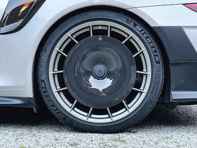
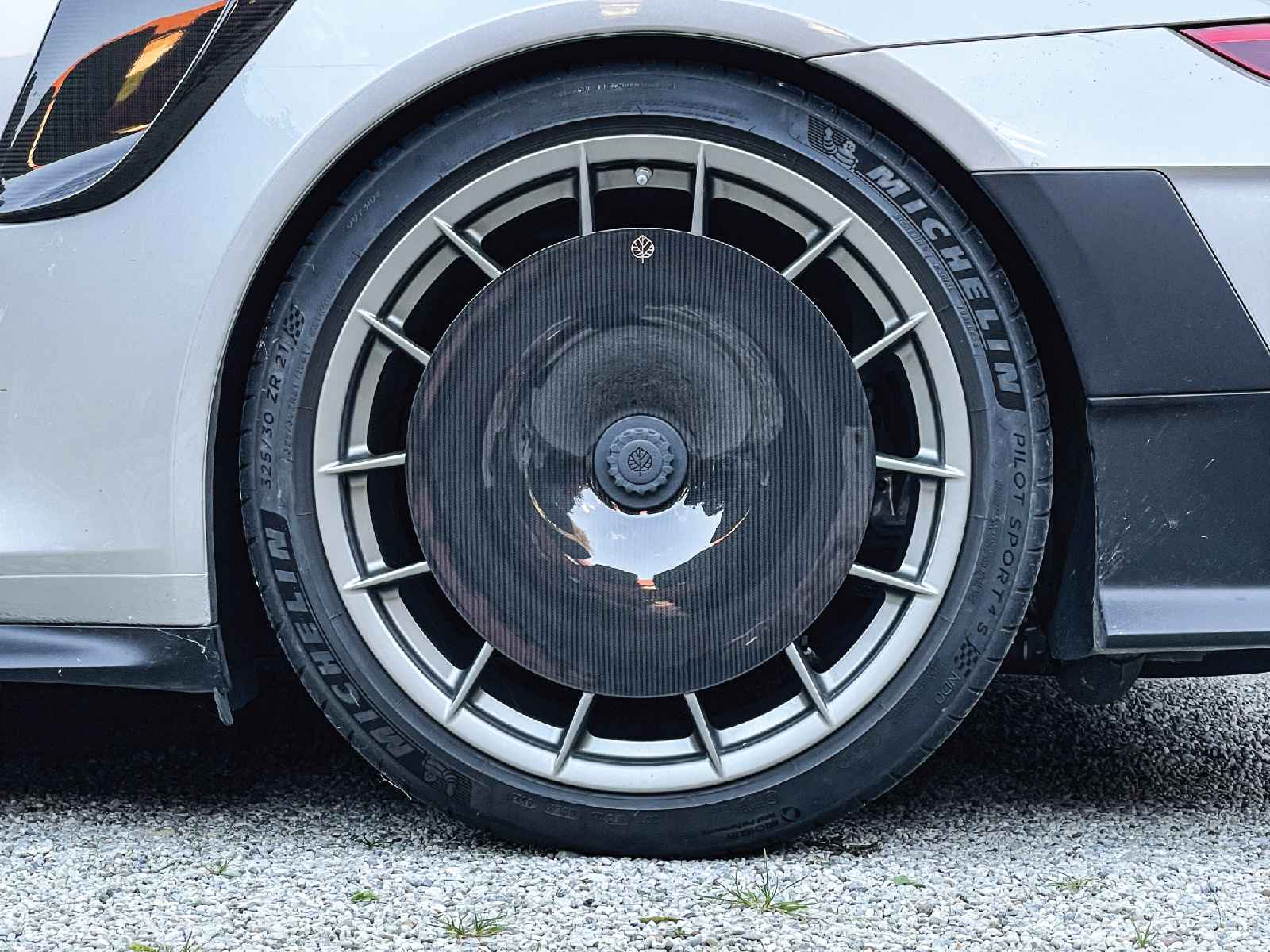
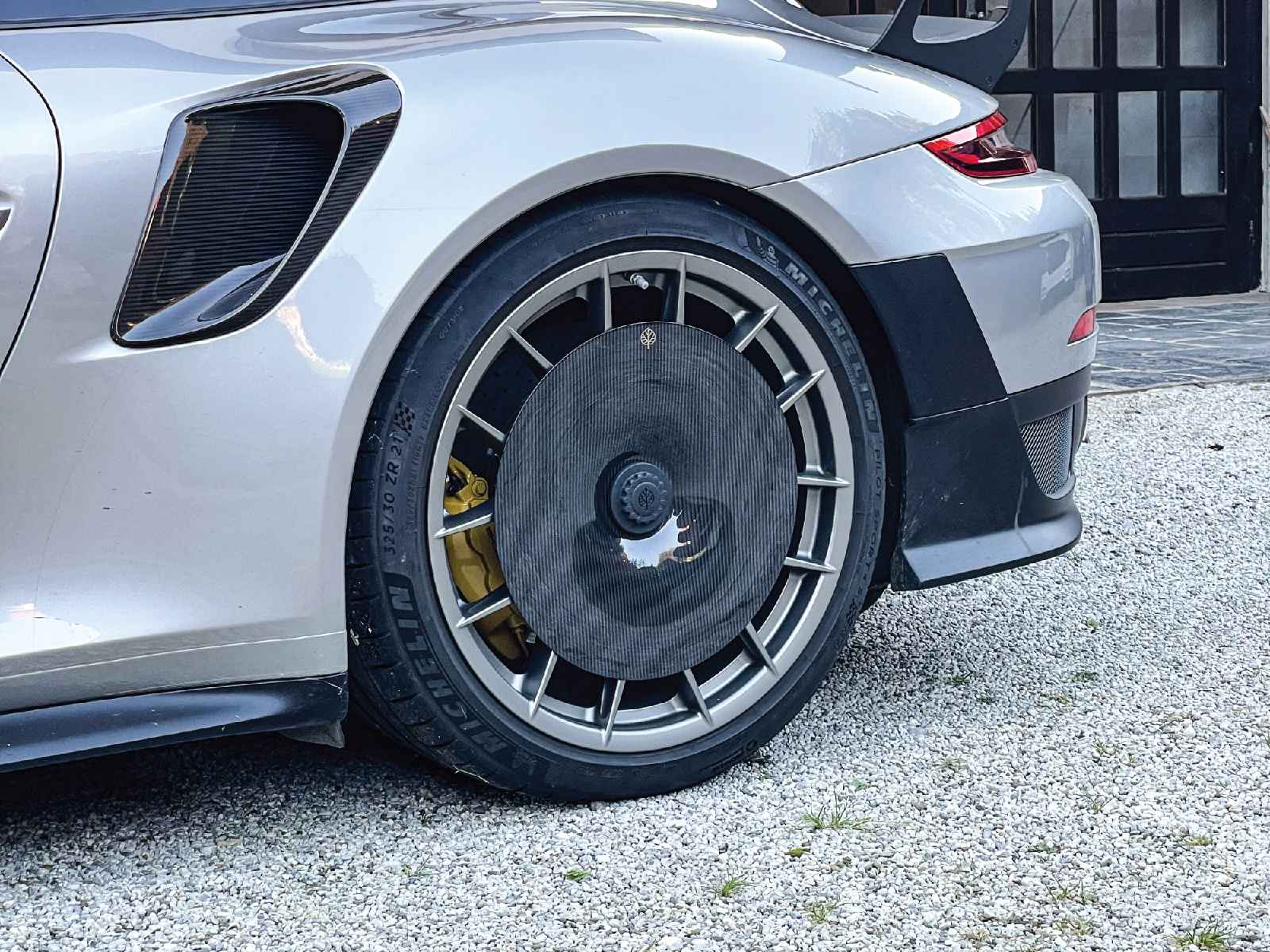
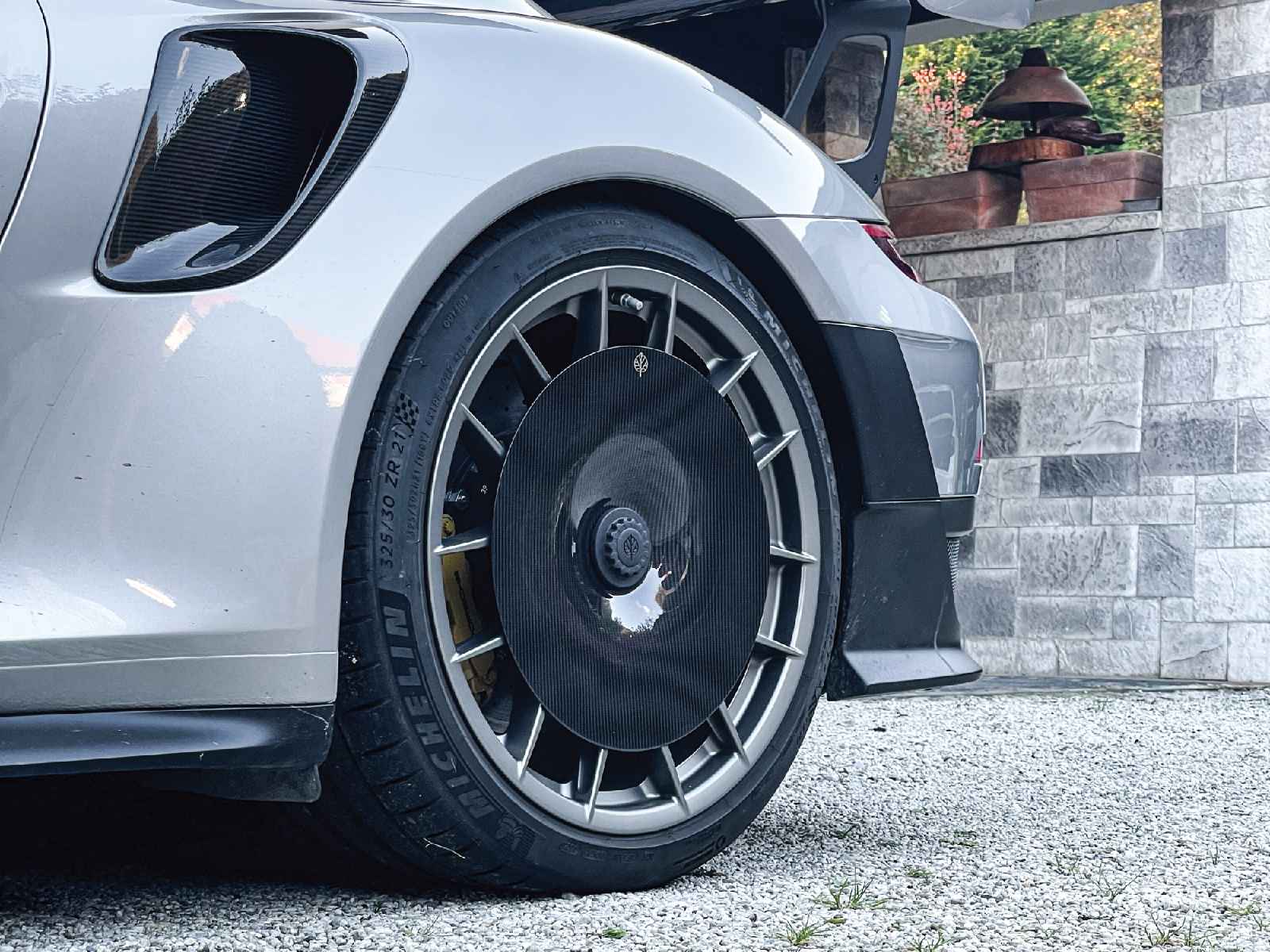
Carbon Fiber AERO DISC EVO set for Porsche 911 GT3
(991.2) - Aluminium wheels
Sold as a pair
Set of lightweight carbon fiber rear wheel covers for improved downforce.
Fits:
- Porsche 991.2 GT3 4.0L (500 Bhp) / GT3 RS 4.0L (520 Bhp) 2017-19
Aero discs play a crucial role in streamlining the airflow around the rear wheels, preventing turbulence that can adversely affect the efficiency of the rear wing.
Carbon fiber Aero discs are made with pre-preg carbon fiber, cured in autoclave. The set is fully reversible and requires no cutting or modifying of any original parts. It supports an OEM+ look, with stunning carbon fiber appearance in a variety of finishes, all providing great UV protection.
It is compatible with stock 991.2 GT3 - ALU wheels.
Choose between a matte and gloss carbon
fiber finish. Decals are offered in 4 basic colors: Black,
Red, Yellow and White, or you can opt for a completely bespoke
color. Please write the desired color in the Cart comment
section.
Installation Process
Installation of the Aero discs is straightforward and can be done
by any car enthusiast. It comes with detailed instructions to ensure a smooth
and hassle-free installation.
Each Aero Disc assembly consists of several components: the visible carbon fiber disc on the wheel face and the hidden mounting mechanism located between the aero disc and the center-lock nut.
To install the Aero Disc assembly:
- 1. Secure the hub and center-lock together
using the provided screw and washer.
- 2. Install the custom wheel cap to complete the assembly.



- Porsche 991.2 GT2 RS 3.8L PDK (700 bhp) 2018-19
Carbon Fiber AERO DISC EVO set for Porsche 911 991.2 GT2 RS with Magnesium wheels
Sold as a pair
Set of lightweight carbon fiber rear wheel covers for improved downforce.
Fits:
Porsche 991.2 GT2 RS - 2016 to 2019
Aero discs play a crucial role in streamlining the
airflow around the rear wheels, preventing turbulence that can adversely
affect the efficiency of the rear wing.
Carbon fiber Aero discs are made with pre-preg carbon fiber, cured in autoclave. The set is fully reversible and requires no cutting or modifying of any original parts. It supports an OEM+ look, with stunning carbon fiber appearance in a variety of finishes, all providing great UV protection.
It is compatible with stock 991.2 GT2 RS - MAG wheels
(Weissach).
Choose between a matte and gloss carbon fiber
finish. Decals are offered in 4 basic colors: Black, Silver,
Yellow and White, or you can opt for a completely bespoke color. Please
write the desired color in the Cart comment section.
The installation process of the Aero discs is straightforward and can be done by any car enthusiast. It comes with detailed instructions to ensure a smooth and hassle-free installation.
Each Aero Disc assembly consists of several components: the visible carbon fiber disc on the wheel face and the hidden mounting mechanism located between the aero disc and the center-lock nut.
To install the Aero Disc assembly:
1. Secure the hub and center-lock together
using the provided screw and washer.
2. Install the custom wheel cap to complete the assembly.
What Rear Wheel Aero Discs Do
Rear wheels create a large portion of aerodynamic drag due to their open-spoke structure. Aero disc systems seal this surface, smoothing airflow and reducing turbulence.
Primary Functions
- Reduce
drag caused by air buffeting through open spokes
- Improve
straight-line stability, especially at high speed
- Enhance the efficiency of rear diffusers and aero channels
- Create
a smoother, more predictable aero profile under load
- Provide a clean, motorsport-inspired visual finish
On the 991.2 GT2 RS, a vehicle capable of over 200mph and immense downforce, minimising rear-wheel drag improves both stability and efficiency.
Why You Should Fit Aero Disc EVO on a GT2 RS
Even with Porsche’s advanced aerodynamics, the rear wheel area remains a major turbulence generator. Gold Leaf’s Aero Disc EVO provides a functional and aesthetic improvement.
Key Benefits
- Reduced aerodynamic drag for improved efficiency
- Enhanced rear-end stability at high speed
- Lightweight, high-strength carbon fibre
- Perfect for track sessions, autobahn runs and spirited driving
- Reversible installation with no permanent changes
- Optional finishes to match the car’s motorsport tone
Construction & Finish Options
Premium Engineering
- Autoclave-cured pre-preg carbon fibre
- UV-resistant surface coating
- Ultra-lightweight for minimal impact on wheel balance
- Precisely formed for GT2 RS magnesium wheel compatibility
Available Finishes
- Gloss carbon fibre
- Matte carbon fibre
- Optional decals in Gold, Silver, Black, White or bespoke colours
- Custom
visual designs available on request
Advantages at a Glance

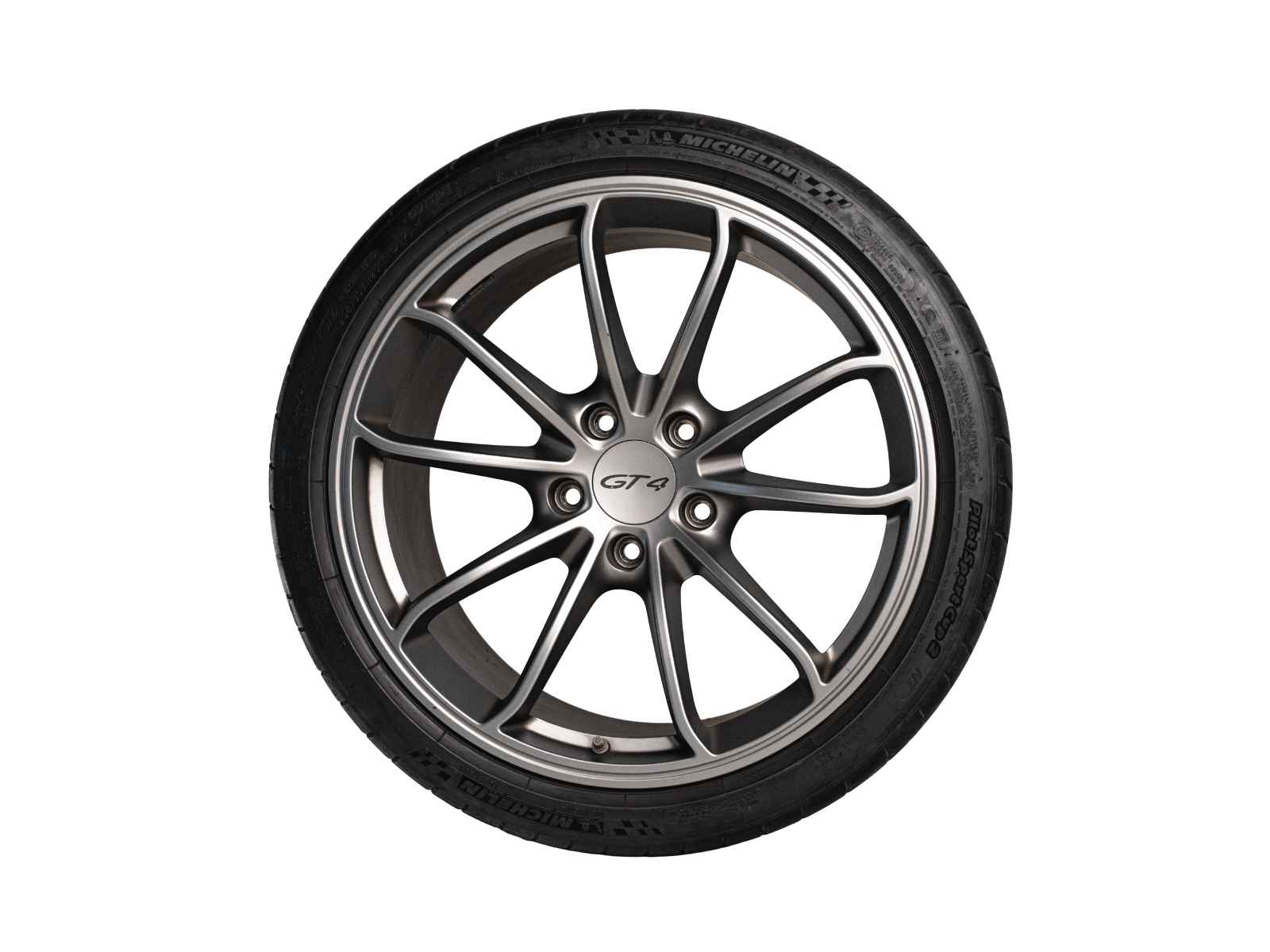
- Porsche Cayman GT4 3.8L 2015-16
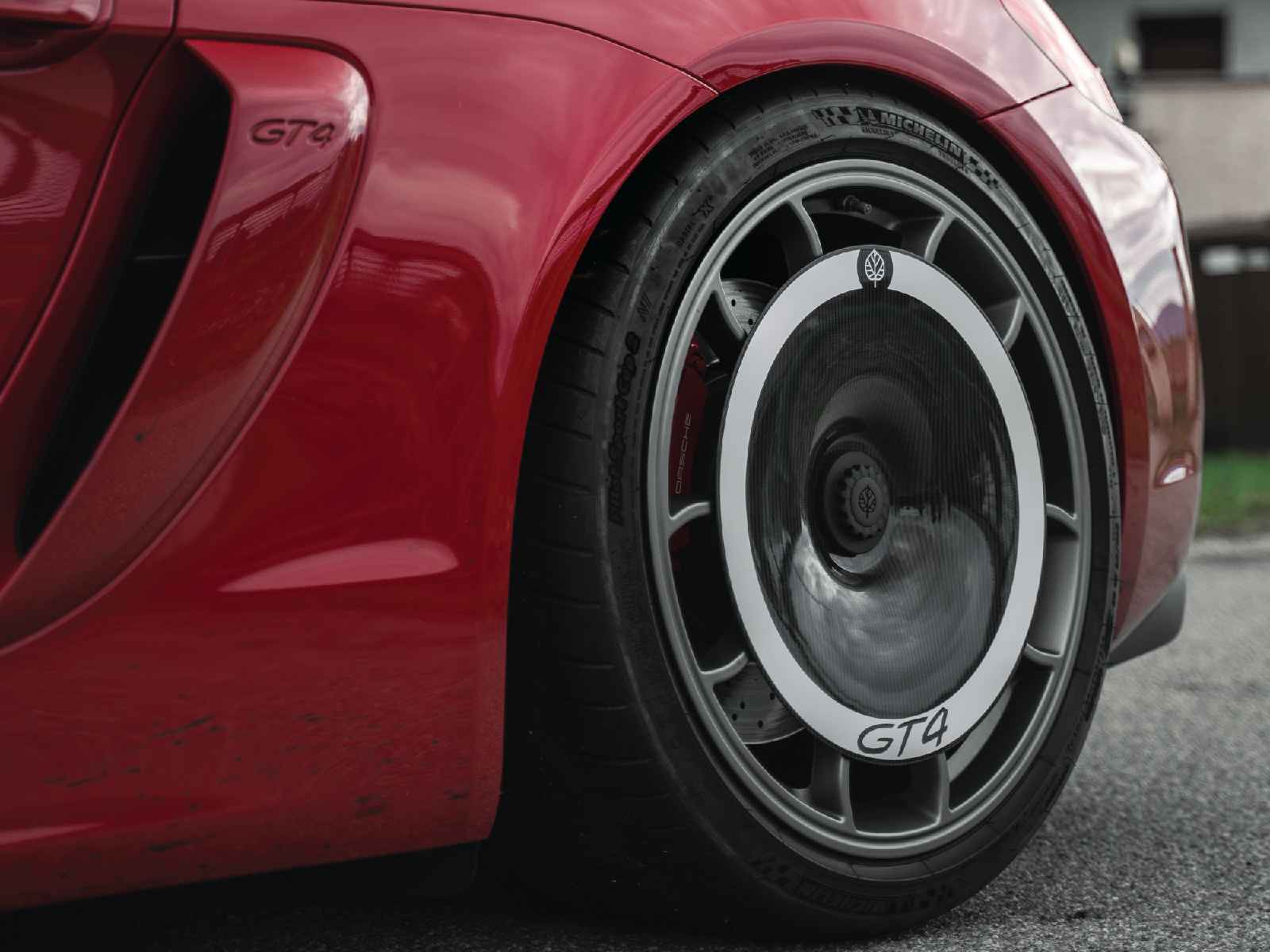
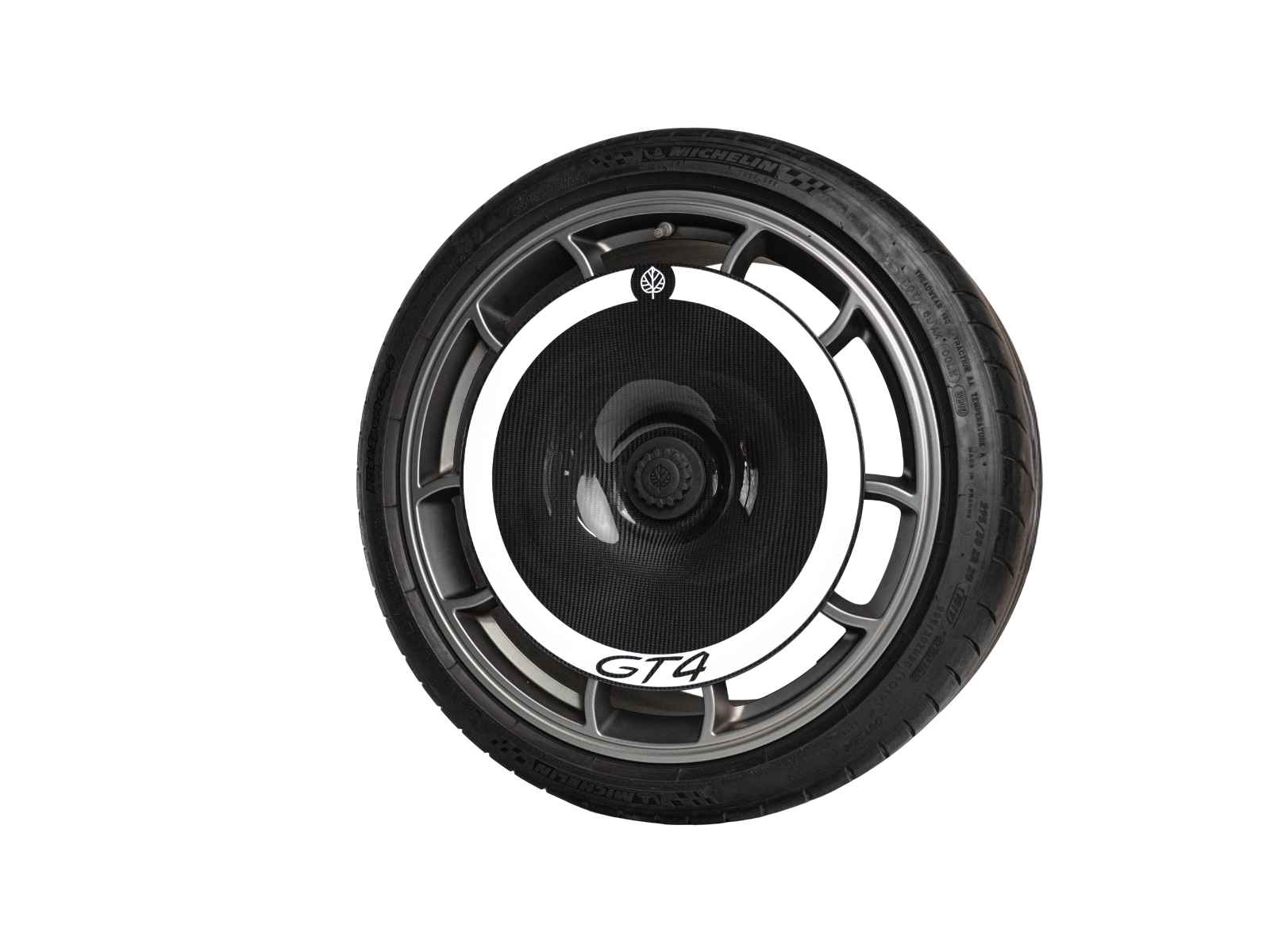
Porsche Cayman GT4 (981) - ALU wheels – Sold as pair
Set of lightweight carbon fiber rear wheel covers for improved downforce.
Fits:
- Porsche Cayman GT4 3.8L 2015-16
Aero discs play a crucial role in streamlining the airflow around the rear wheels, preventing turbulence that can adversely affect the efficiency of the rear wing.
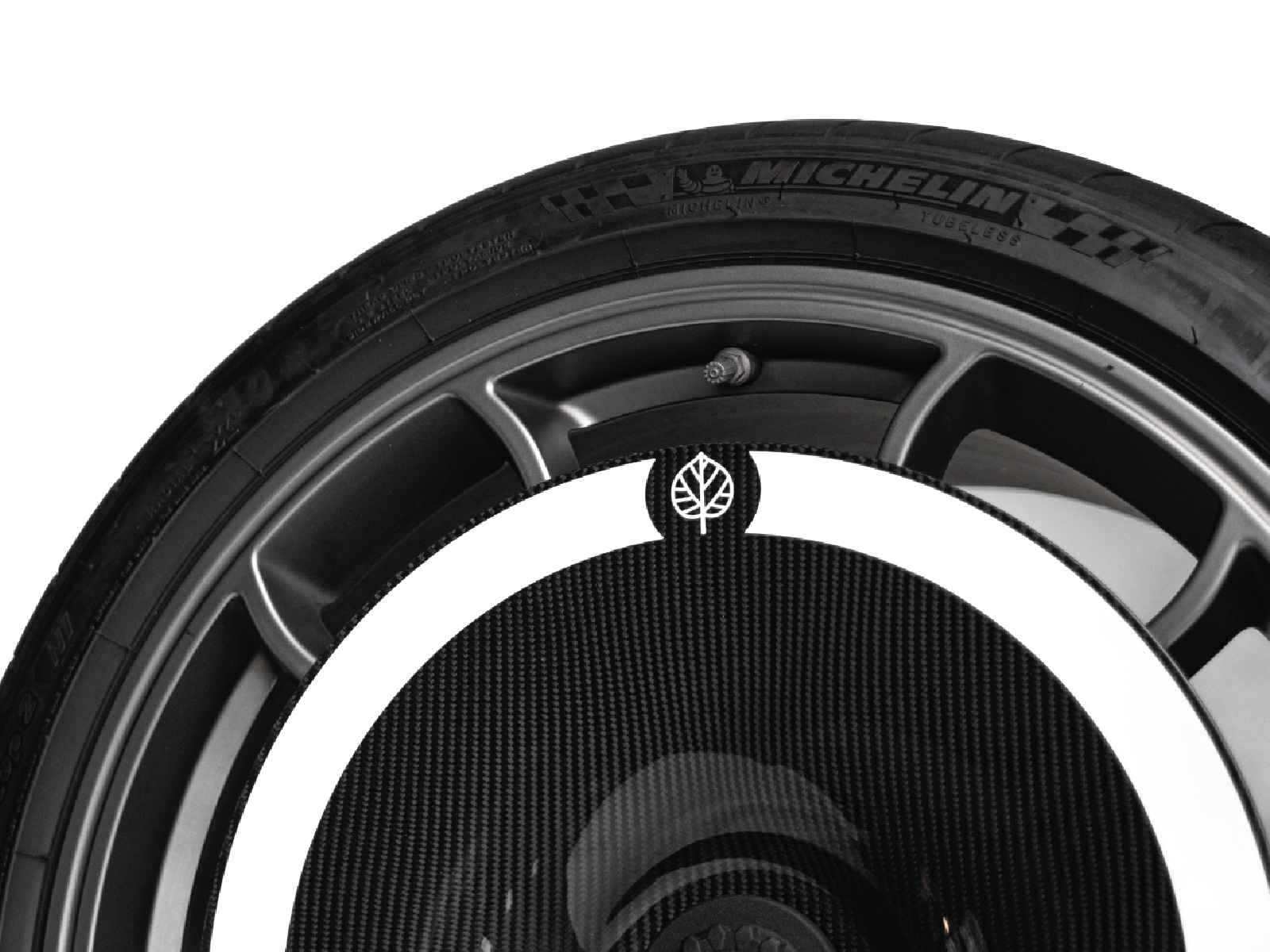
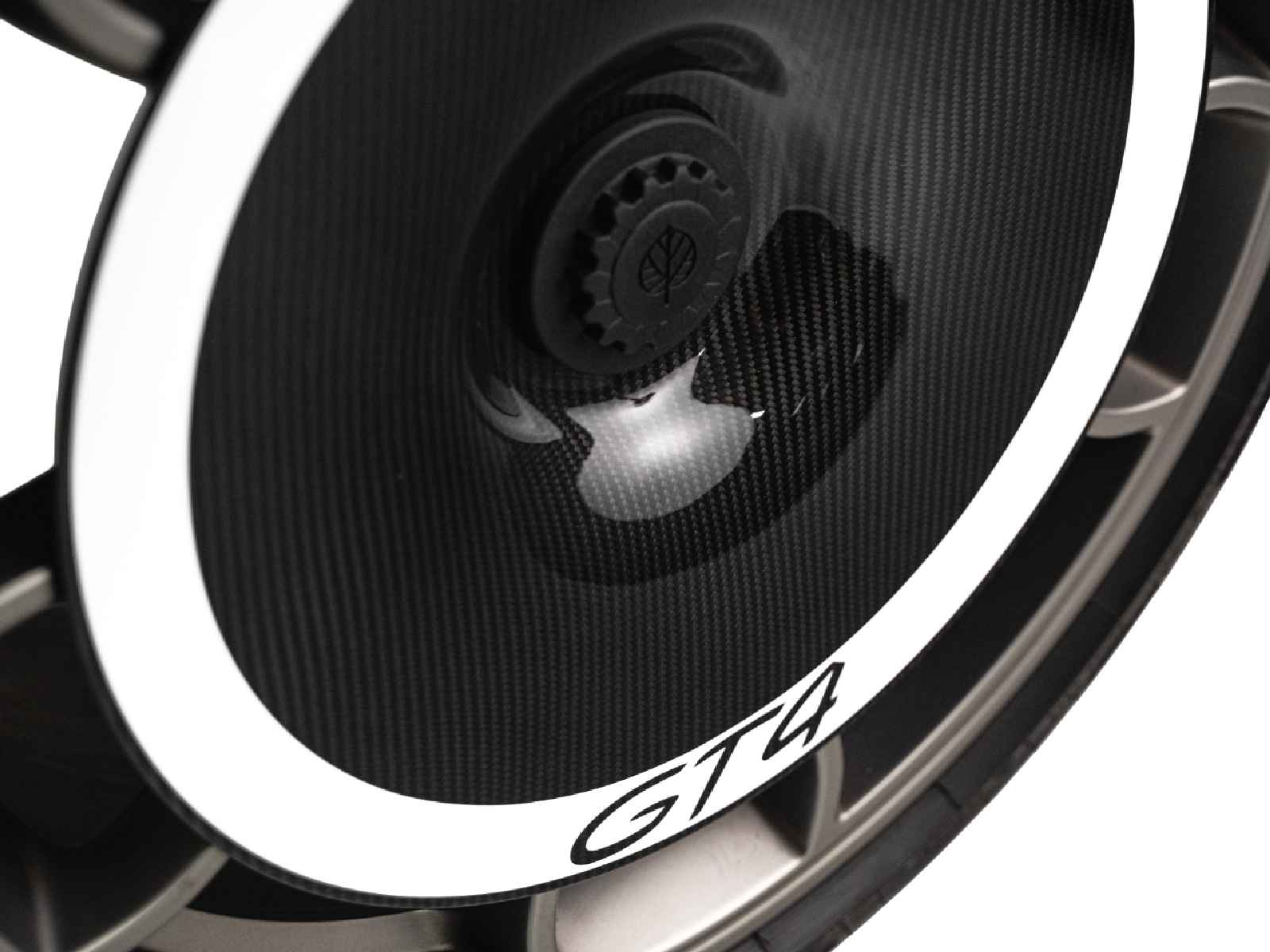
Carbon fiber Aero discs are made with pre-preg carbon fiber, cured in autoclave. The set is fully reversible and requires no cutting or modifying of any original parts. It supports an OEM+ look, with stunning carbon fiber appearance in a variety of finishes, all providing great UV protection.
It is compatible with stock 981 GT4 - ALU wheels.
Choose between a matte and gloss carbon fiber finish. Decals are
offered in 4 basic colors: Black, Red, Yellow and White, or
you can opt for a completely bespoke color. Please write the
desired color in the Cart comment section.
The design can also be changed to any other design or deleted.
Installation Process
The installation process of the Aero discs is straightforward and can be done
by any car enthusiast. It comes with detailed instructions to ensure a smooth
and hassle-free installation.
Each Aero Disc assembly consists of several components: the visible carbon fiber disc on the wheel face and the hidden mounting mechanism located within the central wheel opening.
To install the Aero Disc assembly:
1. Insert the base from the back of the
wheel into the central wheel opening.
2. Fit the centering ring from the front of the wheel into the
wheel cap recess.
3. Secure the base and hub together using the provided nut and
washer.
4. Install the custom wheel cap to complete the assembly.
What Rear Wheel Aero Discs Do
Rear wheel aero discs are used in motorsport and high-performance applications to reduce turbulence generated by open wheel spokes.
Core Functional Benefits
- Reduce
aerodynamic drag around the rear wheels
- Improve
high-speed stability by smoothing airflow
- Increase
aerodynamic efficiency, especially on fast straights
- Support better flow toward the diffuser and rear wing
- Provide a sleek, flush carbon fibre appearance
- Enhance the GT4’s already effective downforce platform
On a mid-engine Porsche like the 981 Cayman GT4—where aerodynamic precision is crucial—rear aero discs help stabilise the car at speed and improve overall aero balance.
Why You Should Fit Aero Disc EVO on a 981 Cayman GT4
The GT4’s exposed wheel design creates drag and airflow disruption. These aero discs solve that problem while adding an unmistakable motorsport look.
Key Benefits
- Drag reduction for
better efficiency and higher-speed stability
- Enhanced rear-end predictability during fast direction changes
- Lightweight carbon fibre construction for minimal rotational impact
- Reversible installation with no cutting or permanent alterations
- Customisable finish and decal options
Construction, Finish & Features
Premium Manufacturing
Pre-preg carbon fibre Autoclave-cured for maximum strength UV-protected to prevent fading Ultra-light for minimal effect on wheel balance
Finish Options
Matte
carbon
Gloss
carbon
Vinyl
accents in Black, Silver, White, Gold, or fully bespoke colours
Customisable
design or clean disc look
Advantages at a Glance
- Optimised aerodynamics for Porsche 981 Cayman GT4
- Fits aluminium wheels
- High-quality carbon fibre construction
- Drag reduction + improved airflow efficiency
- Motorsport styling upgrade
- Easy, reversible installation
- Custom finishing options
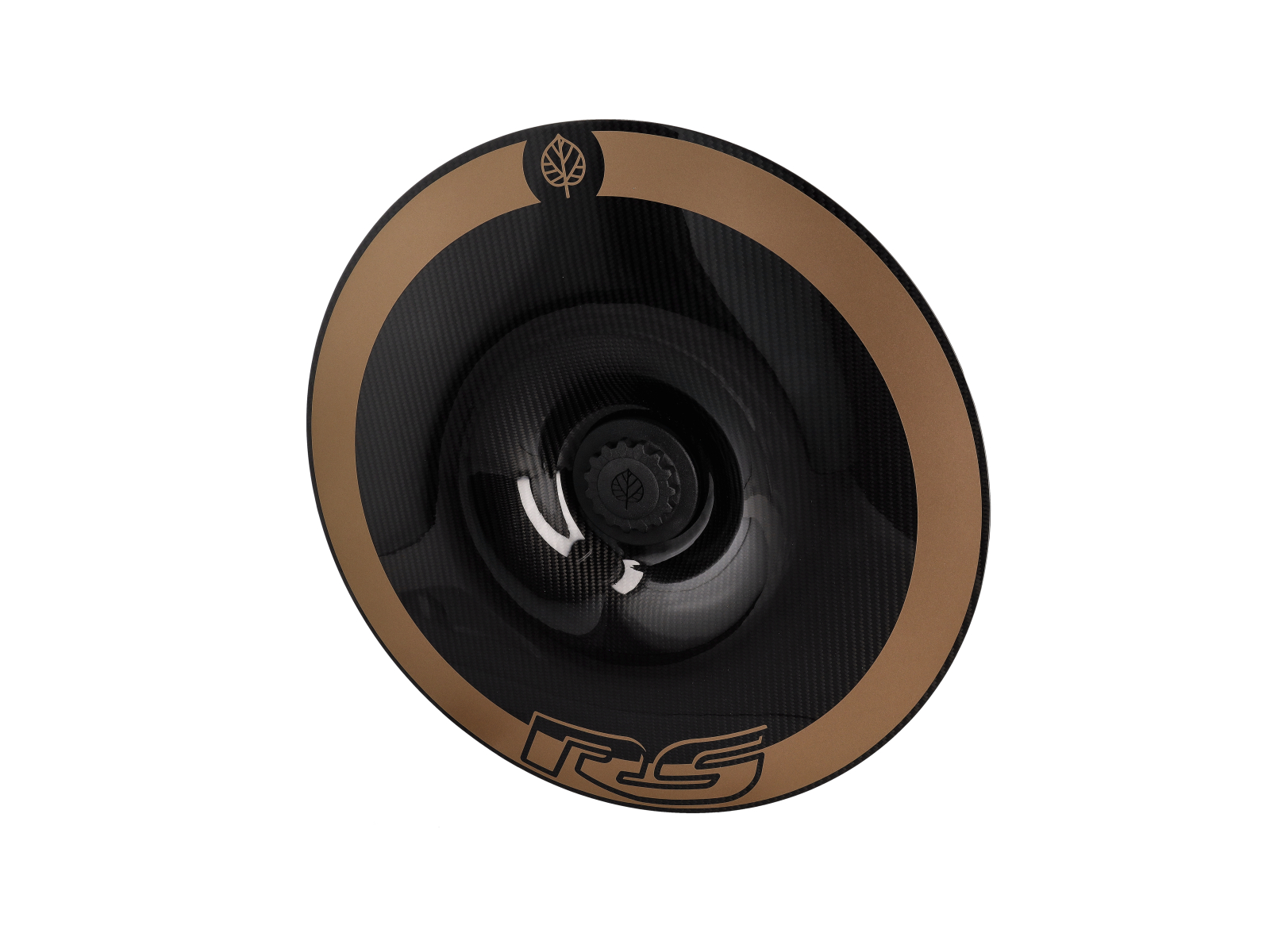
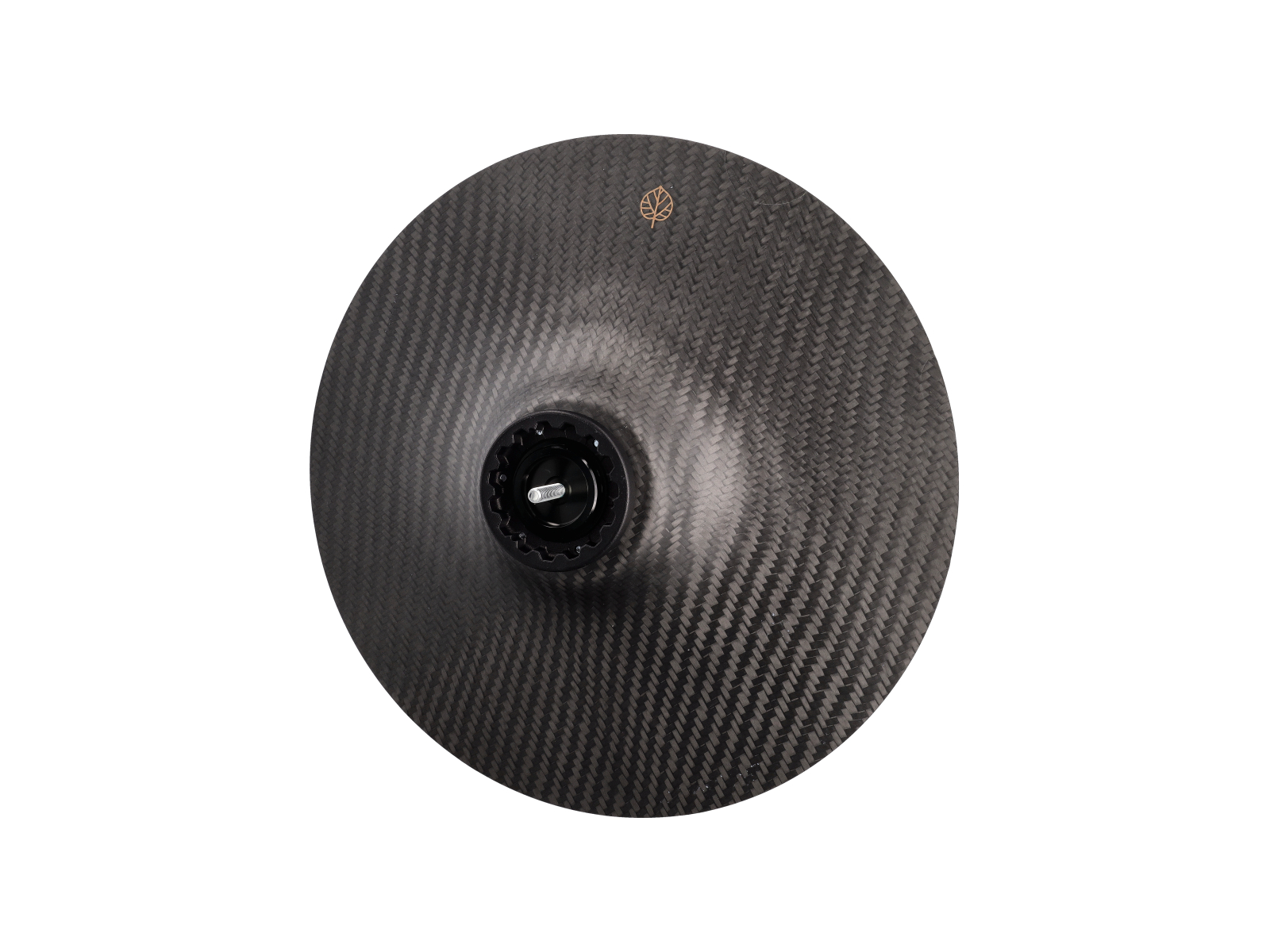
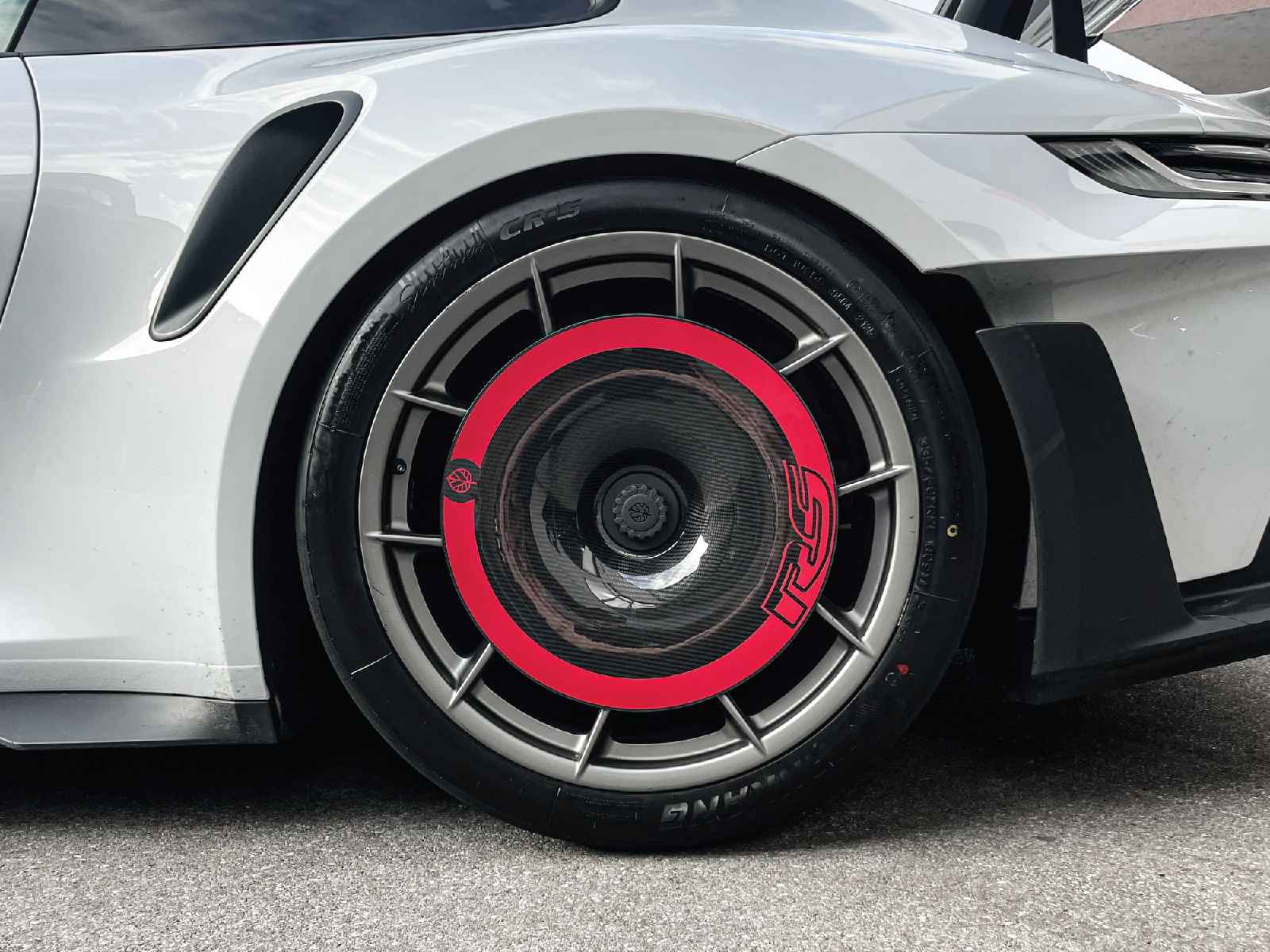
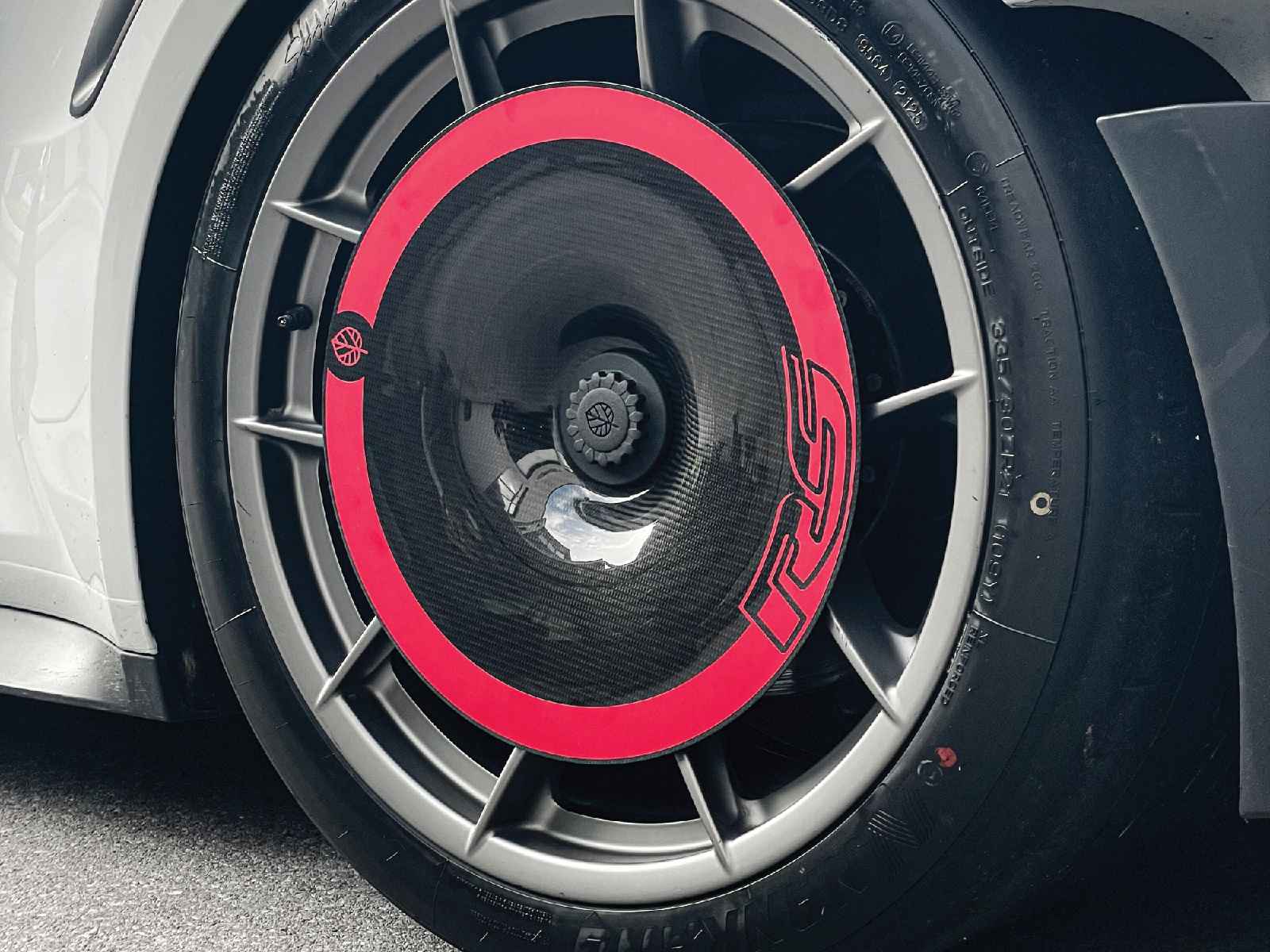
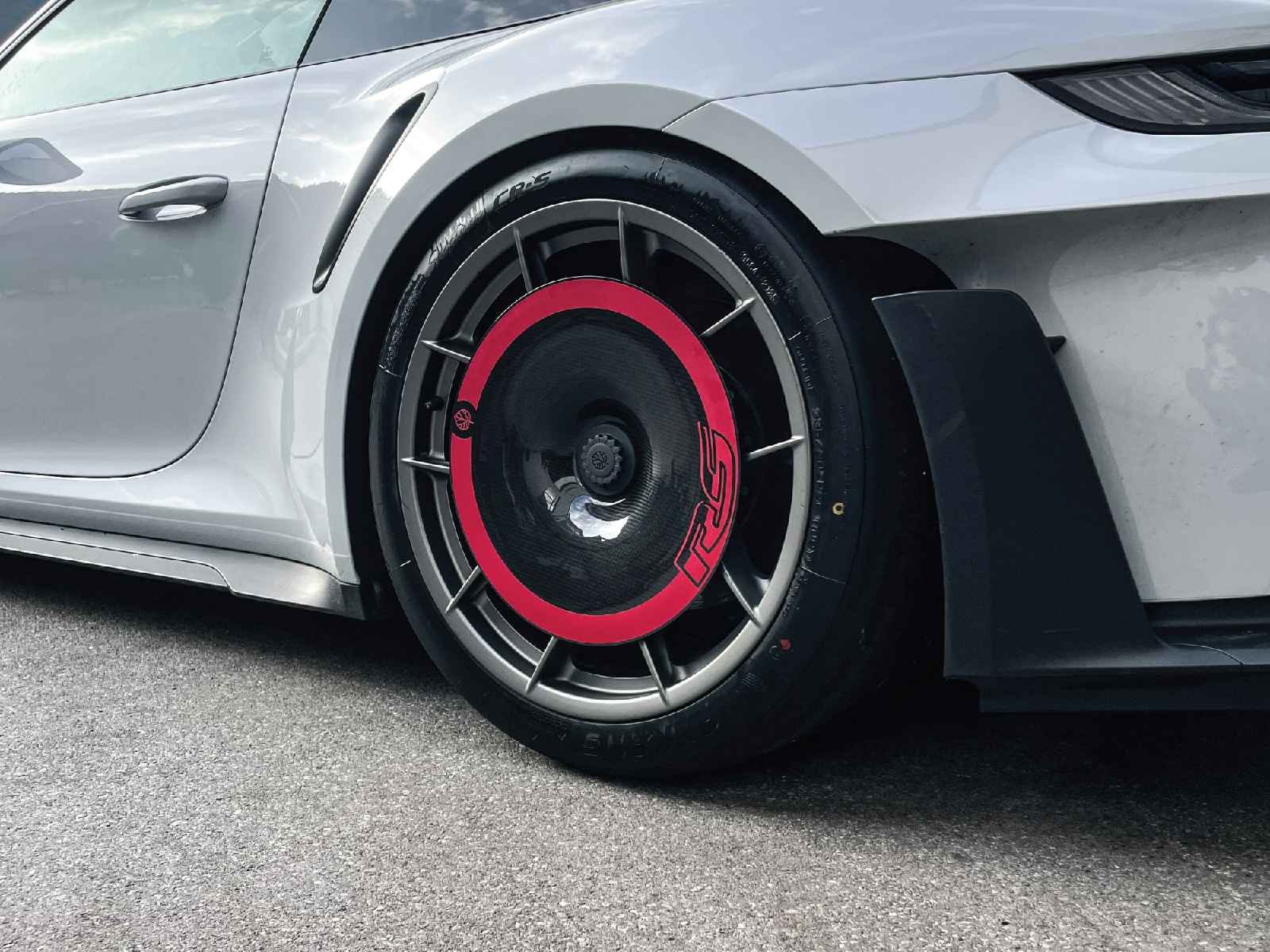
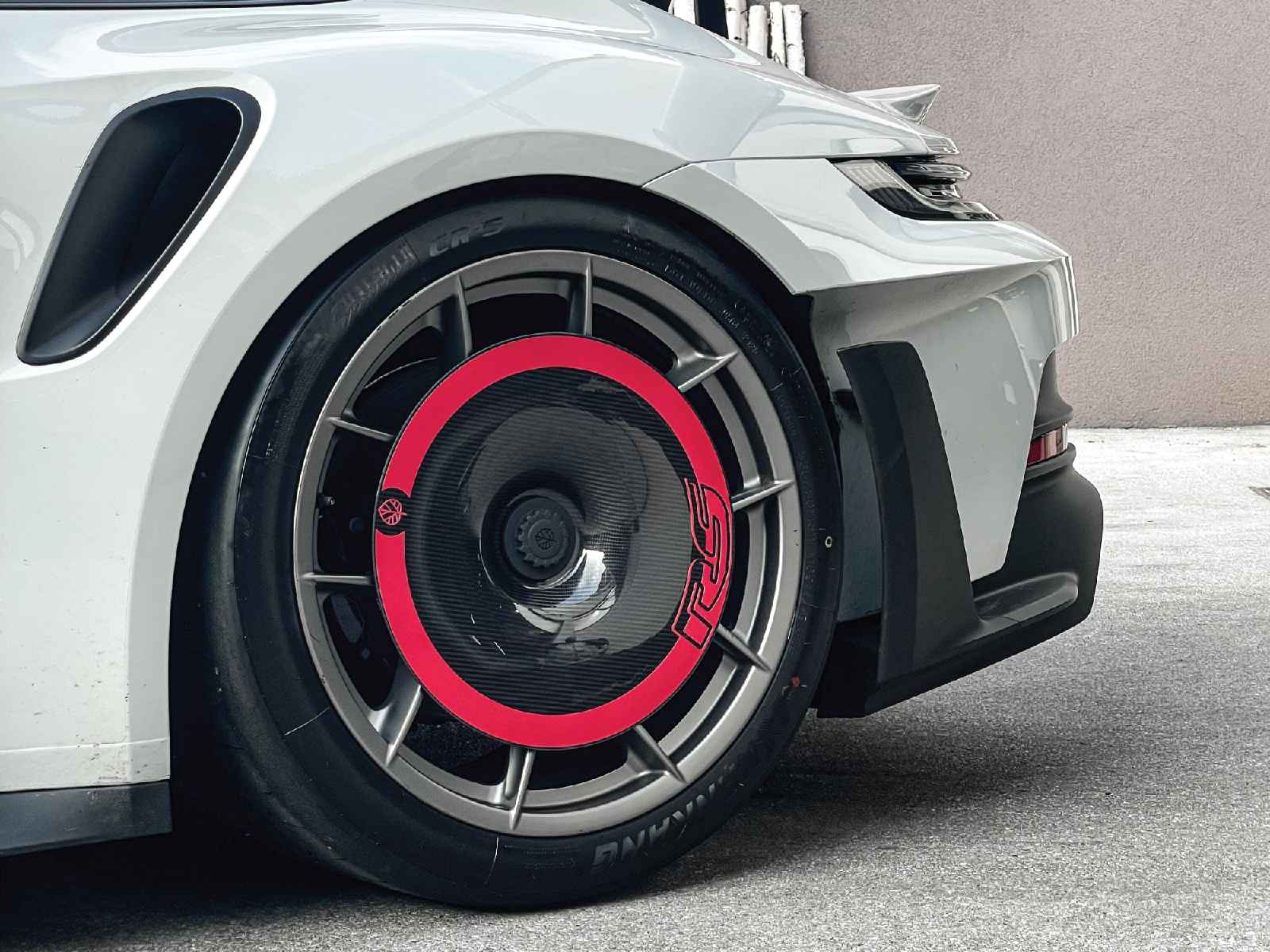

- Porsche 992.1 GT3 RS 4.0L 2022-24
Carbon Fiber AERO DISC EVO set for Porsche 911 GT3 RS
(992.1) - MAG wheels
Sold as a pair
Set of lightweight carbon fiber rear wheel covers for
improved downforce.
Aero discs play a crucial role in streamlining the
airflow around the rear wheels, preventing turbulence that can
adversely affect the efficiency of the rear wing.
Fits:
Fits Optional Magnesium wheels only
Carbon fiber Aero discs are made with pre-preg carbon fiber, cured in autoclave. The set is fully reversible and requires no cutting or modifying of any original parts. It supports an OEM+ look, with stunning carbon fiber appearance in a variety of finishes, all providing great UV protection.
It is compatible with stock 992.1 GT3 RS - MAG
wheels.
Choose between a matte and gloss carbon
fiber finish. Decals are offered in 5 basic colors: Black,
Red, Blue, Gold and White, or you can opt for a completely bespoke
color. Please write the desired color in the Cart comment
section.
Installation Process
The installation process of the Aero discs is straightforward and can be done
by any car enthusiast. It comes with detailed instructions to ensure a smooth
and hassle-free installation.
Each Aero Disc assembly consists of several components: the visible carbon fiber disc on the wheel face and the hidden mounting mechanism located between the aero disc and the center-lock nut.
To install the Aero Disc assembly:
1. Secure the hub and center-lock together
using the provided screw and washer.
2. Install the custom wheel cap to complete the assembly.
What Rear Wheel Aero Discs Do
Rear wheel aero discs streamline airflow over the open structure of the wheel, a known source of aerodynamic turbulence on high-performance cars.
Their Key Functions
- Reduce
drag created by airflow disruption around the wheel
- Increase
high-speed stability by smoothing the rear aero profile
- Improve
aerodynamic efficiency, ideal for track use
- Maintain consistent airflow toward the rear diffuser and wing
- Add a race-inspired carbon fibre aesthetic
On a track machine like the 991.2 GT3 RS—even with magnesium wheels designed for reduced weight—rear aero turbulence can limit efficiency. Aero Disc EVO mitigates this problem while adding an aggressive, functional visual upgrade.
Why You Should Fit Aero Disc EVO to Your GT3 RS
Designed for both performance and style, this modification enhances the GT3 RS’s already impressive aerodynamic platform.
Key Benefits
- Improved aero efficiency and airflow management
- Reduced drag, essential for track sessions and high-speed runs
- More stable rear-end behaviour at high speeds
- Ultra-lightweight carbon fibre construction
- Motorsport-inspired appearance that complements magnesium wheels
- Fully reversible installation with no cutting or permanent alteration
Construction & Finish
Premium Carbon Fibre Engineering
Made from pre-preg carbon fibre Autoclave-cured for maximum strength UV-protected surface for long life Available in gloss or matte carbon finishes Optional decals in black, silver, gold, white, or custom colours Design can be customised or deleted for a clean look



.jpg)
.jpg)
- Porsche 9J1.1 Taycan 4 Cross Turismo 2020-24
- Porsche 9J1.1 Taycan 4S Cross Turismo 2020-24
- Porsche 9J1.1 Taycan Turbo Cross Turismo 2020-24
- Porsche 9J1.1 Taycan Turbo S Cross Turismo 2020-24
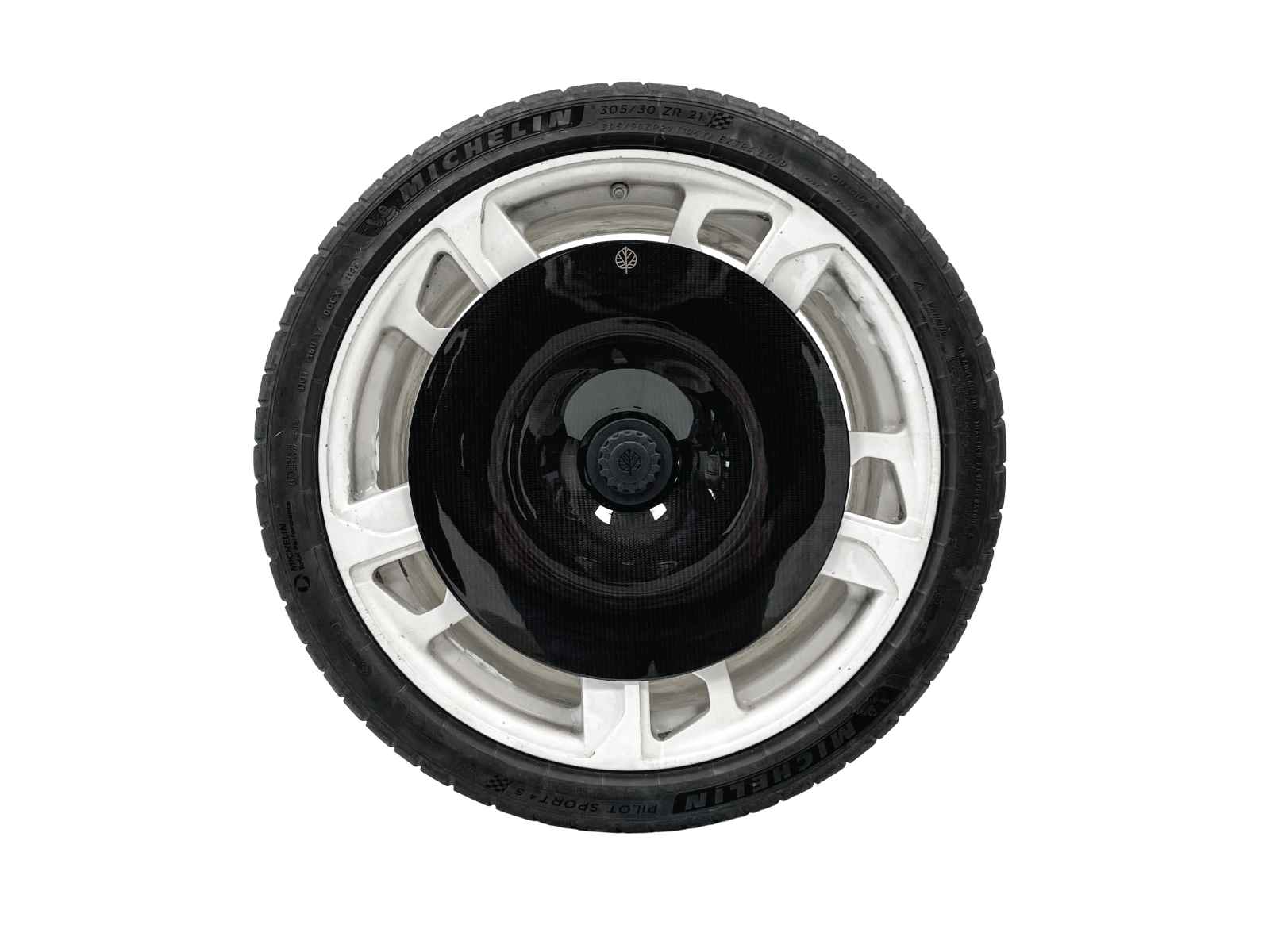
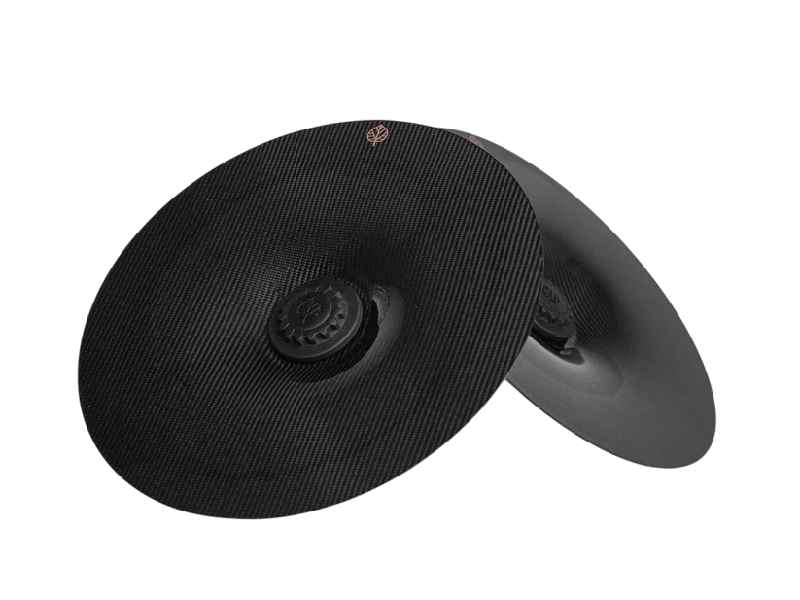
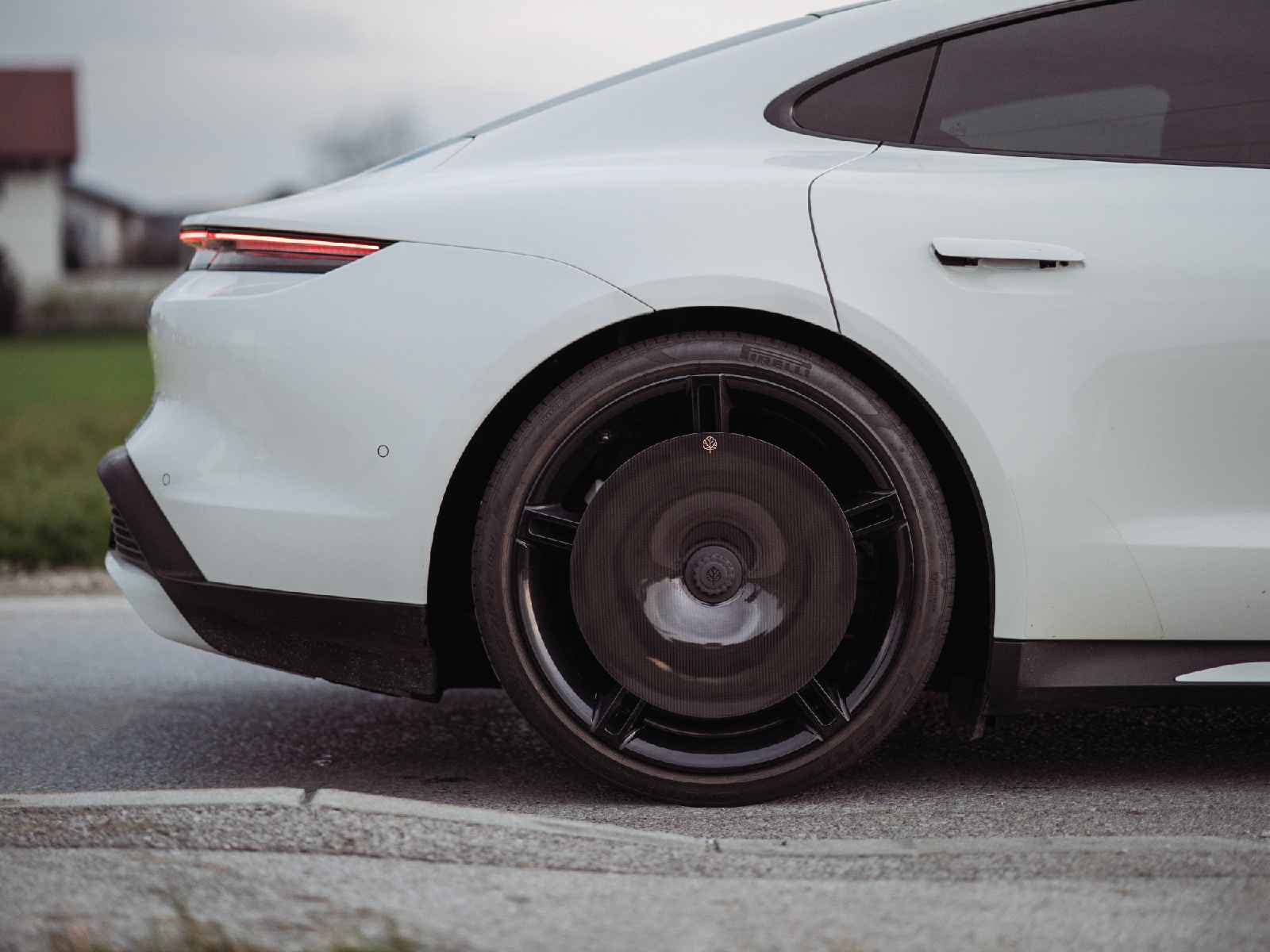
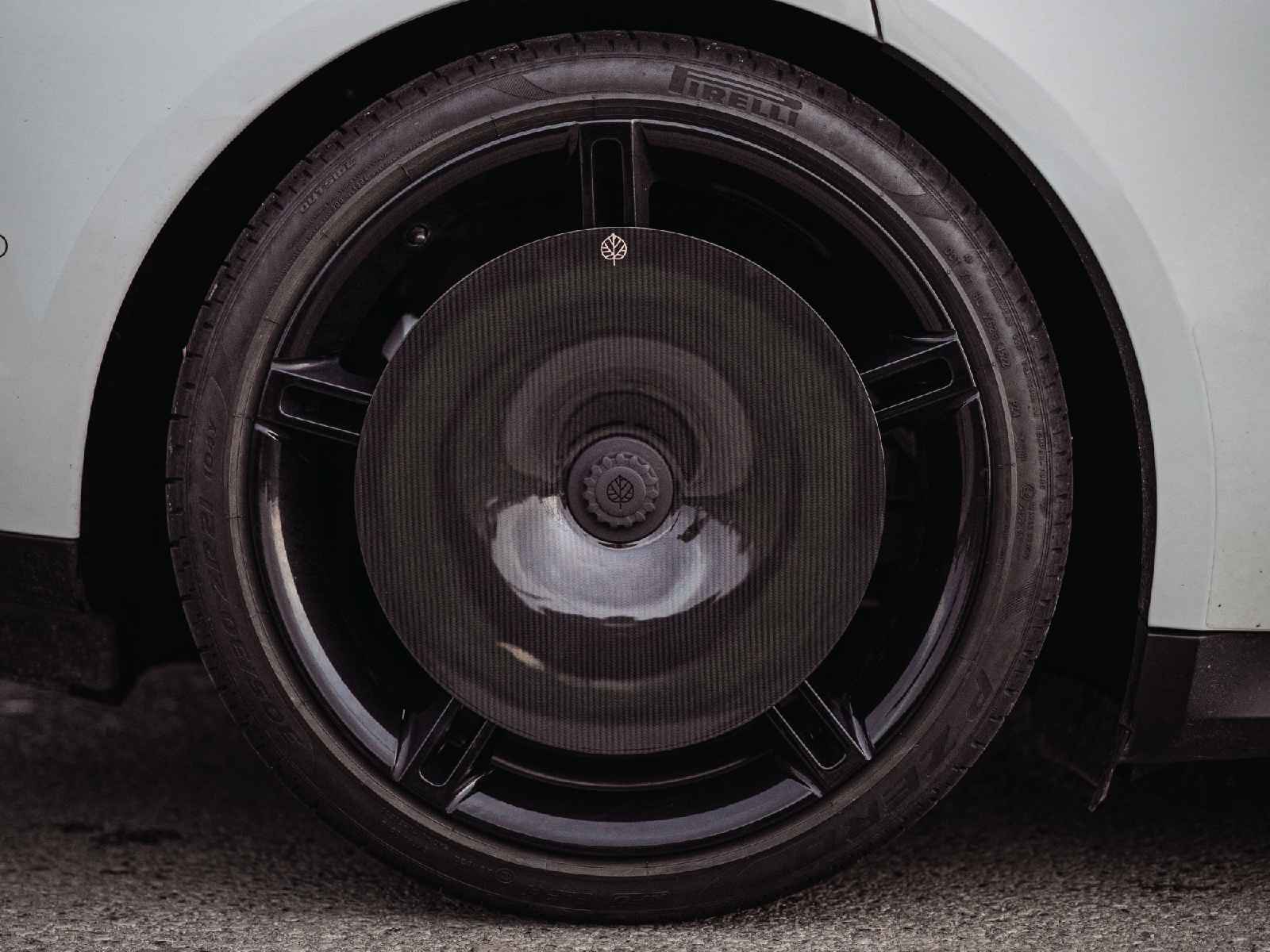
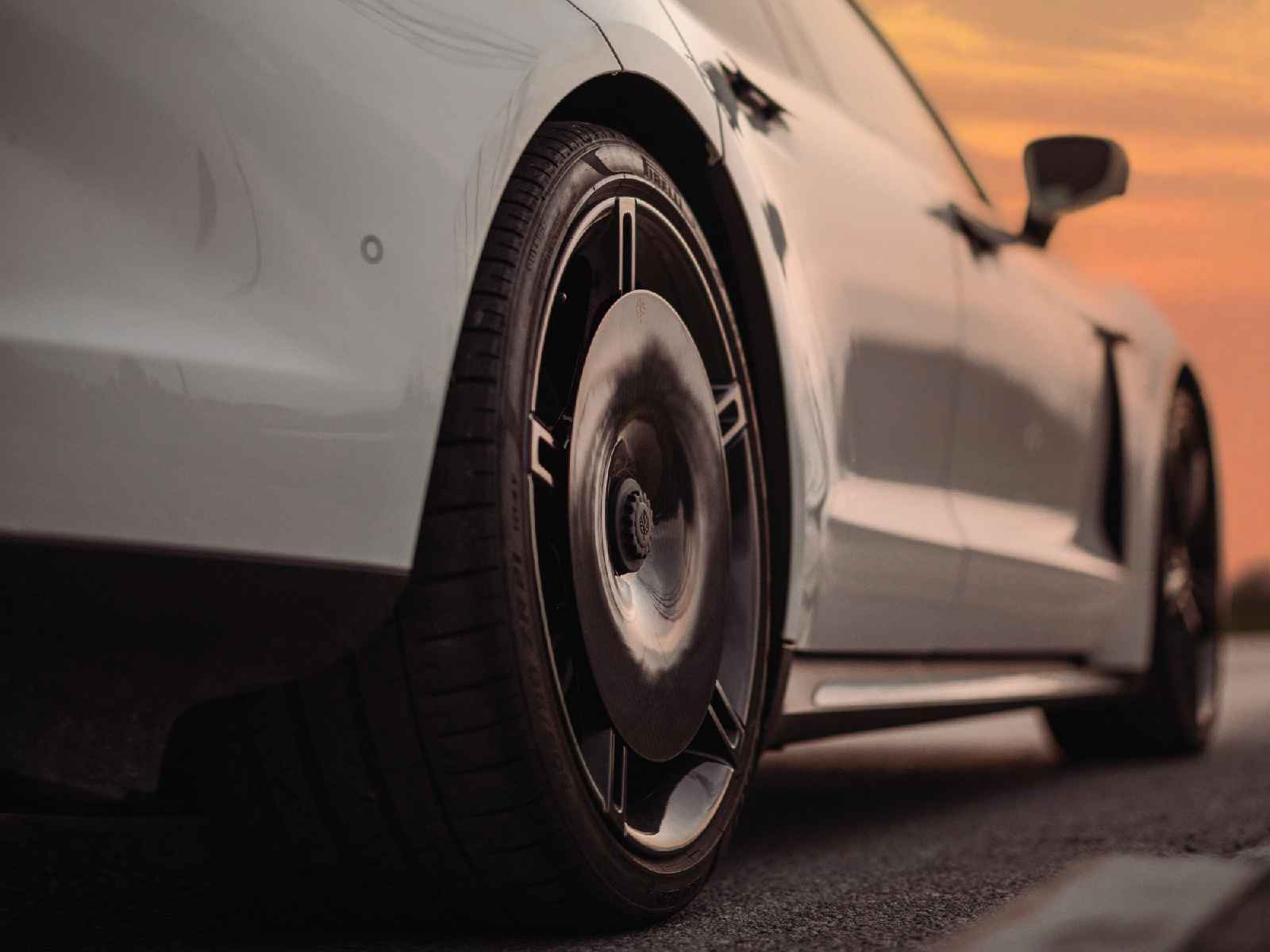
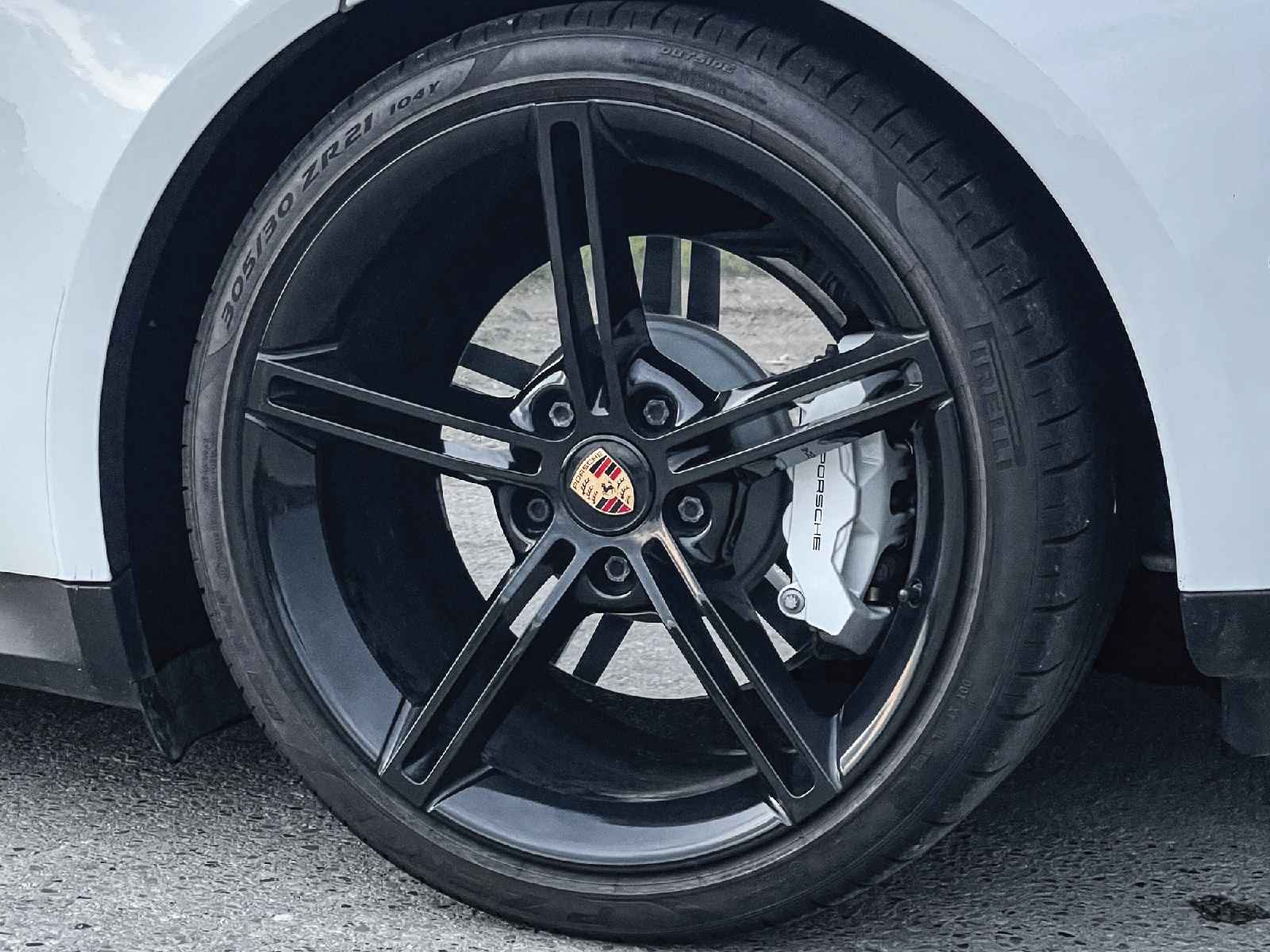
Carbon Fiber AERO DISC EVO set for Porsche Taycan Cross Turismo - ALU wheels
Set of lightweight carbon fiber rear wheel covers for improved drag coefficient. Aero discs play a crucial role in streamlining the airflow around the rear wheels, preventing turbulence and drag.
Fits:
- Porsche 9J1.1 Taycan 4 Cross Turismo 2020-24
- Porsche 9J1.1 Taycan 4S Cross Turismo 2020-24
- Porsche 9J1.1 Taycan Turbo Cross Turismo 2020-24
- Porsche 9J1.1 Taycan Turbo S Cross Turismo 2020-24
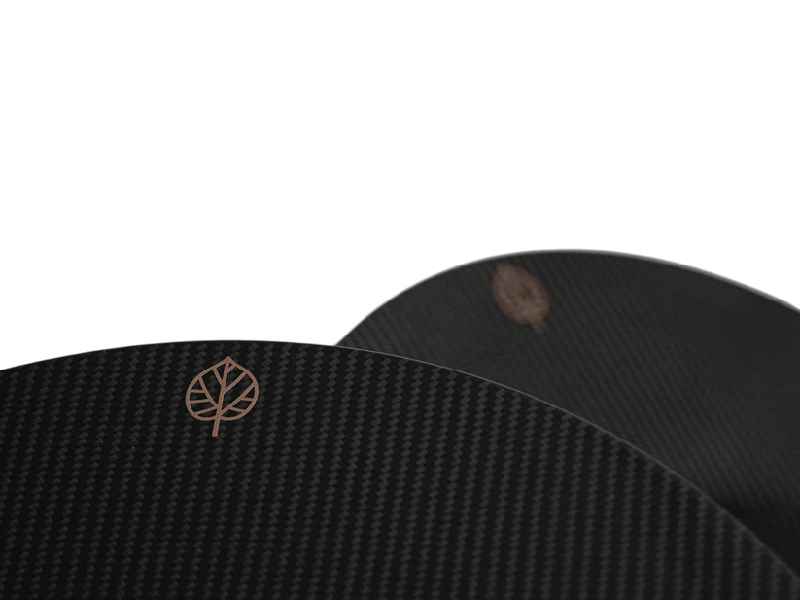
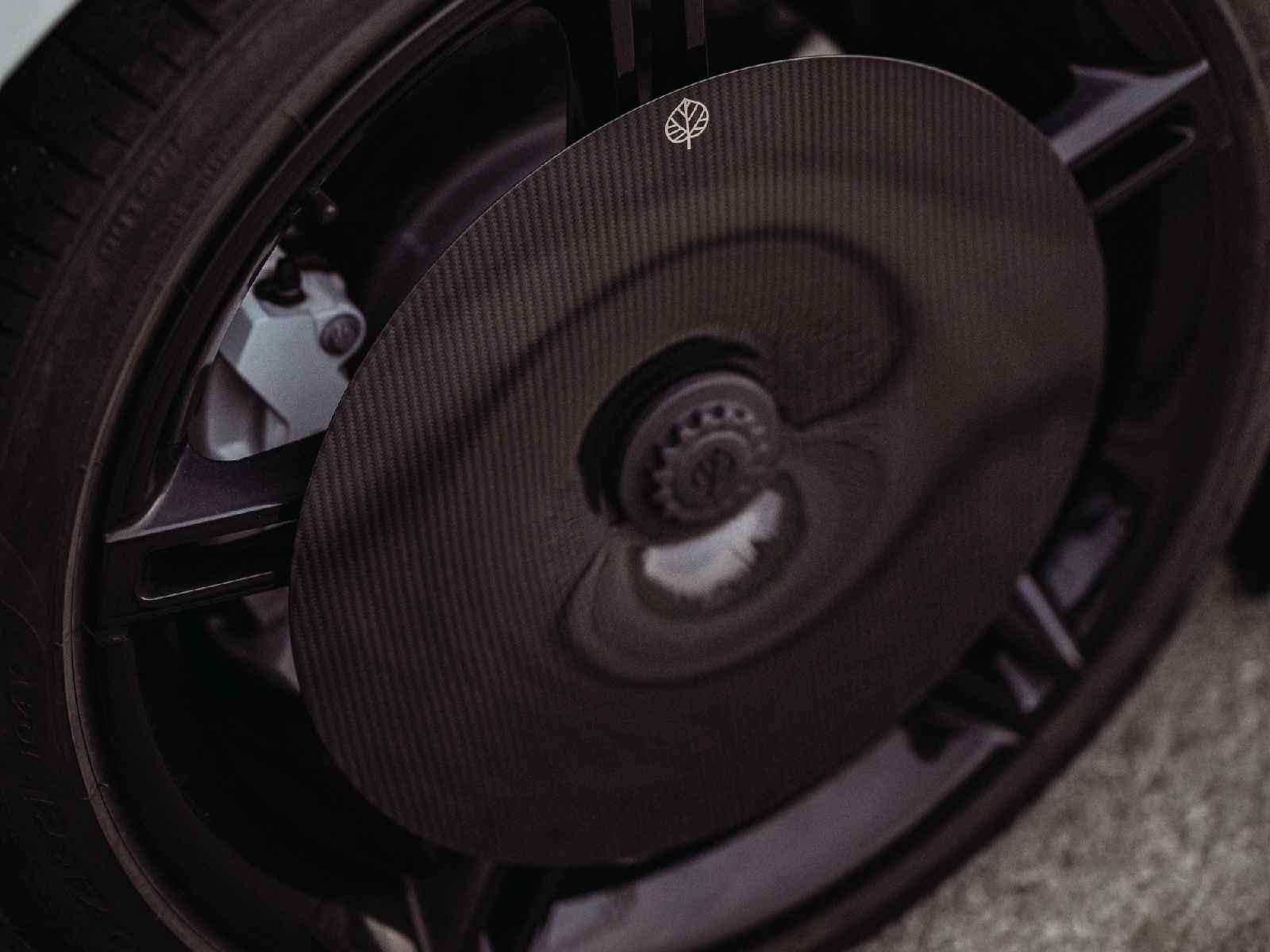
Carbon fiber Aero discs are made with pre-preg carbon fiber, cured in autoclave. The set is fully reversible and requires no cutting or modifying of any original parts. It supports an OEM+ look, with stunning carbon fiber appearance in a variety of finishes, all providing great UV protection.
It is compatible with Taycan Cross Turismo models- ALU wheels.
Choose between a matte and gloss carbon
fiber finish. Decals are offered in 4 basic colors: Black,
Silver, Gold and White
Installation Process
The installation process of the Aero discs is straightforward and can be done
by any car enthusiast. It comes with detailed instructions to ensure a smooth
and hassle-free installation.
Each Aero Disc assembly consists of several components: the visible carbon fiber disc on the wheel face and the hidden mounting mechanism located within the central wheel opening.
To install the Aero Disc assembly:
1. Insert the base from the back of the
wheel into the central wheel opening.
2. Fit the centering ring from the front of the wheel into the
wheel cap recess.
3. Secure the base and hub together using the provided nut and
washer.
4. Install the custom wheel cap to complete the assembly.
What Rear Wheel Aero Discs Do
Rear aero discs smooth the open spoke surfaces of the wheel to reduce airflow disruption. This modification is commonly used in motorsport, hypercars and EV efficiency development.
Primary Technical Functions
- Reduce
aerodynamic drag caused by wheel turbulence
- Improve
airflow stability along the vehicle’s side profile
- Enhance EV efficiency and potential range
- Stabilise the rear end at higher speeds
- Provide
a flush, streamlined wheel face that reduces turbulence
- Add a distinctive carbon fibre motorsport aesthetic
For EVs like the Taycan, reducing drag directly contributes to improved efficiency and reduces energy consumption at cruising speeds.
Why You Should Fit Aero Disc EVO to Your Taycan Cross Turismo
Upgrading to carbon aero discs provides performance, efficiency and style benefits.
Key Benefits
- Improved aerodynamic efficiency
resulting in reduced drag
- Enhanced range potential on extended
drives
- Reduced rear-axle turbulence, offering
smoother high-speed stability
- Lightweight carbon fibre construction
with long-lasting UV-protected finish
- Completely reversible installation with
no cutting or permanent change
- Porsche 9J1.1 Taycan 2020-24
- Porsche 9J1.1 Taycan Sport Turismo 2020-24
- Porsche 9J1.1 Taycan 4S 2020-24
- Porsche 9J1.1 Taycan 4S Sport Turismo 2020-24
- Porsche 9J1.1 Taycan GTS 2020-24
- Porsche 9J1.1 Taycan GTS Sport Turismo 2020-24
- Porsche 9J1.1 Taycan Turbo 2020-24
- Porsche 9J1.1 Taycan Turbo S 2020-24
- Porsche 9J1.1 Taycan Turbo S Sport Turismo 2020-24
Carbon Fiber AERO DISC EVO set for Porsche Taycan - ALU wheels
Set of lightweight carbon fiber rear wheel covers for improved drag coefficient. Aero discs play a crucial role in streamlining the airflow around the rear wheels, preventing turbulence and drag.
Fits:
- Porsche 9J1.1 Taycan 2020-24
- Porsche 9J1.1 Taycan Sport Turismo 2020-24
- Porsche 9J1.1 Taycan 4S 2020-24
- Porsche 9J1.1 Taycan 4S Sport Turismo 2020-24
- Porsche 9J1.1 Taycan GTS 2020-24
- Porsche 9J1.1 Taycan GTS Sport Turismo 2020-24
- Porsche 9J1.1 Taycan Turbo 2020-24
- Porsche 9J1.1 Taycan Turbo S 2020-24
- Porsche 9J1.1 Taycan Turbo S Sport Turismo 2020-24
Carbon fiber Aero discs are made with pre-preg carbon fiber, cured in autoclave. The set is fully reversible and requires no cutting or modifying of any original parts. It supports an OEM+ look, with stunning carbon fiber appearance in a variety of finishes, all providing great UV protection.
It is compatible with stock Taycan - ALU wheels.
Choose between a matte and gloss carbon
fiber finish. Decals are offered in 4 basic colors: Black,
Silver, Gold and White
Installation Process
The installation process of the Aero discs is straightforward and can be done
by any car enthusiast. It comes with detailed instructions to ensure a smooth
and hassle-free installation.
Each Aero Disc assembly consists of several components: the visible carbon fiber disc on the wheel face and the hidden mounting mechanism located within the central wheel opening.
To install the Aero Disc assembly:
1. Insert the base from the back of the
wheel into the central wheel opening.
2. Fit the centering ring from the front of the wheel into the
wheel cap recess.
3. Secure the base and hub together using the provided nut and
washer.
4. Install the custom wheel cap to complete the assembly.
What Rear Wheel Aero Discs Do
Rear aero discs smooth the open spoke surfaces of the wheel to reduce airflow disruption. This modification is commonly used in motorsport, hypercars and EV efficiency development.
Primary Technical Functions
- Reduce
aerodynamic drag caused by wheel turbulence
- Improve
airflow stability along the vehicle’s side profile
- Enhance EV efficiency and potential range
- Stabilise the rear end at higher speeds
- Provide
a flush, streamlined wheel face that reduces turbulence
- Add a distinctive carbon fibre motorsport aesthetic
For EVs like the Taycan, reducing drag directly contributes to improved efficiency and reduces energy consumption at cruising speeds.
Why You Should Fit Aero Disc EVO to Your Taycan
Upgrading to carbon aero discs provides performance, efficiency and style benefits.
Key Benefits
- Improved aerodynamic efficiency
resulting in reduced drag
- Enhanced range potential on extended
drives
- Reduced rear-axle turbulence, offering
smoother high-speed stability
- Lightweight carbon fibre construction
with long-lasting UV-protected finish
- Completely reversible installation with
no cutting or permanent change


- Porsche Cayman GT4 718 4.0L / GT4 RS 718 4.0L
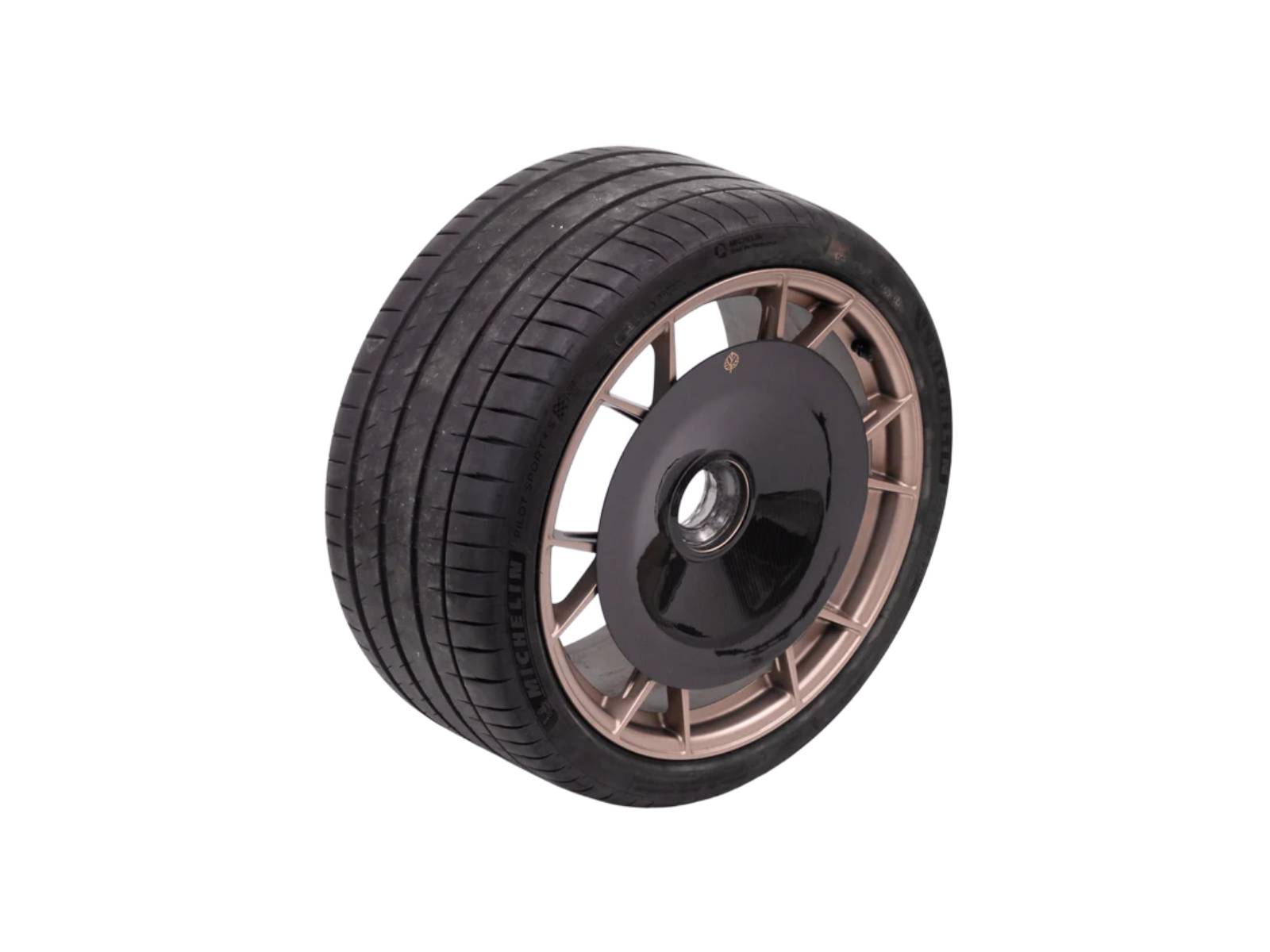
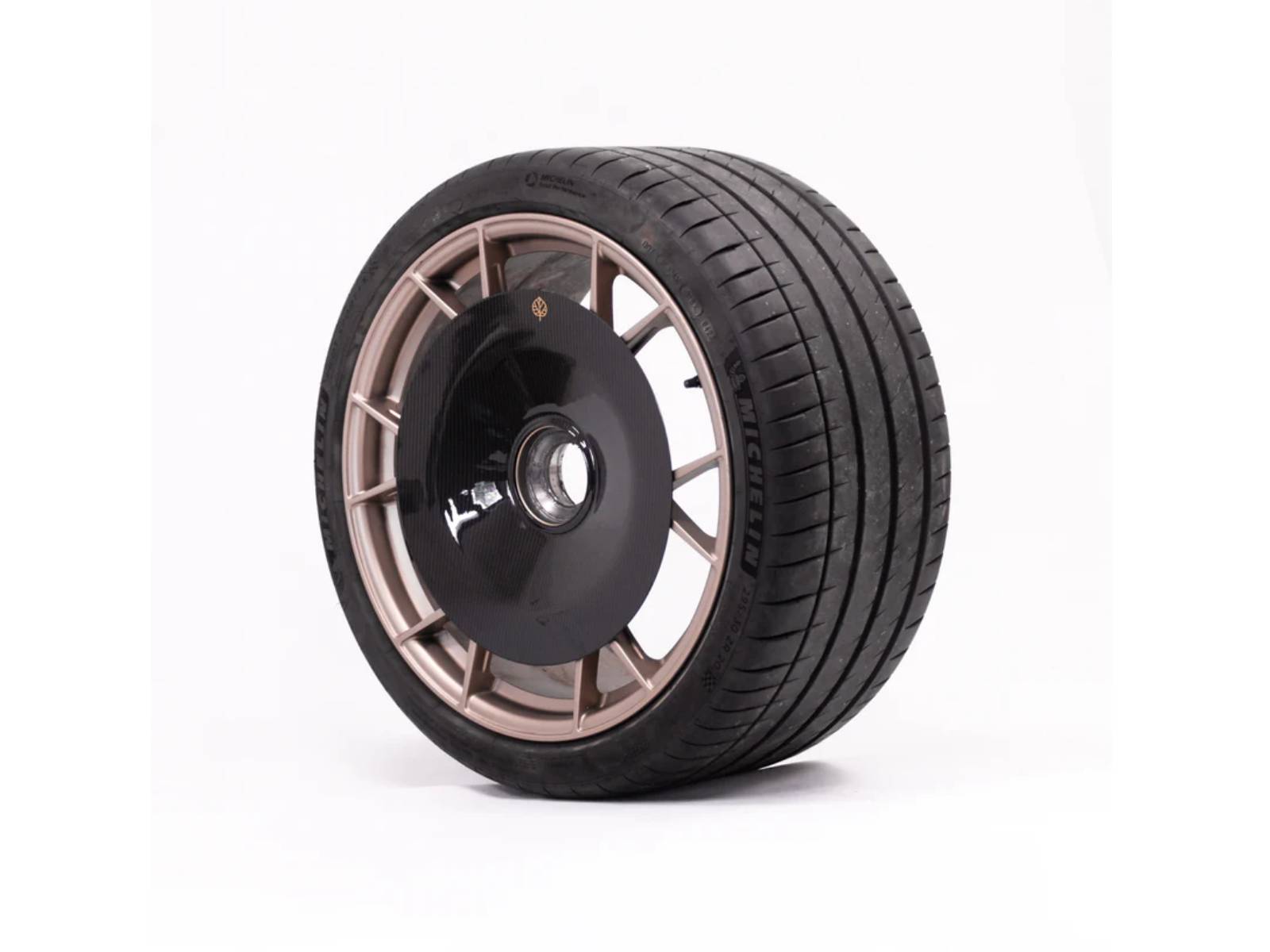
Aero disc rear wheel carbon fibre for Alloy Wheels
Sold as a pair
Fits:
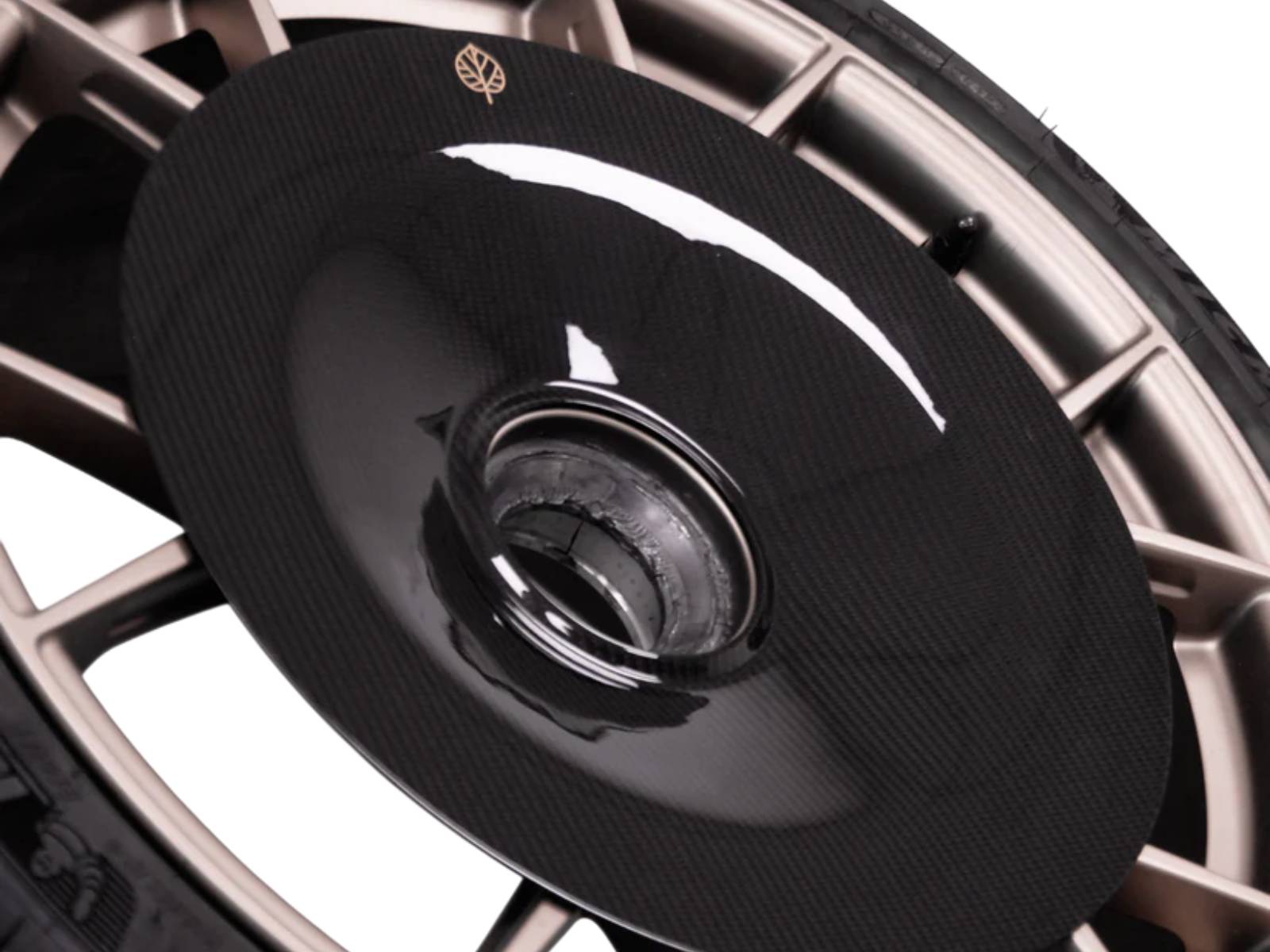
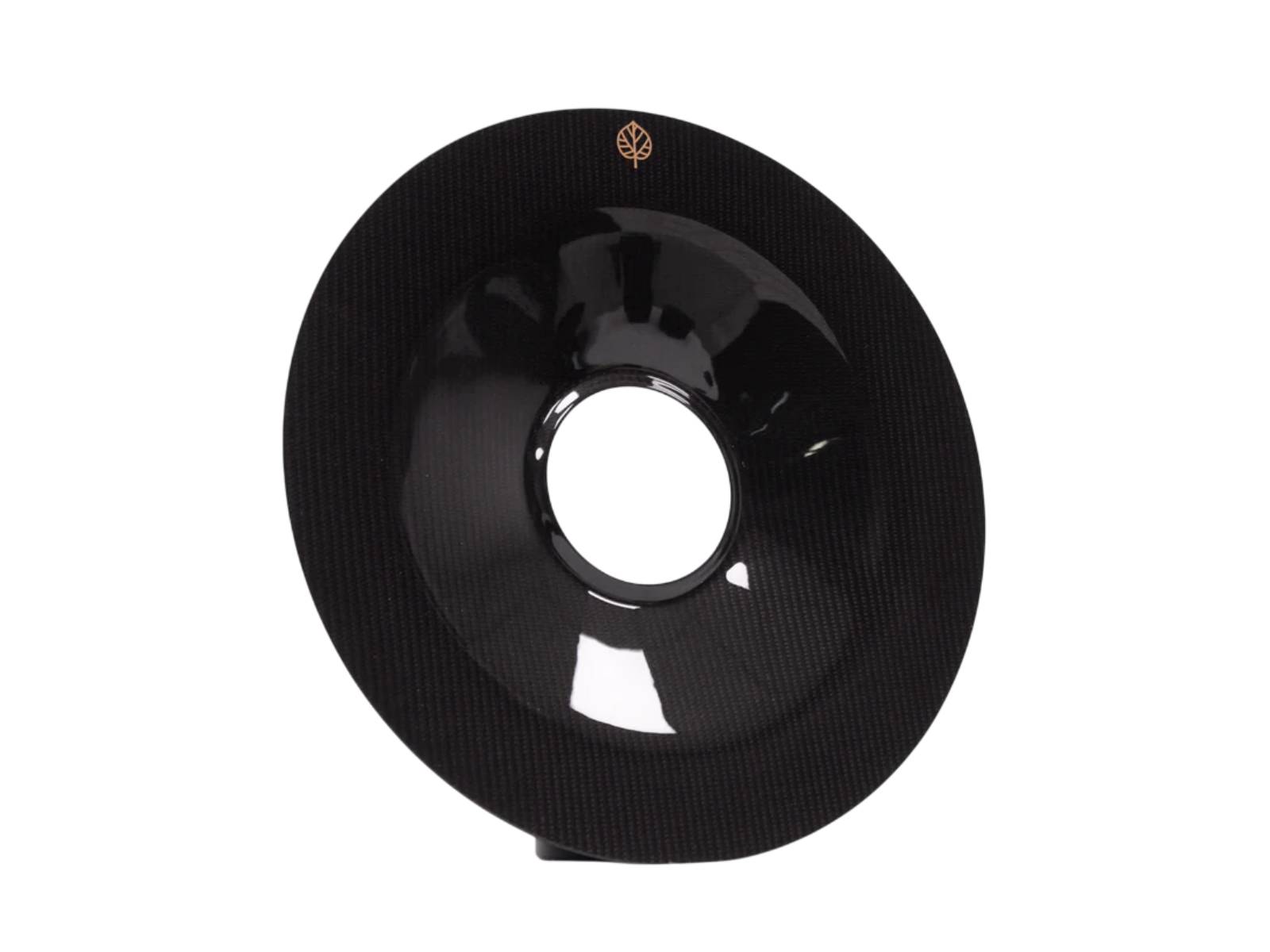
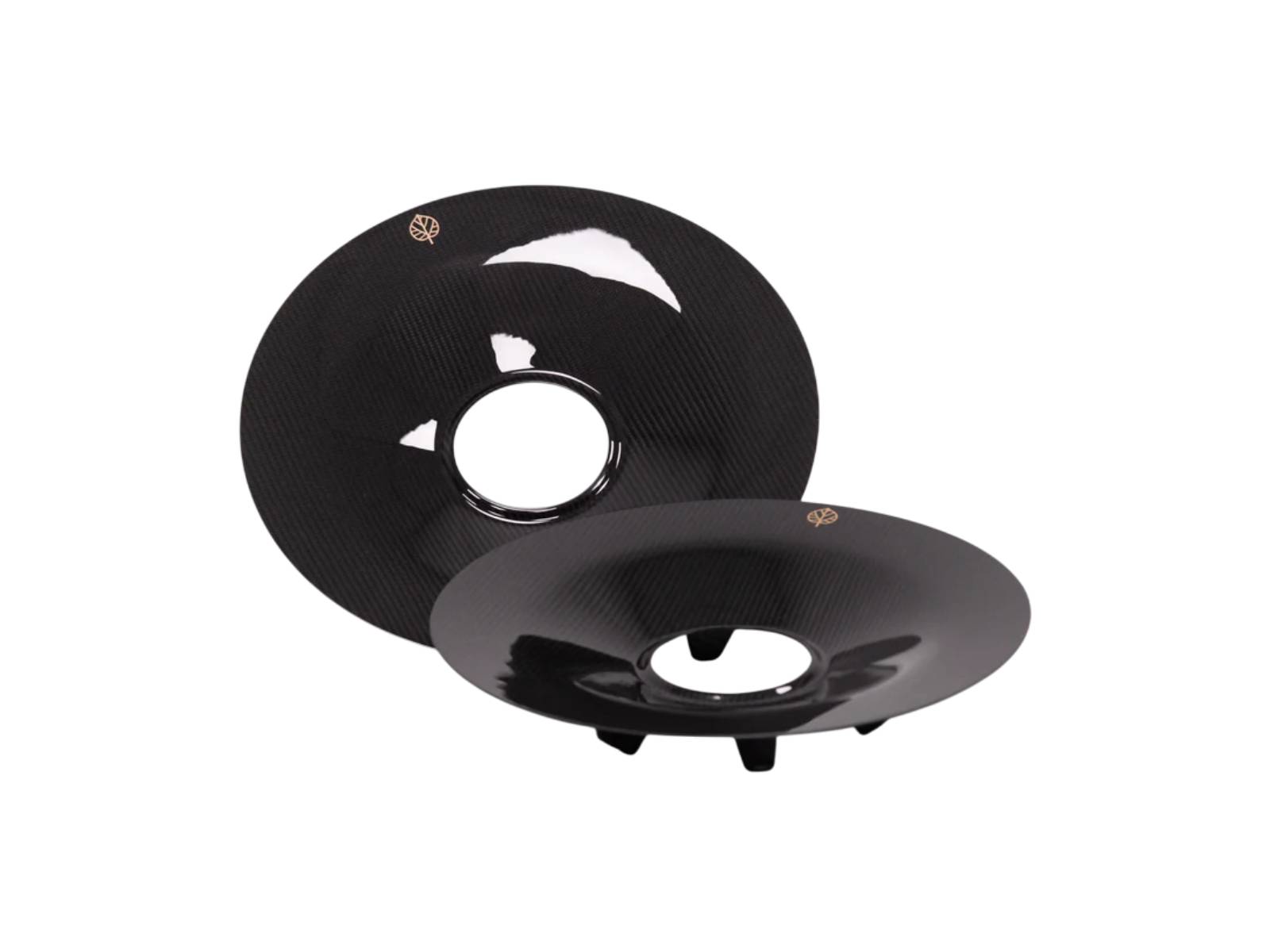
Porsche 718 Cayman GT4 RS - 2022 Onwards
Fits Alloy wheels only
Lightweight Carbon Fiber Rear Wheel Covers for Enhanced Downforce
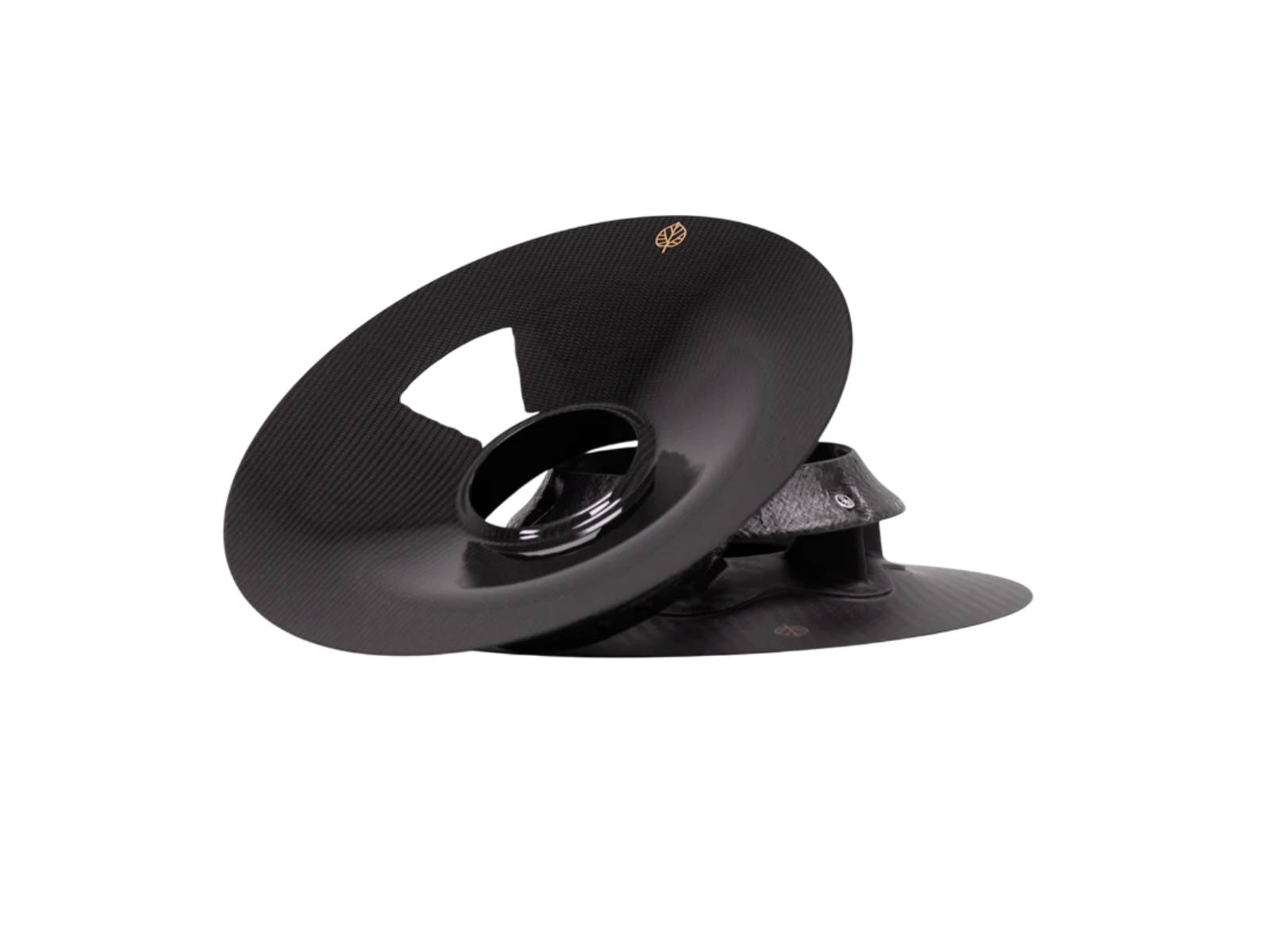
Aero discs play a crucial role in streamlining the airflow around the rear wheels, preventing turbulence that can adversely affect the efficiency of the rear wing.
Carbon fiber Aero discs are made with pre-preg carbon fiber, cured in autoclave. The set is fully reversible and requires no cutting or modifying of any original parts. It supports an OEM+ look, with stunning carbon fiber appearance in a variety of finishes, all providing great UV protection.
It is compatible with stock Porsche 718 GT4 RS wheels.
Choose between a variety of finishes. You can choose between basic Porsche wheel colors: Black, Dark silver, Silver, Gold, Blue and Red or you can opt for a completely bespoke color. Please write the desired color in the Cart comment section.
The spoke design can also be changed to any other design or deleted.
Installation Process
The installation process of the Aero discs is straightforward and can be done by any car enthusiast. It comes with detailed instructions to ensure a smooth and hassle-free installation.
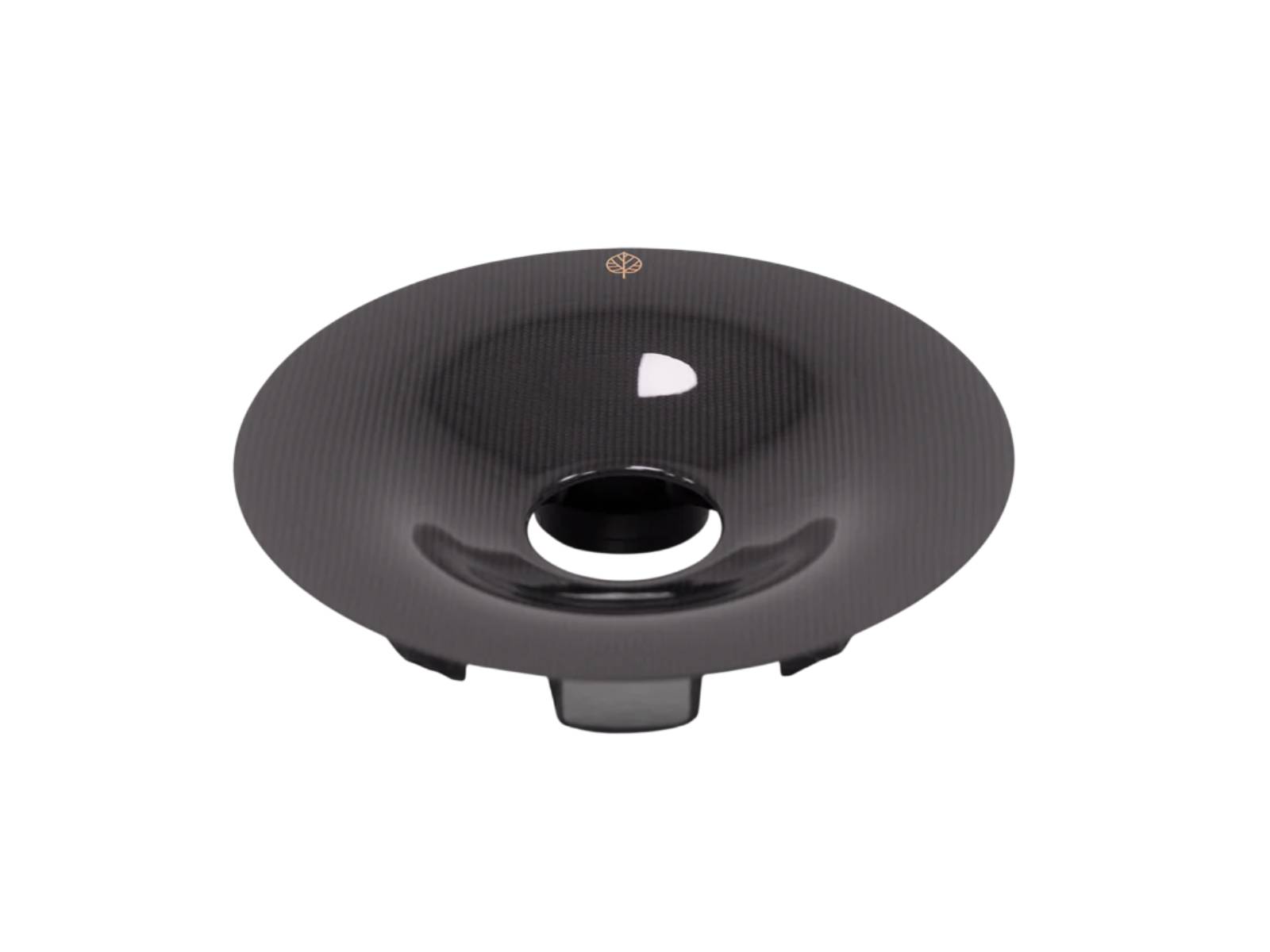
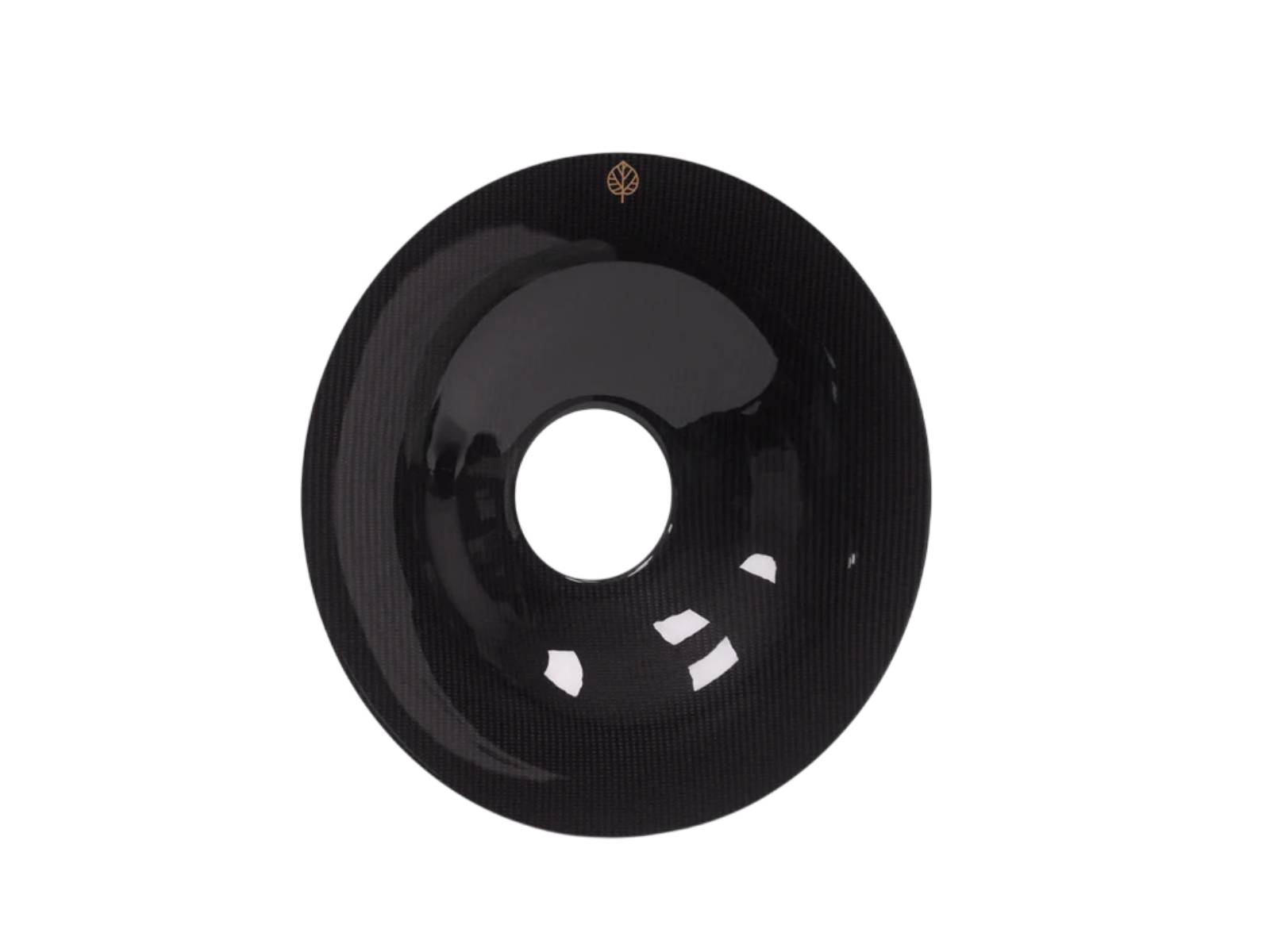
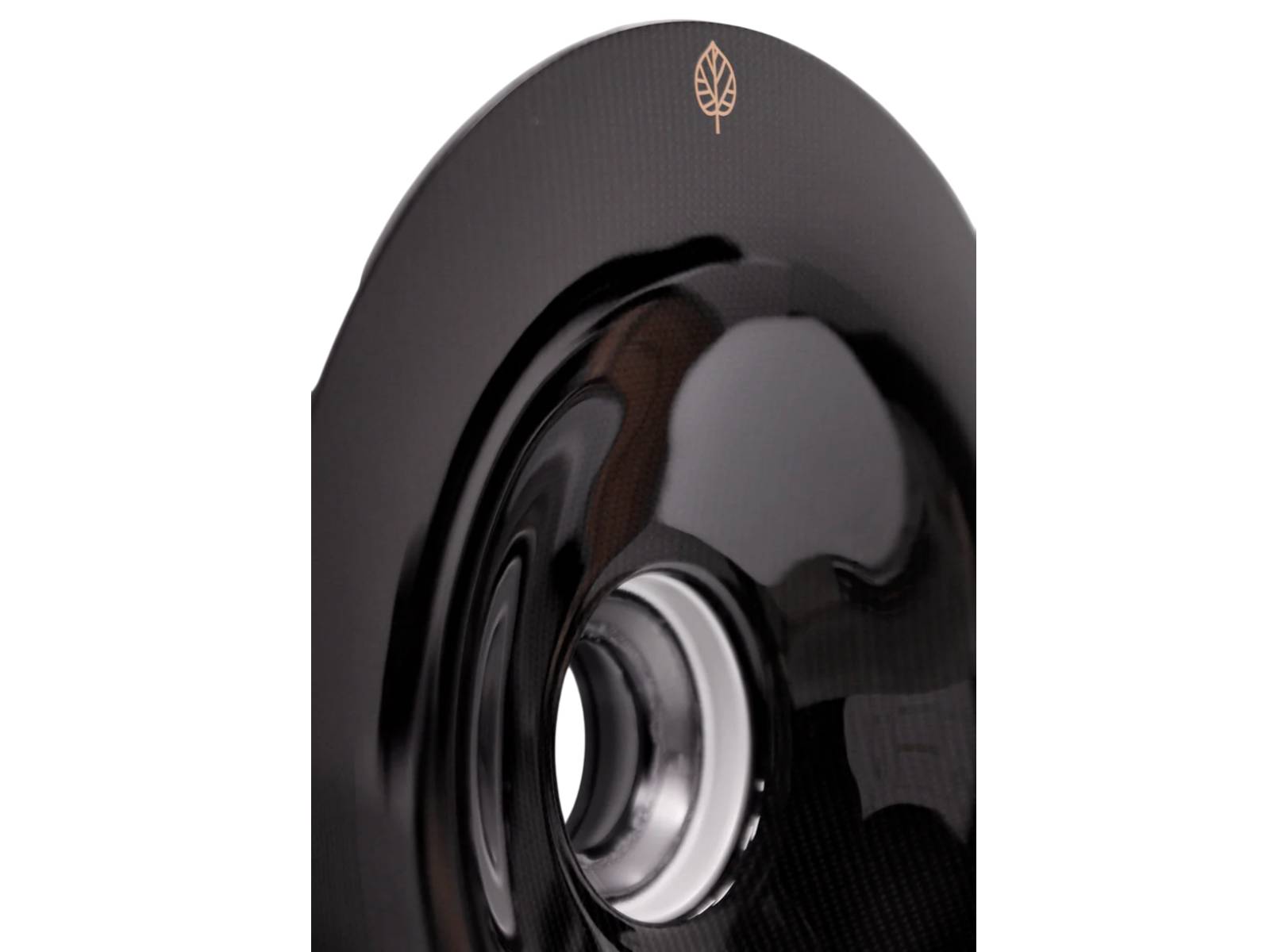
Each Aero disc is made of two parts. The visible one on the face of the wheel and the hidden one inside the wheel. In order to install the Aero disc assembly, you first apply provided PPF on the outer wheel spokes, then you position the dish onto the wheel with the help of provided centering piece and lastly you position the back ring on the inner part of the wheel and screw the two parts together with with provided hardware. We advise you use Loctite on the screws.
After installation we recommend wheel rebalancing.

- Porsche 992.1 GT3 4.0L / 992 S/T 4.0L 2021-24
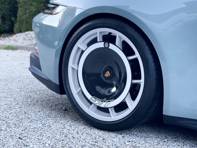
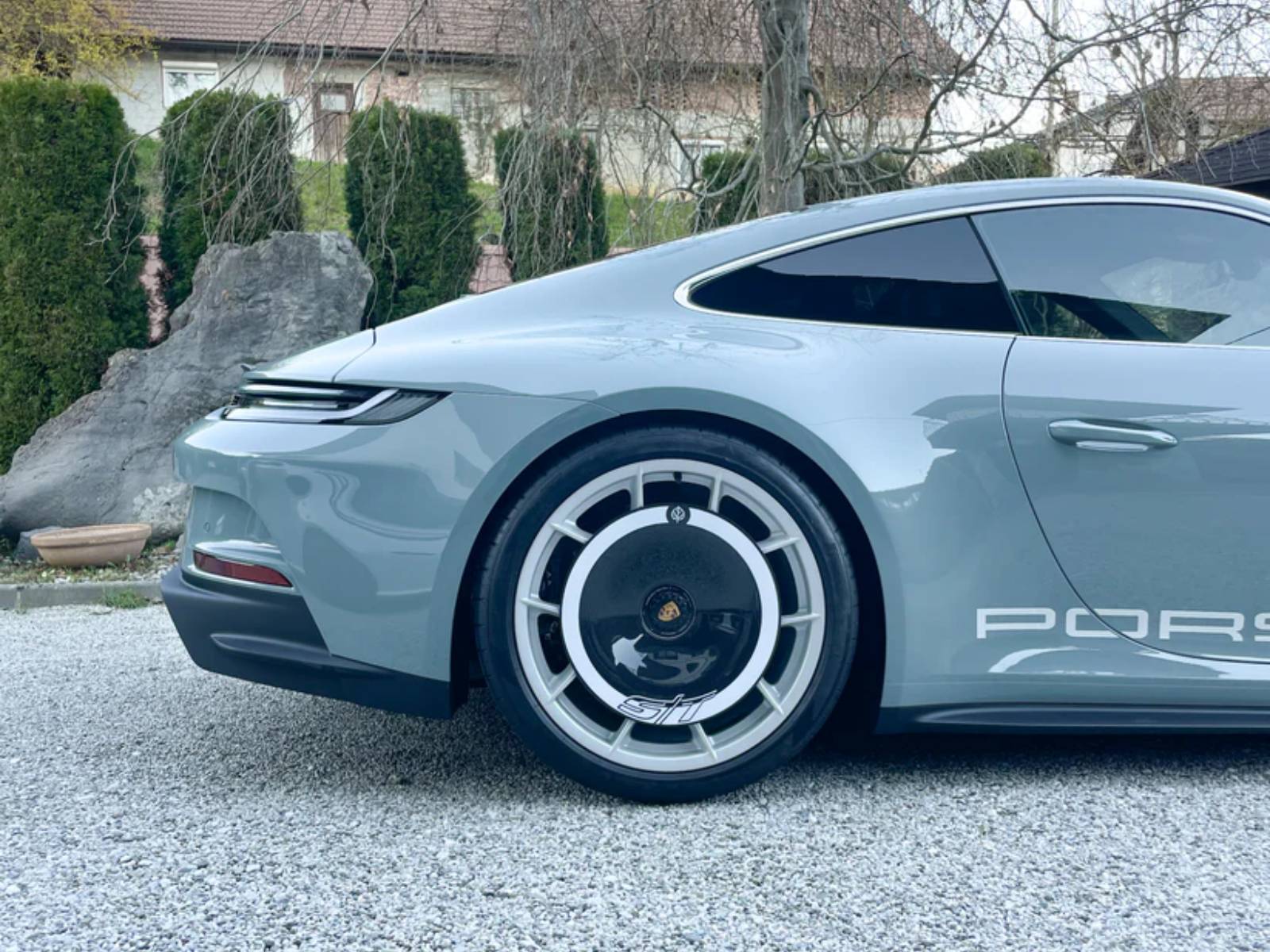
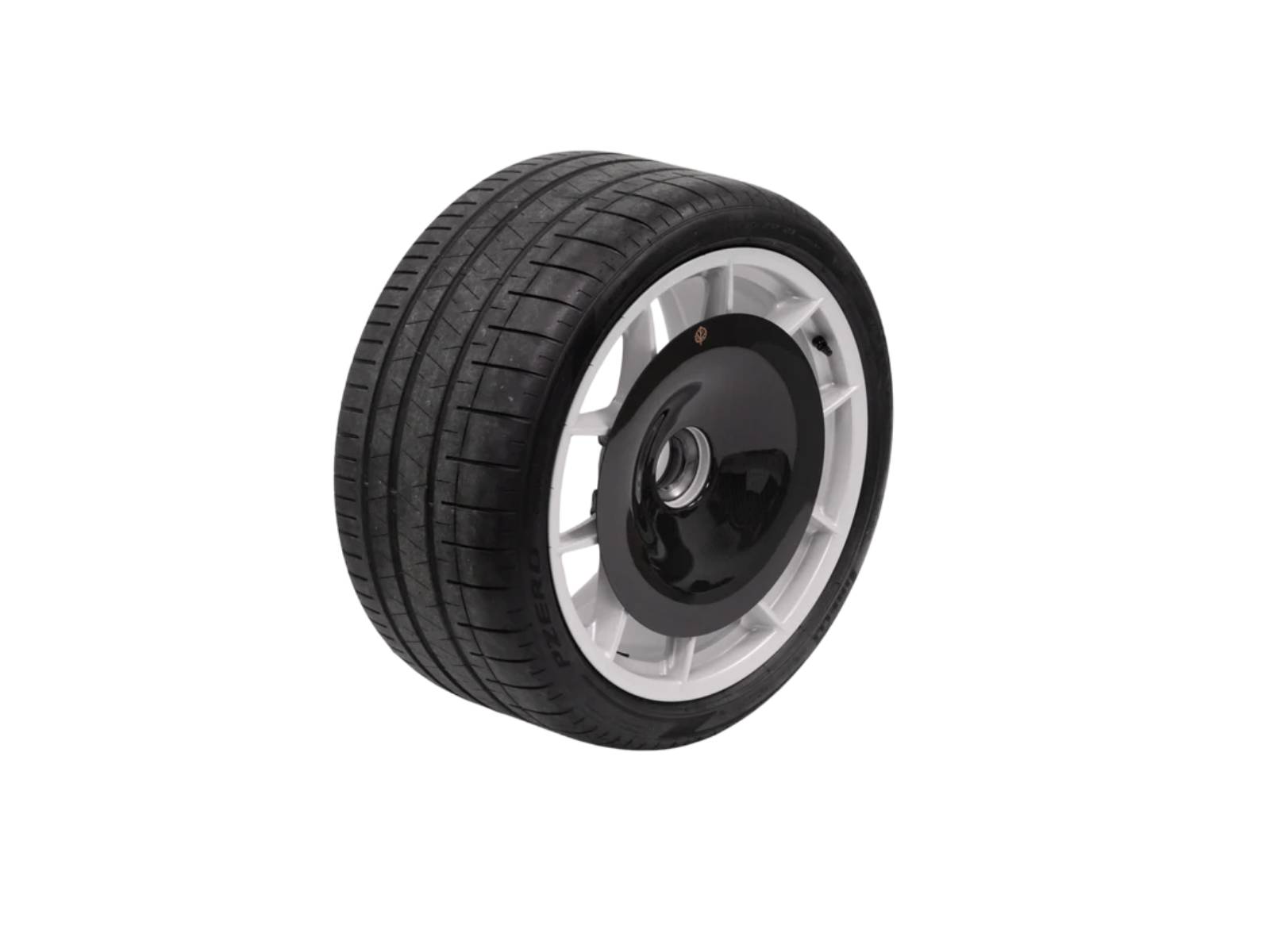
Aero disc rear wheel carbon fibre for Magnesium Wheels
Sold as a pair
Fits:
Porsche 992 ST - 2021 Onwards
Fits Magnesium wheels only
Lightweight Carbon Fiber Rear Wheel Covers for Enhanced Downforce
Aero discs play a crucial role in streamlining the airflow around the rear wheels, preventing turbulence that can adversely affect the efficiency of the rear wing.
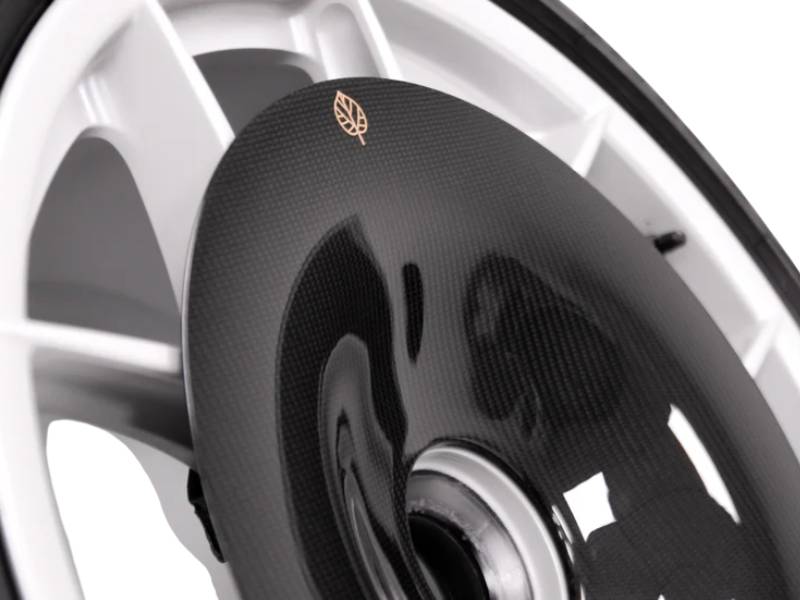
Carbon fiber Aero discs are made with pre-preg carbon fiber, cured in autoclave. The set is fully reversible and requires no cutting or modifying of any original parts. It supports an OEM+ look, with stunning carbon fiber appearance in a variety of finishes, all providing great UV protection.
It is compatible with stock Porsche 992.1 ST MAG wheels.
Choose between a matte and gloss carbon fiber finish. Decals are offered in 4 basic Porsche wheel colors: Black, Gunmetal, Silver and White, or you can opt for a completely bespoke color. Please write the desired color in the Cart comment section.
The spoke design can also be changed to any other design or deleted.
Installation Process
The installation process of the Aero discs is straightforward and can be done by any car enthusiast. It comes with detailed instructions to ensure a smooth and hassle-free installation.
Each Aero disc is made of two parts. The visible one on the face of the wheel and the hidden one inside the wheel. In order to install the Aero disc assembly, you first apply provided PPF on the outer wheel spokes, then you position the dish onto the wheel with the help of provided centering piece and lastly you position the back ring on the inner part of the wheel and screw the two parts together with with provided hardware. We advise you use Loctite on the screws.
After installation we recommend wheel rebalancing.
- Porsche 992.1 GT3 RS 4.0L 2022-24
- Porsche Cayman GT4 718 4.0L / GT4 RS 718 4.0L
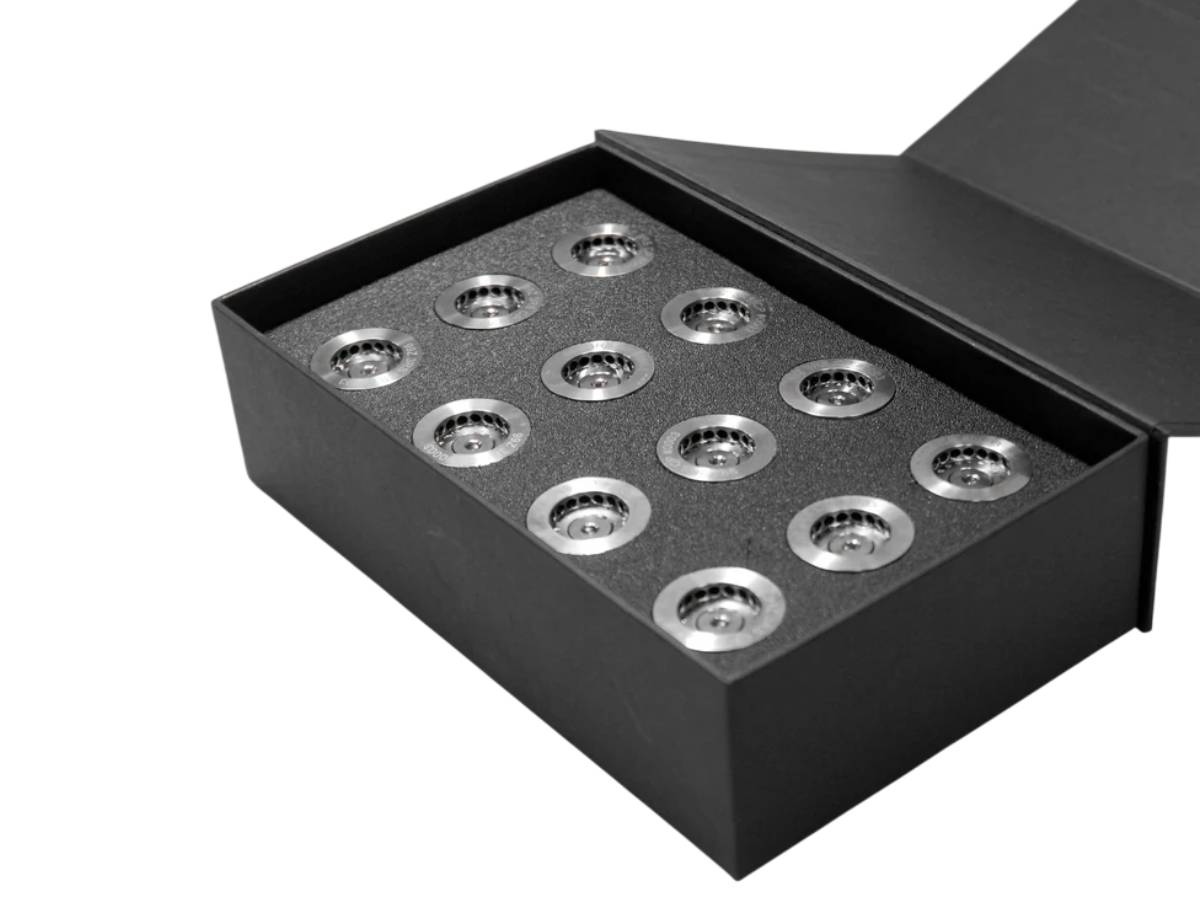
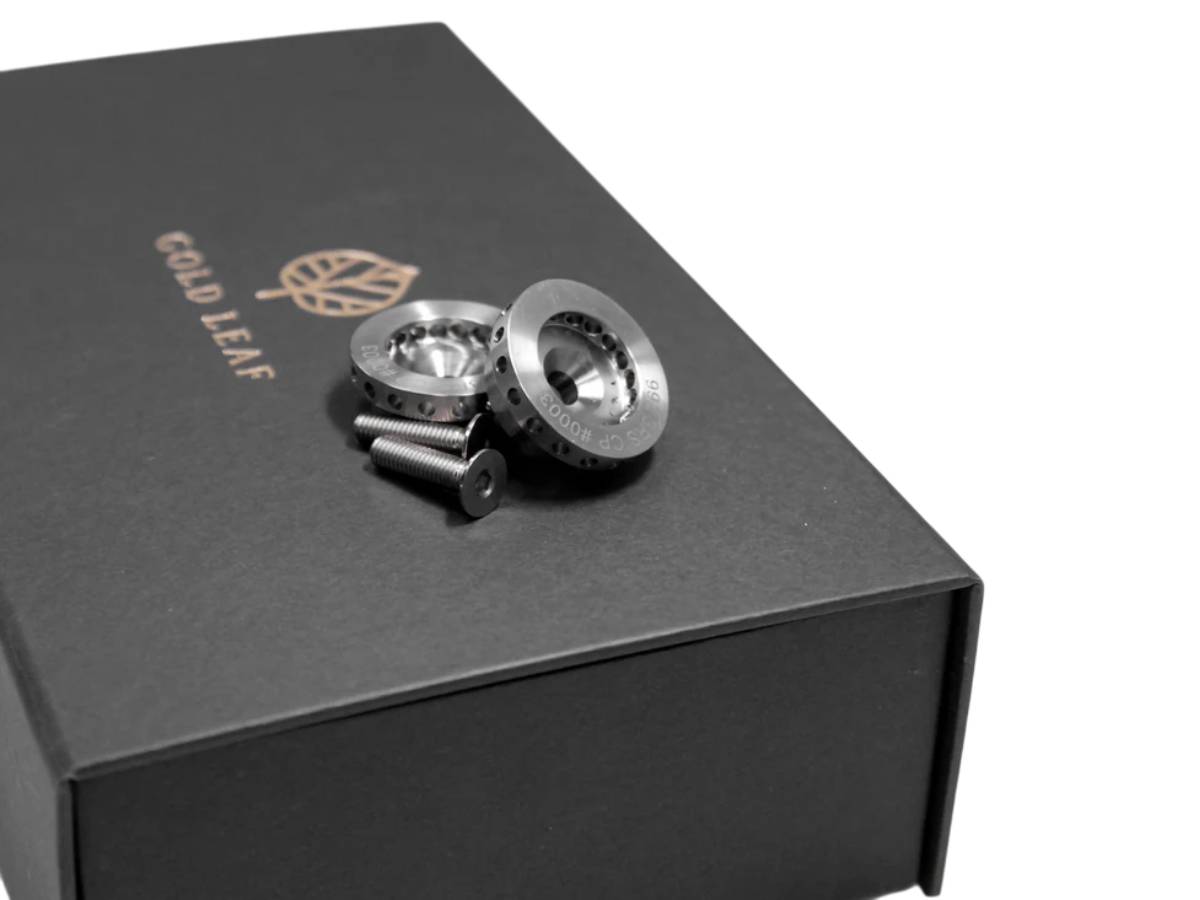
Sold as a set for 2 calipers for PCCB and steel brake discs
Fits:
- Porsche 992.1 GT3 RS 4.0L 2022-24
- Porsche Cayman GT4 718 4.0L 2017>>
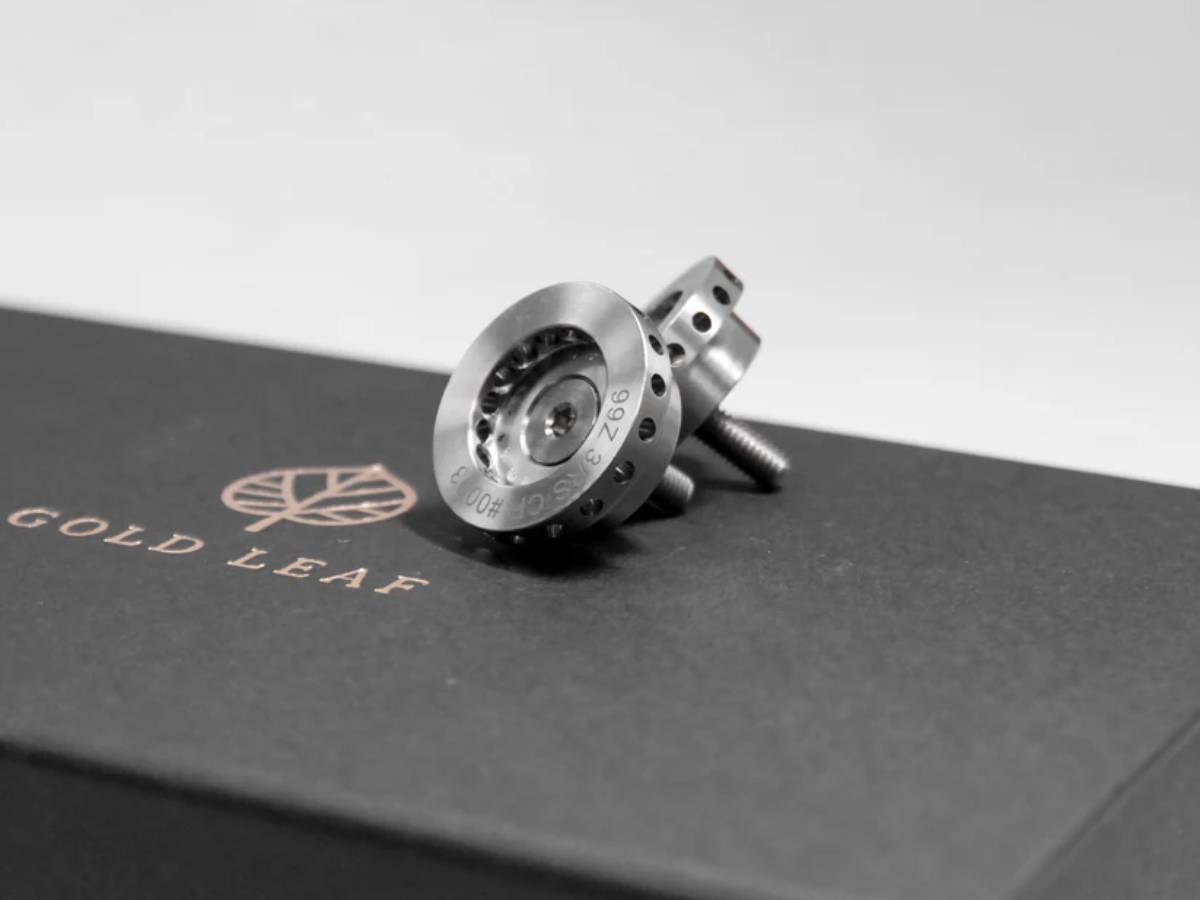
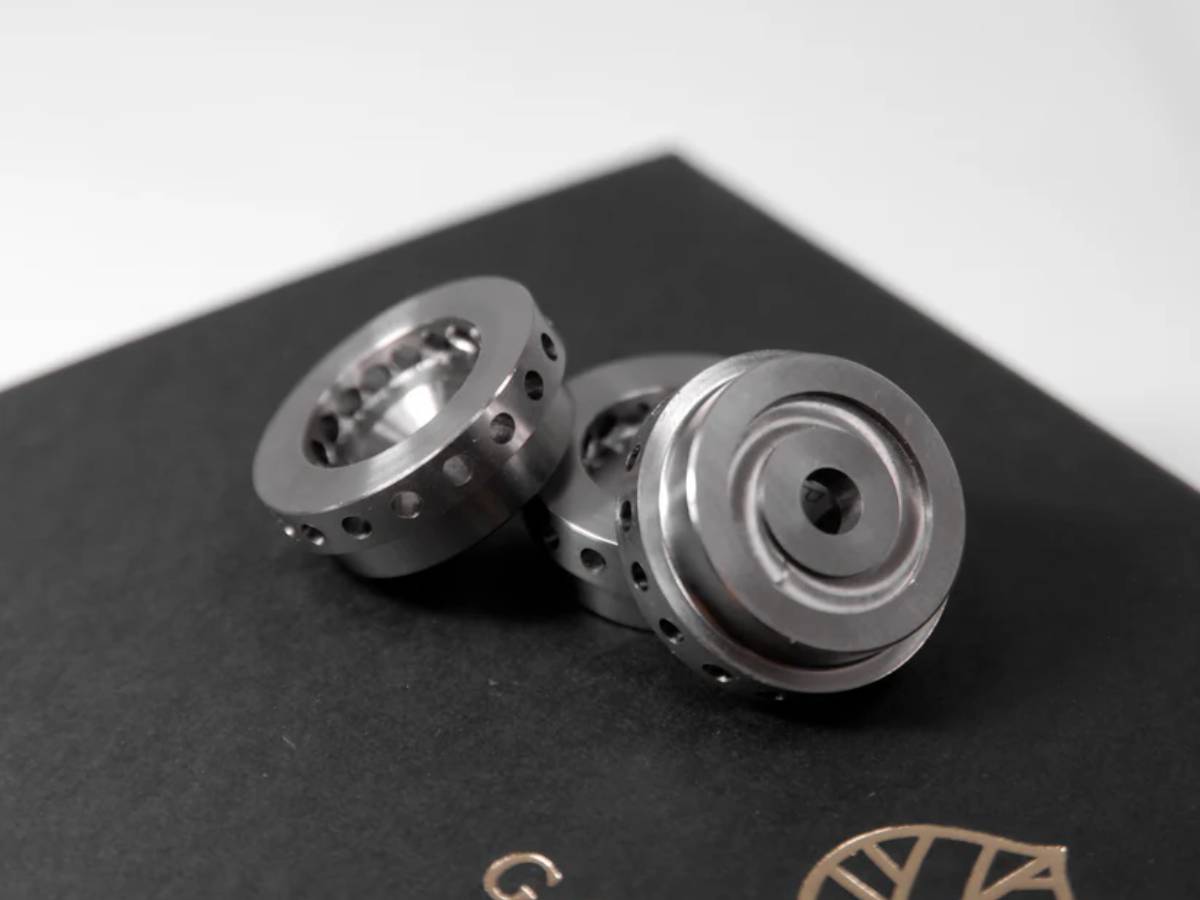
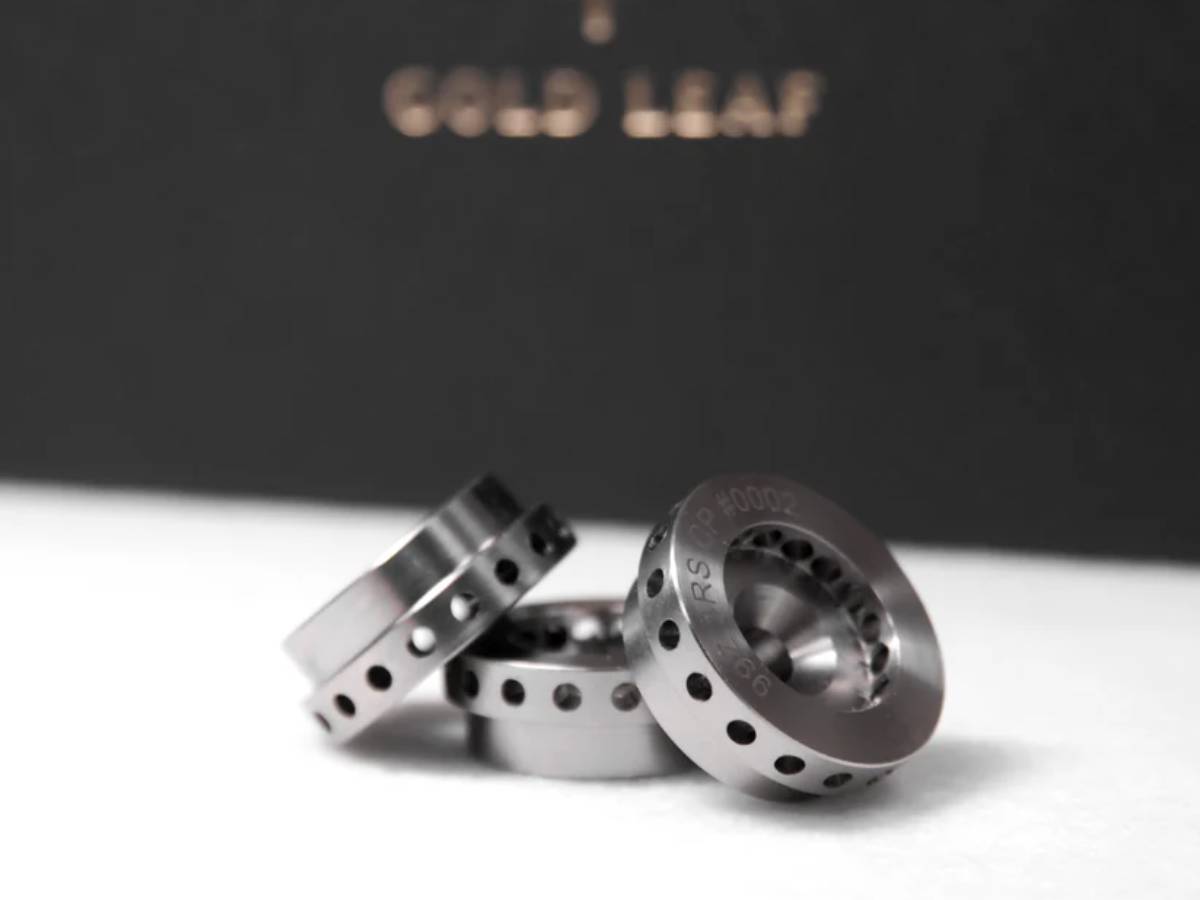
Don't compromise on safety or performance – choose our titanium pucks for enhanced braking reliability and a smoother, more responsive driving experience on and off the track. Our pucks will ensure that your braking system can handle even the most demanding race conditions, giving you the confidence to push your Porsche to the limit.
The Problem
Many owners, drivers and enthusiasts of the Porsche GT3 RS, who visit race tracks with this model in 80% of cases, are facing issues with the braking system.
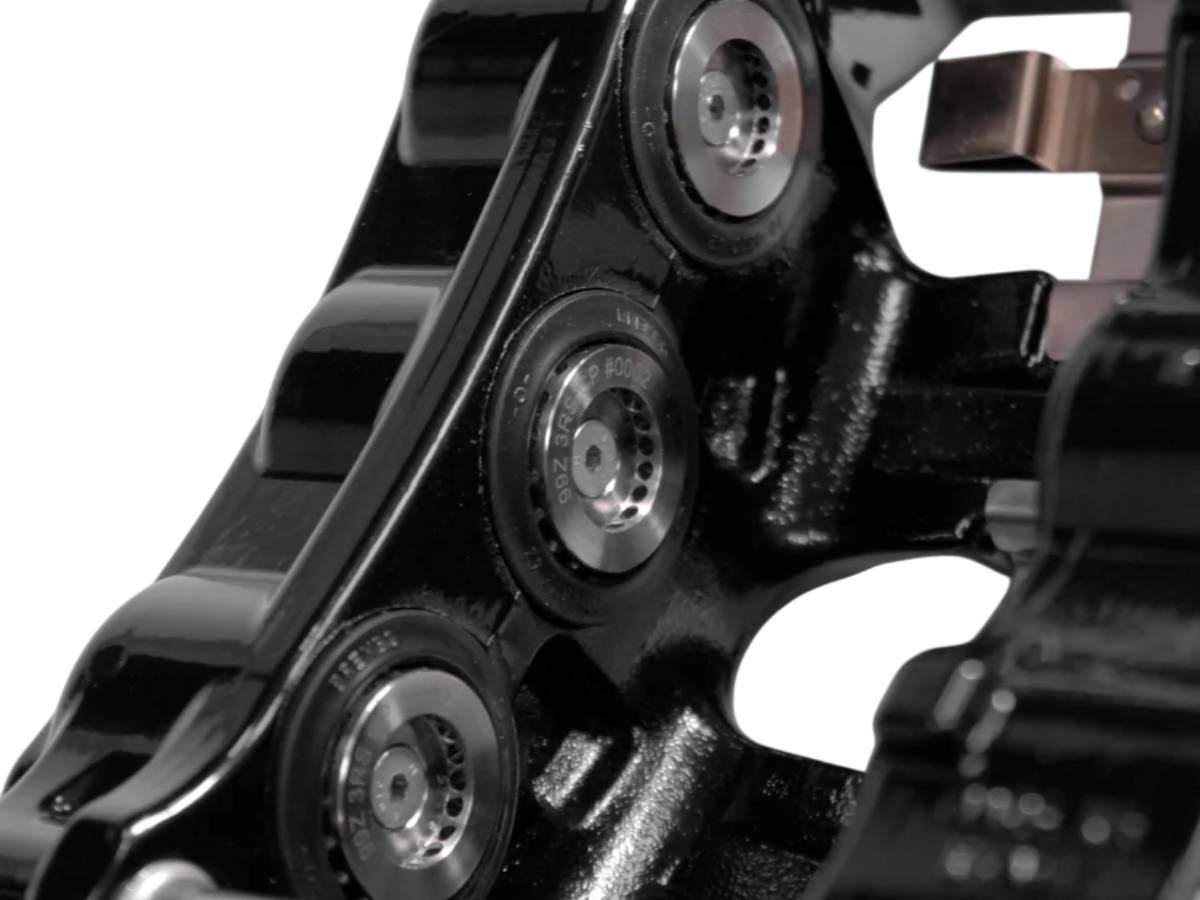
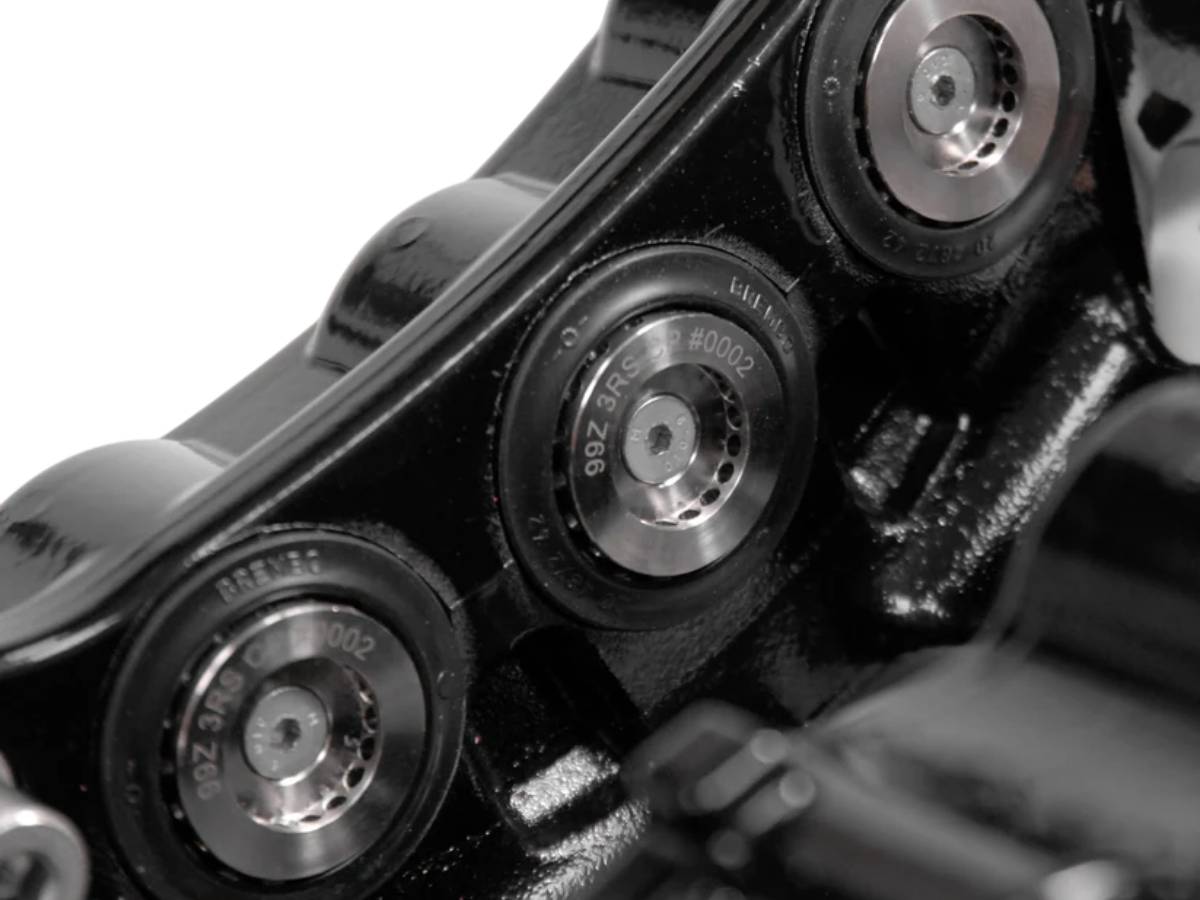
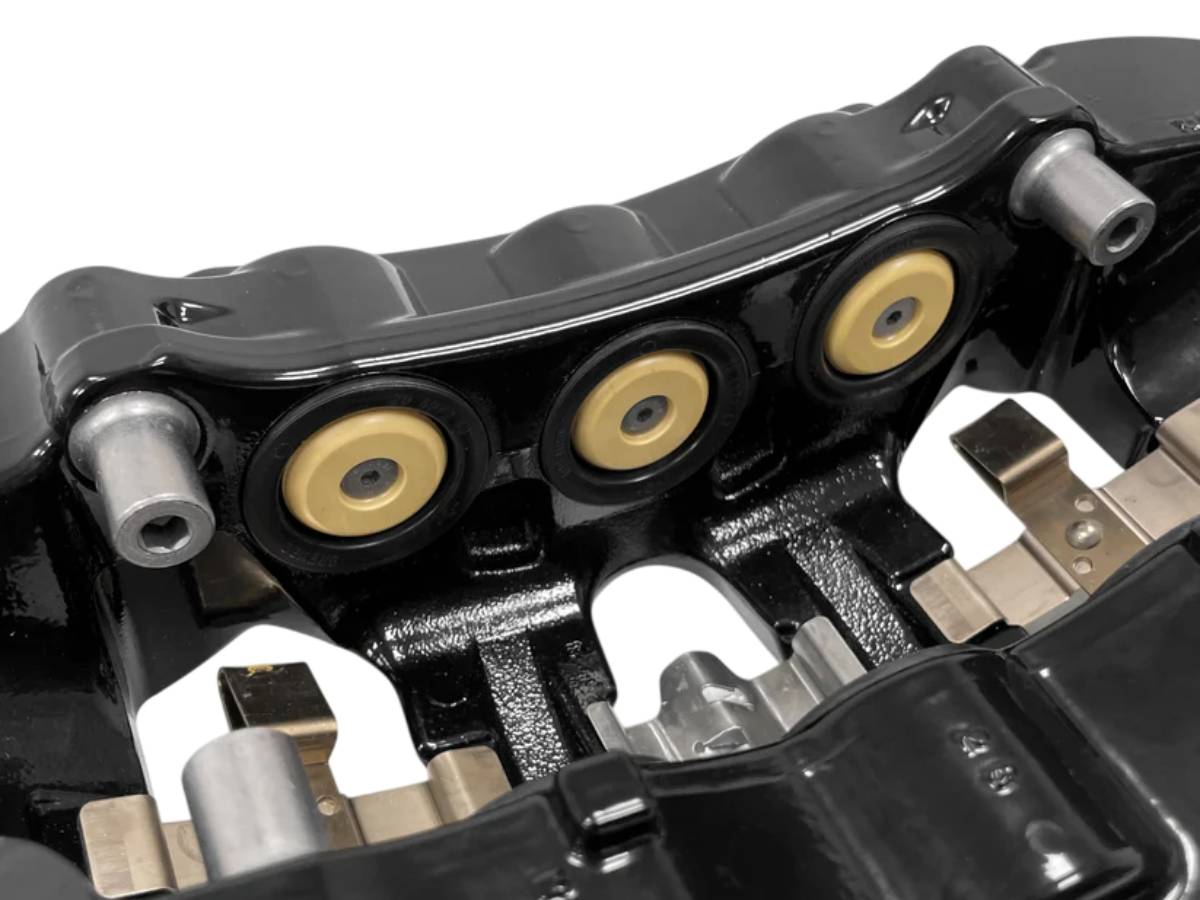
Whether the brakes are equipped with factory steel or PCCB calipers, ceramic pucks are mounted on the pistons as a thermal barrier, preventing excessive heat transfer from the pads to the pistons and fluid. These pucks help reduce heat buildup, but due to the extreme temperatures and repeated heat cycles from aggressive or prolonged braking on the track, the ceramic pucks can become brittle and break down. Initial signs of this failure include cracking or chipping.
Missing or damaged ceramic pucks can lead to diminished braking performance and increased heat transfer to the fluid. If a significant number of pucks fail, it could result in serious and dangerous braking issues.
This issue is frequently overlooked during brake pad replacements, as technicians are typically unaware of it and fail to inspect for it.
The Solution
Gold Leaf pucks are made of annealed aerospace titanium Ti-6Al-4V (Grade 5). They offer similar thermal properties to ceramic pucks but are much more durable under repeated heat cycles. While they are costly, they effectively maintain a thermal barrier, unlike stainless steel, which allows heat to transfer to the fluid.
Key Benefits
Lower weight: Titanium is lighter than ceramic, which can reduce the overall weight of the braking system. This results in quicker response times for acceleration, braking, and direction changes, especially noticeable on the track.
Higher strength: Titanium is stronger and more wear-resistant, meaning it can withstand higher temperatures and greater forces without deforming. This is particularly beneficial on the track, where braking temperatures can reach extreme levels.
Installation
Installing of the Gold Leaf Piston Pucks:
1. Remove the wheels.
2. Unplug the brake lines and remove the calipers.
3. Remove brake pistons from the calipers.
4. Unscrew the original ceramic pucks and screw in the new titanium pucks. Be careful regarding the piston surface. We recommend using Loctite on the screw threads.
5. Insert brake pistons back in their caliper sleeves.
6. Install the calipers and brake lines, bleed the calipers with new braking fluid and install the wheels.
Related reference numbers
Related, superseded, cross reference or alternative numbers for comparison.
9GT61512
The product you are viewing cross references to these numbers


.jpg)
.jpg)

- Porsche 992.1 GT3 RS 4.0L 2022-24
Camber block set - Front.
Sold as a pair
Fits:
Porsche 992.1 GT3 RS - 2021 to 2024
Front Camber Blocks for Porsche 911 GT3 RS (992.1)
Upgrade your Porsche 911 GT3 RS (992.1) with our Front Camber Blocks, designed to enhance front axle grip, reduce understeer and minimize tyre wear. This seamless upgrade ensures improved performance on both road and track.
The Problem
The 992 GT3 RS comes with adjustable front camber as standard, but the factory adjustment range is limited:
• Maximum Negative Camber (Stock): -2.5°
This restriction often results in understeer, excessive tyre wear and suboptimal handling during spirited driving or track use.
The Solution
Gold Leaf Front Camber Blocks extend the camber adjustment range from -2,4° to -3,7°, enabling superior front-end performance.
Key Benefits
1. Increased Front Axle Grip – Better control and cornering performance.
2. Improved Steering Feel – Greater precision and confidence behind the wheel.
3. Reduced Tyre Wear – Enhanced efficiency, especially during aggressive driving.
4. Greatly Reduced Understeer – More balanced and predictable handling.
5. Higher Cornering Speeds – Optimized for road and track performance.
Easy Installation
Installing the Gold Leaf Front Camber Blocks is straightforward and requires no special tools:
1. Remove the wheels.
2. Loosen two bolts.
3. Replace the existing Porsche camber block with the Gold Leaf upgrade.
Use of 7075-T6 Aluminium
7075-T6 aluminum is an alloy primarily composed of aluminum, zinc, magnesium, and copper, with trace elements added for enhanced properties. The "T6" designation refers to the tempering process that improves its mechanical properties, including high tensile strength, excellent corrosion resistance, and superior fatigue resistance.
OEM look and Enhanced Performance
Our camber blocks are designed to resemble the original Porsche components, ensuring they blend seamlessly with your 992 GT3 RS while delivering performance far beyond stock capabilities.
Unlock your Porsche’s true potential with Gold Leaf Front Camber Blocks—your ideal upgrade for fast road and track use.
Fit to diagram ref no 1
Related reference numbers
Related, superseded, cross reference or alternative numbers for comparison.
9GT407173
The product you are viewing cross references to these numbers
.jpg?width=197 "Aero disc rear wheel carbon fibre for Magnesium Wheel. Porsche 992.1 GT3 RS")
.jpg)

- Porsche 992.1 GT3 RS 4.0L 2022-24
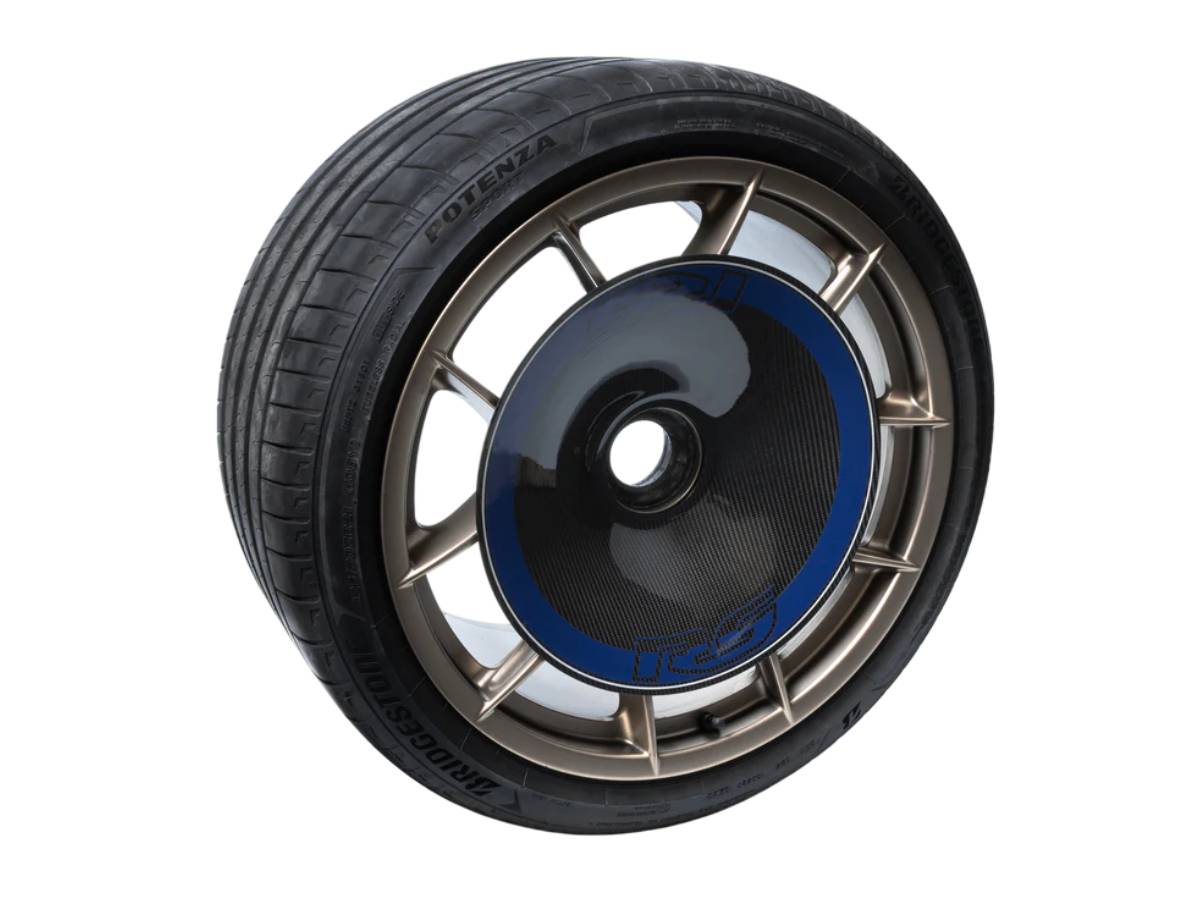
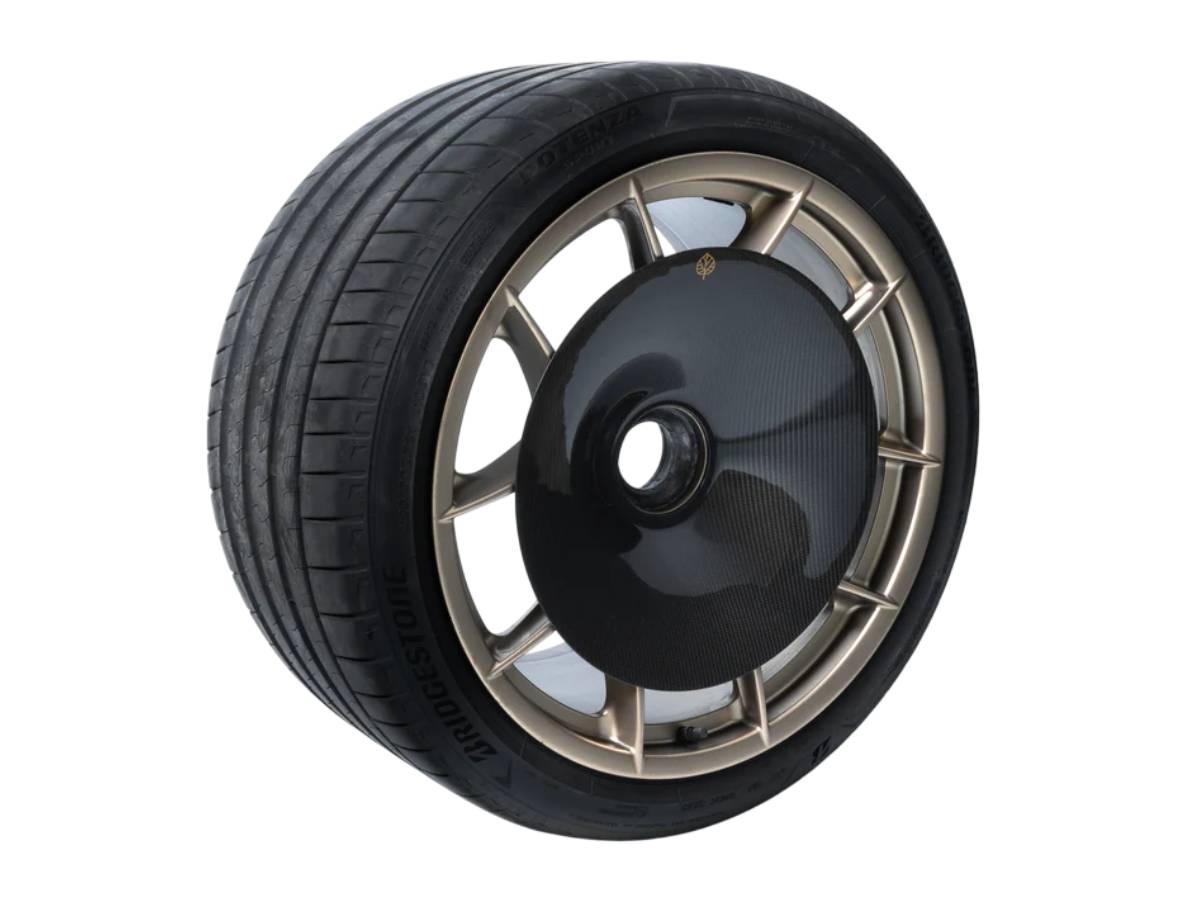
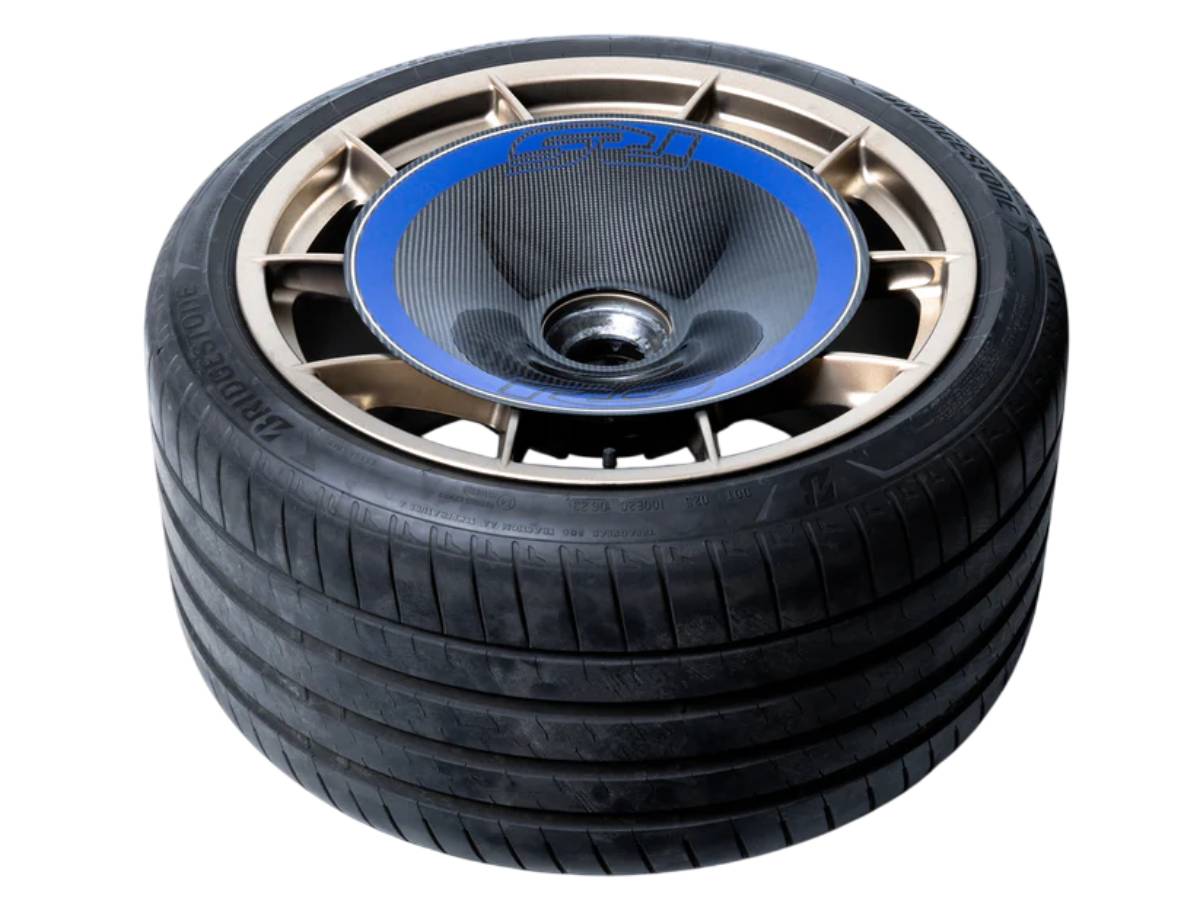
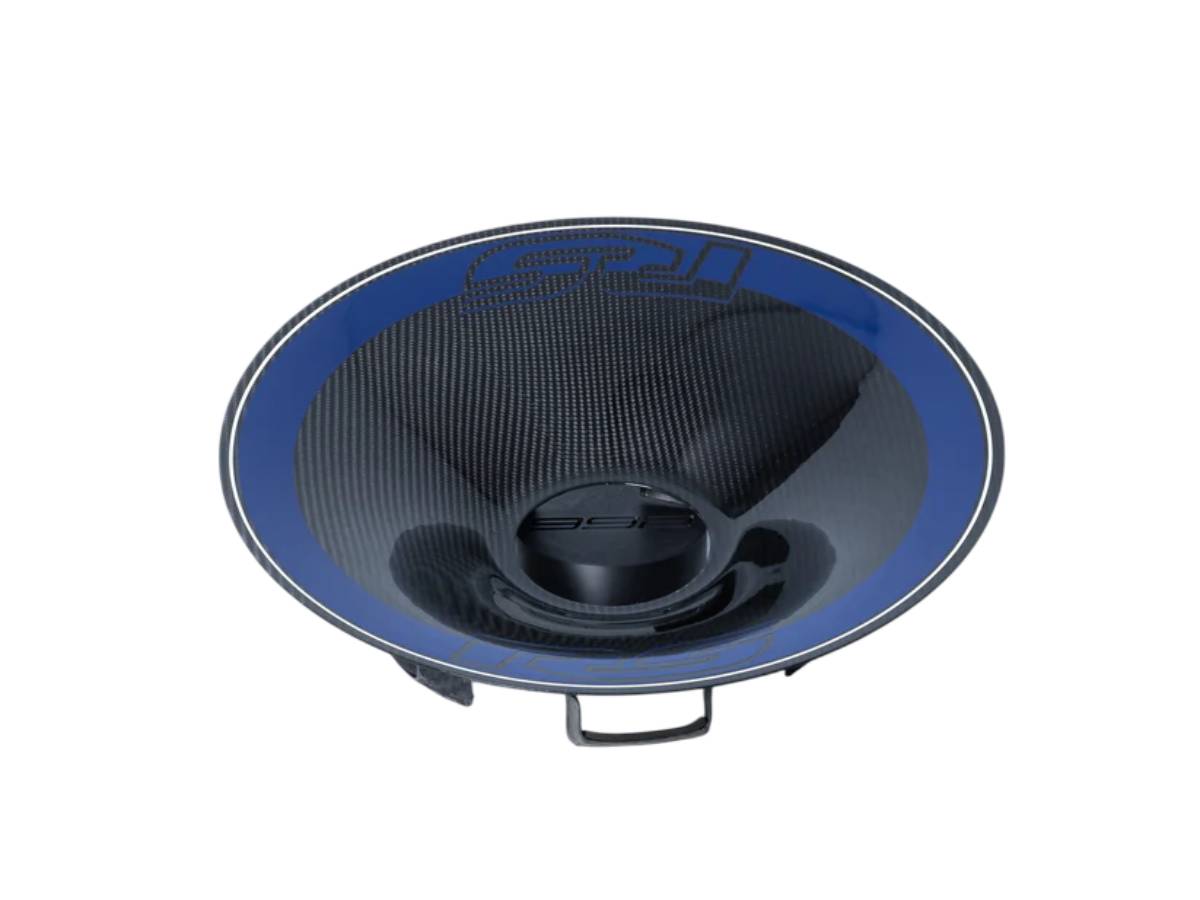
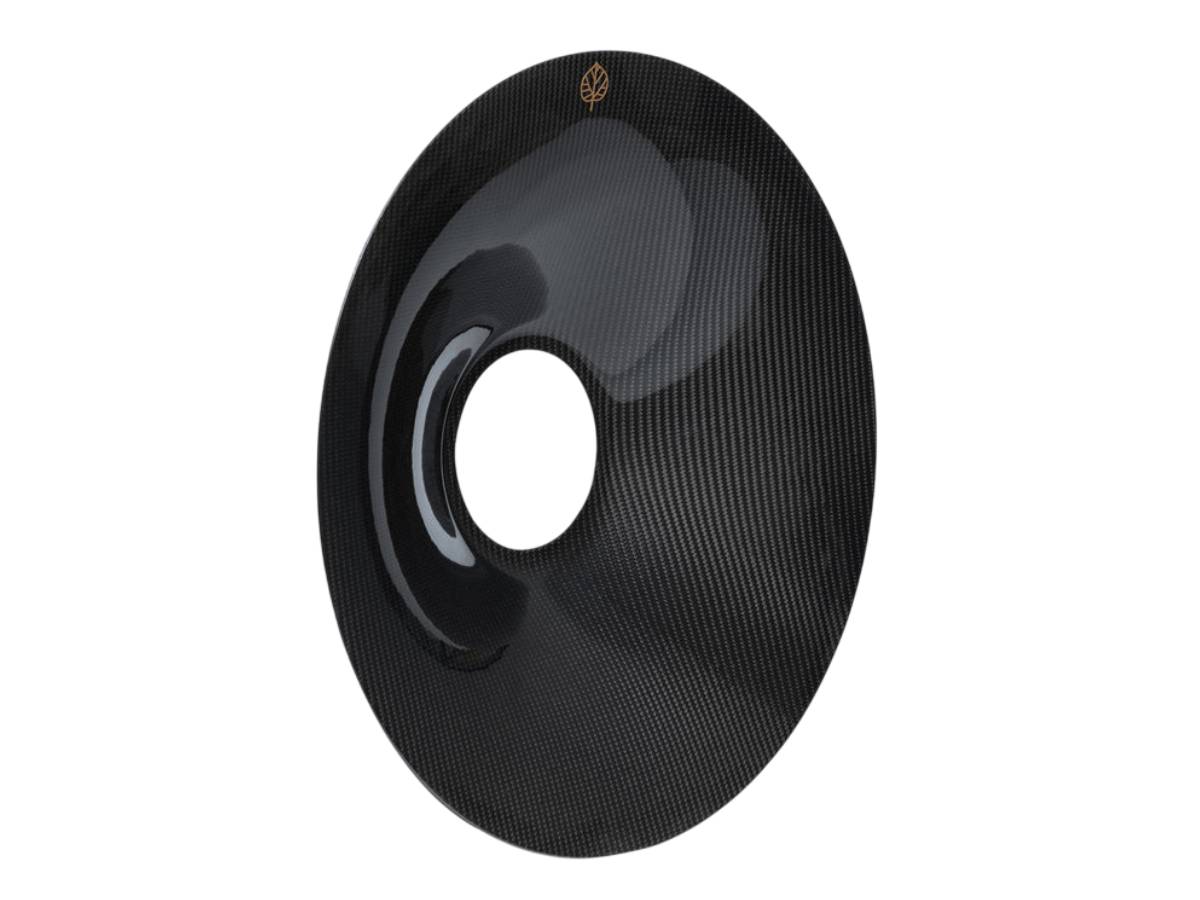
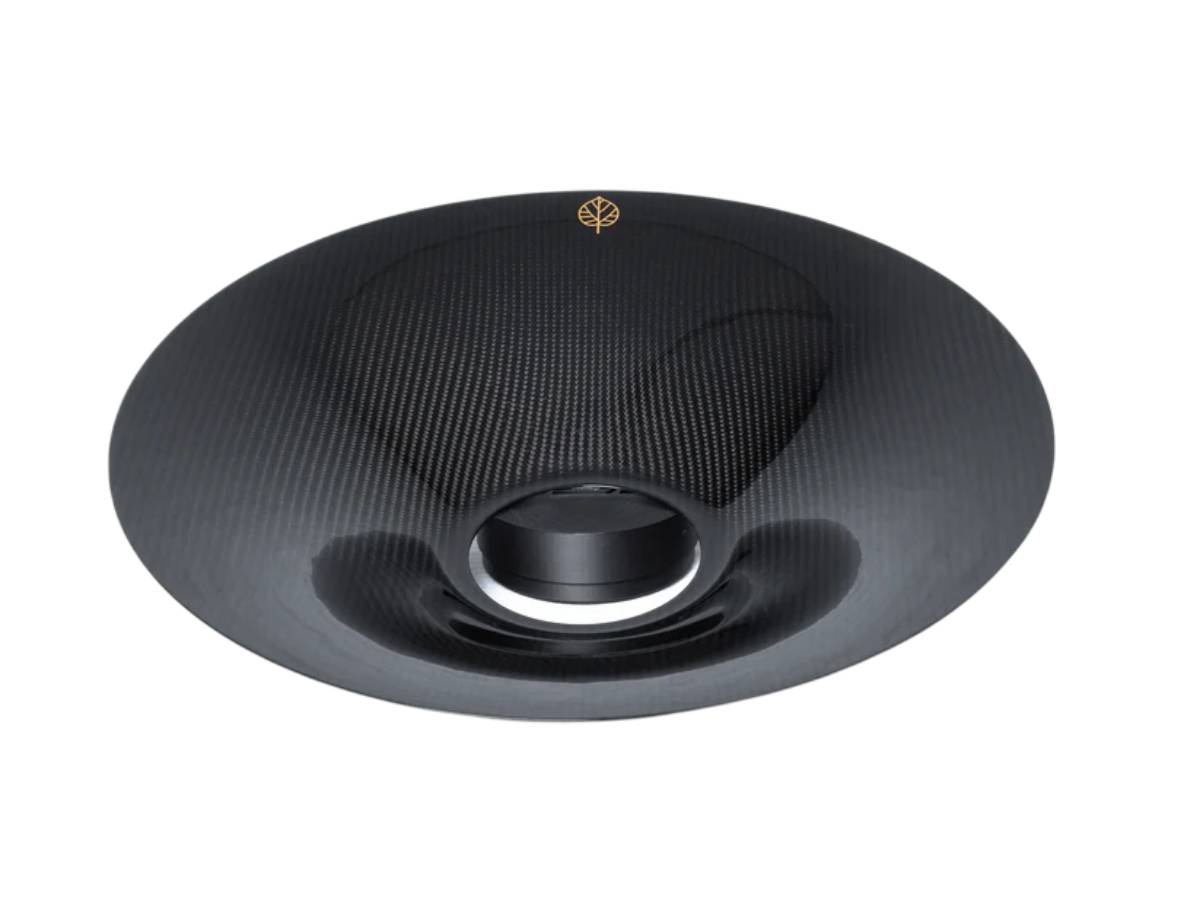
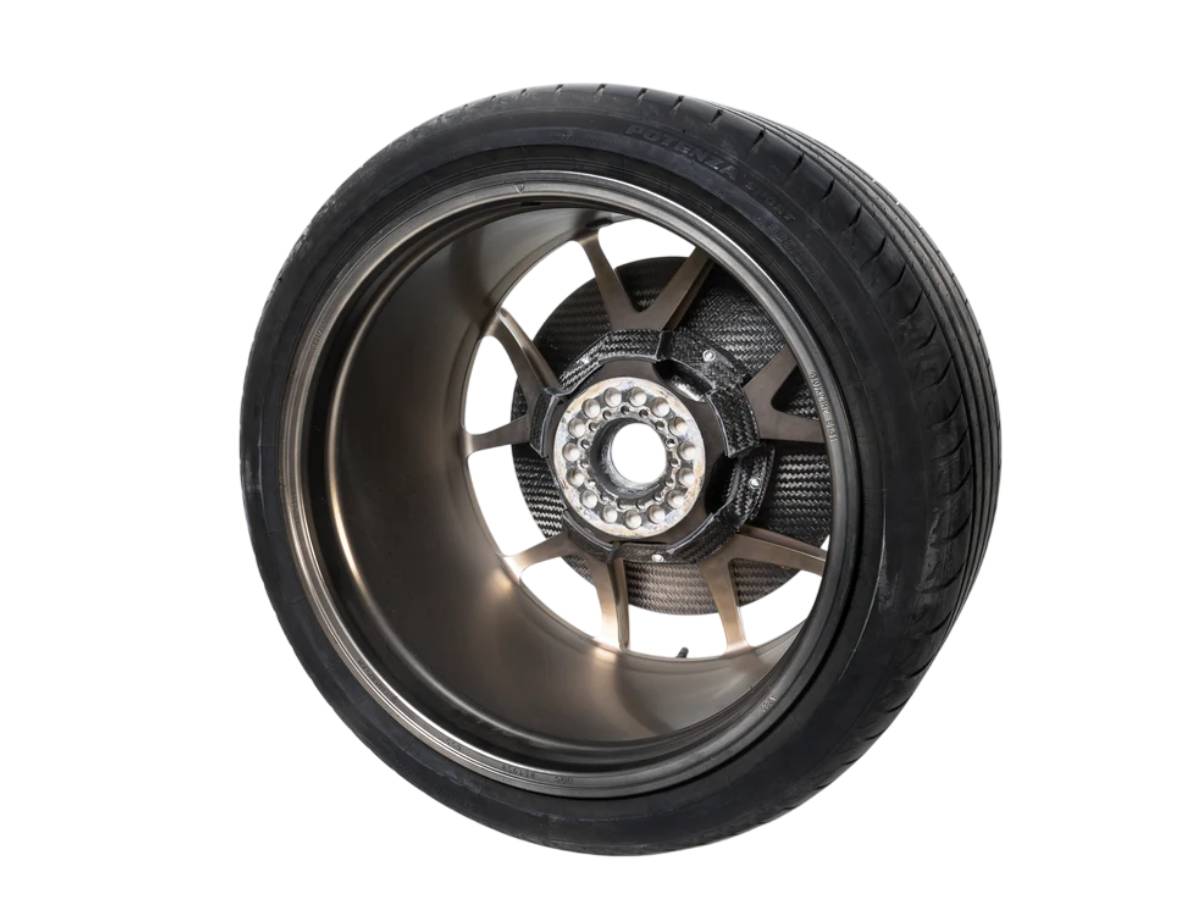
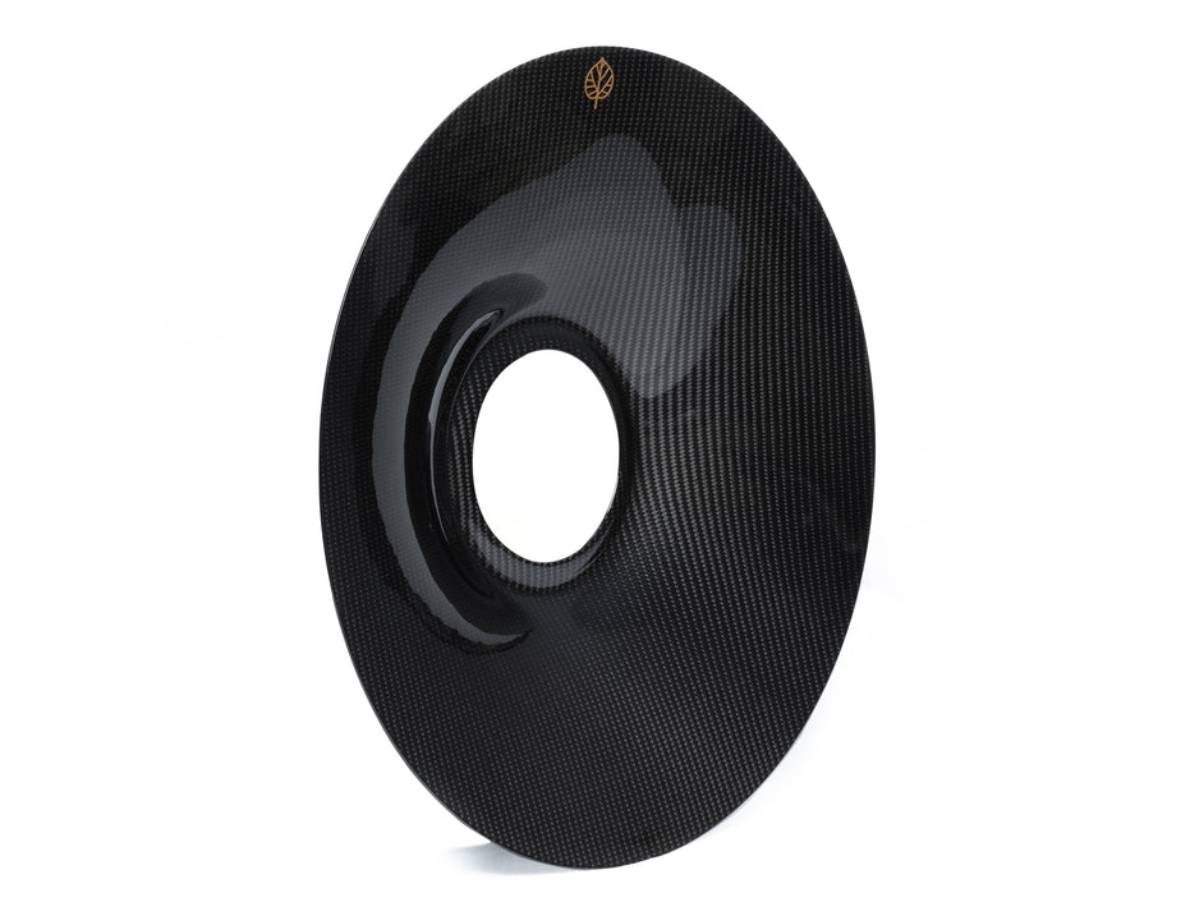
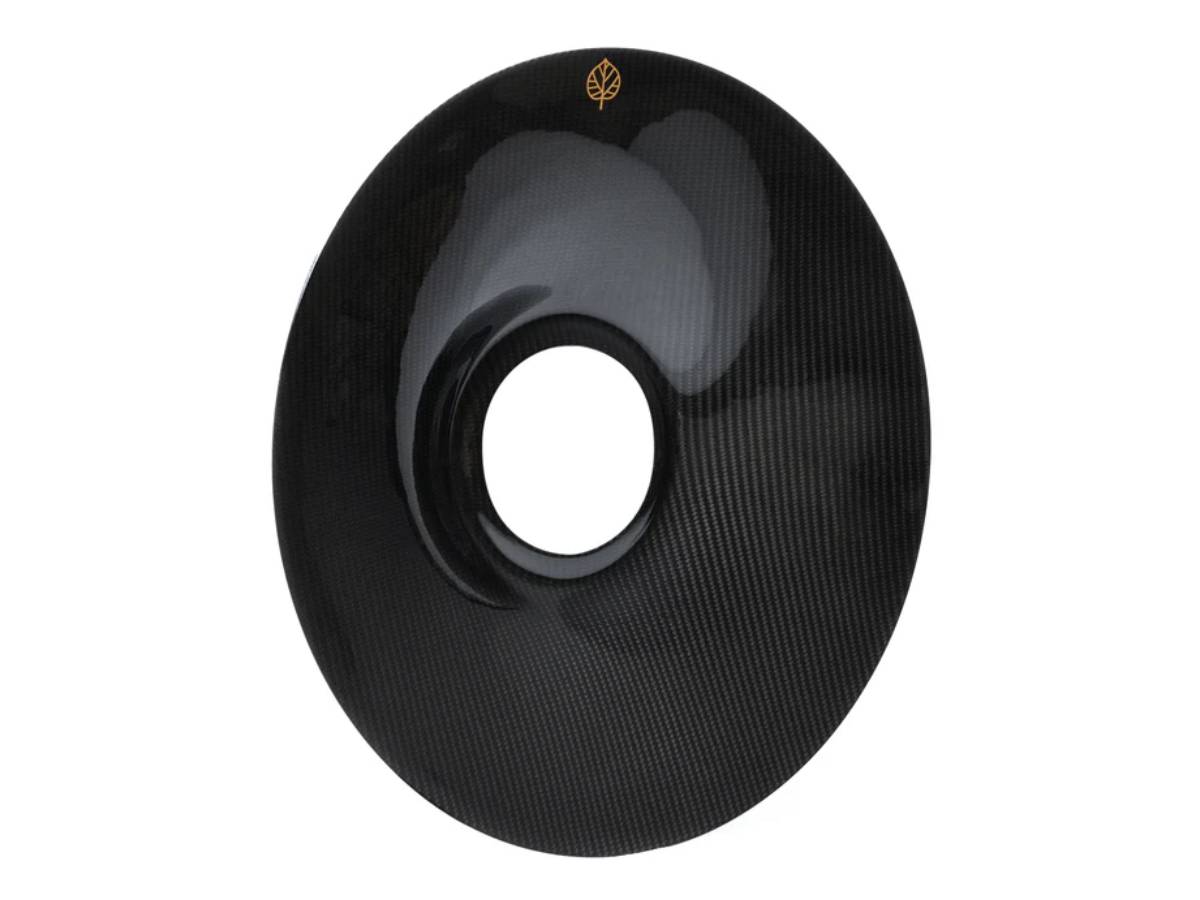
Aero disc rear wheel carbon fibre for Magnesium Wheel
Fits:
Porsche 992.1 GT3 RS - 2021 Onwards
Fits Optional Magnesium wheels only
Lightweight Carbon Fiber Rear Wheel Covers for Enhanced Downforce
Aero discs play a crucial role in streamlining the airflow around the rear wheels, preventing turbulence that can adversely affect the efficiency of the rear wing.
Carbon fiber Aero discs are made with pre-preg carbon fiber, cured in autoclave. The set is fully reversible and requires no cutting or modifying of any original parts. It supports an OEM+ look, with stunning carbon fiber appearance in a variety of finishes, all providing great UV protection.
It is compatible with stock Porsche 992.1 GT3 RS MAG wheels.
Choose between a variety of finishes. You can choose between basic Porsche wheel colors: Black, Dark silver, Silver, Gold, Blue and Red or you can opt for a completely bespoke color. Please write the desired color in the Cart comment section.
The spoke design can also be changed to any other design or deleted.
Installation Process
The installation process of the Aero discs is straightforward and can be done by any car enthusiast. It comes with detailed instructions to ensure a smooth and hassle-free installation.
Each Aero disc is made of two parts. The visible one on the face of the wheel and the hidden one inside the wheel. In order to install the Aero disc assembly, you first apply provided PPF on the outer wheel spokes, then you position the dish onto the wheel with the help of provided centering piece and lastly you position the back ring on the inner part of the wheel and screw the two parts together with with provided hardware. We advise you use Loctite on the screws.
After installation we recommend wheel rebalancing.


- Porsche 991.2 GT3 4.0L (500 Bhp) / GT3 RS 4.0L (520 Bhp) 2017-19
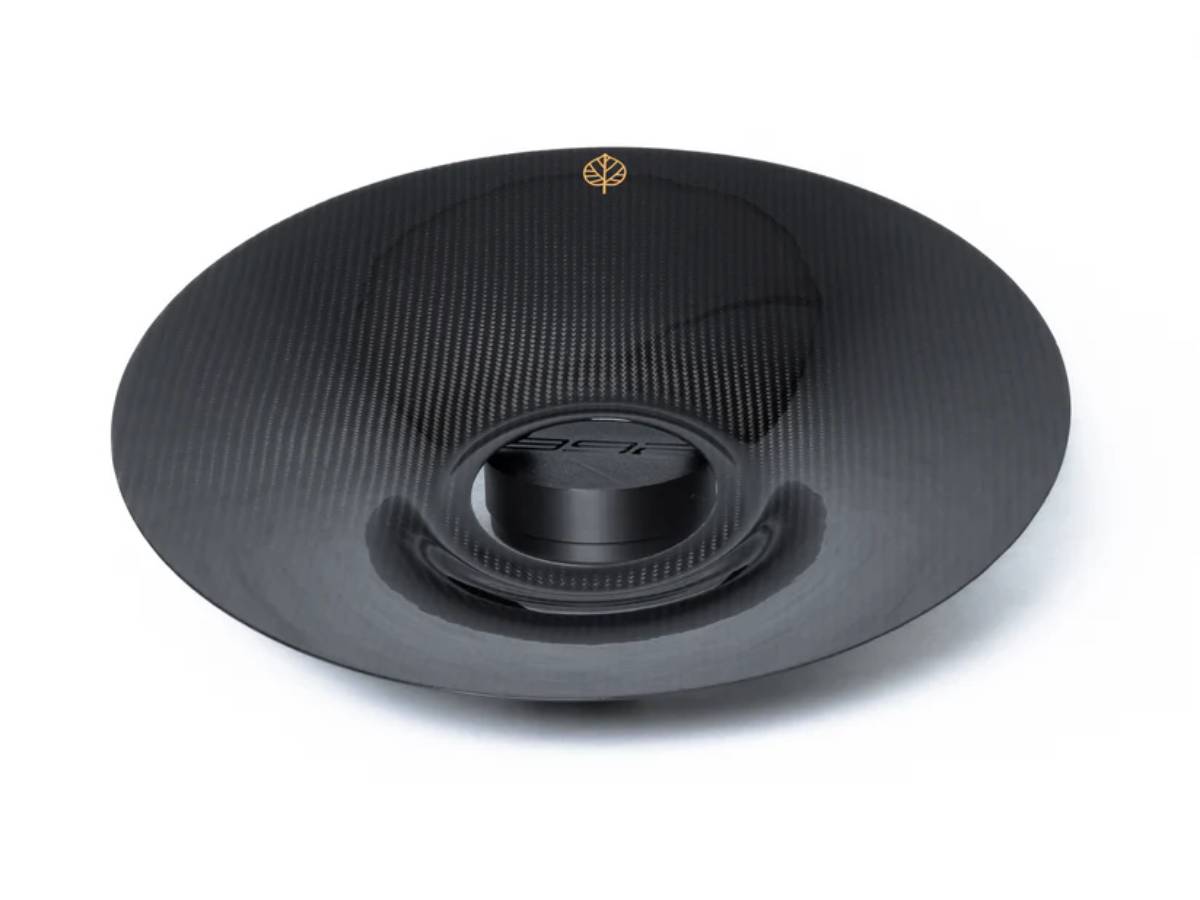
Aero disc rear wheel carbon fibre.
Fits:
Porsche 991.2 GT3 RS
Fits OEM Standard (NON Magnesium) wheels only
Set of lightweight carbon fiber rear wheel covers for improved downforce.
Aero discs play a crucial role in streamlining the airflow around the rear wheels, preventing turbulence that can adversely affect the efficiency of the rear wing.
Carbon fiber Aero discs are made with pre-preg carbon fiber, cured in autoclave. The set is fully reversible and requires no cutting or modifying of any original parts. It supports an OEM+ look, with stunning carbon fiber appearance in a variety of finishes, all providing great UV protection.
It is compatible with stock 991.1 and 991.2 GT3 RS - ALU wheels.
Choose between a variety of finishes. The variants with colored spoke design are offered in the PTS variant. You can choose between 4 basic Porsche wheel colors: Black, Gunmetal, Silver and Gold or you can opt for a completely bespoke color. Please write the desired color in the Cart comment section.
The spoke design can also be changed to any other design or deleted.
Installation Process
The installation process of the Aero discs is straightforward and can be done by any car enthusiast. It comes with detailed instructions to ensure a smooth and hassle-free installation.
Each Aero disc is made of two parts. The visible one on the face of the wheel and the hidden one inside the wheel. In order to install the Aero disc assembly, you first apply provided PPF on the outer wheel spokes, then you position the dish onto the wheel with the help of provided centering piece and lastly you position the back ring on the inner part of the wheel and screw the two parts together with with provided hardware. We advise you use Loctite on the screws.
After installation we recommend wheel rebalancing.