





Enter your VAT number here and click Verify:
Your details have been verified. VAT number registered to:
,
.
Your order will now be zero rated for VAT purposes. We reserve the right to verify these details after your order request has been made and reinstate VAT if required.
Your VAT details were not recognised or were invalid. Your VAT number must be matched to your Billing Country as specified above. This is currently specified as . You do not need to enter the country code part of your VAT number as this has already been selected in your billing address details above.
The VAT number checking service is currently offline. Please supply your VAT details within the comments or special instructions field below and we will apply a VAT discount after placing your order request.
FTE

FTE for Porsche
We are not only a leading development partner and OE supplier to the international automotive Industry, but also a preferred aftermarket partner. We also apply the experience and expertise we gain from producing original equipment to our Porsche Aftermarket spare parts program. From clutch and brake parts all the way to brake fluids for passenger cars and commercial vehicles, we offer an extensive product range to distributors and independent garages in 117 countries. We guarantee first-class product quality and support for service and repairs
Choosing the Right Fit for Your Porsche
Where FTE is listed for Porsche, use the supplied model coverage and OE references to confirm suitability. Check details that commonly affect fitment such as model year, side/position, and connector type where relevant.
- Typical reasons to choose FTE for Porsche braking and hydraulic components include curing fluid leaks, improving braking consistency and restoring a firm, predictable pedal feel.
- Common symptoms that lead to replacement are a soft pedal, pulling under braking, fluid leaks, sticking calipers, uneven pad wear and ABS warning behaviour linked to hydraulic issues, often made worse by old fluid or seized hardware.
- After hydraulic work you will normally need to bleed the system and it is strongly recommended to renew the brake or clutch fluid at the same time.
- Inspect flexible hoses, hard lines and caliper or cylinder condition while you are there to avoid repeat issues from an unseen leak or sticking component.
- Where systems share fluid, using the correct specification and keeping it fresh helps protect internal seals and reduce future hydraulic faults.
Browse by Category
If you already know the area you are working on, start with the category and then filter by Porsche model. Where real-world symptoms and typical reasons to replace are provided, use them to keep the wording grounded.
Brakes — Brake components are renewed to restore stopping performance, address wear or upgrade a Porsche for fast road or track use. Common symptoms include vibration under braking, increased stopping distances, squealing, pulling to one side, warning lights and visible wear to discs and pads.
- Check if the parts are intended as OE-equivalent replacements or performance upgrades for your intended use.
- Follow the recommended bedding-in procedure and consider replacing fitting kits and wear sensors where specified.
Brake Master Cylinder — The brake master cylinder is replaced when internal seals fail, causing fluid leaks or a sinking brake pedal. Common signs include a spongy pedal, loss of pressure when holding the pedal and fluid leaks at the rear of the cylinder.
- Confirm whether the master cylinder is specific to ABS/PSM-equipped cars and if any bench-bleeding is recommended before installation.
- Check what is included in the kit (such as reservoir, seals or washers) and follow the correct bleeding procedure after fitting.
Hydraulics — Hydraulic components are replaced to cure leaks, restore pressure, and maintain reliable operation of systems such as power assistance, suspension control, clutch hydraulics or other hydraulic functions where fitted. Typical issues include fluid leaks, heavy operation, aerated or contaminated fluid and noisy pumps.
- Do not just keep topping up fluid; locating and fixing the leak is important to protect other components and avoid loss of assistance.
- Always use the correct fluid type and consider flushing if the fluid is dark or contaminated, or after a major component failure.
Clutch Master Cylinder — The clutch master cylinder is replaced when it can’t maintain hydraulic pressure, causing poor clutch disengagement and difficult gear selection. Symptoms include a spongy or sinking pedal, difficulty selecting gears and possible fluid leakage around the pedal box area.
- It is often sensible to renew the slave cylinder at the same time if both components are of similar age, as labour overlaps and it reduces the need for repeat bleeding.
- Bleed the system thoroughly and always use the specified fluid, as many systems share brake fluid with the braking circuit.
Clutch Slave Cylinder — The slave cylinder is renewed when it leaks or cannot move the clutch fork far enough to disengage the clutch cleanly. Common symptoms are a soft pedal that may go to the floor, difficulty engaging gears and external fluid leaks around the slave or bellhousing area.
- On some Porsche models bleeding can be challenging, so using the correct pressure-bleeding method and sequence is important.
- While the slave is accessible, inspect the clutch fork, pivot and release bearing where possible so you can address any obvious wear at the same time.
Explore FTE at Design911
View the current FTE range for Porsche at Design911, then filter by model and category to narrow down to the right parts.


- Porsche 928 4.5L 1978-82
- Porsche 928S 4.7L 1981-83
- Porsche 928S2 4.7L 1984-86
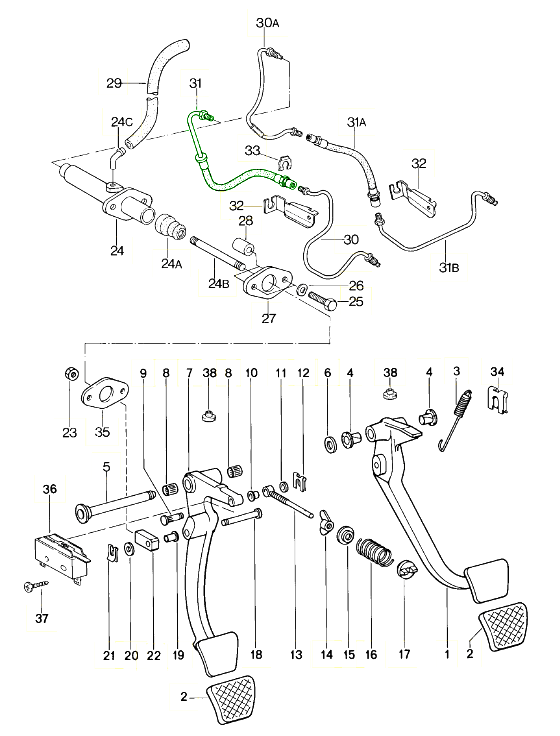
Straight fittings. Length: 300 mm

Fits:
Porsche 928 1980-83 LHD
*** only in conj. with: Brake servo 10 mm
Porsche 928 1983-86 LHD
Click 'Zoom in' for large parts diagram.
Diagram ref no 31
Related reference numbers
Related, superseded, cross reference or alternative numbers for comparison.
92842317712
The product you are viewing cross references to these numbers


- Porsche 928 4.5L 1978-82
- Porsche 928S 4.7L 1981-83
- Porsche 928S2 4.7L 1984-86
90 deg. angle fitting.
Fits:
Porsche 928 1978-83 LHD
*** only in conj. with: Brake servo 9 mm
Porsche 928 1978-86 RHD
Click 'Zoom in' for large parts diagram.
Diagram ref no 31
Related reference numbers
Related, superseded, cross reference or alternative numbers for comparison.
92842317711
The product you are viewing cross references to these numbers
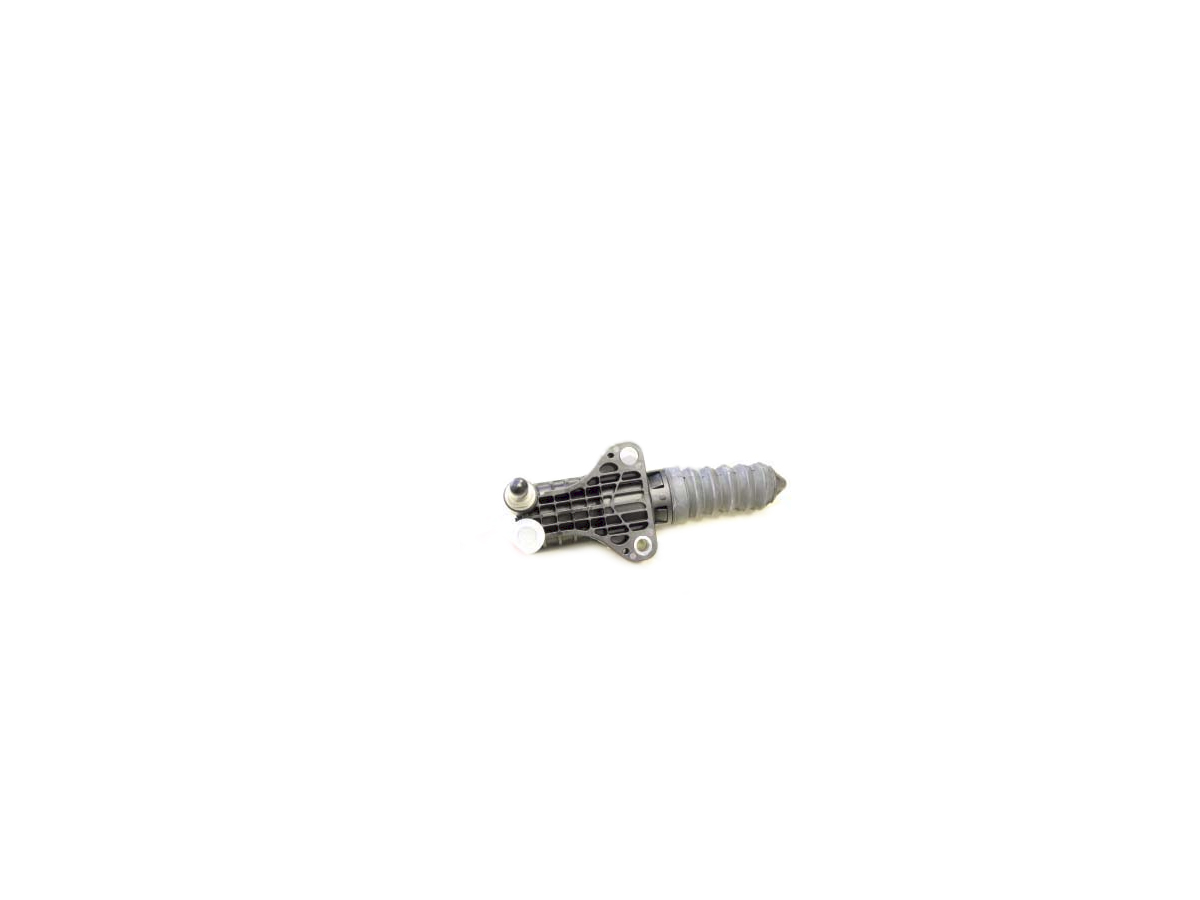
- Porsche 997 MKII Carrera C2 3.6L 2009-12
- Porsche 997 MKII Carrera C4 3.6L 2009-12
- Porsche 997 MKII Carrera C2S 3.8L 2009-12
- Porsche 997 MKII Carrera C4S 3.8L 2009-12
- Porsche 991.1 Carrera C2 3.4L (350 Bhp) 2012-16
- Porsche 991.1 Carrera C2S / GTS 3.8L (400/430 Bhp) 2012-16
- Porsche 991.1 Carrera C4 3.4L (350 Bhp) 2012-16
- Porsche 991.1 Carrera C4S / GTS 3.8L (400/430 Bhp) 2012-16
- Porsche 991.2 Carrera 2 3.0L (370 Bhp) 2016-19
- Porsche 991.2 Carrera 2S / GTS 3.0L (420/450 Bhp) 2016-19
- Porsche 991.2 Carrera 4 3.0L (370 Bhp) 2016-19
- Porsche 991.2 Carrera 4S / GTS 3.0L (420/450 Bhp) 2016-19
- Porsche 991.2 Cabriolet 2 3.0L (370 Bhp) 2016-19
- Porsche 991.2 Cabriolet 2S / GTS 3.0L (420/450 Bhp) 2016-19
- Porsche 991.2 Cabriolet 4 3.0L (370 Bhp) 2016-19
- Porsche 991.2 Cabriolet 4S / GTS 3.0L (420/450 Bhp) 2016-19
- Porsche 991.2 Targa 4 3.0L (370 Bhp) 2016-19
- Porsche 991.2 Targa 4S / GTS 3.0L (420/450 Bhp) 2016-19
- Porsche 992.1 Carrera 2 3.0L 2019-24
- Porsche 992.1 Carrera 4 3.0L 2019-24
- Porsche 992.1 Carrera 2 Cabriolet 3.0L 2019-24
- Porsche 992.1 Carrera 4 Cabriolet 3.0L 2019-24
- Porsche 992.1 Carrera 2S / GTS 3.0L 2019-24
- Porsche 992.1 Carrera 4S / GTS 3.0L 2019-24
- Porsche 992.1 Carrera 2S / GTS Cabriolet 3.0L 2019-24
- Porsche 992.1 Carrera 4S / GTS Cabriolet 3.0L 2019-24
- Porsche 992.1 Targa 4 3.0L 2020-24
- Porsche 992.1 Targa 4S / GTS 3.0L 2020-24
Fits:
Porsche 997.2 Carrera 2008-12 G97.05 / G97.35
Porsche 991.1 Carrera 2012-16 G91.00
Porsche 991.2 Carrera 2017-19 G91.05 / G91.06 /
G91.35+ cars with 7-Speed transmission
Porsche 992.1 Carrera 2019>>
Related reference numbers
Related, superseded, cross reference or alternative numbers for comparison.
9P1721263
The product you are viewing cross references to these numbers
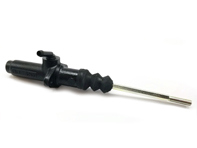
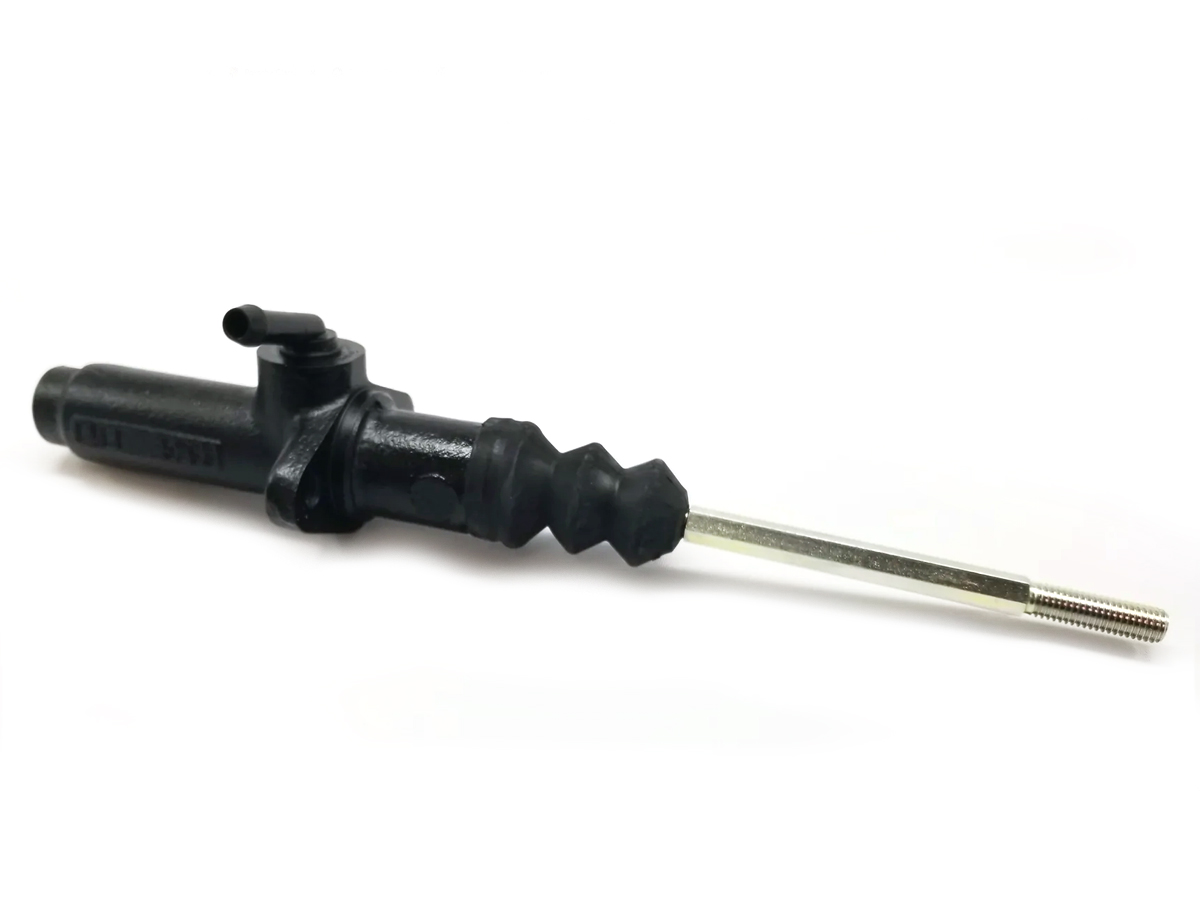
- Porsche 928 4.5L 1978-82
- Porsche 928S 4.7L 1981-83
- Porsche 928S2 4.7L 1984-86
- Porsche 928S4 5.0L 1987-92
- Porsche 928GT 5.0L 1989-91
- Porsche 928GTS 5.4L 1992-95
only in conj. with: 10mm Brake servo
Fits:
For LHD cars
Porsche 928 4.5L 09.1977 - 08.1982
Porsche 928 4.7L S / S2 09.1979 - 07.1986
Porsche 928 5.0L S4 08.1985 - 07.1991
Porsche 928 5.0L GT 01.1989 - 07.1991
Porsche 928 5.4L GTS 08.1991 - 11.1995
Related reference numbers
Related, superseded, cross reference or alternative numbers for comparison.
92842317306
The product you are viewing cross references to these numbers
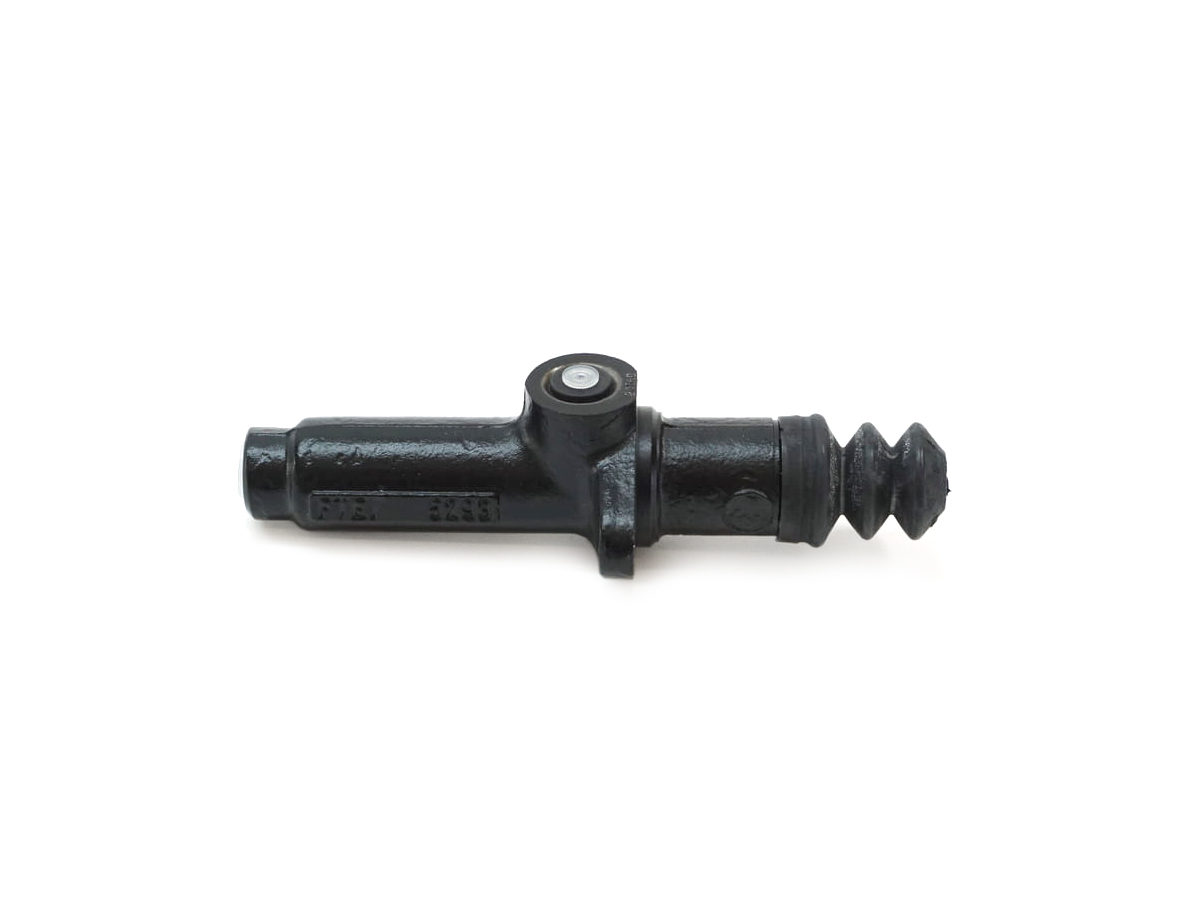
- Porsche 928 4.5L 1978-82
- Porsche 928S 4.7L 1981-83
only in conj. with: 9mm Brake servo
Fits:
Porsche 928 4.5L 09.1977 - 08.1982
Porsche 928 4.7 S 09.1979 - 07.1983
Related reference numbers
Related, superseded, cross reference or alternative numbers for comparison.
92842319300
The product you are viewing cross references to these numbers
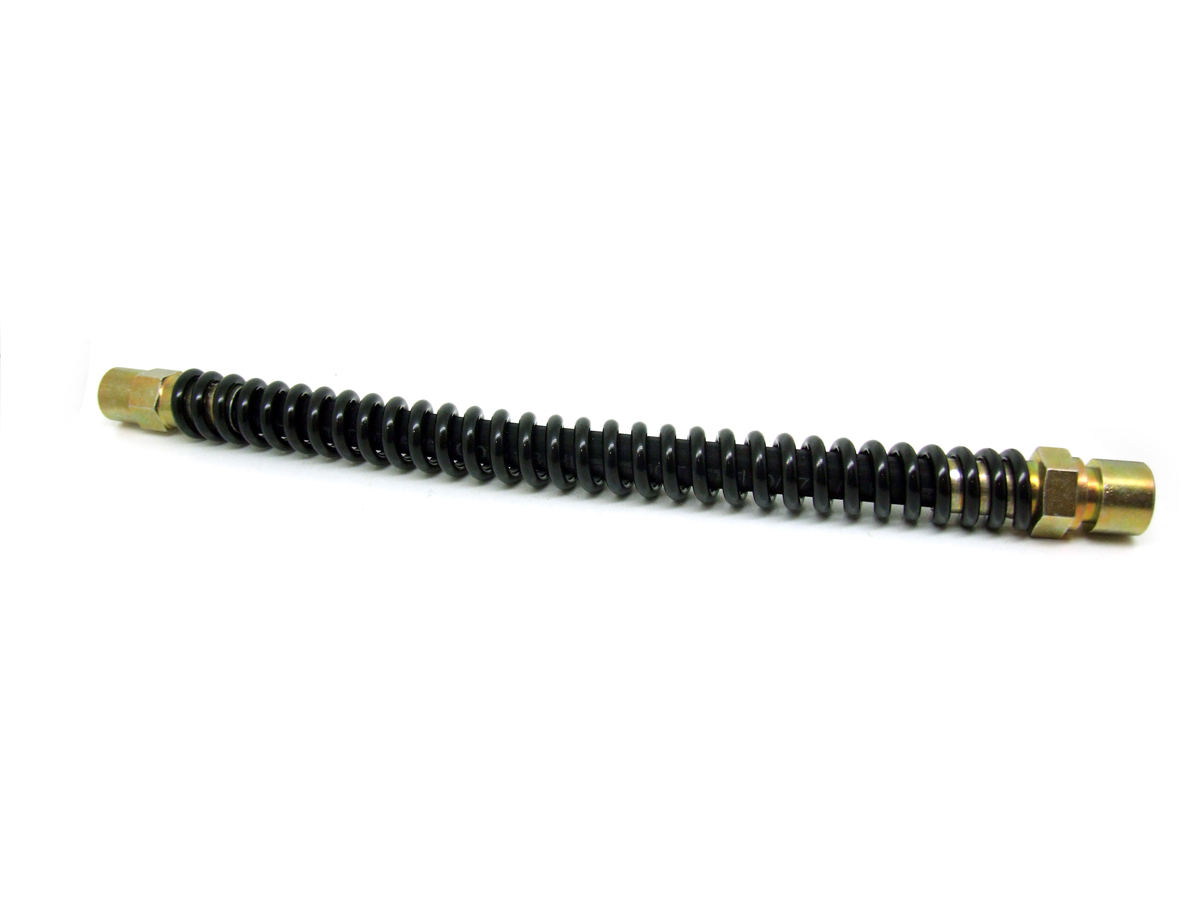
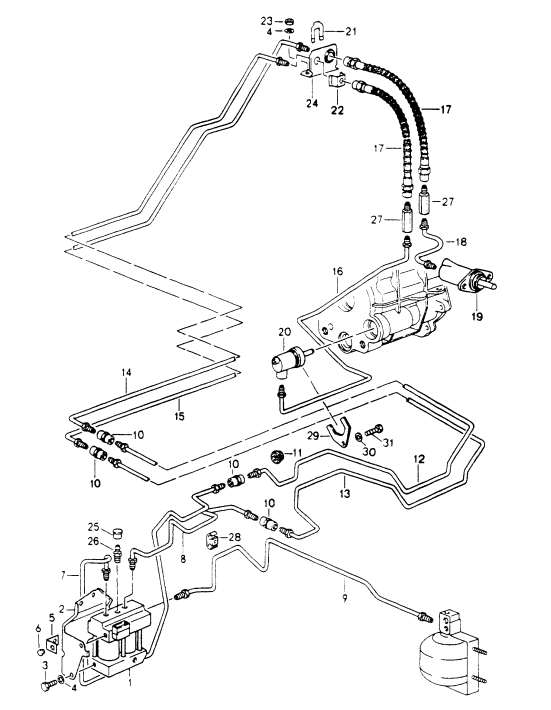
- Porsche 964 (911) C4 1989-93
2 per car. Sold each.
Fits:
Porsche 964 C4 1989-94
Click 'Zoom in' for large parts diagram.
Diagram ref no 17
Related reference numbers
Related, superseded, cross reference or alternative numbers for comparison.
96431506100
The product you are viewing cross references to these numbers


- Porsche 968 3.0L 1992-94
- Porsche 968 Sport 3.0L 1994-95
- Porsche 968 CS 3.0L 1993-95
- Porsche 968 Turbo S 3.0L 1993-94
Fits:
Porsche 968 1992-95
A clutch that is engaged/disengaged via hydraulic fluid instead of a cable uses a Clutch Master and Clutch Slave Cylinder. When depressing the clutch pedal a lever is squeezed, forcing hydraulic fluid through hydraulic lines to a "slave cylinder" which houses a piston. The piston forces a push rod to engage or disengage the clutch. A clutch master cylinder that contains the hydraulic fluid sits on a support har near the clutch lever. When either the Master or Slave Cylinder fail the clutch is unable to be disengaged.
Related reference numbers
Related, superseded, cross reference or alternative numbers for comparison.
94411623703
The product you are viewing cross references to these numbers


- Porsche 993 (911) TURBO 1994-96
- Porsche 993 (911) GT2 1994-97
- Porsche 993 (911) TURBO S 1994-97
Fits:
Porsche 993 Turbo 1994-98
A clutch that is engaged/disengaged via hydraulic fluid instead of a cable uses a Clutch Master and Clutch Slave Cylinder. When depressing the clutch pedal a lever is squeezed, forcing hydraulic fluid through hydraulic lines to a "slave cylinder" which houses a piston. The piston forces a push rod to engage or disengage the clutch. A clutch master cylinder that contains the hydraulic fluid sits on a support har near the clutch lever. When either the Master or Slave Cylinder fail the clutch is unable to be disengaged.
Related reference numbers
Related, superseded, cross reference or alternative numbers for comparison.
99342317150
The product you are viewing cross references to these numbers
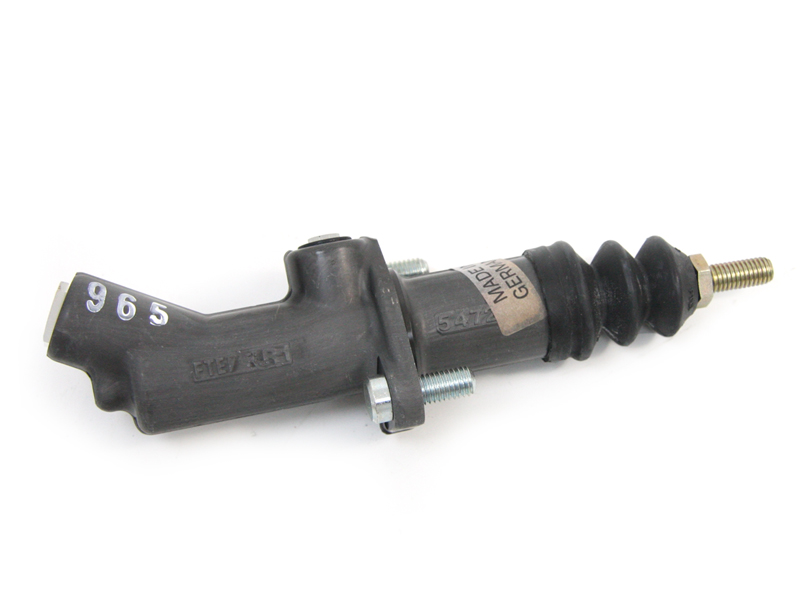
- Porsche 964 (911) TURBO 3.6L 1991-93
Fits:
Porsche 964 (965) Turbo 3.6L
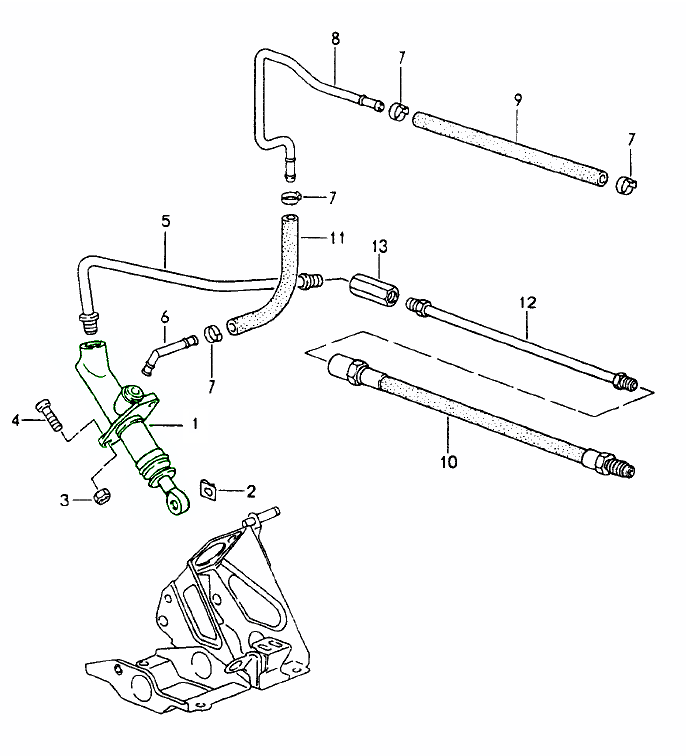
Click 'Zoom in' for large parts diagram.
Diagram ref no 1
Related reference numbers
Related, superseded, cross reference or alternative numbers for comparison.
96542314900
The product you are viewing cross references to these numbers


- Porsche 944S 2.5L 16V 1987-88
- Porsche 944S2 3.0L 16V 1989-91
- Porsche 944 Turbo 2.5L 8V 1985-88
- Porsche 944 Turbo 2.5L 8V 1989-91
- Porsche 944 Turbo S 2.5L 8V 1988
- Porsche 968 3.0L 1992-94
- Porsche 968 Sport 3.0L 1994-95
- Porsche 968 CS 3.0L 1993-95
- Porsche 968 Turbo S 3.0L 1993-94
Fits:
Porsche 944 1990-91 LHD Cars
Porsche 968 1992-95 LHD Cars
A clutch that is engaged/disengaged via hydraulic fluid instead of a cable uses a Clutch Master and Clutch Slave Cylinder. When depressing the clutch pedal a lever is squeezed, forcing hydraulic fluid through hydraulic lines to a "slave cylinder" which houses a piston. The piston forces a push rod to engage or disengage the clutch. A clutch master cylinder that contains the hydraulic fluid sits on a support bar near the clutch lever. When either the Master or Slave Cylinder fail the clutch is unable to be disengaged.
Related reference numbers
Related, superseded, cross reference or alternative numbers for comparison.
94442314900
The product you are viewing cross references to these numbers


- Porsche 964 (911) C2 1989-93
- Porsche 964 (911) C4 1989-93
- Porsche 964 (911) RS 3.6L 1991-93
- Porsche 964 (911) RS 3.8L 1991-93
- Porsche 964 (911) TURBO 3.3L 1991-93
- Porsche 993 (911) C2 1994-97
- Porsche 993 (911) C4 1994-97
- Porsche 993 (911) RS 1994-97
- Porsche 993 (911) C2S 1994-97
- Porsche 993 (911) C4S 1994-97
Fits:
Porsche 964 C2, C4, RS 1989-94 (Manual cars)
Porsche 993 C2, C4, C2S, C4S, RS 1994-98
A clutch that is engaged/disengaged via hydraulic fluid instead of a cable uses a Clutch Master and Clutch Slave Cylinder. When depressing the clutch pedal a lever is squeezed, forcing hydraulic fluid through hydraulic lines to a "slave cylinder" which houses a piston. The piston forces a push rod to engage or disengage the clutch. A clutch master cylinder that contains the hydraulic fluid sits on a support near the clutch lever. When either the Master or Slave Cylinder fail the clutch is unable to be disengaged.
Related reference numbers
Related, superseded, cross reference or alternative numbers for comparison.
99342317100
The product you are viewing cross references to these numbers


- Porsche 928S4 5.0L 1987-92
- Porsche 928GT 5.0L 1989-91
- Porsche 928GTS 5.4L 1992-95
Fits:
Porsche 928 1987-95
A clutch that is engaged/disengaged via hydraulic fluid instead of a cable uses a Clutch Master and Clutch Slave Cylinder. When depressing the clutch pedal a lever is squeezed, forcing hydraulic fluid through hydraulic lines to a "slave cylinder" which houses a piston. The piston forces a push rod to engage or disengage the clutch. A clutch master cylinder that contains the hydraulic fluid sits on a support har near the clutch lever. When either the Master or Slave Cylinder fail the clutch is unable to be disengaged.
Related reference numbers
Related, superseded, cross reference or alternative numbers for comparison.
92811623722
The product you are viewing cross references to these numbers


- Porsche 996 GT2 2001-05
- Porsche 996 GT3 MKI 1999-02
- Porsche 996 GT3 MKII 2003>>
- Porsche 996 GT3 RS 2003-04
- Porsche 997 MK1 GT3 2007-09
- Porsche 997 MK1 GT2 2007-09
- Porsche 997 MKII GT3 2010-11
- Porsche 997 MKII GT2 RS 2011-13
Fits:
Porsche 996 GT2 / GT3
Porsche 997 GT2 / GT2-RS
Porsche 997 GT3
A clutch that is engaged / disengaged via hydraulic fluid instead of a cable uses a Clutch Master and Clutch Slave Cylinder.
When depressing the clutch pedal a lever is squeezed, forcing hydraulic fluid through hydraulic lines to a "slave cylinder" which houses a piston. The piston forces a push rod to engage or disengage the clutch.
When either the Master or Slave Cylinder fail the clutch is unable to be disengaged.
Related reference numbers
Related, superseded, cross reference or alternative numbers for comparison.
99611623790
The product you are viewing cross references to these numbers


- Porsche 924 2.0L 1976-79
- Porsche 924 2.0L 1980-85
- Porsche 924 Turbo 2.0L 1979-81
- Porsche 924 Turbo 2.0L 1982-84
- Porsche 924 Carrera GT 2.0L 1981
- Porsche 924 Carrera GTS 2.0L 1982
- Porsche 924S 2.5L 1986-87
- Porsche 924S 2.5L 1988
- Porsche 944 2.5L 8V 1982-87
- Porsche 944 2.7L 8V 1988-89
- Porsche 944S 2.5L 16V 1987-88
Fits:
Porsche 924 1976-85
Porsche 924S 1986-88
Porsche 944 1982-89
A clutch that is engaged/disengaged via hydraulic fluid instead of a cable uses a Clutch Master and Clutch Slave Cylinder. When depressing the clutch pedal a lever is squeezed, forcing hydraulic fluid through hydraulic lines to a "slave cylinder" which houses a piston. The piston forces a push rod to engage or disengage the clutch. A clutch master cylinder that contains the hydraulic fluid sits on a support har near the clutch lever. When either the Master or Slave Cylinder fail the clutch is unable to be disengaged.
Related reference numbers
Related, superseded, cross reference or alternative numbers for comparison.
477721171
The product you are viewing cross references to these numbers


- Porsche 924 2.0L 1980-85
- Porsche 924 Turbo 2.0L 1979-81
- Porsche 924 Turbo 2.0L 1982-84
- Porsche 924 Carrera GT 2.0L 1981
- Porsche 924 Carrera GTS 2.0L 1982
- Porsche 924S 2.5L 1986-87
- Porsche 924S 2.5L 1988
- Porsche 944 2.5L 8V 1982-87
- Porsche 944 2.7L 8V 1988-89
- Porsche 944S 2.5L 16V 1987-88
Fits:
Porsche 924 1980-85
Porsche 924S 1986-88
Porsche 944 1982-88
A clutch that is engaged/disengaged via hydraulic fluid instead of a cable uses a Clutch Master and Clutch Slave Cylinder. When depressing the clutch pedal a lever is squeezed, forcing hydraulic fluid through hydraulic lines to a "slave cylinder" which houses a piston. The piston forces a push rod to engage or disengage the clutch. A clutch master cylinder that contains the hydraulic fluid sits on a support har near the clutch lever. When either the Master or Slave Cylinder fail the clutch is unable to be disengaged.
Related reference numbers
Related, superseded, cross reference or alternative numbers for comparison.
478721171
The product you are viewing cross references to these numbers
- Porsche 911 1974-1977 2.7L / 1976-77 3.0 Carrera
- Porsche 911 1978-1983 3.0L / SC
- Porsche 911 1984-1986 3.2L
- Porsche 911 1987-1989 3.2L G50
- Porsche 911 1975-1977 3.0L Turbo (930)
Fits:
Porsche 911 SC / Carrera 3.0L / 3.2L 1977-89
Porsche 930 Turbo with servo 3.0L 1975-1977
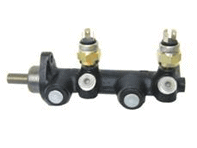
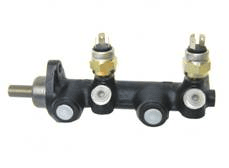
Note: Switches not included.
Diameter of the bore: ø 20.64mm
Related reference numbers
Related, superseded, cross reference or alternative numbers for comparison.
91135501112
The product you are viewing cross references to these numbers